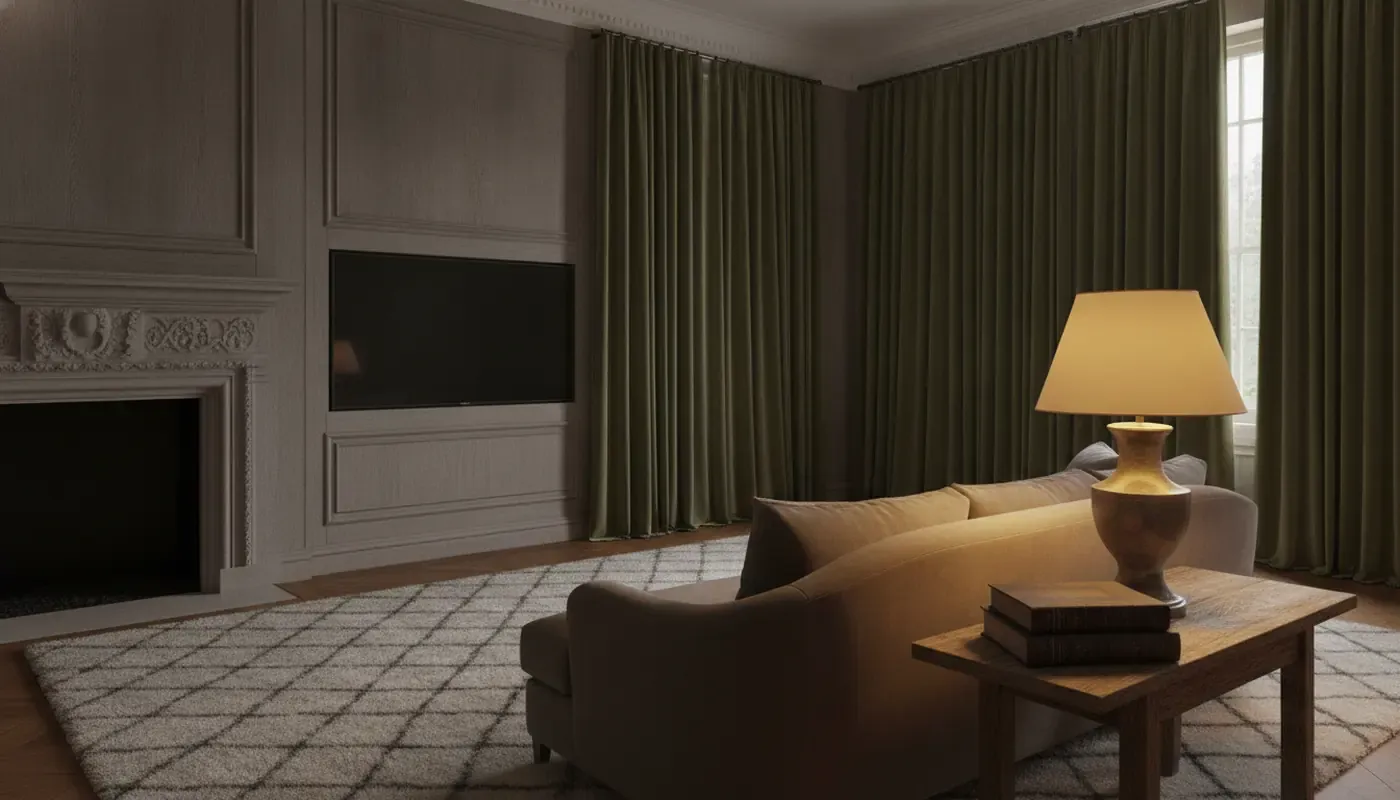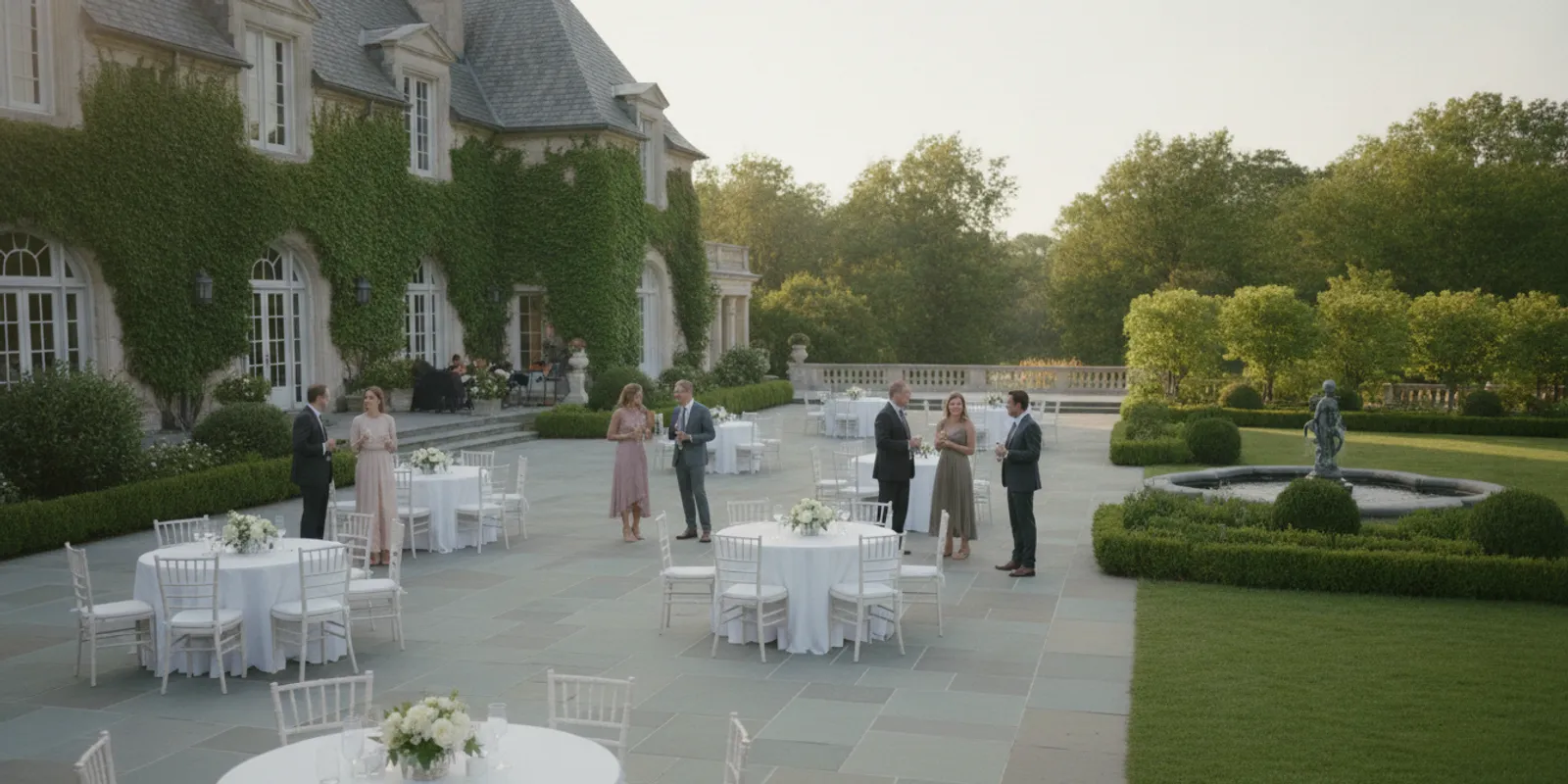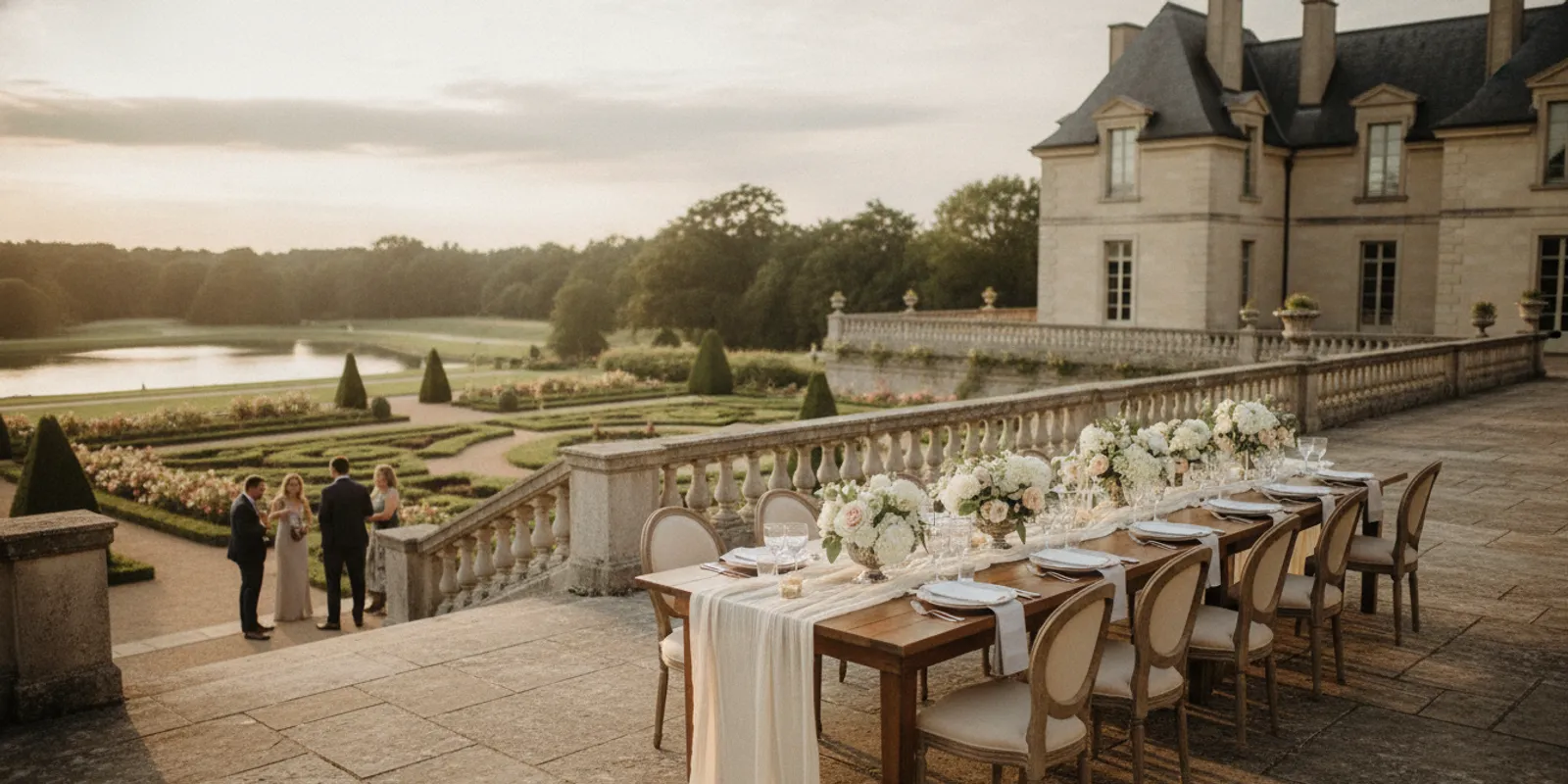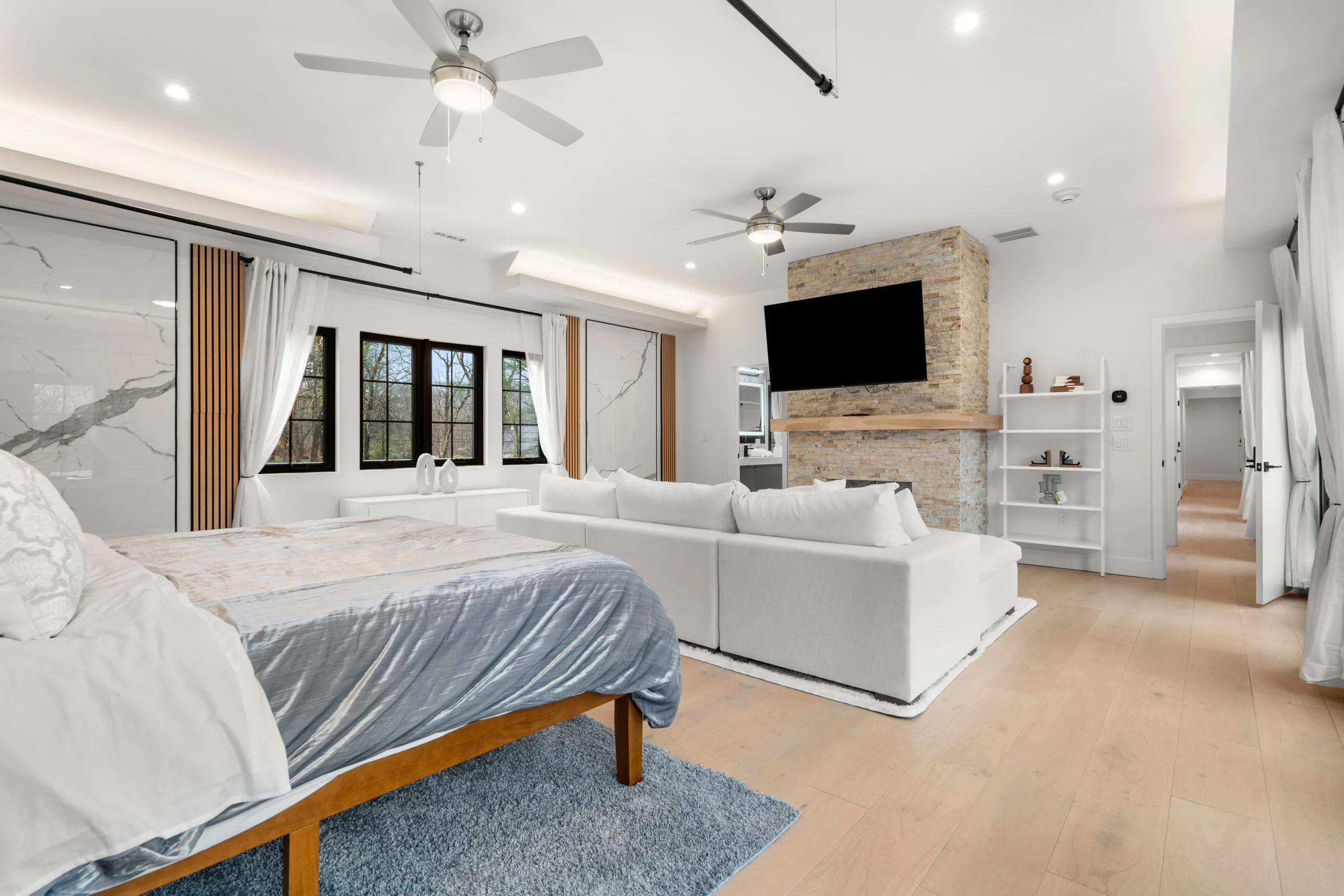
The setting you choose determines more than where guests gather. It shapes the pace of the celebration, the privacy of the experience, and how naturally people spend meaningful time together. An event hall can provide an efficient, polished backdrop for a scheduled program. A private estate offers greater control over the property, atmosphere, and overall rhythm of the occasion.
A private estate vs event hall for luxury celebration comparison comes down to experience: a private estate is an exclusive property with an integrated concierge experience. An event hall, by contrast, is a shared commercial function space built around a defined event schedule.
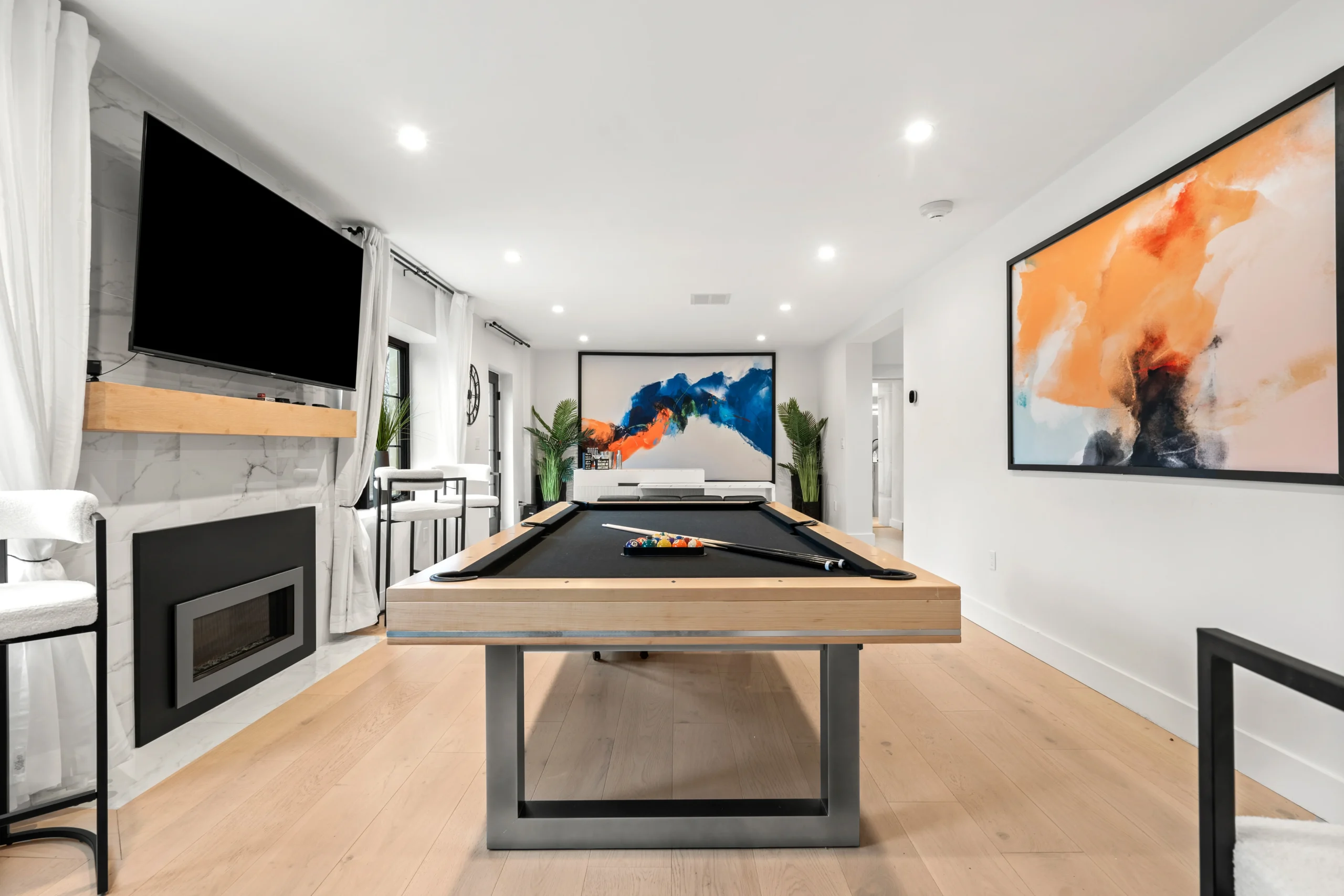
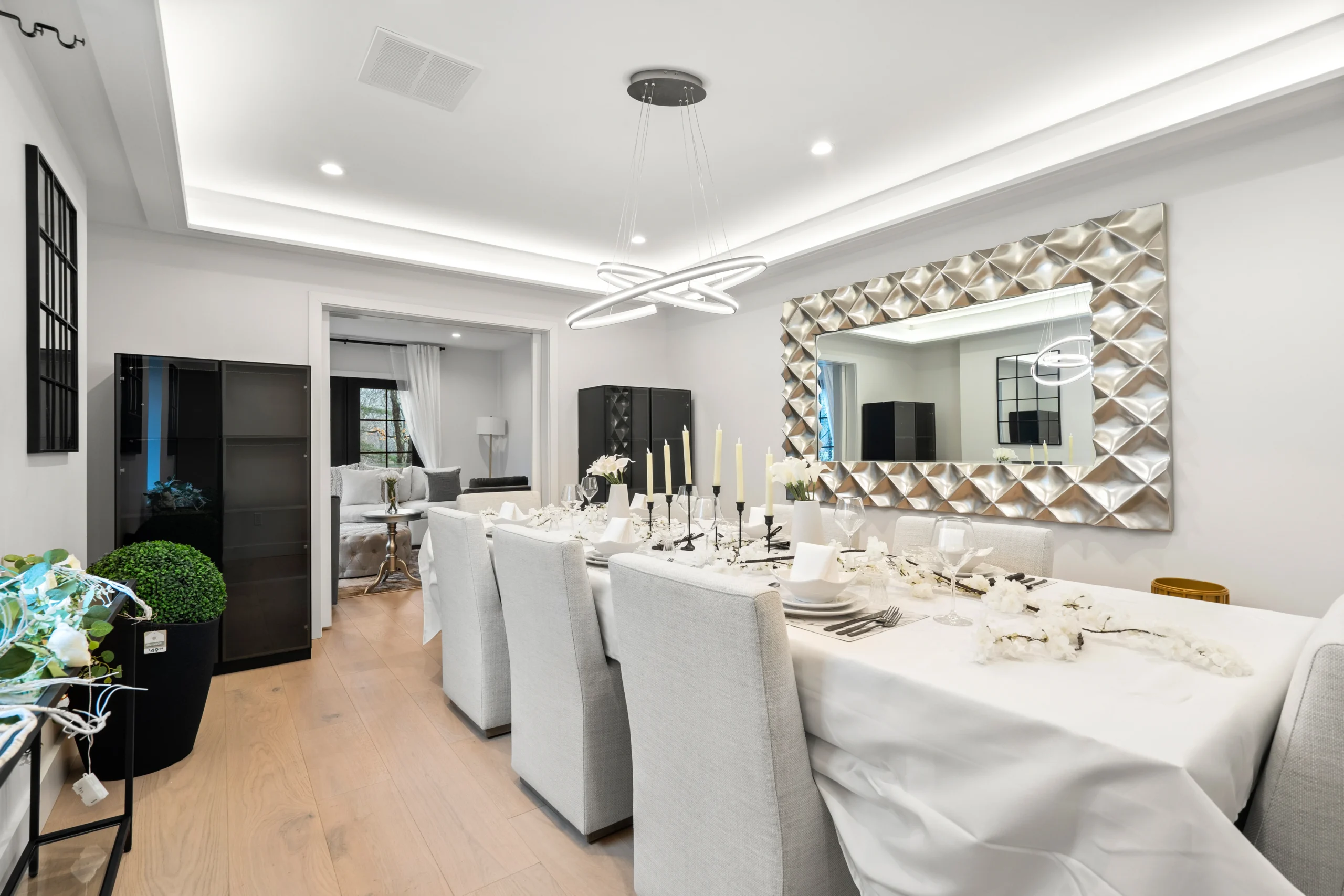
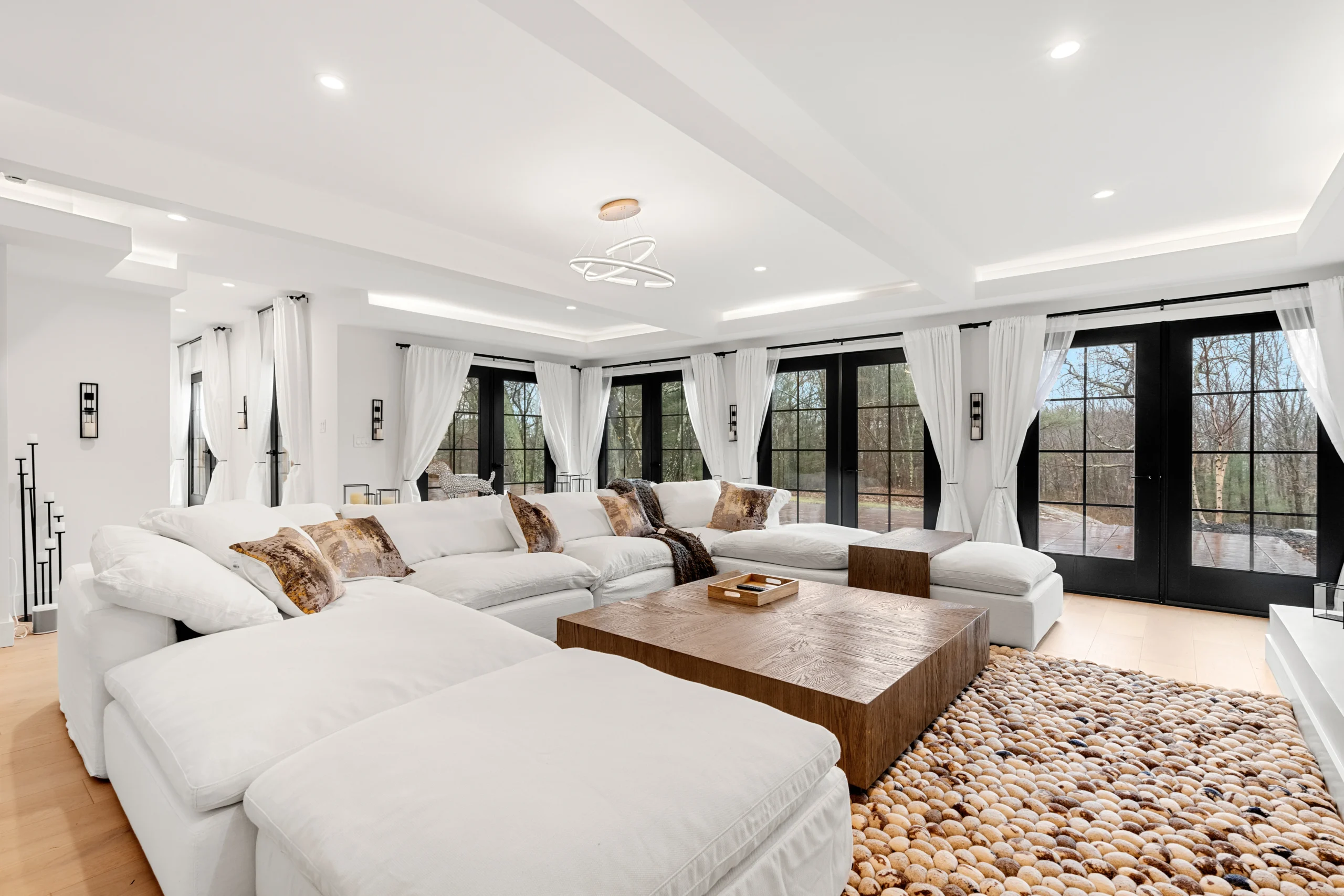
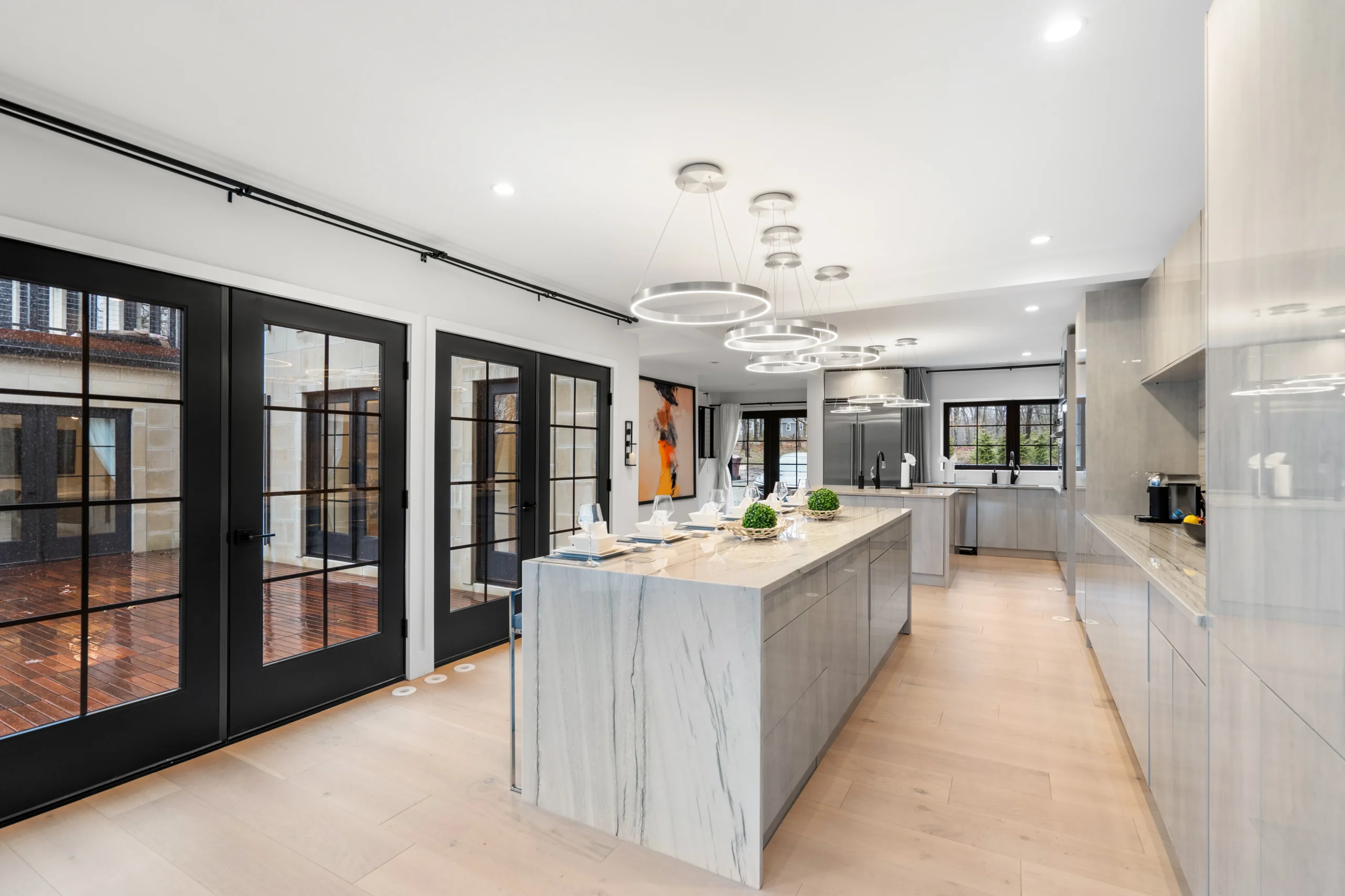
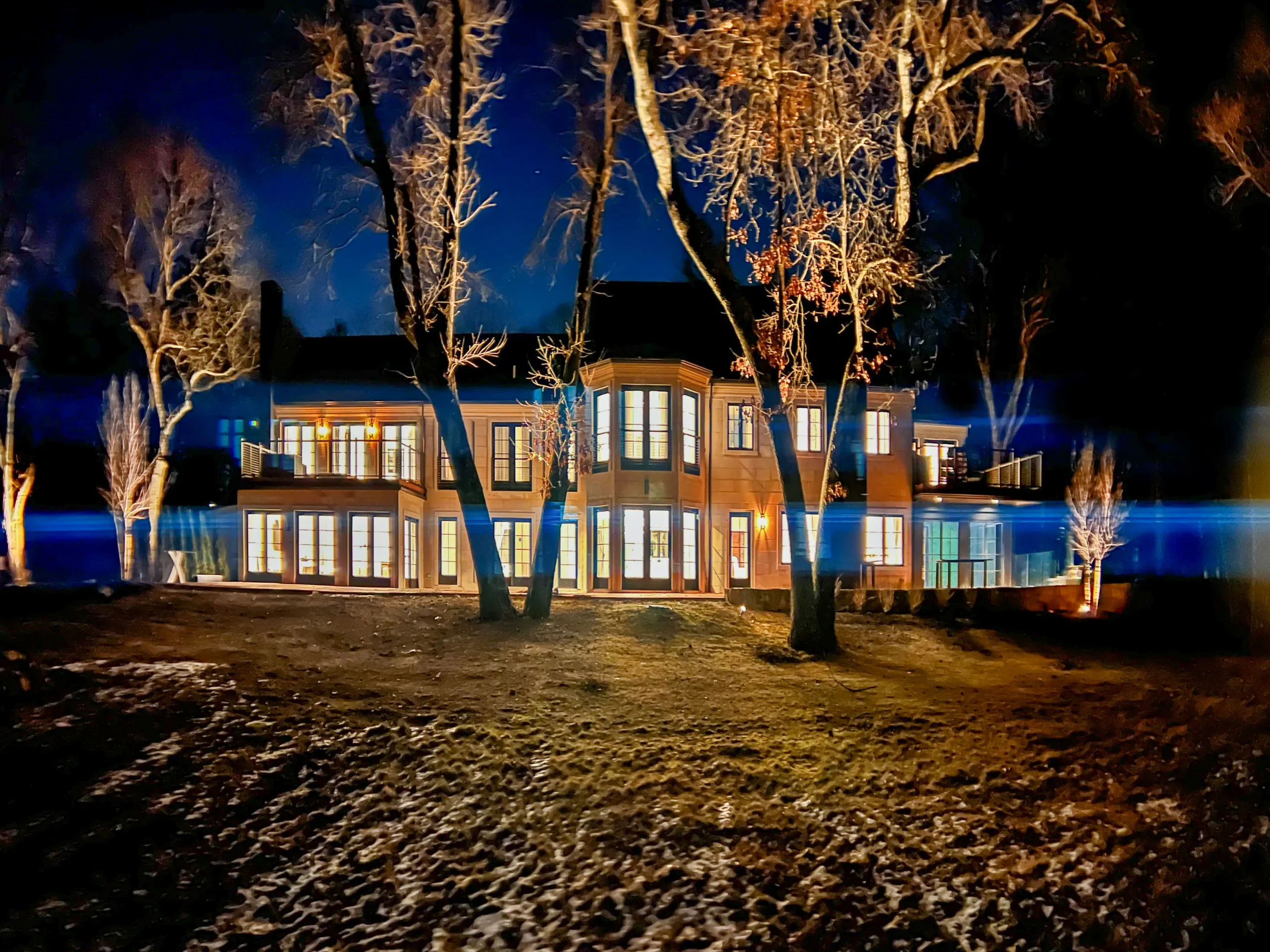
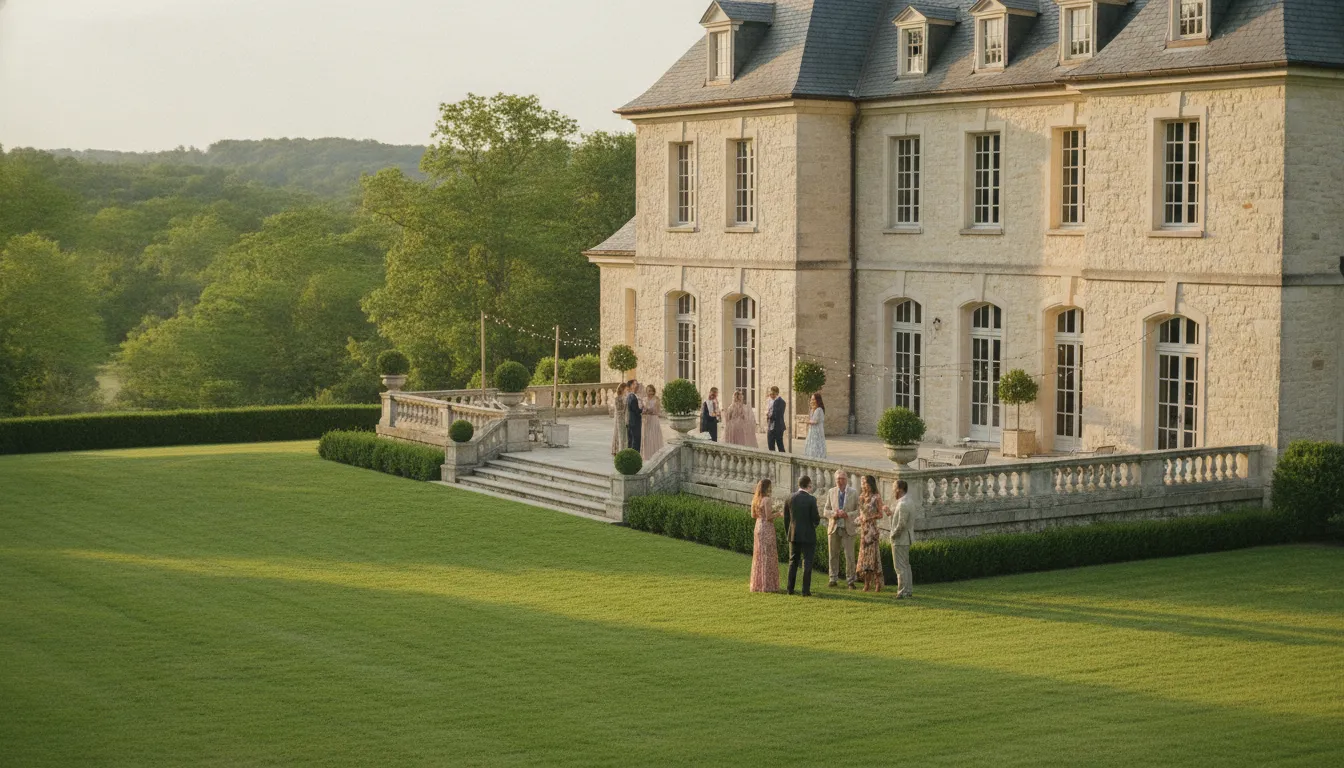
For milestone events near Boston, that distinction matters. The Charles Chateau is a private members-only estate in Dedham, set on 11 private acres and located about 20 minutes from Boston. Its full-estate model supports a more personal celebration, with no concurrent bookings and space for overnight guests. Our guide to private estate events in Massachusetts explores that setting in greater depth.
To evaluate the choice clearly, begin with what an event hall is designed to provide, and where that structure may or may not suit your celebration.
What an Event Hall Provides
A commercial event hall is designed to make a scheduled gathering straightforward. You reserve a function room, select from an established package, coordinate banquet or catering service, and host the celebration within the venue’s available window. For many occasions, that structure is practical. The space is prepared for events, the service model is familiar, and the planning process may feel relatively easy to price and organize.
That convenience also defines the experience. An event hall generally operates around a shared calendar, with one booking following another. The room, service sequence, furniture, and catering format are often shaped by the venue’s standard operating model rather than by the character of one family, couple, or group. Even when the setting is polished, the occasion can feel like a single scheduled event inside a larger commercial system.
Function space within a shared schedule
The central offering is rented function space. Your group arrives for a defined period, uses the designated areas, and departs when the rental ends. A single-day booking may cover the ceremony or reception, a private dinner, a corporate gathering, or a milestone celebration. But it does not usually give the host control of the property before and after that event. Setup, photographs, vendor access, and breakdown must fit within the agreed timetable.
This time-boxed arrangement can place limits on the atmosphere. A celebration may need to move quickly from one programmed moment to the next because another booking, a closing time, or the venue’s operating schedule is waiting. The result is efficient, but it can be closer to a well-managed production than to an unhurried gathering shaped around the people attending.
Standard packages and banquet service
Event halls commonly make planning easier through standardized packages. Those may define menu formats, beverage service, tables, chairs, linens, staffing, room layouts, and approved vendors. Banquet and catering service can be a genuine benefit when a host wants a clear sequence and familiar logistics. It reduces the number of decisions, but it can also narrow the range of choices available for a more personal celebration.
Research on traditional event venues describes them as polished and convenient while noting that they may lack the exclusive, personal feel of a private property. That distinction matters when comparing a private estate with an event hall for a luxury celebration. The question is not whether an event hall can deliver competent service. It is whether a standardized service environment can give the occasion the privacy, flexibility, and emotional texture the host wants.
Boston-area couples have long celebrated in hotel ballrooms and other formal event settings, yet Boston College notes that discerning couples are increasingly seeking something more personal. Historic and academic estates offer one example of that shift, replacing a purely functional room with a property that carries its own sense of place. An event hall provides a scheduled venue and coordinated service. The private-estate alternative begins with a different premise: the celebration takes place within an environment reserved for the group, rather than being fitted into a commercial calendar.
What a Private Estate Provides That an Event Hall Cannot
The distinction becomes clearest when the celebration extends beyond a single scheduled service. A private estate gives one group control of the setting, the pace, and the experience from arrival through departure. Instead of moving through a function room according to a venue timetable, guests can settle into a property that feels personal and shared.
That privacy is not simply a matter of atmosphere. At The Charles Chateau, the full 8,000-square-foot estate is reserved for one group, with no concurrent bookings. The property sits on 11 private acres in Dedham, approximately 20 minutes from Boston, creating a sense of retreat without requiring a long journey. For a wedding weekend, family gathering, or milestone occasion, the result is a setting where the event and the time around it can belong to the same experience.
Full-estate exclusivity changes the guest experience
An event hall may offer a polished room and professional service, but its schedule and surrounding activity remain part of the equation. Other events may be taking place before or after yours, and the space is generally designed around a defined block of event time. A private estate removes that shared-venue dynamic. Guests can move between indoor rooms and the grounds without feeling that they are occupying a temporary slot in a larger program.
Exclusivity also gives hosts greater discretion. Conversations can continue after dinner, children and older relatives can participate at their own pace. And the group can shape the day around its own traditions rather than around a standard banquet sequence. This is why private estates are often associated with a more intimate, personalized experience than traditional banquet halls or event centers. Explore the benefits of a private estate for luxury celebrations when the occasion calls for more than a formal room and a fixed schedule.
Multi-day stays create room for meaningful time together
A private estate can support a welcome gathering, the principal celebration, and a quiet morning afterward without requiring guests to leave the property between moments. Multi-day rental possibilities and custom logistical arrangements are advantages that standardized halls typically cannot provide. The format is particularly well suited to wedding weekends, milestone birthdays, and multi-generational gatherings where the relationships between guests matter as much as the main event.
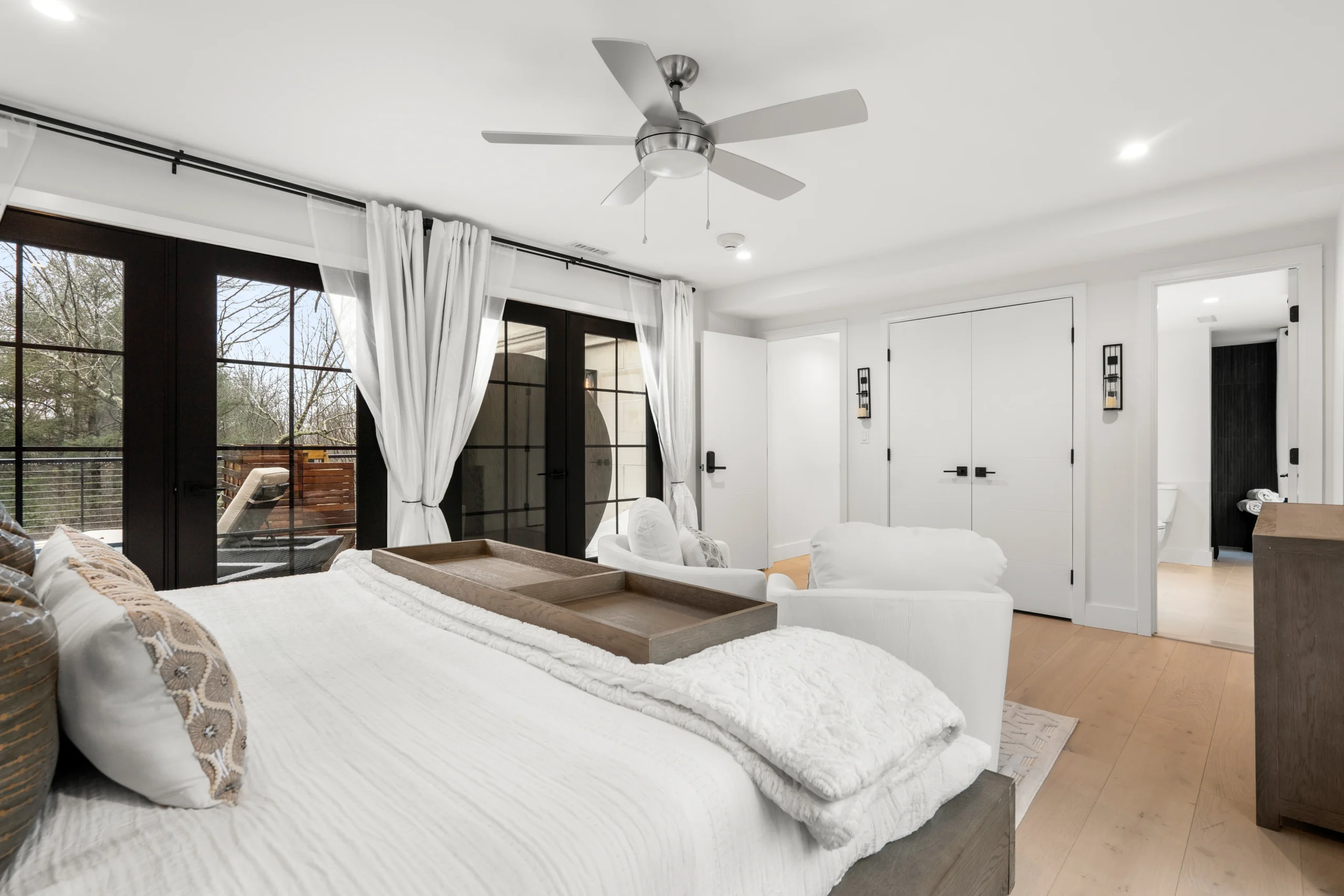
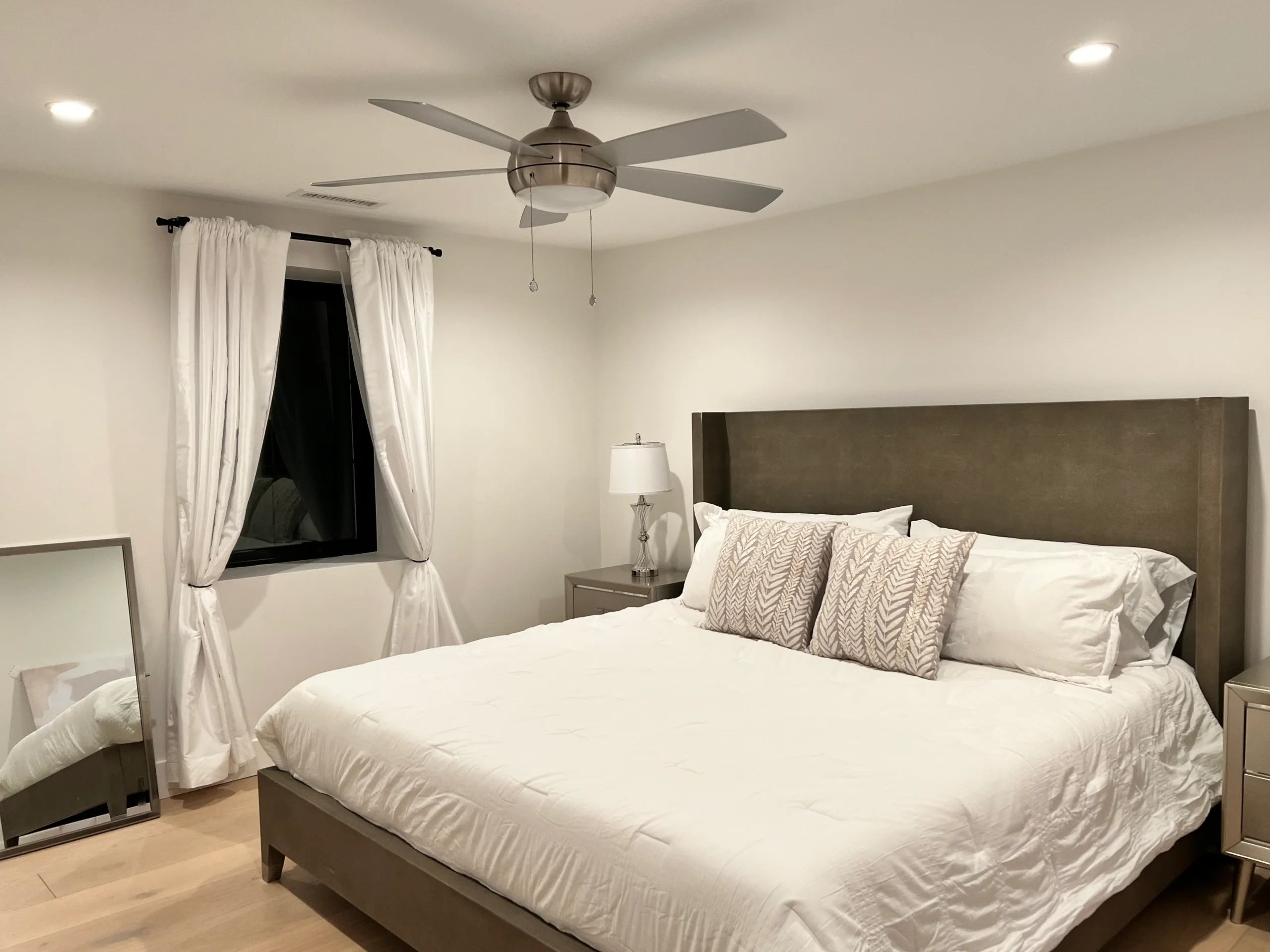
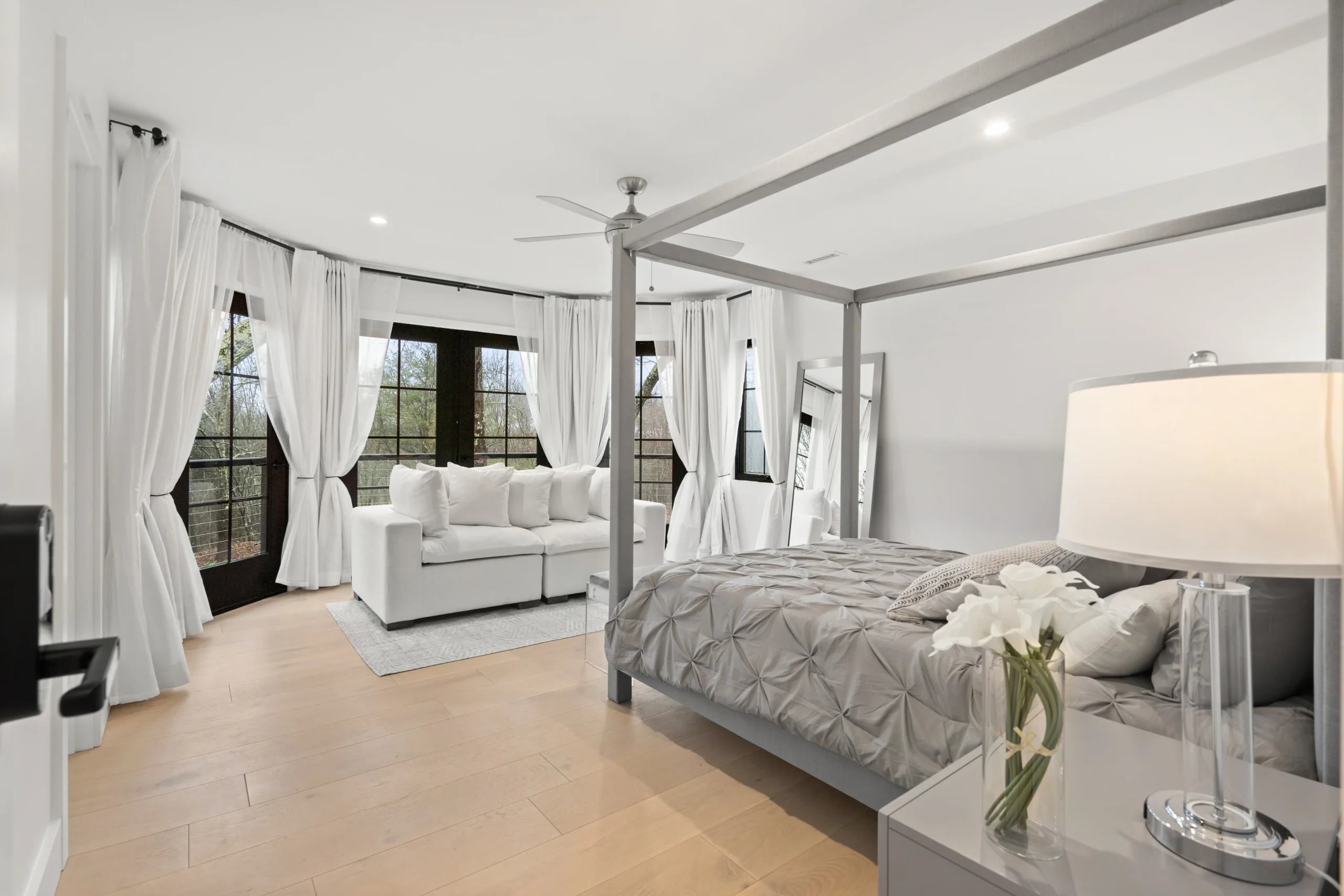
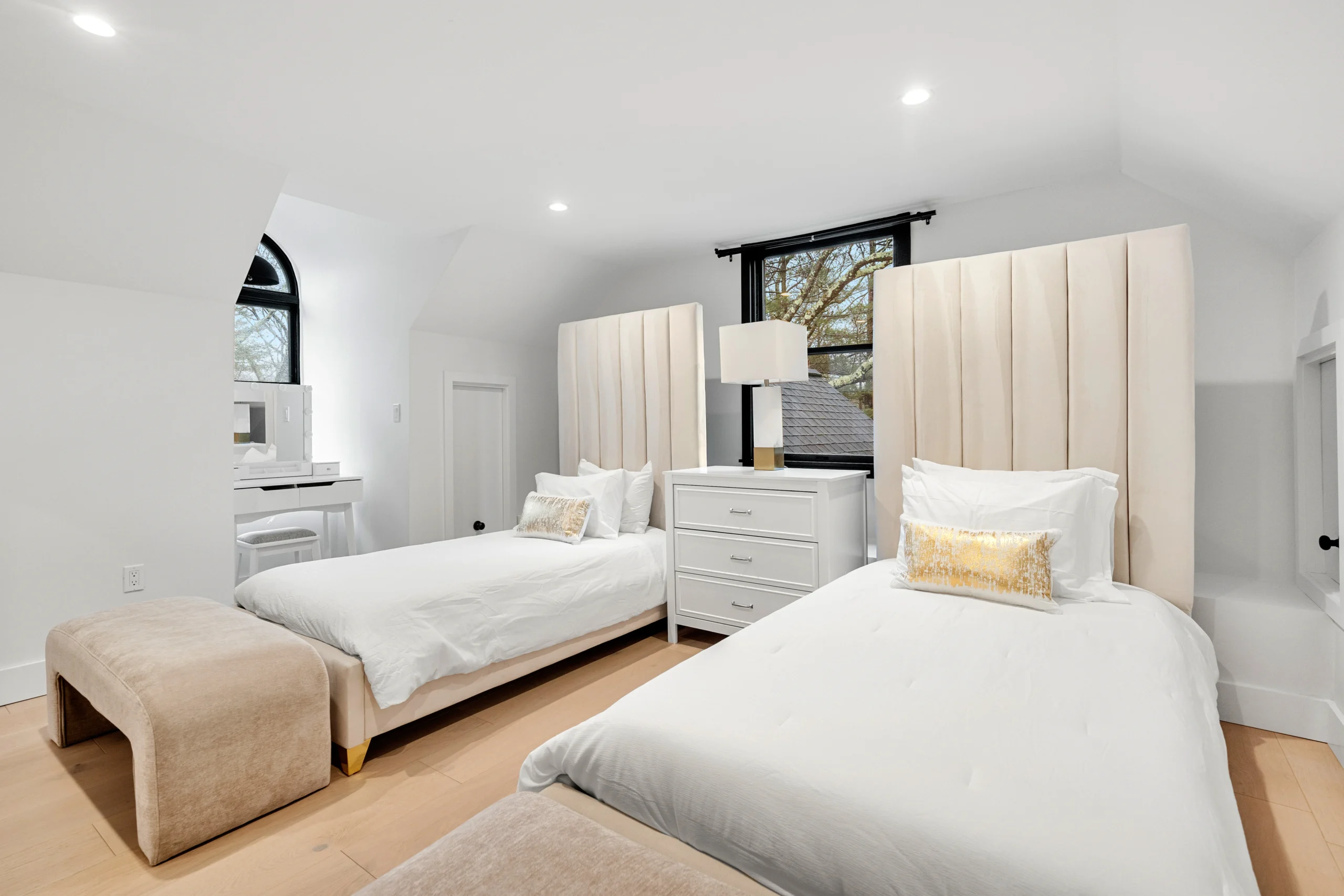
The Charles Chateau offers eight bedrooms for 16 or more overnight guests, along with capacity for up to 30 day guests. Overnight accommodation means close family, hosts, or a designated group can remain on site rather than dividing the experience among separate properties. It also gives planners more flexibility to arrange meals, portraits, preparation, private conversations, and downtime without compressing everything into one afternoon or evening.
Personalization extends beyond decor. A concierge-led booking experience helps coordinate the practical details that make the itinerary feel considered. While the estate itself provides the space to adapt those details to the group. Hosts can plan a celebration that feels composed but not over-programmed, with privacy and continuity built into the venue choice. For more ideas on hosting milestone events at a private estate, consider how the additional time and exclusive setting would serve your guests.
Atmosphere: Industrial Venue vs Estate Grounds
The physical setting shapes how a celebration feels before the first guest is seated. A commercial event hall is often designed as a flexible blank slate: one large room, practical circulation, and a neutral backdrop that can be adapted for many groups. That versatility can be useful, but it also places more responsibility on the host to create warmth. Distinction, and a sense of occasion through lighting, florals, rentals, and other decor.
Estate grounds begin with a stronger point of view. Landscaped spaces, architectural details, mature trees, terraces, and natural light give guests something to experience between formal moments. Instead of building an atmosphere from the floor upward, the design of the property becomes part of the celebration. Research on event environments supports the practical importance of that choice. Guest satisfaction is significantly influenced by a venue’s physical atmosphere and overall experience (research on event brand experience). Aesthetic quality is also associated with perceived value and guest retention (research on event environment and loyalty).
Private estate vs event hall at a glance
| Consideration | Private estate | Event hall |
|---|---|---|
| Privacy | Exclusive access to the property, with no concurrent booking sharing the setting. | A defined function space within a commercial venue, often operating around other scheduled events. |
| Schedule | More room for a multi-day gathering and a thoughtfully paced itinerary. | Typically organized around a time-limited event window and venue turnover. |
| Decor needed | Architectural character and landscaping provide a considered foundation, reducing the need for excess decor. | More styling may be needed to give a neutral hall a distinctive identity. |
| Setting | Landscaped grounds, natural light, and varied spaces create movement and visual depth. | Usually centered on a single interior room with a practical, standardized layout. |
| Overnight accommodation | May support an integrated stay, allowing guests to remain together beyond the main event. | Generally requires guests to arrange lodging separately. |
| Service | Concierge guidance can be integrated into the premium planning and hosting experience. | Service is commonly focused on event logistics, room setup, and banquet operations. |
An estate setting can also make photography feel less staged. Scenic grounds and architectural backdrops add variety naturally, often reducing the need for extensive decorative installations while elevating the final images (estate setting and photography guidance). For hosts comparing a private estate vs event hall for luxury celebration, the question is not simply which room holds the guest list. It is whether the setting itself contributes privacy, atmosphere, and meaningful time together, or whether those qualities must be constructed for a single scheduled occasion.
Service: Venue-Only vs Integrated Concierge
The distinction between venue-only service and an integrated concierge becomes clear once planning moves beyond the room itself. A conventional event hall is often structured around the function: reserve the space, select from standard packages. Confirm the banquet schedule, and coordinate the remaining caterers or vendors within the venue’s operating requirements. That model can be efficient for a straightforward reception. It can also leave the host or event planner managing the connective tissue between arrival, accommodation, dining, activities, and the celebration itself.
At a private estate, concierge service belongs to the premium experience from the beginning. It is not a generic add-on or a separate upgrade. The role is to understand how the group wants to spend its time, then help shape the stay around that intention. For a milestone celebration, that may mean coordinating arrival details, overnight accommodations, dining, private moments on the estate. And the main event so that each part feels considered rather than assembled in isolation.
Venue-only service keeps the focus on the event window
Event halls commonly provide a defined function space, a scheduled access period, catering or banquet options, and a familiar sequence for setup and breakdown. Those services can make the planning process legible, particularly when the goal is a single gathering with a conventional format. The tradeoff is that the host remains responsible for many decisions outside the event window. Guests may arrive separately, stay elsewhere, and move between vendors or locations according to a timetable that has little relationship to the atmosphere the host hopes to create.
For planners comparing options, it is worth asking whether the venue is helping deliver the entire guest experience or simply providing the setting for a few hours. Research on event environments suggests that guest satisfaction is influenced by the broader brand experience and physical atmosphere, not only by the program on the schedule. A polished room can support a successful event, but service gaps before and after the reception may still shape how the occasion is remembered.
Integrated concierge connects the full stay
An estate concierge works across the experience, helping coordinate the details that make privacy and exclusivity meaningful. At The Charles Chateau, that approach aligns with full-estate access, overnight accommodations for 16 or more guests, and space for up to 30 day guests. The objective is not to impose a packaged itinerary. It is to give the host a knowledgeable point of coordination while preserving the flexibility to make the celebration personal.
That planning may require more care than selecting a standard package. Harvard’s event-planning guidance notes that unique or historic venues can require careful budget consideration because they may not follow standard event service pricing models. For that reason, The Charles Chateau follows an inquiry-based approach rather than publishing fixed public pricing. A conversation allows the team to understand the guest count, timing, accommodation needs, vendors, and desired level of coordination before outlining an appropriate experience.
For a closer look at the setting and service model, explore private estate events in Massachusetts. The right question is not simply whether a venue can host the celebration. It is whether its service model can support the way you want guests to arrive, gather, stay, and remember the occasion.
What a Private Estate vs Event Hall for a Luxury Celebration Really Means for Your Guests
The distinction is felt by guests before the first course is served. An event hall is typically organized around a scheduled function: guests arrive for a defined service window, move through a planned sequence, and depart when the booking ends. A private estate creates a more personal setting, where the property, pace, and experience can be shaped around the people gathering there. Research on event environments supports this practical difference: physical atmosphere and the broader experience influence guest satisfaction, while an aesthetic environment can strengthen perceived value.1 2
What feels more personal to a guest?
At a private estate, guests experience a setting that belongs to the celebration for its duration. They are not sharing the building with another group or passing through a room arranged for a succession of unrelated functions. The surroundings can support an arrival cocktail, a seated dinner, a quiet conversation, and a late evening gathering without making each moment feel like a separate package.
That sense of continuity matters for milestone birthdays, wedding weekends, and family celebrations. Private estates are associated with intimate, exclusive, personalized experiences rather than the standardized rhythm of a banquet hall or event center.3 The value is not simply visual. It is the feeling that the celebration has been designed around the hosts and their guests, rather than fitted into an existing operating schedule.
How does exclusivity change the guest experience?
Exclusivity gives guests room to settle in. At The Charles Chateau, full-estate access means the group can use an 8,000-square-foot property on private grounds, with no concurrent booking. Eight bedrooms accommodate 16 or more overnight guests, while the estate can welcome up to 30 day guests. That arrangement allows a celebration to extend beyond a single formal program and gives different generations or groups of friends space to connect naturally.
By contrast, a polished event hall can provide convenience, professional service, and a predictable format. But traditional halls often lack the exclusive and personal quality of a private property.4 Guests may enjoy the event itself, yet the venue remains primarily a backdrop for a scheduled function.
What does personalization look like in practice?
Personalization is visible in the pace of the day, the use of the rooms. The transition between indoor and outdoor moments, and the amount of meaningful time guests have together. An integrated concierge helps coordinate those details as part of the premium booking experience, rather than as a generic add-on. For hosts comparing private estate events in Massachusetts, the central question is therefore not only which space looks impressive. It is whether guests will feel welcomed into a celebration created specifically for them.
When to Choose a Private Estate Over an Event Hall
The right venue depends less on whether a room looks polished and more on how you want the celebration to unfold. Event halls can be convenient when you need a defined function space, familiar service packages, and a straightforward single-day schedule. They may be the sensible choice for a larger guest list with simple logistics, limited time for planning, or a preference for an established banquet format. Traditional halls, however, can lack the exclusive, personal character that discerning couples increasingly seek beyond a hotel ballroom or standardized event setting. Boston College’s overview of estate weddings reflects that broader shift toward venues with architectural character and a more personal setting.
Use the following checklist to decide whether a private estate is the stronger fit for your celebration:
- Choose a private estate when privacy is central to the occasion. If your guests should feel that the property belongs exclusively to your group. An estate offers a different level of discretion from a commercial hall operating alongside other events. This matters for intimate weddings, milestone birthdays, executive gatherings, and family celebrations where meaningful conversation and unhurried time together matter more than a high-capacity floor plan. The Charles Chateau provides full-estate exclusivity, with no concurrent bookings, while remaining approximately 20 minutes from Boston.
- Choose a private estate when the experience extends beyond one reception. A multi-day gathering, welcome dinner, ceremony, morning-after brunch, or relaxed time between formal moments requires more than a room reservation. Private estates can support multi-day rental possibilities and custom logistical arrangements that standardized halls generally cannot accommodate. If overnight continuity is important, look for a property with accommodations that allow the core group to remain together rather than dispersing to separate lodging. The Charles Chateau includes eight bedrooms for 16 or more overnight guests, with space for up to 30 day guests.
- Choose a private estate when guest experience outranks operational simplicity. A hall may streamline catering and event logistics, but the atmosphere is still part of what guests remember. Research on event environments connects the physical setting and overall experience with guest satisfaction and perceived value. A private estate gives the celebration a stronger sense of place, more natural movement between indoor and outdoor moments. And a setting that does not need to feel interchangeable with another event. The goal is not simply to host guests efficiently, but to give them a day or weekend that feels deliberately composed.
- Choose a private estate when creative control is worth protecting. Consider an estate if you want to shape the pacing, gathering points, décor, entertainment, and transitions around your people rather than around a fixed package. Historic and private properties often carry architectural character that can reduce the need for excessive décor while adding distinction to photographs. Ask what the venue permits, which spaces are included, how vendors are coordinated, and whether the property can support the atmosphere you envision before comparing line-item costs.
- Choose an event hall when predictability is the primary requirement. An event hall may suffice when the celebration is intentionally time-boxed, most guests will attend only for the main program. Overnight accommodation is unnecessary, and a standard service model makes planning easier. It can also be appropriate when the guest count or production requirements favor a purpose-built commercial space. Convenience is a legitimate priority. The important distinction is knowing that a polished package and an exclusive estate experience solve different problems.
- Compare budgets by experience, not by a single posted rate. Unique or historic venues may not use standard event pricing models, so careful budget planning is essential. Rather than expecting fixed public pricing, ask for an inquiry-based outline covering the property, dates, guest count, overnight needs, service, vendors, and desired itinerary. A private estate may be the better value for a group that would otherwise need separate lodging, multiple spaces, extensive décor, or several disconnected gatherings. For a closer look at private estate events in Massachusetts, review the full venue guide before submitting an inquiry.
In practical terms, select an event hall when you want a defined room and efficient event mechanics. Select a private estate when the venue itself should become part of the celebration: private, flexible, and designed around how your guests will spend time together.
Frequently Asked Questions
What are the primary differences between a private estate and an event hall for a luxury celebration?
A private estate gives one host exclusive use of a distinctive property, often with more room for a personal, unhurried experience. An event hall typically offers a polished function space, standardized scheduling, and established service arrangements.
Is a private estate better than a traditional event venue for intimacy?
It can be, especially when your guest list and celebration call for privacy. A private setting helps the event feel more personal and less like one booking in a shared commercial schedule. The right choice still depends on guest needs and event format.
What level of exclusivity do private estates offer compared to commercial event halls?
Many private estates reserve the property for one celebration at a time, so guests are not sharing the setting with another event. Confirm the venue’s exclusivity policy, access hours, staffing, and any areas that are restricted before booking.
How does personalization compare between private estates and event halls?
Private estates generally allow the celebration to be shaped around the property, the host’s priorities, and the guest experience. Event halls may provide reliable packages and vendor systems, but those systems can limit timing, layout, or design choices.
Are private estate celebrations more expensive than luxury event hall rentals?
There is no universal answer. Compare the complete proposal, including venue access, staffing, catering, rentals, accommodations, planning support, and any required vendors. Unique private venues may not use standard pricing models, so an inquiry is the most accurate way to understand fit and scope.
Submit a Concierge Inquiry for Your Celebration
Choosing between a private estate and an event hall depends on how you want the celebration to feel for you and your guests. A concierge conversation can help you consider the setting, privacy, timing, and level of support that best suit the occasion. To discuss your plans with The Charles Chateau, submit a concierge inquiry.