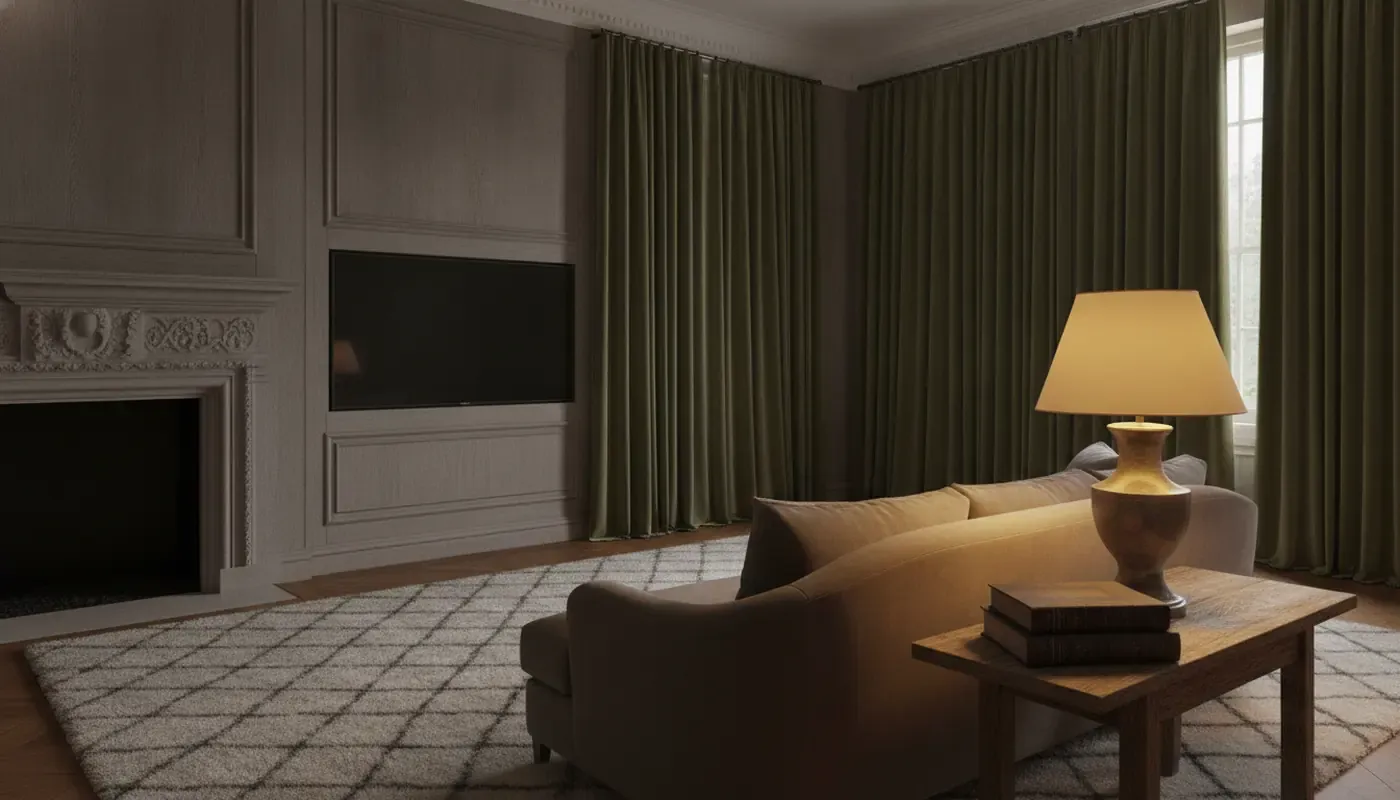
Media room ideas for a private estate stay start with the evening you want, not with a screen size. A group of friends, a family, or a leadership team already has a living room. What they are deciding is whether one enclosed room should hold a film, a game, or a quiet hour while the rest of the house keeps its own pace. The useful answer is a short plan: who sits, what plays, how dark the room gets, and which other rooms stay open.
On a whole-property rental, that plan is easier than it is at home. Nobody else is booked into the house. You can dim one room without closing the evening for people who would rather talk, play billiards, or step outside. The ideas below are for that kind of stay. They are not a construction guide, and they do not replace a conversation about how your own group will use the house.
Which media room ideas belong in a private stay
A media room earns its place when it does one job well. It should let part of the group watch something together without taking over the main living room. At home, designers often fill the room with built-ins, a bar, and a second lounge. On a short stay, less is better. Guests need a clear seat, a clear view, and a way back to the rest of the evening.
CEDIA, the association that trains home-technology professionals, separates a relaxed media room from a fully designated cinema. A cinema asks for darkness, fixed seating, and careful sound control. A media room can stay closer to the rest of the house, with seating people can rearrange and light they can change. For a private rental, the second model is usually the right one. The room should feel ready for a film at nine and a conversation at ten.
What belongs, then, is simple:
- Seating that faces the screen and still lets people talk before the film starts.
- A screen bright enough for a room that may not be fully dark.
- Soft surfaces, such as upholstery and drapery, so the sound does not bounce off bare walls.
- A small surface for drinks, kept off the main walking path.
- A light control the host can use without hunting through an app.
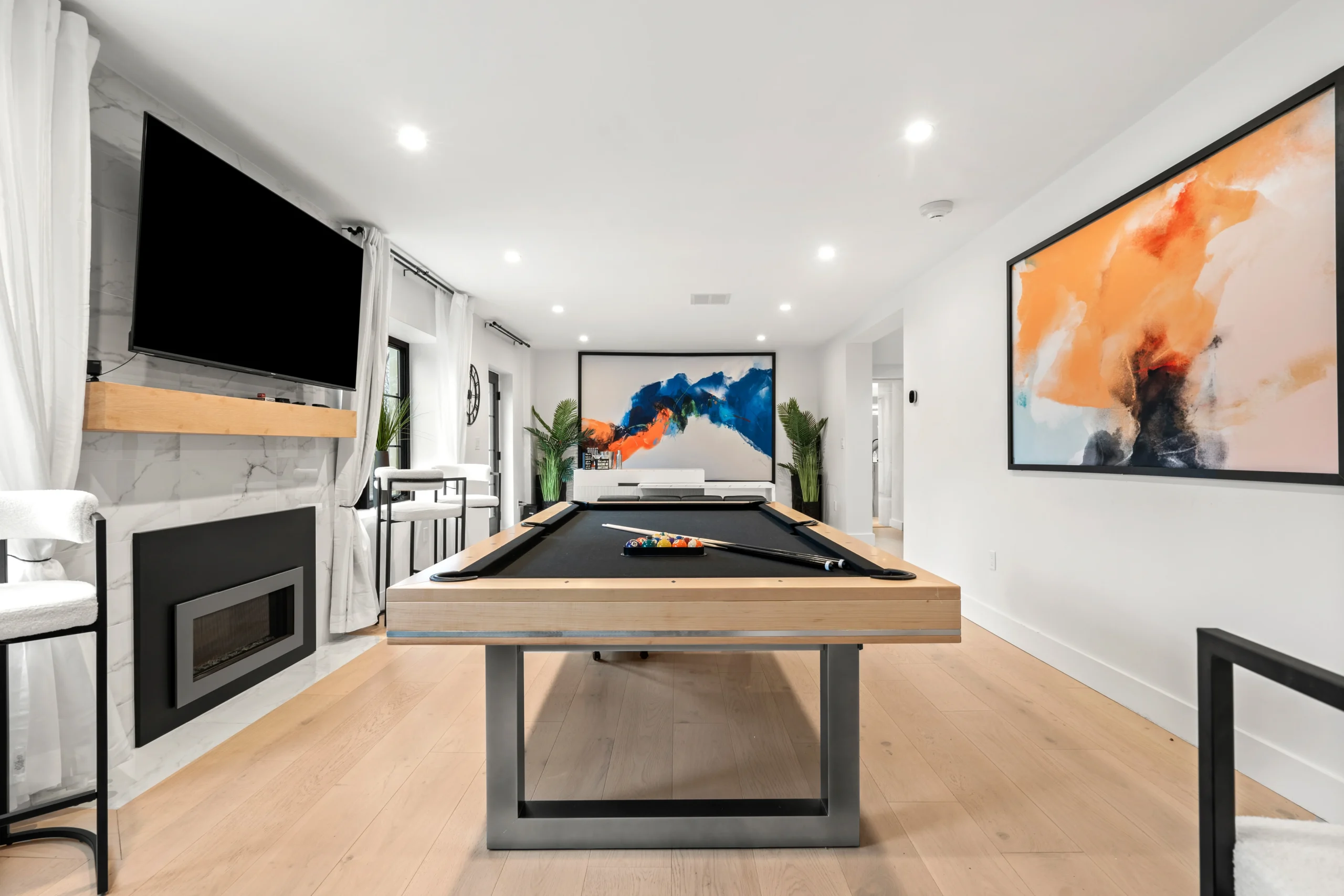
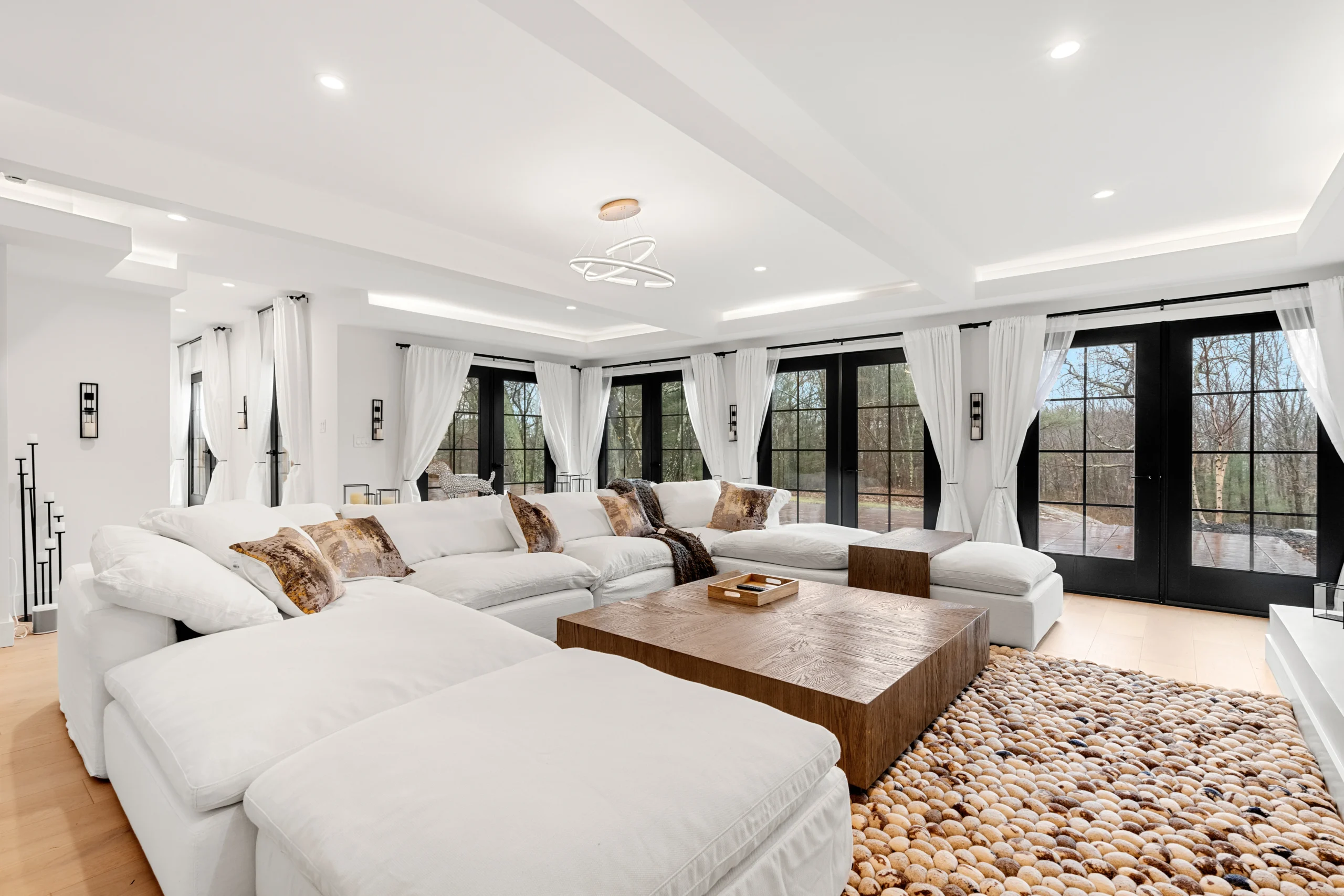
What does not belong is a second agenda. If the room is also the only place to work, dine, or put children down for the night, it will not feel like a media room. On an estate with several gathering rooms, that conflict is easier to avoid. The interior of the estate keeps the media space beside the spa and the billiards room, so watching is one choice among others, not the only indoor plan.
Ask one question before you assign the room a role. If half the group leaves after forty minutes, does the rest of the house still feel hosted? If the answer is yes, the media room is doing its job.
Choose a screening room or a conversation room
Most media room ideas fail because they try to be both a cinema and a parlor. Pick one primary use for the night, then let the room flex. A screening night wants rows, a darker palette, and a start time. A conversation night wants a sectional, lower volume, and no assigned seats. You can do both across a weekend. You should not do both in the same hour.
The Spruce writes for people furnishing a home media room. It suggests at least a 12-by-18-foot space to seat about six people with the equipment. It also prefers an enclosed room if you want surround sound. That is a useful home benchmark. It is the wrong ceiling for a private estate. A group of twelve to sixteen will not fit that footprint comfortably, and they should not have to. The better move is to seat the people who actually want the film, and leave a graceful exit for everyone else.
| Choice | Screening-first room | Conversation-first room |
|---|---|---|
| Best night. | One film, a match, or a recorded keynote. | Background program, highlights, or a short reel. |
| Seating. | Seats face the screen, with a clear center view. | A sectional or loose chairs face each other. |
| Light. | Dim the room, and keep a path light near the door. | Keep the light warm and low so you can see faces. |
| Sound. | Play it louder, with the door closed. | Keep it quieter than the talk in the room. |
| Who stays. | The people who chose the title stay. | Guests may drift in from dinner or the terrace. |
| What to avoid. | Do not run a late open bar in the same room. | Do not start a feature film nobody agreed to watch. |
For a leadership retreat, a screening-first hour can close a working day without turning the living room into a conference holdover. For a family weekend, a conversation-first room lets grandparents stay for the first quarter of a game and leave without a scene. Say which night is which when you plan the stay. The room can change roles. The guests should not have to guess.
If you are comparing the house itself with a hotel block, the private retreat near Boston is the page that covers booking the estate. This article stays with the room, and with how the evening moves through it.
Seat the group without building a theater
Seating is the idea that matters most, and it is the one hosts overbuild. A dedicated cinema uses fixed recliners and sometimes a riser so the back row can see. That is a permanent choice. On a rental, you work with the furniture that is already there, and you judge it by three tests: the center view, the aisle, and the door.
CEDIA’s homeowner guidance puts the best seat about 1.5 to 2.5 times the screen’s diagonal away from the picture. The industry standard behind that advice, CTA/CEDIA-CEB23-B, says the right distance also depends on the picture’s resolution and on how much of your side vision you want the image to fill. You do not need the formula to host well. You need the principle. The best seats are not the closest seats. They are the seats where the image is large, sharp, and not cut off by someone else’s head.
Use this order when you walk the room:
- Sit in the center seat and look at the screen. If you have to tilt your chin up or down, that seat is a compromise, not the place for a guest who will stay the whole film.
- Leave a walking path to the door that does not cross the center view. People will get water, take a call, or put a child to bed.
- Keep the front row far enough back that the screen does not dominate the faces of the people sitting there.
- Offer one or two seats near the door for guests who may leave early. Those seats are a courtesy, not a demotion.
- Do not add chairs until the aisle disappears. A smaller comfortable group watches more of the film than a crowded one.
A sectional is the right default for a mixed group because people can turn toward each other before the program starts. Theater chairs are the right default only when everyone has agreed to watch the same thing and stay. If your group includes both habits, keep the sectional and let the screening people take the center. The others can use the ends.
Count heads against the real overnight plan, not against a wish. The estate has eight bedrooms for 16 or more overnight guests, with room for up to 30 day guests at a gathering. That does not mean 30 people belong in the media room. It means the house can hold the full party while the screen holds the people who want it. The suite layouts are where you sort who sleeps where. The media room is where you sort who sits for this one hour.
Control light and sound so the rest of the house can rest
Light decides whether a media room feels like a theater or a sitting room. Sound decides whether the rest of the house can ignore it. Both are choices a host can make in five minutes, and both are worth making before guests arrive.
CEDIA notes that windows and daylight change what the screen can do. A bright TV holds up in a room that still has some light. A projector wants a dark room and more planning. On a stay, do not assume a projector is the more luxurious choice. Assume the screen that still looks clear when one lamp stays on for the people who are not fully committed to the film. If the room has heavy drapery, close it for a screening and open it again when the night turns back to conversation.
Color guidance from the same CTA/CEDIA video standard favors walls, ceilings, and floors that do not glare into the picture. Deep, matte colors read as calm on camera and in person. You are not repainting a rental. You are choosing the lamps. Turn off overhead light. Leave one low lamp, or a path light, so nobody crosses the room in the dark. Mood is not the same thing as blackout.
Sound needs the same restraint. Soft seating, drapery, and a rug absorb more than a bare floor does. The Spruce points to those textures for exactly that reason: they quiet the room and they make it comfortable. Close the door for a loud match. Lower the volume if people in the next room have gone to bed, or if a conversation in the billiards room is the real event. Exclusive use of the house is what makes this polite rather than fraught. There is no neighboring booking to protect, only your own guests.
A practical test takes one song or one trailer. Stand in the hallway, then in the nearest bedroom hall, then near the kitchen. If you can follow the dialogue from the kitchen, the volume is set for an empty house, not for a house that is still awake. Adjust it, then leave the control where the host can find it without an explanation.
The French chateau interior guide covers how light and flow shape the whole house. Use that for the design story. Use this section for the one room where you will deliberately make it darker and quieter than the rooms around it.
Plan the media room as one part of the evening
The best media room ideas fail in isolation. A film at nine only works if dinner, the terrace, and bedtime have somewhere to go. Think of the room as a chapter, not as the whole plot. On a private estate the chapters are already built. The living room gathers people. The dining room holds the meal. The billiards room takes the competitive hour. The media space takes the hour when everyone faces the same direction. The grounds take anyone who wants air.
A clean evening often looks like this. Guests arrive and settle in the main living room, where conversation is the point. Dinner stays in the dining room or, in good weather, moves toward the outdoor kitchen. After dinner, name the option out loud: a film in the media room for whoever wants it, billiards for whoever wants a game, and the terrace or fire pit for whoever wants to keep talking. People sort themselves. You do not assign them.
That split is the point of having more than one leisure room. The interior page describes the media space together with the spa and the billiards room for this reason. Activity and rest are both available, and neither has to win. If your group is multi-generational, the split matters even more. Children may want the screen. Adults may want the fire. Neither group should have to give up the house.
Weather changes the plan, and Dedham in late fall makes that obvious. When the terrace is the draw, keep the media room as the backup rather than the headline. The outdoor living spaces are the right reference for a night that should happen outside. When rain or cold pushes everyone in, the media room becomes the contained version of the same gathering: one activity, a closed door, and the rest of the rooms still free.
Tell the concierge which evening is the screening, if you have one, and which evenings should stay open. That is a planning detail, not a technical one. It lets the house be set for the night you described, instead of for a generic movie setup that your group may not want.
For a family that is weighing the whole weekend, not just one room, the guide to a multi-generational gathering is the broader piece. This article only claims the media hour inside that weekend.
How The Charles Chateau’s media space fits a group
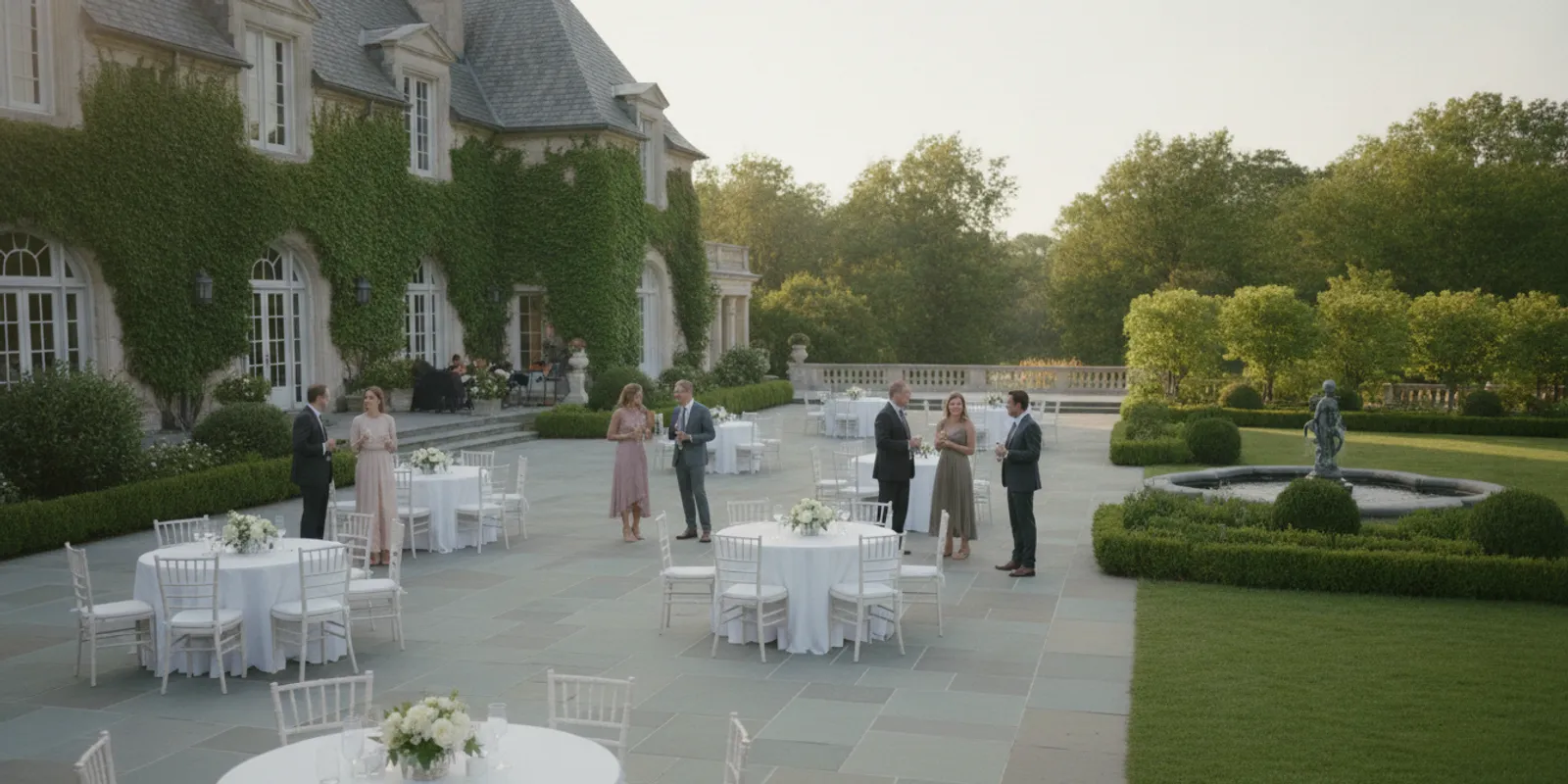
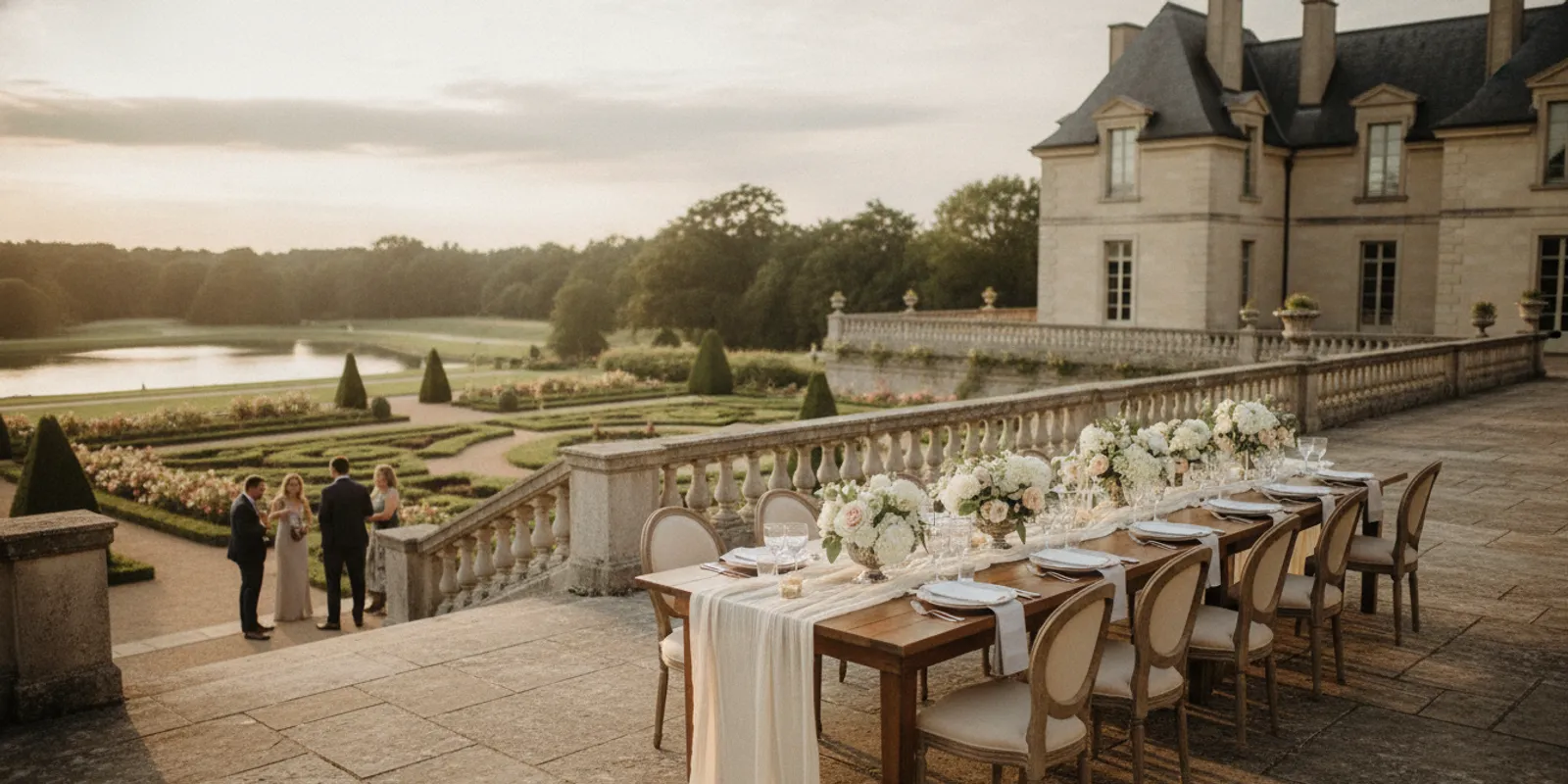
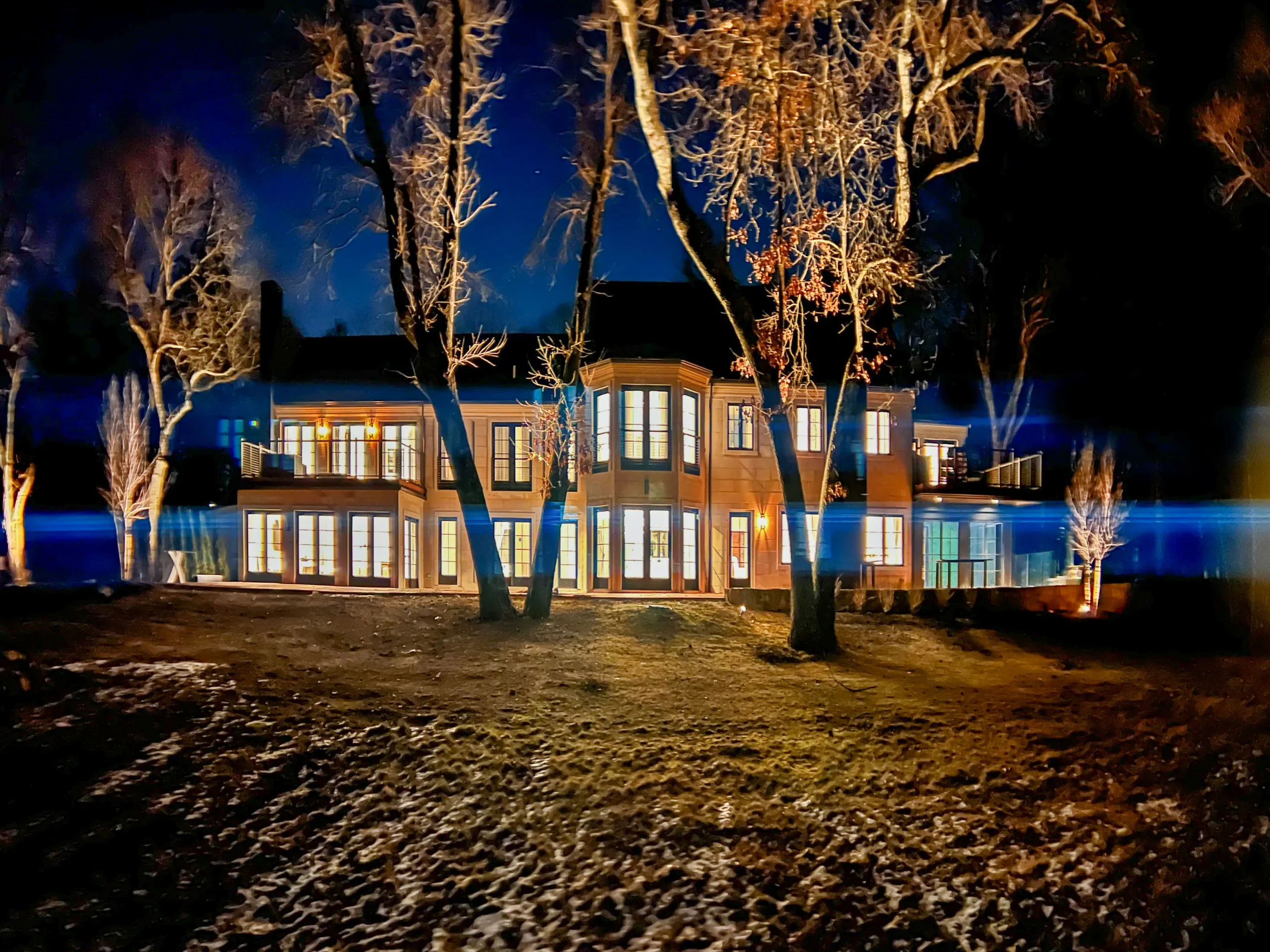
The Charles Chateau is an 8,000-square-foot private estate in Dedham, about twenty minutes from downtown Boston, on 11 acres. A full-estate rental is exclusive. There is no second booking in the house while you are there. That is the condition that makes a media room useful for a group, because the room is yours for the hour you need it and quiet for the hour you do not.
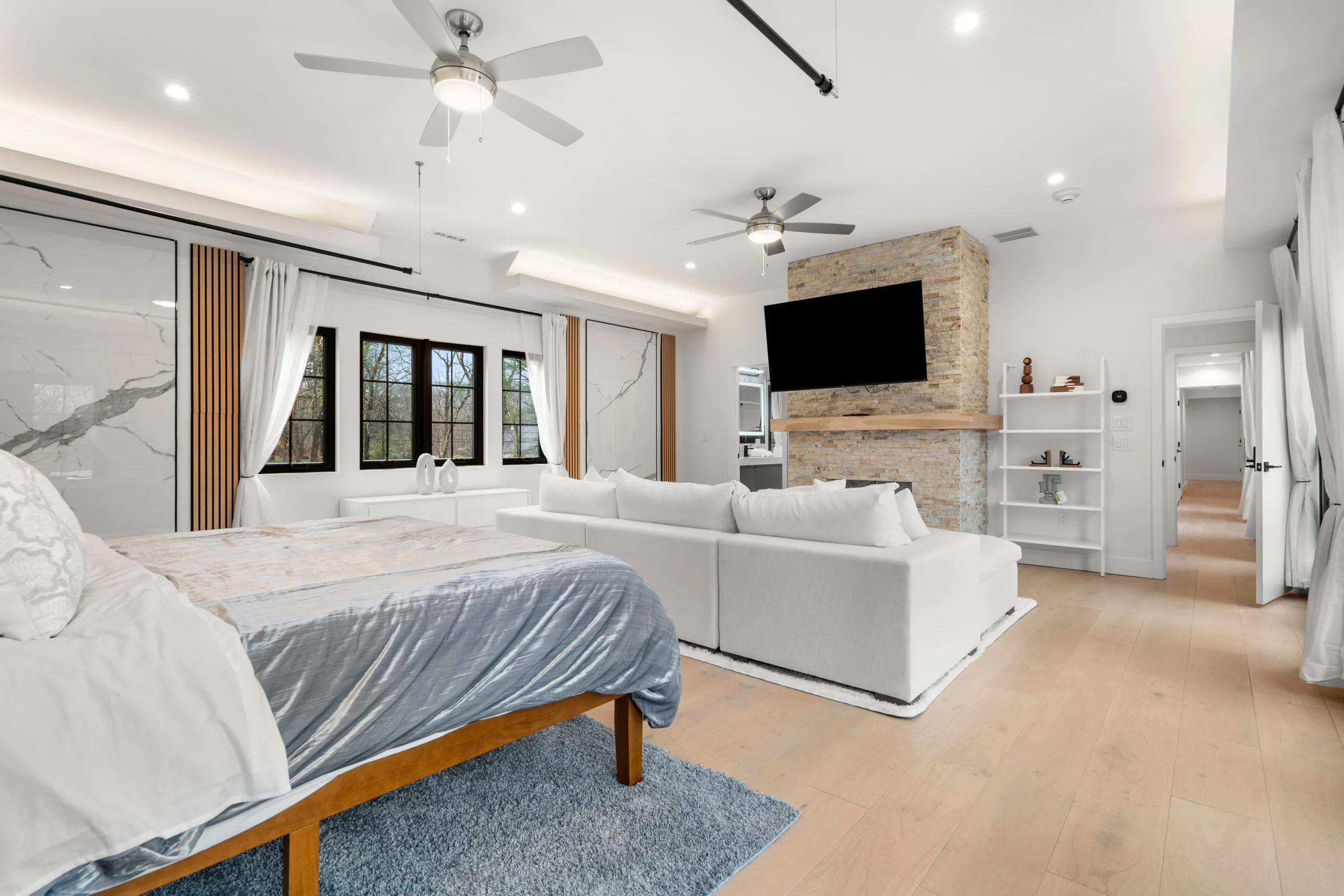
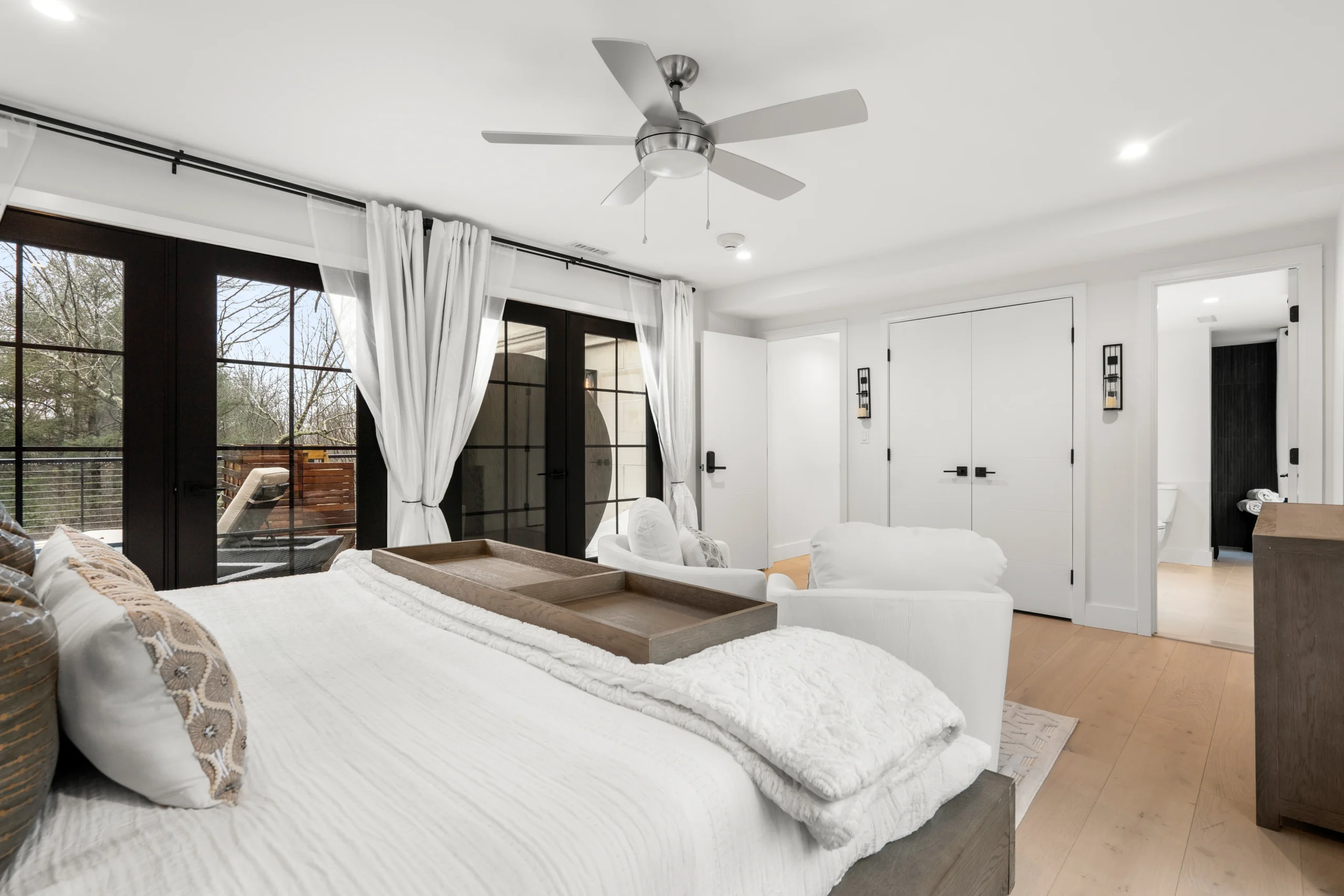
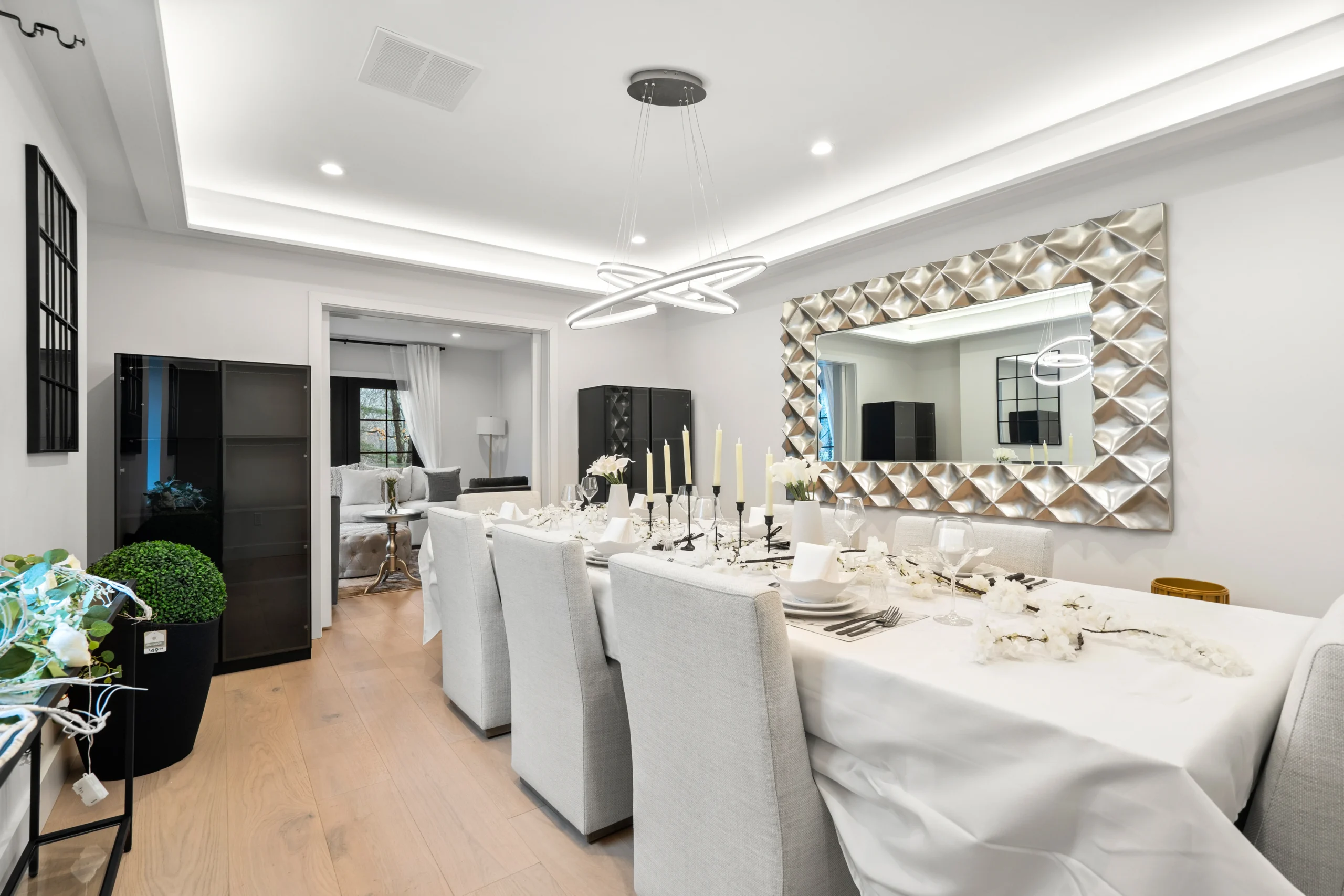
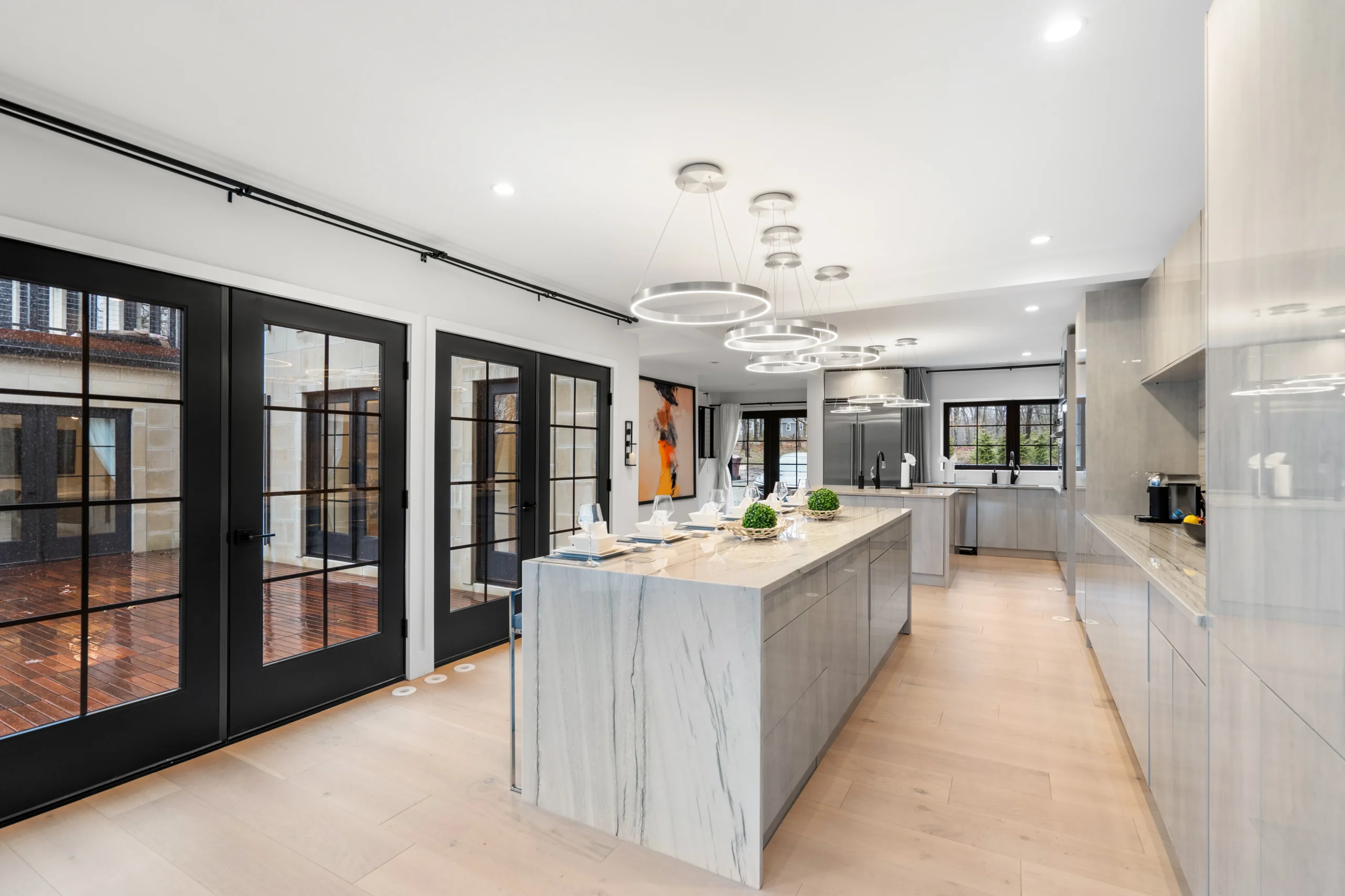
The interior includes a dedicated media area, a billiards room, a private spa, and a private gym, plus the main living room, a family room, and a formal dining room. Eight bedrooms sleep 16 or more. Day gatherings can reach about 30 guests. None of those figures is a seat count for the screen. They describe a house with enough rooms that the screen does not have to host everyone.
Read the media space as a leisure room inside that sequence, not as a cinema you redesign. You will not find a published screen size, speaker layout, or seat count, and you should not invent one from a photograph. Ask how the room is furnished, where the light controls are, and whether the door closes it off from the bedroom halls. Those three facts tell you whether your screening night will work. The concierge works through seating and the shape of the evening with you. Fixed public rates are not listed, and they should not be the reason you choose the room.
A few boundaries keep the idea honest. This is not a member’s lounge you drop into for an evening. Stays are arranged for members and invited guests, and a new guest starts with an inquiry. The estate overview explains the property. The Dedham neighborhood explains the drive from Boston. If privacy of the whole house is the question you are actually asking, the note on full estate exclusivity answers it more directly than a media-room article can.
Use the room for the hour that benefits from a shared view. Leave the rest of the night to the other rooms. That is the media room idea this house can support without pretending to be a commercial theater.
A host’s checklist before the first night
Walk the room once before guests arrive, ideally in daylight and once after dark. You are checking use, not décor. Ten minutes is enough if you know what you are looking for.
- Decide the night’s primary use: screening or conversation. Tell the group which one it is.
- Sit in the center seat and confirm the screen is comfortable, not just large.
- Clear a path from that seat to the door. Move any extra chair that blocks it.
- Set the volume, then listen from the hallway and from the nearest bedroom hall.
- Set the light: drapes for a screening, one low lamp so faces and the floor stay visible.
- Put drinks on a side surface, not on the floor in the walking path.
- Name the other rooms that stay open, so leaving the film is easy.
- Agree on an end time if anyone is speaking or traveling early the next morning.
Skip anything that turns the checklist into a renovation. You do not need new paint, a riser, or a projector to host well. You need a closed door, a polite volume, and a second plan for the people who will not stay seated. If a detail of the room is unclear from photos, ask before you promise the group a specific setup. A short question now saves an awkward shuffle at nine.
When the checklist is done, stop adjusting. A media room that has been fussed over all evening feels like a project. A media room that is simply ready feels like part of the house.
Frequently asked questions
What do you put in a media room for a group stay?
Put in seating with a clear view, a screen that works with some light still on, soft furnishings that quiet the room, and a lamp the host can control. Leave the bar, the work table, and the extra chairs to other rooms. A media room on a short stay should be easy to enter and easy to leave.
How many people should sit in the media room?
Seat the people who want the film, not the whole guest list. A home benchmark of about six in a 12-by-18-foot room is a furnishing guide, not a rule for an estate. At The Charles Chateau the house sleeps 16 or more and can host about 30 day guests, while the media room stays a smaller circle inside that group.
Is a darker room always better?
No. A darker, matte room helps the picture, which is why cinema standards discuss wall and ceiling color. For a mixed group, one low light is better than a blackout. People need to see the path to the door, and some guests are there to talk as much as to watch.
Should we use the media room or the outdoor terrace at night?
Use the terrace, outdoor kitchen, or fire pit when the evening is about conversation and the weather holds. Use the media room when you want one shared program and a closed door. Many weekends use both, on different nights, rather than forcing one space to do every job.
Can we see screen size and seat counts before we inquire?
The estate does not publish a screen size, a speaker plan, or a fixed seat count for the media space. Share your group size and whether you want a screening night or a looser evening, and the concierge can talk through how the room is set. Public fixed pricing is not part of that conversation.
Which media room ideas to confirm before you inquire
A good media room plan is short. Choose screening or conversation, seat the people who want the screen, keep the volume kind to the rest of the house, and leave another room open. The Charles Chateau can hold that plan because the media space sits among other rooms, on a property you rent as a whole.
If that is the shape of stay you want, start with an inquiry. Share the size of your group, the nights you have in mind, and whether one evening should be a film. The concierge can tell you whether the house fits, without a rate card and without a theater renovation.