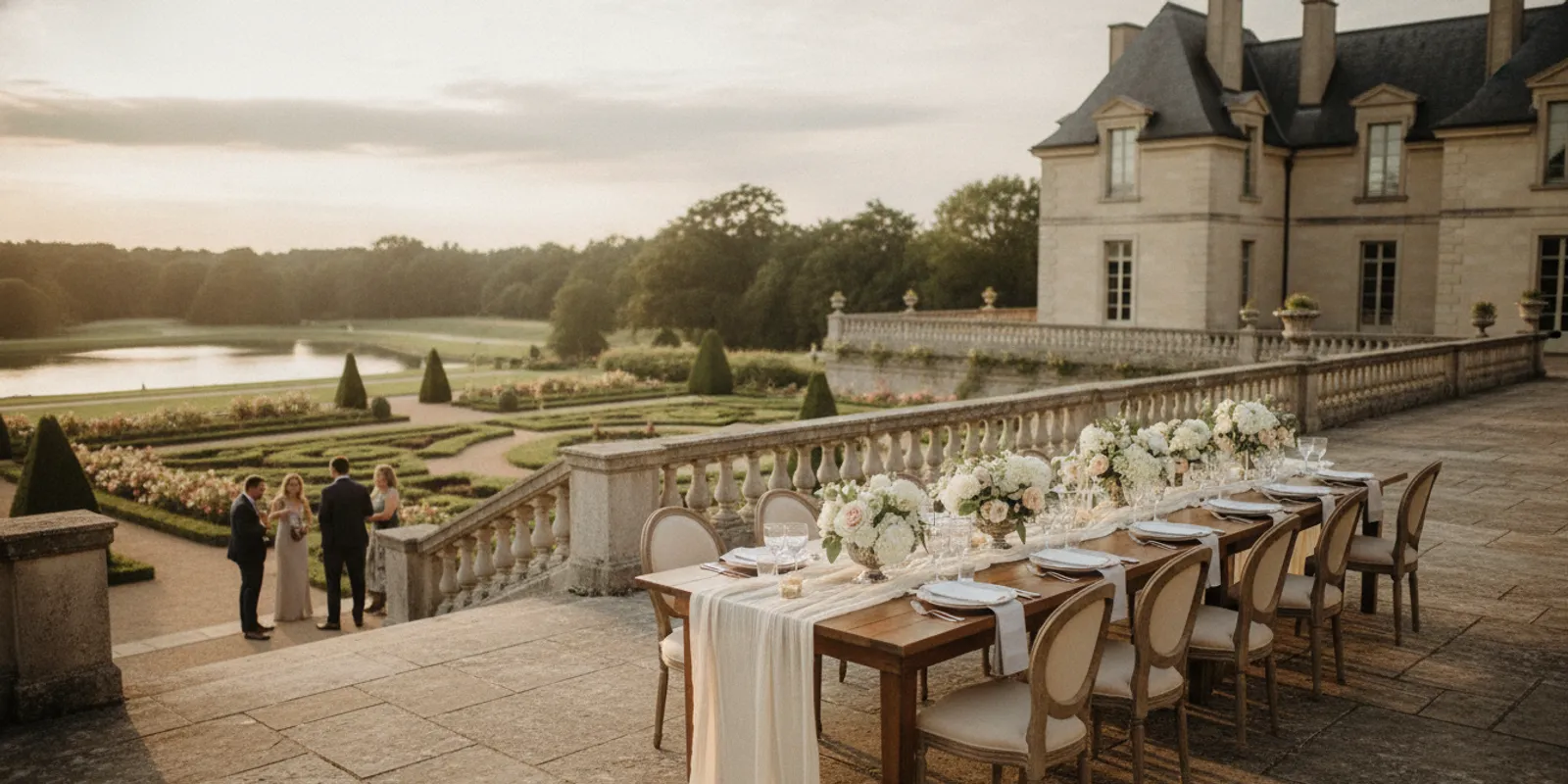
Private estate wedding venues can offer something a traditional event room cannot: a setting where the celebration, gathering spaces, and time together feel connected. But the right choice depends on more than beautiful grounds. Before you decide, compare how the property handles guest flow, privacy, lodging, logistics, and the practical details that shape the weekend.
Discuss your wedding gathering
What should a private estate wedding venue make possible?
Begin with the experience you want guests to have. Is the priority an intimate ceremony followed by dinner? A full wedding weekend with relatives staying nearby? A private place for several generations to spend unhurried time together? A clear answer helps you assess whether a venue is suited to your occasion rather than simply attractive in photographs.
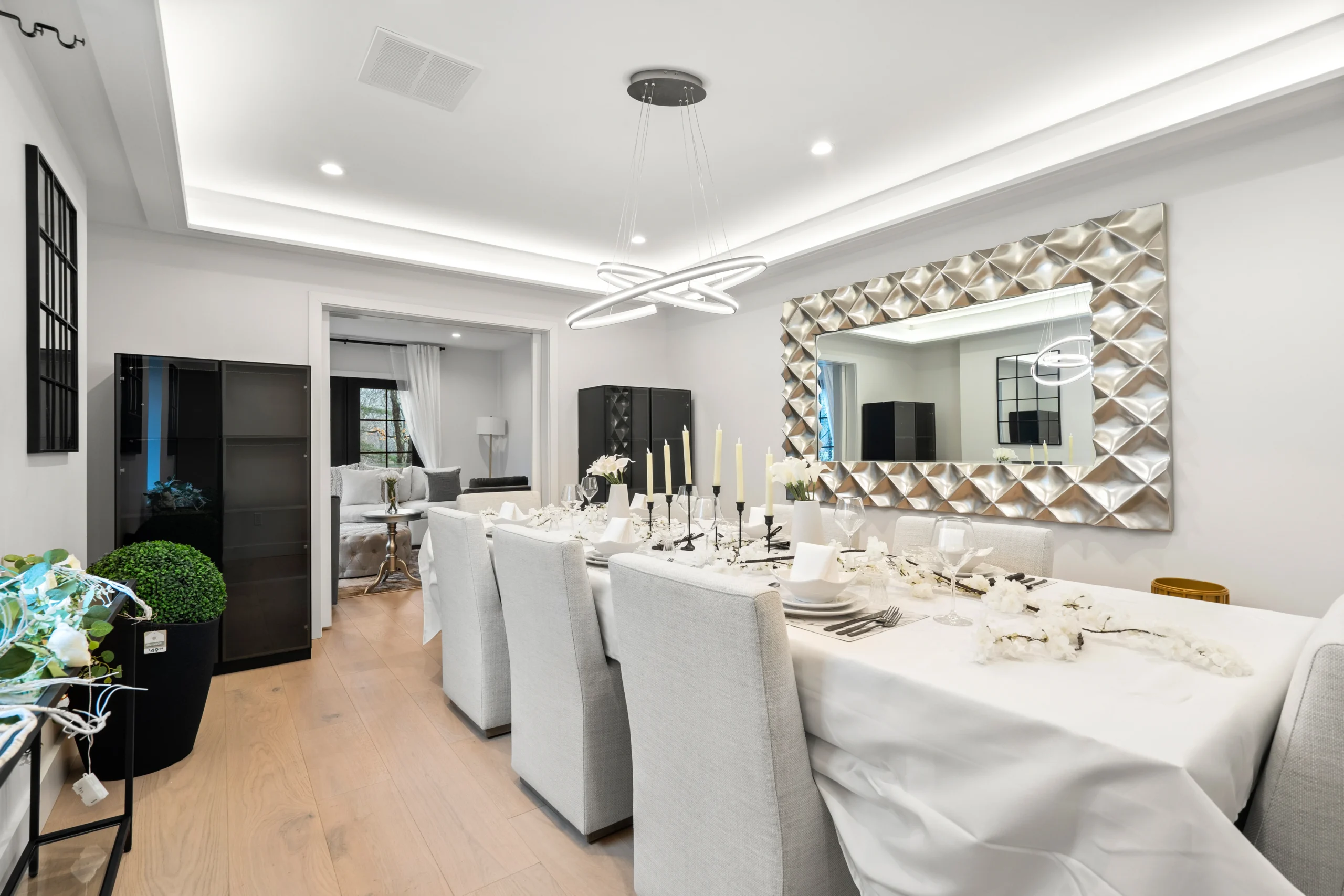
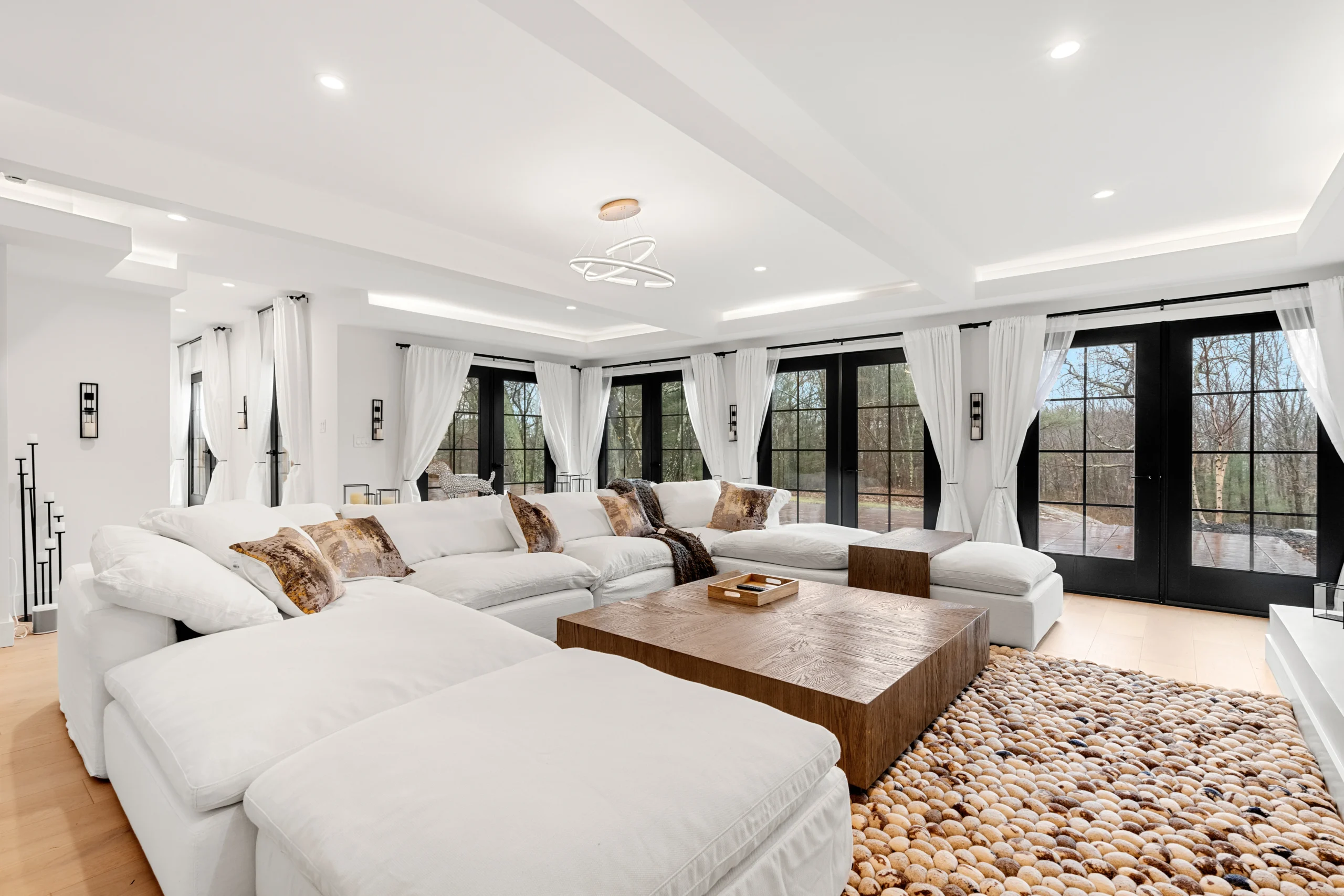
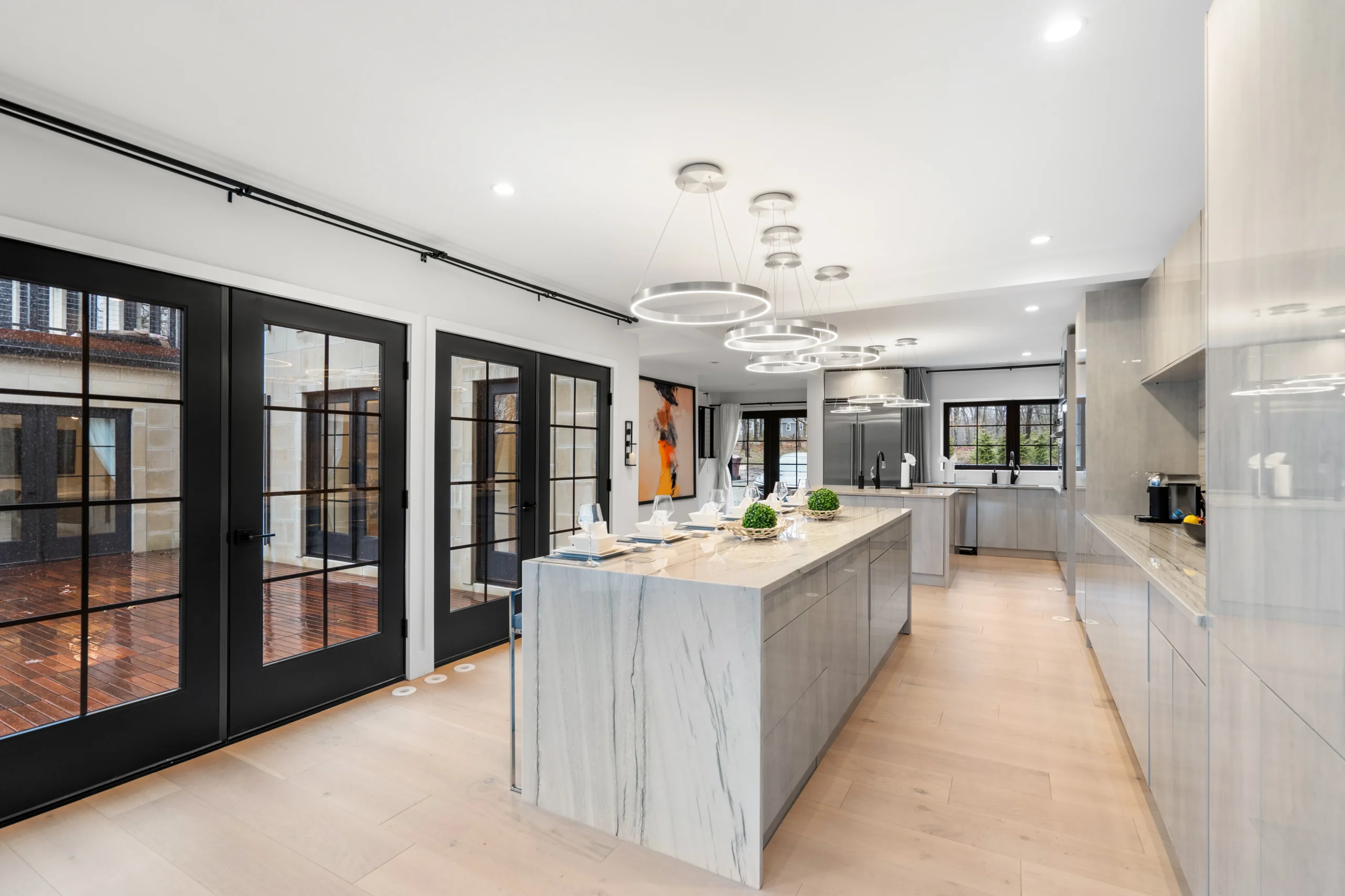
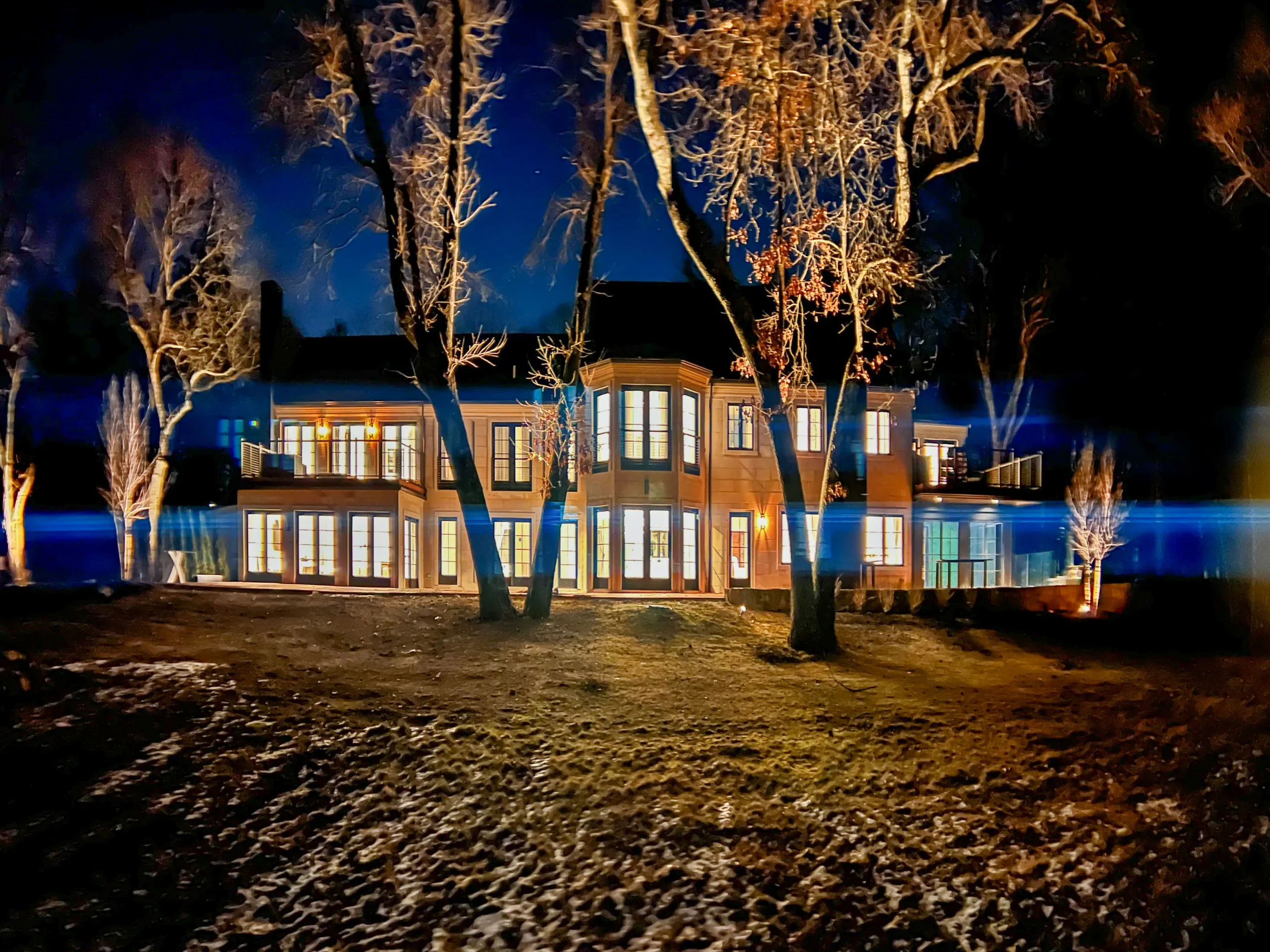
A private estate can bring different parts of a gathering into one setting: arrival, conversation, meals, celebration, and overnight rest. Ask whether the property is offered exclusively to your group, how event areas relate to guest rooms, and what kinds of gatherings the venue can accommodate. The Charles Chateau is a whole-property estate with 8,000 square feet, eight bedrooms, and 11 private acres near Boston; its estate story and approach provide useful context for understanding the setting.
For a planner, the useful question is not simply whether a venue can host a wedding. It is whether it can support the particular pattern of time your group wants. Some guests may arrive early and need a comfortable place to settle. Others may join for the main event and leave later. Family members may want conversation away from the central celebration, while the couple and immediate family need moments of quiet. A property with a mix of gathering areas can make those transitions feel natural, provided its use policies and capacity align with the plan.
Write down the occasion’s non-negotiables before touring: approximate day-guest count, overnight group size, ceremony style, preferred season, and whether shared meals or additional gatherings are part of the weekend. This short brief keeps a beautiful first impression from overshadowing practical mismatches. It also helps venue staff respond to the actual plan rather than offering general information.
How should you compare the guest experience?
Evaluate the path your guests will take, not just the room where the ceremony or dinner happens. Consider where people arrive, where they can gather before the event, how they move between spaces, and where quieter conversation can happen. A venue with several distinct areas may help different generations and social groups find their own rhythm without feeling separated from the occasion.
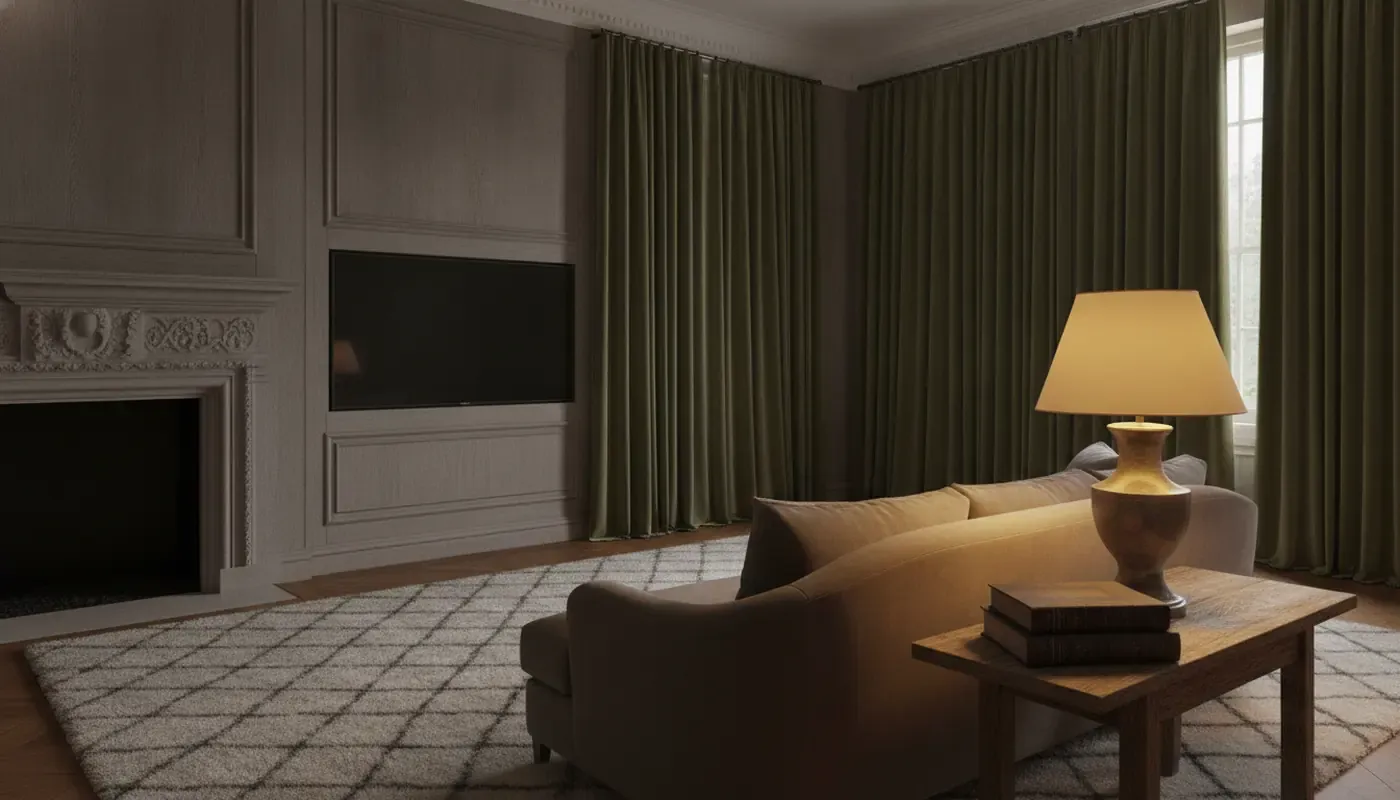
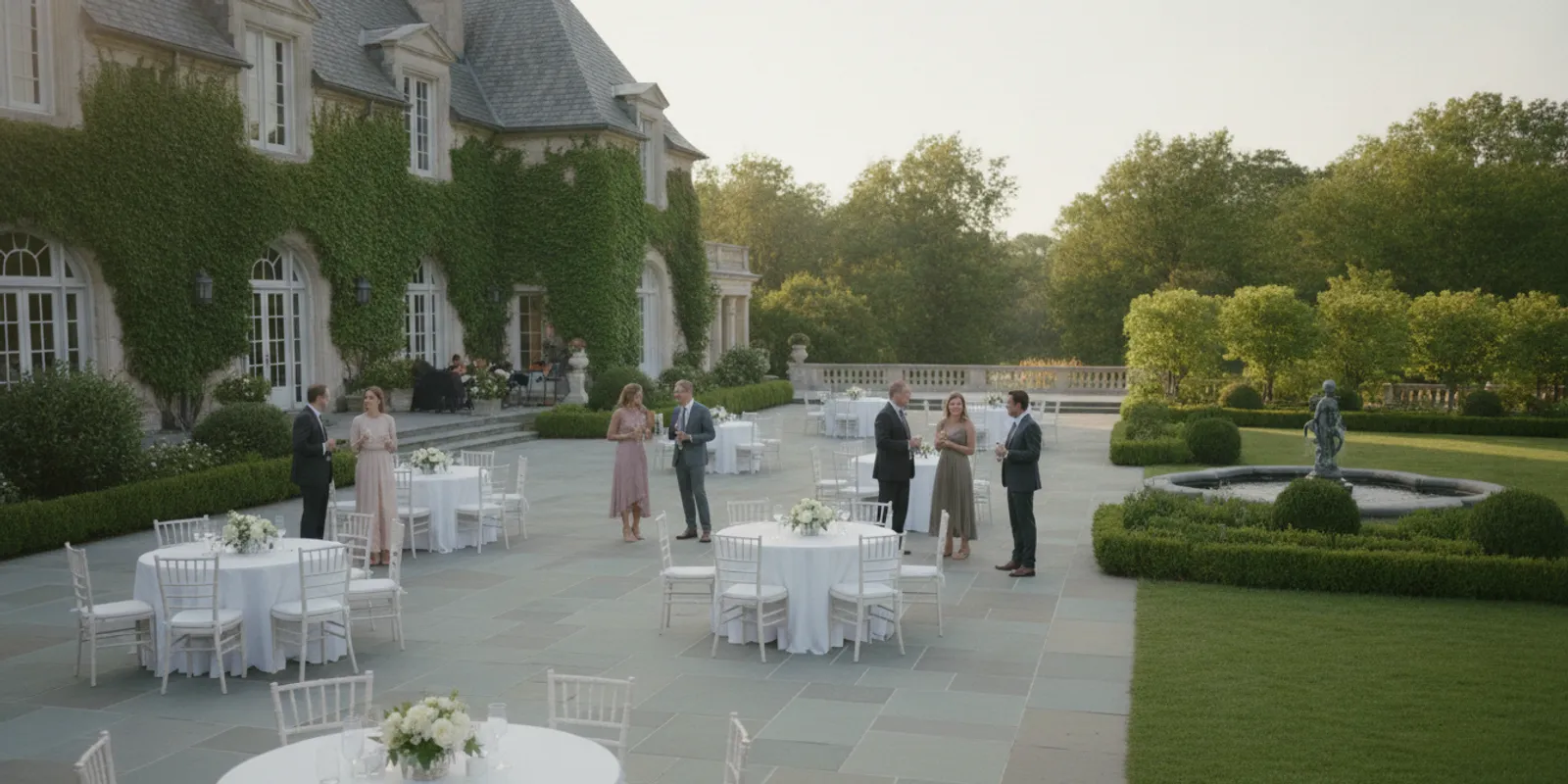
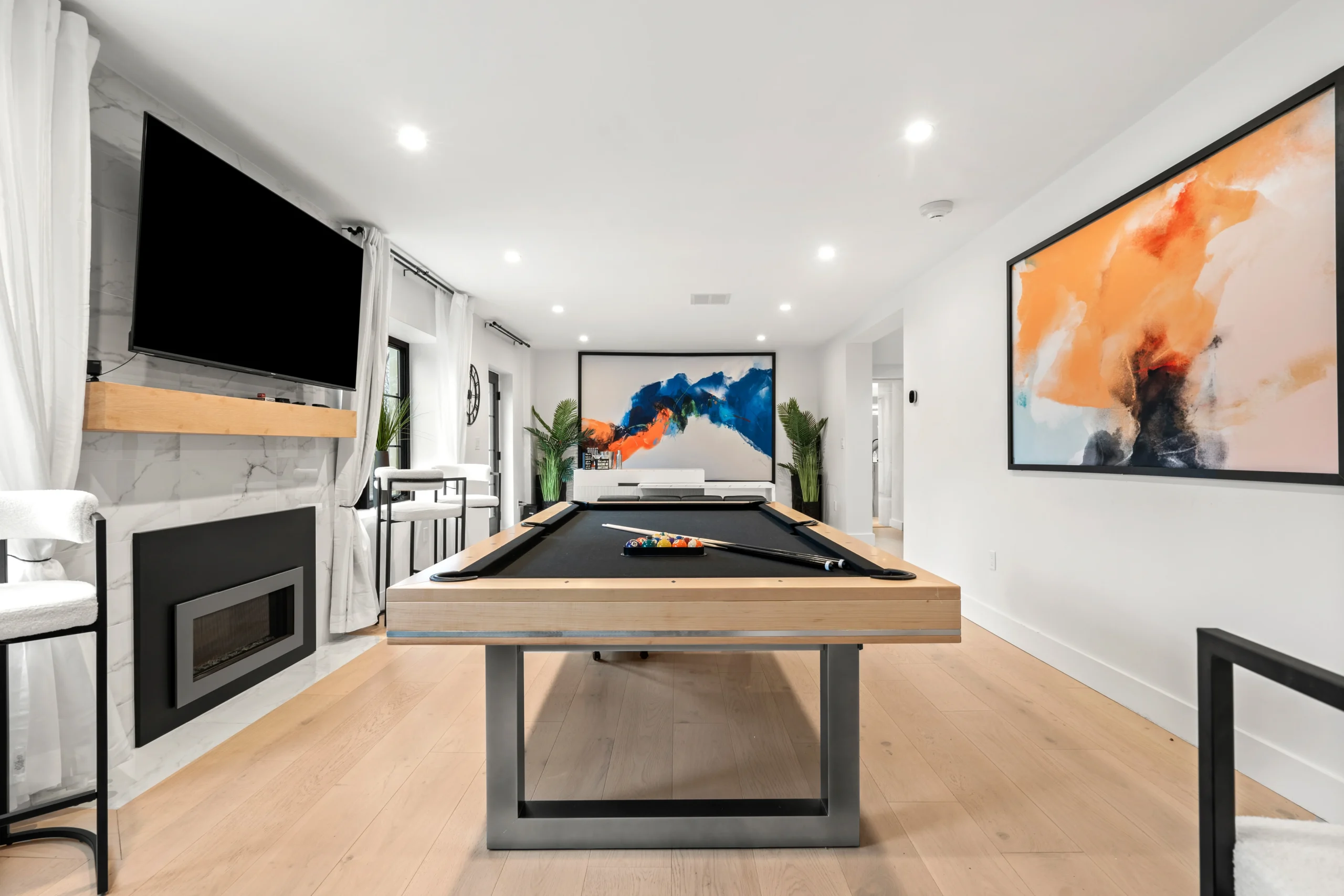
Ask for a walkthrough or a clear description of the layout. Discuss what changes between daytime and evening, whether outdoor and indoor areas can complement one another, and what the plan is if weather shifts. The estate grounds and exterior spaces can help you picture how an outdoor moment might connect with indoor gathering areas. For the interior, review the rooms and shared spaces through the lens of your schedule, rather than treating them as a list of features.
Walk the route in sequence. Imagine a guest stepping out of a car, being welcomed, finding the ceremony area, moving to a reception space, and later returning to a room or transportation. Notice whether the route is intuitive and whether people will need directions at every transition. Ask how the plan changes for a guest who cannot easily manage stairs or uneven ground. Those details are easy to overlook in a photo gallery, yet they influence whether the day feels considered and relaxed.
Also think about sound and sightlines. Can guests hear a welcome or toast from where they are seated? Do people who need a quieter moment have somewhere to pause without leaving the gathering entirely? Does the layout allow the event to feel intimate at your expected attendance, rather than dispersed across too much space? Request answers based on the proposed setup, since the same room can feel very different depending on furniture, service, and guest count.
Which venue details deserve a direct comparison?
Use the same questions for every venue you consider. That makes it easier to distinguish atmosphere from practical fit. The table below is a starting point; add any requirements that matter to your family, planner, or event team.
| Area to compare | Questions to ask | Why it matters |
|---|---|---|
| Exclusive use | Is the entire property reserved for one group? Are other events or guests present at the same time? | Clarifies privacy and how freely your group can use shared spaces. |
| Guest capacity | How many guests can attend the event, and how many can stay overnight? | Separates event attendance from lodging capacity and helps plan transportation. |
| Indoor and outdoor flow | Which areas can support each part of the day? What is the weather alternative? | Shows whether the event can adapt without a jarring change of setting. |
| Access and arrival | How will guests reach the property, and where do they arrive and depart? | Supports a calm welcome and realistic travel planning. |
| Planning support | What coordination is provided, and which suppliers or details remain the organizer’s responsibility? | Prevents assumptions about what is included and who owns each task. |
| Timing and use | What dates, event hours, setup windows, and overnight arrangements can be discussed? | Helps align the venue with the shape of the celebration. |
After the first round of inquiries, score each venue against your priorities rather than relying on memory. You might mark each item as confirmed, needs follow-up, or not a fit. Keep the categories consistent: privacy, guest movement, lodging, weather plan, supplier access, and event timing. Do not treat an unanswered question as a yes. A specific written confirmation is more useful than a general impression that something should be possible.
Separate essential requirements from preferences. For example, exclusive use or a workable overnight arrangement may be essential, while a particular view or decorative feature may be desirable but not decisive. If two venues both appear attractive, this distinction helps reveal which one truly supports the gathering. It also gives your decision-makers a concise explanation for the recommendation.
How do lodging and privacy change the decision?
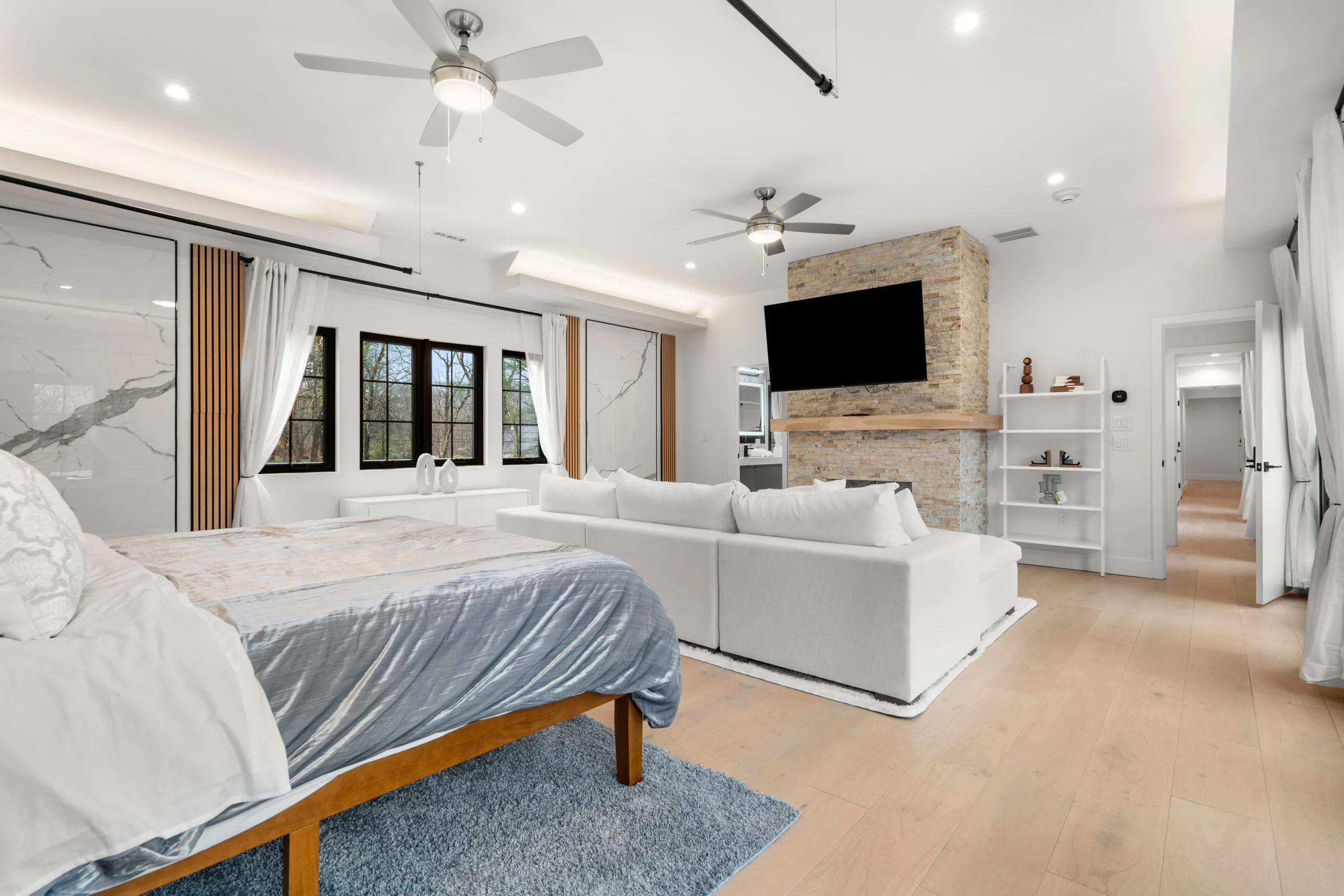
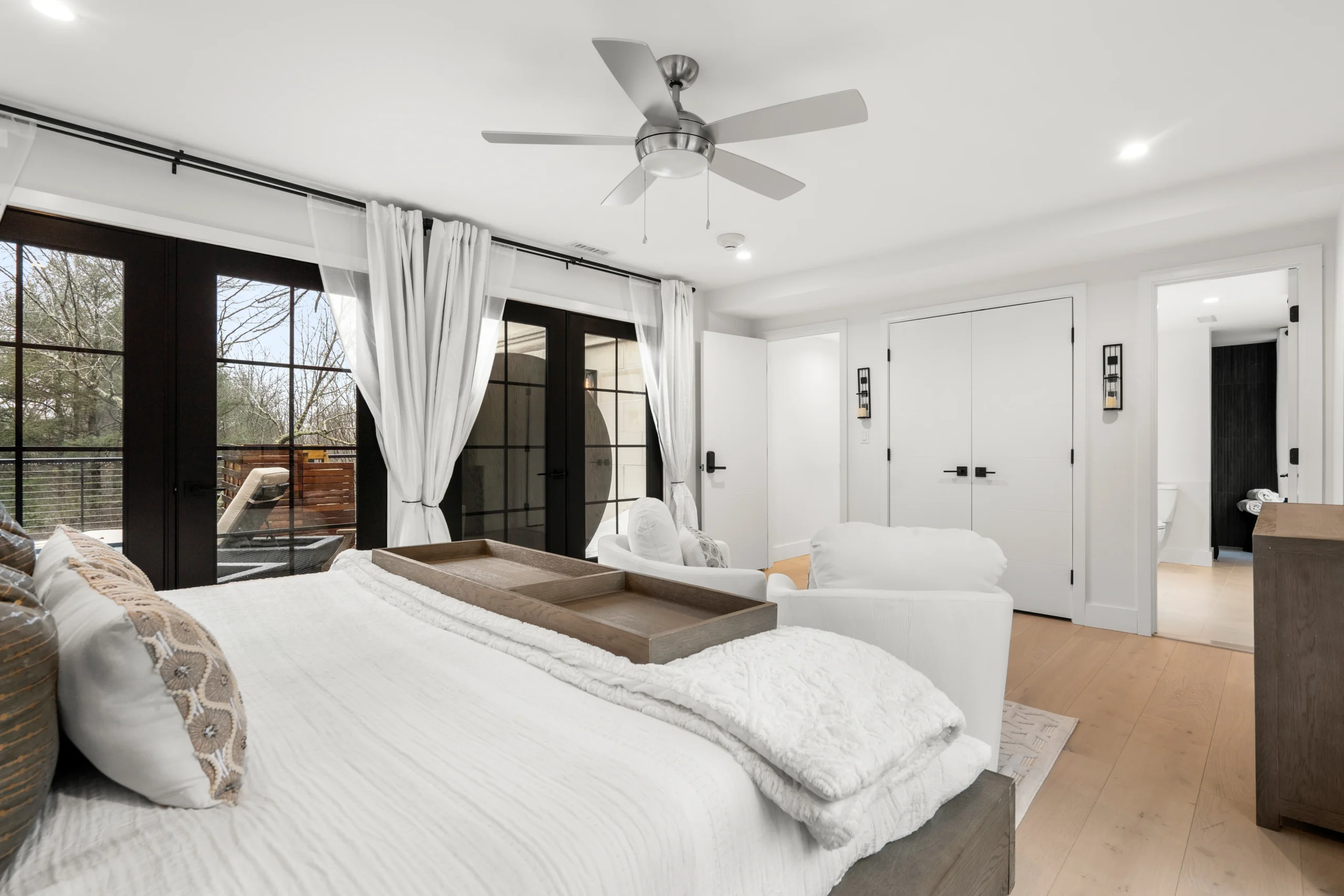
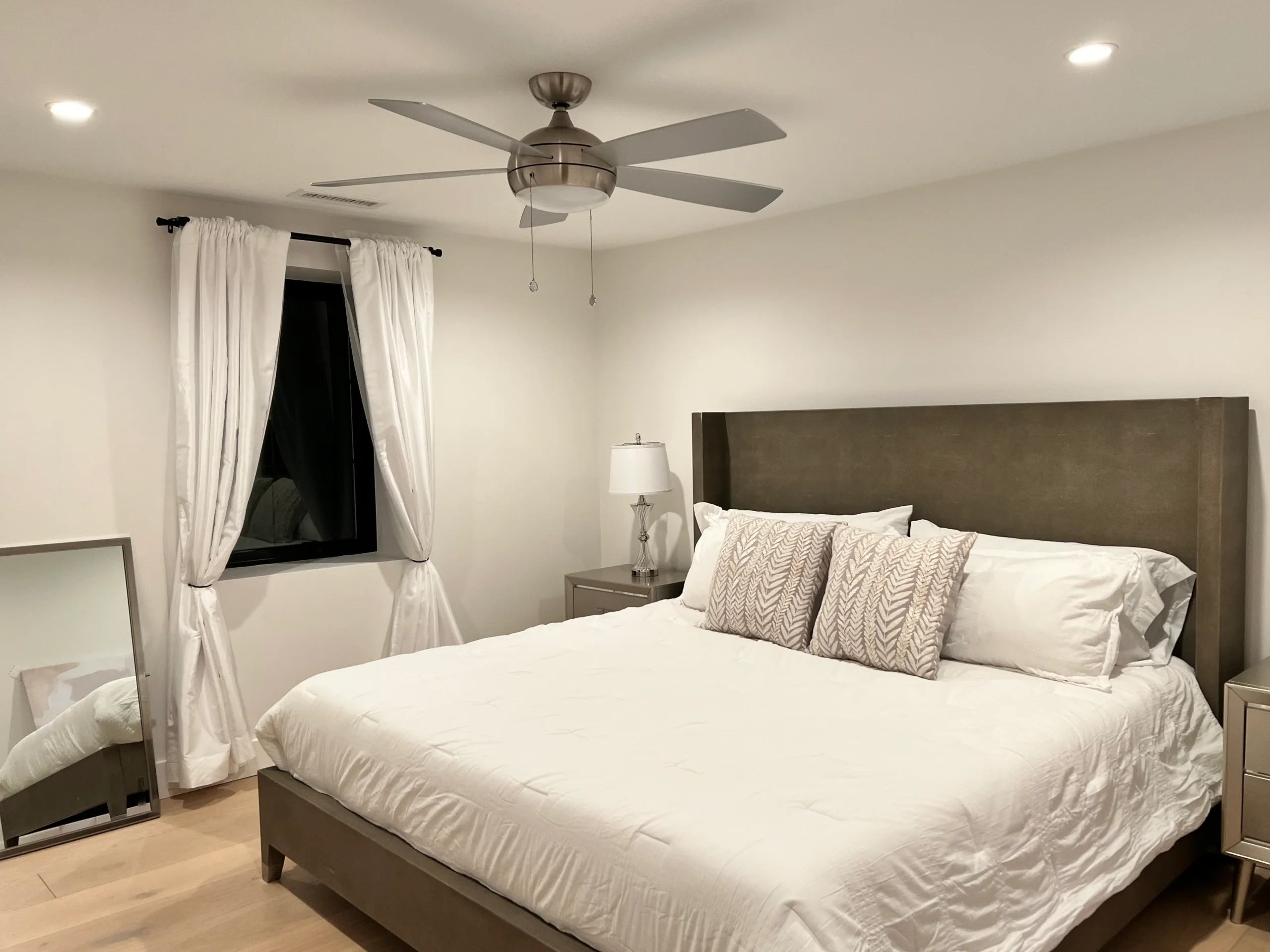
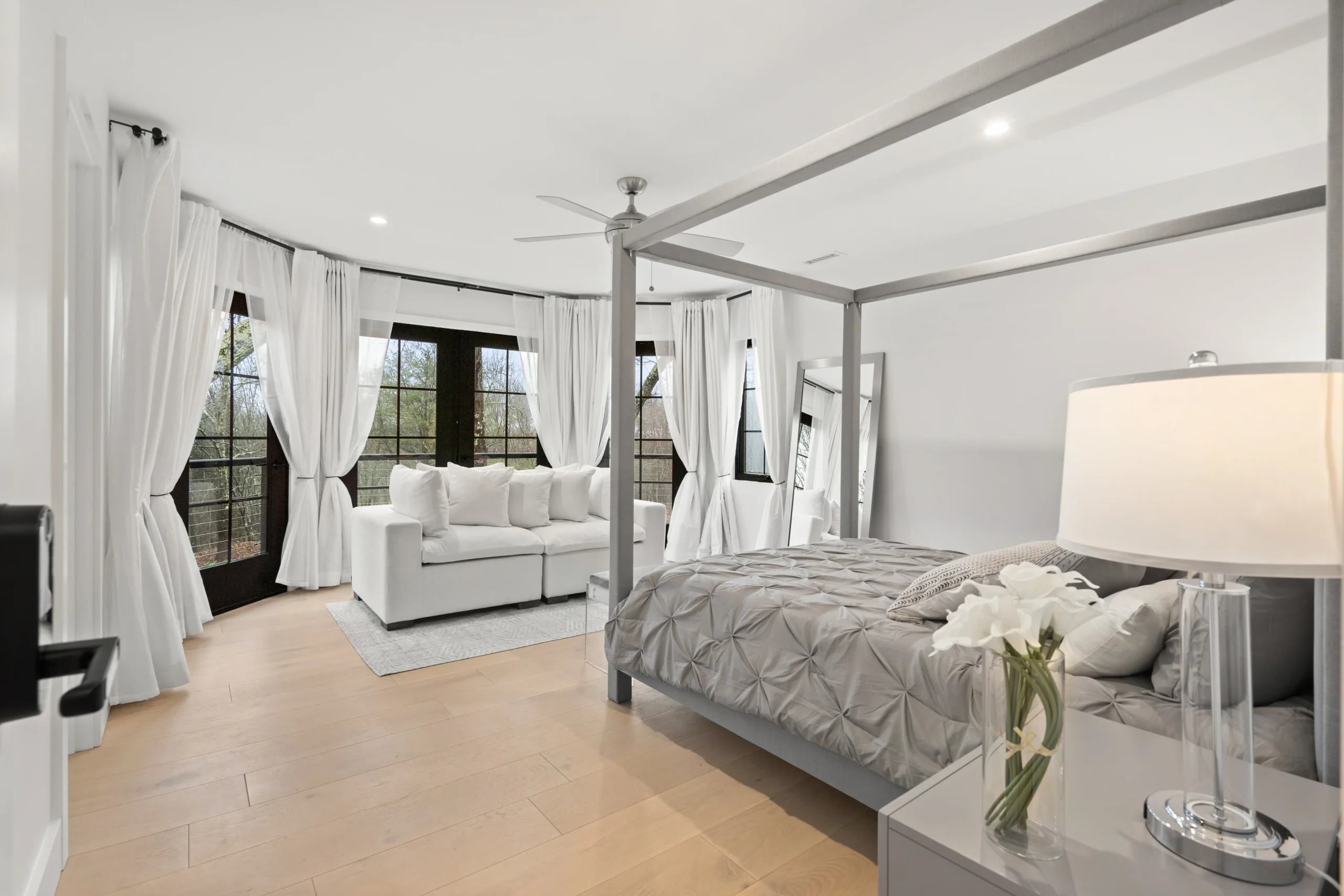
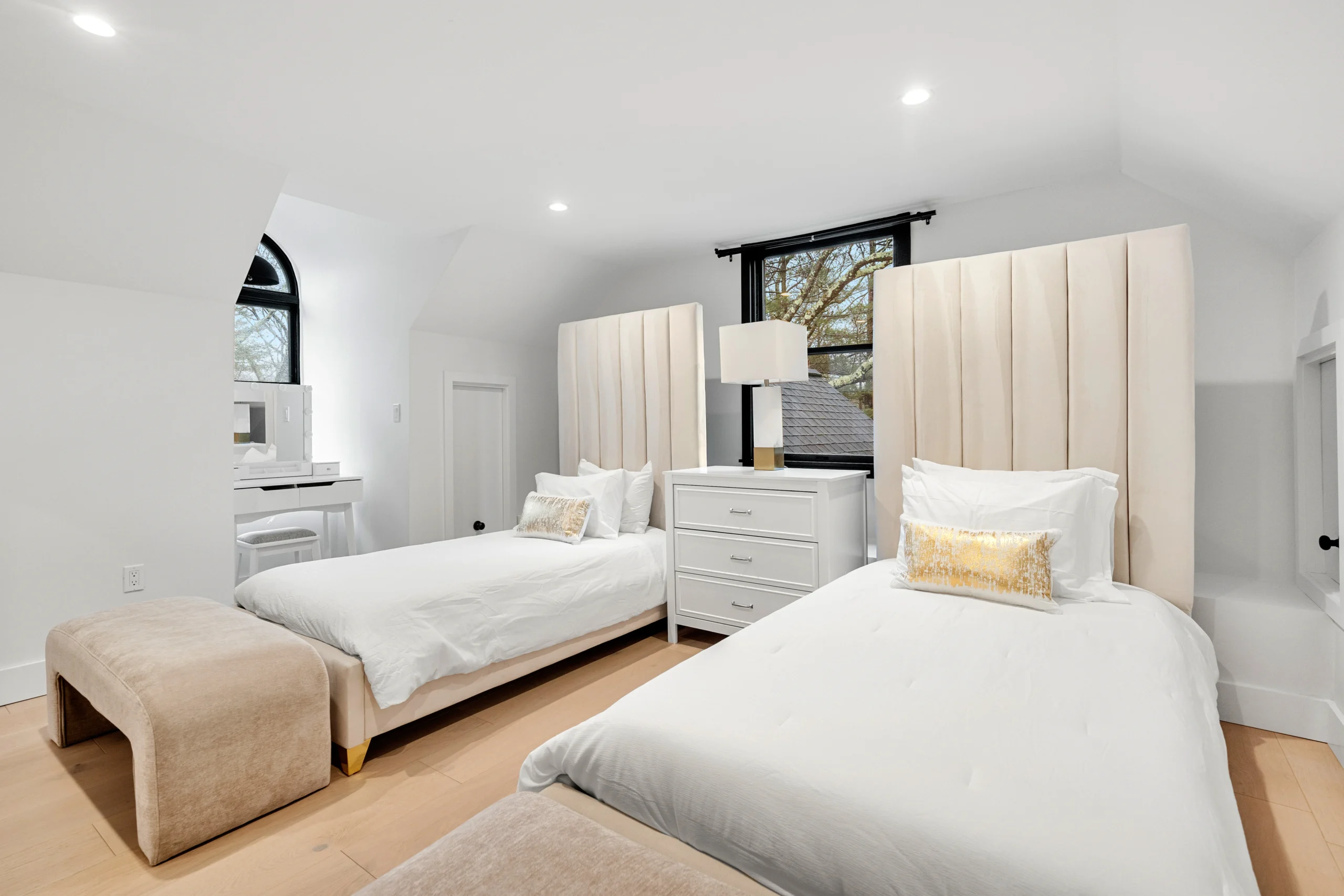
Some wedding celebrations are built around a single evening. Others bring family and friends together for several days. If overnight stays matter, distinguish on-site rooms from nearby accommodation, and ask how guests will travel between them. An estate with eight bedrooms may suit a close group staying together, while additional attendees may need separate lodging plans. Confirm the fit for your specific guest count rather than relying on a broad description.
Map lodging against the guest list early. Identify who is likely to stay on site, who may prefer a nearby hotel, and whether anyone needs particular room arrangements. Then consider the practical handoffs: who will share travel information, how guests will get to the property, and whether the schedule assumes everyone is in one place. The estate has eight bedrooms and is described as accommodating 16 or more overnight guests, but event attendance and overnight lodging are separate questions that should be confirmed for your event.
Privacy also has practical meaning. Ask whether the property is used by your group alone during the event, what boundaries apply to outdoor areas, and how arrival and departure are managed. If you want guests to settle into a shared environment without overlapping with unrelated visitors, clarify the whole-property arrangement early. Learn more about what full-estate exclusivity means and which questions to raise with a venue.
For a multi-day gathering, exclusivity can shape the feeling between scheduled moments as much as during the main celebration. Guests may want to have coffee, talk in a shared room, or step outdoors without wondering whether another group’s event is underway. Still, confirm exactly what exclusivity covers: dates and hours, areas included, overnight access, and any restrictions on vendors or event activity. A clear understanding protects the atmosphere you are trying to create and avoids relying on assumptions about the word “private.”
What logistics should you settle before choosing?
A beautiful venue still needs to work for your schedule. Make a preliminary run sheet that includes vendor arrival, setup, guest arrival, ceremony or gathering, meal service, transitions, and departure. Then ask the venue which parts of that sequence are possible and what restrictions or coordination needs to be considered. Avoid assuming that every property allows the same event format.
- Travel: Estimate travel time from the places most guests will come from. Consider airport arrivals, local transportation, and the final approach to the property.
- Guest movement: Check how guests move between indoor and outdoor areas and whether the route works for older relatives or anyone with mobility needs.
- Suppliers: Ask about delivery access, setup windows, power, cleanup, and who coordinates each supplier.
- Food and service: Confirm what arrangements are available and which decisions the planner must make independently.
- Sound and timing: Discuss event hours, sound expectations, and any neighborhood or property rules before building the schedule.
- Contingencies: Agree on a practical alternative for rain, temperature changes, or a delayed arrival.
Turn the run sheet into a working responsibility list. For each task, record the owner, deadline, and information still needed. One person may coordinate the caterer, another may handle guest transportation, and the venue may need to confirm access or setup parameters. Agree on how updates will be shared so suppliers are not working from different versions of the schedule.
Ask about load-in and load-out in concrete terms. Where can a supplier unload? How early may setup begin? When must equipment be removed? Does the event plan depend on a changeover between ceremony and reception? A venue’s answer can affect the number of suppliers, the sequence of the day, and the amount of buffer time required. Confirm any restrictions before contracting vendors or circulating a final timeline.
For planners comparing settings, this guide to choosing a private event venue offers a broader decision framework. Keep a written list of what the venue confirms, what remains open, and who will follow up. This small discipline prevents a detail discussed informally from becoming a day-of surprise.
How can you balance a Boston-area setting with a retreat atmosphere?
Location affects both ease and mood. A property close to Boston can reduce the distance guests need to travel while still giving a group room to step away from the city’s pace. The Charles Chateau is described as an 11-acre private estate about 20 minutes from downtown Boston, a combination that may be relevant for guests who want a quieter setting without planning a long drive to a distant region.
Ask how the location fits your guest list: Where are most people traveling from? Will guests arrive at different times? Does proximity to the city help with airport connections, vendors, or a pre- or post-event visit? The neighborhood guide can help you consider the surrounding area, while the suite information is a useful next step when comparing overnight needs.
Build a realistic arrival plan rather than assuming every guest will travel in the same way. Some may drive directly, while others may come from out of town or arrive at different times. Share the location and transportation details clearly, and ask whether the venue has guidance about arrival procedures. If guests will stay elsewhere, consider how that affects the start and end of each event segment. A convenient setting can simplify the weekend, but the plan still needs to account for individual arrivals and departures.
The contrast between city access and a quieter estate setting can be valuable when guests want both connection and room to pause. It is worth asking what the surroundings feel like at the times you expect to use outdoor areas, and whether the setting supports the tone of the event. Think about the experience from the guests’ perspective: the transition from travel to welcome, from public schedules to shared time, and from celebration back to rest.
What should you ask during an initial venue inquiry?
Share enough detail for the venue to respond meaningfully. Include your preferred dates or date range, approximate number of event guests, expected overnight group, celebration format, and the spaces you hope to use. If you are still shaping the plan, say so; an early conversation can help clarify which questions need answers before you commit.
- Is the property available for an exclusive group stay and event, subject to confirmation?
- What guest count and overnight arrangement should we plan around?
- Which areas may be used for gathering, dining, and outdoor time?
- What event-related coordination is available, and what should our planner arrange?
- What information do you need to consider the occasion and dates?
To place the venue in context, read about planning a wedding weekend near Boston. When you are ready, the membership consideration page explains the next step for access inquiries. Availability and event arrangements should be confirmed directly rather than assumed from general information.
Before sending the inquiry, gather the details your decision-makers already know and flag what remains tentative. A concise note can include preferred dates, a realistic attendance range, overnight needs, the event format, and any must-have arrangements. You do not need a finished plan to start a useful conversation; you do need to distinguish a firm requirement from an idea still under consideration.
Once you receive a response, compare it against your written checklist. Follow up on anything that could materially change the guest experience, especially event capacity, exclusive use, timing, room arrangements, vendor access, and weather alternatives. Keep the final answers with the event plan so the planner, family, and suppliers are working from the same understanding.
Frequently asked questions
Can a private estate work for a wedding weekend rather than one event?
It may, depending on the property’s policies, dates, guest capacity, and event arrangements. Ask specifically about overnight stays, event timing, exclusive use, and how the schedule can fit across multiple days.
How many guests can stay overnight at The Charles Chateau?
The estate has eight bedrooms and is described as accommodating 16 or more overnight guests. Confirm the appropriate arrangements for your group and the details of any event attendance separately.
Should I choose a venue before confirming the guest list?
You can compare options while the list is still evolving, but use a realistic range. Ask each venue to distinguish event capacity from overnight capacity so you know whether lodging and gathering plans work together.
What should I send with an inquiry?
Include the occasion, preferred dates or date range, estimated event and overnight guest counts, and a short description of the experience you hope to create. Mention any essential requirements, such as exclusive use or outdoor space.
Share your dates and gathering plans
The most suitable venue is the one whose setting and practical arrangements support the way you want your guests to spend time together, from their first arrival to the final farewell.