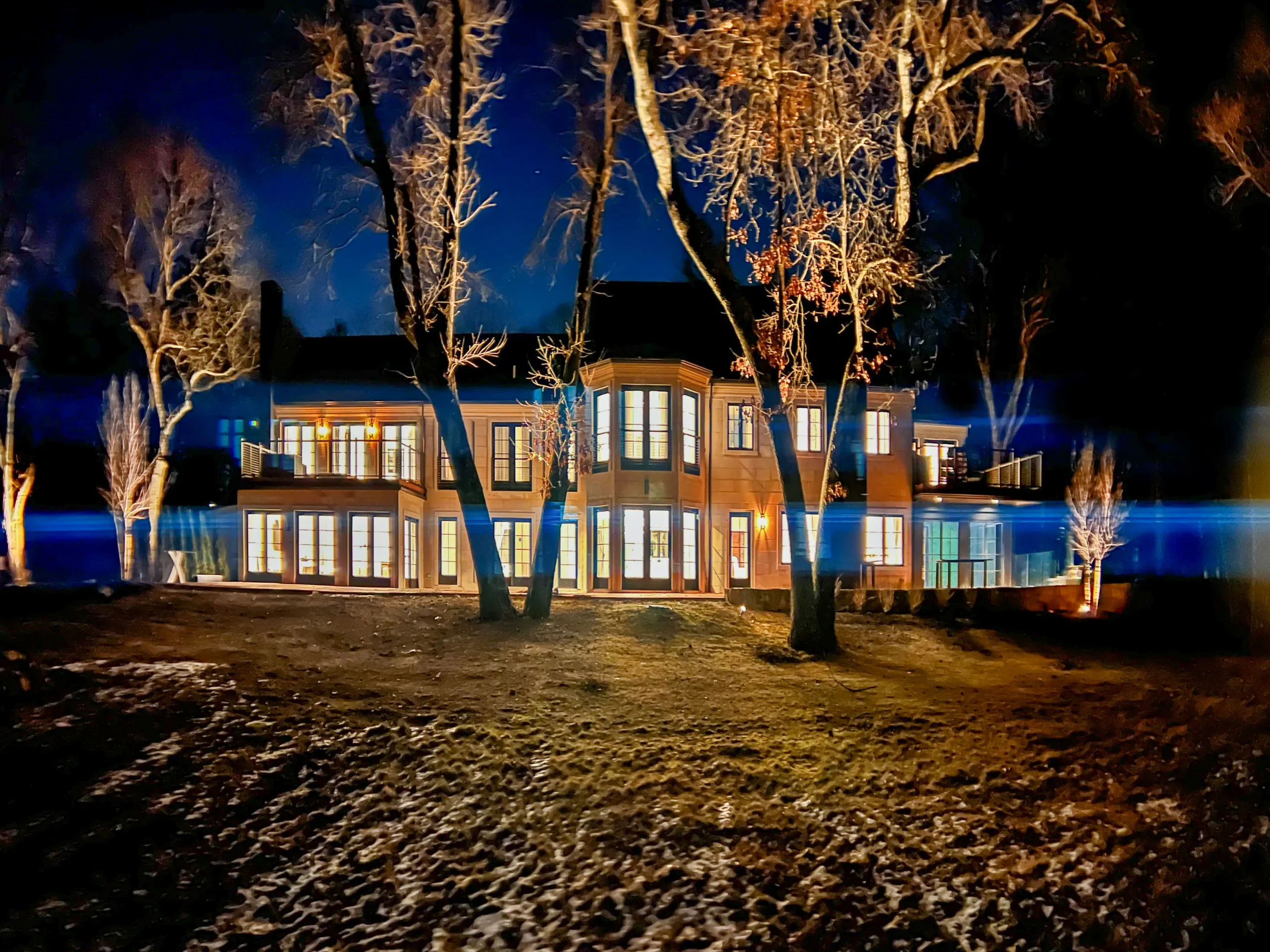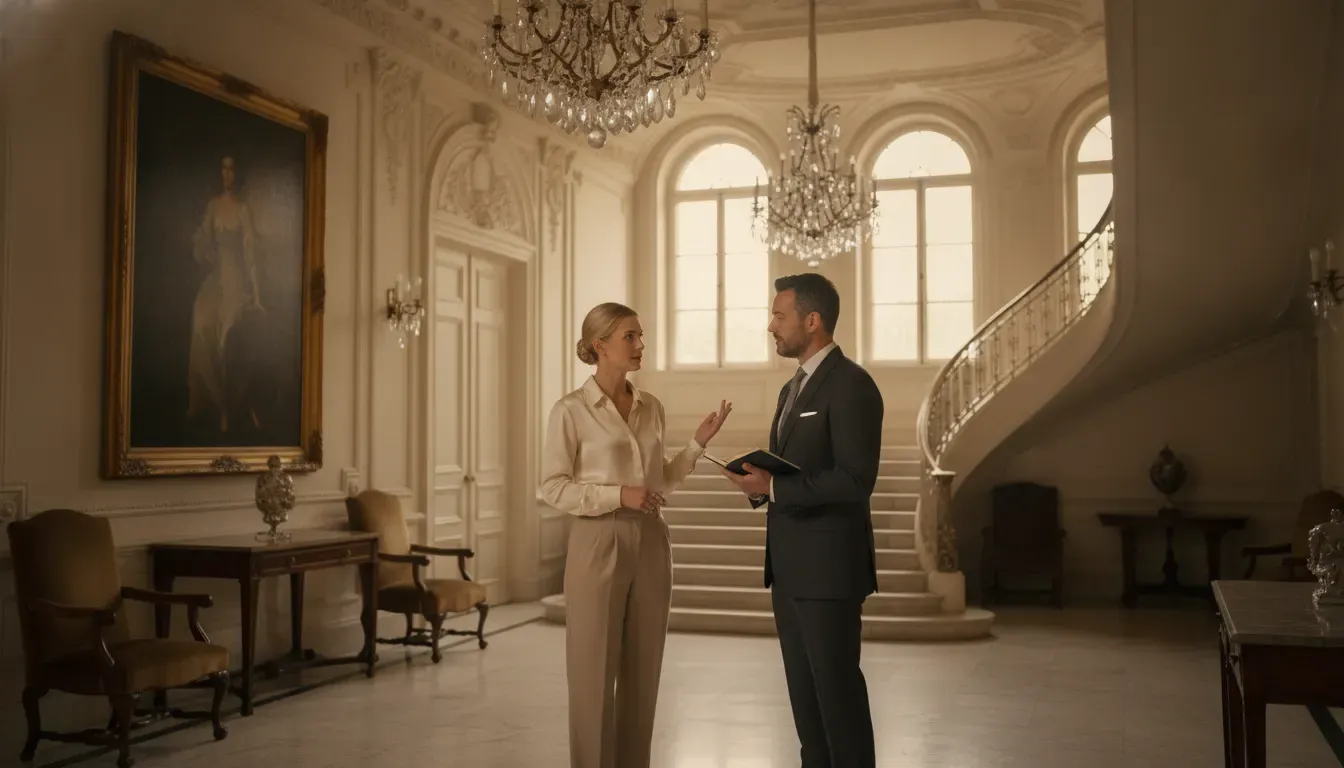
For Boston event planners, sourcing a private event estate in Boston is less about finding another room and more about finding a setting that can carry the entire client experience. The right property should offer privacy, a coherent guest journey, practical vendor access, and a level of hospitality that supports the planner without competing for attention.
The Charles Chateau is a private French Chateau-inspired estate in Dedham, Massachusetts, approximately 20 minutes from downtown Boston. It combines an 8,000 square foot home, eight bedrooms, and 11 private acres with an inquiry-led, concierge-level experience. This guide explains how event planners can evaluate an exclusive estate for a client event, from the first search through the professional inquiry. For broader property context, see the private estate event venue guide for Massachusetts.
What Event Planners Need from a Private Estate Venue
Short answer: Event planners need a private estate venue to support the whole brief, not simply the event window. That means exclusive use, a logical flow between gathering spaces, appropriate overnight capacity, clear access expectations, and a responsive partner who can help shape the experience before the client arrives.
A planner’s venue brief usually includes more than date, headcount, and a preferred aesthetic. It may include a welcome gathering, a private dinner, a leadership conversation, a multi-day celebration, or a sequence of experiences that asks guests to move naturally through the house and grounds. A private estate can be a strong fit when the property itself becomes part of the program.
Start with the client’s non-negotiables, then test the venue against five practical requirements:
- Exclusive use: The client should understand who else, if anyone, will be on the property during the event.
- Guest flow: Arrival, coat storage, dining, conversation, restrooms, outdoor movement, and departure should feel considered rather than improvised.
- Group fit: Sleeping arrangements, gathering spaces, and day-event capacity should match the actual guest list and the desired level of comfort.
- Operational clarity: Parking, loading, vendor arrival, event timing, sound expectations, and weather contingencies should be discussed early.
- Service partnership: The venue should offer a clear contact path and a planning conversation that respects the planner’s role.
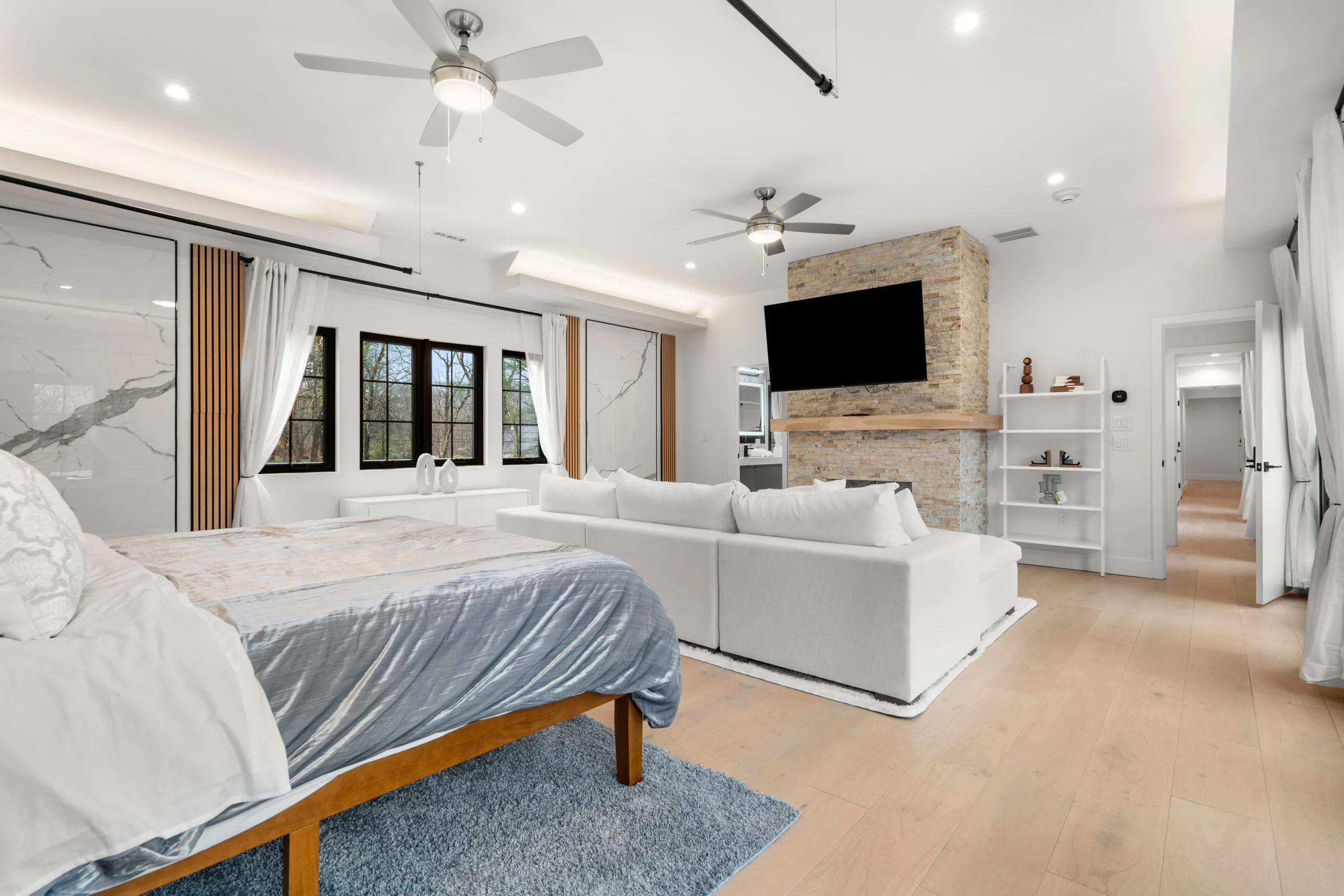
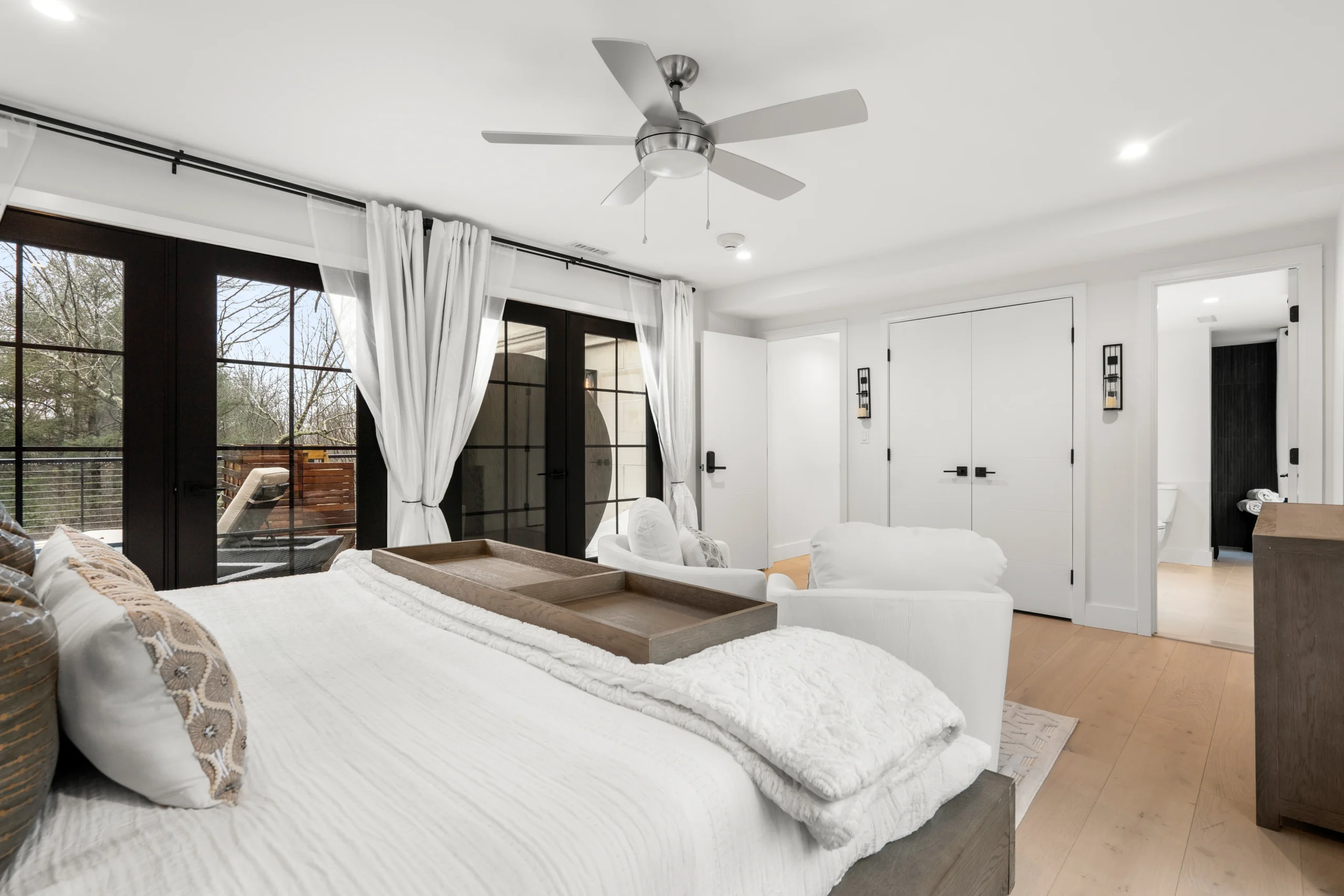
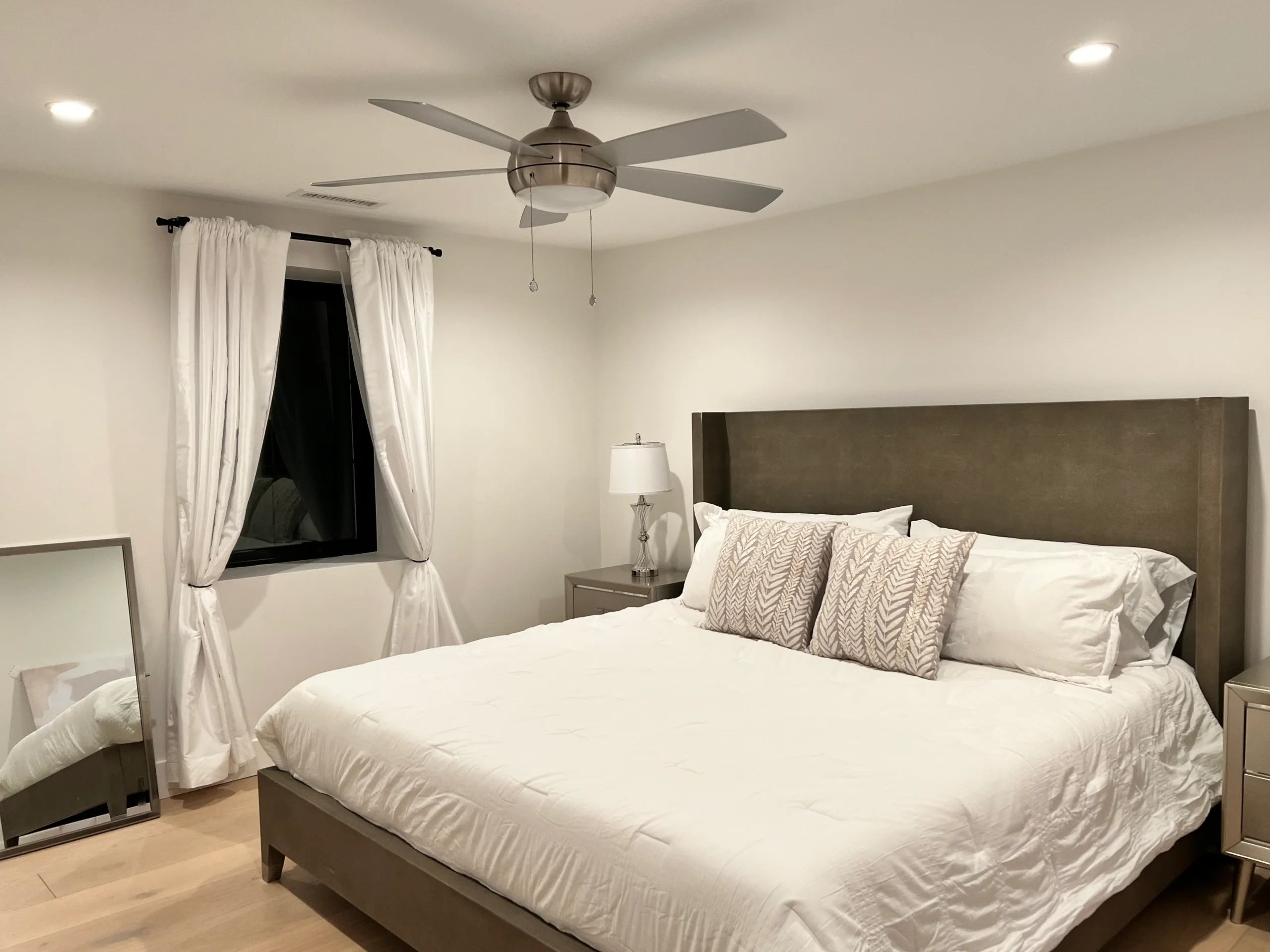
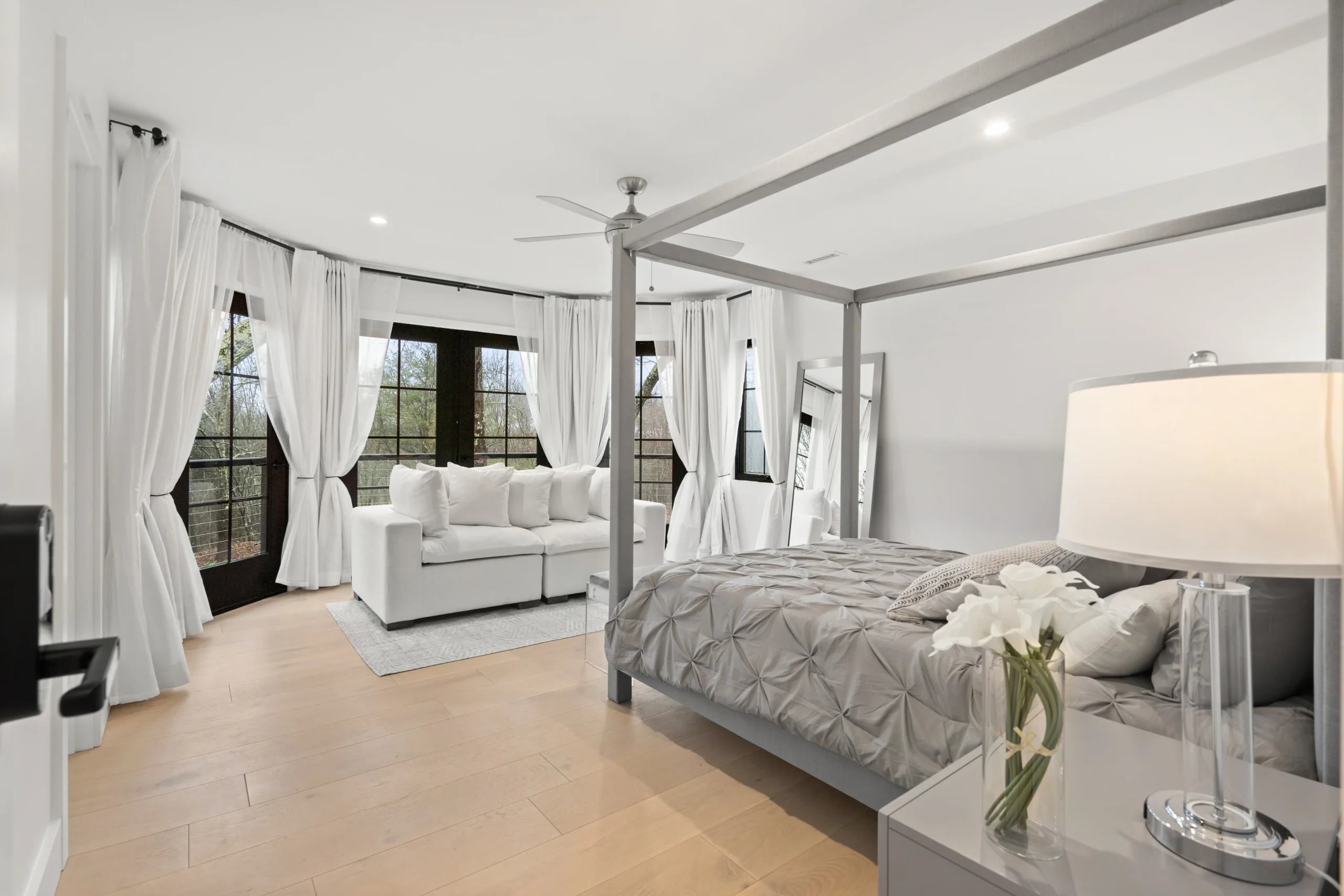
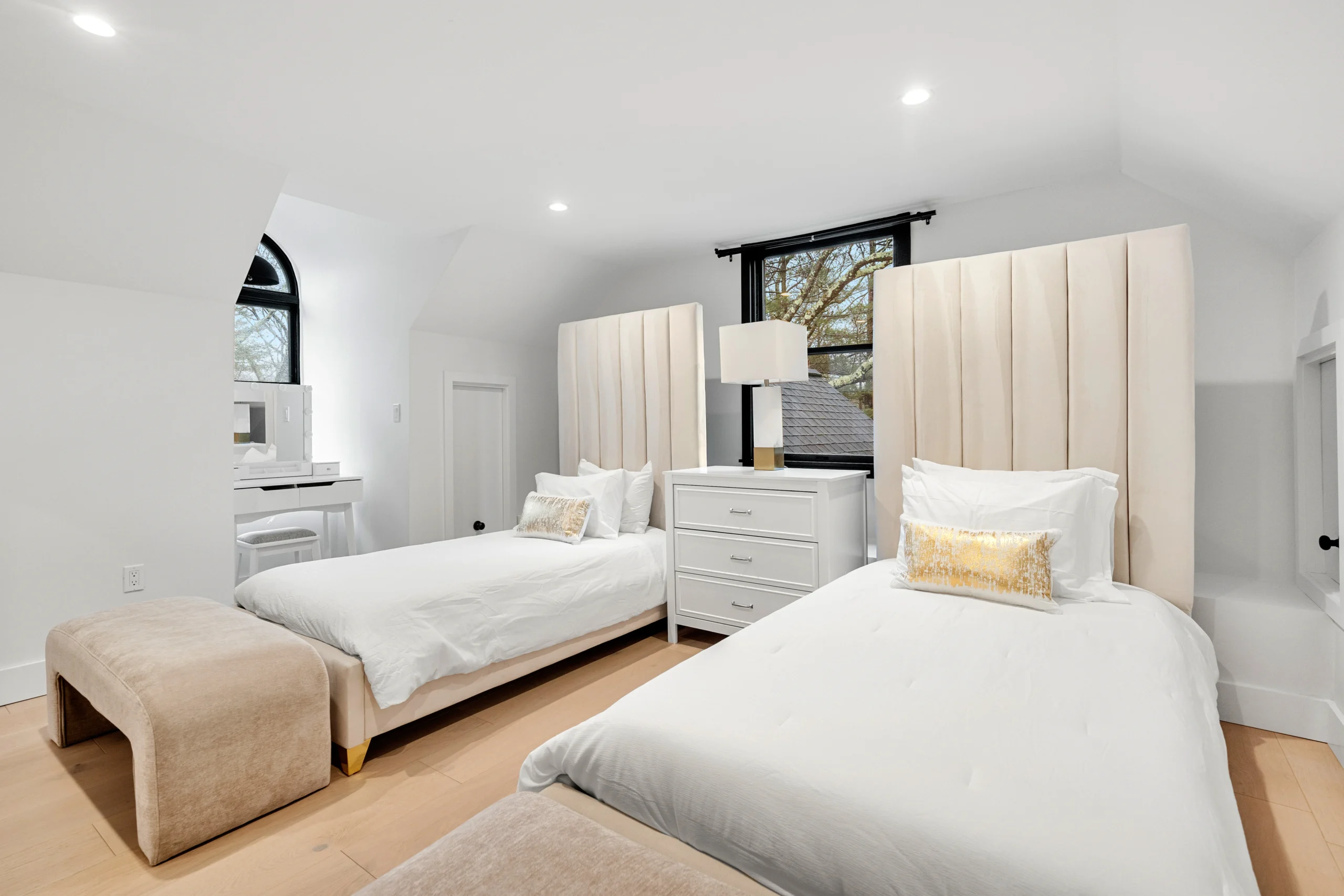
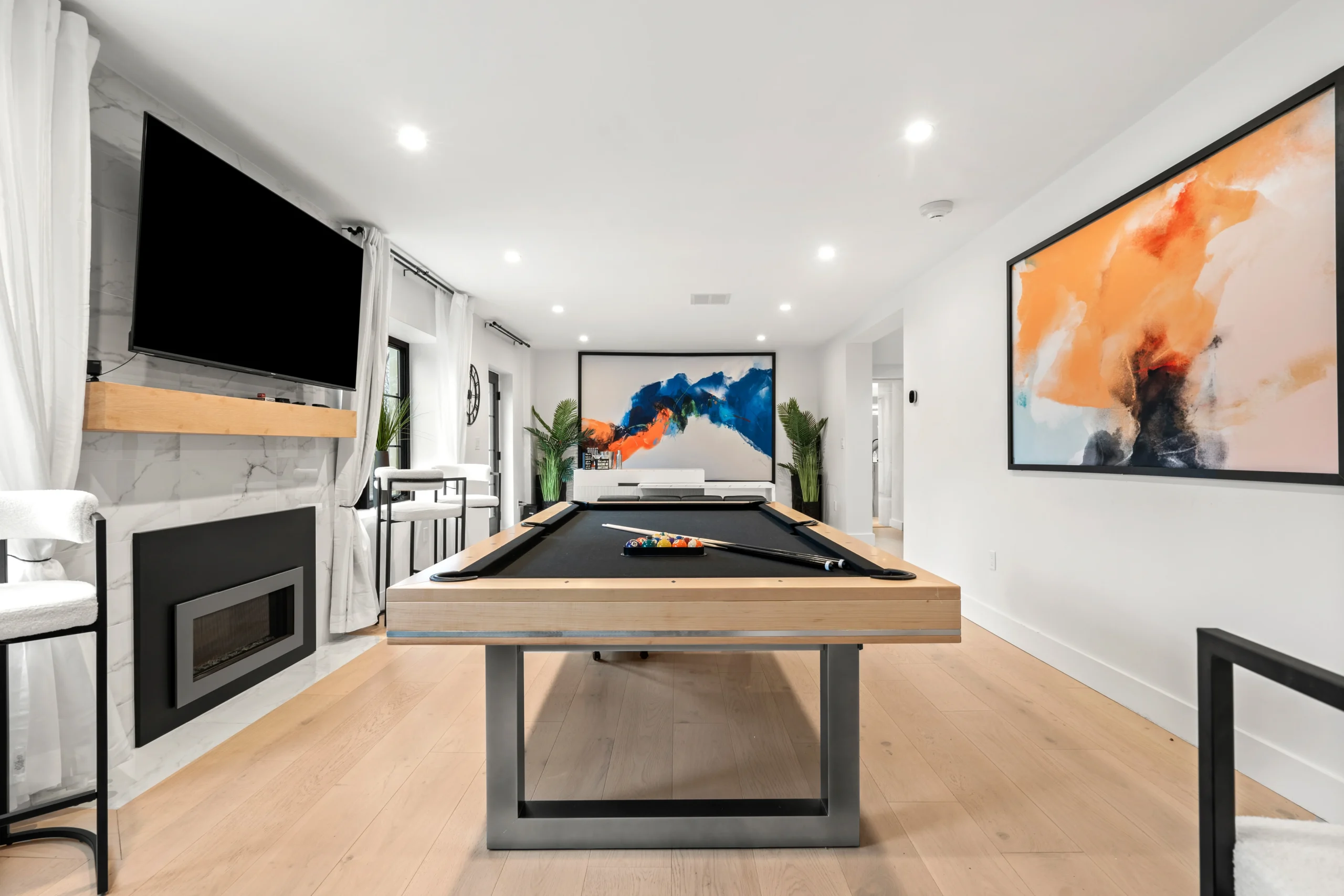
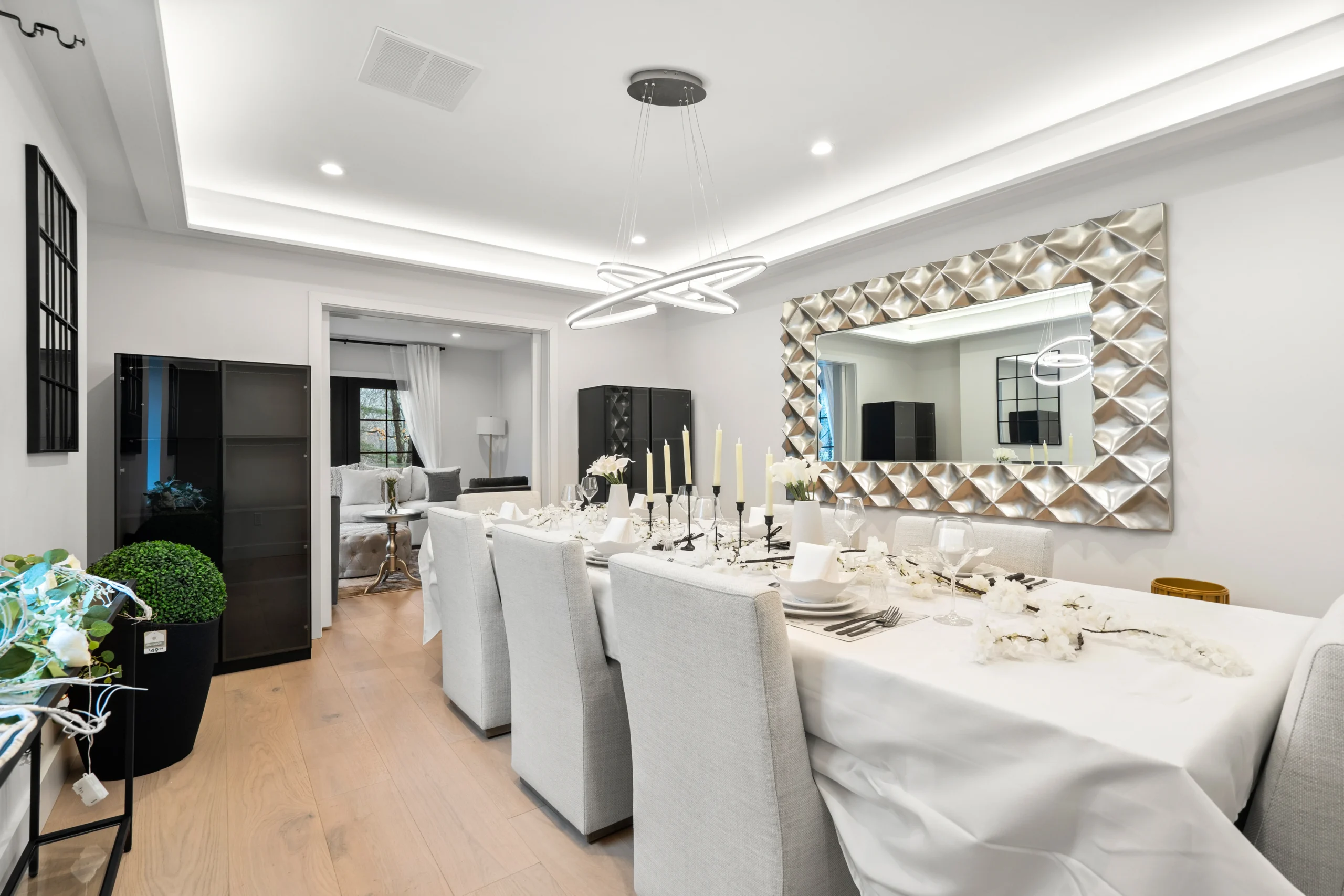
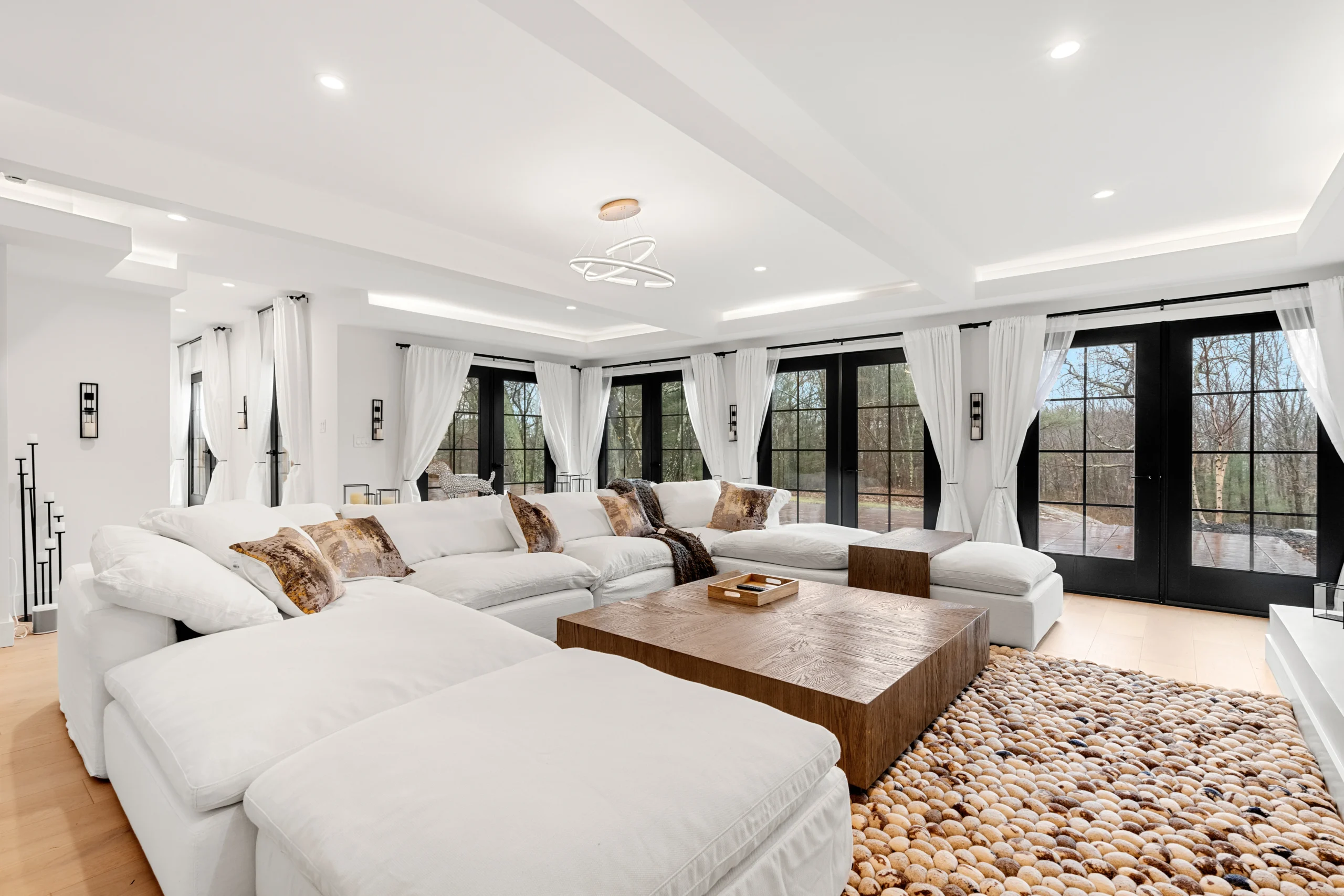
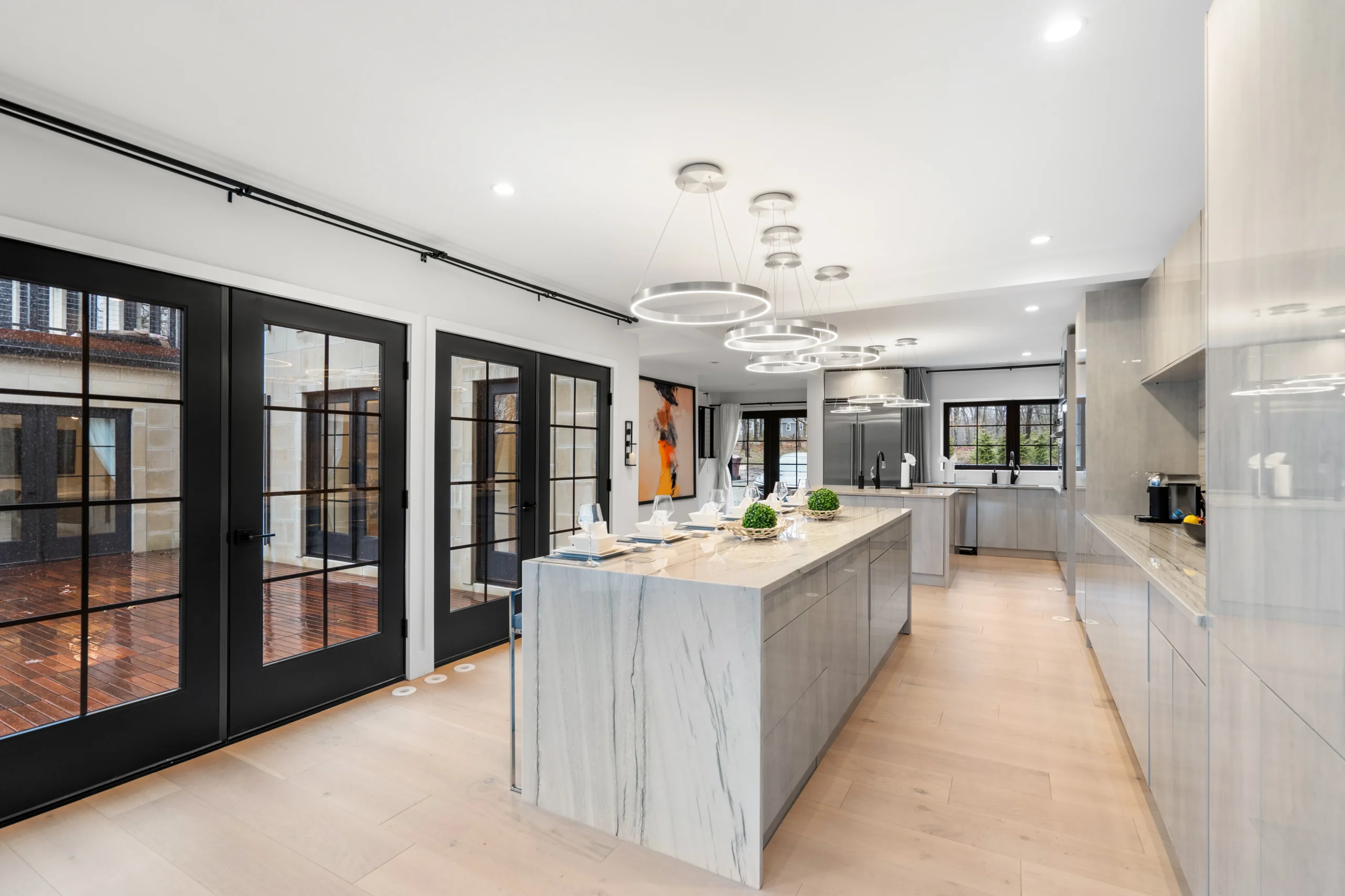
The Charles Chateau is designed around private group use, with eight bedrooms for 16 or more overnight guests, multiple interior gathering areas, and grounds that extend the experience beyond one room. Its scale can suit a leadership gathering, private celebration, or event that benefits from overnight continuity without the feel of a conventional hotel block.
Planners should also distinguish a private estate from a standard rental listing. A public listing may be optimized for fast booking, while an exclusive estate may begin with a conversation about the client, the guest experience, and the intended use of the property. Neither model is universally better. The professional task is to match the access model and service structure to the brief.
How Can Planners Source Non-Public Venue Listings in Boston?
Short answer: Planners can source non-public Boston venue listings through trusted venue relationships, local hospitality contacts, destination knowledge, and direct inquiries to properties that are not publicly bookable. The strongest outreach explains the client brief clearly and asks about fit, access, capacity, and the planning process rather than requesting a generic rate sheet.
Exclusive estates are easy to miss when a search is limited to booking platforms. Some properties are not listed publicly because they protect privacy, manage access through a private club, or want the first conversation to establish whether the event is appropriate for the home. A planner who understands that model can create a more productive sourcing process.
Build a short list from several channels:
- Use local search deliberately. Search by event type, geography, property format, and audience. Phrases such as private estate venue near Boston, exclusive event venue Massachusetts, and estate venue for a private client reveal different parts of the market.
- Ask hospitality partners. Luxury caterers, florists, transportation providers, photographers, and destination-management contacts often know properties that do not appear in ordinary venue directories.
- Review the access language. Look for whether a property is publicly bookable, inquiry-led, members-only, or available only through an invitation or hosted relationship.
- Check the operating fit. A beautiful residence may not be suitable for professional events. Confirm whether the owner or venue team welcomes the type of gathering, vendor activity, and guest count under consideration.
- Protect the client’s time. Before scheduling a site visit, share the purpose, approximate guest profile, preferred dates, overnight needs, and any essential production requirements.
The Charles Chateau is not publicly listed or publicly bookable. Reservations for overnight stays, gatherings, and private events are extended to active members and invited guests, so the correct path is an inquiry rather than an instant reservation. That distinction should be explained to the client at the beginning of the recommendation.
A planner can use the property’s guide to private venues that are not on booking platforms as a useful companion when explaining why an exclusive property may require a more personal sourcing process.
What Should Event Planners Evaluate During a Private Estate Site Visit?
Short answer: During a private estate site visit, evaluate the guest journey, event zones, vendor logistics, privacy, overnight arrangement, and the venue team’s working style. A planner should leave knowing how guests will arrive, where each part of the program can happen, what needs a production plan, and which decisions the concierge team can help coordinate.
A site visit should be more than a tour of attractive rooms. Walk the property in the order the client and guests will experience it. Note where the first welcome occurs, how the group transitions between spaces, and whether the house gives people both shared areas and places to step away. Residential scale can be a benefit when the layout supports natural movement.
Use this planner-focused inspection list:
- Arrival and arrival privacy: Confirm the approach, parking, guest drop-off, accessible routes, and the first point of contact.
- Program zoning: Identify spaces for registration or welcome, dining, presentations, quiet conversation, entertainment, and weather backup.
- Guest flow: Trace the route between the entrance, gathering areas, restrooms, bedrooms, kitchen, terrace, and grounds. Look for bottlenecks before the client does.
- Vendor logistics: Ask where deliveries arrive, how a caterer can work, where equipment can be staged, and how load-in and load-out are managed.
- Atmosphere at different times: Consider natural light, evening lighting, fireplaces, outdoor conditions, and how the property will feel when the schedule changes.
- Residential boundaries: Clarify which areas are available, what must remain protected, and how the event can feel polished without making the home feel like a convention facility.
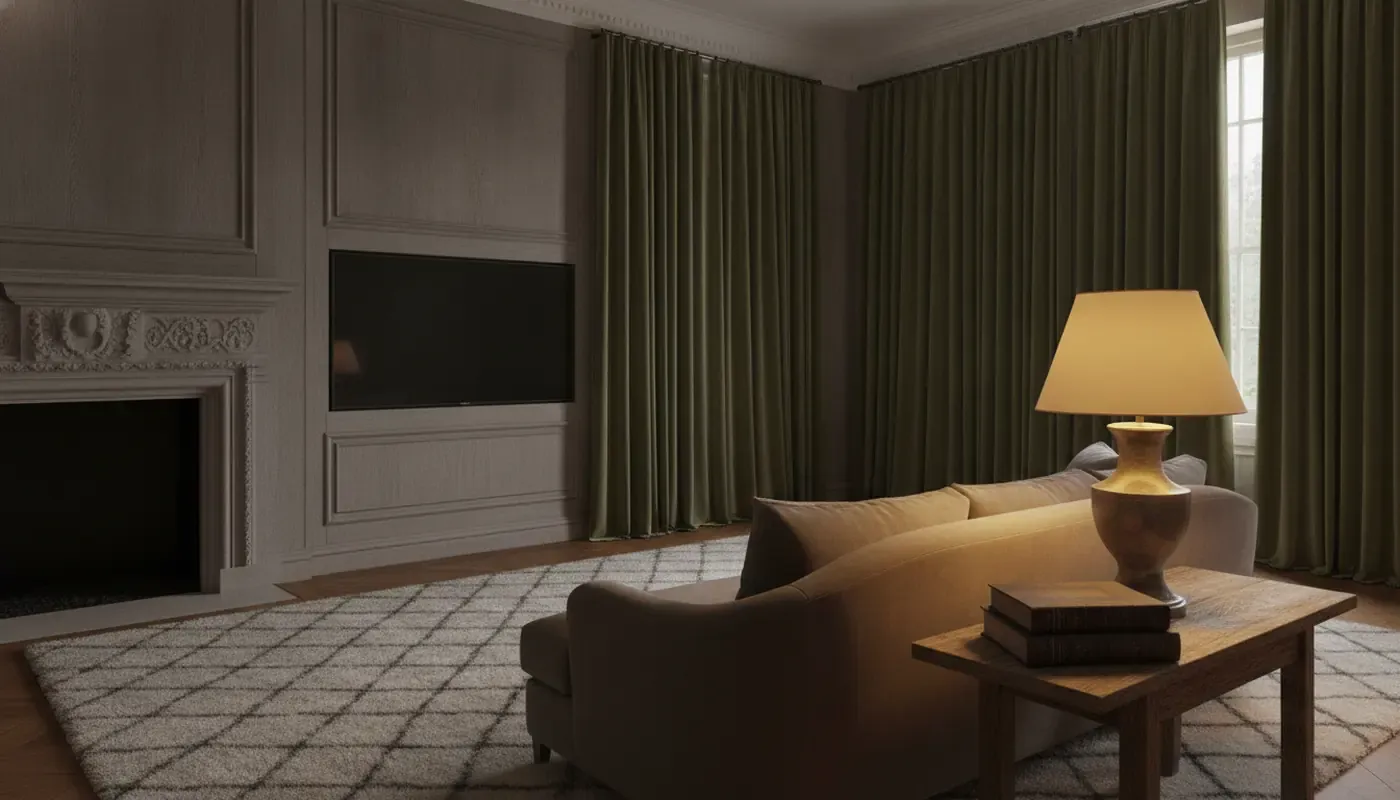
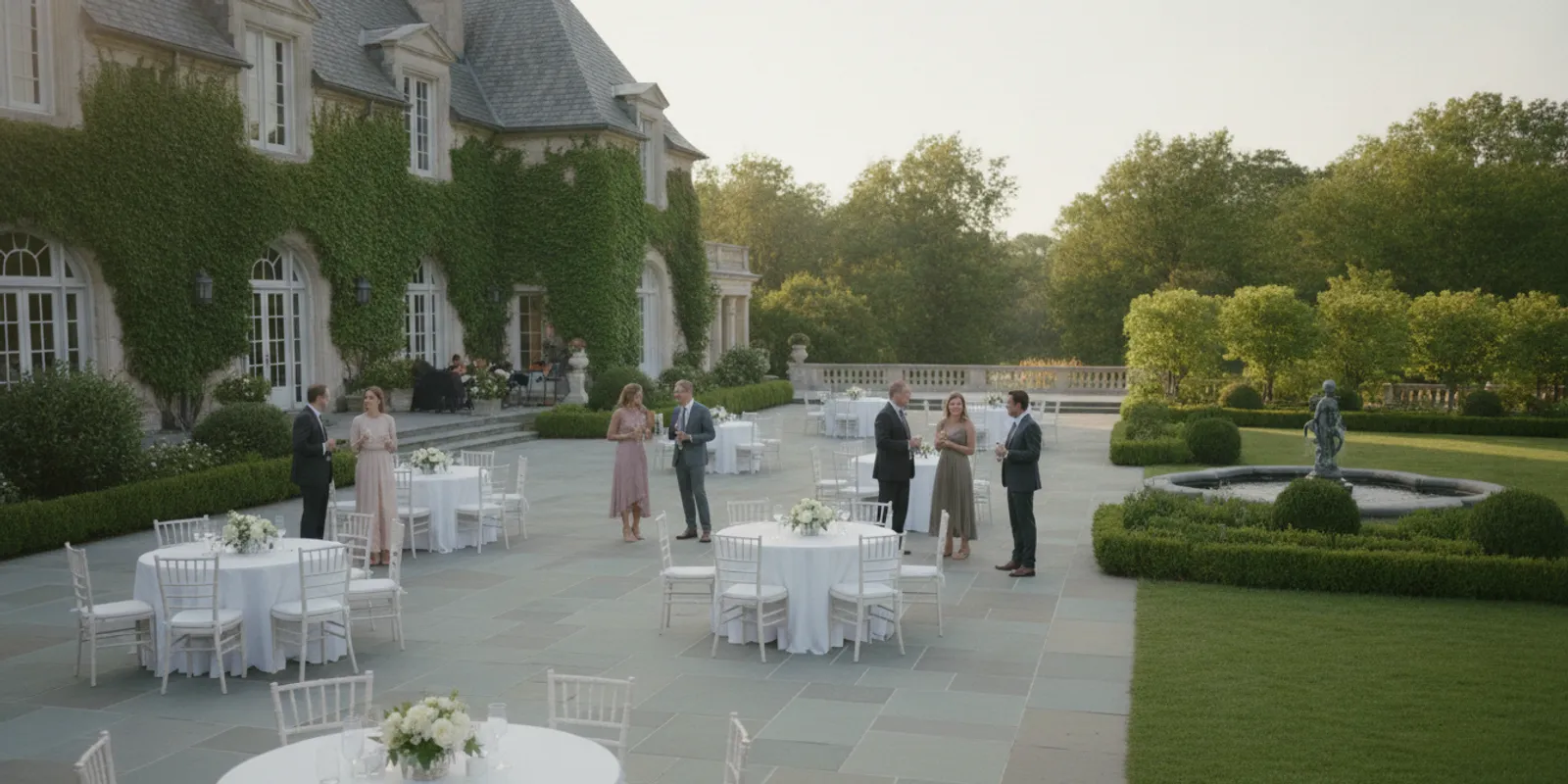
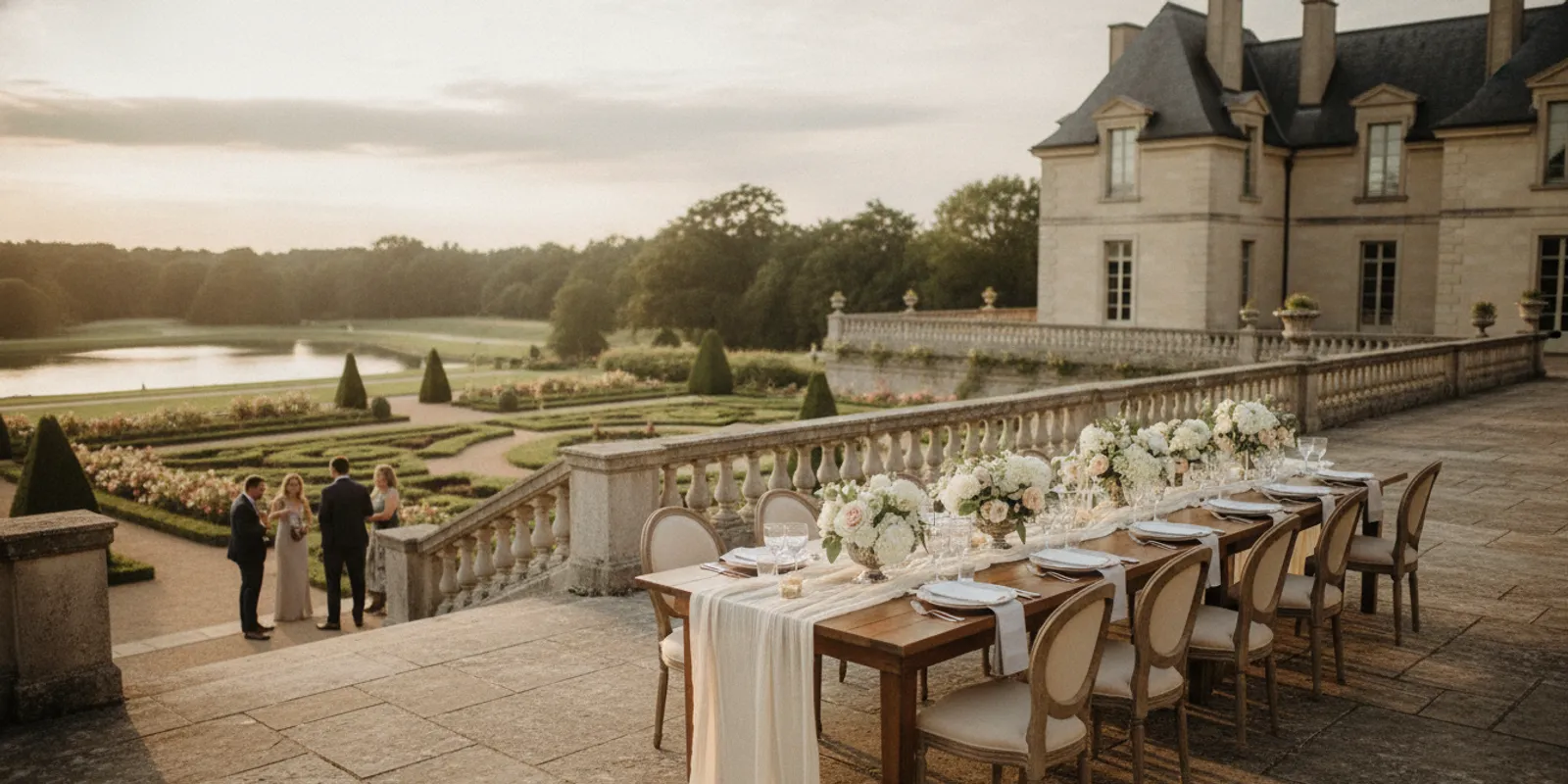
At The Charles Chateau, an event planner can assess the relationship between the 8,000 square foot interior, 11 acres, and approximately 4,000 square foot terrace. The property also offers eight bedrooms and multiple gathering areas, allowing the planner to think about an overnight group and a day-event flow together. The goal is not to fill every space. It is to decide which spaces make the client’s program feel effortless.
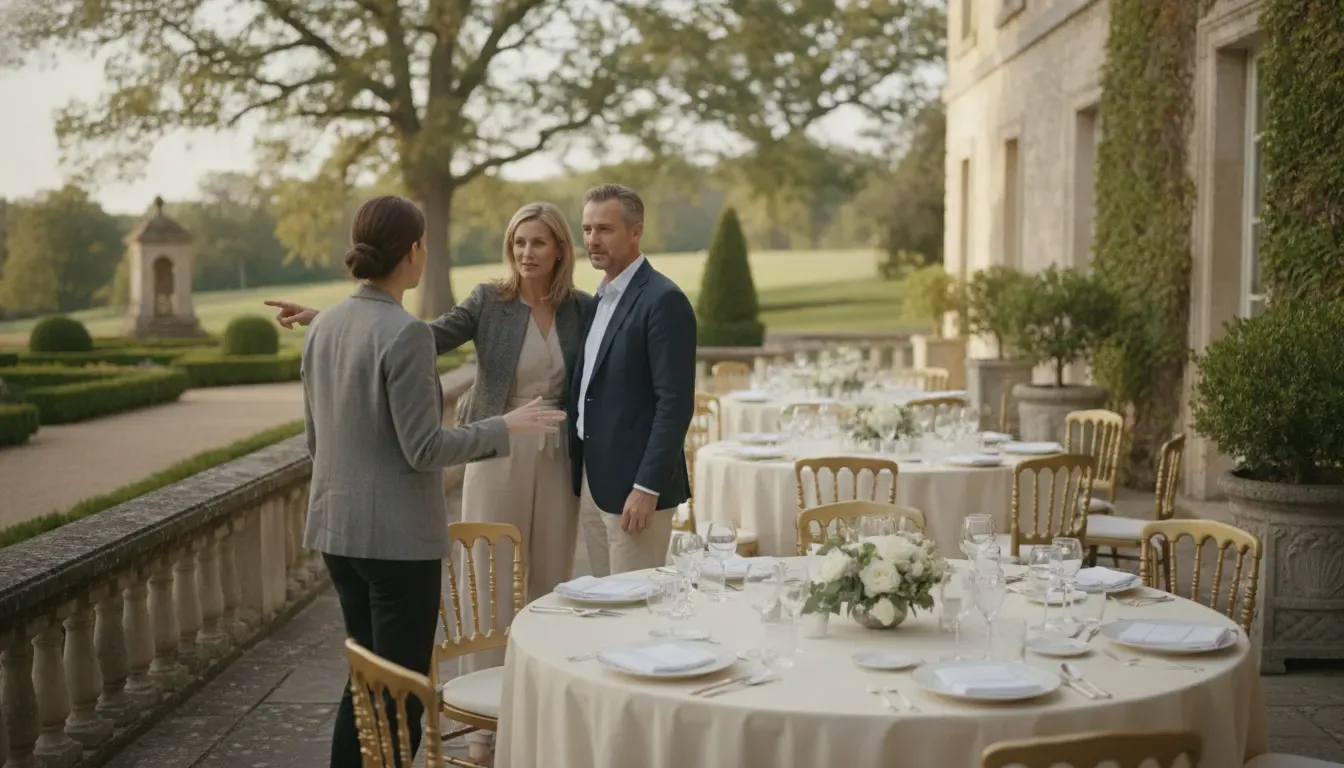
Ask the venue team how they prefer planners to work. Some properties offer a defined package and a narrow set of approved uses. Others begin with a more flexible conversation. A planner should know who owns the final decision, how questions are answered, and how the venue protects both the client’s experience and the home’s character.
How Does the Concierge Team Partner with Event Planners?
Short answer: A concierge team should extend the planner’s capability, not replace it. The partnership works best when the planner brings the client brief and creative direction while the venue team brings property knowledge, access guidance, local recommendations, and careful coordination around the home’s spaces, timing, and guest experience.
For an event planner, concierge support is most valuable before the event is fully defined. The team can help determine whether the property fits the guest list, the desired level of privacy, the overnight plan, and the rhythm of the gathering. That early conversation can prevent a beautiful but unsuitable venue from moving too far into the proposal process.
Define the working relationship in practical terms:
| Planner responsibility | Concierge partnership |
|---|---|
| Translate the client’s goals into a clear brief | Explain property fit, access expectations, and possible use of the estate |
| Shape the event narrative and vendor plan | Share house knowledge, local recommendations, and operational considerations |
| Guide the client through decisions | Keep communication focused on privacy, timing, guest comfort, and the venue’s boundaries |
| Lead the production and guest experience | Coordinate the venue-side details needed for a smooth arrival and stay |
This division of roles matters in a private home. The planner remains the client’s advocate and creative lead. The concierge team protects the property’s standards while helping the event feel personal rather than overly managed. The result should be a calm, discreet planning process in which the client feels supported at every step.
The Charles Chateau presents concierge service as part of the premium booking experience. Its private event concierge guide explains the broader service model, while a planner’s inquiry can focus on the specific client, event purpose, guest profile, and desired pace.
How Should Planners Open a Professional Inquiry for Client Events?
Short answer: Open a professional inquiry with enough detail for the estate team to assess fit without disclosing more client information than necessary. Include the event purpose, approximate headcount, preferred timing, overnight needs, desired spaces, planner contact, and any production or privacy considerations that could affect the recommendation.
A concise, well-structured inquiry signals that the planner understands the difference between an exclusive estate and a standard venue search. It also gives the concierge team a useful starting point for a thoughtful response. Avoid leading with a demand for public pricing when the property is inquiry-led and no fixed public pricing is presented.
Include these points:
- Who is planning: Name the event company or planner and the best professional contact.
- What is being planned: Describe the event type, client objective, and whether it is a day gathering, overnight stay, or multi-day program.
- Who will attend: Share an approximate guest count, age or accessibility considerations when relevant, and the expected overnight group.
- When it may happen: Provide preferred dates or a date range, plus any arrival, departure, or program timing constraints.
- What the estate must support: Note dining, presentations, outdoor use, vendor access, privacy requirements, or other non-negotiables.
- What the client values: Explain the desired atmosphere, level of formality, and reason an exclusive estate is being considered.
The Charles Chateau’s contact page is the appropriate starting point for a professional conversation. An inquiry does not need to solve the entire event. It should make the fit discussion specific enough for the concierge team to advise on next steps.
For planners sourcing a private event estate in Boston, the best venue decision is the one that holds up beyond the first impression. The property should suit the client, the guest journey, the production plan, and the level of discretion expected. A focused inquiry and an informed site visit make that decision easier to evaluate.
Frequently Asked Questions
What is a private event estate?
A private event estate is a residence or estate made available for an exclusive gathering, often with private grounds, residential spaces, and a more controlled guest experience than a shared venue. Access may be inquiry-led or membership-based rather than offered through a public booking platform.
Can event planners source a private estate near Boston?
Yes. Planners can source private estates near Boston through local hospitality relationships, direct venue inquiries, destination-management contacts, and careful online research. They should confirm public versus private access, event suitability, guest capacity, vendor logistics, and the venue team’s planning process before recommending a property.
Is The Charles Chateau publicly bookable?
No. The Charles Chateau is not publicly listed or publicly bookable. It operates as a private club, and reservations for overnight stays, gatherings, and private events are extended to active members and invited guests. Planners should begin with a professional inquiry to discuss fit and access.
What should a planner bring to a private estate site visit?
Bring the client brief, a preliminary guest count, preferred dates, a draft event flow, overnight requirements, production questions, and a list of non-negotiables. The visit should test arrival, guest movement, event zones, vendor access, privacy, and the working relationship with the venue team.
How does concierge support help with a private estate event?
Concierge support helps connect the planner’s brief to the property’s spaces, access model, local setting, and operational expectations. It can make the inquiry and coordination process more personal while allowing the planner to remain the client’s creative and production lead.
Request a private estate tour and discuss your client’s event