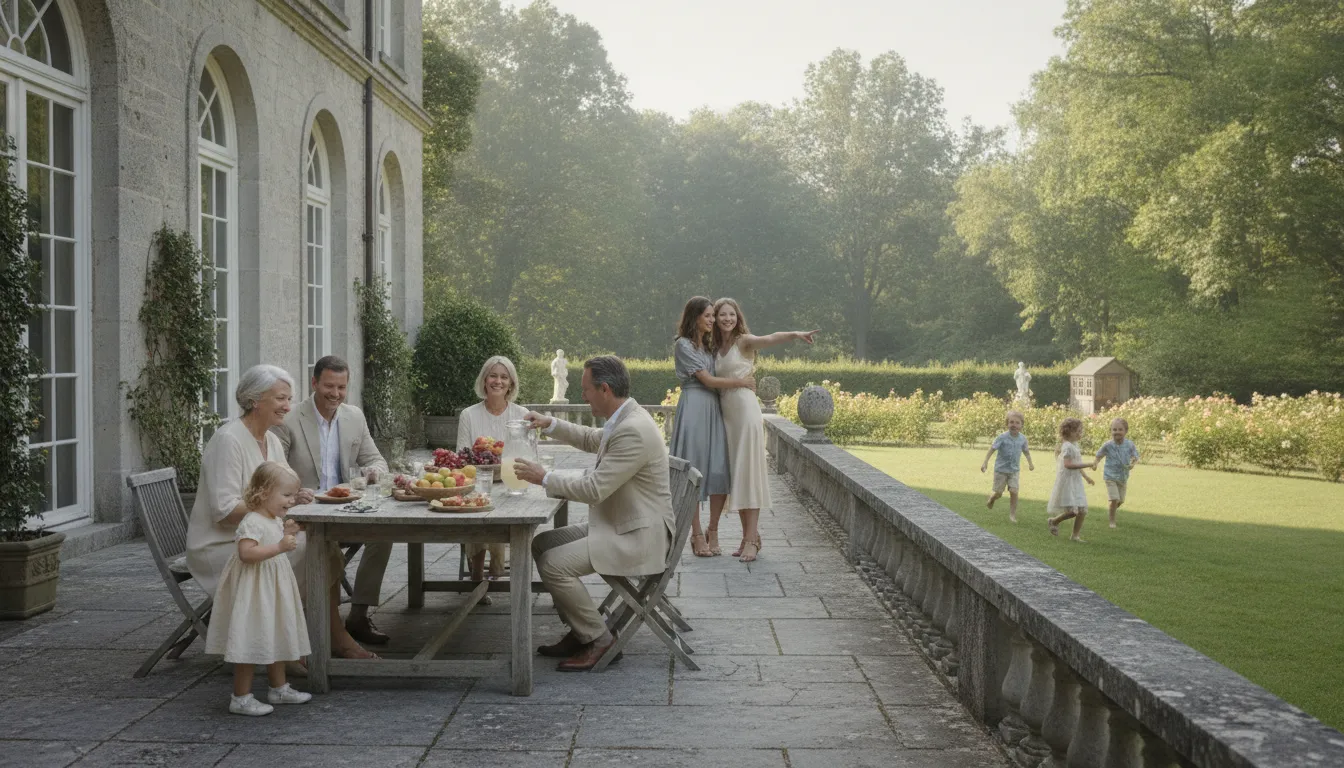
A successful family vacation is rarely built around one perfect itinerary. It begins by making room for different generations to rest, connect, and choose how they spend the day. For families comparing destinations, lodging, transportation, activities, and dining, that early coordination can shape the entire experience.
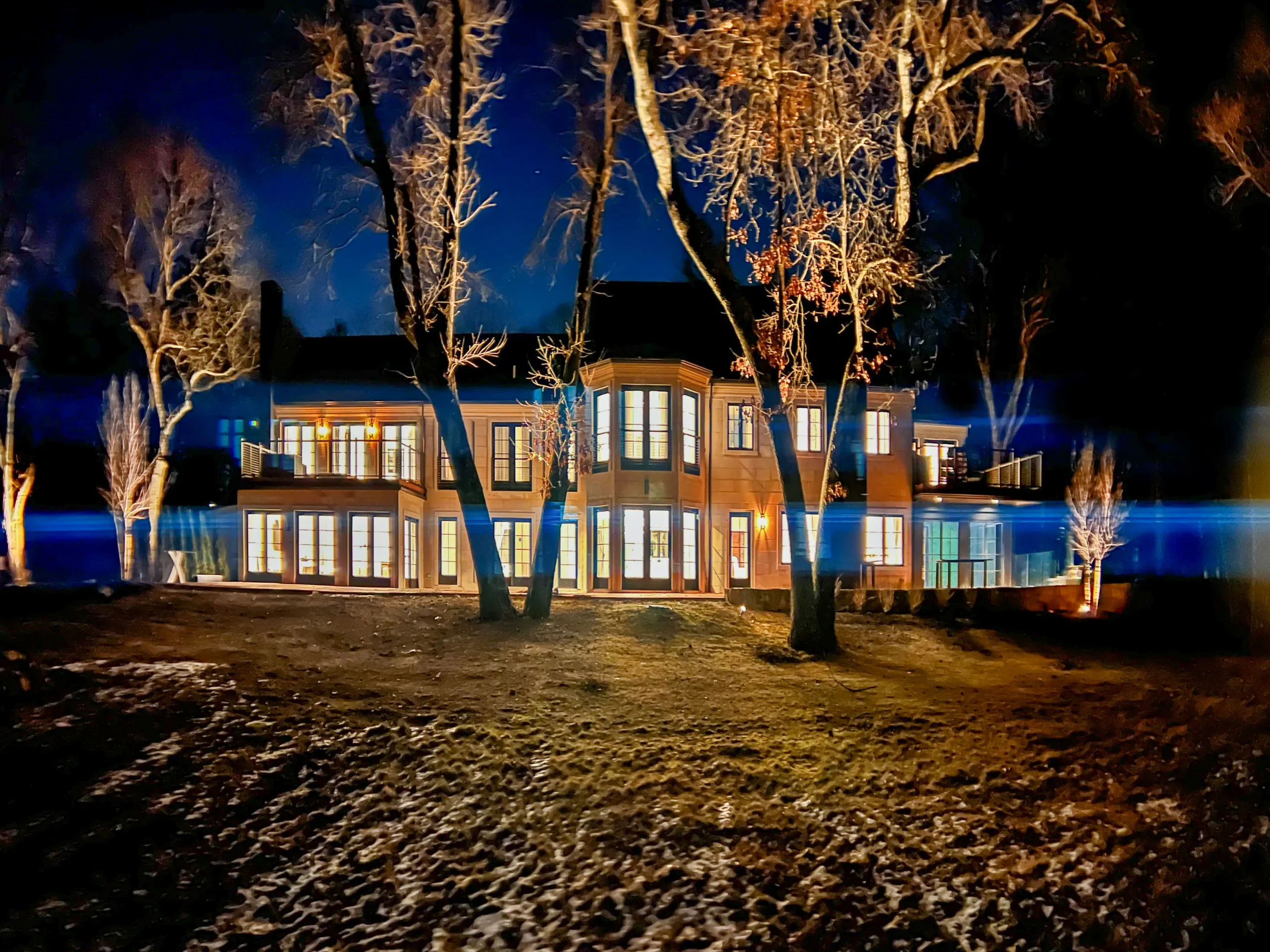
A multi generational family vacation New England can feel both relaxed and intentional when the group chooses a private home base. The group can discuss bedroom and mobility needs before booking, then plan shared anchors alongside genuine free time. Near Boston, The Charles Chateau offers a whole-estate setting in Dedham, about 20 minutes from downtown Boston, positioned for multi-generational gatherings.
The most thoughtful plans start with the people traveling: what must be easy, what should remain flexible, and which moments everyone hopes to share. Use those priorities to discuss privacy, accessibility-aware planning, and age-inclusive activities with the concierge team.
How to Plan a Multi Generational Family Vacation in New England
- Agree on the purpose and pace of the trip.
- Gather each household’s practical needs and preferences.
- Choose lodging that supports shared time and personal space.
- Build one anchor experience into each day, with a flexible backup.
The most successful family trips begin with agreement, not an itinerary. Before comparing destinations, ask what the group wants the time together to feel like: a quiet reunion. A celebration, a cultural escape, or a balance of shared experiences and personal space. Naming that purpose gives every later decision a clear reference point.
Next, gather the practical preferences that can otherwise surface too late. Invite each household to share preferred travel dates, ideal trip length, activity interests, meal expectations, sleep arrangements, and any scheduling boundaries. Research on family-vacation decision-making treats destination, accommodation, transport, budget, dates, activities, and restaurants as distinct parts of the process, based on responses from 375 couples. That is a useful reminder that one person should not quietly carry every decision.
Choose a setting that supports the group
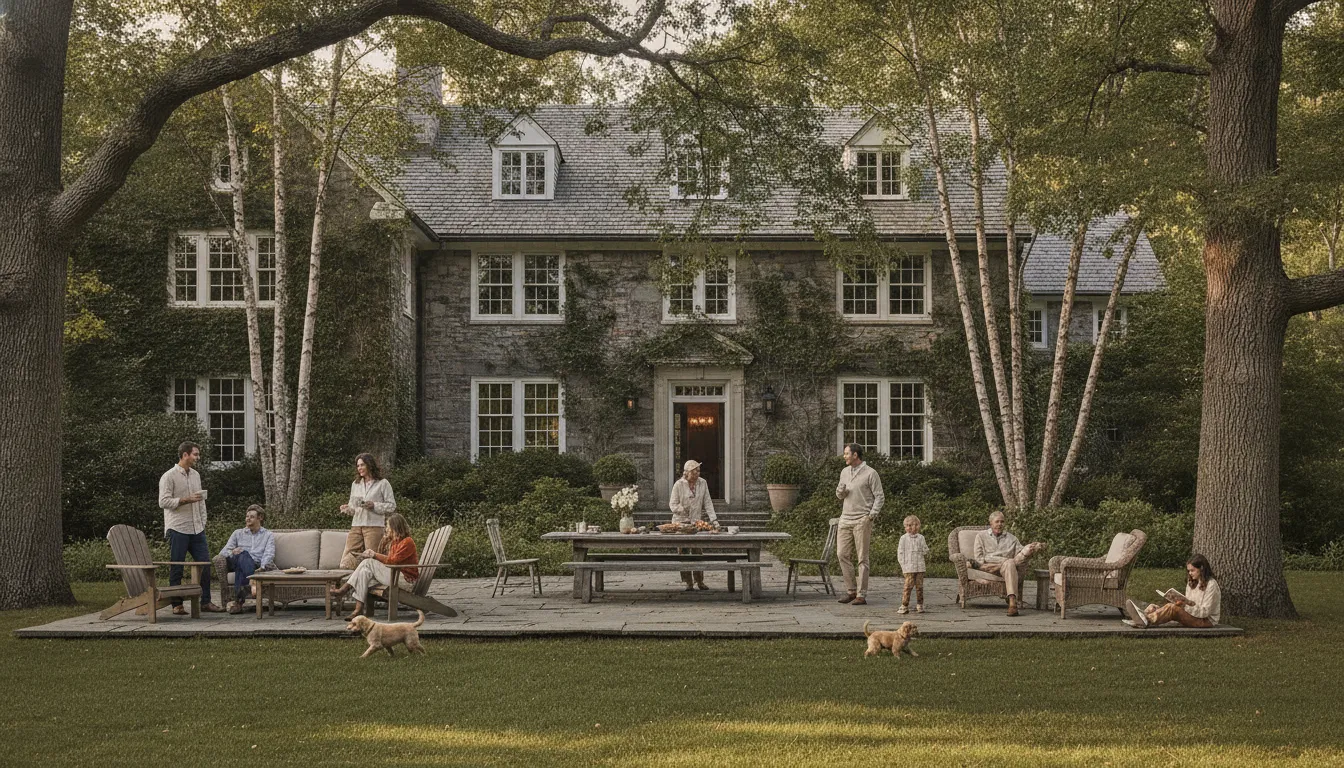
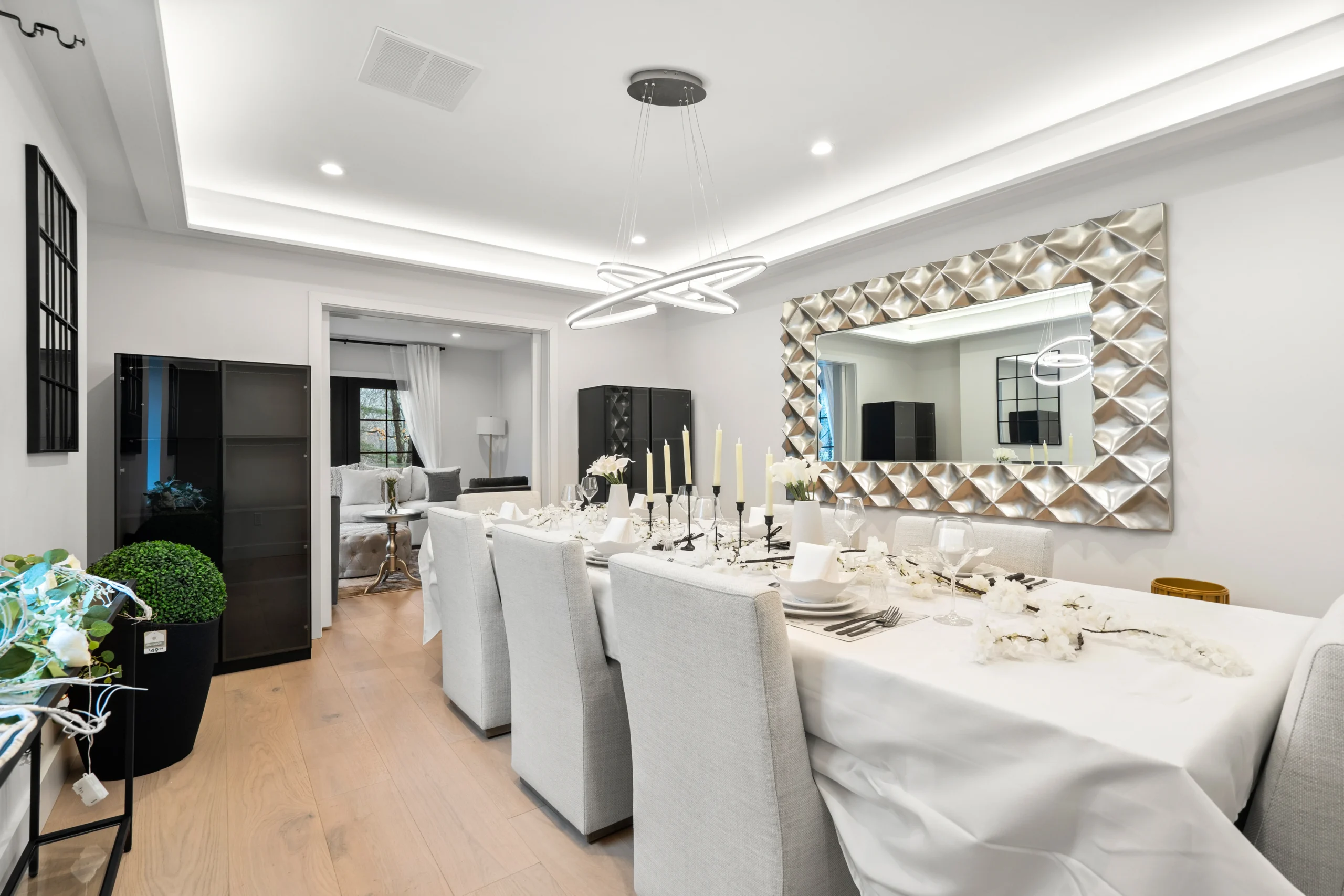
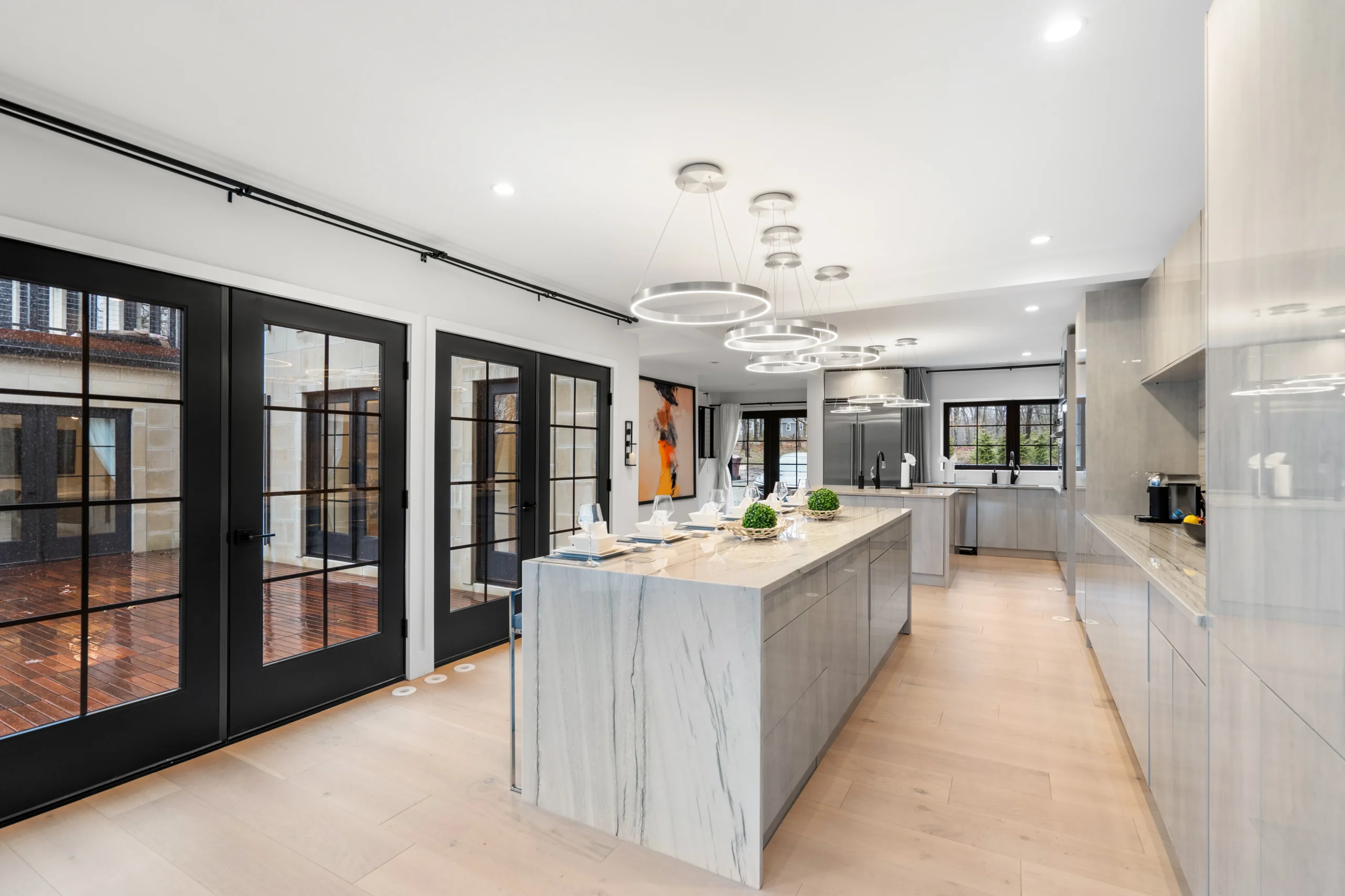
Look for lodging that makes togetherness convenient without requiring everyone to follow one schedule. Consider the number of bedrooms, the relationship between private and shared areas, outdoor space, meal setup, and the distance to the experiences the group hopes to enjoy. The Charles Chateau, a private estate in Dedham, Massachusetts, is positioned for multi-generational family gatherings and sits about 20 minutes from downtown Boston. Those details may suit a family that wants a New England base near the city while keeping the stay centered on one property.
Build a flexible rhythm
Rather than filling each day, choose one shared anchor and leave room around it. A morning outing might be followed by an unhurried meal, a quiet afternoon, or smaller gatherings based on energy and interest. Share the broad plan in advance, but make participation clear rather than assumed. A flexible rhythm helps grandparents, parents, and children experience the trip together without turning every hour into a group obligation.
Finally, prepare a short backup list. Identify an indoor alternative for outdoor plans, a simpler meal option, and a low-key activity for a day when the group wants less movement. Revisit the plan shortly before departure, confirm responsibilities, and keep the final itinerary legible. The goal is not perfect coordination. It is a thoughtful structure that leaves the family free to be present with one another.
How Can You Balance Shared Time With Privacy?
The most comfortable family stays do not require everyone to follow one schedule. Set a few shared anchors, such as breakfast, a planned dinner, or one outing, then leave room for guests to choose how they spend the hours between them. This gives grandparents, parents, teenagers, and younger children a reliable sense of togetherness without turning every moment into a group decision.
Build the day around shared anchors
Keep the shared calendar intentionally light. One meaningful activity can be enough for a day, particularly when travel, different bedtimes, or mobility needs affect the group’s energy. Before the trip, ask each household to identify one experience they would value and one period when they would prefer quiet. The result is a rhythm that feels considered rather than overmanaged.
Make participation genuinely optional
Use invitations, not obligations. A morning walk, a conversation over coffee. Or an evening game can be offered to everyone while making it clear that guests may join for part of it or remain elsewhere. Quiet windows are especially useful after arrival, following a long outing, or before dinner. They also prevent the youngest and oldest guests from having to match the pace of the most energetic travelers.
Use separate zones without separating the group
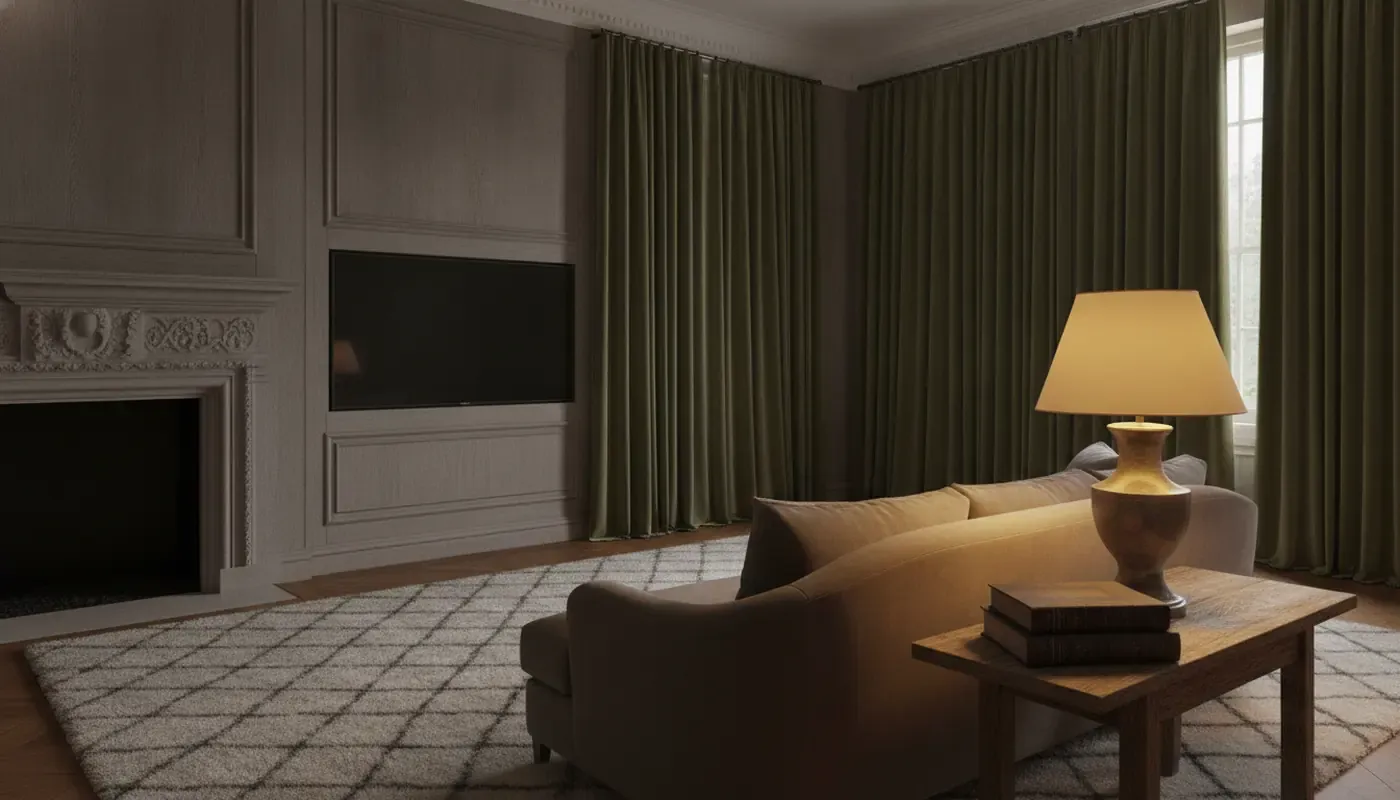
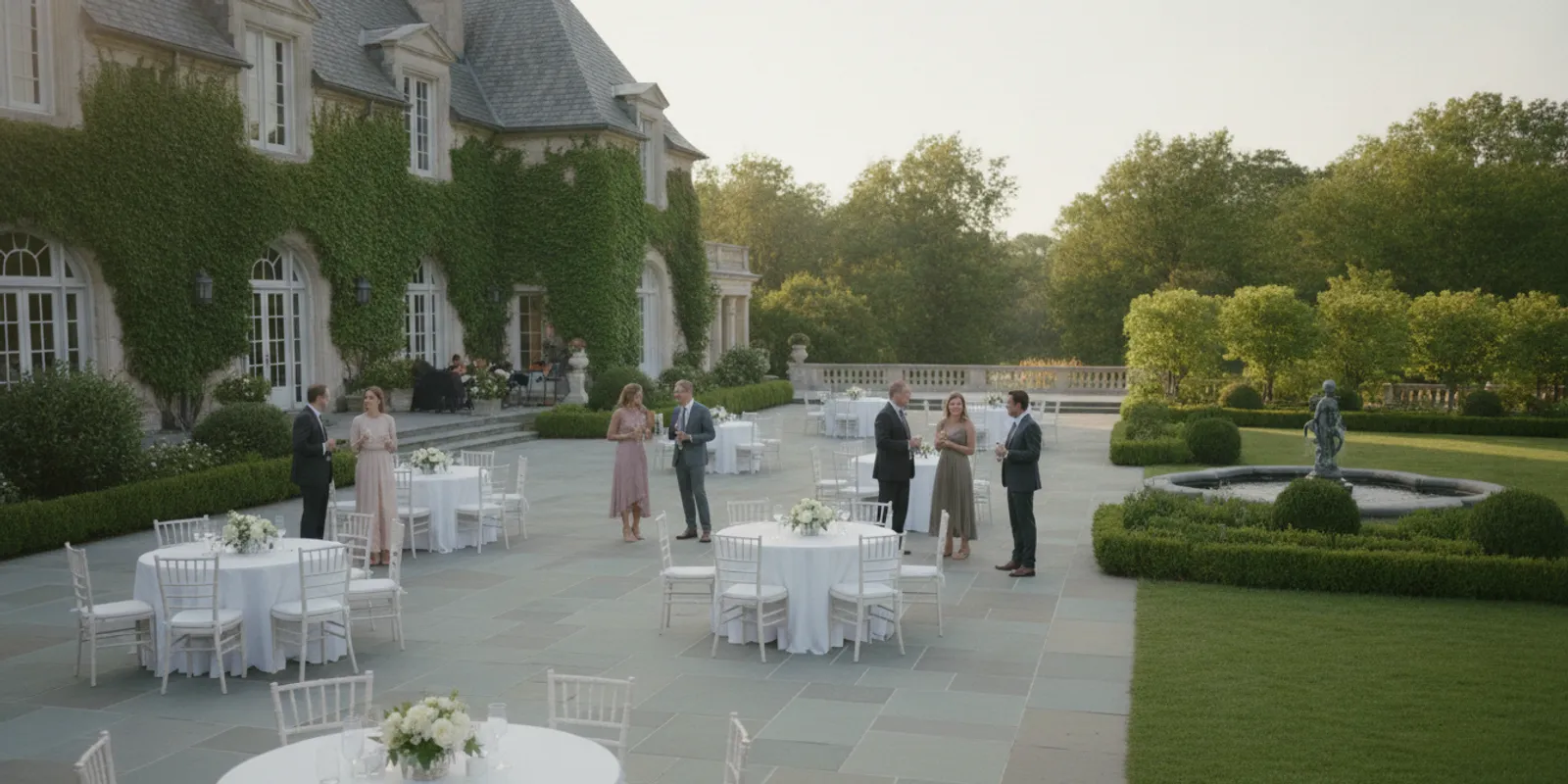
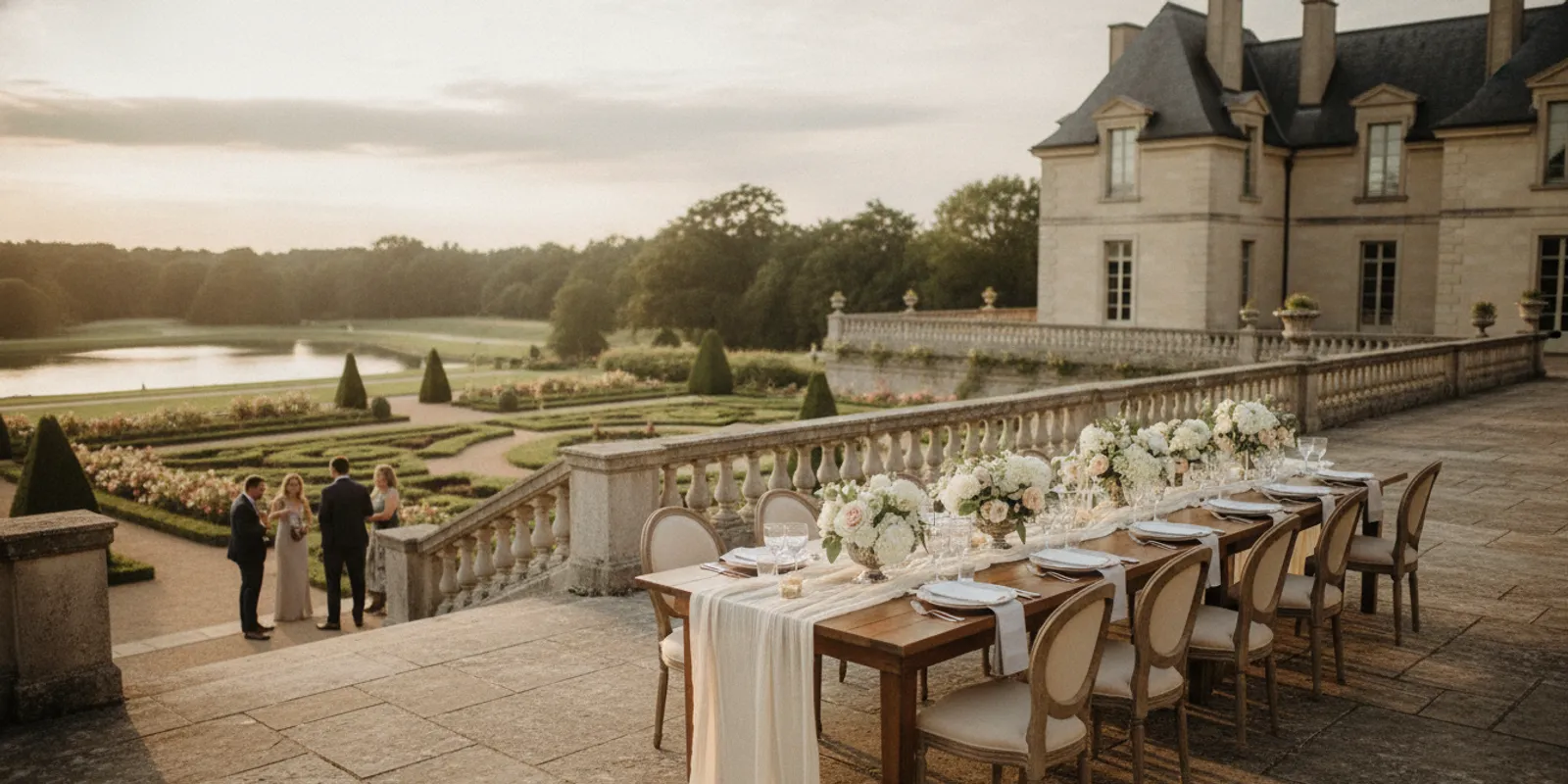
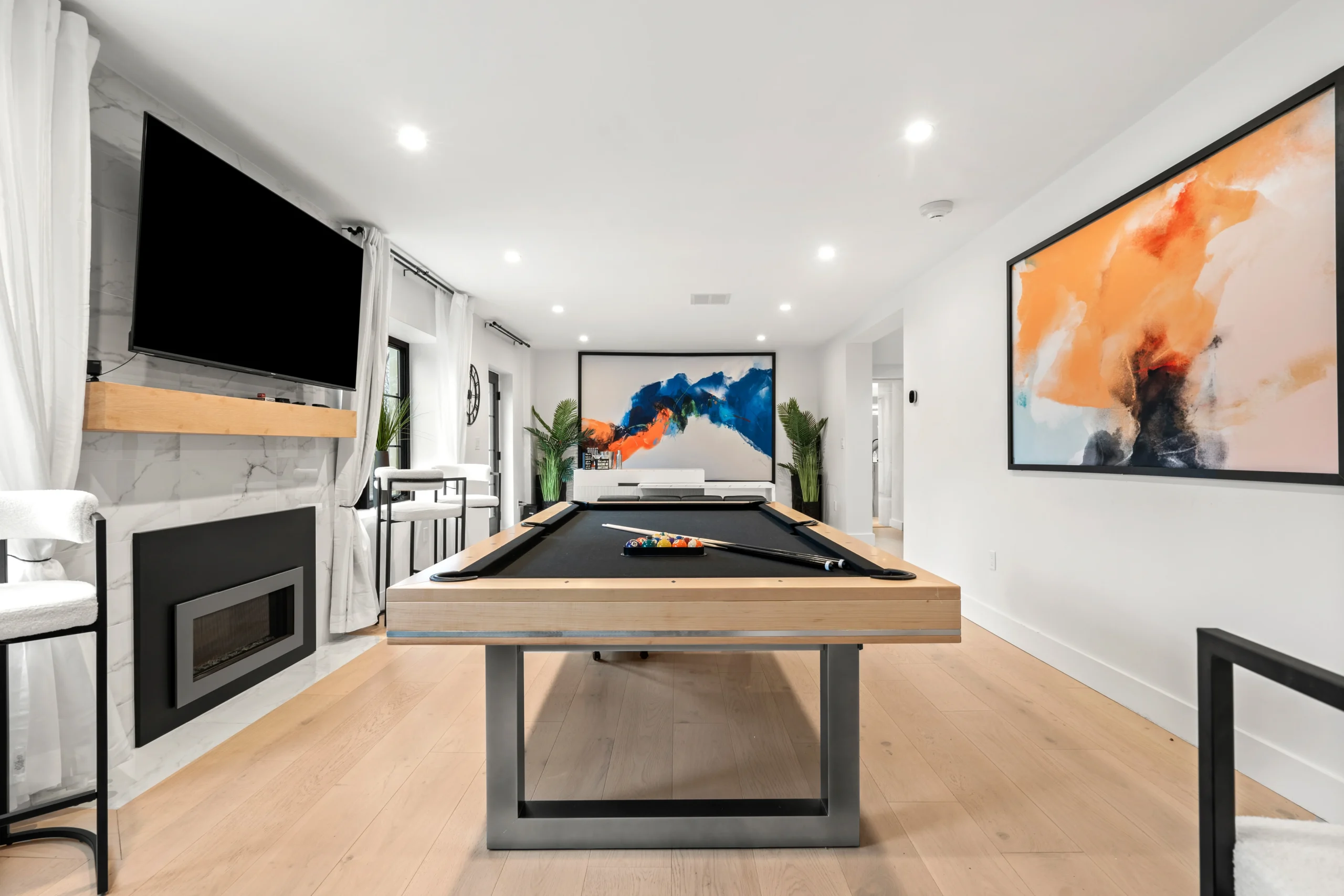
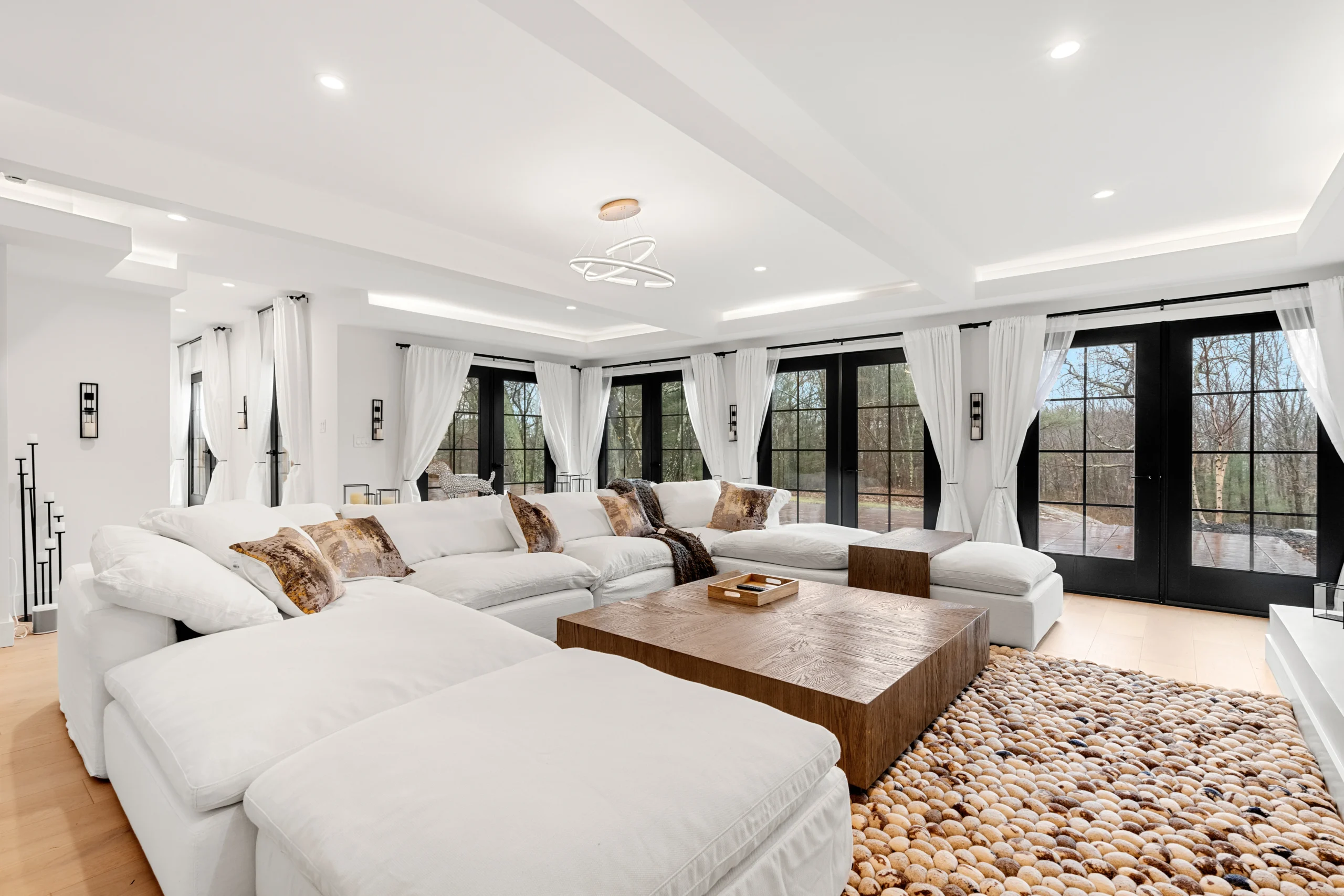
A property with multiple indoor and outdoor gathering areas can support different activities at the same time. The Charles Chateau describes this kind of indoor-outdoor flow, allowing guests to choose between shared plans and independent time within the same stay. Explore the private grounds and outdoor spaces when deciding how outdoor time might complement indoor conversation, reading, or rest.
Privacy can also be as simple as assigning a quiet room, keeping music contained to one area, or agreeing that closed doors signal uninterrupted time. The entire estate is rented as one unit with no concurrent bookings, which can provide a consistent setting for these household agreements. But the planning principle applies to any multi-generational trip: protect individual preferences while preserving easy opportunities to reconnect.
How Should You Arrange Bedrooms for Different Generations?
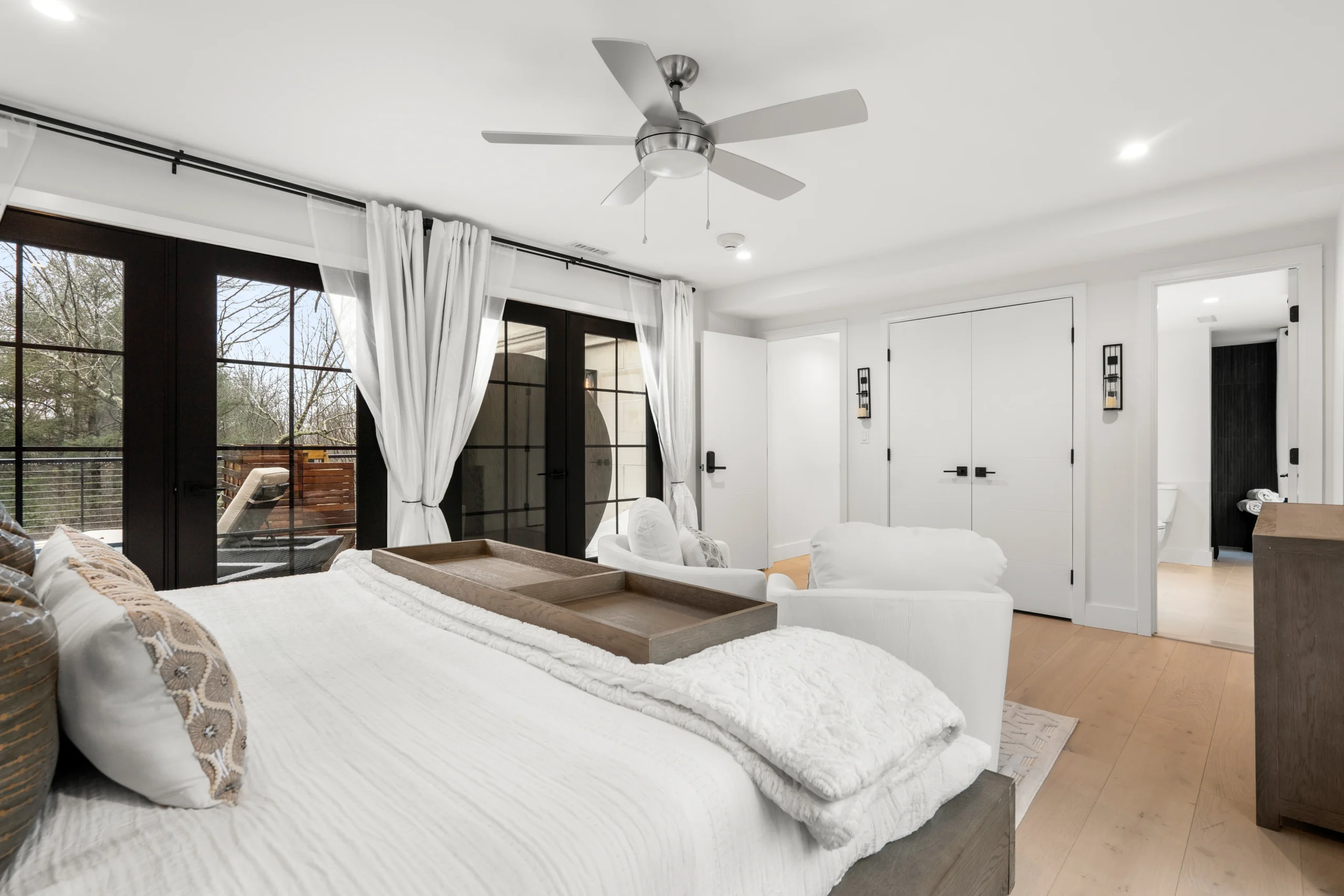
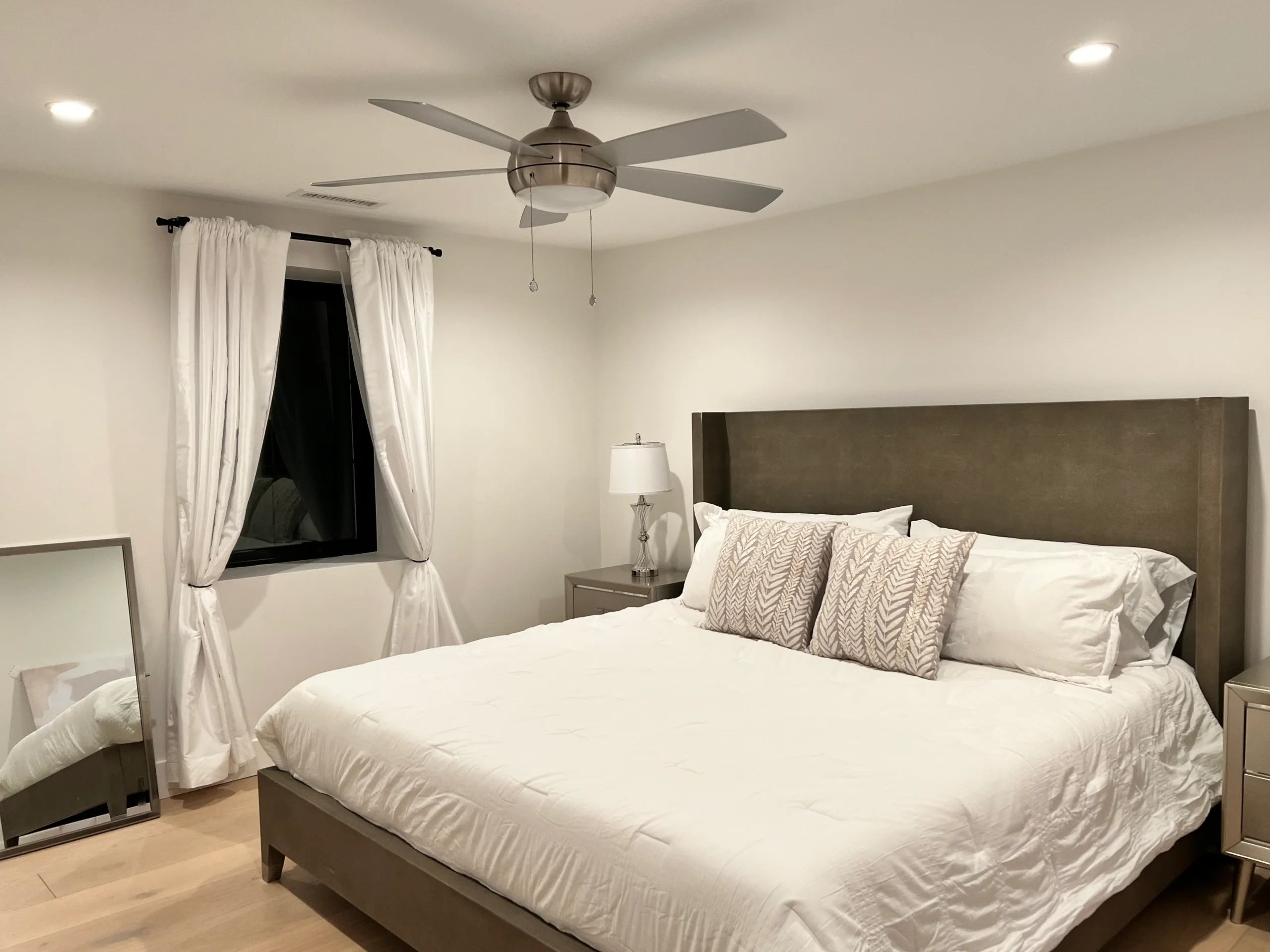
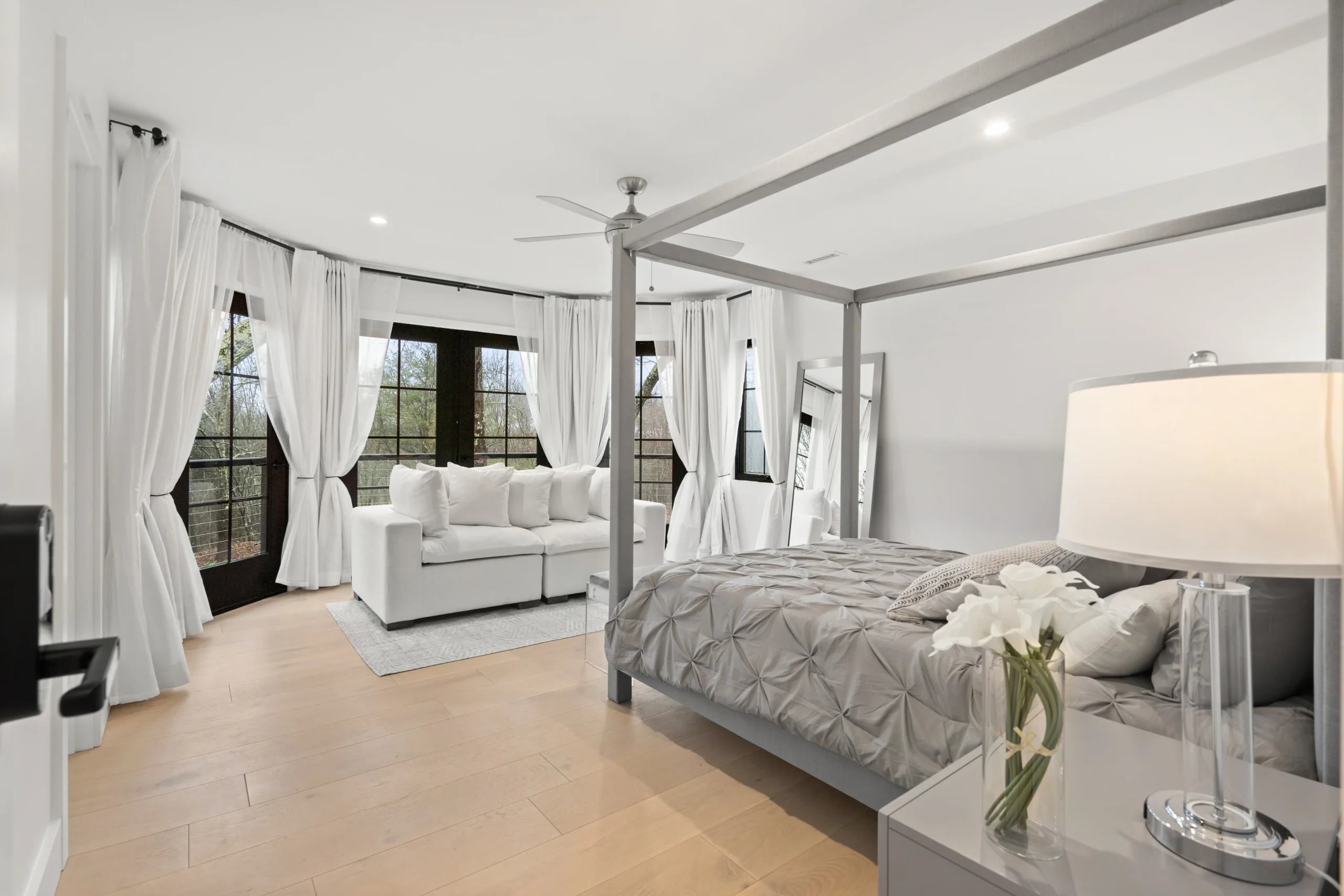
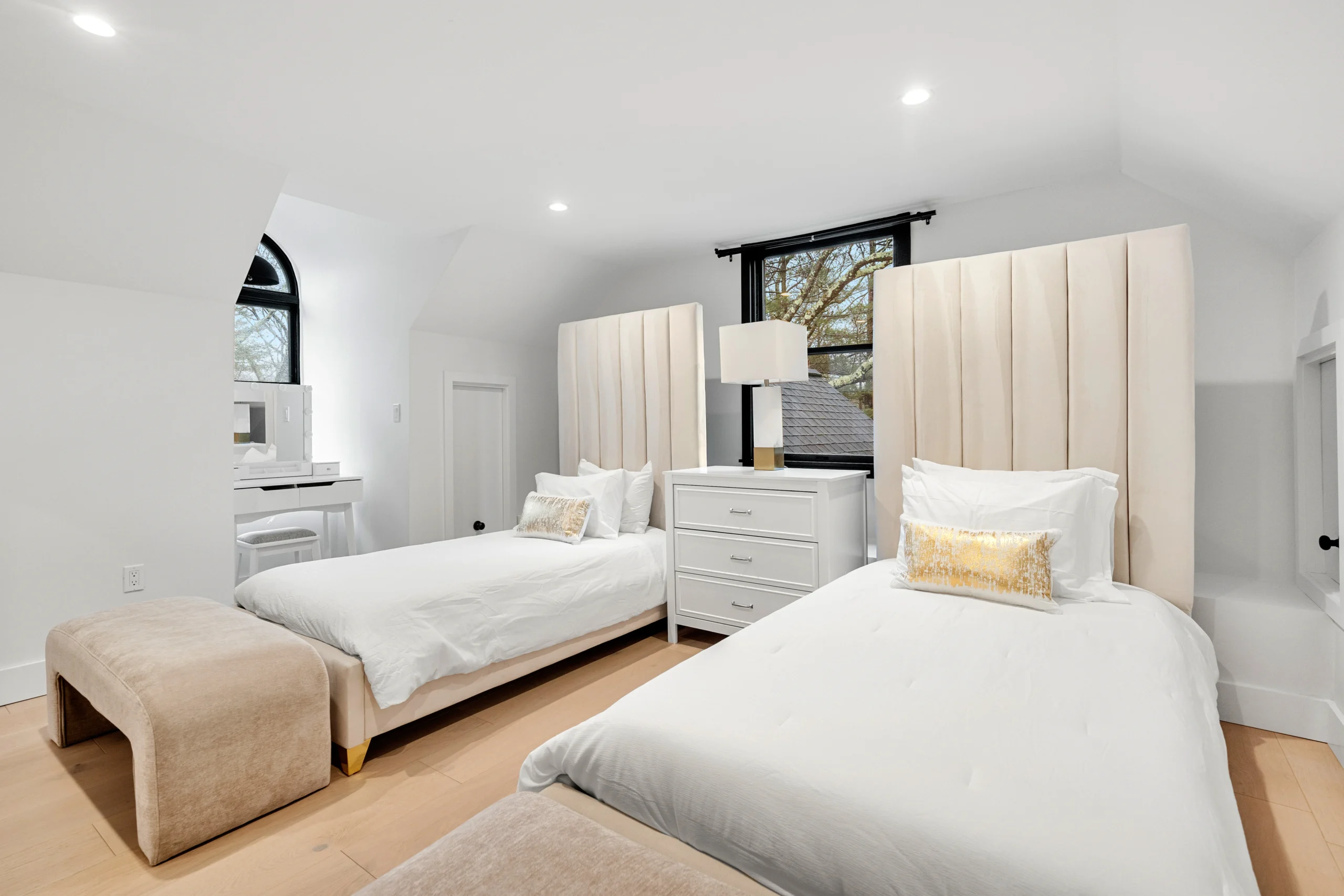
Bedroom planning works best as a family conversation, not an assumption based on age. Start by asking each household what would make the stay feel restful: quiet at night, closeness to children, privacy for couples, or an easy route to shared spaces. Someone who rises early may value distance from evening gathering areas, while grandparents or young children may prefer to remain near the people supporting them.
List the non-negotiables before assigning rooms. Discuss preferred sleeping times, noise sensitivity, stairs, bathroom needs, mobility considerations, and how close each bedroom should be to other members of the family. These details are especially important when planning a multi generational family vacation New England, where a comfortable room arrangement can shape the pace of the entire stay.
Questions to settle before booking
- Which guests need the quietest location, and which are comfortable near shared activity?
- Do children need to be close to a parent or another supervising adult?
- Are there concerns involving stairs, walking distances, bathroom access, or nighttime movement?
- Does every household understand the proposed level of privacy and proximity?
- Which bed details must the property confirm rather than the family assume?
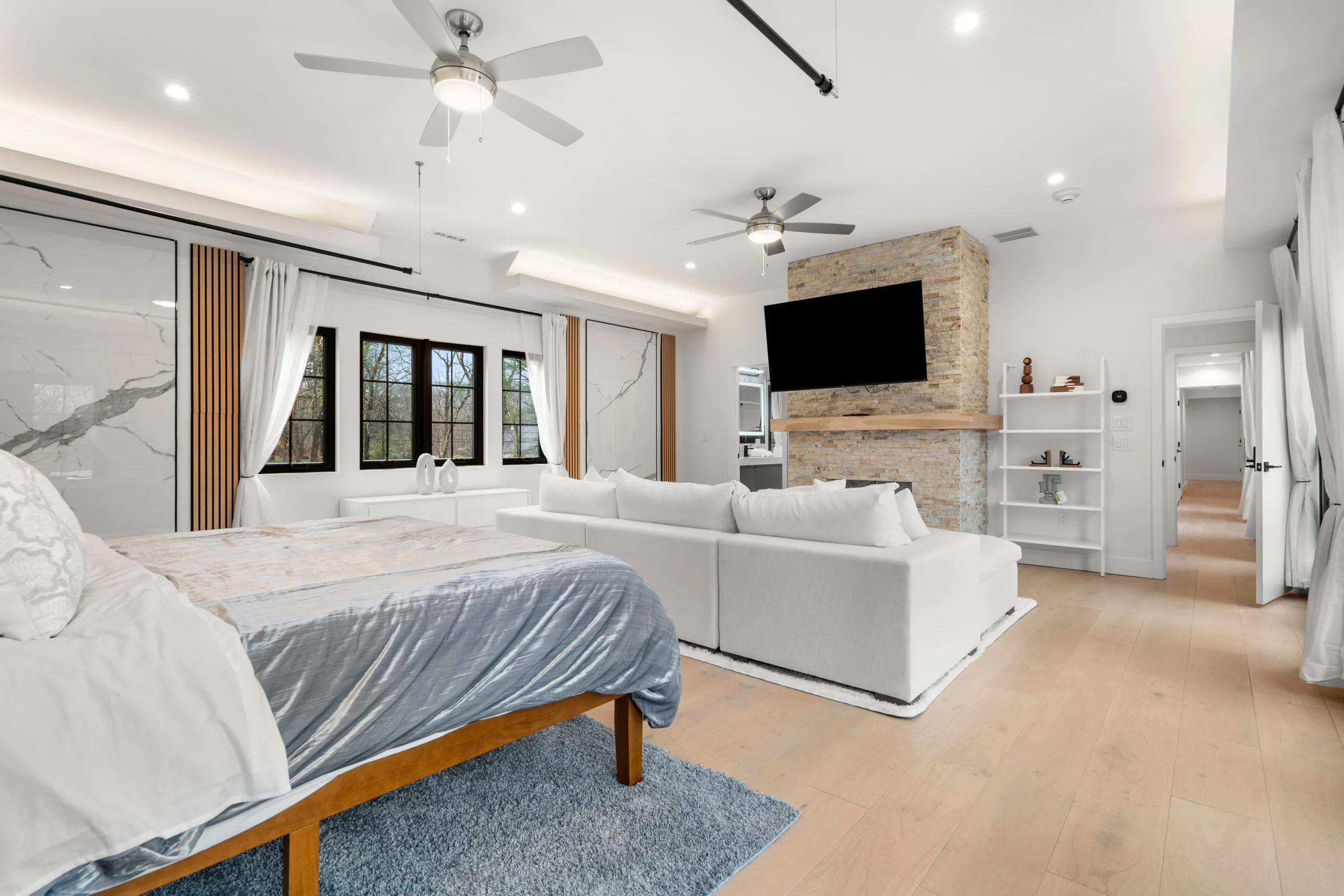
The Charles Chateau is an 8,000-square-foot, eight-bedroom property on 11 private acres, accommodating up to 16 overnight guests. Those figures provide useful planning context, but they do not describe a guaranteed bed configuration or make every room suitable for every guest. Review the suites and guest spaces, then ask the concierge to verify the details that matter to your group before booking, including bedroom proximity, stairs, bathrooms, and mobility needs.
How Do You Plan an Accessibility-Aware Family Stay?
For a multi-generational family vacation, accessibility planning should begin with a candid inventory of what each traveler needs to move comfortably, rest well, and participate without unnecessary strain. Do not rely on broad labels such as “accessible” or “family-friendly.” Ask specific questions and record the answers before the itinerary is finalized.
Verify the physical setting before booking
Discuss mobility needs, stairs, pathways, bathroom arrangements, and bedroom proximity directly with the property. Clarify the route from arrival and parking areas to the entrance, the surfaces guests will use outdoors, and whether any essential rooms require stairs. Bathroom questions may include doorway width, shower configuration, transfer space, and distance from the bedroom. Bedroom proximity matters when a guest needs nighttime support or would be better placed near a shared living area.
The Charles Chateau’s reviewed property information does not establish specific accessibility features, step-free access, accessible bedrooms, or accessible bathrooms. Those details should therefore be verified for the particular group rather than assumed. A private inquiry can also clarify which arrangements are possible and which alternatives should be considered.
Plan the full journey, not only the estate
Accessibility can change between the airport, vehicle, restaurant, attraction, and accommodation. The CDC recommends assessing an itinerary individually and confirming necessary accommodations throughout the entire trip. Use that principle to check transport vehicles, walking distances, entrances, restrooms, and seating at each planned stop. If an activity depends on a path, staircase, boat, or uneven outdoor surface, request current details before committing.
Build a practical contingency plan
Keep at least one lower-demand option available for each day. That might mean shortening an outing, returning to the estate earlier, moving a meal indoors, or arranging transport rather than walking between locations. Share the plan with the family so changing course feels like good hosting, not a disruption. Preparation cannot remove every uncertainty, but it gives the trip organizer clear questions, realistic alternatives, and a calmer way to protect everyone’s time together.
Which Activities Work for Every Generation?
The most successful family itineraries offer a menu rather than a single definition of fun. Pair one shared experience with lower-demand alternatives, then leave room for guests to choose their pace. A morning might include a cultural outing, an unhurried lunch, and an afternoon when some family members explore while others rest.
Build around a range of energy levels
Cultural visits can give several generations a common point of interest without requiring athletic ability. Boston options include the Freedom Trail, Boston Common, the Museum of Science, and the New England Aquarium. Further afield, Mystic Seaport Museum offers maritime-history exhibits and historic vessels, while Lake Winnipesaukee combines sightseeing, boating, waterfront dining, and family-oriented attractions. These are planning examples, not guarantees of suitability for every guest, so check current hours, access details, distances, and conditions before committing.
Outdoor plans can be equally flexible. A scenic drive, garden visit, gentle walk, or time near the water may suit guests who prefer conversation to exertion. More active travelers might choose a longer walk or boating excursion, while others can join for the view and return early. At the property, do not assume that a listed amenity or outdoor area is appropriate or accessible for every age or ability.
Keep the rhythm flexible
Allow a deliberate rest window each day. It can protect the experience from becoming a sequence of transfers and give children, older relatives, and caregivers time to reset. Keep a weather backup ready, especially because New England conditions can change quickly. A museum, informal indoor gathering, film, or shared meal can preserve the day when an outdoor plan no longer makes sense.
For families traveling with children, the CDC recommends assessing anticipated activities and considering risks such as motor-vehicle and water-related injuries. Review supervision, swimming or boating conditions, sun protection, medications, and the plan for medical care before departure. The CDC’s guidance on traveling safely with infants and children is a useful reference. The goal is not to fill every hour, but to make participation feel considered, optional, and safe.
What Makes an Exclusive Whole-Estate Stay Work for Families?
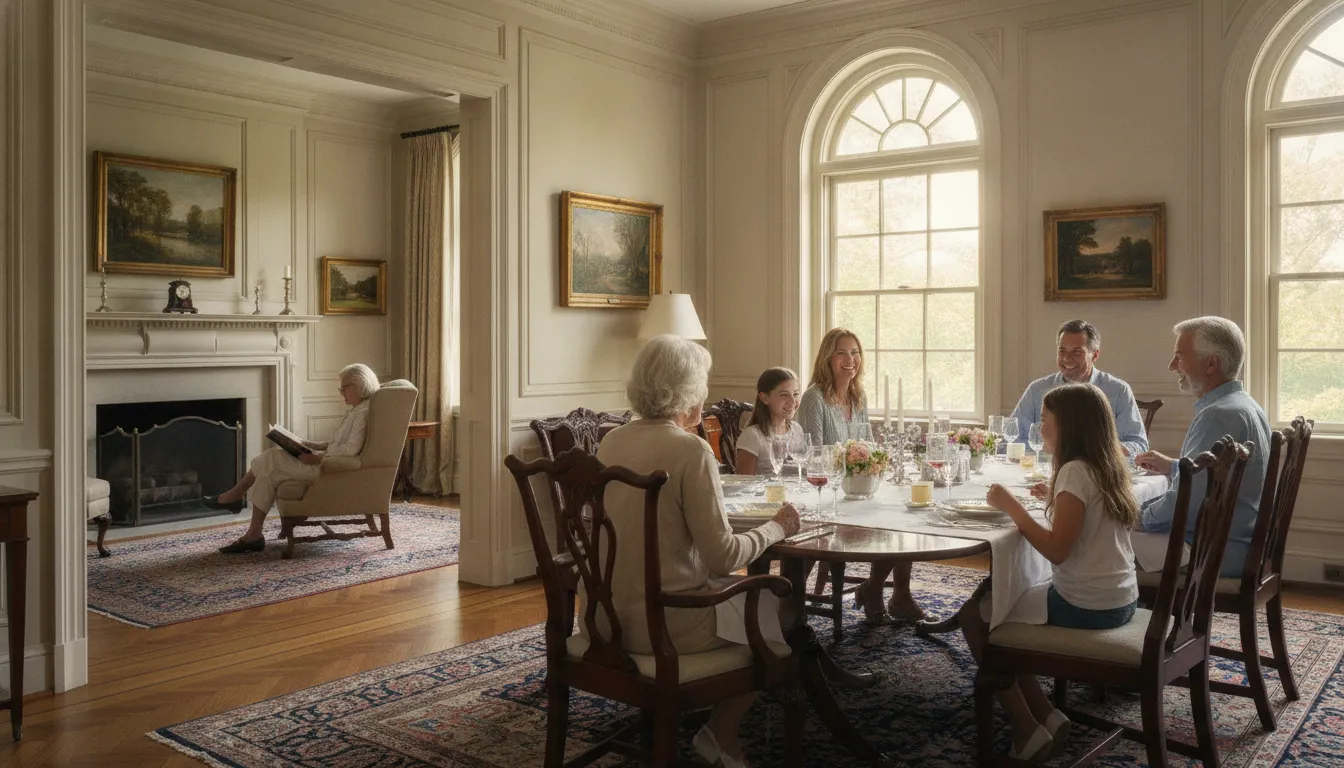
For a multi-generational family trip, the value of a whole-estate setting is not exclusivity for its own sake. It is the ability to plan one shared stay while giving different generations room to follow their own pace. The Charles Chateau presents the estate as a private access model, with the entire property rented as one unit and no concurrent bookings. That can make family logistics more coherent, but the arrangement still needs to be evaluated against the group’s actual needs.
Start by identifying what should be coordinated before anyone arrives: sleeping arrangements, preferred meal times, transportation, quiet periods, and any mobility or bathroom considerations. Ask specific questions rather than assuming that a listed feature will suit every guest. The property describes amenities including gathering and recreation spaces, but age, comfort, and ability vary across a family.
| Planning need | What to confirm | Why it matters |
|---|---|---|
| Shared and private time | Which meals, outings, and gathering periods should involve everyone, and when should guests have independent time? | A flexible rhythm helps relatives connect without making every moment a group obligation. |
| Rooms and proximity | Review available guest spaces and discuss stairs, bathrooms, bedroom proximity, and individual mobility needs with the property. | Clear expectations reduce avoidable strain and prevent assumptions about layouts or accessibility. |
| On-site amenities | Ask which spaces and activities are appropriate for the people in your group, including children and older adults. | A menu of options is useful only when each guest can participate comfortably and safely. |
| Arrival and stay support | Discuss pre-arrival planning, customization, transportation, and how questions will be handled during the stay. | One planning contact can make a complex family itinerary easier to coordinate. |
Concierge support covers booking-process assistance, pre-arrival planning, experience customization, and stay support. Families considering the property should understand whole-estate exclusivity and then request information about fit, access, and availability. This is not a fixed-price or instant public booking model. Inquiry is needed, and prospective guests should discuss the private access and membership-consideration process before making plans.
How Can You Build a New England Itinerary Around Boston?
A Boston-centered itinerary works best when the group has one dependable home base and enough room for different generations to travel at different speeds. The Charles Chateau is in Dedham, Massachusetts, about 20 minutes from downtown Boston. This creates a practical starting point for city days without requiring the entire trip to unfold in the city.
Choose one anchor outing for each day rather than stacking several major stops together. A Boston day might center on the Freedom Trail, Boston Common, the Museum of Science. Or the New England Aquarium, all identified as group-friendly attractions in regional travel research. Explore the Boston-area neighborhood as you compare the outing’s distance, walking demands, timing, and appeal across the group.
Leave room around the main outing
Build the morning or afternoon around the anchor, then protect unstructured time before and after it. Some guests may want a slower breakfast, while others may prefer to return early, read, or continue talking over dinner. That flexibility is especially useful on a multi-generational trip, where young children, older adults, and working family members may not share the same energy or schedule.
Keep a weather backup for every outdoor plan. New England weather can be unpredictable, even in summer, and summer is also one of the region’s busiest travel seasons. A museum, indoor cultural visit, or relaxed home-base day can preserve the rhythm of the trip when rain, heat, or crowded roads make the original plan less appealing.
Coordinate transport before the day begins
Confirm who is traveling together, where the group will meet, how long transfers are expected to take, and which guests need a less demanding route. Pre-booking or coordinating transportation can reduce last-minute decisions, but leave realistic buffers for traffic, parking, meals, and unplanned stops. Ask the concierge team about pre-arrival planning and stay support during the inquiry process, without assuming that any attraction, activity, or access is guaranteed.
Frequently Asked Questions
What are the best family vacation destinations in New England?
The best choice depends on your group’s pace, interests, mobility needs, and appetite for day trips. A private estate in Dedham, Massachusetts, offers a Boston-area home base about 20 minutes from downtown Boston, while keeping the group together between outings. Compare destination access, lodging privacy, transport, and age-appropriate activities before choosing.
What are some good all-inclusive family resorts in New England?
Start by clarifying what all-inclusive means for your family: meals, activities, transportation, or simply a private setting with planning support. The Charles Chateau is an exclusive whole-estate stay rather than a claim of unlimited included services. The entire estate is rented as one unit with no concurrent bookings, and concierge support can include pre-arrival planning and experience customization. Confirm what your inquiry includes before making arrangements.
How can families plan an accessibility-aware stay?
Ask specific questions before booking about stairs, paths, bathrooms, bedroom proximity, transport, and the activities on your itinerary. Do not rely on a general accessibility label. The CDC recommends confirming that necessary accommodations are available throughout the trip and assessing each itinerary individually: CDC travel guidance. Request clear answers in writing and build a practical backup plan.
What are some good family winter getaways in New England?
Choose a destination that supports both planned outings and comfortable indoor time, then confirm seasonal transport and weather contingencies. For a multi-generational group, prioritize a private gathering base, flexible daily pacing, and activities that do not require every guest to participate. Ask about winter access, arrival conditions, and how the property can support your preferred bedroom and shared-space arrangements before requesting consideration.
Get started with a private estate conversation
A thoughtful multi-generational stay benefits from discussing privacy, bedroom arrangements, accessibility needs, and the pace your family has in mind before booking. Our concierge team can help you explore whether a private whole-estate stay suits your plans and answer practical questions in advance. To discuss your visit and request availability, contact the concierge team through the inquiry page.