A French chateau interior is more than a visual style. It shapes how a group gathers, finds privacy, and moves through a stay. If you are planning a leadership retreat, family celebration, or wedding weekend, request a private estate conversation to discuss the experience you have in mind.
Request a private estate conversation
What makes the interior distinctive?
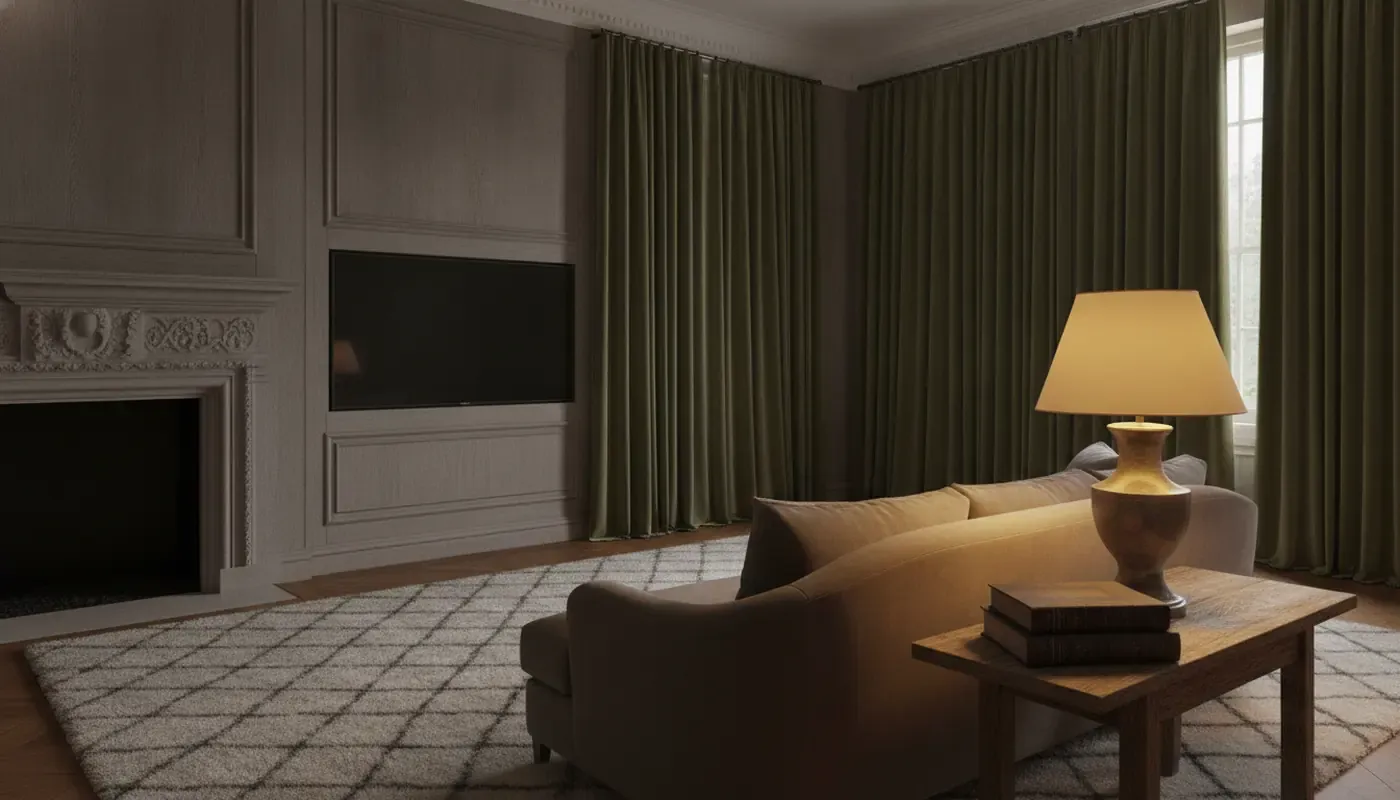
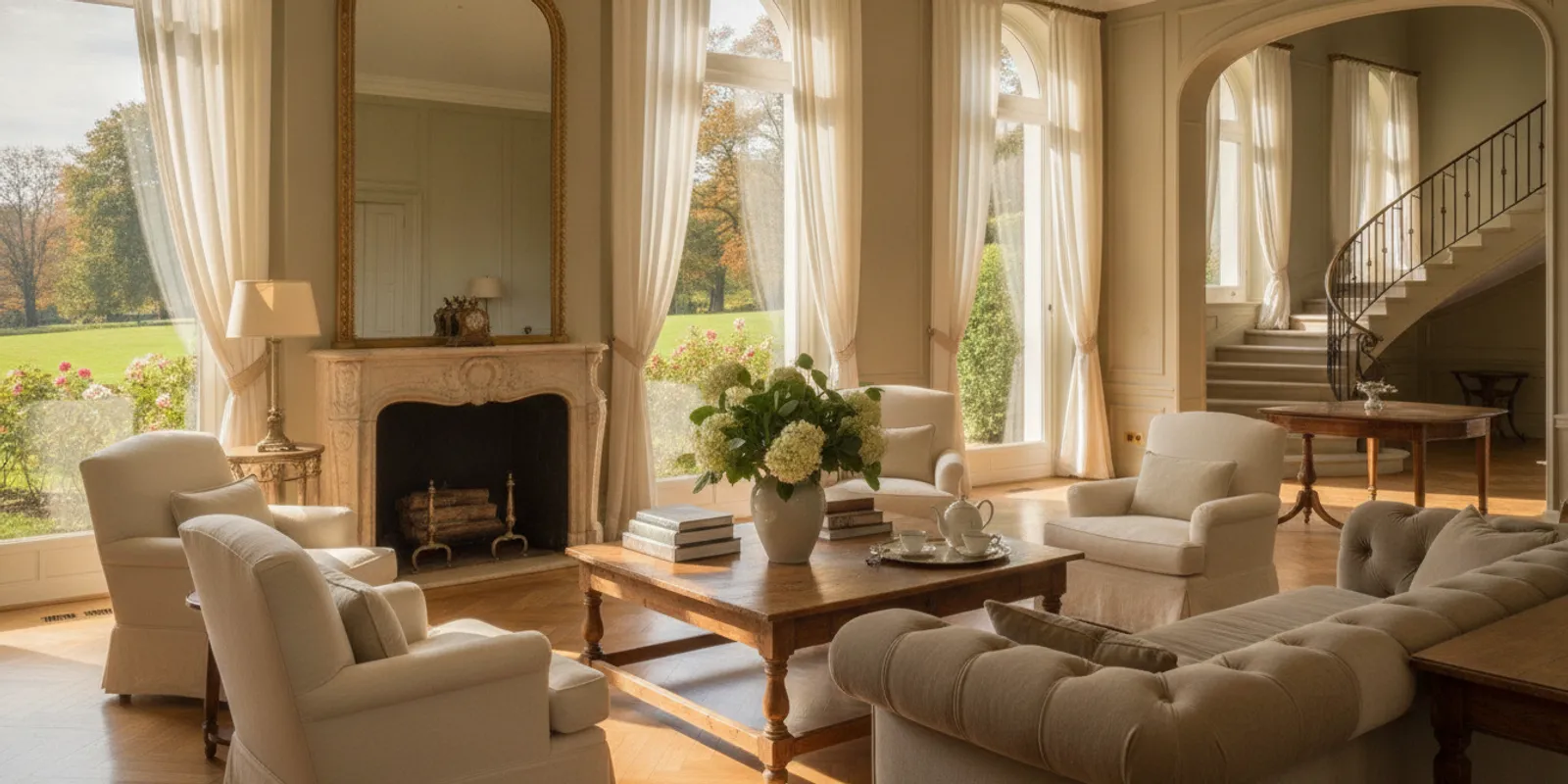
A French chateau-inspired interior feels composed rather than theatrical. Its character comes from proportion, light, layered rooms, and a sense of permanence. For guests, these qualities create an atmosphere that feels elevated while still allowing a group to settle in and spend meaningful time together. The design is best understood not as a checklist of decorative motifs, but as the relationship between architecture, furnishings, movement, and the mood of the rooms.
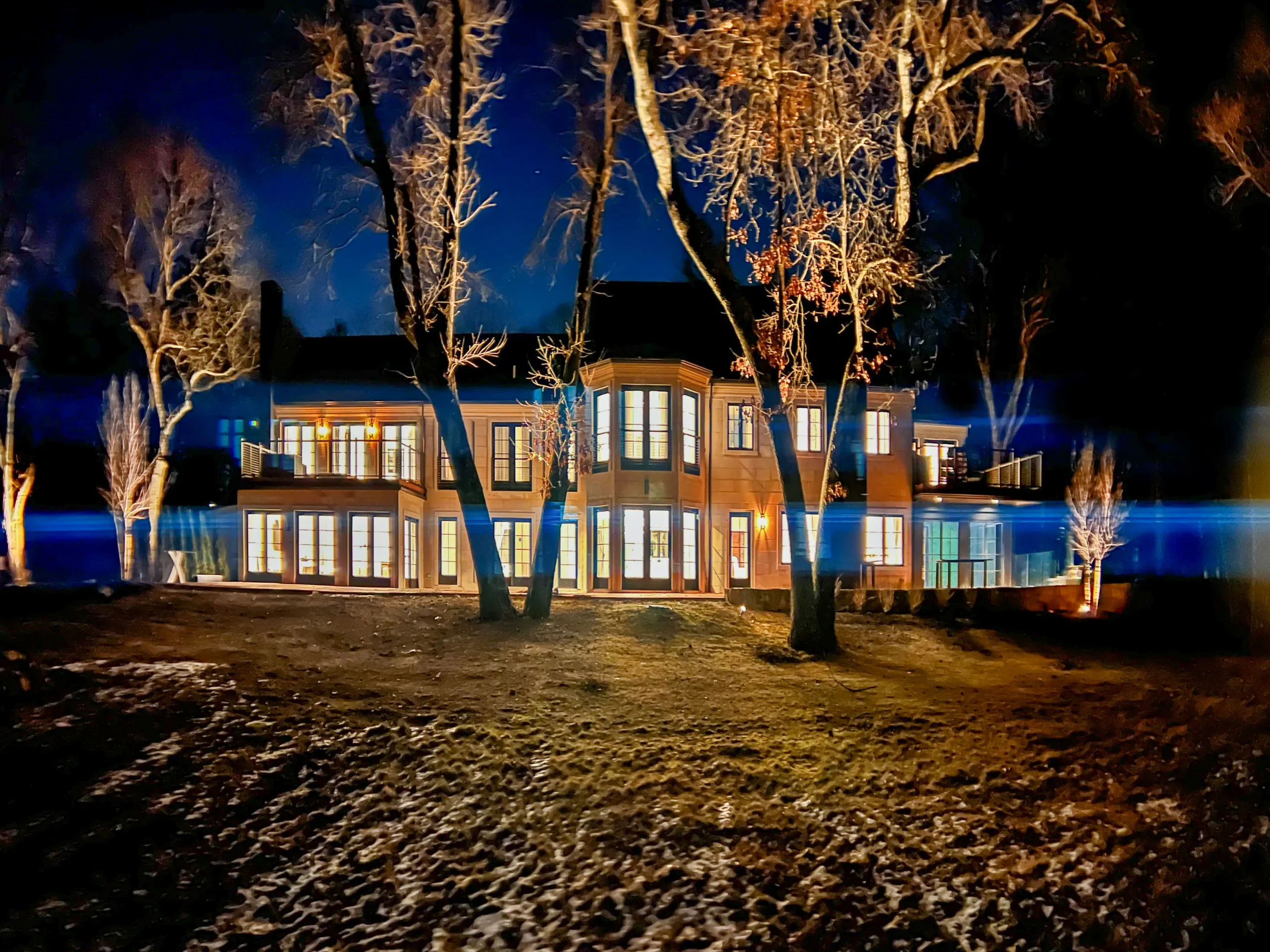
The phrase describes an architectural influence, not a promise that every room reproduces a historic French residence. At The Charles Chateau, the setting is an 8,000-square-foot private estate in Dedham, Massachusetts, with eight bedrooms on 11 private acres. The design language can be appreciated alongside the practical reality of a whole-property group stay, where the indoor experience is one part of a larger sense of place.
Common cues include generous proportions, formal architectural details, balanced arrangements, and materials that feel enduring. The effect is not simply ornate decoration. A room can feel refined because scale, daylight, and furnishings work together, even when individual details are restrained. A thoughtful arrangement allows a space to feel complete without asking every object to compete for attention.
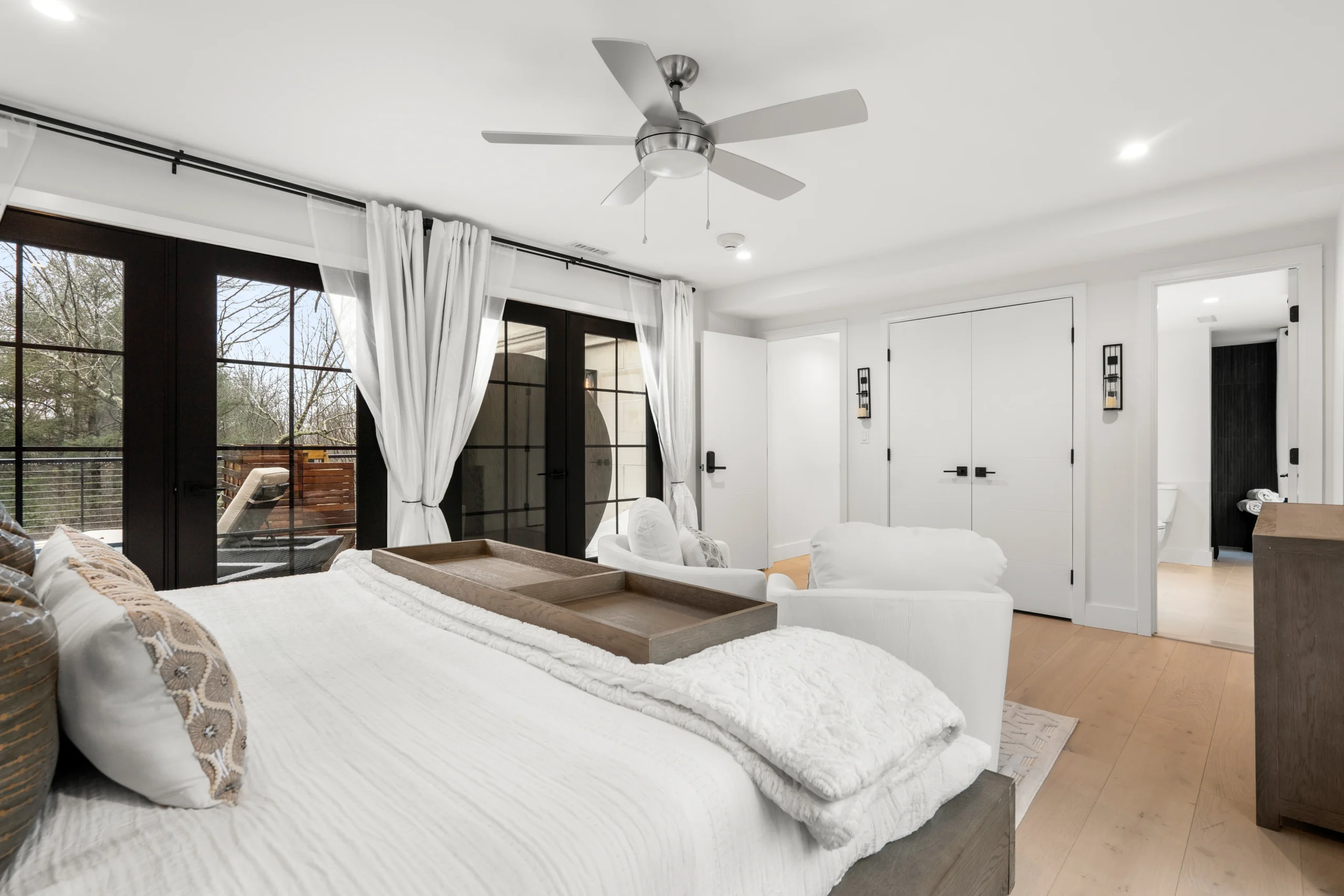
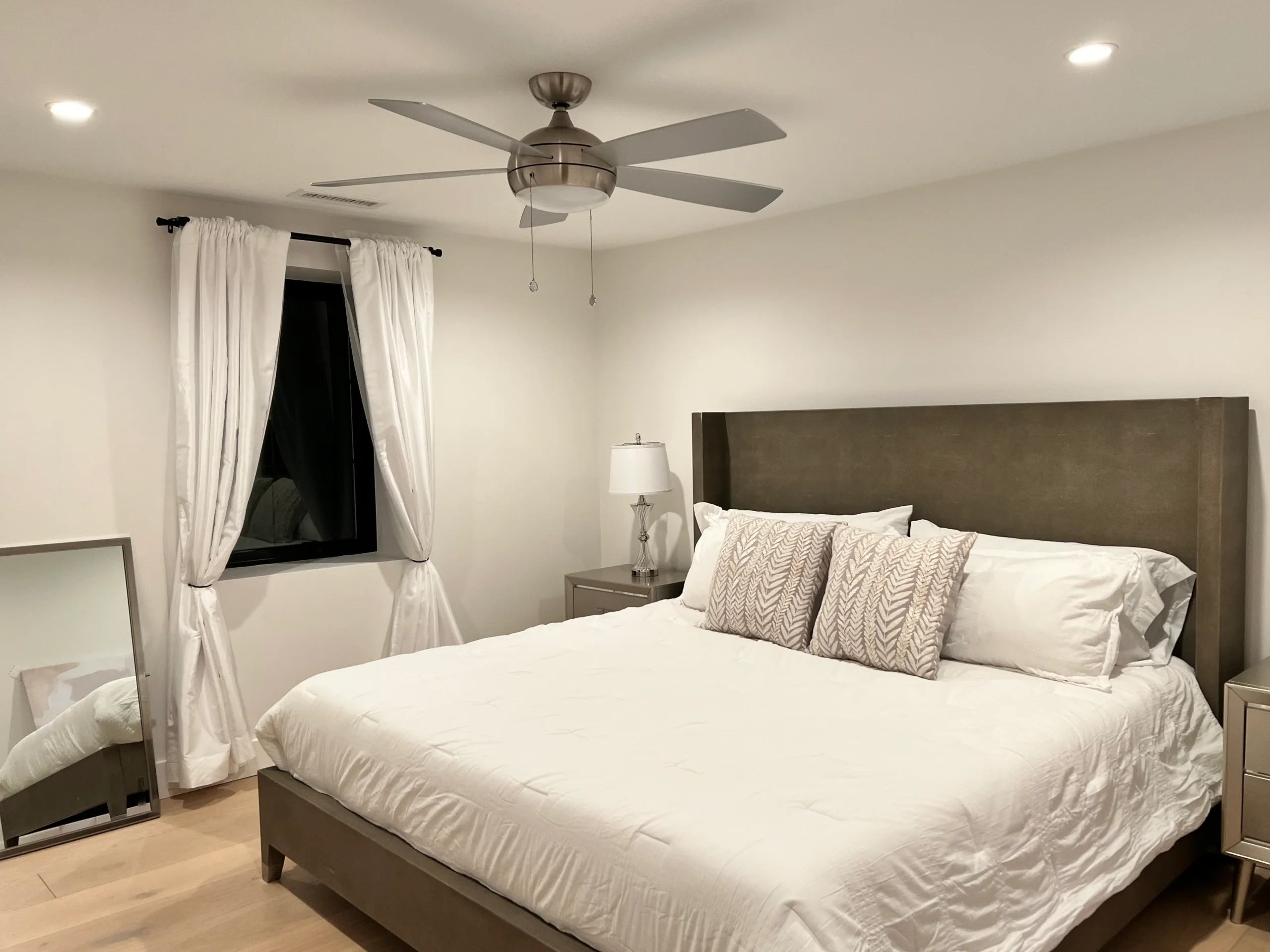
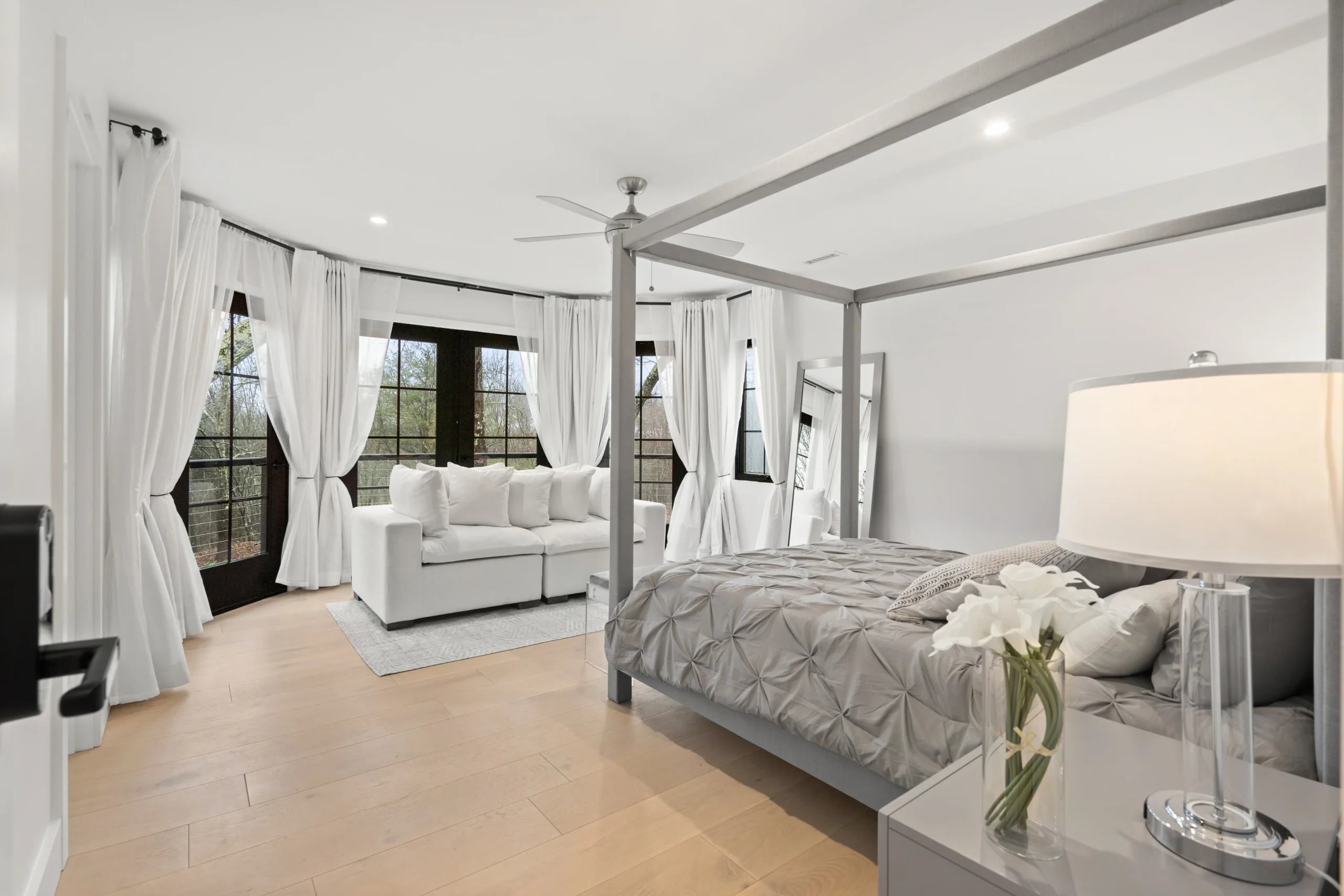
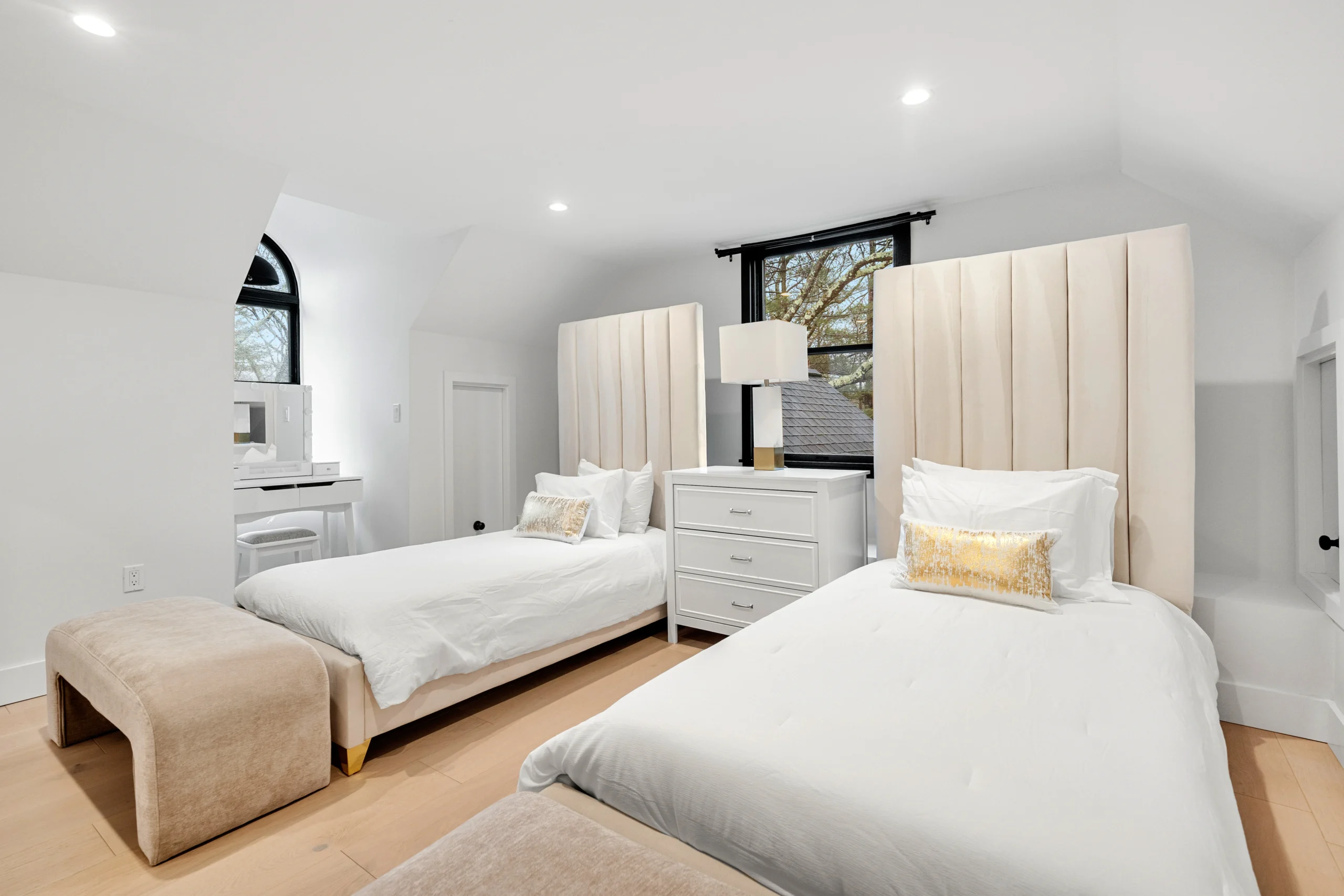
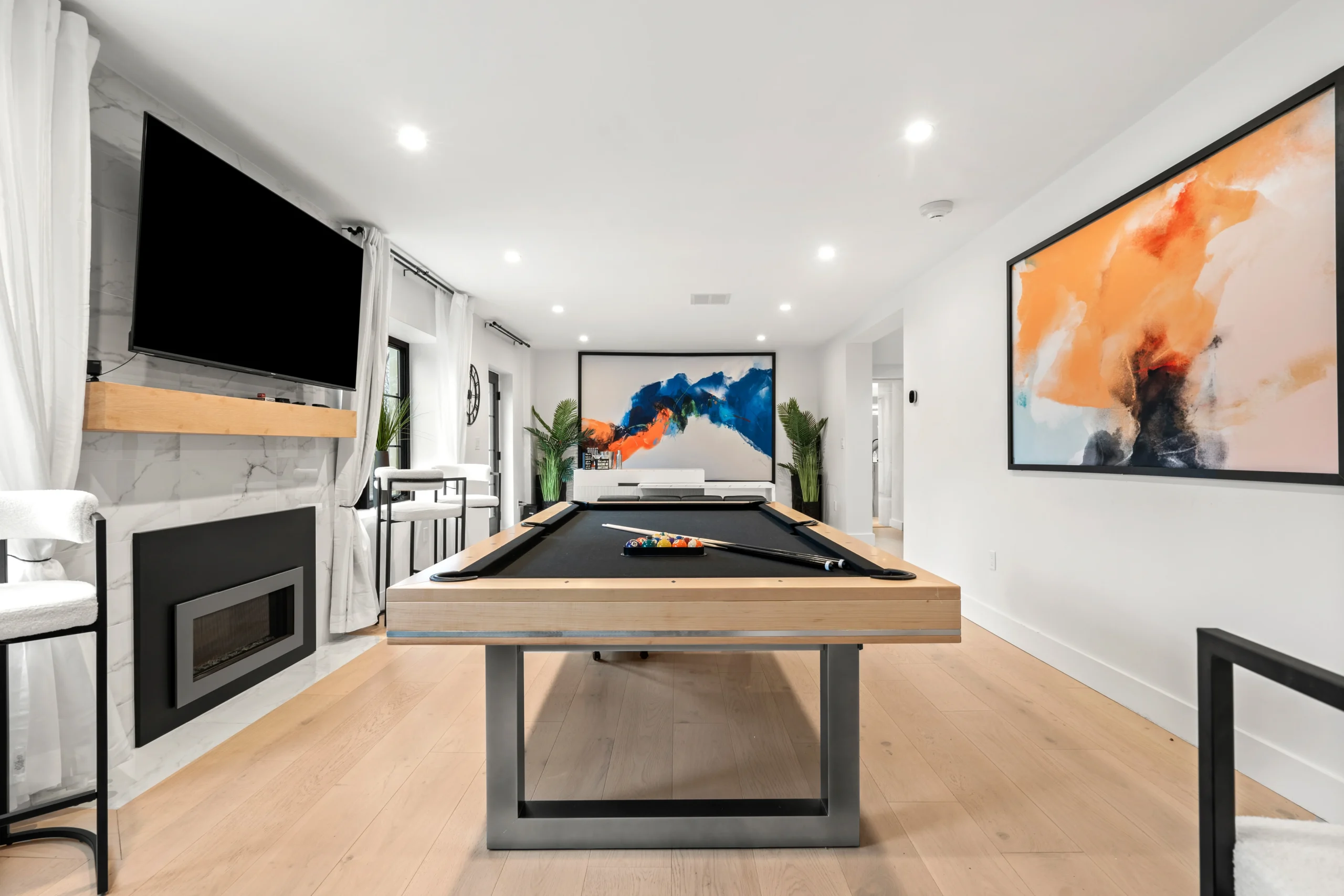
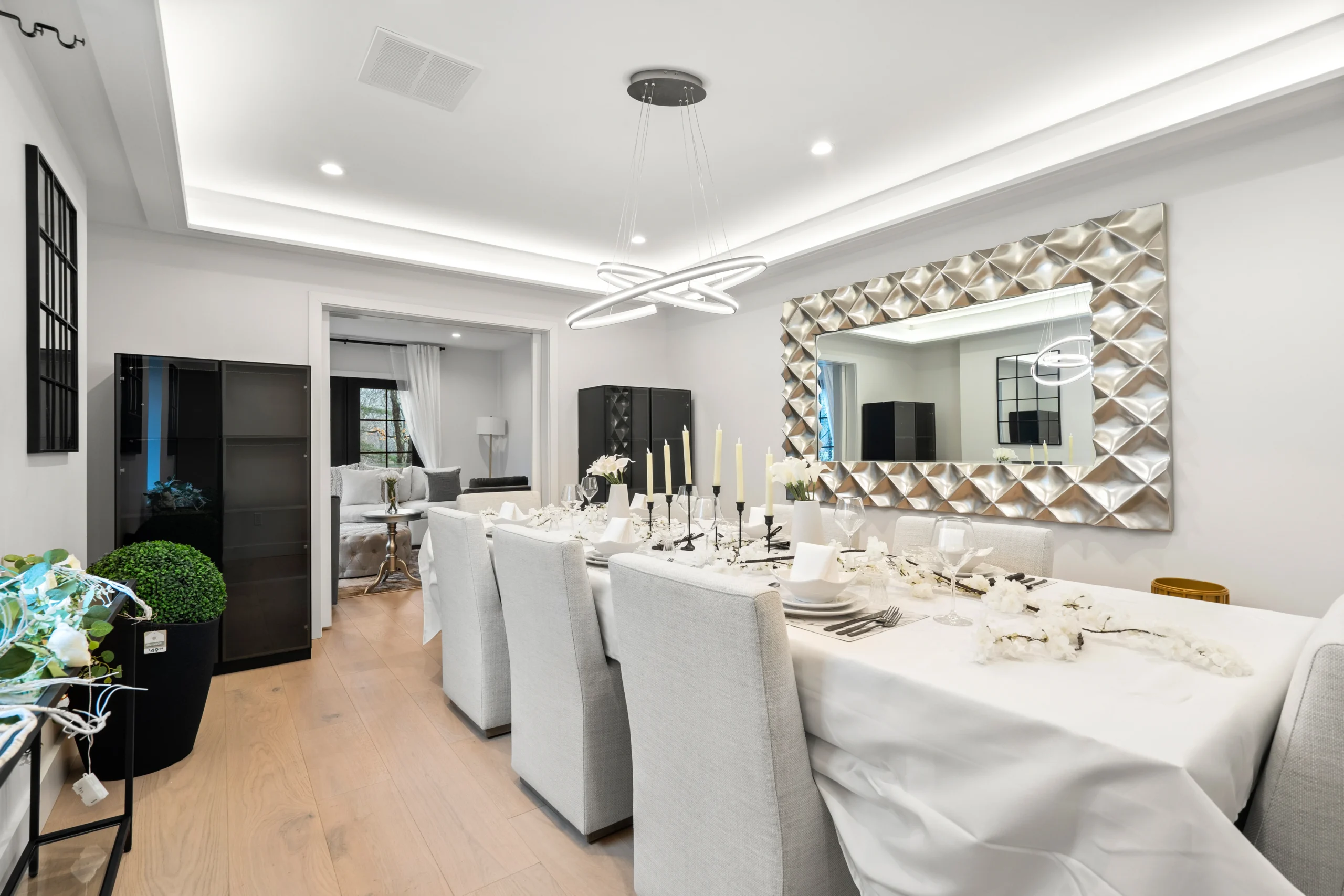
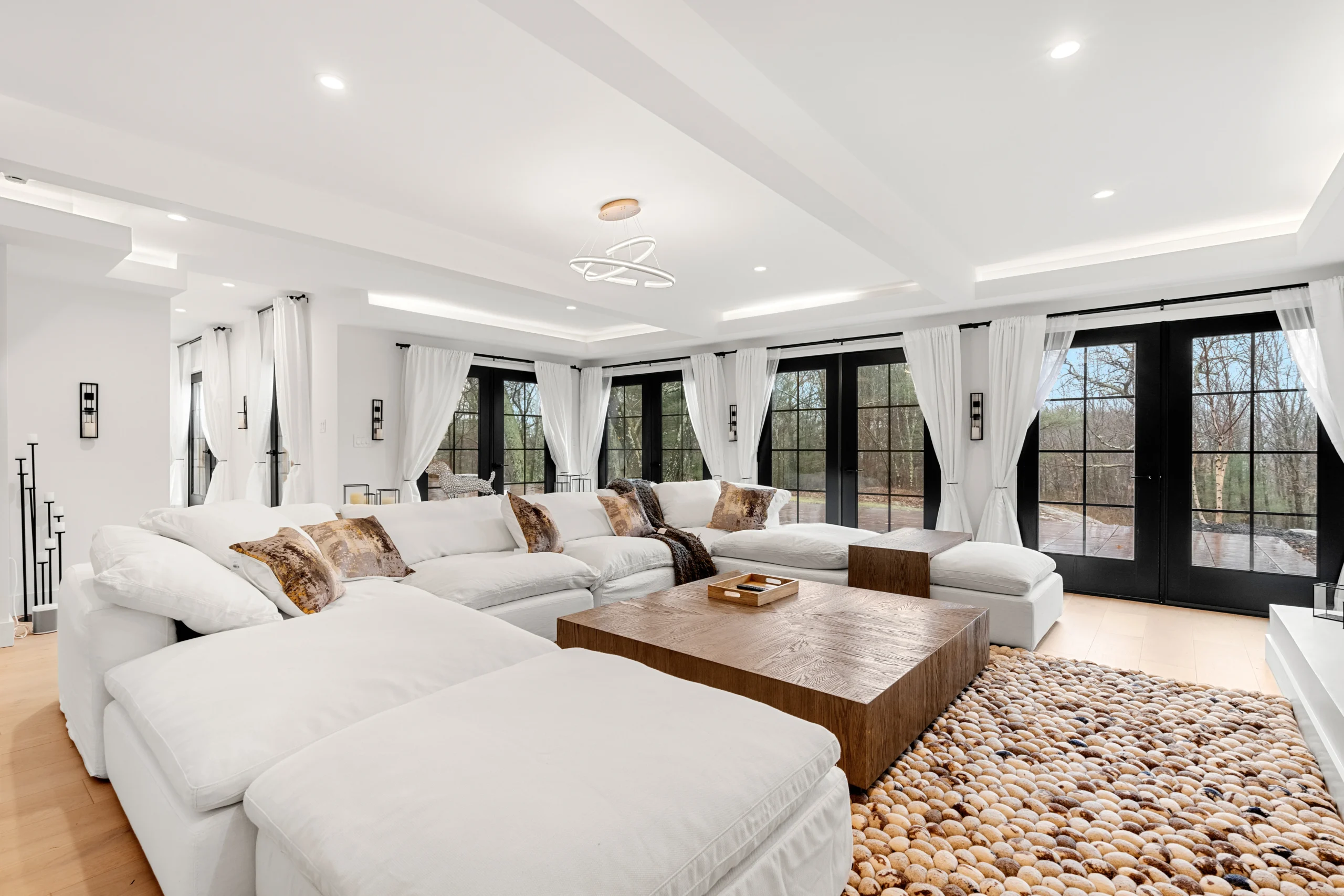
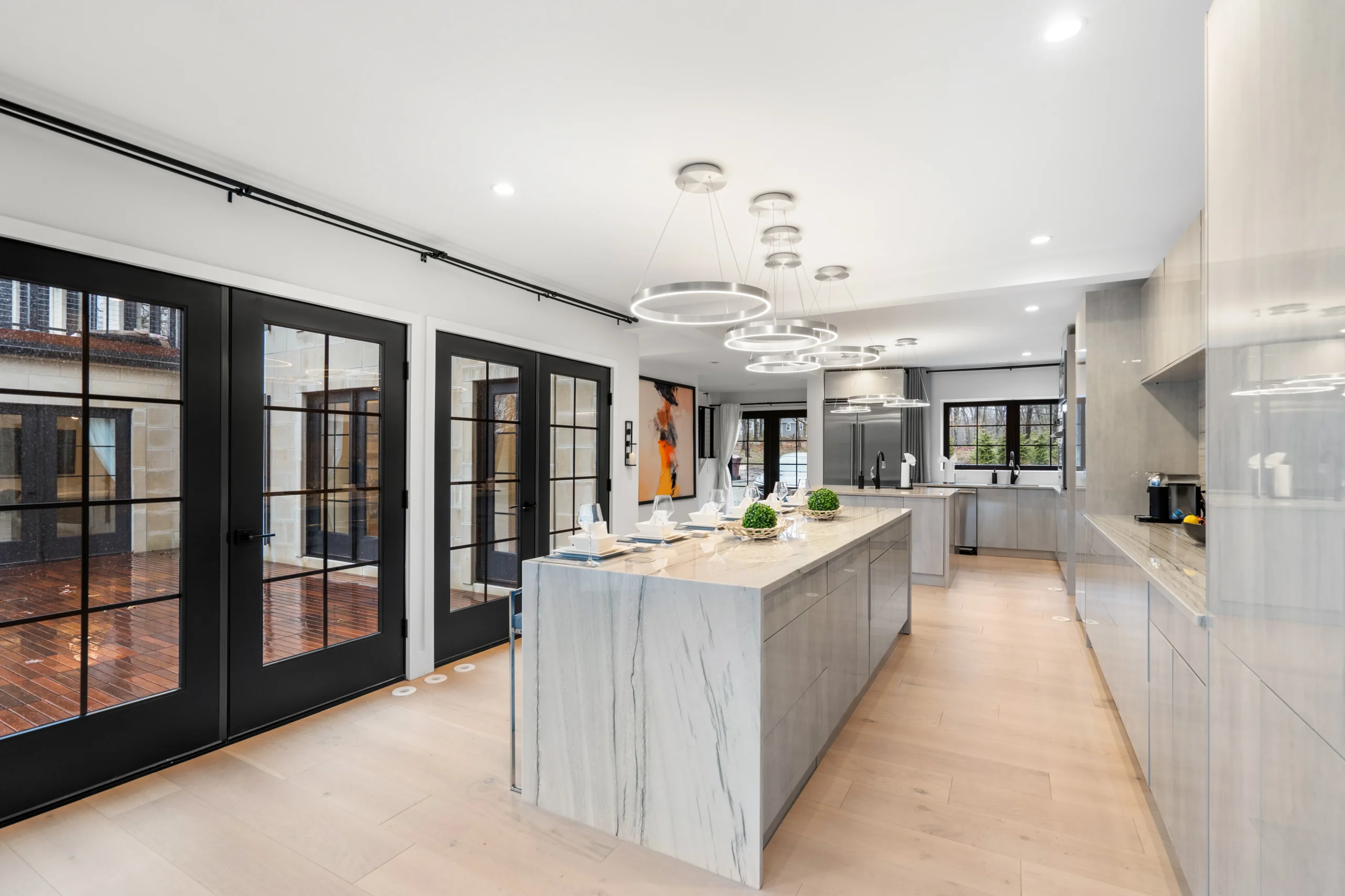
When reviewing photographs, look beyond a single dramatic room. Notice how connected spaces appear, where natural light falls, and whether the overall mood suits the way your group wants to spend time. The interior overview offers a closer look at the estate’s indoor character. It can help you move from a broad impression to more specific questions about your own stay.
How does the interior shape a group stay?
A useful interior supports different kinds of time during the same visit. A group may want a shared setting for conversation, quieter corners for individual downtime, and rooms that make transitions feel natural. The value of an estate interior is therefore both visual and practical: people need spaces that support the occasion without requiring every guest to participate in the same activity at once.
For a multi-generational family, this may mean gathering together while allowing relatives to keep different schedules. For a leadership team, it may mean moving from focused discussion to informal conversation without leaving the property. For a celebration, a gracious interior can lend the occasion a sense of welcome while letting guests move at their own pace. These uses are different, but all depend on a setting that feels inviting over more than a brief visit.
Think about the rhythm you want. Where might the group first gather? Which moments call for a more composed setting? When will guests want to step away, read, or have a quieter conversation? What might happen at the beginning and end of the day? These questions are more useful than asking whether one room looks impressive in isolation, because they connect the design to the way people will actually use it.
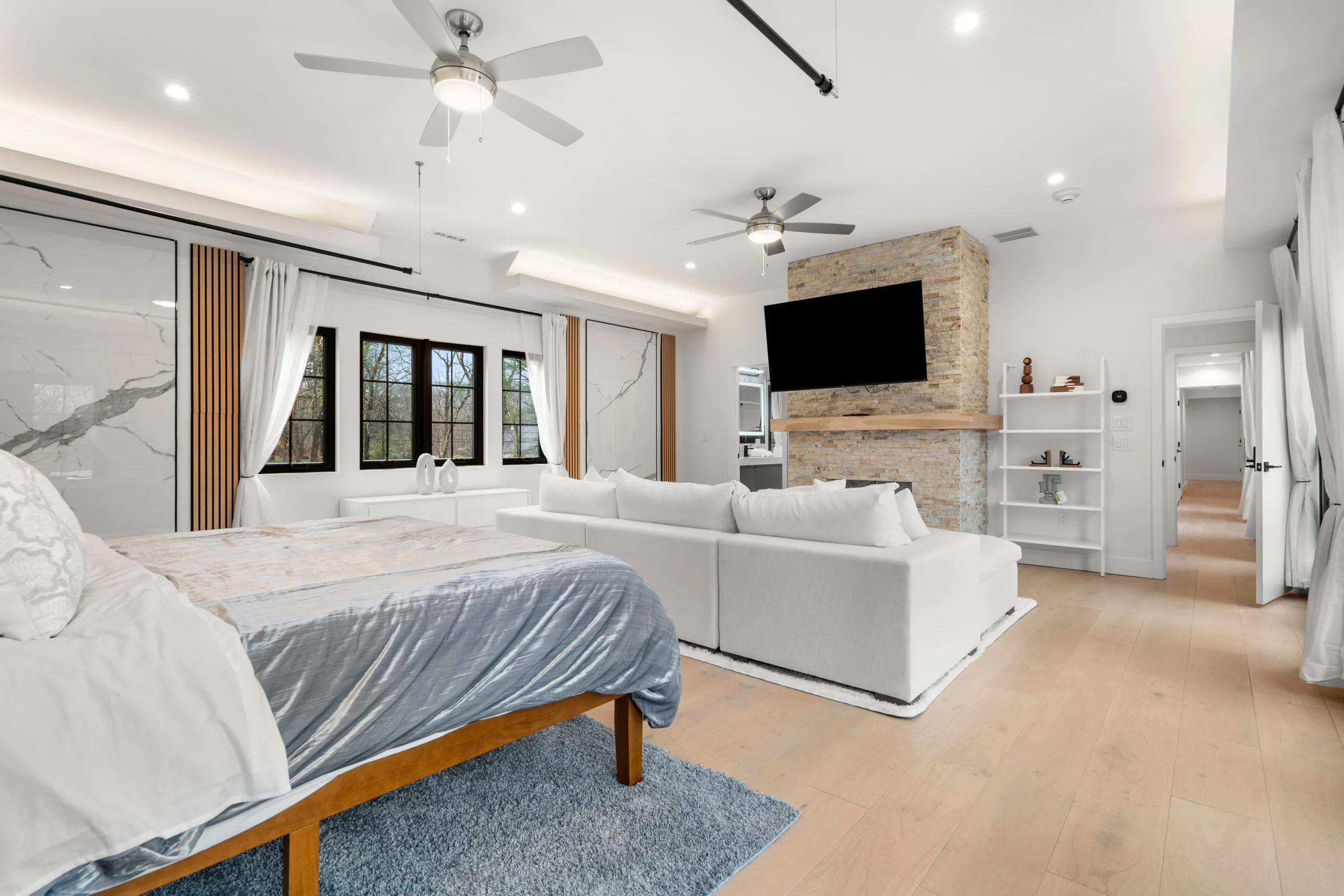
At The Charles Chateau, indoor spaces are part of a larger estate experience, with privacy supported by exclusive whole-property use. Explore the suite and bedroom overview when considering how overnight arrangements may fit your group. The concierge team can discuss specific needs rather than relying on assumptions from a floor plan or photograph.
Which details should planners notice?
When assessing a French chateau interior, observe how scale, light, circulation, and furnishing choices combine. No single decorative feature can answer whether a property suits your occasion. Look at transitions between rooms and ask whether the setting offers variety without making the experience feel fragmented. Consider the rooms as a sequence: how the group arrives, where it spends shared time, and how guests can move to a quieter part of the home.
- Room scale: Consider whether shared rooms appear suited to your group’s size and the kind of gathering you are planning. A spacious room may feel impressive in a photograph, but the useful question is whether it supports the conversation or activity you have in mind.
- Natural light: Notice windows and how daylight contributes to the atmosphere across different times of day. Morning light, afternoon brightness, and evening lamplight can make the same room feel different, so review more than one image when possible.
- Movement: Look for a natural flow between gathering areas, quieter rooms, and outdoor access. A stay may feel easier when guests can move without repeatedly interrupting a shared activity.
- Furnishings: Seek a balance between elegance and comfort, with arrangements that invite people to stay and talk. The room should feel considered, not arranged only for a photograph.
- Variety: A stay benefits from more than one kind of setting, especially when guests span generations or have different schedules. Variety gives the group options without requiring everyone to separate from the estate experience.
Do not infer fixed dining or seating counts from an image. At this estate, the concierge team works through specific seating and dining arrangements based on group needs. Share the occasion, approximate guest count, and the moments you expect to host, then ask how the space can be considered for that plan. It is also helpful to say whether the group expects seated conversation, a sequence of smaller gatherings, or a mix of hosted and unstructured time.
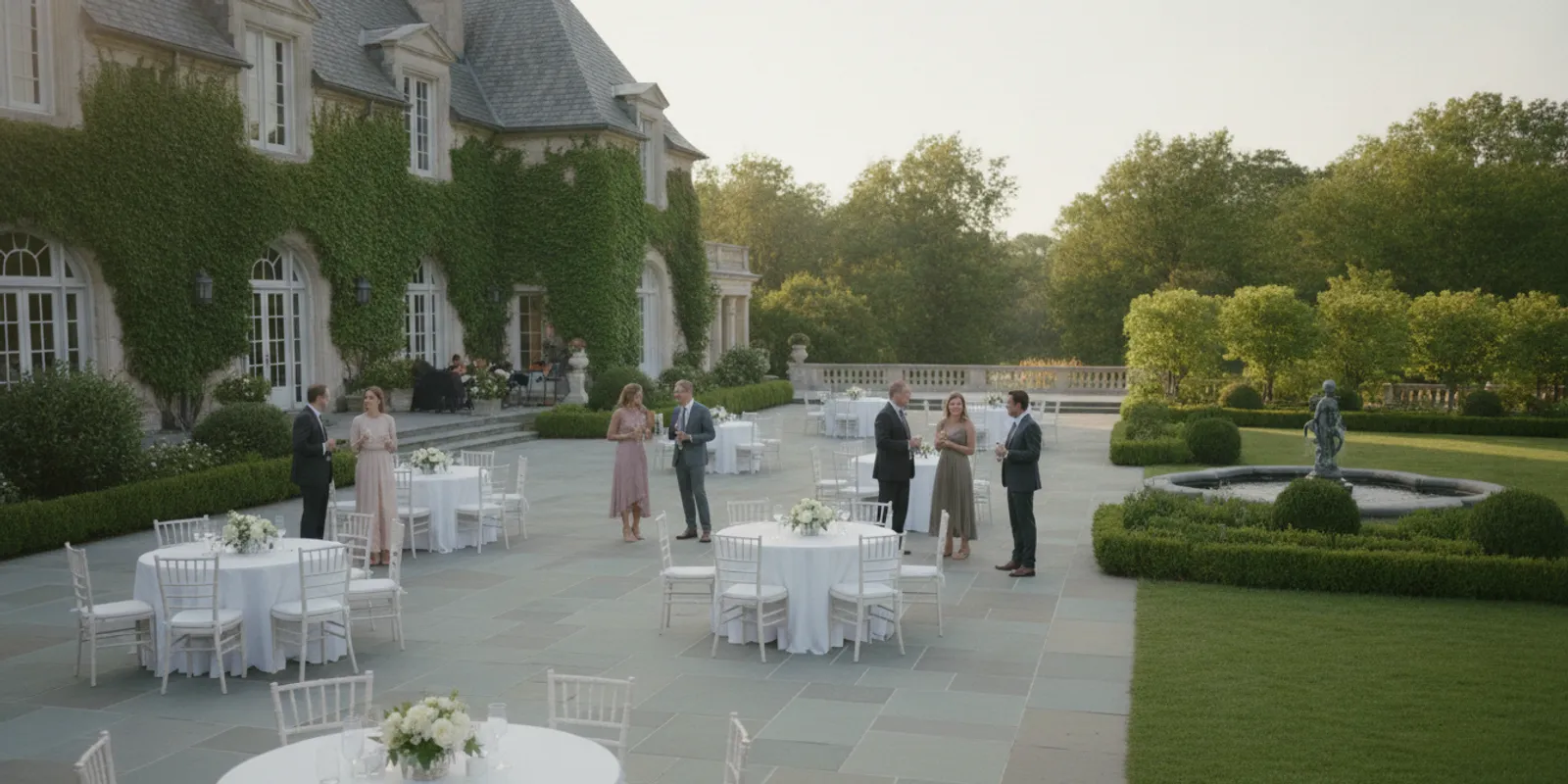
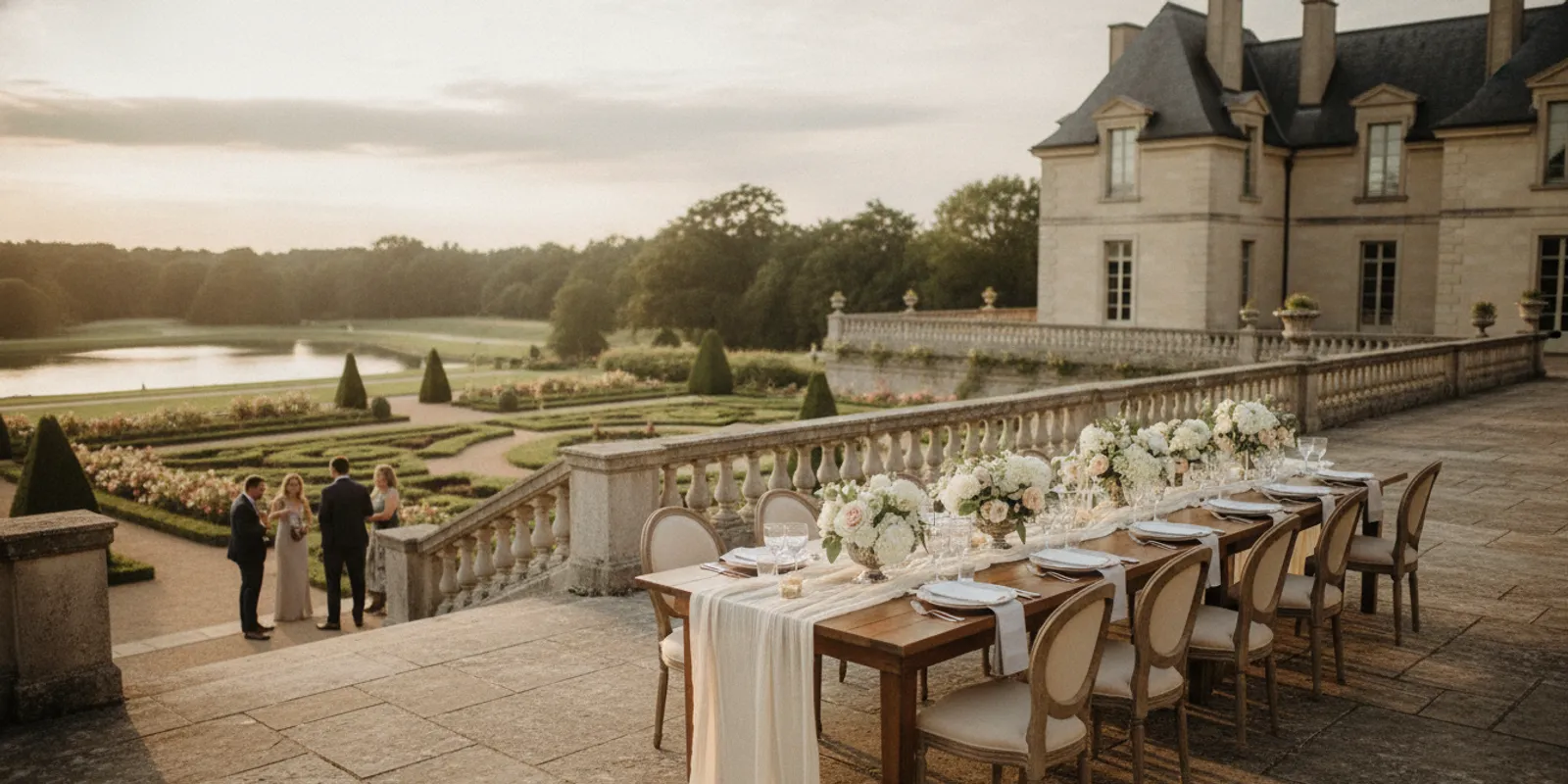
For a broader sense of the grounds and outdoor areas connected to the home’s interior, review the estate exterior. The relationship between indoor rooms and the landscape can matter as much as the style of any one room, particularly for a multi-day gathering. A group may appreciate the option to shift between interiors and open air as the day’s pace changes.
How can you match the interior to your occasion?
Start with the experience you want guests to have, then consider whether the setting supports it. A retreat, family gathering, and wedding weekend may all benefit from privacy and beautiful rooms, but each asks for a different balance of shared time, rest, and coordination. Treat the interior as part of the program of the stay: it influences how the day unfolds, even when no formal agenda is planned.
| Occasion | Interior priorities | Questions to discuss |
|---|---|---|
| Leadership retreat | Composed shared areas, privacy, and room to shift between structured and informal time | How can the group move between focused conversation and relaxed connection? Which sessions need a quieter setting? |
| Multi-generational family stay | Variety of rooms, overnight arrangements, and comfortable shared moments | How might different generations balance gathering and personal downtime? Are there distinct routines to account for? |
| Milestone celebration | A welcoming atmosphere and thoughtful transitions between parts of the occasion | What moments will happen indoors, and how should the spaces support them? |
| Wedding weekend | Elegant surroundings, privacy, and coordination across several days | Which parts of the weekend are hosted at the estate, and what support is needed? |
This is a planning framework, not a fixed layout or promise of a particular arrangement. The estate accommodates up to 16+ overnight guests in eight bedrooms, with up to 30 day guests for gatherings. Seating and dining details are tailored through concierge discussion. The events overview can help you consider the range of occasions the estate is intended to host.
For a retreat, map the day before deciding which rooms matter most. A working session may need a different atmosphere from a meal or an evening conversation. Share the broad sequence with the concierge team and ask how the estate could support transitions. For a family visit, ask how bedrooms and common areas might let relatives gather without making every hour communal. For a wedding weekend, distinguish the hosted moments from the time guests will spend resting or reconnecting. These distinctions help planners describe an experience, rather than asking for a generic room arrangement.
It can also help to make a short list of non-negotiables and preferences. A non-negotiable might be enough overnight accommodation for the invited group or privacy for a sensitive discussion. A preference might be a particular mood for an evening gathering or a convenient path to outdoor space. Keeping the two categories separate makes the initial conversation clearer and leaves room for thoughtful recommendations.
What should you ask before planning a stay?
A useful inquiry connects your occasion to the experience you want. Share enough detail for the concierge team to understand the group’s size, dates under consideration, and the balance of hosted and unstructured time. This makes it easier to discuss whether the property is appropriate before refining details. Rather than trying to solve every design question at once, begin with the purpose and broad shape of the visit.
- Describe the occasion. Explain whether you are organizing an executive retreat, family gathering, milestone celebration, or wedding weekend. Mention what would make the stay feel successful for your group.
- Give a realistic group range. Distinguish overnight guests from people attending a daytime gathering. The estate has eight bedrooms and can accommodate up to 16+ overnight guests, with up to 30 day guests for gatherings.
- Outline the desired rhythm. Note when you expect to gather, when guests may want privacy, and whether the plan spans multiple days. A simple outline of morning, afternoon, and evening can be enough to begin.
- Ask about room use. Discuss how the estate’s indoor spaces may support the experience, including any seating or dining needs. Do not rely on a photograph to confirm a particular arrangement.
- Discuss access and next steps. Access is through private membership; prospective guests may request consideration rather than make a public instant booking. Ask what information would be useful for the next conversation.
The Charles Chateau is in Dedham, approximately 20 minutes from downtown Boston. That proximity can make an estate-scale setting practical for groups who want a sense of retreat without traveling far beyond the city. Learn more about the surrounding neighborhood as you plan arrival and time beyond the property. The combination of an accessible location and a private estate setting can be relevant when guests are arriving from different directions or have limited time away.
Before reaching out, gather the details that are already settled: likely dates, expected overnight and day guest ranges, and the reason for bringing people together. Add the details that remain open as questions, such as room use, dining arrangements, or the best flow between indoor and outdoor time. This gives the concierge team a useful starting point without implying that every element must be fixed before an inquiry.
How does a private estate differ from a public venue?
A private estate stay brings the property into the group’s experience as a whole, rather than treating it only as a room or event hall. The Charles Chateau is offered as a whole-property buyout, with no concurrent bookings. That structure can support a more continuous experience for groups who value privacy and time together. Instead of arriving for one scheduled block, the group can think about the arc of a visit across shared rooms, overnight accommodation, and unstructured intervals.
It is also different from a public venue where a booking may focus on a single event window. An estate stay asks the planner to think about overnight accommodation, shared spaces, arrival, transitions, and the group’s time across the full visit. Concierge-level planning is part of that process, helping shape arrangements around the occasion. The interior matters in this context because it becomes part of the setting for both planned moments and ordinary pauses between them.
For a sense of how the property’s story and setting come together, visit the estate’s background. If you are comparing approaches, consider whether your group wants a private residential rhythm or a more conventional event format. Neither question is only about aesthetics; it is also about how much continuity, privacy, and coordination the gathering needs.
How can you think through light, flow, and comfort?
Photos offer a first impression, but a planner can read them more carefully by tracking light, movement, and comfort across the day. Look for clues about where guests are likely to pause, where a conversation could continue without dominating the whole group, and whether the rooms appear to support different moods. If you are viewing a set of images, compare how the rooms relate rather than judging each image as a separate design statement.
Light shapes atmosphere, but it also changes how a room feels at different hours. Consider when your group is most likely to use a space. A morning conversation, a midday break, and an evening gathering each bring different expectations. If exact light conditions matter to your occasion, ask the concierge team what information or images might help you understand the room more clearly rather than relying on a single photograph.
Flow is similarly practical. A group may move from a shared gathering to a meal, then split into smaller conversations or take time outdoors. When reviewing a property, ask how such transitions could work and whether anyone in the group has mobility or comfort needs that should shape planning. This is not about predicting every movement; it is about noticing whether the experience can feel natural rather than tightly managed.
Comfort is more than softness or formality. It includes whether the room invites people to stay, whether there is enough variety for different temperaments, and whether the setting remains welcoming over a multi-day stay. Elegant surroundings can still feel relaxed when guests have choices: a place to join the group, a place to pause, and room to move between the two.
Frequently asked questions
Is a French chateau interior always ornate?
No. The phrase can describe an influence expressed through proportion, architectural character, light, and considered details. A refined interior can feel distinctive without relying on excessive decoration.
How many guests can stay overnight at The Charles Chateau?
The estate has eight bedrooms and can accommodate up to 16+ overnight guests. Share your group’s needs with the concierge team to discuss the most suitable arrangement.
Can a planner confirm a specific dining or seating setup from photographs?
No. Dining and seating arrangements are tailored to group needs. Discuss the occasion and requirements with the concierge team instead of relying on a fixed published capacity.
Can anyone book the estate online?
No. Reservations are extended to active members and invited guests. Prospective guests can request consideration for membership and discuss their plans with the concierge team through the membership consideration page.
Discuss your group’s plans with the concierge team
A well-chosen interior helps a group feel both gathered and at ease. By starting with the occasion, the desired rhythm, and your guests’ needs, you can assess whether a French chateau-inspired estate offers the right setting for meaningful time together.