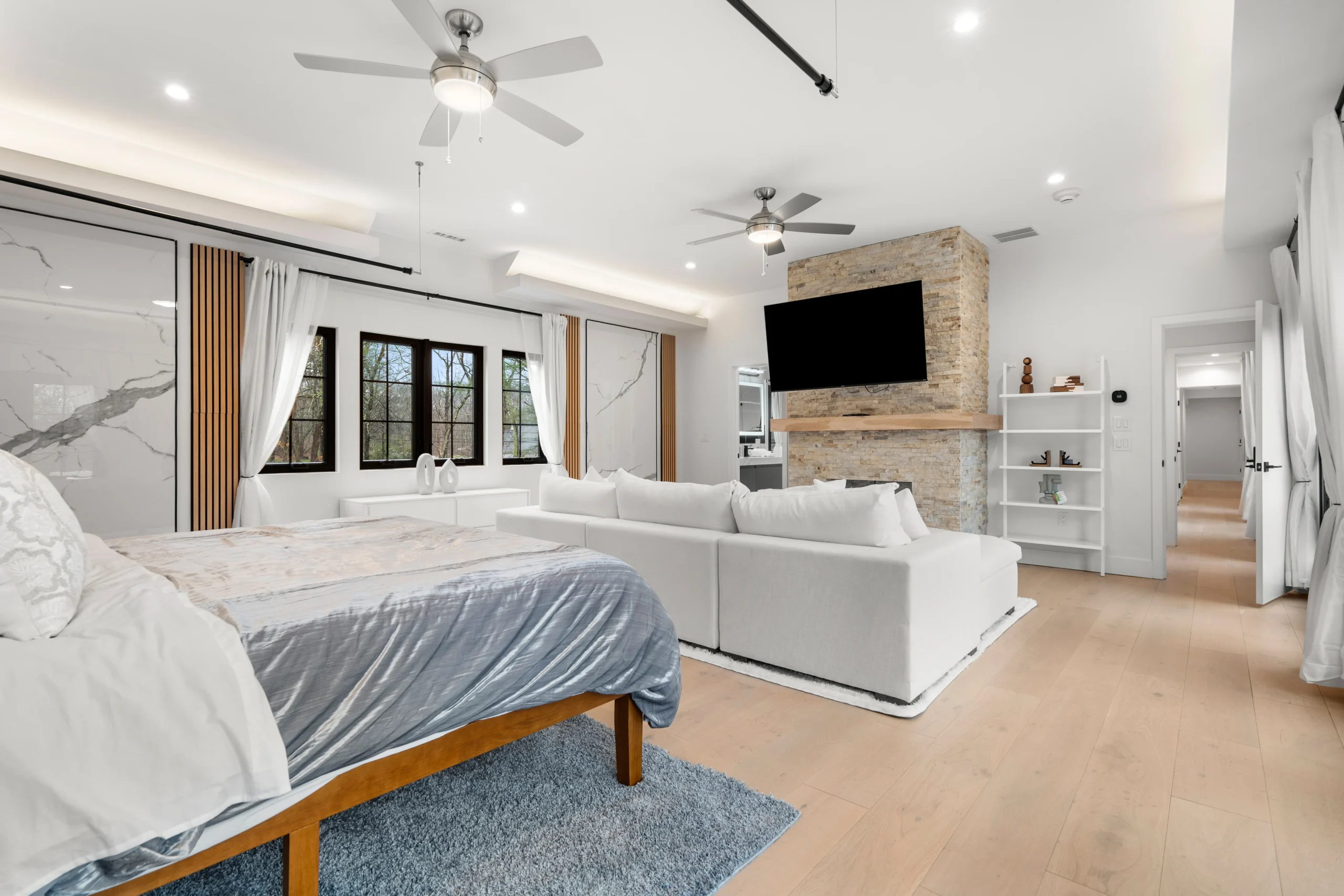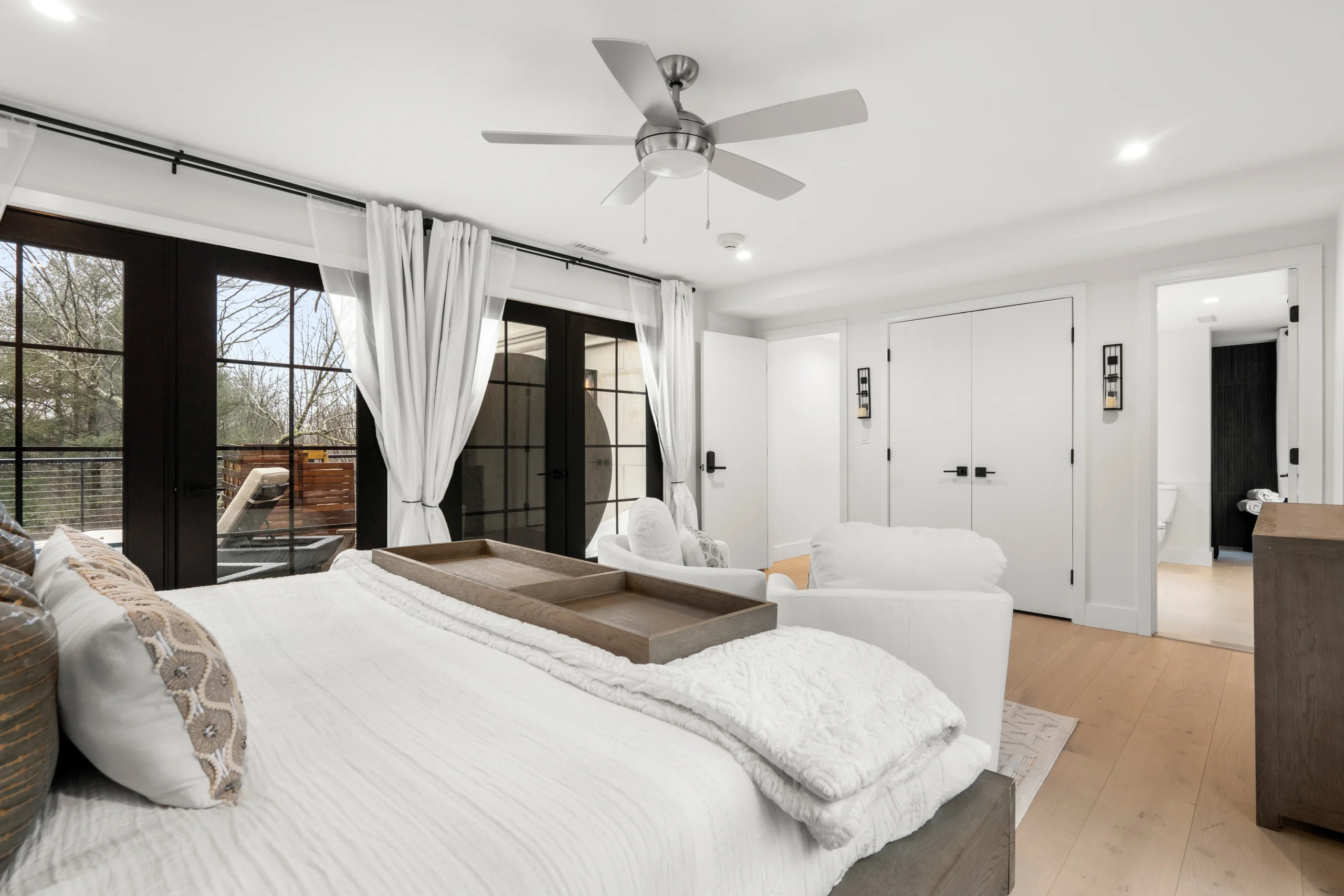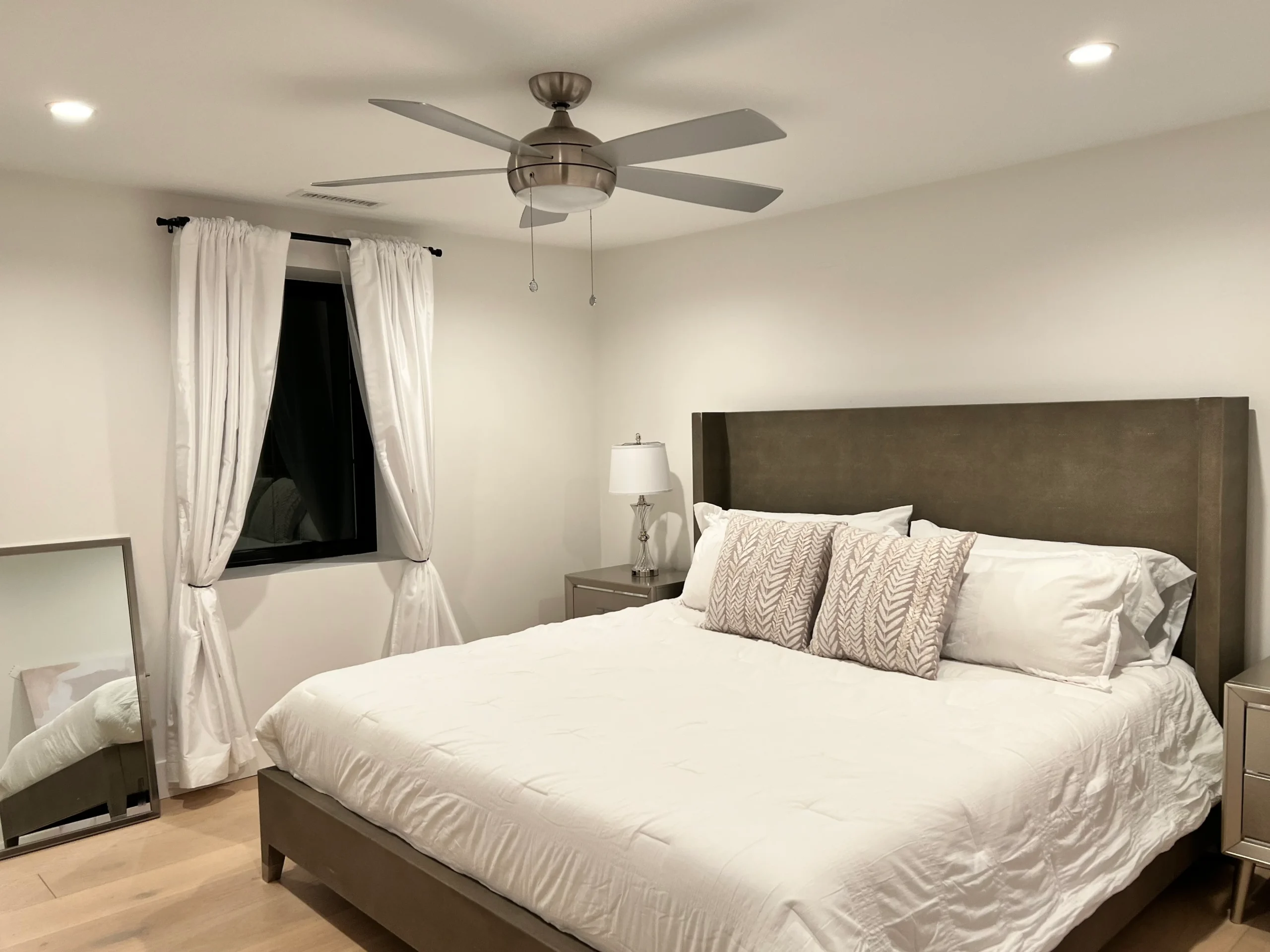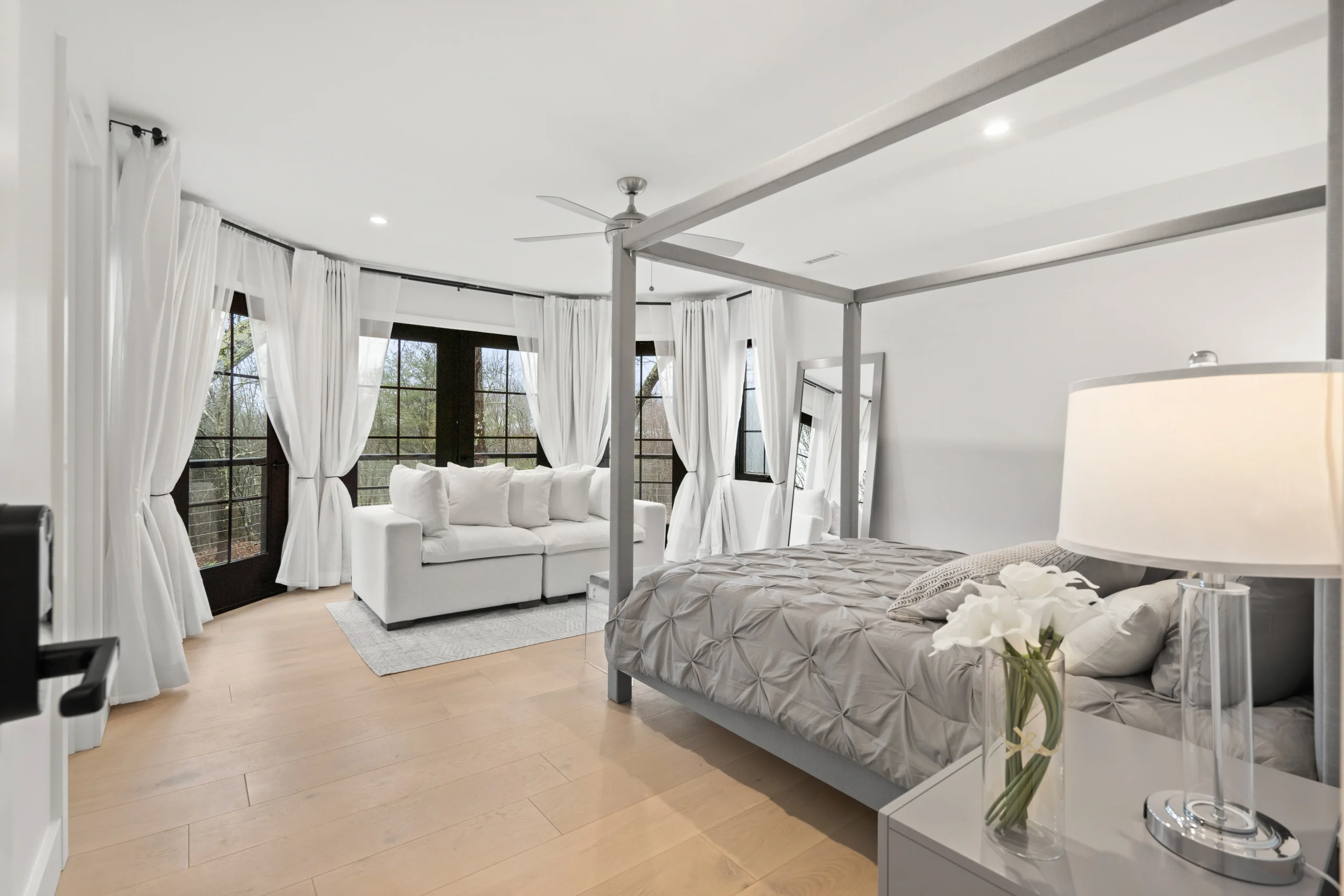
You can read every online review and compare every fact sheet, but one of the most powerful tools you have in this process is your own intuition. When you walk into a facility, you are looking for more than just a clean room and a list of amenities; you are searching for a feeling of warmth, respect, and genuine kindness. This guide will give you a practical checklist to take on your tours, but it will also empower you to trust your gut. Learning how to choose an assisted living facility for dementia is a blend of careful research and keen observation.
Key Takeaways
- Prioritize the people providing the care: A beautiful building is secondary to a compassionate, well-trained staff. Look for facilities with specific dementia care training, low staff-to-resident ratios, and a team that creates a warm, engaging community for residents.
- Approach your search with a plan: Making a confident choice requires preparation. Create a checklist of questions about safety, medical protocols, and daily activities, and plan to visit your top choices more than once at different times to see the real day-to-day environment.
- Trust your research and your intuition: After comparing the facts like cost and services, the final decision is a personal one. Involve your loved one in the process as much as possible and pay attention to your own gut feeling about which community feels the most like a safe and supportive home.
Assisted Living vs. Memory Care: What’s the Difference?
Choosing the right environment for a loved one with dementia means understanding the key differences between your options. While both assisted living and memory care offer support, they are designed for very different needs. Knowing which path to take starts with a clear picture of what each type of community provides and who it serves best. This will help you make a confident decision that prioritizes your loved one’s safety, well-being, and quality of life.
When to choose assisted living
Assisted living is a wonderful choice when your loved one is still fairly independent but could use a helping hand with daily life. Think of it as supportive living. These communities are perfect for seniors who need assistance with things like medication reminders, meals, and housekeeping, but don’t require 24/7 medical supervision. If your family member is in the very early stages of memory loss and their safety is not yet a concern (for example, they do not wander), an assisted living facility can provide the right balance of autonomy and support. It allows them to maintain a social, active lifestyle while giving you peace of mind that their basic needs are met.
When to consider memory care
The time to consider memory care is when dementia progresses and your loved one’s safety becomes the primary concern. If you find yourself constantly worried about them wandering, leaving the stove on, or forgetting to take crucial medication, it’s a sign that they need a more specialized environment. Memory care communities are specifically designed to keep residents safe and secure. This next level of care is built to address the challenges that come with moderate to advanced stages of dementia. Making this transition can be difficult, but the enhanced security and expert supervision often bring immense relief to families who know their loved one is protected and cared for.
What makes memory care different
Memory care goes far beyond the daily support offered in assisted living. These communities provide a secure, structured setting tailored to the unique cognitive and emotional needs of individuals with memory loss. The staff receives specialized training in dementia care, learning how to communicate effectively and manage challenging behaviors with compassion. The physical environment is also different, often featuring circular hallways to prevent confusion and secure outdoor spaces for safe wandering. Daily life is built around structured routines and therapeutic activities designed to reduce agitation and spark positive engagement, focusing on maintaining skills and providing a sense of purpose. It’s a holistic approach centered entirely on the world of a person with dementia.
Common myths about dementia care
Many families hesitate when they hear the term “memory care,” often because of outdated ideas about what it means. One of the biggest myths is that a memory care facility is just a locked-down nursing home. In reality, a modern memory care community is a vibrant, specialized environment focused on quality of life, not just medical oversight. Another common misconception is that moving a loved one into memory care means giving up. The truth is, it’s about giving them access to expert care that you simply can’t provide at home. Exploring these options is not a failure; it’s a proactive and loving step toward ensuring your family member’s safety and happiness.
Is It Time for a Change?
Deciding if a loved one needs more support is one of the hardest conversations a family can have. It’s emotional, complicated, and there’s rarely a perfect moment to bring it up. Often, families wait until a crisis hits, forcing them into a rushed decision under immense stress. But thinking about this change proactively, before an emergency, gives you and your loved one the power to choose a path with care and intention. It allows you to explore options together, ensuring the final decision is one that brings peace of mind, not just a quick fix. Recognizing the signs and understanding the risks of waiting can help you start this conversation from a place of love, support, and preparedness.
Signs your loved one needs more support
It’s easy to get caught up in the day-to-day and miss the subtle shifts. The need for more support often becomes clear when you, the caregiver, start to feel overwhelmed. If your own health is suffering or your relationship with your loved one is strained by the demands of care, it’s a significant sign. You might also notice that your loved one is no longer safe or healthy living at home. This could look like frequent falls, forgetting medication, or changes in personality and mood. The Alzheimer’s Foundation of America offers a helpful guide with questions to ask when you’re considering a move. These signs aren’t failures; they are simply indicators that a different kind of support is needed.
The risks of waiting too long
Putting off the decision about memory care is completely understandable, but waiting for a crisis can create more heartache for everyone. A fall, a medical emergency, or a wandering incident can force you into a frantic search for any available bed, rather than the right community for your loved one. This rushed process adds incredible stress to an already difficult situation. Making a choice before it becomes an emergency allows for thoughtful research and planning. It gives you time to find a place where your loved one will be well cared for by professionals, which can help reduce feelings of guilt and bring a sense of relief to the entire family.
How to talk to your family about care
Starting the conversation about memory care requires a lot of sensitivity. These are deeply emotional and complex family decisions, and it’s important to approach the topic with empathy. Find a calm, private time to talk with key family members. Share your concerns openly and listen to theirs without judgment. Frame the conversation around your loved one’s safety, happiness, and quality of life. Whenever possible, include your loved one in the discussion. Asking for their thoughts and preferences can help them feel respected and involved in their own future. The goal isn’t to have all the answers at once, but to open the door for a collaborative and supportive planning process.
What to Look For in a Dementia Care Facility
Choosing a care facility for a loved one is one of the most important decisions you’ll make. It’s about finding a place that not only ensures their safety but also honors their dignity and enriches their life. As you begin your search, it can feel overwhelming to know what truly matters. The key is to look beyond the surface and focus on the core elements that create a supportive and nurturing environment.
Think of this process as a search for a new home, one with a specialized support system built right in. You’re looking for a combination of expert care, a secure setting, and a vibrant community. The best facilities are transparent about their practices and are happy to answer your questions in detail. By focusing on a few key areas, you can confidently compare your options and find a place where your family member will not just live, but thrive.
Staff training and expertise
The quality of a dementia care facility rests on the people who work there. You want a team that has received specialized training in dementia care. This goes beyond basic medical knowledge; it means they understand how to communicate effectively, manage behavioral changes with compassion, and create a calming environment. During your tour, ask about the specific training programs for staff and the ongoing education they receive. A team that includes dementia-trained staff is a team that is committed to providing the best possible care for its residents.
Staff-to-resident ratios
A low staff-to-resident ratio is a strong indicator of quality care. It means each resident receives more personal attention and support throughout the day. Don’t hesitate to ask for the specific numbers. A good follow-up question is how that ratio changes during evenings, nights, and weekends, as needs don’t stop when the business day ends. While a facility might not share exact turnover rates, you can ask about staff longevity. A team with low turnover often points to a positive work environment, which translates directly into more consistent and familiar care for your loved one.
Safety and security features
A well-designed facility provides security without feeling restrictive. Look for features that are thoughtfully integrated to ensure resident safety, especially for those who may wander. This includes things like secured entrances and exits, enclosed courtyards or gardens, and layouts that are easy to get around. The goal of these features is to provide a secure, structured environment where residents can maintain a sense of independence and freedom of movement within a safe space. This gives you peace of mind and gives them a better quality of life.
Personalized care plans
Dementia affects everyone differently, and its progression varies. Because of this, a one-size-fits-all approach to care is simply not effective. The best facilities create and maintain a personalized care plan for each resident. This plan should be developed with input from you, your loved one, and their medical team. It’s a living document that should adapt as their needs change over time. Ask how often these plans are reviewed and what the process is for adjusting services, ensuring the care provided will always match what your loved one requires.
Community atmosphere and culture
When you walk into a facility, pay close attention to the overall feeling of the place. Does it feel like a warm, inviting home or a sterile institution? Observe how staff members interact with residents and how residents engage with one another. A positive community atmosphere is crucial for emotional well-being, and many residents find their social life improves after moving. Look for spaces that encourage connection, from communal dining rooms to comfortable lounges and active social calendars. The right environment feels vibrant and supportive, making it a place where people can build new friendships and enjoy their days.
Essential Services in a Dementia Care Facility
When you’re looking for a dementia care facility, the services offered are the heart of the matter. Beyond a safe and clean environment, the right support system can make a world of difference in your loved one’s daily life and overall well-being. It’s about creating a place where they can feel secure, engaged, and cared for with dignity. The best communities focus on a holistic approach, blending expert medical oversight with activities that bring joy and connection. As you evaluate your options, look for a comprehensive suite of services that addresses not just physical health, but also emotional, social, and cognitive needs. These are the key pillars of exceptional dementia care.
Medication management
For many people with dementia, managing medications can become a complex and stressful task. A key service of any quality memory care facility is professional medication management. This goes beyond simply handing out pills. A trained staff ensures that your loved one receives the correct dosages at the right times, which is critical for managing both dementia symptoms and other health conditions. This oversight helps prevent dangerous errors, like missed doses or accidental double-dosing. Having a dedicated team handle this provides immense peace of mind for families, knowing this crucial aspect of care is in expert hands.
Structured daily routines
Predictability can be incredibly comforting for someone living with dementia. A structured daily routine helps reduce anxiety and confusion by creating a familiar rhythm for the day. Good memory care facilities design their days with this in mind, balancing activities with quiet time. This doesn’t mean a rigid, boring schedule. Instead, it’s a gentle framework that might include consistent times for meals, group activities, and personal care. This structure provides a sense of security and normalcy, which can significantly improve a resident’s mood and overall quality of life. It helps them feel more in control and at ease in their environment.
Therapeutic activities
A great memory care program is filled with purpose and engagement, not just ways to pass the time. Therapeutic activities are designed to stimulate the mind, encourage social interaction, and bring joy. Look for a diverse calendar that includes things like art and music therapy, gentle exercise, gardening, and brain games. These activities help maintain cognitive function and give residents a sense of accomplishment. They also offer wonderful opportunities for connection with staff and other residents, preventing the isolation that can so often accompany dementia. The goal is to nurture your loved one’s existing abilities and interests.
Dining and social life
Mealtimes are more than just about nutrition; they are a cornerstone of daily social life. A positive dining experience can greatly improve a resident’s well-being. Top facilities offer communal dining in a pleasant, restaurant-style setting to encourage conversation and friendship. They also pay close attention to residents’ nutritional needs and preferences, offering appealing, easy-to-eat meals. For many residents, their social life actually improves after moving into a community. Sharing meals and stories with peers combats loneliness and creates a sense of belonging, making it a highlight of the day.
Family communication and involvement
Choosing a care facility doesn’t mean you’re stepping away from your loved one’s life. In fact, the best communities view families as essential partners in care. Ask about how the facility handles communication. You should expect regular updates on your loved one’s health and well-being, as well as opportunities to participate in care plan meetings. Many facilities also host family events and encourage visits to help you stay connected. Open, consistent communication ensures that you remain an active and informed part of your loved one’s care team, providing peace of mind for everyone.
Your Tour Checklist: Key Questions to Ask
Walking into a potential new home for your loved one can feel overwhelming. A guided tour is your chance to look past the polished brochure and understand what life is really like inside a facility. Being prepared with a list of specific questions will help you gather the information you need to make a clear and confident decision. Think of this as an interview; you are hiring a team to care for someone precious to you. Use this checklist to guide your conversation and observations, ensuring you cover all the critical aspects of care, safety, and daily life.
Ask about staffing and training
The quality of care your loved one receives comes down to the people providing it. A beautiful building means little without a compassionate, skilled, and stable staff. You’ll want to ask directly about their qualifications. Inquire about the specific, ongoing dementia care training that every staff member receives. Ask for the staff-to-resident ratios for day, evening, and overnight shifts to ensure there is always enough support. It’s also wise to ask about staff turnover; a high rate can be a sign of underlying problems within the facility.
Ask about medical and emergency care
You need to feel certain that your loved one’s health is in capable hands. Ask who is responsible for medication management and how they ensure it’s done without error. Find out if a registered nurse is on-site 24/7. It’s also crucial to understand the facility’s protocol for medical emergencies. How do they handle a fall or a sudden illness? Who makes the call to 911, and how are families notified? A clear, well-practiced emergency plan is a non-negotiable part of a safe environment.
Ask about daily life and activities
A person’s well-being is about more than just medical care. It’s about purpose, connection, and joy. Ask to see a weekly or monthly activity calendar. Look for a variety of engaging programs that cater to different ability levels, including sensory activities, music, art, and gentle exercise. How does the staff encourage residents to participate without pressure? Are there safe and accessible outdoor spaces for fresh air and walks? A facility that prioritizes structured, therapeutic activities demonstrates a deep understanding of holistic dementia care.
Look beyond the answers
While you ask your questions, use your eyes and ears to gather more information. Pay close attention to the interactions between staff and residents. Do the caregivers seem patient, respectful, and genuinely warm? Do the residents appear clean, engaged, and calm? Take note of the facility’s overall atmosphere. Is it clean and well-maintained? Does it smell fresh? Listen for the sounds of the community. A good facility should feel vibrant and full of life, not eerily silent or chaotic. Your own observations are just as important as the answers you receive.
Visit more than once
A single, scheduled tour is designed to show you the facility at its absolute best. To get a more authentic feel for the community, plan to visit multiple times. Try stopping by at different times of the day, such as during a meal or a mid-afternoon activity. If possible, arrange a visit on a weekend to see if the staffing levels and atmosphere remain consistent. Seeing the facility in different contexts will give you a much more rounded and realistic picture of what day-to-day life will be like for your loved one.
Red Flags to Watch Out For
When you tour a dementia care facility, you’re not just a visitor; you’re an investigator. Trust your instincts. If something feels off, it probably is. Beyond the glossy brochures and prepared speeches, you need to look for the subtle clues that reveal the true quality of care. Paying attention to these details will help you spot potential problems before you commit. This isn’t about finding a perfect place, but about finding a safe, supportive, and genuinely caring environment for your loved one. Knowing what to watch for can make all the difference in avoiding a facility that looks good on paper but fails to deliver on its promises.
High staff turnover
A revolving door of staff is a major red flag. Consistent care from familiar faces is crucial for people with dementia, as it helps build trust and a sense of security. When a facility can’t keep its employees, it often points to bigger issues like poor management, low pay, or a stressful work environment. These problems directly impact the residents. An overwhelmed or inexperienced team can’t provide the patient, specialized care your loved one deserves. During your tour, ask direct questions about staff turnover rates and how long the director and head of nursing have been there. A stable, happy team is a good sign of a well-run facility.
Vague or evasive answers
You will have a lot of questions, and you deserve clear, direct answers. Be wary of any staff member who seems to dodge your questions or gives you generic, unhelpful responses. If you ask about the staff-to-resident ratio and they say, “We always have enough people,” that’s not a real answer. A transparent facility will give you specific numbers for day and night shifts. If you feel like you’re getting the runaround, it could signal a lack of transparency or that they have something to hide. Come prepared with a list of your most important questions and don’t settle for fuzzy answers.
Poor cleanliness and safety
This might seem obvious, but look beyond the tidy lobby. Pay attention to the small details. Do you notice unpleasant odors, like urine, or an overwhelming smell of air freshener? Are the floors clean and free of hazards? Ask to see a resident’s room, not just the staged model room. During your visit, take time to check for cleanliness in common areas, bathrooms, and the dining hall. Also, look for safety features like grab bars in hallways and bathrooms, secure outdoor spaces, and coded keypads on exterior doors to prevent wandering. A clean and safe environment is a basic requirement, not a luxury.
Isolated or disengaged residents
A good memory care facility should feel vibrant and full of life, not like a waiting room. As you walk through, observe the residents. Are they engaged in activities, chatting with each other, or interacting with staff? Or are most of them sitting alone in their rooms or staring blankly at a television? While it’s normal for some people to want quiet time, the overall atmosphere should feel social and stimulating. A facility that feels cold and impersonal can be a sign that residents aren’t getting the social interaction and mental stimulation they need to thrive. Try to visit during a meal or a planned activity to get a real sense of the community.
How to Pay for Dementia Care
Figuring out the financial side of dementia care can feel like the biggest hurdle of all. It’s a topic that brings up a lot of questions and, frankly, a lot of stress. But you don’t have to sort through it alone. By breaking down the costs and exploring your options one step at a time, you can create a clear and sustainable financial plan for your loved one’s care. Let’s walk through the key areas you’ll need to consider.
Understanding the cost structure
The first thing to know is that there’s no one-size-fits-all price for dementia care. The cost varies widely based on a few key factors. Your geographic location plays a big role, as does the specific level of care your loved one needs. Memory care communities, which offer specialized support for cognitive impairments, are often part of larger assisted living facilities but have their own pricing. The size and type of the living space, such as a private or semi-private room, will also affect the final monthly cost. Getting a clear breakdown of these costs from any facility you’re considering is an essential first step.
Using insurance and benefits
Once you have a sense of the costs, it’s time to investigate what resources are available to help pay for them. Start by reviewing any existing insurance policies. Private health insurance, a group employee plan, or retiree health coverage may cover some aspects of care, though they rarely cover long-term custodial care. It’s also important to look into government programs. Medicaid can be a significant source of funding for those who qualify, and many states have Medicaid waiver programs that help cover costs for care in a community setting rather than a nursing home. Exploring these financial resources can make a big difference.
Tapping into personal assets and local resources
Many families use personal assets to help fund dementia care. These funds can come from the person living with dementia or from other family members who are contributing. Common sources include savings accounts, retirement funds, investments, and sometimes the proceeds from selling a family home. Beyond personal finances, don’t overlook local resources. Many communities have non-profits, religious organizations, or area agencies on aging that offer grants or financial assistance programs. A bit of research into what’s available in your specific city or state can uncover valuable support you might not have known existed.
How to budget and plan ahead
Creating a long-term budget is crucial. This process helps you understand how far your current assets will go and when you might need to access other forms of aid. If your loved one is a veteran, they may be eligible for benefits through the Department of Veterans Affairs that can be used for care. Even if it seems like there isn’t enough money, there are often financial assistance options available for those with limited income and assets. Planning ahead gives you time to consult with a financial advisor or elder law attorney who can help you structure everything in the most effective way for your family’s situation.
Making the Final Decision
You’ve toured the facilities, asked the hard questions, and gathered all the brochures. Now comes the most challenging part: making the final choice. This decision is heavy, layered with emotion and a deep desire to do what’s best for someone you love. After all the research, the final steps are about comparing the concrete details, listening to your loved one, and tuning into your own intuition. Taking a structured approach to this last phase can help you move forward with clarity and confidence, knowing you’ve made the most informed and compassionate choice possible.
Compare your top choices
It’s time to move from feelings to facts. Spread your notes out and create a side-by-side comparison of your top two or three communities. Go beyond the glossy brochures and focus on the data you collected. When you evaluate memory care facilities, look at specifics like staff-to-resident ratios, especially on nights and weekends. What is the staff turnover rate? What specific dementia care training does the team receive? These details are not just numbers; they are direct indicators of the quality of care your loved one will experience daily. A clear, logical comparison helps ensure that the essential needs are met before you consider other factors.
Involve your loved one
Whenever possible, your loved one should have a voice in this decision. Depending on their level of cognitive awareness, their involvement might range from stating a preference between two rooms to simply sharing how a space makes them feel. Their input is an invaluable part of the decision-making process. Pay attention to their reactions during visits. Did they seem more relaxed in one community? Did they connect with a particular staff member or resident? Honoring their preferences, even in small ways, respects their dignity and can help ease the transition, making them feel like a partner in the move rather than a passenger.
Trust your gut
After you’ve analyzed the data and listened to your loved one, it’s time to listen to yourself. You can’t find the “vibe” of a place on a spreadsheet. Did you feel a sense of warmth and welcome when you walked in? Did the interactions between staff and residents seem genuine and kind, or forced and procedural? Families often find that trusting their instincts is a crucial final step. If a place checks all the boxes but something feels off, pause and explore that feeling. Your intuition is a powerful tool that synthesizes all the subtle cues you’ve observed. The right place will not only look good on paper, it will feel right in your heart.
Frequently Asked Questions
My parent is refusing to even consider moving. What can I do? This is an incredibly common and difficult situation. The key is to approach the conversation with patience and empathy, not as a single event but as an ongoing process. Try framing the move around the benefits to them, such as safety, companionship, and having daily support, rather than focusing on what they might lose. Sometimes, having a trusted third party, like their doctor, a family friend, or a clergy member, join the conversation can help. They can reinforce your concerns from a neutral perspective, which can make a big difference.
I feel overwhelmed with guilt about this decision. How do I cope with that? Please know that feeling guilty is a completely normal part of this process. It shows how much you care. Try to reframe your perspective: you are not giving up on your loved one; you are giving them access to a level of safety and specialized care that is impossible to provide at home, especially as dementia progresses. Making this move is a profound act of love and responsibility. It often allows you to step back from being a stressed caregiver and simply be their son or daughter again, which can make your time together more meaningful.
How can I stay involved in my loved one’s care after they move? Your role in your loved one’s life doesn’t end when they move; it just changes. The best facilities view families as essential partners. You can stay deeply involved by attending care plan meetings, communicating regularly with the staff, and visiting often. Bring familiar items from home to personalize their new space, like photos, a favorite blanket, or music. Your presence and advocacy are just as important as ever, ensuring they receive the best possible care while feeling connected to family.
Is it better to move my parent in the early stages of dementia or wait until things get worse? While every situation is unique, there are significant benefits to making a move earlier rather than later. When your parent moves while they are still in the early stages, they can actively participate in the decision, which gives them a sense of control. It also gives them more time to adjust to their new environment, build relationships with staff and other residents, and take part in activities while their cognitive abilities are stronger. Waiting for a crisis, like a fall or a wandering incident, often forces you into a rushed decision under immense stress.
If I can only pay attention to one thing on a tour, what should it be? Look past the beautiful decor and focus on the people. Specifically, watch the interactions between the staff and the residents. Do the caregivers make eye contact, speak with respect, and show genuine warmth? Do residents seem calm and engaged, or are they mostly isolated? The overall atmosphere of a community, which is created by the people who live and work there, is the single most important indicator of quality care. A facility can have all the right features, but it’s the compassionate, patient staff that will truly make it a home.