A memorable celebration weekend should feel generous rather than overproduced. Guests need a clear sense of occasion, but they also need time to arrive, settle in, and reconnect. For a multi-day celebration weekend private estate New England stay, the strongest plans give the gathering a calm rhythm. With a few meaningful anchors and enough space for unplanned conversation.
Hosts exploring a multi-day celebration weekend at a private estate in New England should choose a setting that supports the entire stay rather than only the principal event. The estate, guest rooms, shared meals, outdoor spaces, and planning support should work together as one experience. The Charles Chateau’s guide to private estate events in Massachusetts offers useful context for comparing that kind of celebration with a conventional venue booking.
This guide explains how to shape the schedule, assign overnight accommodations, welcome day guests, and use concierge planning without making the weekend feel managed at every turn. It also outlines the practical questions to ask before selecting a private estate near Boston.
Why Does a Multi-Day Celebration Create More Meaningful Memories?
A single event concentrates every important interaction into one narrow window. Guests arrive, participate, take photographs, and leave before the atmosphere has had time to develop. A multi-day celebration creates a fuller arc. An informal first evening can welcome everyone without demanding a performance. The central day can hold the ceremony, milestone gathering, family meal, or other defining occasion. A quieter final morning gives people time to continue conversations and say goodbye naturally.
This format is particularly valuable when guests travel from different cities or represent several generations. Relatives who rarely share time can reconnect before the main program begins. Friends can move between lively conversation and quieter moments. Older guests can rest without missing the whole experience, while younger guests can enjoy a more flexible pace.
Build around shared moments, not a crowded itinerary
The purpose of a schedule is to give the weekend shape, not to fill every hour. Select the moments that genuinely deserve a shared focus. A welcome supper, family toast, ceremony, chef-led meal, or morning activity can each carry meaning when it is given enough time.
Between those anchors, leave generous intervals. Guests may want to linger over coffee, explore the grounds, read in a quiet room, or continue a conversation that began during dinner. Those unscripted periods often become the memories people describe most vividly later. They also make the planned moments feel more intentional because guests are not arriving already tired from a continuous program.
Let privacy support connection
Privacy does not mean separating guests from one another. It means giving the group control over its environment. With full estate exclusivity, hosts can shape the atmosphere around their own guests rather than adjusting to unrelated visitors or a public venue schedule. People can gather in one room, step outside, or retreat to a private suite while remaining part of the same experience.
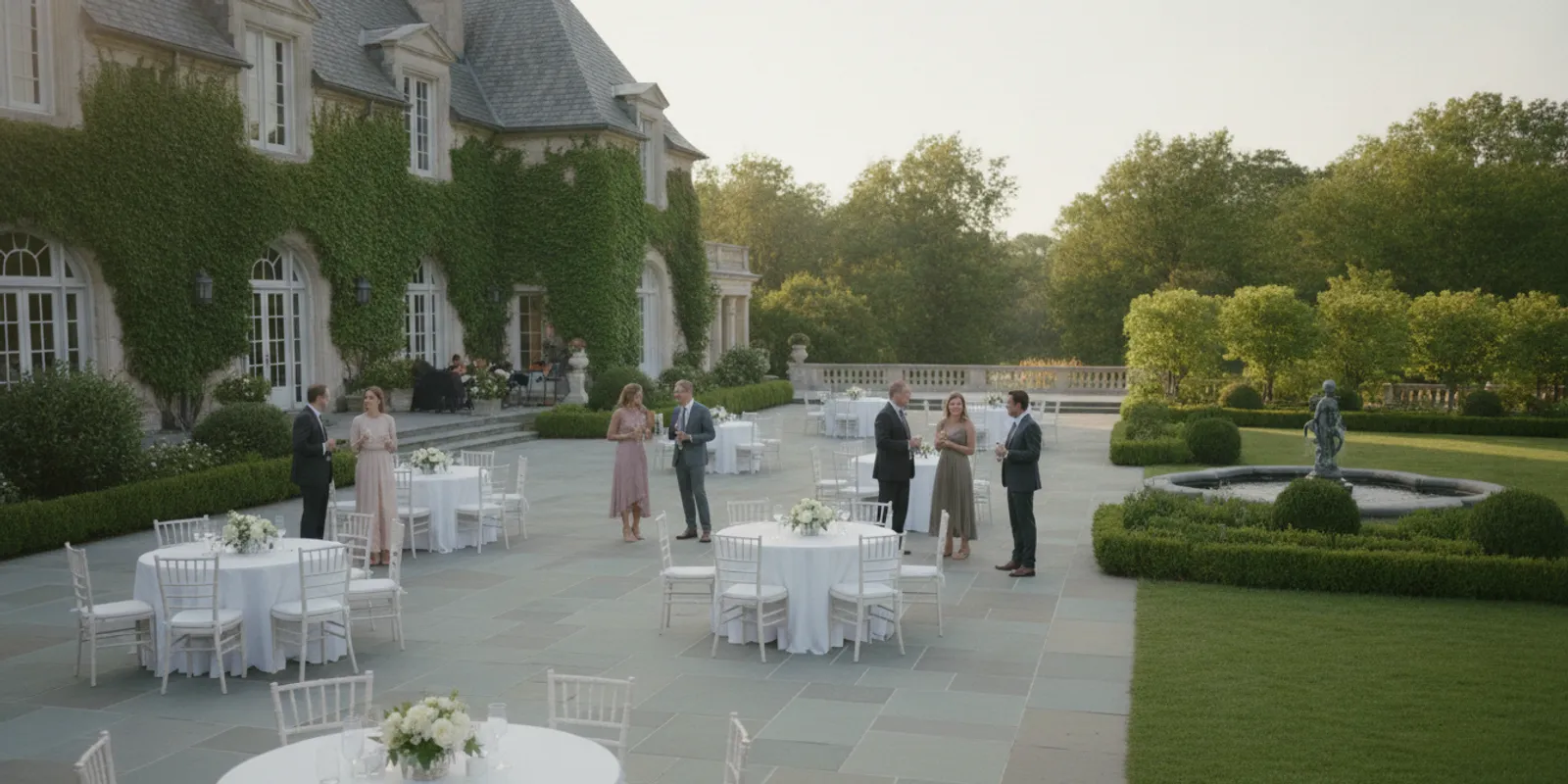
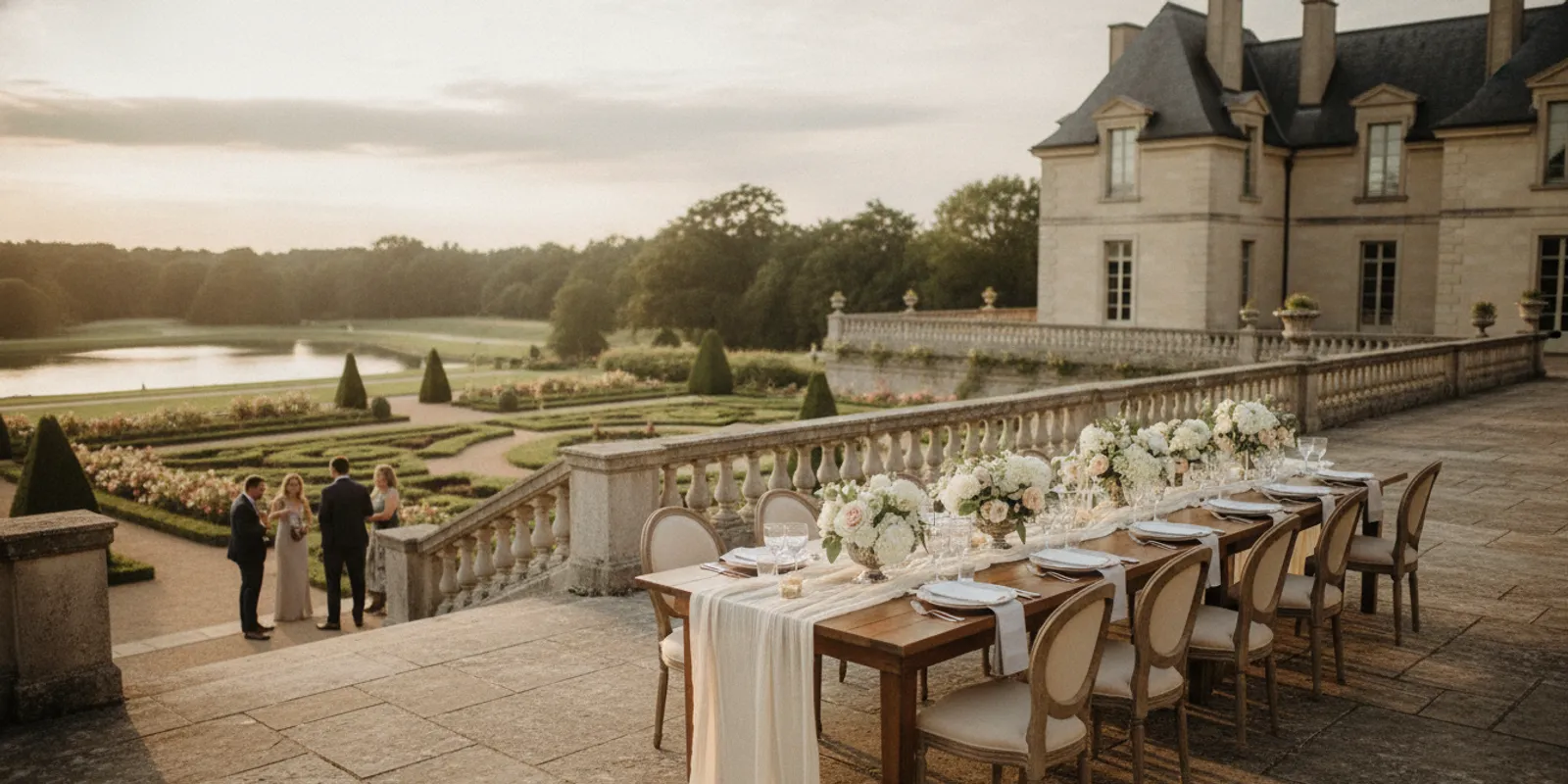
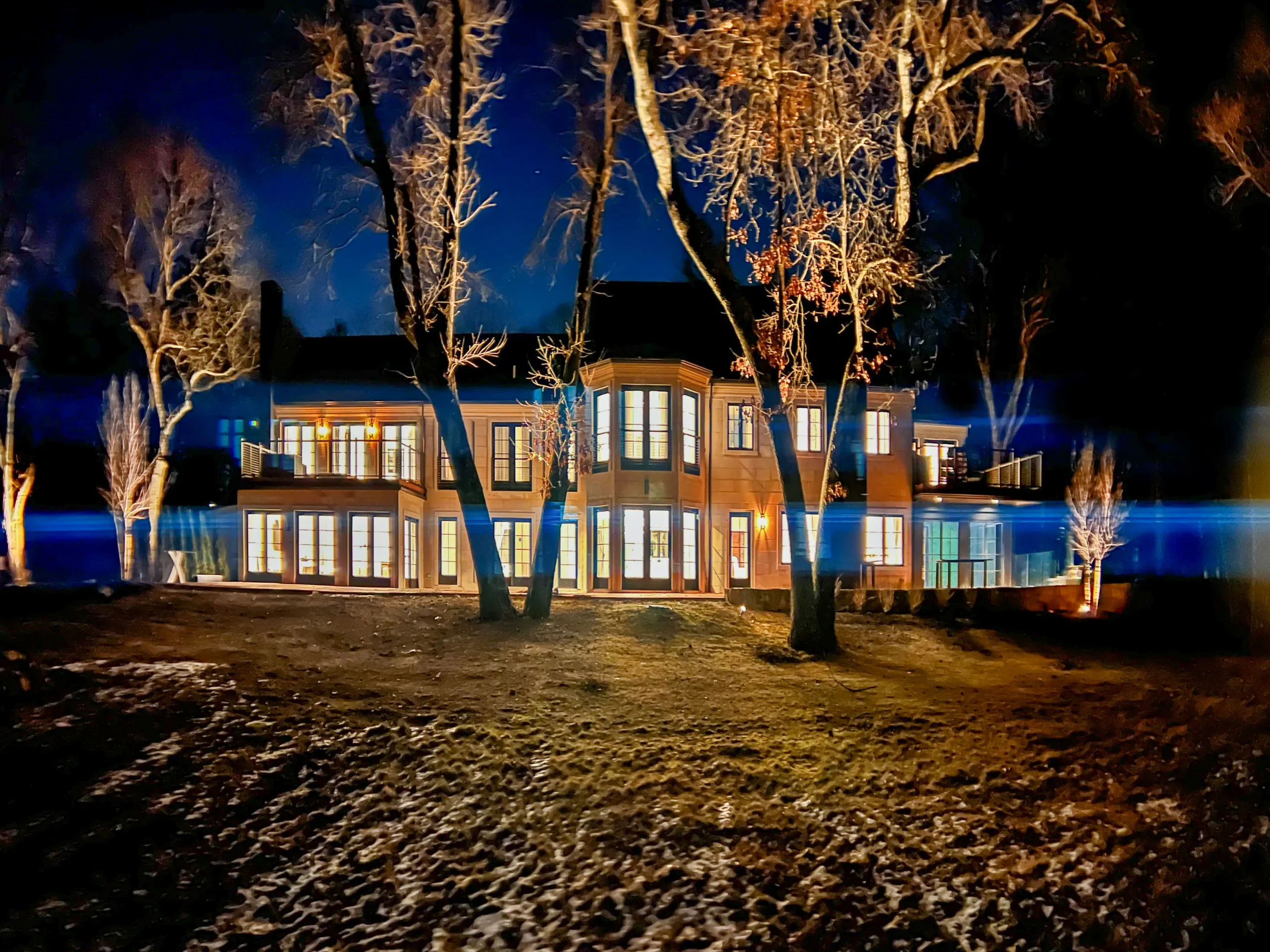
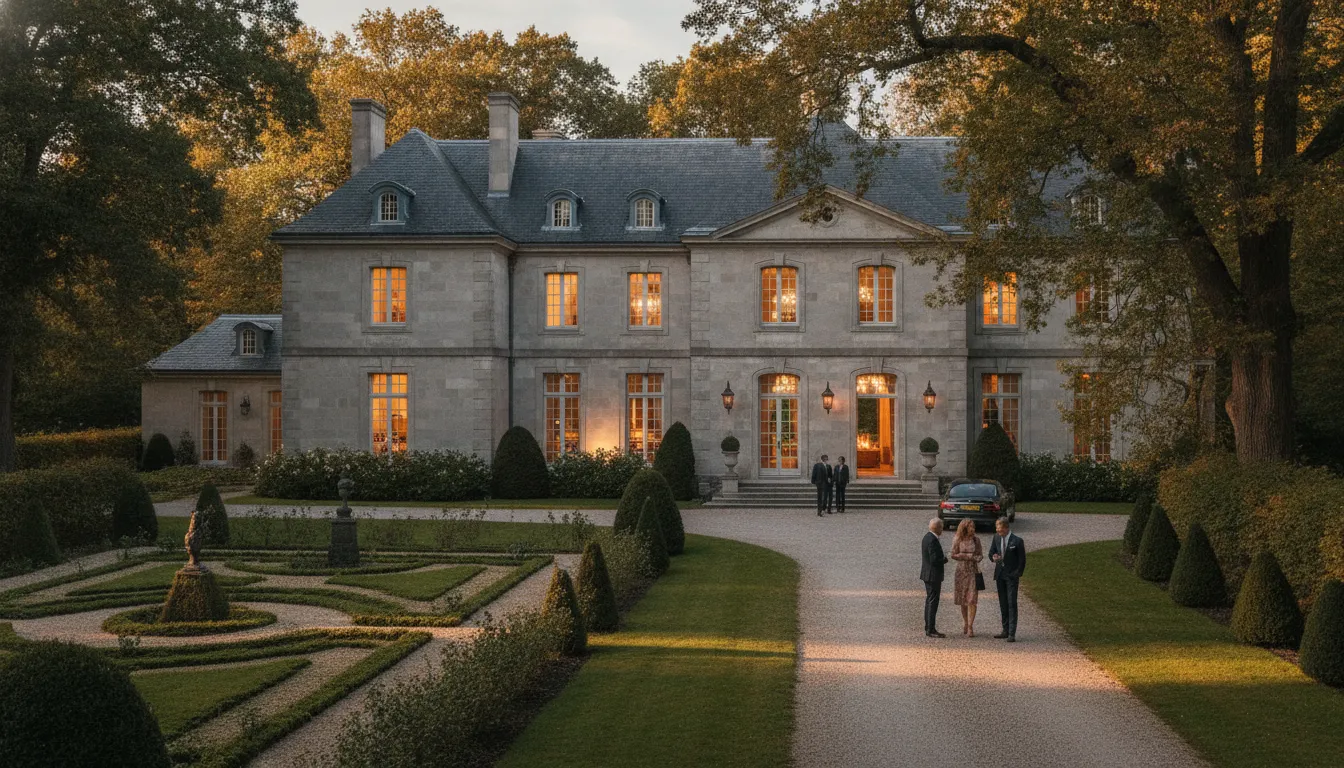
The Charles Chateau is a French Chateau-inspired private estate in Dedham, Massachusetts, about 20 minutes from downtown Boston. Its 8,000-square-foot property sits on 11 private acres and is designed for groups that value space, privacy, and a considered setting for time together.
How Can You Plan a Multi-Day Celebration Weekend Private Estate in New England?
Answer: Plan the weekend as one continuous stay. Use the first day for arrival and welcome, the second for the principal celebration, and the third for a relaxed breakfast, final conversations, and staggered departures. Confirm essential logistics early, then leave enough open time for guests to enjoy the estate at their own pace.
| Planning element | What to decide | Why it matters |
|---|---|---|
| Overnight guest plan. | Rooms, relationships, routines, and quiet needs. | Helps guests rest while keeping shared time comfortable. |
| Principal celebration. | Main gathering, meal, ceremony, or milestone moment. | Gives the weekend a clear center without crowding every day. |
| Day-guest flow. | Arrival window, parking, meals, and departure timing. | Protects privacy and keeps transitions easy to understand. |
| Concierge planning. | Dates, guest mix, number of nights, and preferred pace. | Turns a broad idea into a practical, tailored conversation. |
The table is a planning aid, not a fixed package. Each celebration should reflect its guests, occasion, and preferred pace.
The key is to give each day a distinct character without making the transitions feel abrupt. A three-day structure works well because it provides an arrival period, a central gathering, and a graceful conclusion. Hosts can adapt the details for a birthday, anniversary, family reunion, wedding weekend, or other milestone.
- Set the purpose. Define what the group is gathering to celebrate and identify the moments that deserve the most attention.
- Map the guest experience. Separate travel time, room arrival, meals, principal activities, and open periods before adding optional details.
- Place the main occasion in the center. Give guests time to arrive and become comfortable before asking them to participate in the most important event.
- Plan transitions. Decide how guests will move between rooms, the terrace, outdoor amenities, dining areas, and private suites.
- Protect the final morning. Prepare departure information in advance so the last hours feel welcoming rather than administrative.
Day one: welcome, orient, and settle in
The first day should absorb travel rather than compete with it. Share arrival guidance before the weekend, including where guests should go, when rooms will be ready, and what the opening gathering will involve. A relaxed welcome drink, light supper, or informal conversation can establish the tone without requiring everyone to participate at the same level.
Use the arrival period to explain the flow between shared and private spaces. Confirm suite assignments and make sure guests know how to ask questions. If some people arrive later, design the opening around a flexible window instead of a single moment that penalizes anyone delayed by travel.
Day two: place the principal celebration at the center
The middle day is usually the best place for the occasion that brought everyone together. Guests are rested, familiar with the estate, and able to give the main gathering their full attention. Build the day in movements rather than a continuous block. A morning pause, a change of setting, or a quiet interval before dinner can make the principal event feel more spacious.
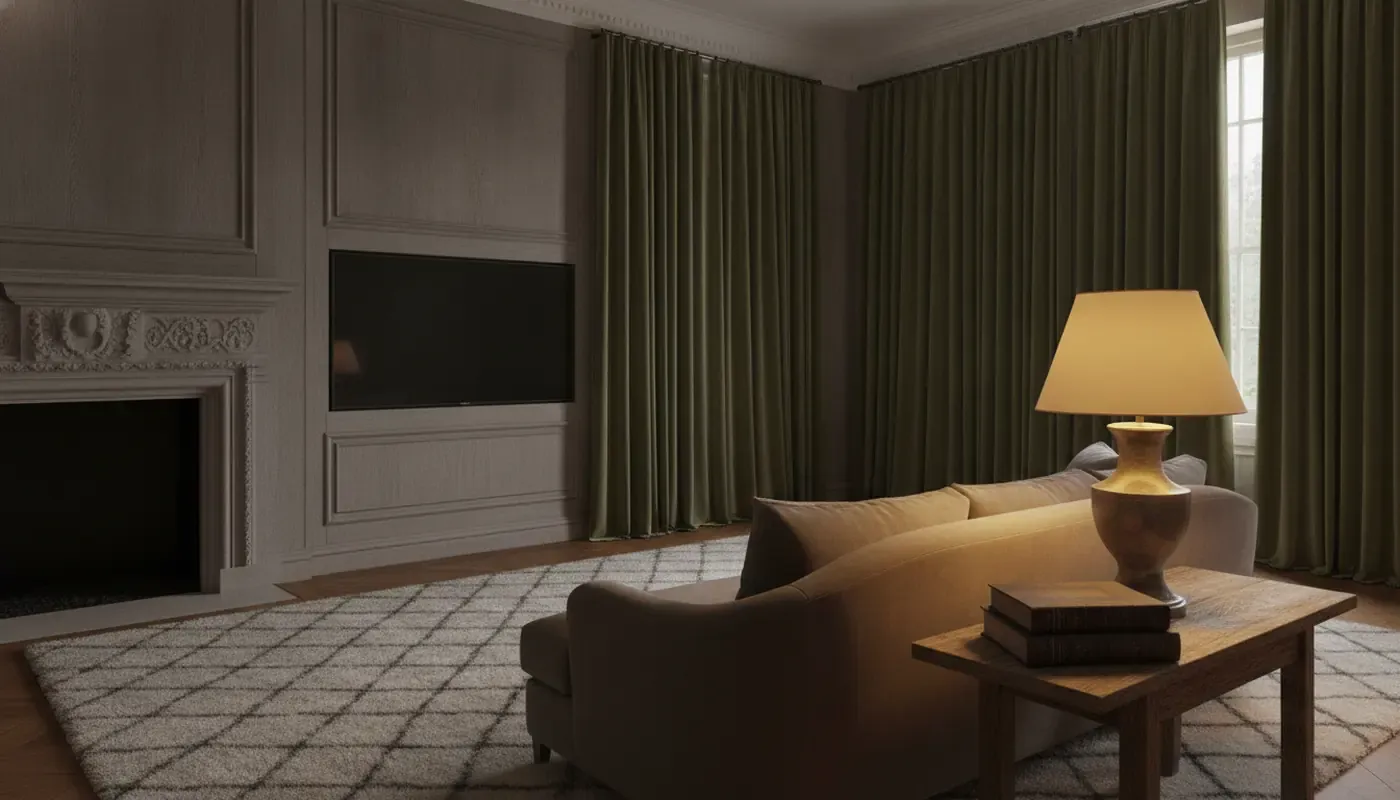
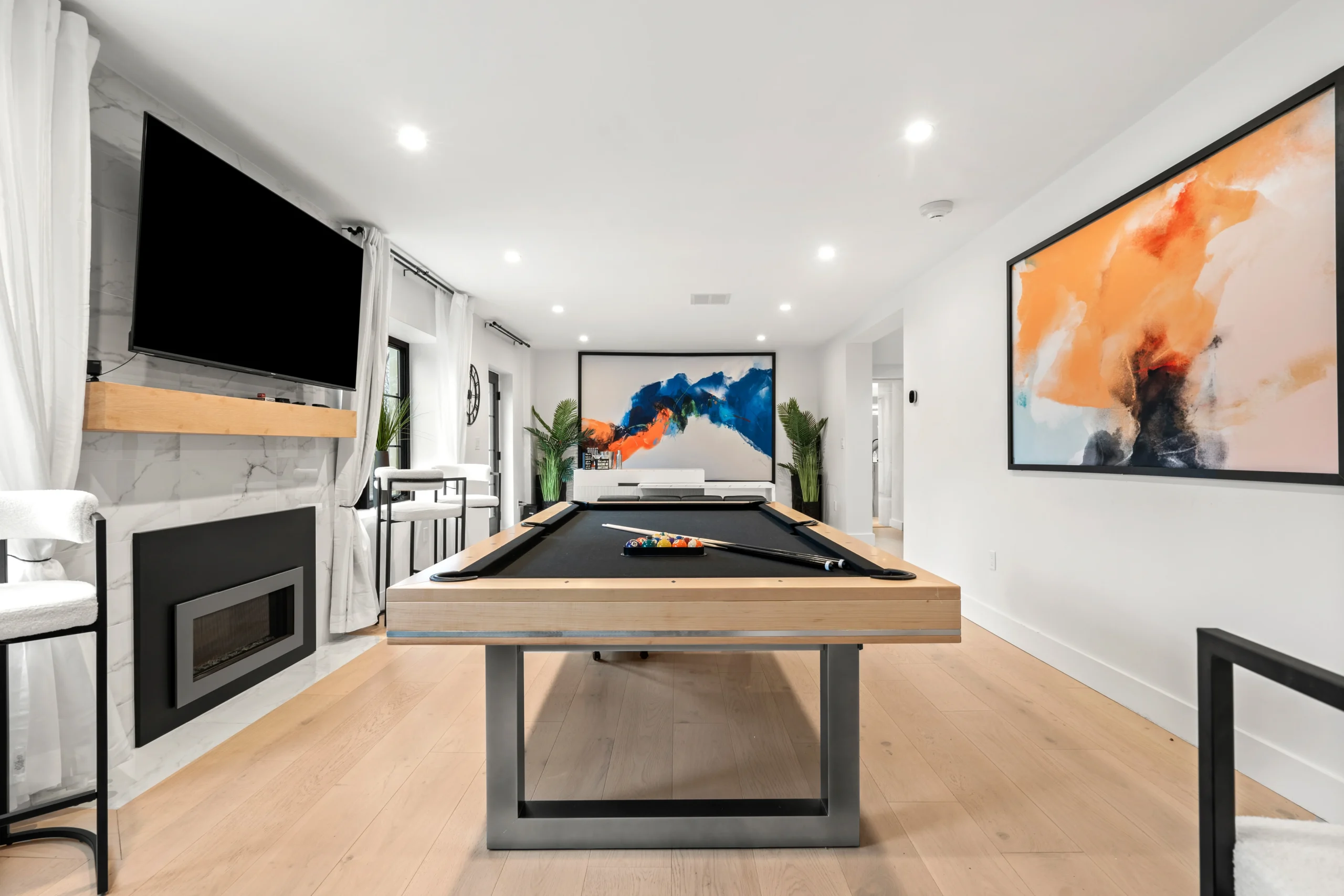
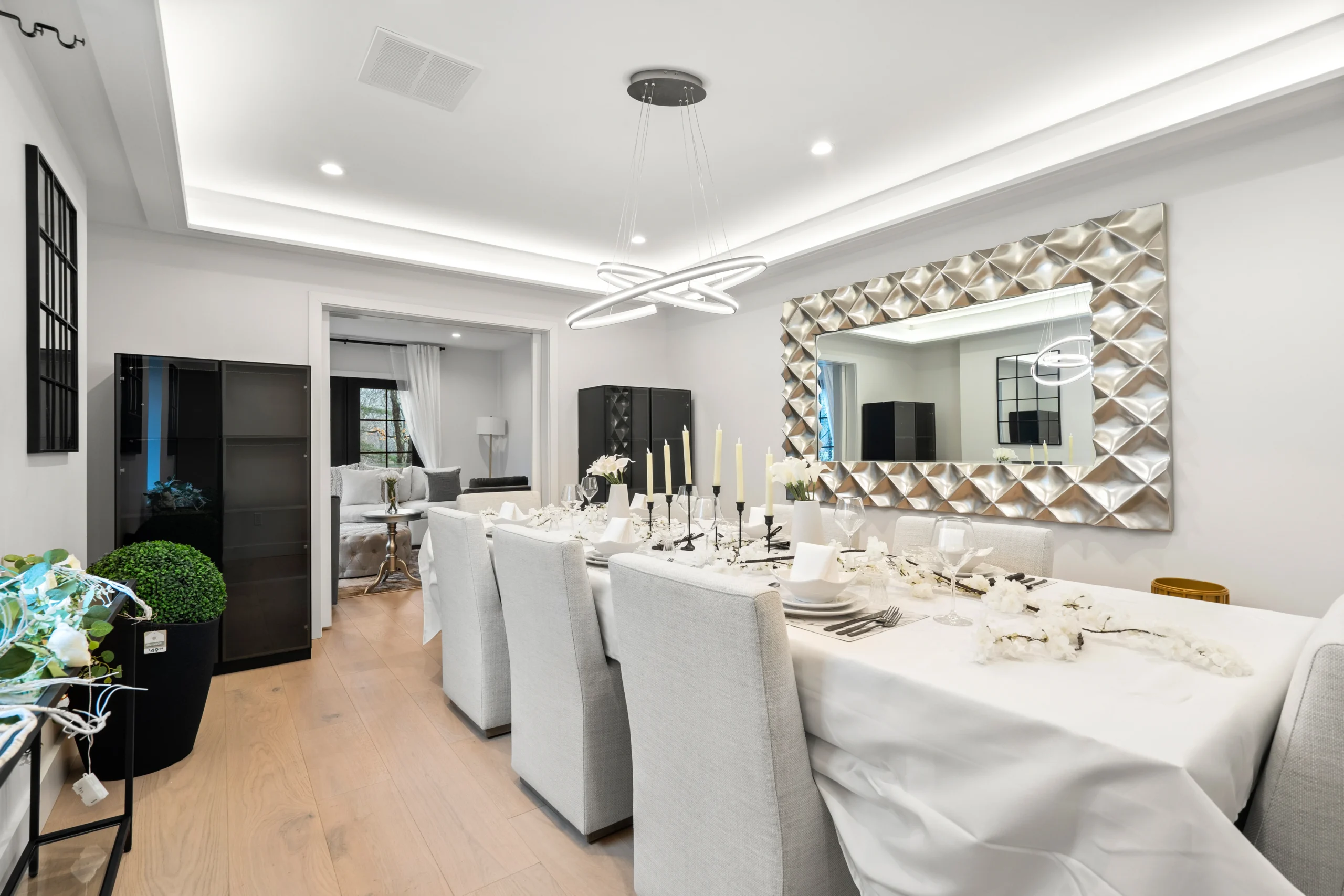
Think carefully about transitions. A seated meal may require a different room arrangement from a cocktail-style gathering or an intimate conversation. Indoor and outdoor spaces can create a natural change of mood without requiring guests to leave the property. At The Charles Chateau, the interior includes a spa, billiards room, media area, and private gym. The exterior includes a 4,000-square-foot outdoor terrace, outdoor kitchen, fire pit, and hot tub. The planning opportunity is not to use every amenity, but to select the spaces that suit the group.
Day three: linger, reflect, and depart without haste
The final day does not need another major program. A late breakfast, unhurried coffee, walk, or simple closing meal can give the weekend a gracious finish. Staggered departures are often useful when guests have different travel plans, especially when several households are returning to different cities.
A gentle final day helps hosts avoid ending the experience with a checklist. Prepare essential departure details in advance, but keep the visible rhythm welcoming. Guests should leave with the sense that the weekend reached a natural conclusion, not that they were moved out as soon as the main event ended.
What Should You Look For in a Private Estate for a Multi-Day Celebration?
The right estate must support more than a beautiful photograph or one impressive room. Evaluate the setting as a temporary home for the group. Ask whether the property can accommodate the intended overnight guests, provide distinct gathering areas, and make it easy to shift between celebration and rest.
Review the practical scale
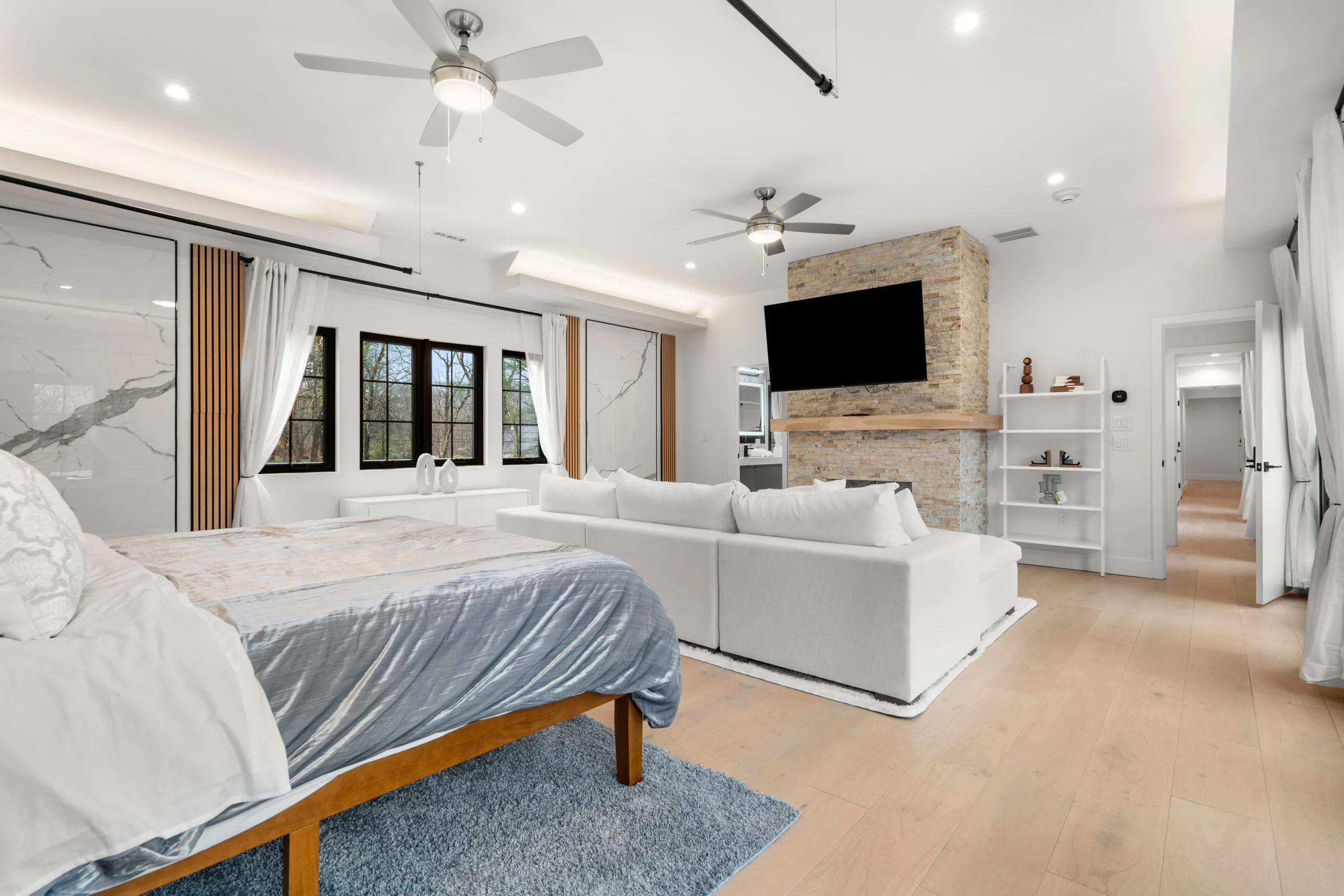
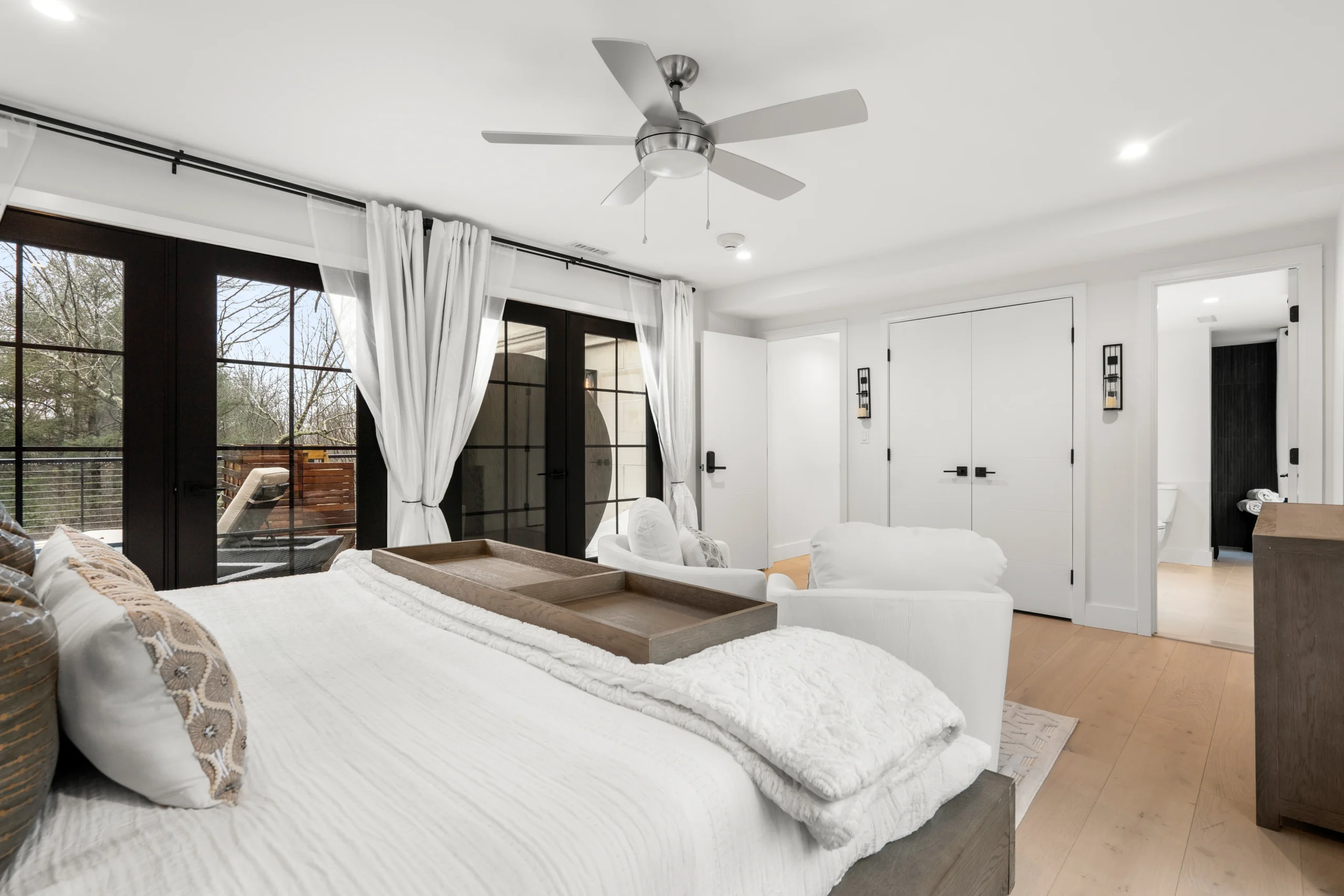
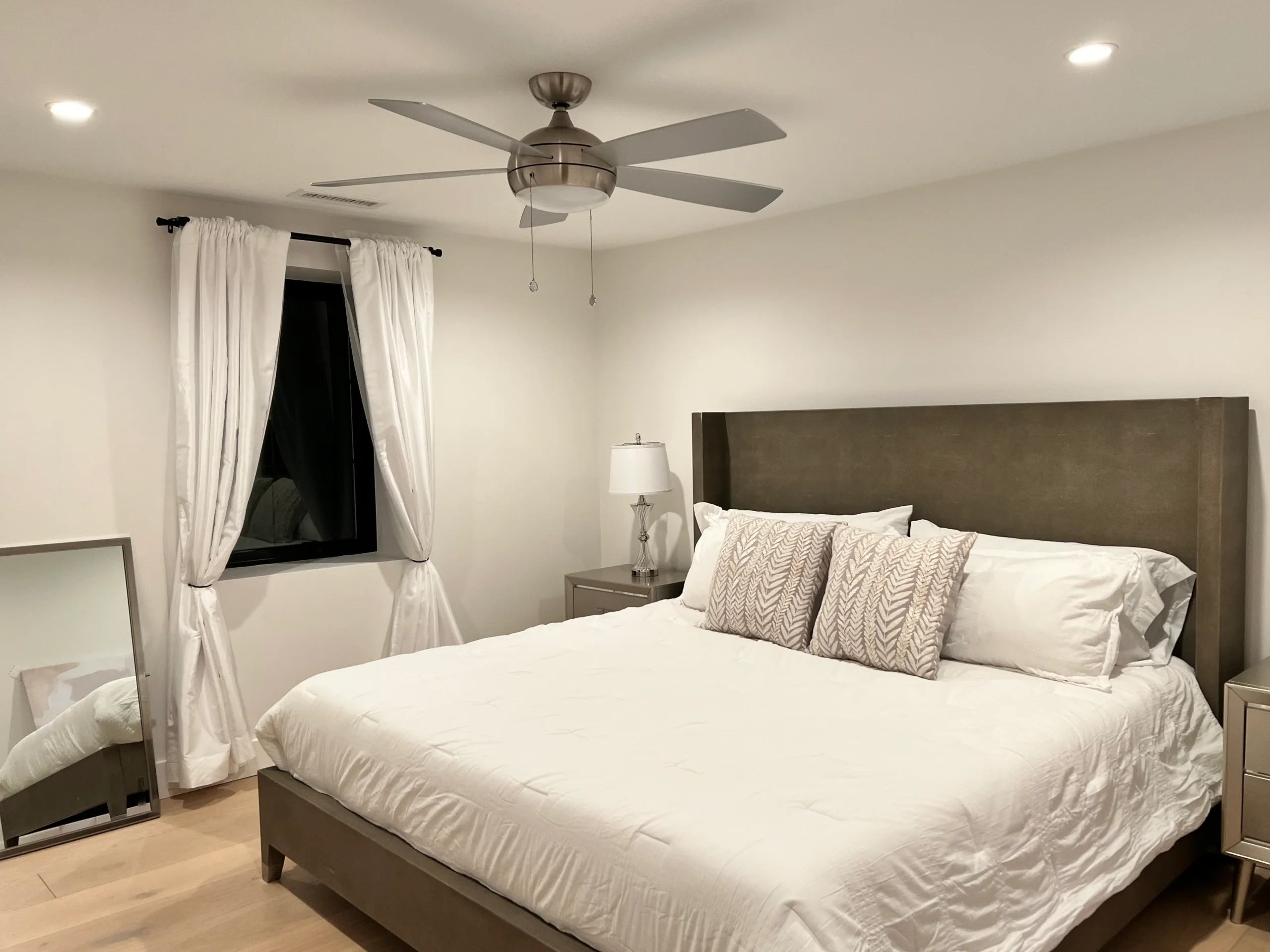
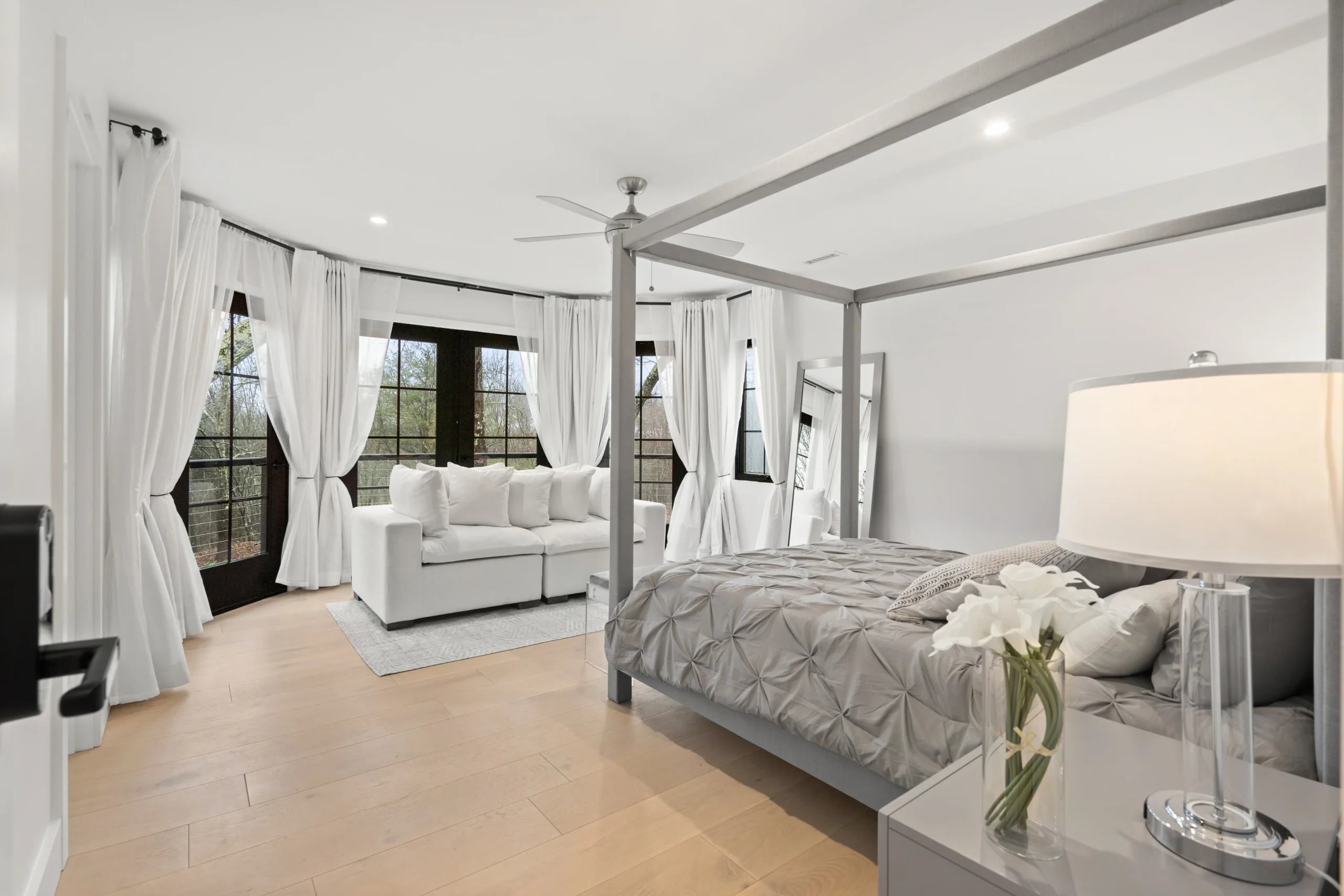
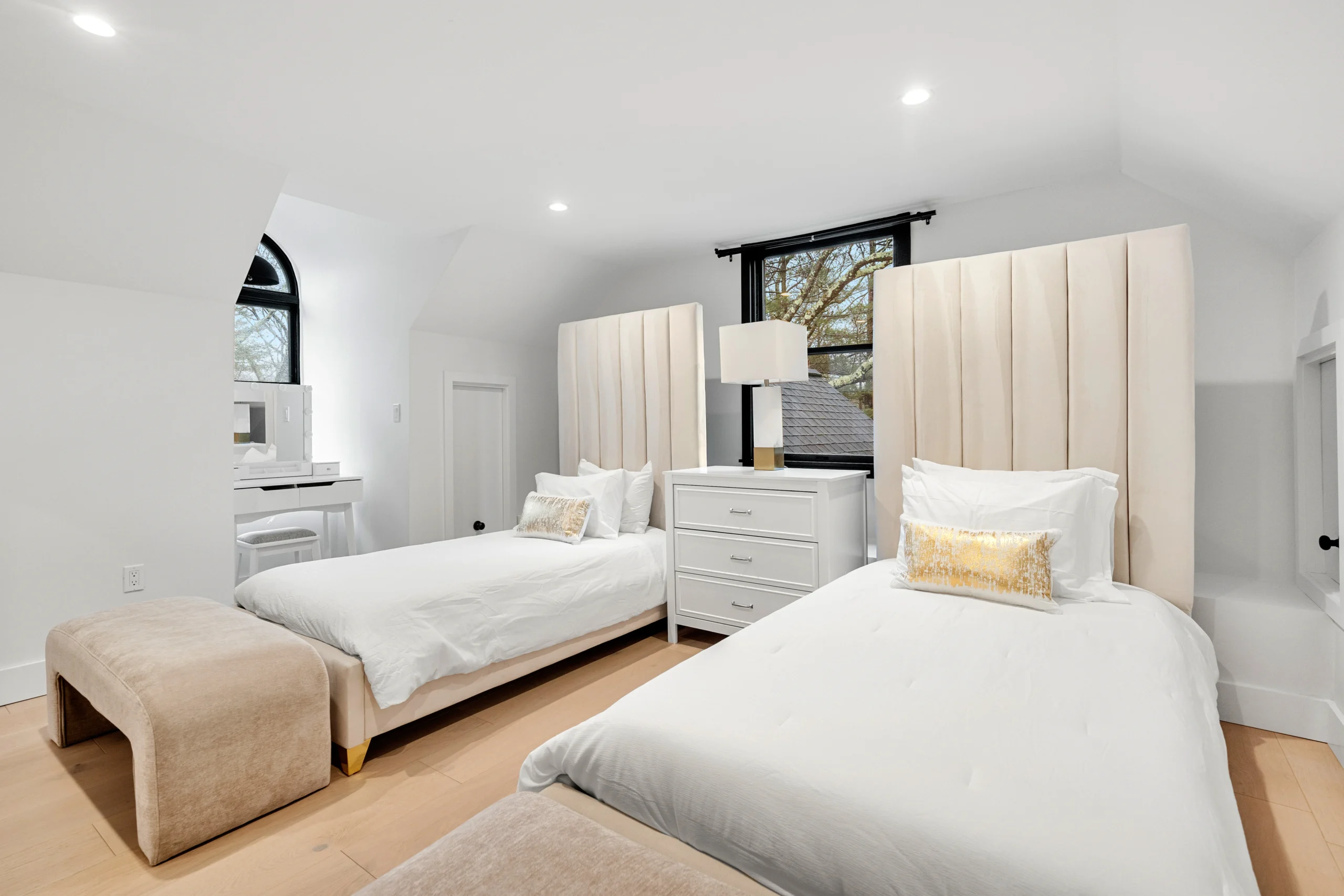
Guest capacity should be considered in two ways: how many people can sleep comfortably and how many can gather without crowding. The Charles Chateau has eight bedrooms within an 8,000-square-foot estate, with overnight capacity for 16 or more guests. The 11-acre grounds create additional room for outdoor pauses, photographs, and informal conversation. Parking for 10 or more vehicles can also simplify arrival planning for a group traveling separately.
Do not evaluate bedrooms in isolation. Consider the relationship between suites, bathrooms, shared rooms, dining areas, and outdoor spaces. A property can have enough beds but still feel uncomfortable if guests have no quiet places to retreat or if every activity depends on one central room.
Confirm privacy and access expectations
Ask how the rental model affects the guest experience. The Charles Chateau is rented as an exclusive private estate rather than as separate rooms or concurrent bookings. It operates through a members-only model, and reservations are extended to active members and their invited guests. That structure may suit hosts who want one group to control the setting throughout the weekend.
It is also important to confirm the planning process early. A private estate may have access requirements, arrival protocols, guest expectations, and event guidelines that differ from a hotel. Clear information allows hosts to make good decisions before invitations are sent.
For a closer look at overnight room planning, review the estate suites and note which guests may value privacy, convenience, or proximity to shared areas.
How Do You Plan Overnight Accommodations Across Multiple Nights?
Room assignments influence the entire weekend. They affect who wakes early, who stays up late, who needs quiet, and how easily guests join shared activities. Treat the room plan as part of the experience design rather than as a final administrative task.
Assign rooms according to relationships and routines
Start with the guest list and identify natural groupings. Couples, close family members, older relatives, and guests with early travel plans may each have different needs. Place guests who enjoy late conversation near suitable shared areas, while guests who value early rest may prefer a quieter part of the estate.
Share room assignments before arrival when possible. This gives guests time to ask practical questions and helps the host avoid making changes in front of the group. It also makes arrival calmer because people know where to go after traveling.
Use shared areas to support different energy levels
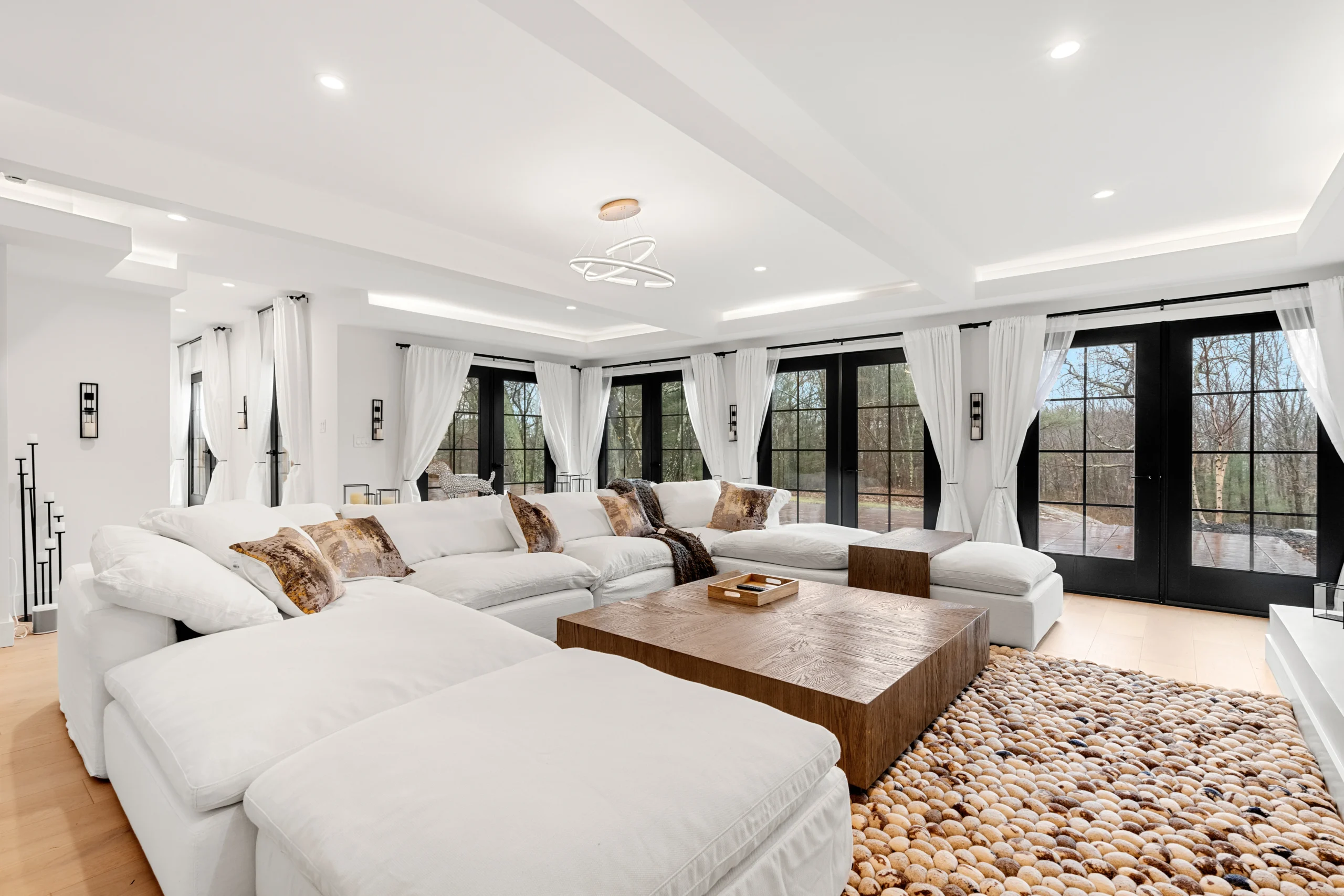
A successful overnight estate stay does not require every guest to follow the same rhythm. One group may want to continue a conversation in the media area while another reads, rests, or uses the spa. The home should allow those choices without making anyone feel excluded.
Make the shared spaces part of the plan, but do not assign every room a formal purpose. A terrace can hold a meal, a quiet conversation, or a morning coffee depending on the time of day. Flexibility is one of the advantages of an exclusive estate setting.
Protect time for rest
Build quiet periods into the visible schedule. Guests should understand when the next shared moment begins, but they should not feel obligated to remain present between every activity. This is especially important for multi-generational groups, where energy levels and mobility can vary.
A room plan should support the broader goal of the weekend: helping people spend meaningful time together without requiring constant togetherness. That balance is easier to maintain when the estate provides both comfortable suites and multiple places to gather.
What Does Concierge Planning Add to a Celebration Weekend?
Concierge planning turns a broad idea into a sequence of practical decisions. It should not make the occasion feel scripted. Its value is in helping hosts think through the details guests should experience as effortless.
Translate the occasion into a practical rhythm
Begin with the reason for the gathering. A milestone birthday may need one memorable dinner and plenty of conversation. A family reunion may need a flexible structure that allows different generations to participate in different ways. A wedding weekend may require more careful coordination between ceremony-related moments, meals, and guest arrival times.
The concierge conversation should clarify the preferred pace, guest mix, number of nights, approximate day-guest count, and any non-negotiable moments. These details help distinguish what the weekend needs from what it merely could include.
Coordinate details guests should never have to notice
Arrival instructions, suite assignments, meal timing, transitions, and departure information can all affect the mood of the weekend. When those elements are considered in advance, the host is less likely to spend the principal celebration answering logistical questions.
At The Charles Chateau, concierge-level service is part of the booking and planning experience. The team can discuss availability, tailored recommendations, and the next steps for an inquiry. The goal is not to promise an identical itinerary for every group. It is to help each host understand whether the estate fits the occasion and how the stay could be shaped.
Keep the planning conversation specific
Bring concrete information to the inquiry. Include preferred dates, estimated overnight guests, expected day guests, the number of nights, the occasion, and the balance between structured events and open time. Specific information supports a more useful conversation than a broad request for a generic package.
Share your celebration plans with the concierge team
How Do You Manage Day Guests and Overnight Guests?
Day guests can enrich a celebration, but their arrival and departure should be planned alongside the overnight experience. The host should know who is present at each point in the weekend and how the group will move through the estate.
Communicate roles and timing early
Create a simple guest map that distinguishes overnight guests, day guests, vendors, and core hosts. Note arrival windows, meal participation, parking needs, and any moments where the full group should be together. This information helps the planning team protect the schedule without making guests feel categorized.
Share the practical details with day guests before arrival. They should know where to go, what to expect, and when the principal gathering begins. Overnight guests should also understand when additional people will join the celebration so the change feels anticipated rather than disruptive.
Preserve the privacy of the overnight group
The Charles Chateau is rented as an exclusive private estate. The group can move through the property as one hosted experience rather than sharing common areas with unrelated visitors. This makes it easier to distinguish lively parts of the weekend from places where overnight guests can recover their own rhythm.
The goal is not to create rigid boundaries. It is to make expectations comfortable for everyone. Overnight guests should know when the home will be livelier, while day guests should understand how the private stay shapes the experience. Clear communication allows the group to enjoy the setting without unnecessary interruptions.
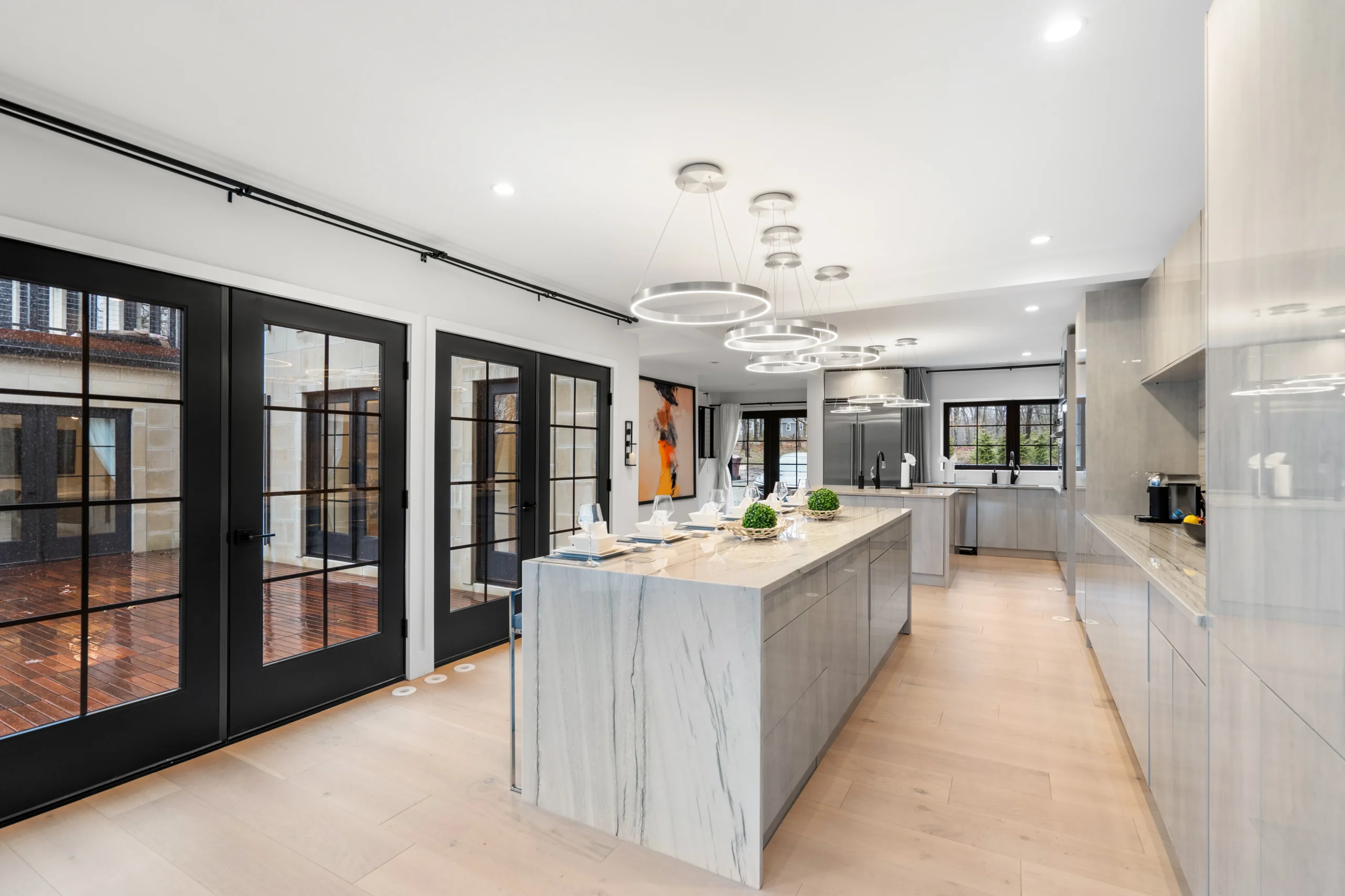
Hosts planning the layout can review the estate’s interior spaces and outdoor amenities before deciding where different parts of the day should take place. A thoughtful division of spaces can make a larger guest list feel calm without separating people unnecessarily.
The private estate events pillar, private estate celebrations in Massachusetts, is also a useful next step for hosts comparing milestone gatherings, family weekends, and other event formats.
Frequently Asked Questions
What is the best length for a multi-day celebration weekend?
Three days often provide a comfortable structure: arrival and welcome, the principal celebration, and a slower final morning. The best length depends on travel time, guest relationships, the occasion, and how much open time the group wants between shared moments.
How should the main celebration fit into the weekend schedule?
Place the principal celebration after guests have had time to arrive and become comfortable, usually on the middle day. This gives the group a natural welcome period before the most important gathering and avoids ending the weekend immediately after the main event.
What makes a private estate suitable for an overnight celebration?
Look for enough bedrooms, comfortable shared spaces, outdoor areas, privacy, practical arrival access, and planning support. The estate should let guests gather together while also giving individuals room to rest. Confirm the rental model, guest expectations, and access process before committing.
Can day guests join a celebration hosted at a private estate?
Day guests may be appropriate when the estate’s policies and the host’s plan support them. Define arrival windows, parking, meal participation, and departure timing in advance. A clear guest map protects the overnight experience while allowing friends and family to participate in the principal celebration.
How do I begin planning a private estate celebration near Boston?
Begin with preferred dates, the occasion, the approximate overnight and day-guest counts, the number of nights, and the balance between structured moments and open time. Share those details through The Charles Chateau inquiry page. The concierge team can then discuss whether the estate is an appropriate setting and what the next planning conversation should cover.
Begin Planning Your Celebration Weekend
A multi-day celebration feels most considered when the setting supports the full experience, from the first arrival through the final morning. A private estate gives hosts room to shape the pace around their guests, while thoughtful planning keeps the weekend welcoming, private, and easy to enjoy.
Share your preferred dates, guest mix, number of nights, and the character of the occasion with The Charles Chateau. The concierge team can help you explore whether the estate is the right fit for a celebration weekend near Boston.