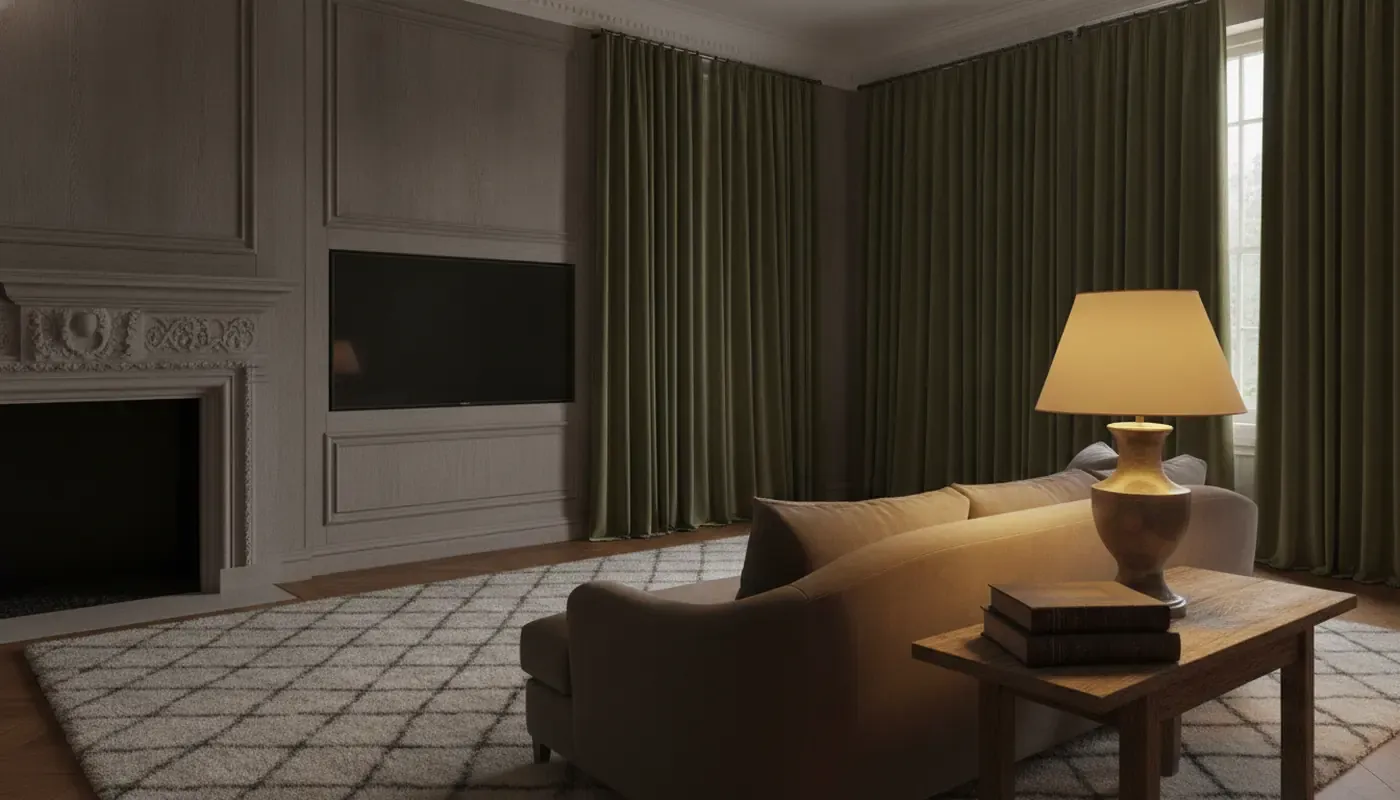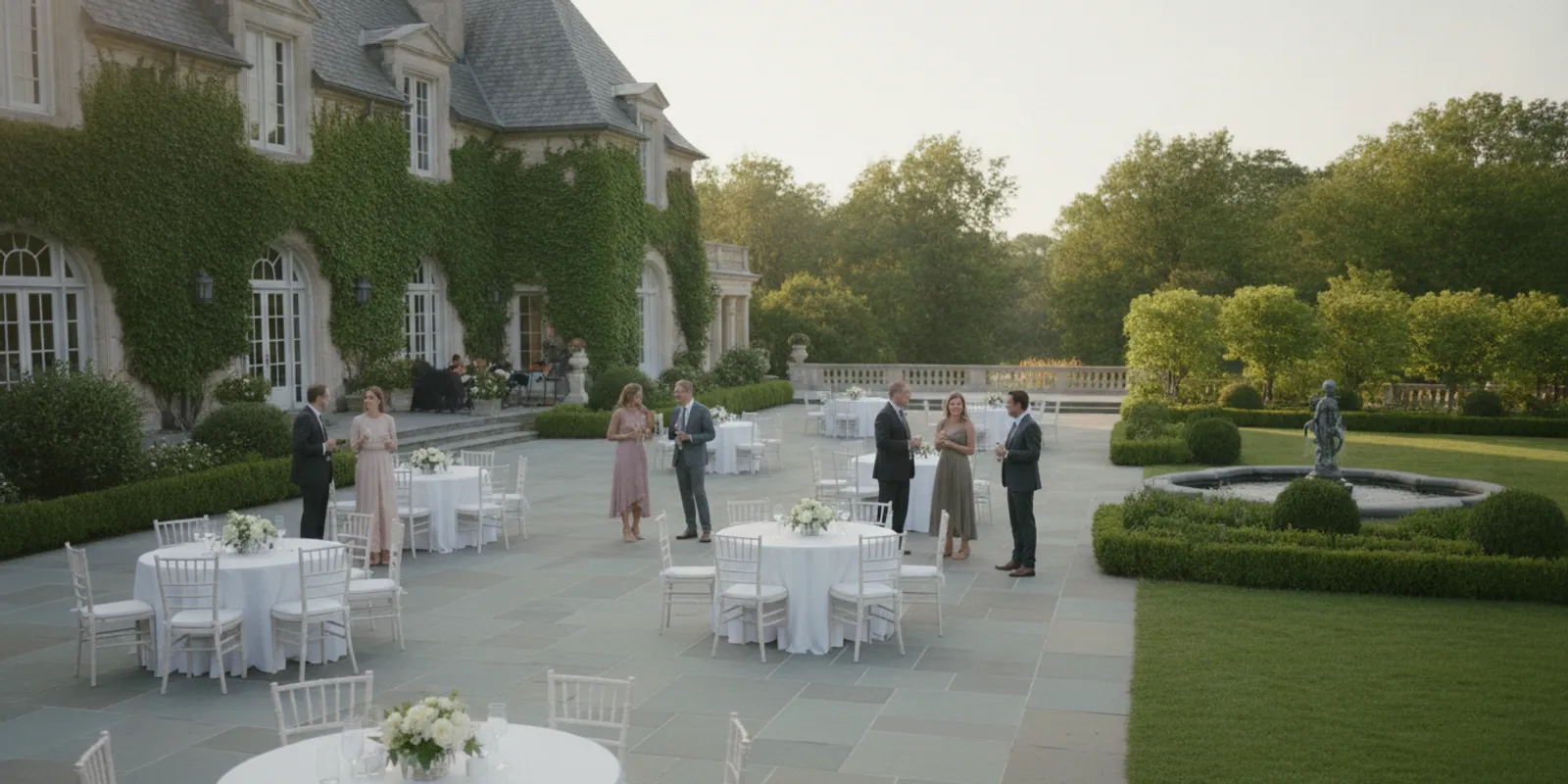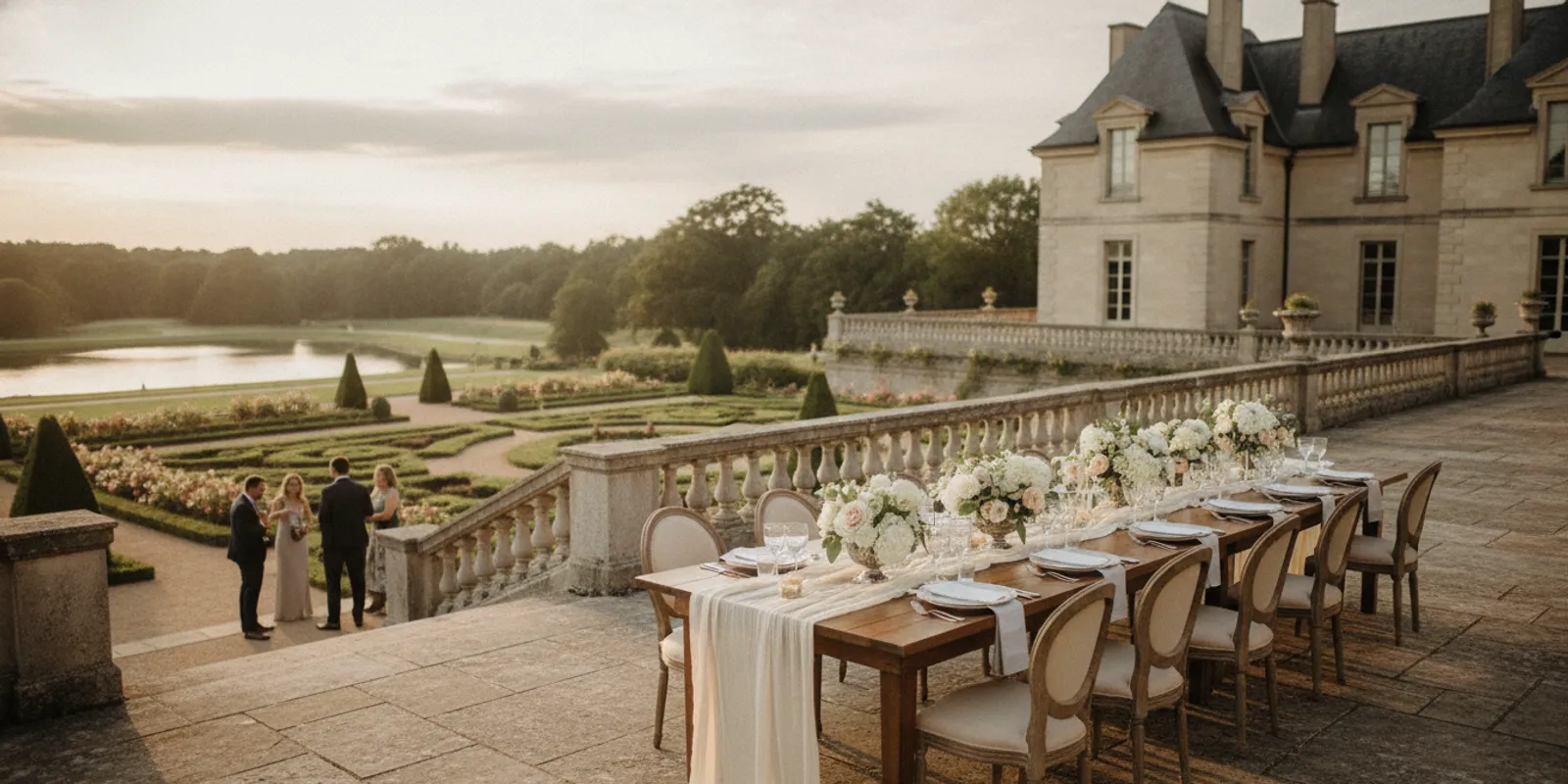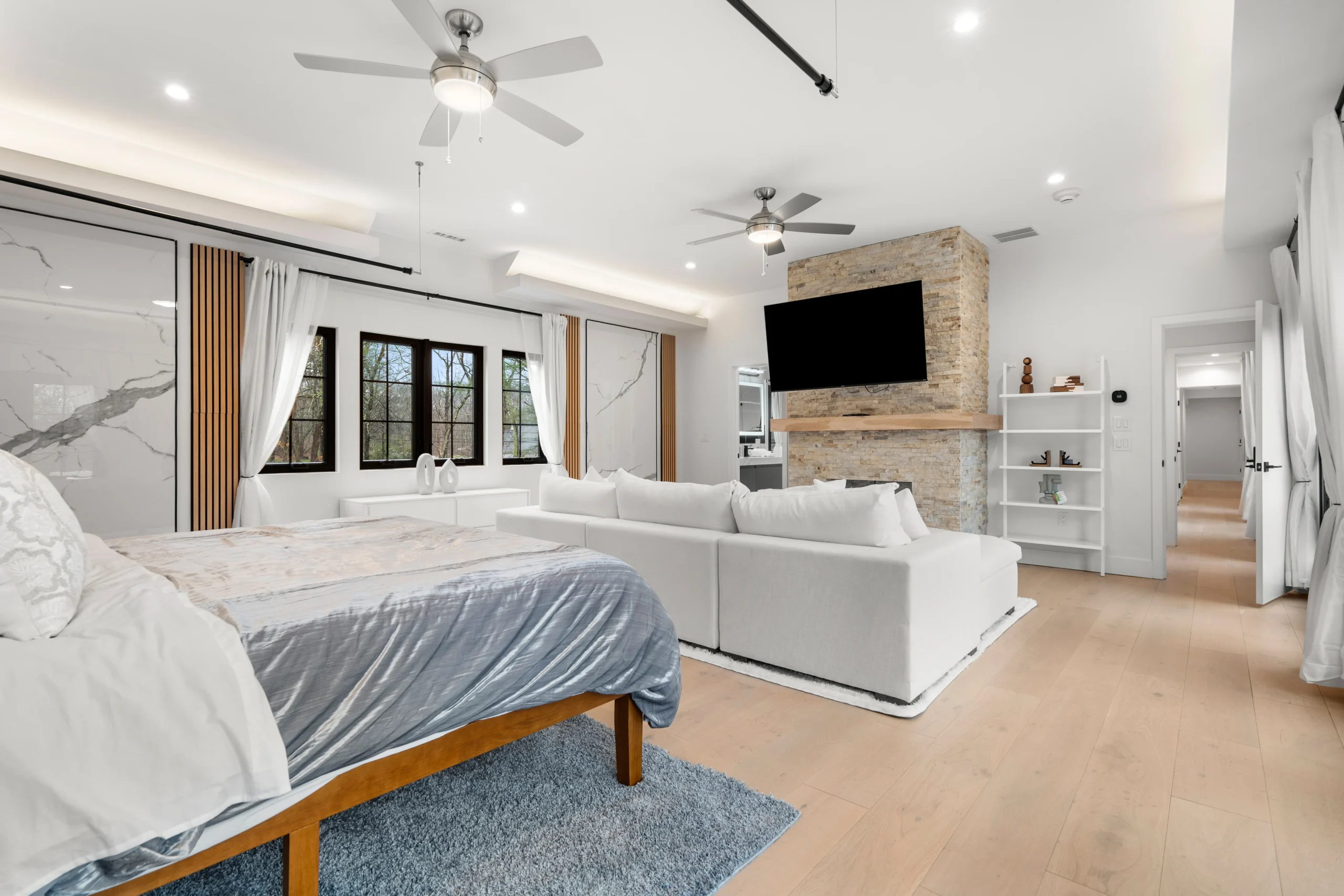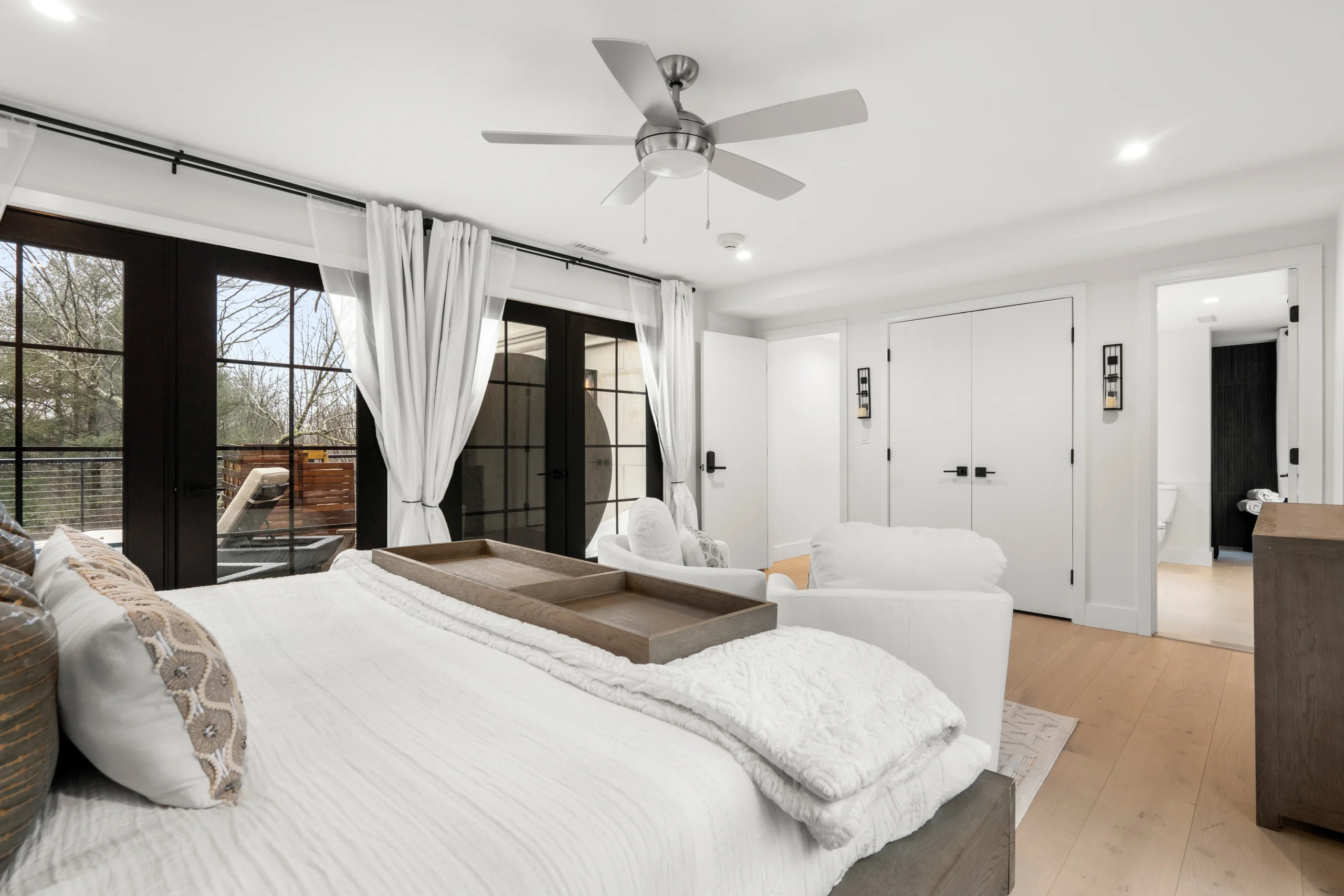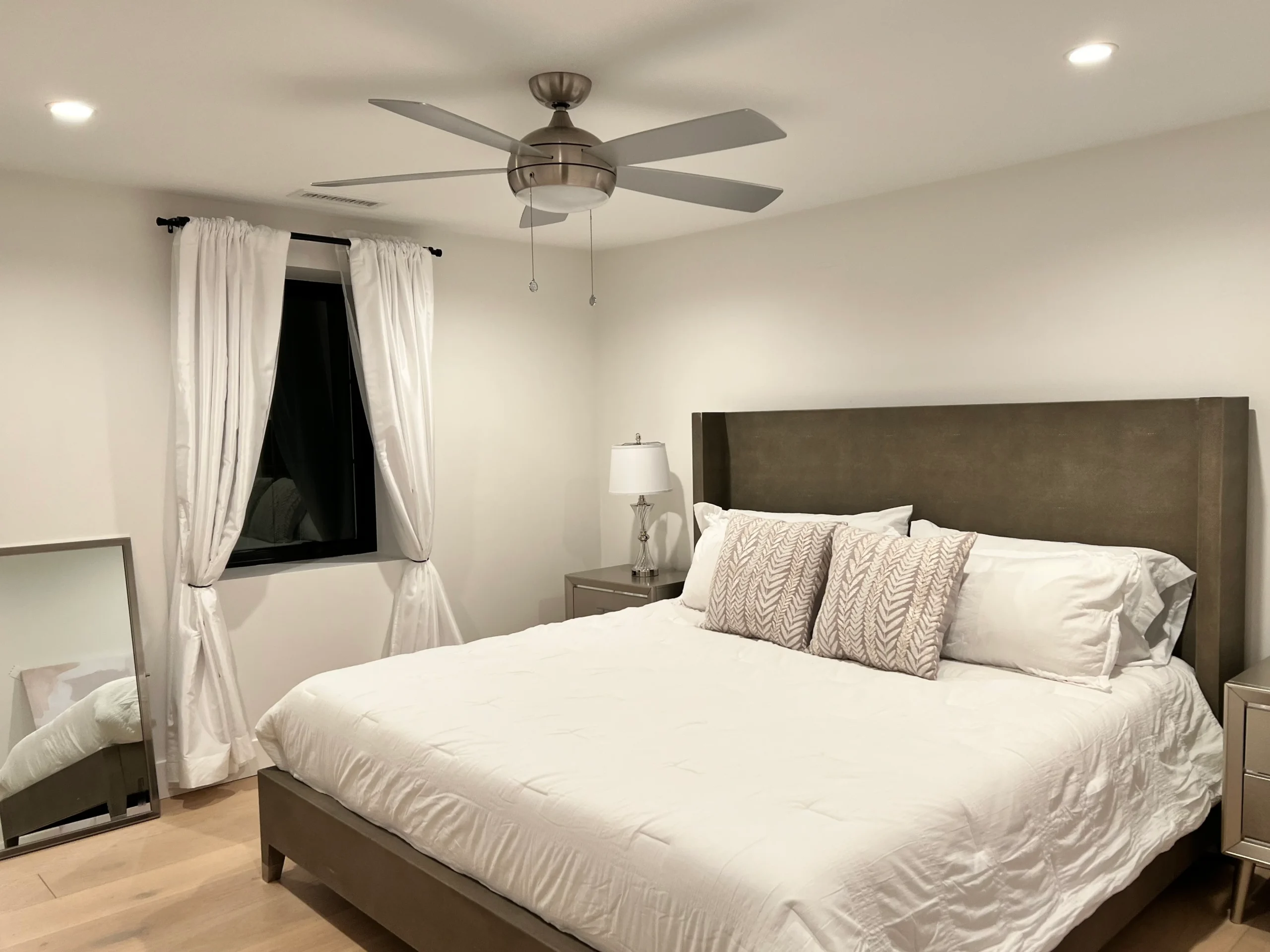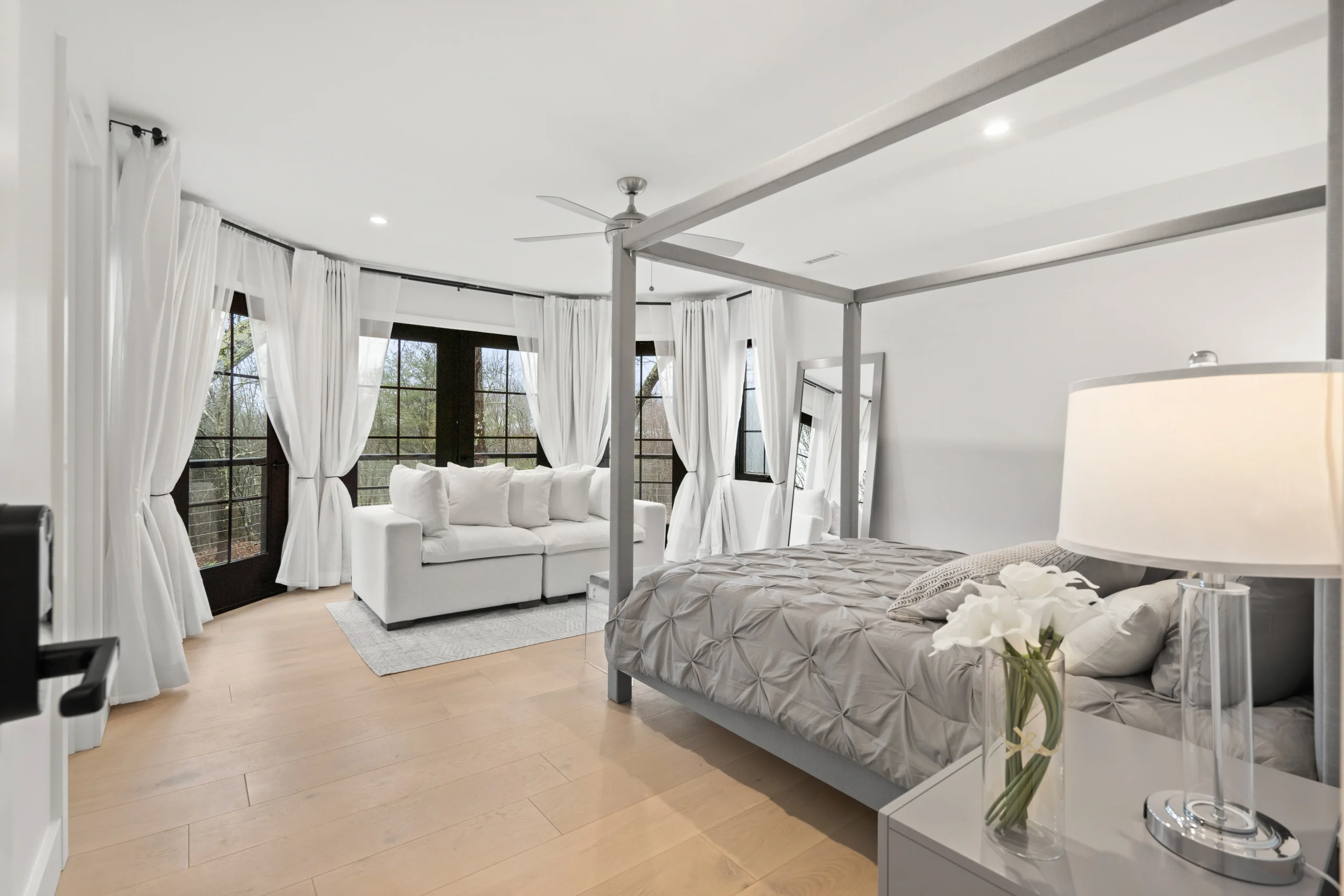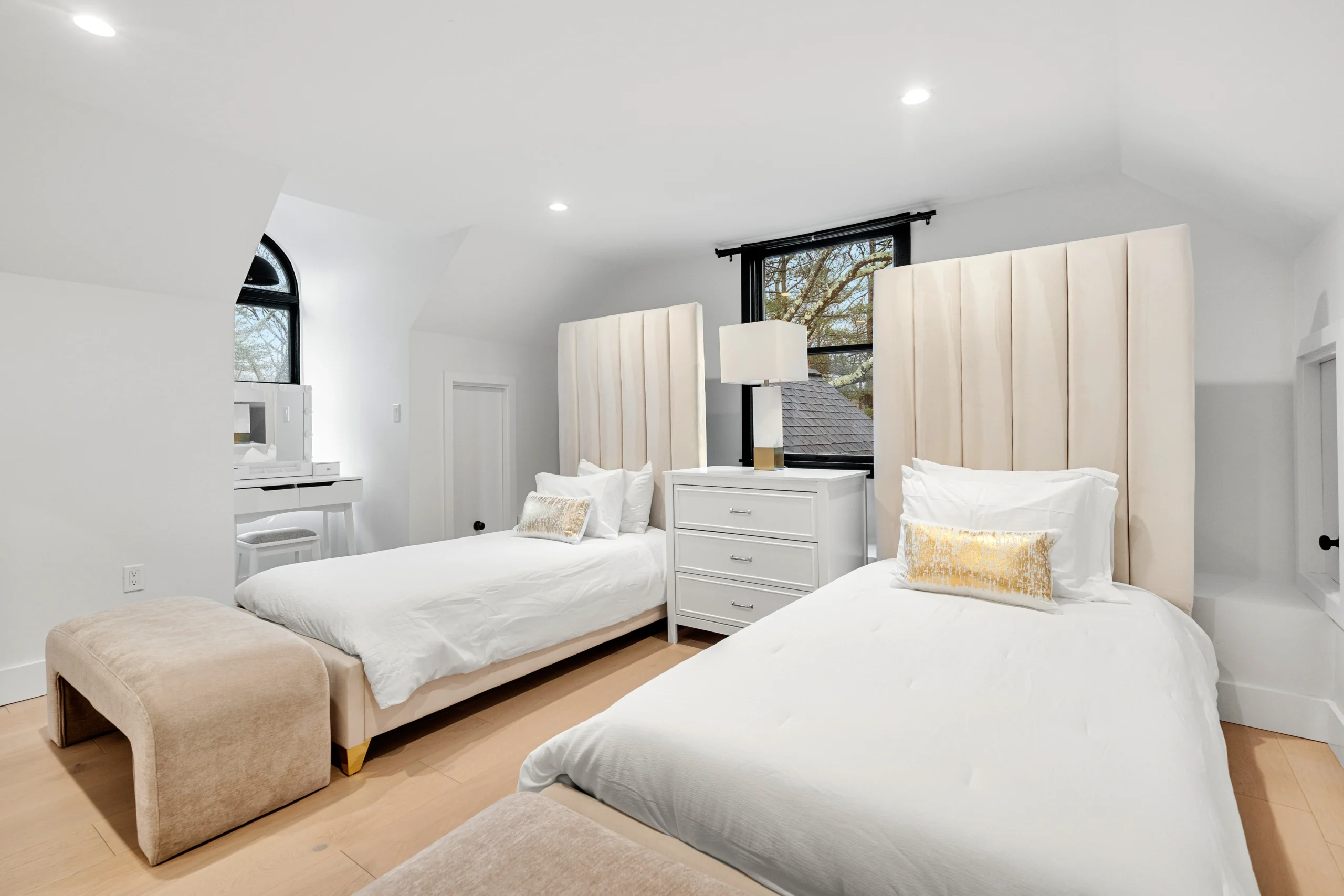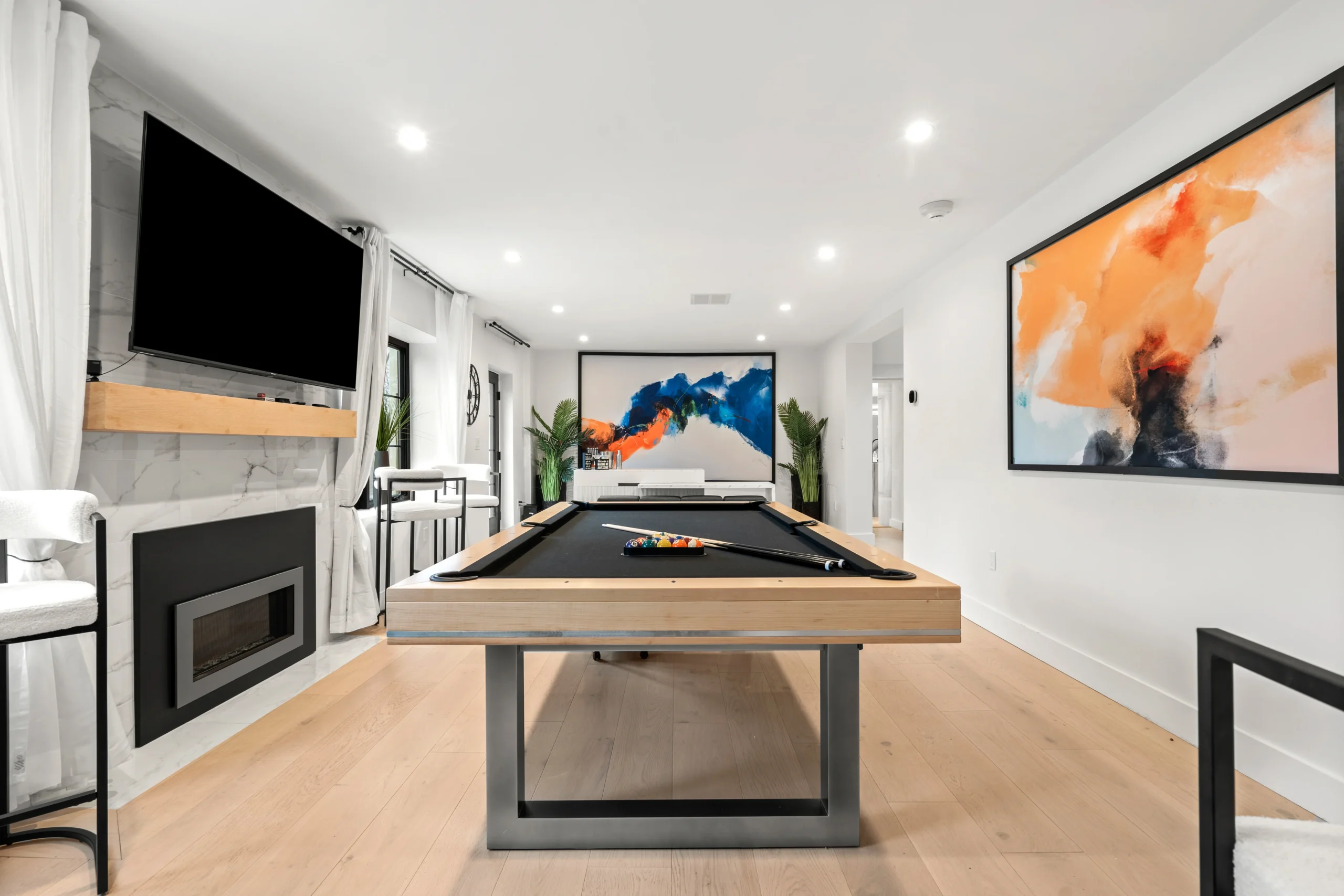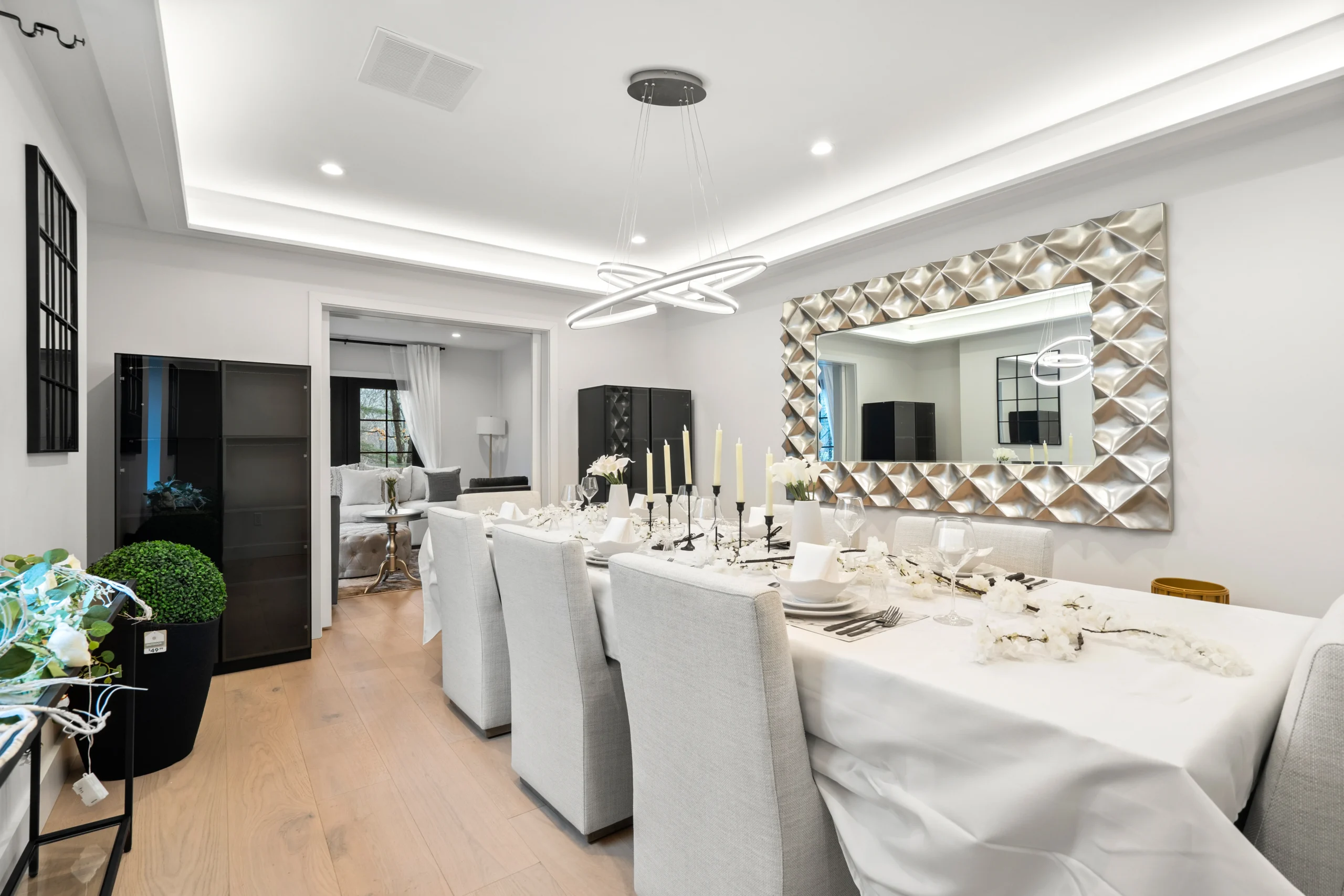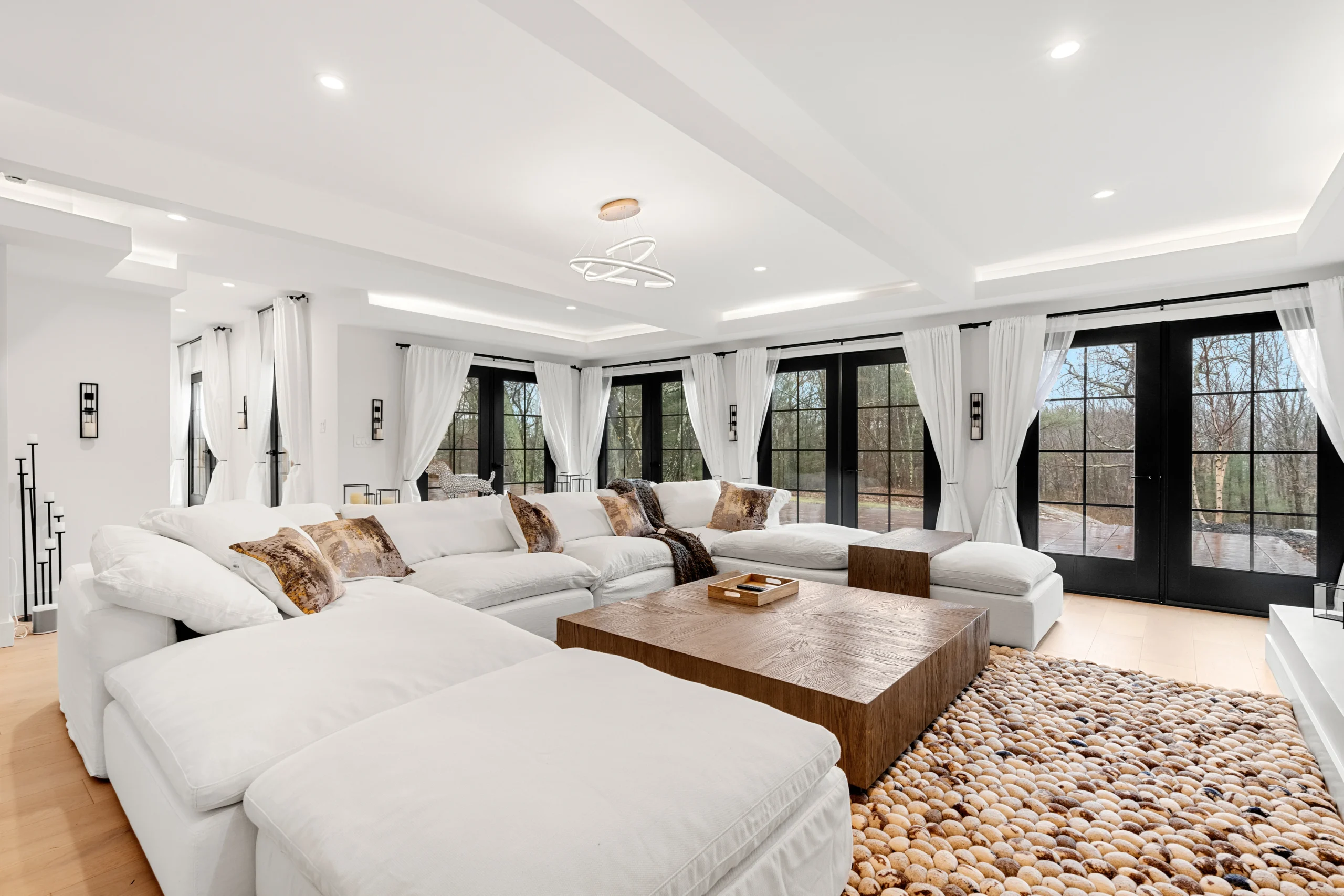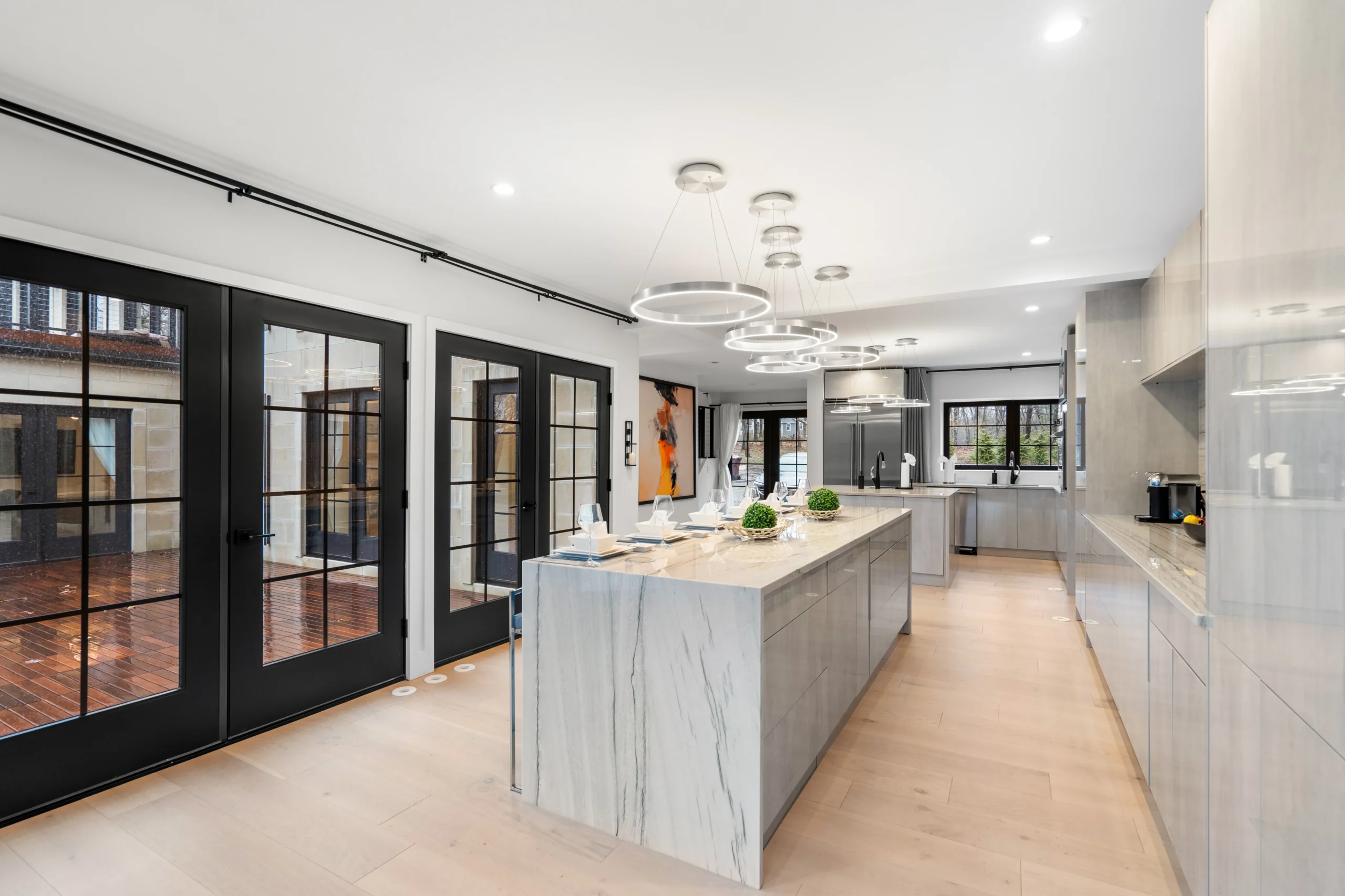
A private estate rental near Boston offers something that a hotel, conventional vacation home, or public event venue cannot: a complete residential setting reserved for one group. With room to stay, gather, and spend time together in privacy. For leadership teams, families, and celebration groups, that distinction can transform the experience. Instead of moving between guest rooms, restaurants, meeting spaces, and public lobbies, guests share one considered setting.
The word “rental” is common search language, but not every private estate is publicly bookable. Some, including The Charles Chateau, extend reservations to active members and invited guests through a private membership and concierge inquiry model. This guide explains the category, the questions worth asking, and how to decide whether an exclusive estate stay is right for your group.
What is a private estate rental near Boston?
A private estate stay gives one group exclusive use of a substantial residential property for an agreed period. The defining quality is not simply a large house. It is the combination of privacy, estate-scale indoor and outdoor space, overnight accommodations, and a setting designed to support shared time without the presence of unrelated guests.
Whole-estate exclusivity changes the experience
At a hotel, privacy generally ends at the guest room door. Corridors, restaurants, lounges, elevators, and event rooms remain shared. In an exclusive estate, the group can move through living rooms, dining areas, grounds, and gathering spaces as one continuous environment. That makes formal moments and unscheduled conversations feel equally natural.
Exclusivity can also simplify decisions. A group does not need to coordinate multiple reservations or repeatedly regroup in public spaces. Hosts can create a coherent rhythm for the stay, from a quiet morning to a planned dinner or working session.
Private estate does not always mean public rental
Searchers often use “rental” or “hire” to describe temporary access to an estate. Those terms do not necessarily describe the property’s operating model. A publicly listed vacation rental might offer instant booking and standardized rules. A private membership estate may instead review each inquiry, confirm fit and availability, and shape the stay through a concierge conversation.
This distinction protects the discretion that makes the experience valuable. It also gives prospective guests an opportunity to explain the purpose of their stay. Number of overnight and day guests, preferred dates, and desired support before arrangements are confirmed.
Private estate vs hotel, vacation rental, and venue
The best setting depends on what the group wants to accomplish. A city hotel may be convenient for independent travelers. A vacation rental may suit a casual trip. A public venue may provide a defined room for a scheduled event. A private estate is most compelling when a group values exclusive access, residential comfort, and the ability to stay and gather in one place.
| Setting | Privacy | Overnight stay | Planning model | Best suited to |
|---|---|---|---|---|
| Private estate | Whole property reserved for one group | Often integrated | Inquiry and tailored coordination | Retreats, family gatherings, milestone weekends |
| Hotel | Private rooms, shared common areas | Core offering | Room bookings plus separate event arrangements | Groups needing many independent rooms |
| Vacation rental | Usually exclusive home use | Core offering | Often self-directed and standardized | Casual leisure stays |
| Public event venue | Reserved spaces during set hours | Usually separate | Event-focused contract | Time-bound functions |
Consider the spaces between the agenda
Hosts often compare properties by bedroom count, meeting capacity, or amenities. Those details matter, but the spaces between scheduled moments can matter more. Where will guests have coffee? Can smaller conversations happen without leaving the property? Is there room for people to step outside, reconnect, or simply pause?
A private estate turns those intervals into part of the experience. For an executive team, a walk after dinner may be as useful as a formal session. For a family, breakfast together may become as memorable as the celebration itself.
Look beyond size alone
A large property is not automatically an estate experience. Ask whether the setting feels coherent, whether indoor and outdoor areas support the group’s plans, and whether privacy is meaningful in practice. Proximity to neighbors, shared facilities, access rules, and staffing all affect the level of discretion guests can expect.
Who benefits from an exclusive estate stay?
Private estates serve groups that want their time together to feel intentional rather than fragmented. The most suitable guests are not simply looking for more space. They want a setting that supports connection, discretion, and a carefully paced experience.
Executive leadership teams
A residential retreat can give leaders distance from daily office patterns without isolating them from Boston. Formal sessions can move into meals, walks, and smaller conversations without the interruptions of a public conference hotel. When the entire environment belongs to the group, confidential discussions also feel more natural.
Multigenerational families
Family groups often need both togetherness and breathing room. Multiple bedrooms, shared living areas, grounds, and dining spaces let different generations find a comfortable rhythm. Guests can gather for the important moments, then choose a quiet corner or an outdoor setting without leaving the estate.
Milestone and wedding-weekend groups
For a milestone birthday, anniversary, or wedding weekend, an estate can serve as the emotional center of several days. It offers more continuity than a short venue booking. Hosts can welcome guests into a residential setting, create time for informal connection, and avoid making every meaningful moment fit a rigid event schedule.
Private gatherings that require discretion
Some groups value privacy above visibility. An estate removes the foot traffic and shared circulation common to hotels and public venues. That can be important for prominent guests, sensitive business conversations, or any host who simply wants the gathering to remain personal.
Why location and privacy matter near Boston
The strongest estate locations balance removal and access. Guests should feel that they have arrived somewhere distinct, yet the journey from Boston should remain practical. That balance is especially valuable when participants are traveling on different schedules or when a retreat must fit within a demanding calendar.
Close enough to be practical, private enough to reset
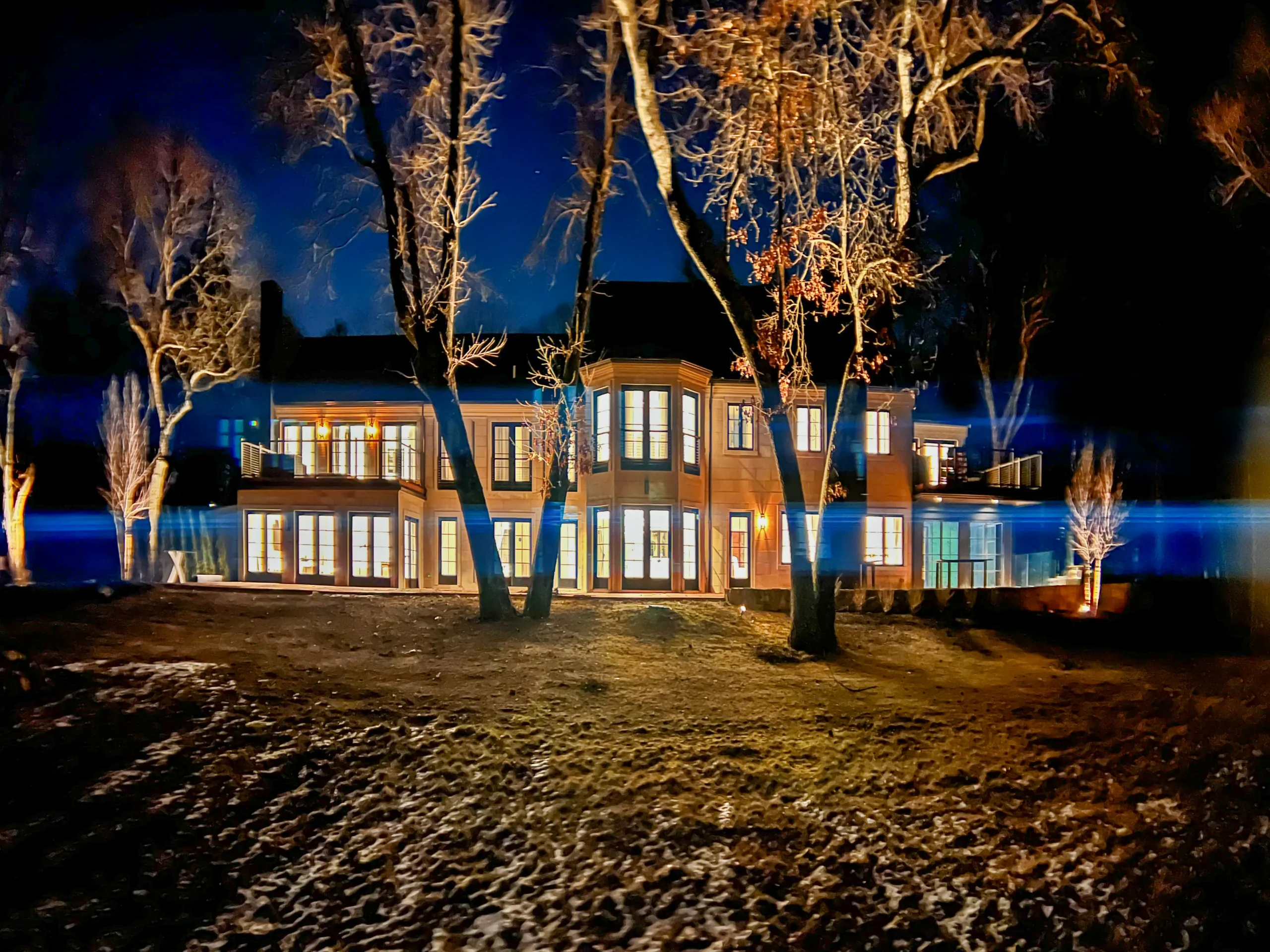
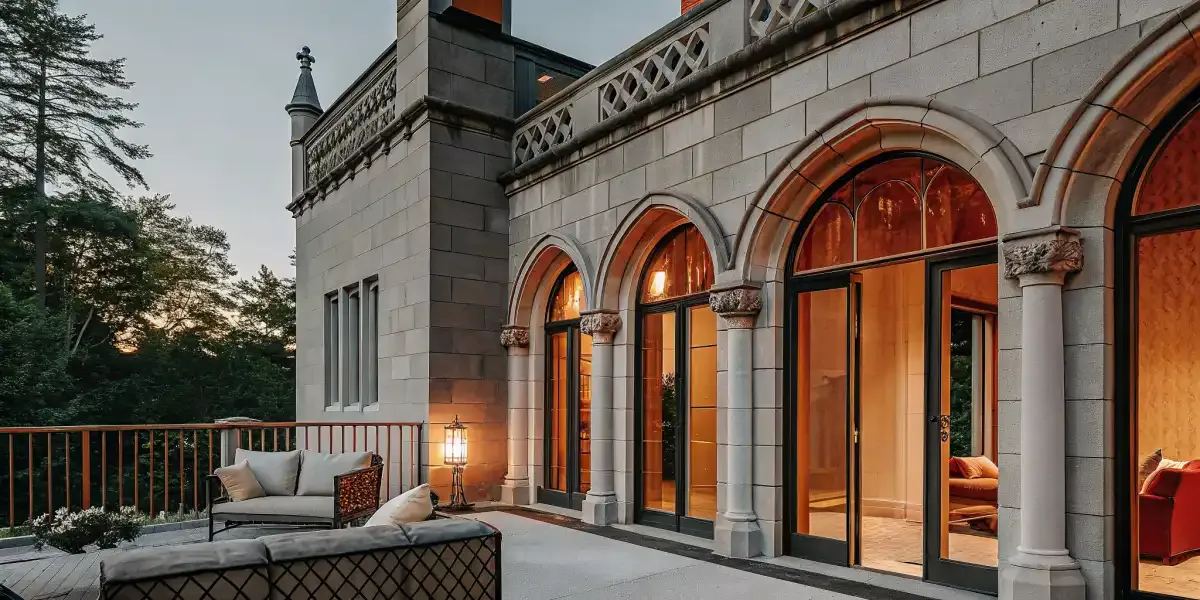
The Charles Chateau illustrates this balance. The French Chateau-inspired private estate sits on 11 private acres in Dedham, Massachusetts, approximately 20 minutes from downtown Boston. The location makes it possible to leave the city and enter a secluded setting without building the entire itinerary around a long transfer.
For executive groups, proximity can support strong attendance and efficient arrivals. For families and celebration groups, it can make the estate easier to reach while preserving the feeling of a true occasion.
Estate-scale grounds create options
Outdoor space is not only visual. It gives hosts flexibility and gives guests freedom. A group can move between indoor and outdoor settings, gather formally, break into smaller conversations, or enjoy quiet moments. Meaningful acreage also creates a buffer from surrounding activity, which supports the sense of privacy.
When evaluating an estate, ask how the grounds can actually be used. Consider arrival flow, outdoor gathering areas, weather alternatives, accessibility, and how indoor rooms connect to the landscape.
Capacity should fit the group, not merely accommodate it
A property should feel comfortable at the intended scale. The Charles Chateau offers 8 bedrooms for 16+ overnight guests, welcomes up to 30 day guests for gatherings, and provides parking for 10+ vehicles. Those details help a host understand not only who can sleep at the estate, but how a broader daytime gathering might work.
How does private membership access work?
A private membership estate does not operate like a public booking marketplace. Rather than selecting dates from an instant-booking calendar, prospective guests begin with an inquiry. The concierge team can then understand the group, the purpose of the stay, preferred dates, and the experience the host hopes to create.
Inquiry is part of the planning process
A thoughtful inquiry should include the number of overnight guests, the number of expected day guests, the nature of the gathering, and any important schedule or service needs. This information helps determine whether the estate is suited to the occasion and allows the conversation to focus on relevant arrangements.
At The Charles Chateau, reservations are extended to active members and invited guests. Prospective guests may request consideration for membership and availability through the concierge team. This model is designed to preserve the estate’s discretion and ensure that each stay is thoughtfully aligned with the setting.
Why pricing is customized
Private estate pricing is rarely meaningful as a single public number. Dates, length of stay, number of guests, gathering plans, and requested coordination can all shape an arrangement. A concierge inquiry allows the estate to provide relevant availability and tailored recommendations rather than a generic package.
Concierge support is more than an add-on
At a refined private estate, concierge service helps connect the property to the purpose of the stay. It begins before arrival, when the host explains priorities and practical needs. The goal is not to fill an itinerary with extras. It is to make the experience feel considered, coherent, and appropriately supported.
How to choose the right private estate
A strong estate inquiry is a two-way conversation. The property should understand your plans, and you should understand how the estate operates. Use the following steps to compare options with greater clarity.
- Define the purpose. Decide whether the priority is strategic work, family connection, a celebration, or a blend of uses.
- Separate overnight and day guest counts. These numbers may differ and can affect how the estate supports the gathering.
- Confirm genuine exclusivity. Ask whether any facilities, grounds, or access points are shared during the stay.
- Review the flow of the property. Consider bedrooms, dining areas, gathering rooms, outdoor space, arrival, and parking together.
- Understand the access model. Clarify whether the property is publicly bookable, invitation-only, or available through private membership.
- Discuss support early. Explain what coordination would make the stay feel effortless, then ask how the concierge process works.
Questions worth asking before you inquire
- Will our group have exclusive use of the entire estate?
- How many overnight and day guests can the property comfortably support?
- Which indoor and outdoor spaces are available to guests?
- How does the estate handle inquiries, membership, and availability?
- What information is needed to prepare tailored recommendations?
- How close is the estate to Boston and relevant transportation?
The answers should reveal more than capacity. They should show whether the estate’s philosophy matches the experience your group wants.
Frequently asked questions
Is a private estate the same as a vacation rental?
No. Both may provide exclusive use of a residence, but a private estate generally emphasizes scale, privacy, and a more considered experience. Some private estates also use a membership and concierge inquiry model rather than public marketplace booking.
Can a private estate host both overnight guests and a daytime gathering?
Often, yes, but the two capacities should be confirmed separately. At The Charles Chateau, 8 bedrooms accommodate 16+ overnight guests, while gatherings may welcome up to 30 day guests. The concierge team can discuss whether a proposed plan suits the estate.
How much does a private estate stay near Boston cost?
Pricing is typically customized. Dates, length of stay, guest count, gathering plans, and requested coordination can influence the arrangement. Prospective guests should share the details of their plans during the inquiry process to receive relevant guidance.
Are private estates publicly bookable?
Some are, while others are not. The Charles Chateau is a private membership estate where reservations are extended to active members and invited guests. Prospective guests can request consideration for membership and availability.
What makes an estate suitable for an executive retreat?
Look for meaningful privacy, comfortable shared spaces, areas for smaller conversations, practical access from Boston, and concierge coordination. A residential environment should support both the formal agenda and the unscheduled discussions around it.
Request availability at The Charles Chateau
A private estate stay is most valuable when the setting, access model, and service philosophy fit the group. The Charles Chateau brings together complete privacy, an 8,000-square-foot French Chateau-inspired residence, 11 private acres, and proximity to downtown Boston through a discreet private membership model.
If your group is considering a private estate rental near Boston, request consideration for membership at The Charles Chateau and connect with the concierge team to discuss availability and customized arrangements.