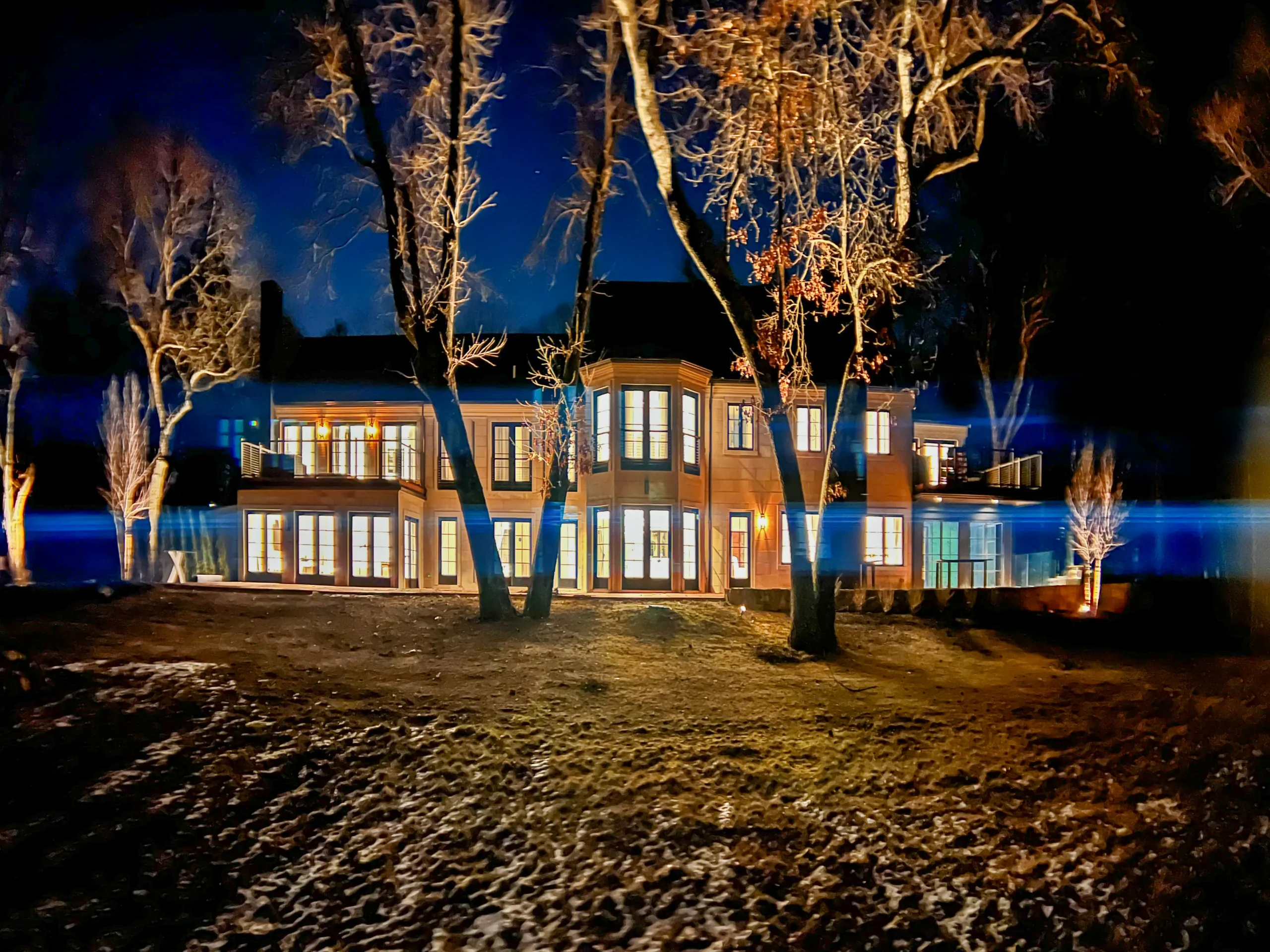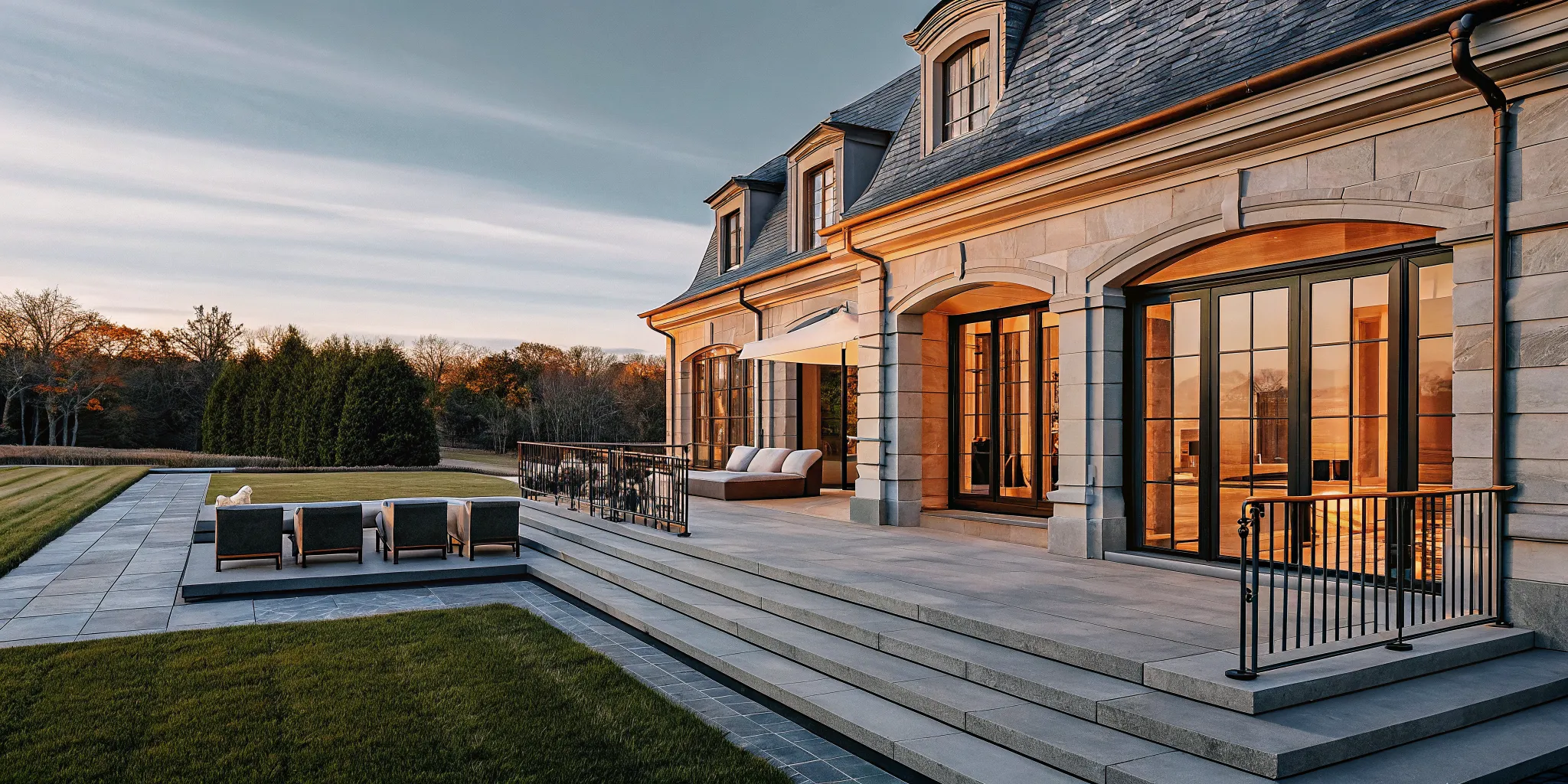
Corporate leaders are trading plain hotel ballrooms for the quiet elegance of private estates. This shift puts a focus on privacy and flexible spaces over large conference centers. A home-like setting creates a natural spot for direct conversation and new ideas.
The residential retreat venue trend corporate leaders are adopting reflects a major move away from hotel conference rooms toward private estates. This shift is driven by the need for privacy and the desire for real team bonds in a home-like setting. Data from Party Houses shows that countryside retreat settings saw a 308% surge in demand between 2023 and 2024. These venues give teams full control over their space. This allows for private talks without the noise of a public lobby. By mixing work tools with the comfort of a private home, these venues offer a smart and productive choice over hotel settings. As the global corporate retreats market is projected to reach $73.7 billion by 2034. This trend grows as companies put a focus on deep team bonding during their most critical offsites.
Many leadership teams want to know the specific facts that set these private venues apart from standard hotels. The path begins with understanding what defines a residential retreat and why so many firms are making the switch today.
Residential Retreat Venue Trend Corporate: What Is a Residential Retreat and Why Is It Growing?
Business teams are moving away from cold hotel halls and toward more private settings. A residential retreat is a private estate that a firm rents for team trips and board meetings. Unlike a standard hotel, these venues give a group a home-style setting where they can live and work. This model is now a top choice for firms that want real teamwork in a quiet space.
Defining the residential retreat model
A residential retreat gives a team the whole property for their own use. This means there are no other guests and no loud lobbies to distract the group. For leaders, this level of privacy is key for making big plans. Many firms now choose the path of a private estate rental for their offsites. It lets a team set their own clock in a way that hotels cannot match. You get an expert venue that feels like a grand home.
Market growth and the shift to private estates
The need for these unique spaces is on the rise. The global market for corporate trips was worth $31.8 billion in 2024. Experts say this will hit $73.7 billion by 2034 as more firms leave the office for offsite stays. Country-side settings have seen a 308% jump in use. Data shows that 31% of trips now take place in special spots like villas and estates. Bookings for these private venues have grown by 31% each year.
Driving trends behind the corporate surge
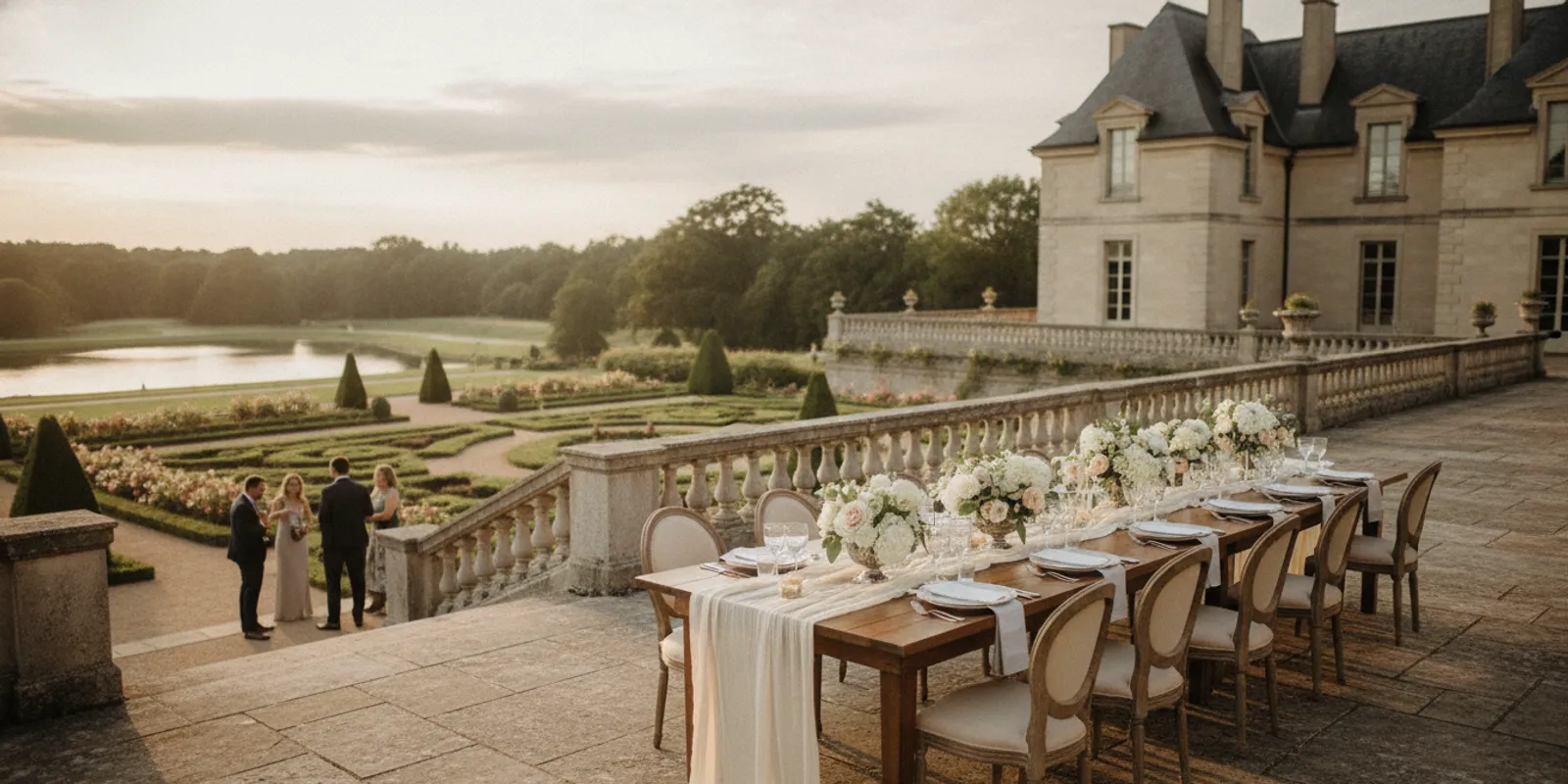
A few big trends are driving this boom. The spread of remote work means teams need more face time to build trust. Also, home-style retreats often cost less than high-end hotels. A private villa stay might cost about $250 per person each night. In contrast, a hotel room can cost $700 or more. Being near big cities is also key. The Charles Chateau sits just 20 minutes from downtown Boston in Dedham, MA. This location fits the estate’s approach of giving teams rare space and total privacy.
Why Hotel Conference Centers Are Losing Ground
The rise of the residential retreat venue trend corporate leaders now follow marks a shift away from stiff ballrooms. Many teams now prefer private estates over hotels. This change comes from a need for privacy and better value. A stay at a private estate offers a home-like feel that hotels cannot match. This setting helps teams relax and talk more freely. According to the U.S. Bureau of Labor Statistics, the growth of remote work has made these offsite meetings even more vital for team health.
The Cost and Value Gap
Planning a retreat at a luxury hotel often comes with a high price tag. Most conference hotels charge about $700 per room each night. In contrast, a private villa retreat costs about $250 per person per night when split among a group of twelve. This gap allows firms to spend more on things that matter, like good food or team games. By choosing an estate, you get the whole place for less than the cost of a few hotel rooms. Many firms now move their offsites to these venues to save money while improving the guest stay.
| Feature | Hotel Conference Center | Private Estate Retreat |
|---|---|---|
| Privacy | Shared with public guests | Total exclusive use |
| Average Cost | $700 per room per night | $250 per person per night |
| Team Bonding | Formal and scattered | Natural and deep |
| Schedule | Fixed by staff times | Total control of time |
| Focus Level | High noise and crowds | Quiet and distraction-free |
Privacy and Team Bonding
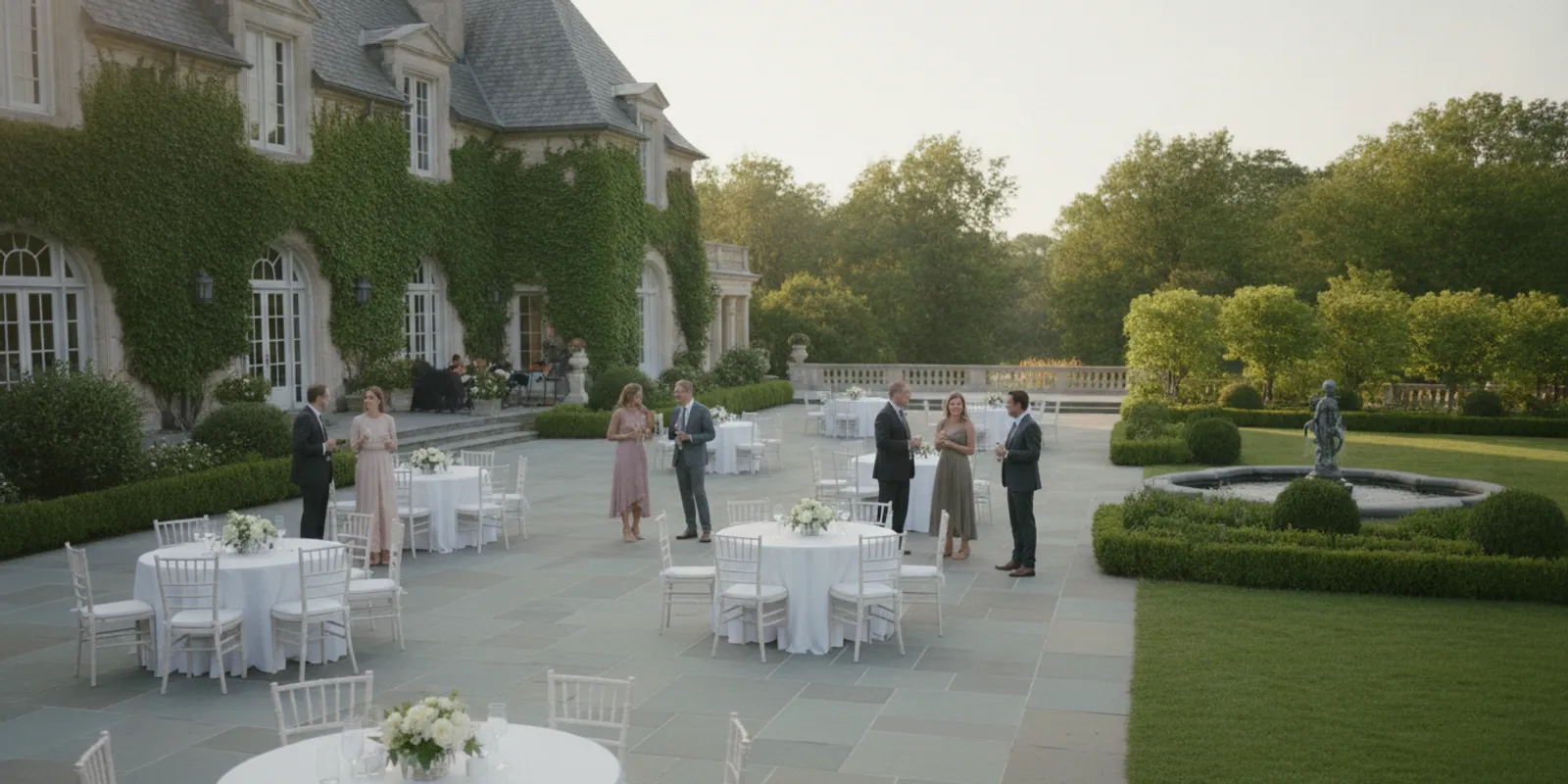
Privacy is the biggest draw for the 31% of firms that now choose unique venues like villas or estates. In a hotel, your team must share halls and cafes with the public. This can lead to leaks of private data or simple noise. At The Charles Chateau, teams get 11 private acres all to themselves. This private use leads to better results. Data shows that 70% of companies report a better team bond after they hold retreats in these private settings. The lack of outside noise helps everyone focus on the task at hand.
Flexibility and Custom Service
Hotels work on a set clock that may not fit your needs. You must book rooms and meals at fixed times. A private estate allows for a much more open path. You can start meetings early or late without asking a front desk for help. The concierge team at a private estate works to match your specific plan. This focus on your group makes the stay feel more like a home and less like a business trip. The estate is just 20 minutes from Boston. It offers 8,000 square feet of space for work and rest on your own terms.
What a Home-Like Environment Does to Team Dynamics
The Science of Modern Team Settings
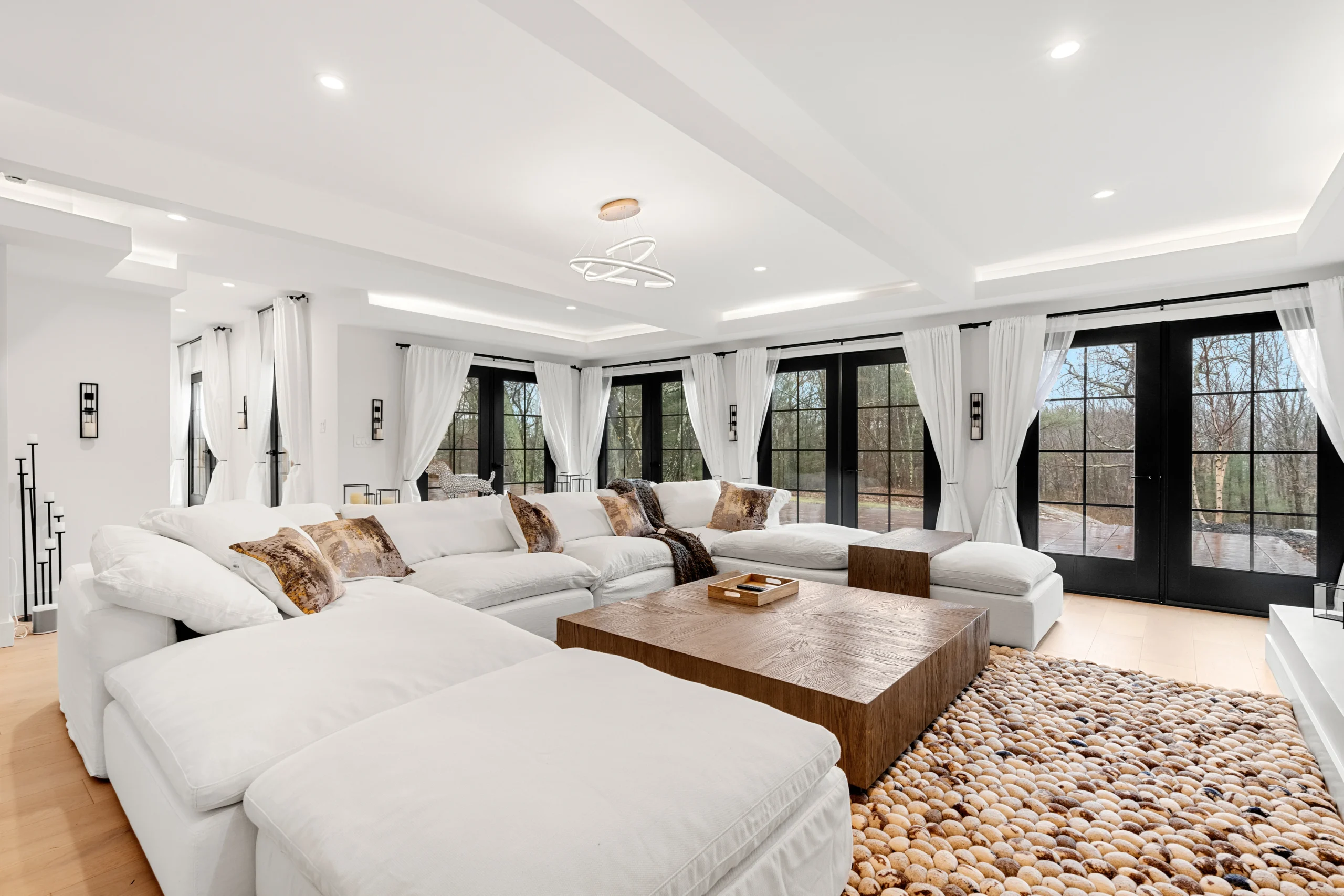
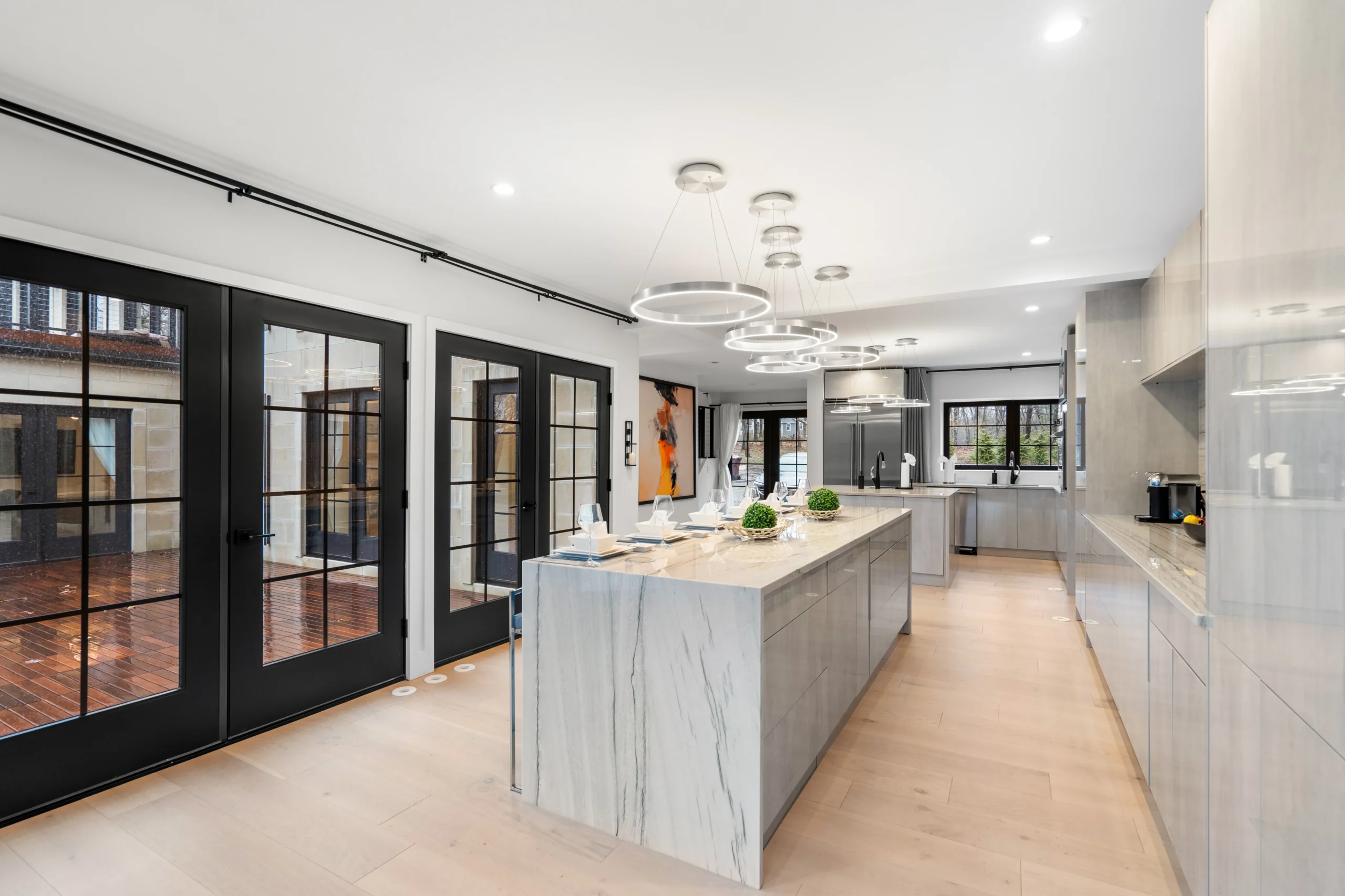
The shift toward the residential retreat venue trend corporate teams now follow is based on the science of the mind. Modern work can often feel cold and distant. When you move a team into a private home, the mood shifts fast. A soft chair or a large kitchen island helps people feel safe. This comfort leads to more honest talk. When team members feel safe, they are more likely to share their true thoughts. About 68 percent of knowledge workers now have remote work freedom. These workers are used to the comfort of their own homes. They do their best work when they feel at ease. A home-like space helps them open up and share bold thoughts. This layout also helps teams break down social walls. It is much easier to solve a hard problem over a shared meal than in a sterile hall.
How Shared Spaces Build Trust
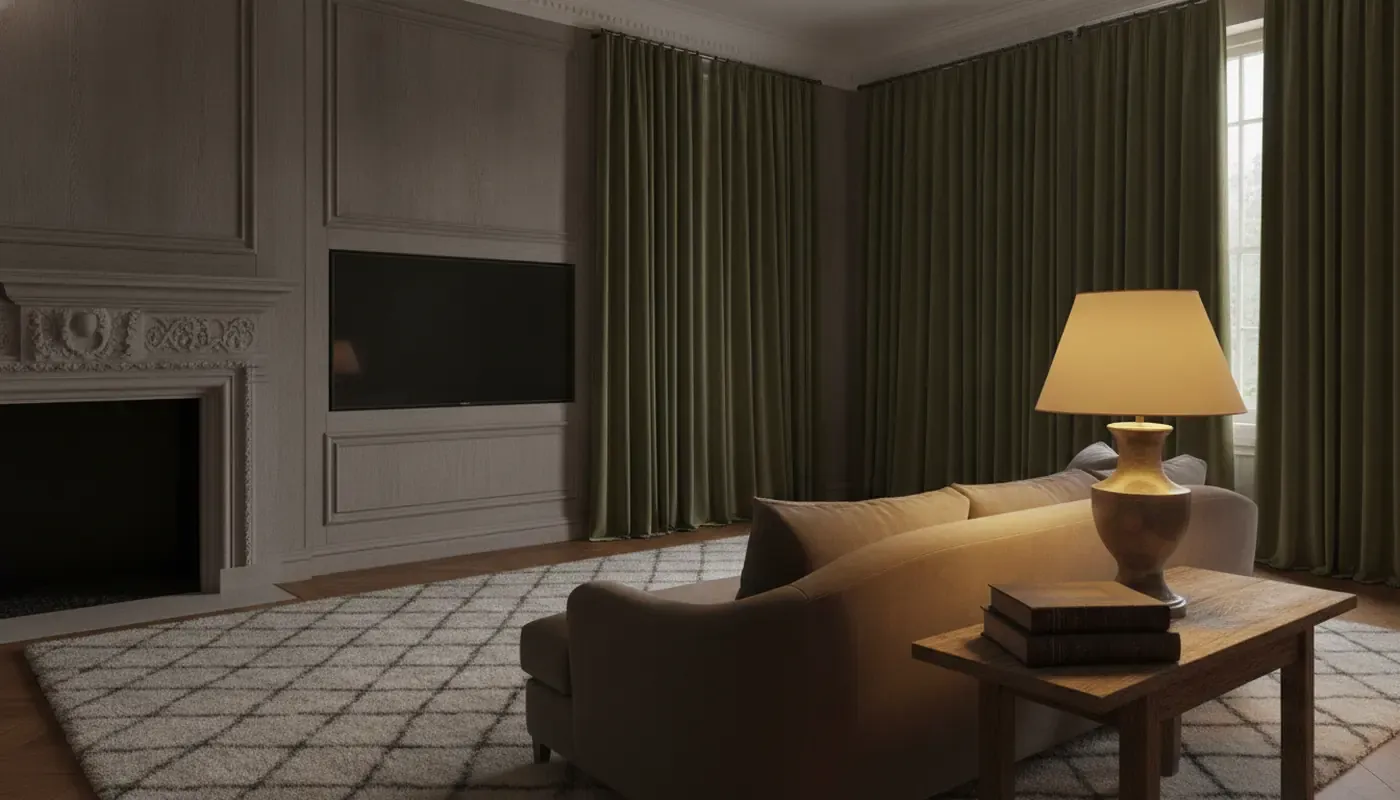
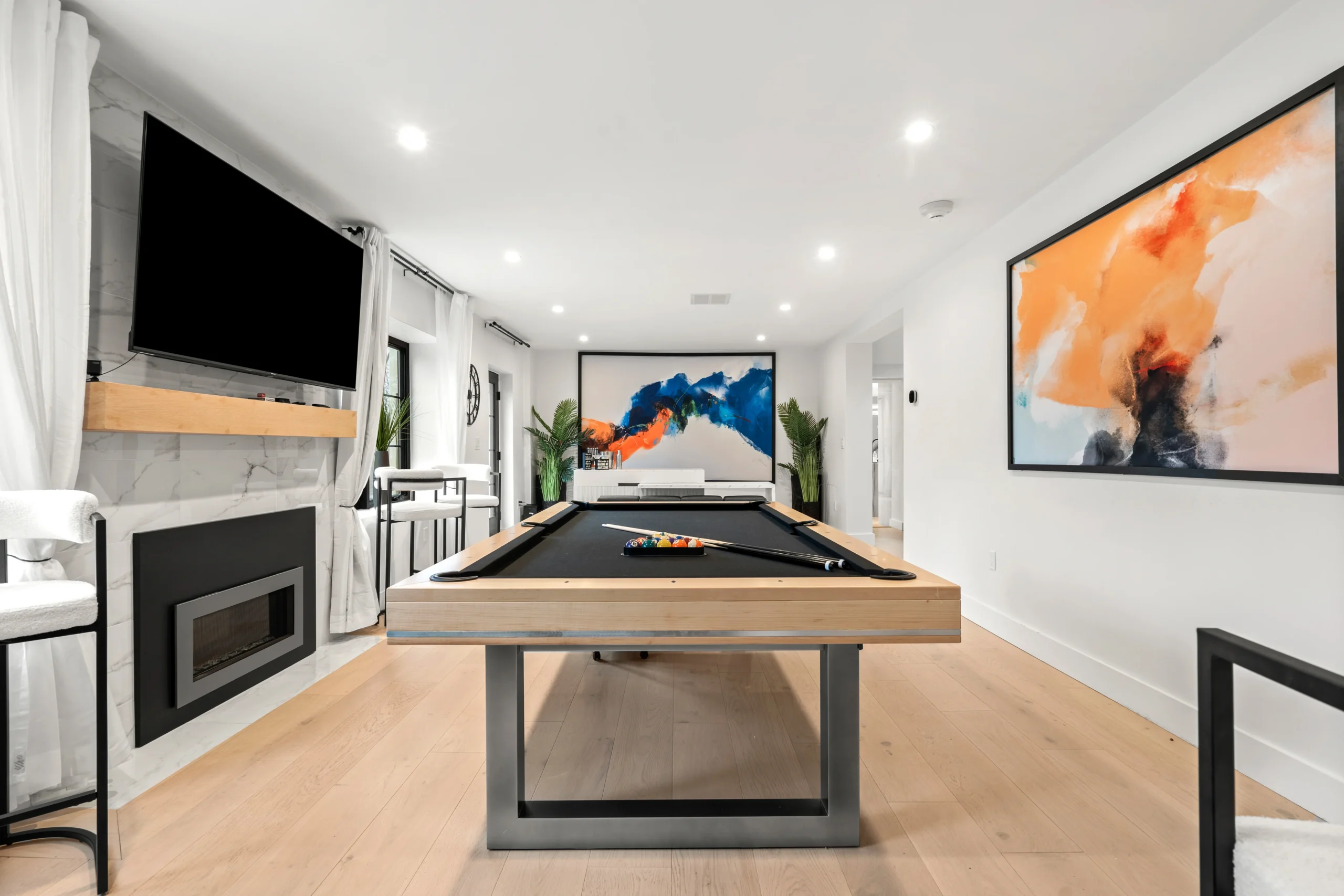
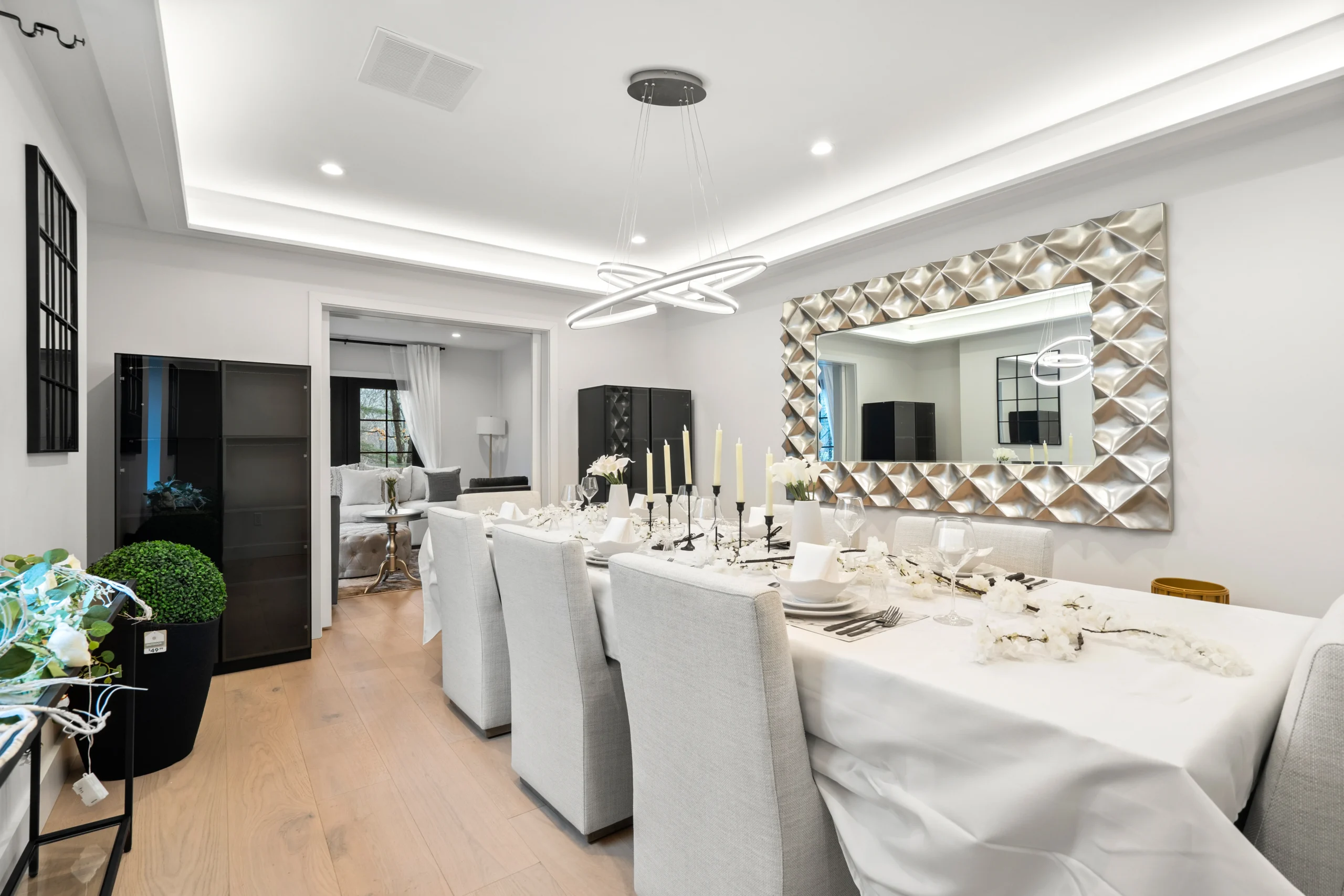
Shared spaces like kitchens and fire pits play a big role in team growth. In a hotel, people often go back to their rooms as soon as a meeting ends. In a private estate, the group stays in one world. The interior amenities of a large home allow for a natural flow. You can host a formal meeting in a dining room and then move to a sofa for a quick chat. Informal gatherings at the kitchen counter lead to the best new ideas. These small talks build trust that you cannot get in a boardroom. When leaders and staff share the same space, the gap between them shrinks. This closeness helps teams unite on goals and find new ways to work together. Research shows that comfortable design leads to deeper focus and better work from every person on the team.
Balancing Work and Personal Space
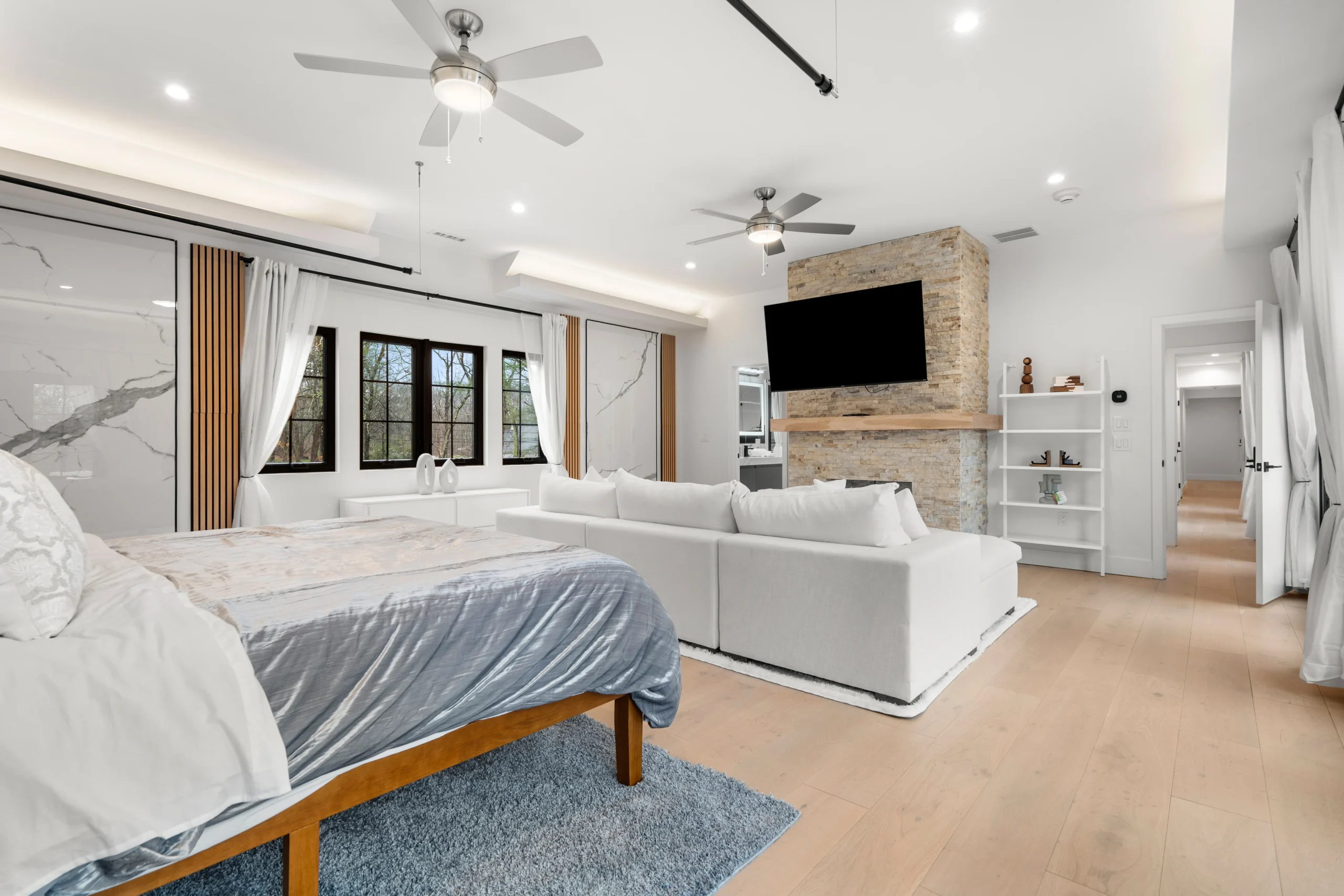
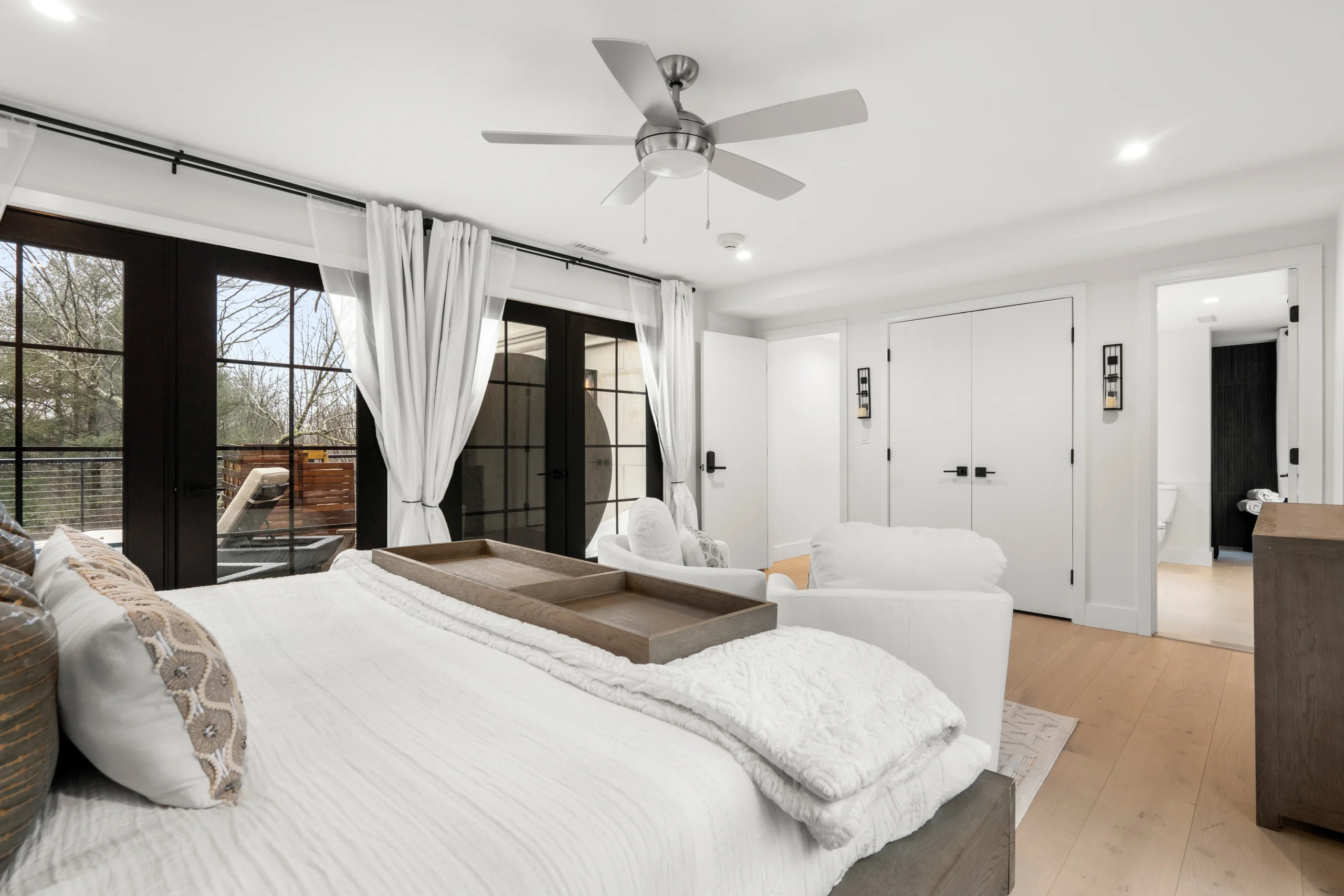
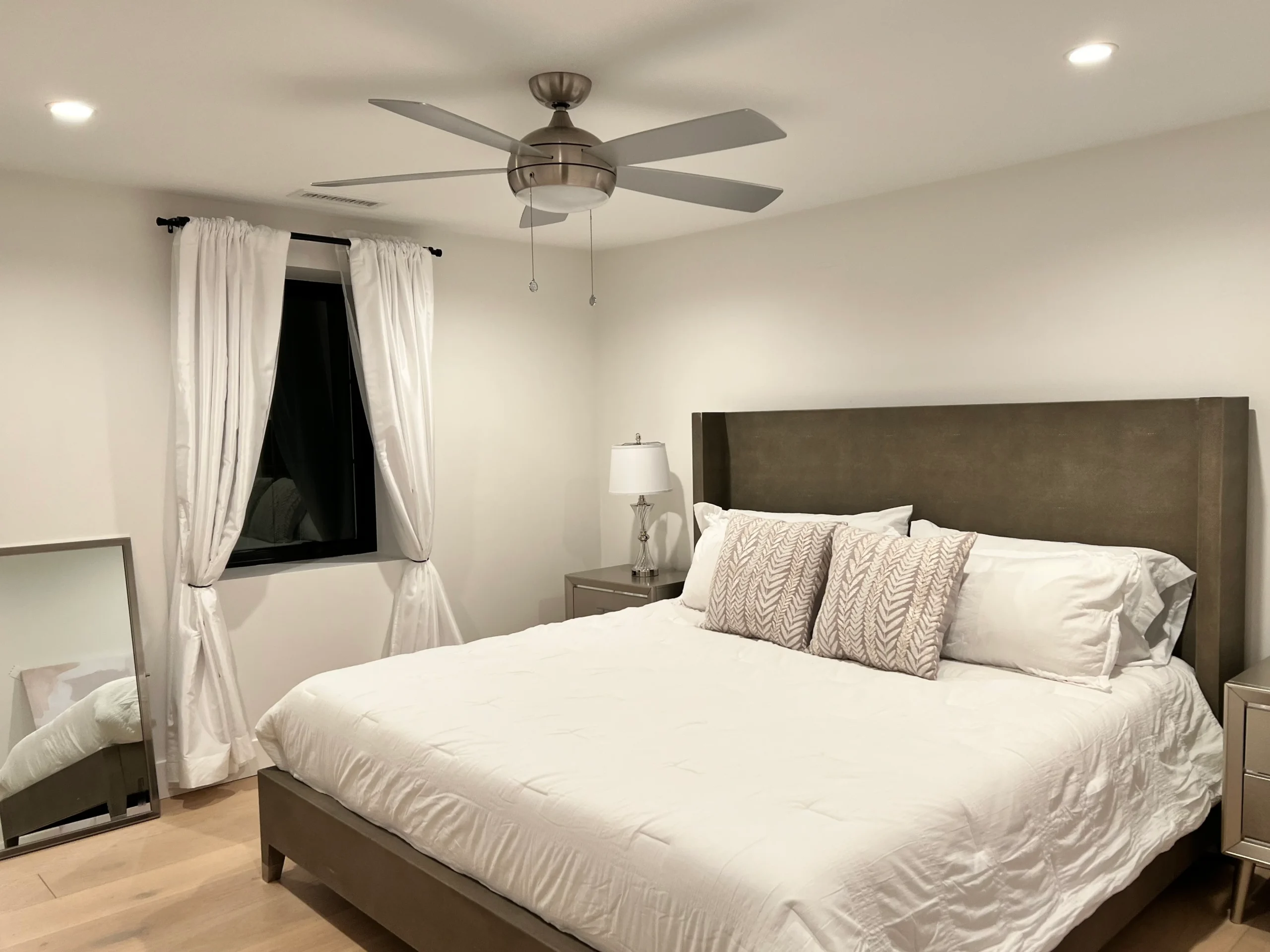
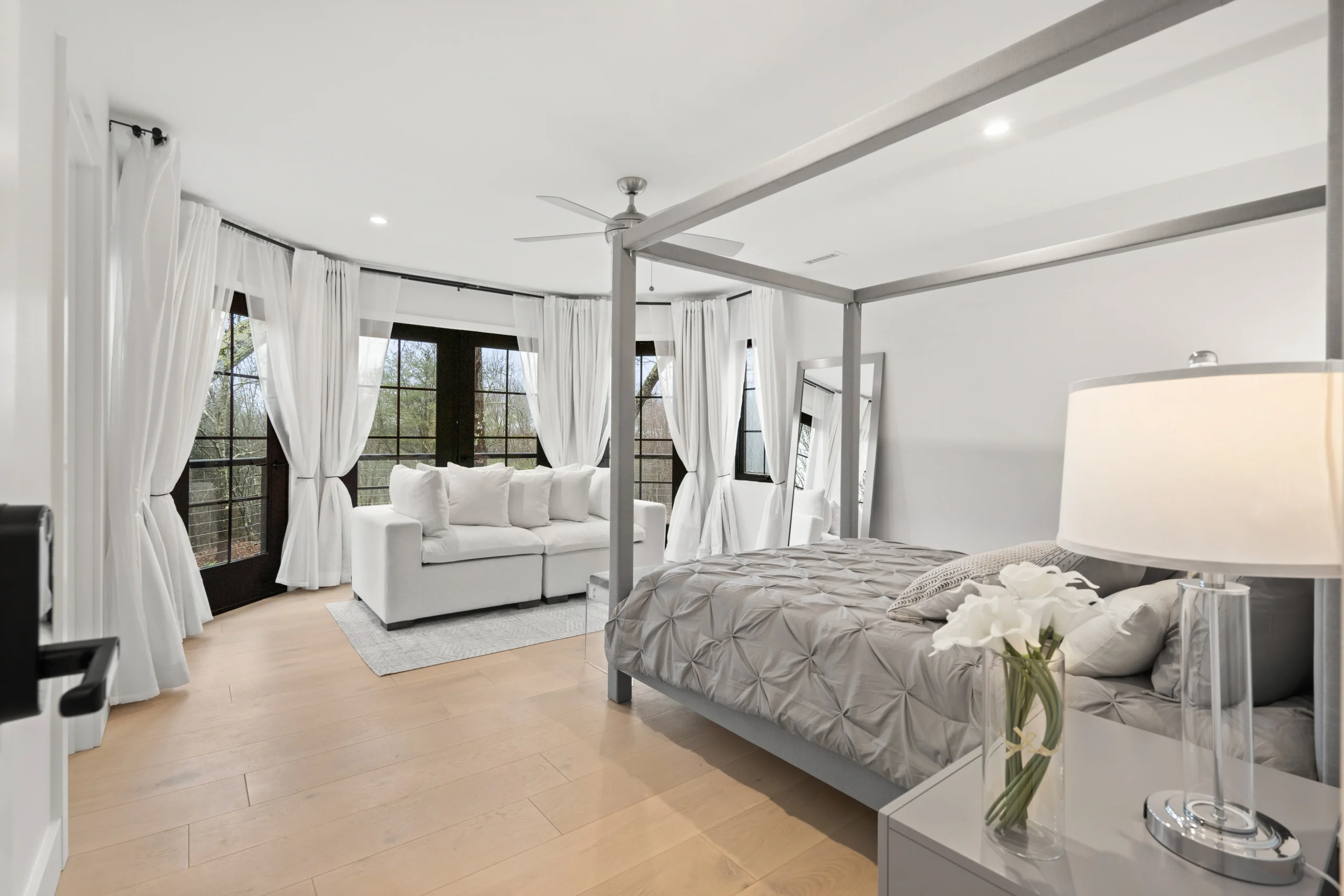
A good retreat needs more than just a place to sit. It needs a space where work and rest can live together. Private estates provide this balance by design. Large common rooms are perfect for group goals. At the same time, suites give each person a place to recharge. This mix of shared and private areas keeps a team from feeling tired or burnt out. While some groups pick school-like settings for their offsites, those places can feel too formal. A private home lets a team stay in one place without feeling stuck. They can work in a media room and then step out onto a large porch for fresh air. This indoor-outdoor flow keeps energy levels high and helps new ideas grow throughout the day. It allows for a pace that keeps the team fresh and focused.
The Privacy Advantage: Why Leaders Choose Estates Over Venues
Privacy is the main reason leaders move strategy meetings to private estates. When you choose a hotel, you share the lobby, halls, and dining rooms with other guests. These shared spaces lead to chance meetings that can break the flow of a talk. A private estate buyout removes these risks and gives you full control over the area.
Complete buyout stops noise
Most meeting centers host many groups at one time. This leads to noise in the halls that can disrupt quiet work. At The Charles Chateau, our members-only model ensures your team is the only group on the 11-acre grounds. This lack of noise helps teams stay focused. Data shows that 31% of offsites now take place in distinctive venues like estates because they offer this level of quiet.
A safe setting for strategy
For board meetings and big plans, safety is a must. Public venues have staff and guests moving through open areas. This makes true privacy hard to find. Home-like retreat venues solve this by creating a closed loop for your team. The Charles Chateau uses an encrypted member portal to handle all booking steps. This keeps your plans off public sites and ensures your stay stays private from the start.
Private access by design
Luxury estates are gaining share in the residential retreat venue trend corporate groups follow. By moving away from hotels, firms can build a private club feel that builds trust. This setup allows for direct talks that might not happen in a public room. To keep these standards, we do not list the house on public sites. Instead, guests request consideration for membership to use the estate for their next big meeting.
How to Find a Residential Retreat Near Your City
Finding a residential retreat venue near a major city requires a balance of quiet space and quick access. Leaders now look for spots that feel far away but stay close to transport hubs. Recent data shows that countryside retreat settings saw a 308% increase in demand between 2023 and 2024. This residential retreat venue trend corporate groups follow shows a shift toward private estates over public hotels.
Focus on Proximity to Urban Centers
A good offsite venue should be close enough to keep travel time low. For teams flying into hubs like Logan Airport, a drive under 30 minutes is ideal. The Charles Chateau sits in Dedham, Massachusetts, which is just 20 minutes from downtown Boston. This allows your team to reach the 11 private acres quickly and start work without travel fatigue.
Q: How close should a retreat venue be to a city? Most experts suggest a drive of two hours or less. Choosing a spot like The Charles Chateau, just 20 minutes from a major hub, ensures that local and flying guests can arrive with ease. This saves both time and money on long car trips or extra flights.
Check for Productivity-Focused Features
A home-like setting must still function like a high-end office. You should verify that the estate has the right tools for your specific goals. About 31% of offsites now take place in unique venues like villas and estates. The setting shapes focus and energy, so look for a layout that blends work and rest. When you search, look for these key features:
- Strong Wi-Fi coverage across the whole house and grounds.
- Modern audio and video tools for group talks and strategy.
- Private breakout spaces for small group tasks and calls.
- A full kitchen for catering or shared team meals to build bonds.
- Outdoor areas like a fire pit or terrace for informal chats.
Q: What features matter most for a productive offsite? While a pool or gym is nice, strong tech and varied work zones are vital. The Charles Chateau offers a private media area for talks and multiple living rooms for focus sessions. This mix of indoor and outdoor space helps teams move between deep work and social time. You can contact the concierge team to learn more about the tech tools ready for your stay.
Assess Privacy and Dedicated Service
Privacy is the most important part of a residential retreat. Unlike hotels, a private estate gives you full control of the space. You will not share the halls or meeting rooms with other groups. This helps with strategy talks that need to stay secret and away from others. The Charles Chateau operates as a members-only club, which means the property is never open to the general public. This model ensures that every group gets a tailored stay with full focus from the onsite staff.
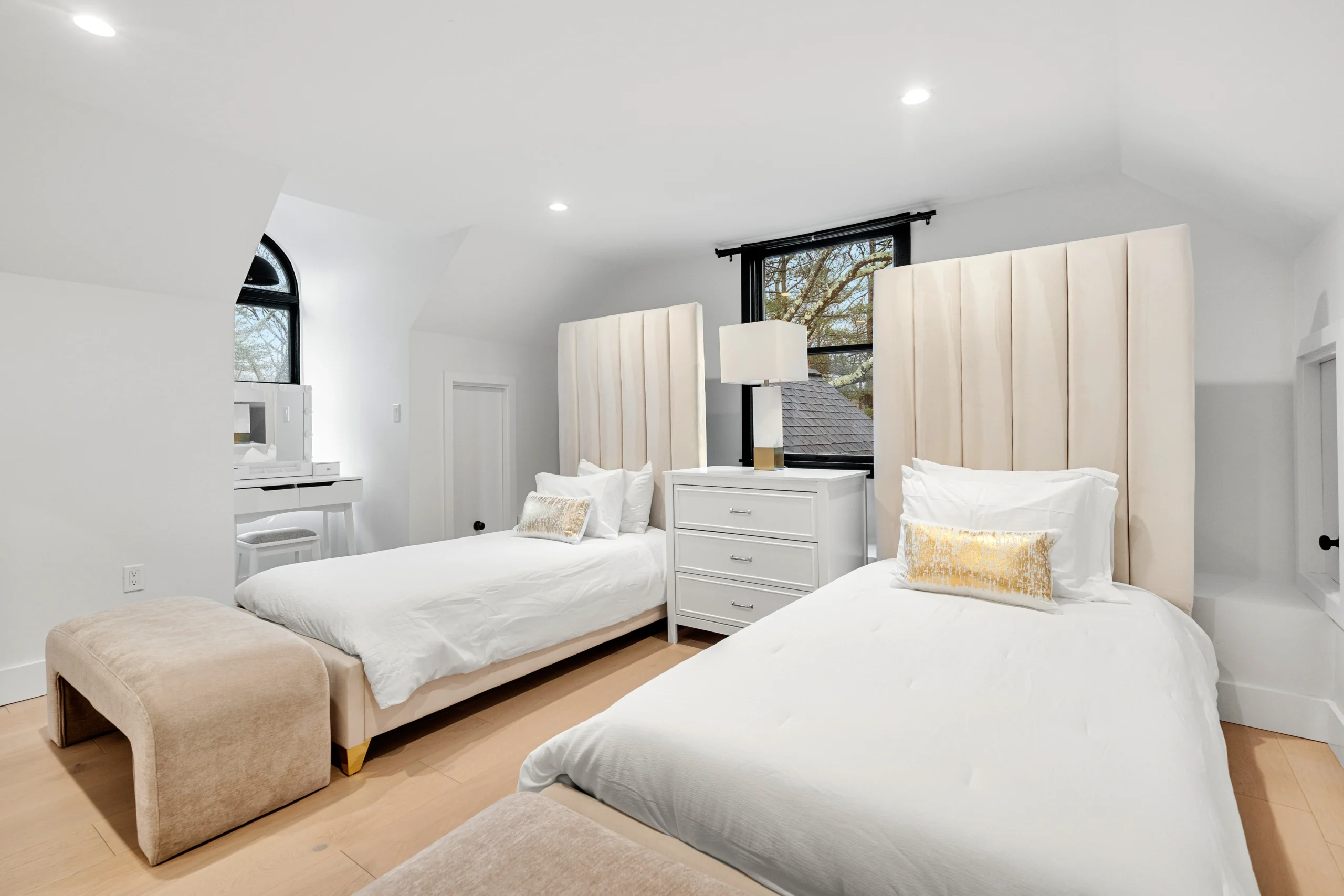
Q: How many bedrooms do you need for a team retreat? This depends on your team size and if guests will share rooms. The estate in Dedham has 8 bedrooms and can host 16 or more guests overnight. For day events, the space holds up to 30 people. The 8,000 square foot floor plan provides plenty of room for both group work and solo rest. This scale is perfect for board meetings or leadership planning retreats.
Frequently Asked Questions
How much does a residential retreat cost compared to a hotel?
Residential retreats are often a smart choice for teams. A private villa can cost about $250 per person each night for a team of twelve. This is much less than the $700 per room rates at many hotels. According to Party Houses, these venues offer great value by combining beds and meeting rooms into one price. This helps companies save money while getting a private space.
Can private estates house overnight guests for corporate offsites?
Yes, many large estates are built for teams. A high-end venue may have eight bedrooms to sleep sixteen or more guests. These properties also work well for day trips, with space for up to thirty people to meet or eat. This setup lets leaders keep the whole group in one private setting for the full trip. It removes the need for shuttles between hotels and meeting halls, which saves time.
Why are corporate retreats moving to residential venues?
Leaders now want privacy and better team bonds more than hotel rooms. Reports show that countryside retreat spots grew 308% in use from 2023 to 2024. These home-like settings help teams relax, which leads to better focus and teamwork. Data from industry reports shows that 70% of firms see better team unity after they stay at these private estates. This trend helps teams work better together.
What tech tools are needed for a residential retreat?
A good retreat needs fast Wi-Fi and strong sound and video tools. Top estates provide media areas for group talks and small rooms for private chats. It is key to find a place that has modern tech but still feels like a home. Experts at Rest Yourself Ranch say that the right setting helps teams stay on task during big planning meetings. This makes the work day more productive.
How far in advance should I book a residential retreat venue?
It is best to book your venue at least three to six months ahead of time. Exclusive estates are in high demand for corporate planning and board meetings. Booking early ensures you get the dates you want and gives the concierge team time to prep for your stay. This lead time is also helpful for planning meals and special trips that fit your team goals. Early booking keeps your event on track.
Ready to host your next retreat at The Charles Chateau?
Waiting to book a private venue for your team often means losing out on the best dates. Leadership teams that stay in busy hotels deal with noise and interruptions that slow down work. These delays can cost your firm in lost time and missed goals. When you choose a private estate, you get a quiet space where your group can focus without outside noise. Booking now helps you get the time and privacy your team needs to plan for the next year. It also gives our staff time to set up the estate for your needs. Do not let another month go by without a plan for your meeting. A private setting is the best way to make sure your team stays on task.
Ready to plan your retreat? Call +1 866-858-2679 to contact the concierge team to inquire about availability for your executive retreat or corporate offsite at The Charles Chateau.