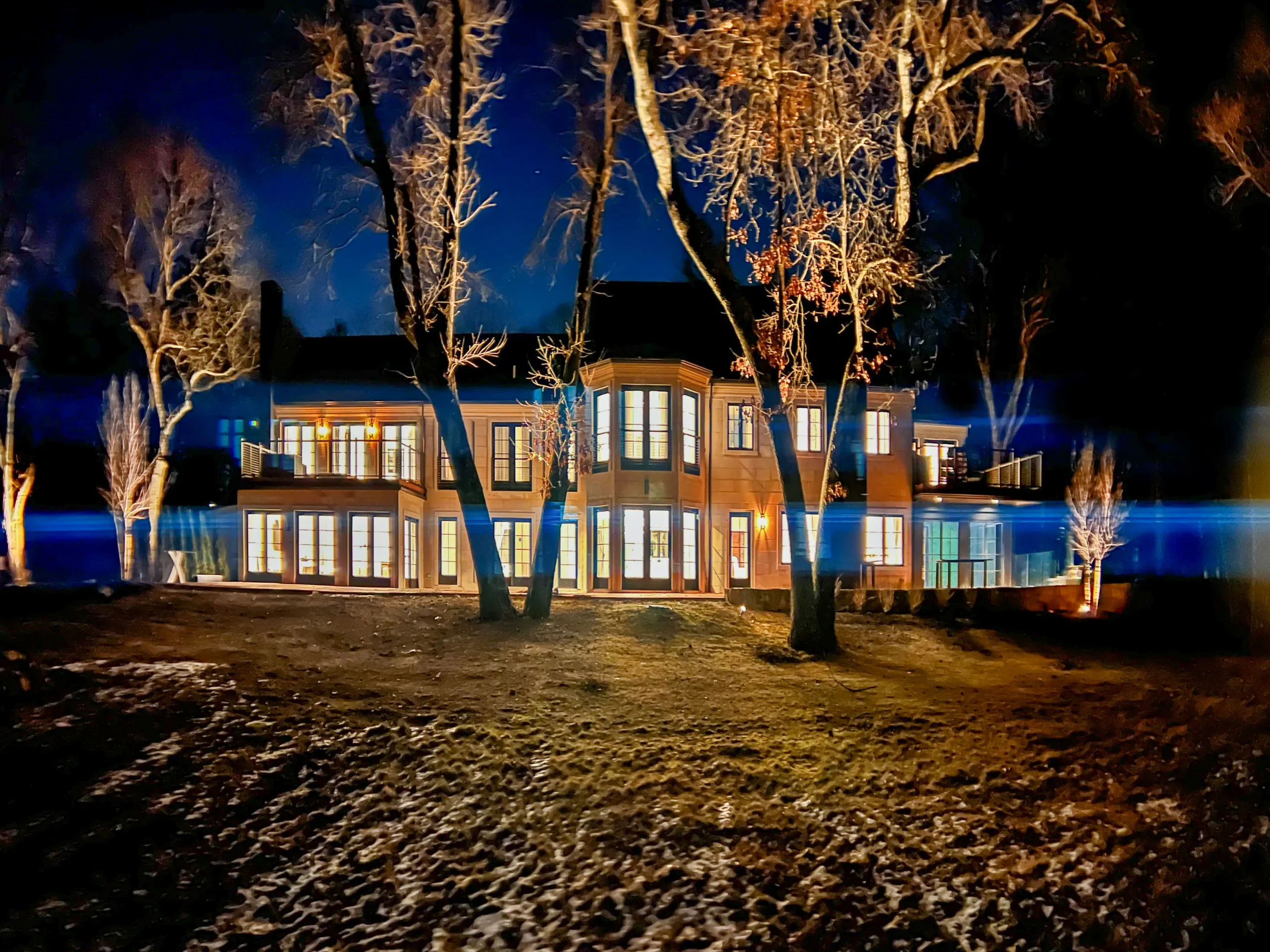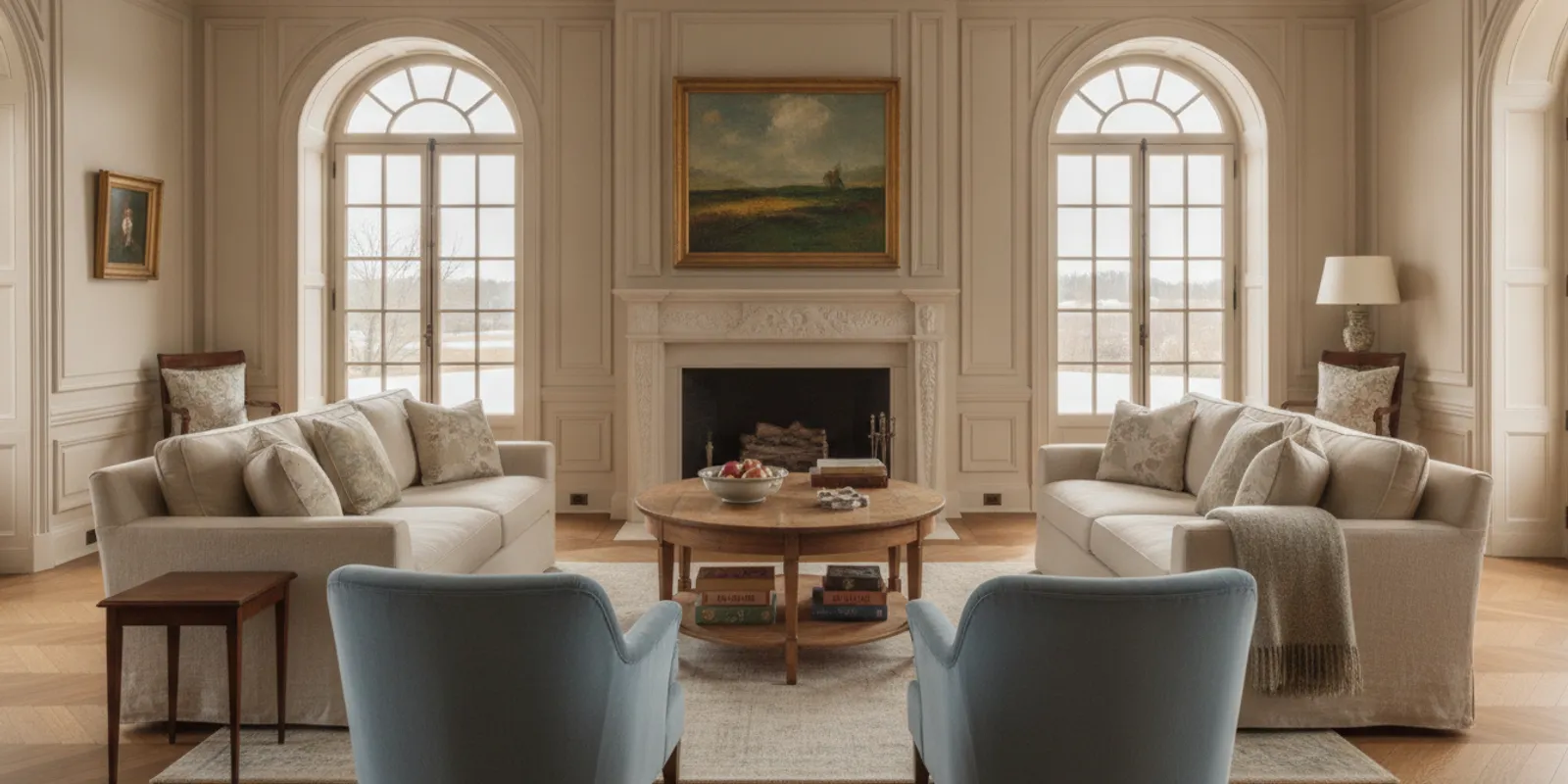
French chateau interior design is not simply a collection of ornate details. In a private estate, it is the balance of proportion, natural light, layered materials, and rooms that let a group settle into its own rhythm. If you are considering a multi-day stay near Boston, request a conversation about your plans and the experience your group hopes to share.
Request an inquiry conversation
What Is French Chateau Interior Design Beyond the Look?
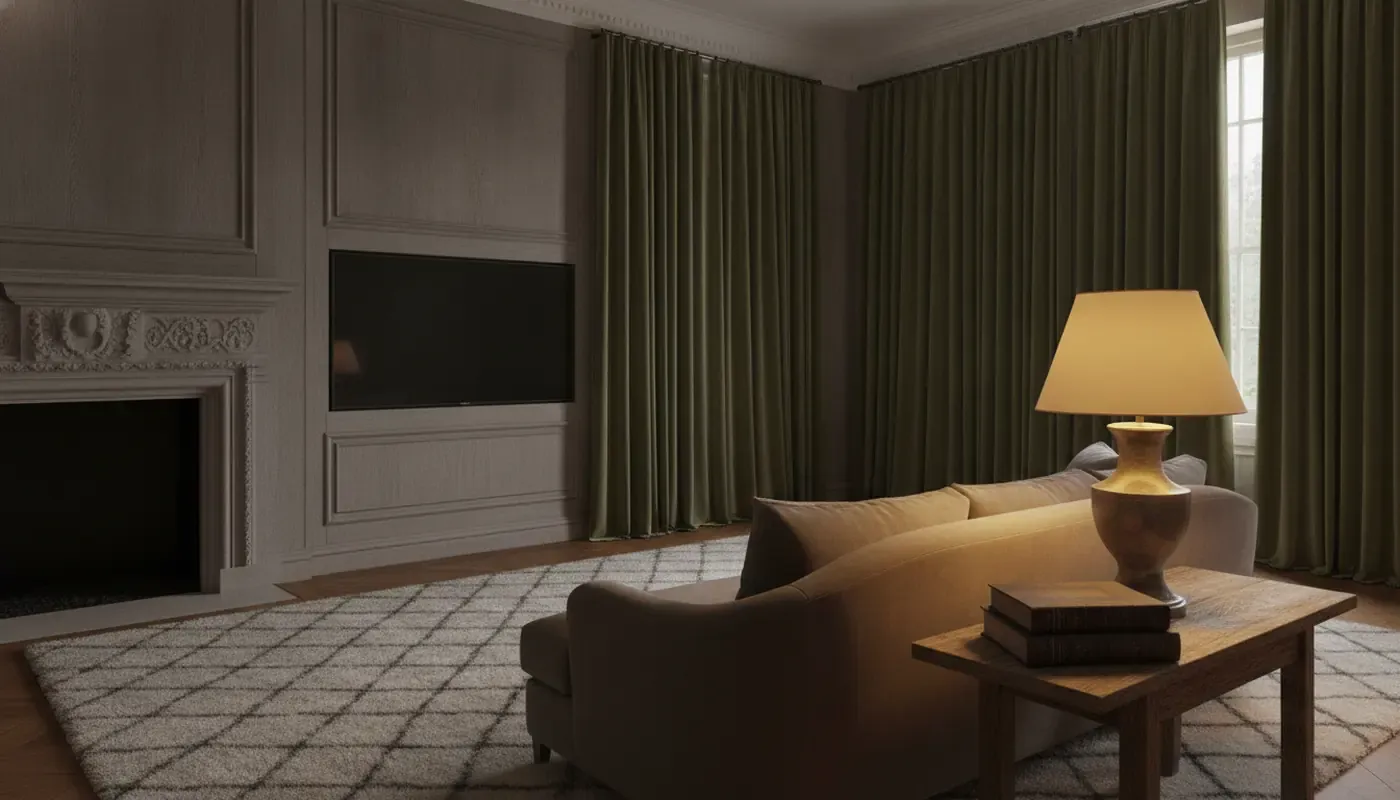
French chateau interior design brings architectural presence together with ease of use. The aim is not to recreate a museum or rely on ornament alone. It is to create a sense of arrival, give rooms distinct character, and make a substantial home feel comfortable for the people gathering there.
The word chateau can suggest elaborate decoration, but a convincing interior depends just as much on relationships between spaces. Scale, light, circulation, and materials shape how a room feels before any individual furnishing does. A high ceiling may create a sense of occasion; a softer seating arrangement can make the same room feel welcoming for conversation.
For a group, the distinction matters. A beautiful room that is difficult to use does little for a long weekend or a leadership retreat. A well-considered estate offers visual character without asking every guest to behave as though they are in a formal reception room. The interior should support conversation, quiet pauses, and time spent together.
The Charles Chateau is an 8,000-square-foot French Chateau-inspired private estate in Dedham, Massachusetts, with eight bedrooms on 11 private acres, approximately 20 minutes from downtown Boston. Its story and setting are part of the experience: estate-scale space and a distinct architectural atmosphere close to the city.
What Design Choices Make a Chateau Feel Welcoming to a Group?
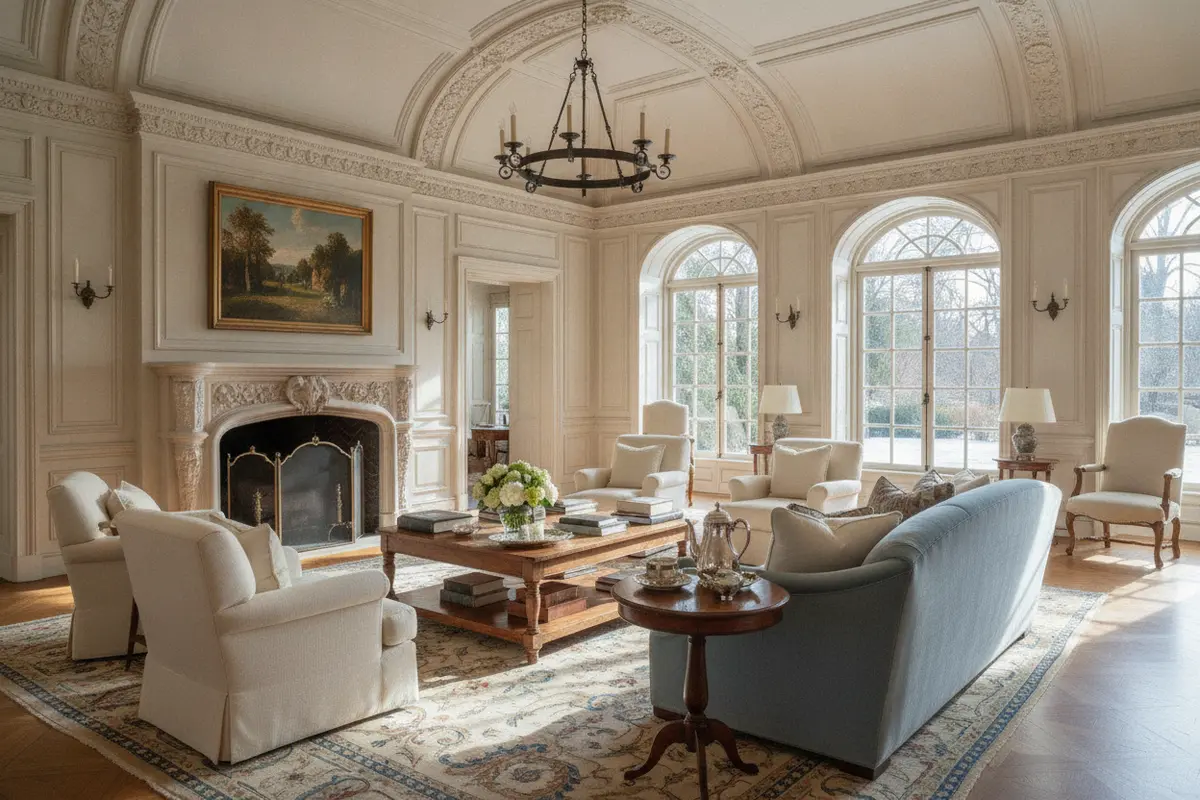
A welcoming estate combines memorable shared rooms with places to step away. For a family gathering, celebration, or executive retreat, guests should be able to find one another naturally without feeling confined to a single room. The best design decisions make both connection and personal space feel equally considered.
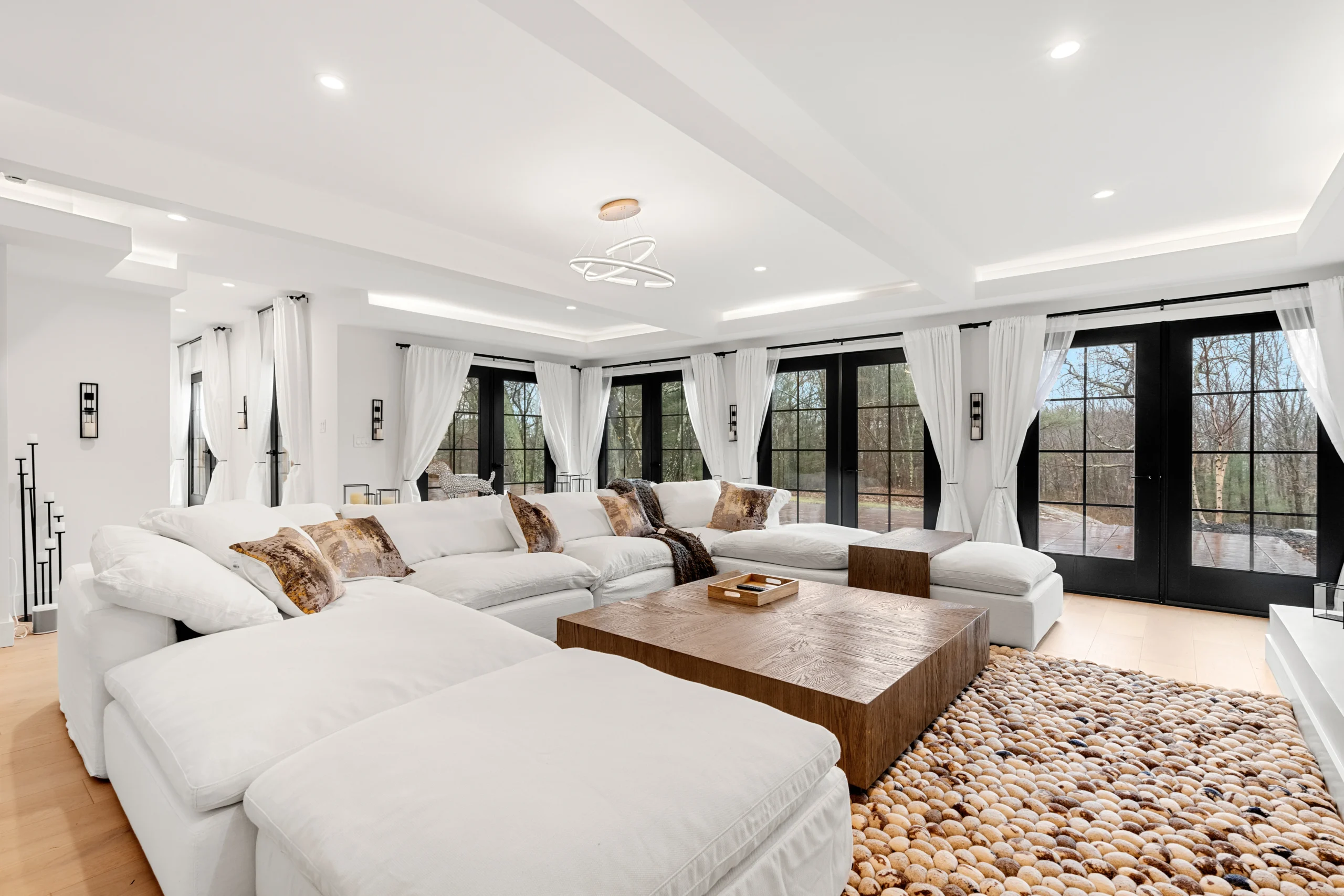
Begin with the shared rooms. Ask where a group might gather for an unhurried conversation, a working session, or a relaxed evening. Look for arrangements that invite people to face one another rather than simply admire a view or a decorative focal point. The details need not be showy; the measure is whether a room feels usable and comfortable for the occasion.
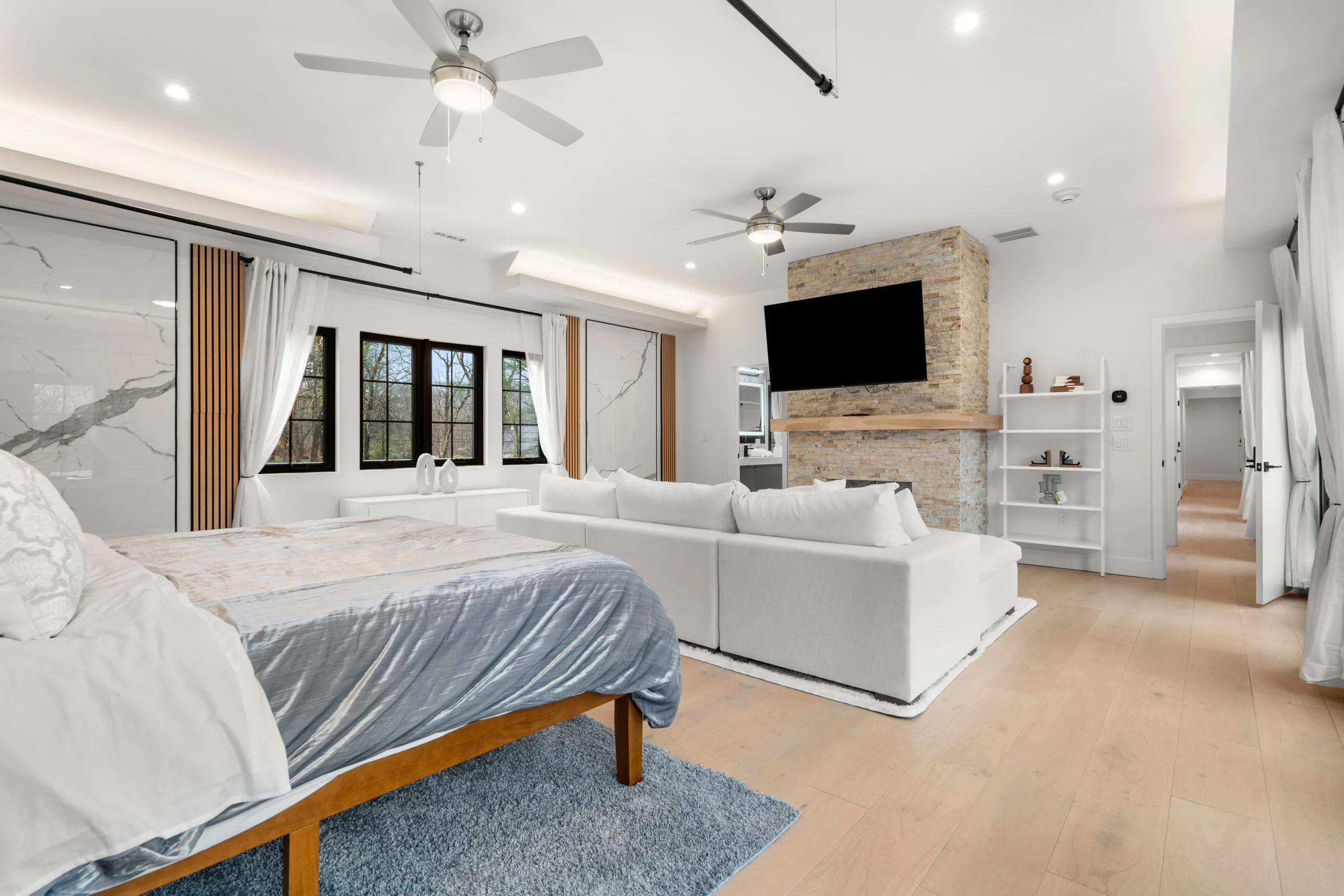
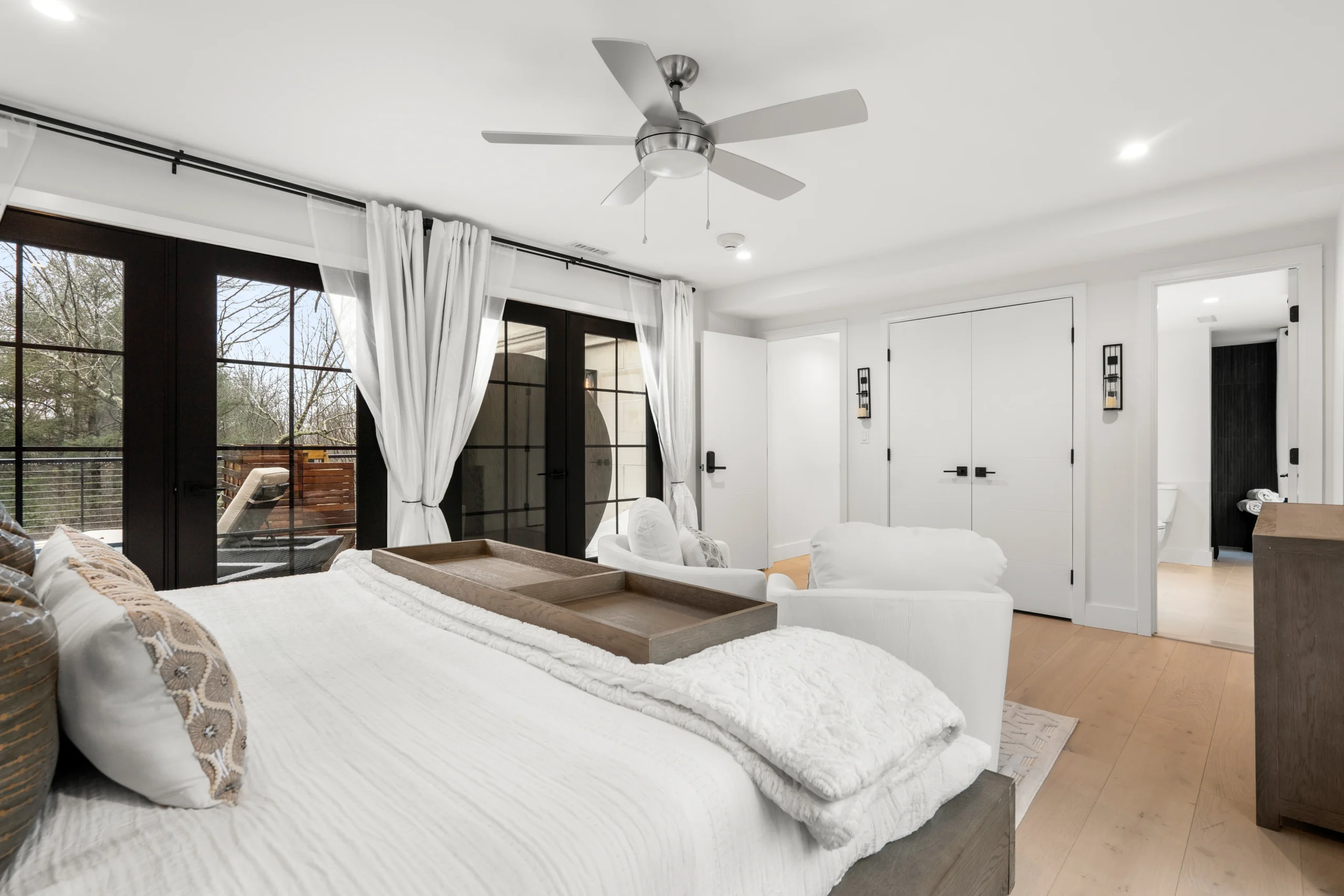
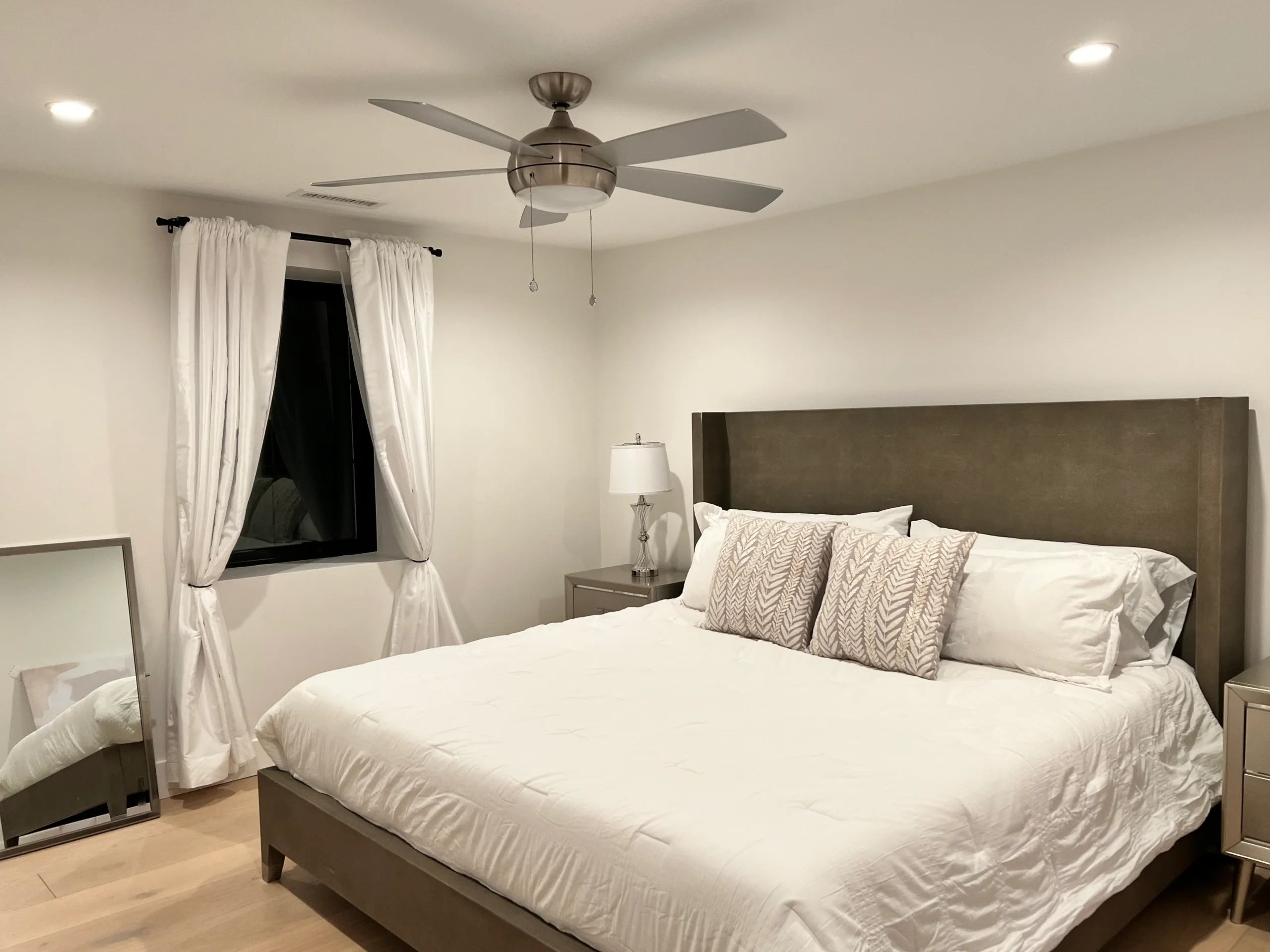
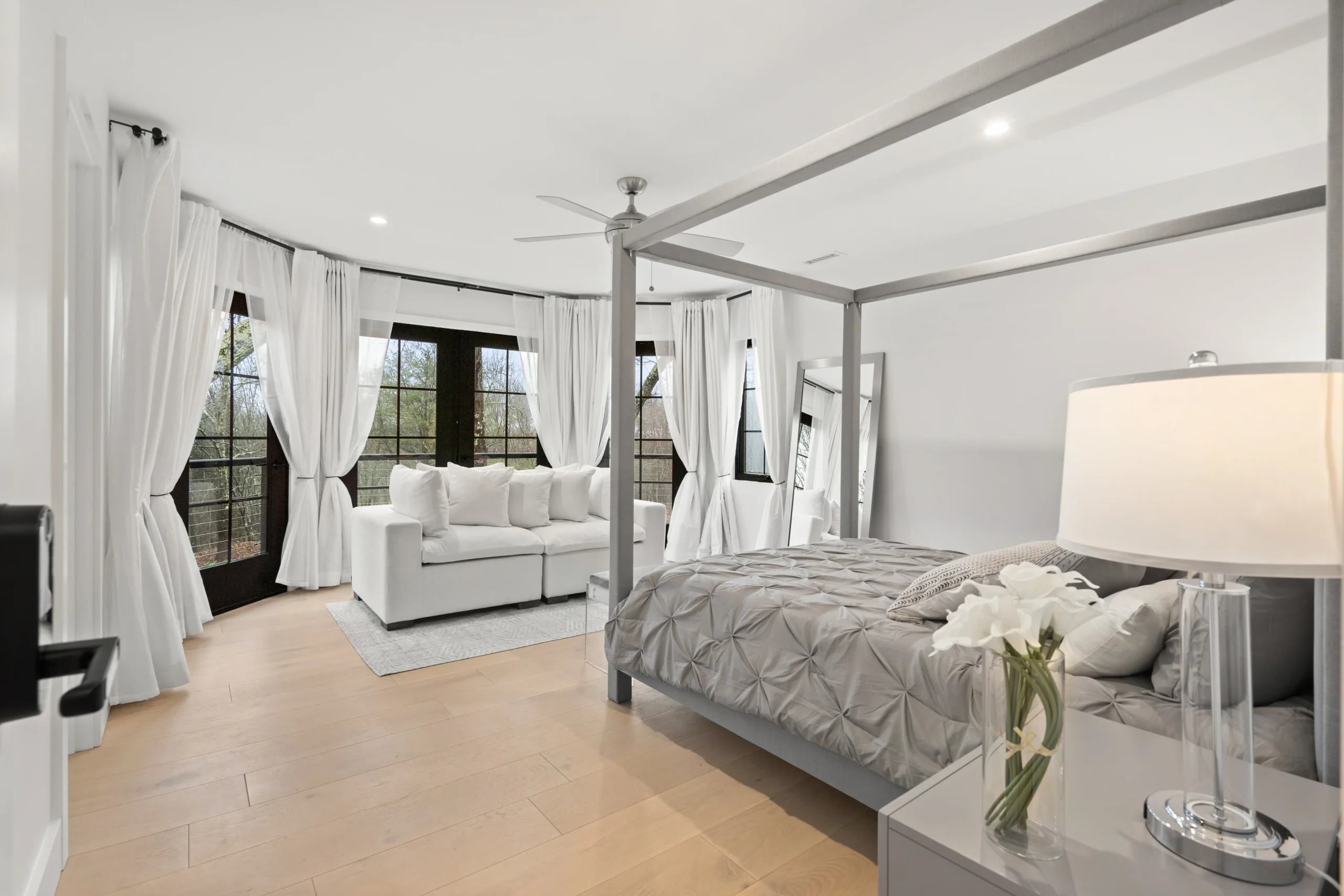
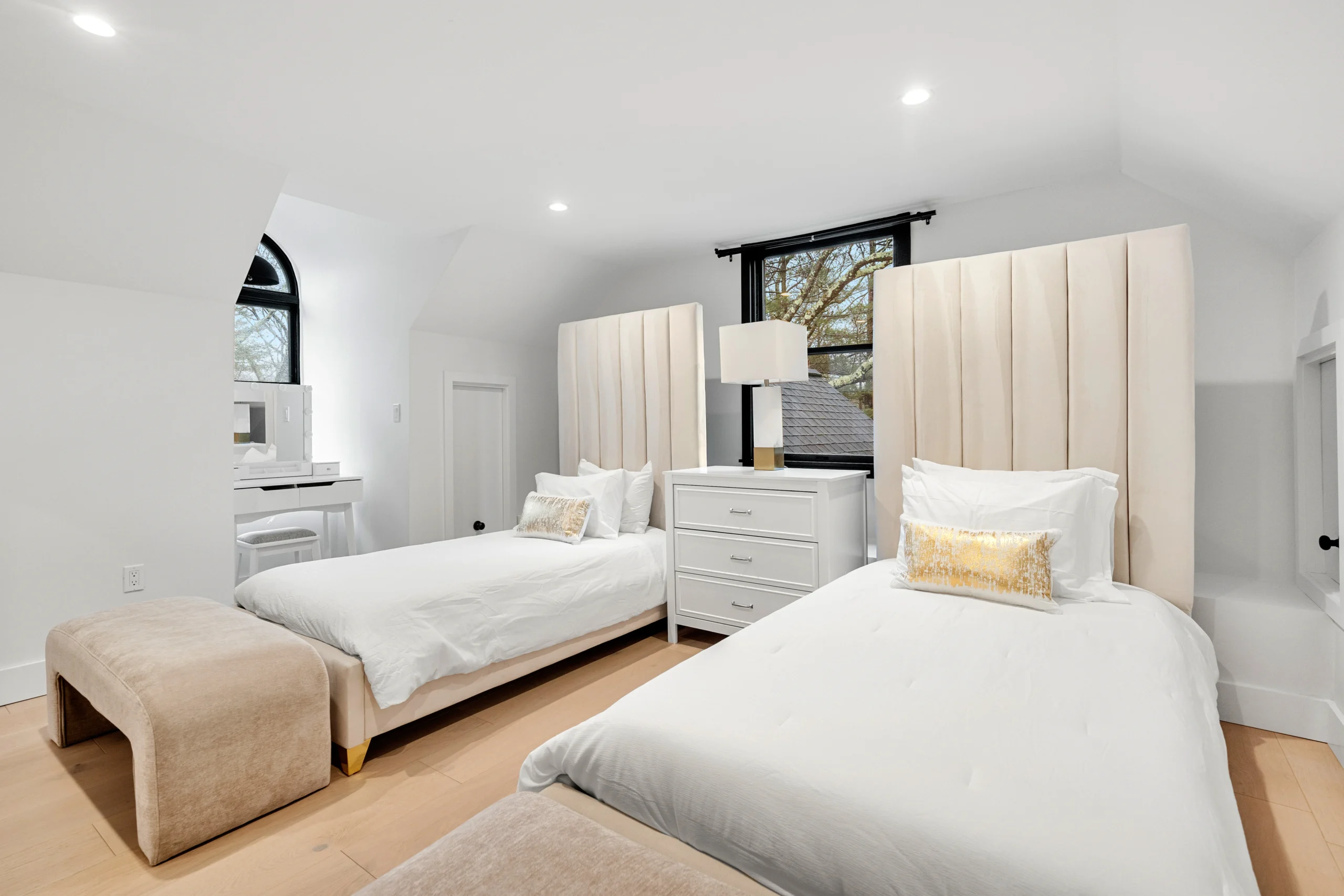
Then consider how the private spaces relate to those gathering areas. Bedrooms give guests a place to rest and reset, while connected common rooms support the time that brings a group together. At a property with eight bedrooms, the suite and bedroom experience is an important part of planning a stay for a larger party, not an afterthought.
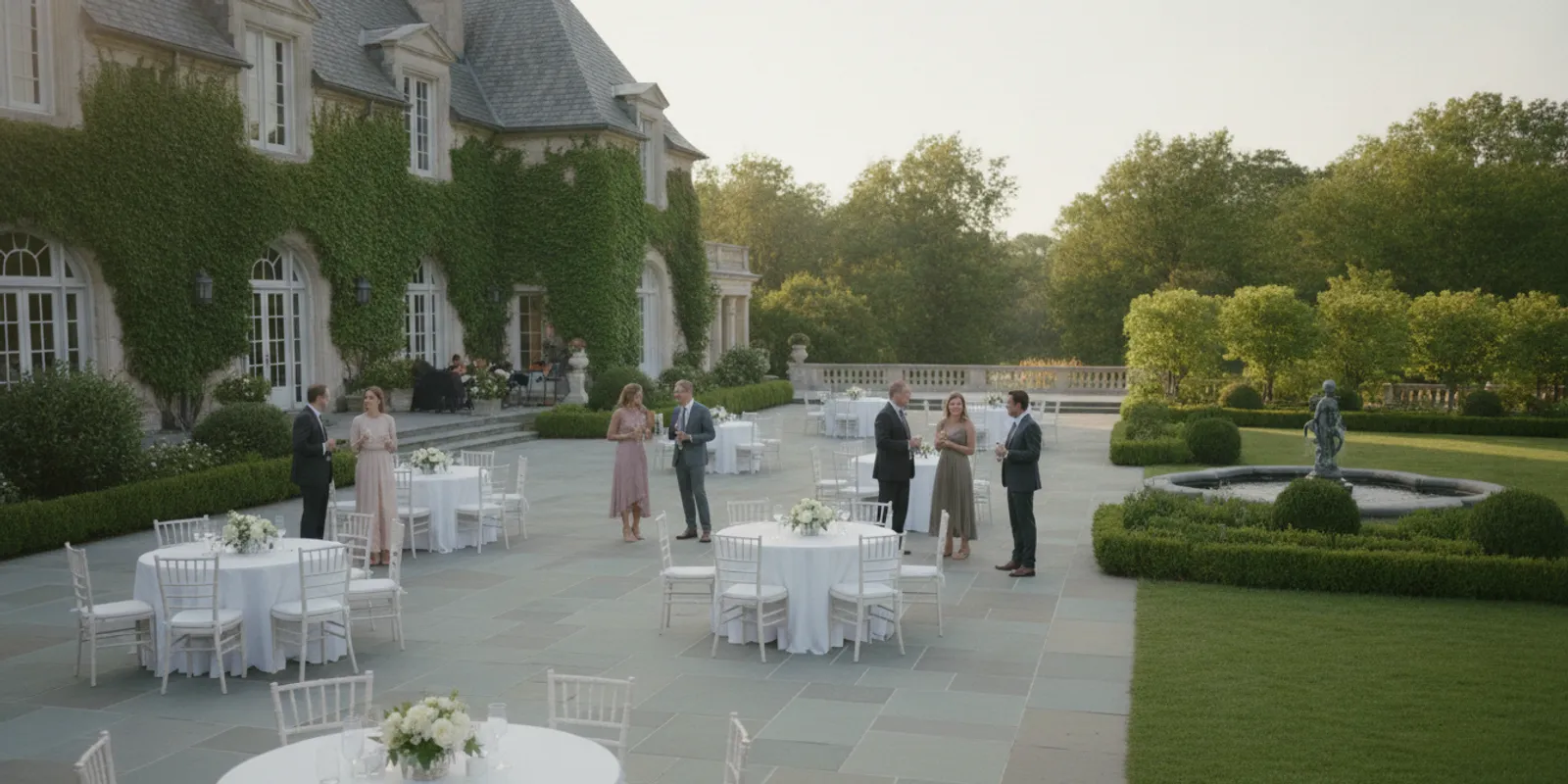
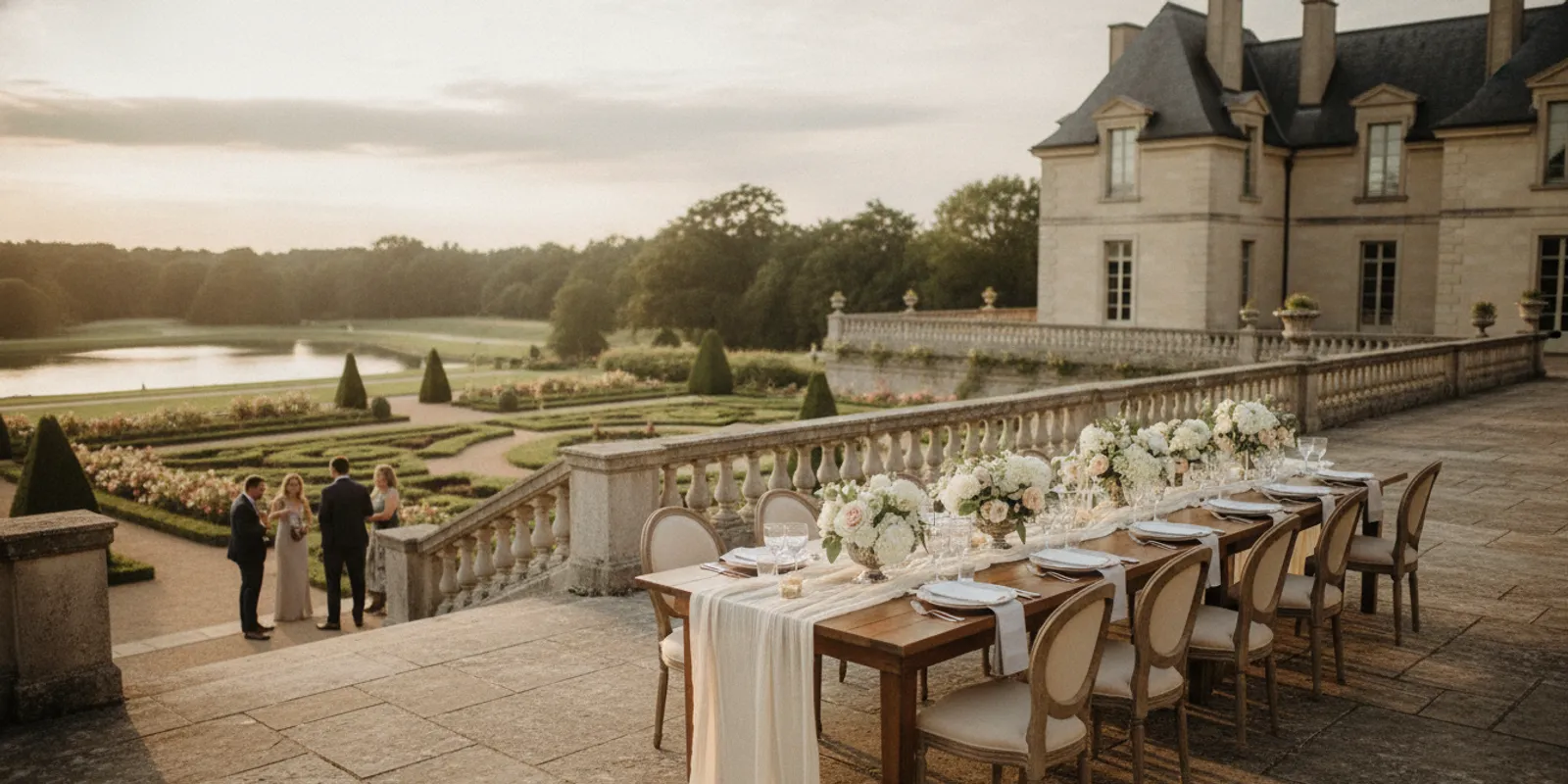
Privacy also comes from the broader setting. Indoor spaces can feel more relaxed when guests know they have room to move between the house and its grounds. At The Charles Chateau, 11 private acres complement the interior. The estate’s outdoor spaces offer another setting for time together, while the property remains a single private estate rather than a collection of separately booked rooms.
For planners, the useful question is not whether each space looks impressive in isolation. Ask whether the sequence of rooms gives guests a natural choice: join the group, find a quieter moment, or move outdoors. That sense of choice often makes a stay feel generous.
How Do Rooms Support Different Rhythms During a Stay?
Rooms serve a group best when they support more than one pace. Some guests may want conversation and activity, while others value a quiet interval before joining again. A thoughtful estate interior provides a range of settings so the group can share meaningful time without needing to follow one schedule throughout the day.
For an executive group, that might mean shifting from a focused discussion to a less formal conversation without leaving the estate. For a multi-generational family, it may mean that some relatives gather while others take a pause. Neither example requires a packed itinerary; the physical setting can make an easier, more flexible rhythm possible.
When evaluating a property, think about the transitions between activities. Where could guests gather after arriving? Is there a natural place to sit together? Can a person move away from the central gathering without feeling excluded? These questions are more useful than counting decorative features, because they help reveal how the home may work over several days.
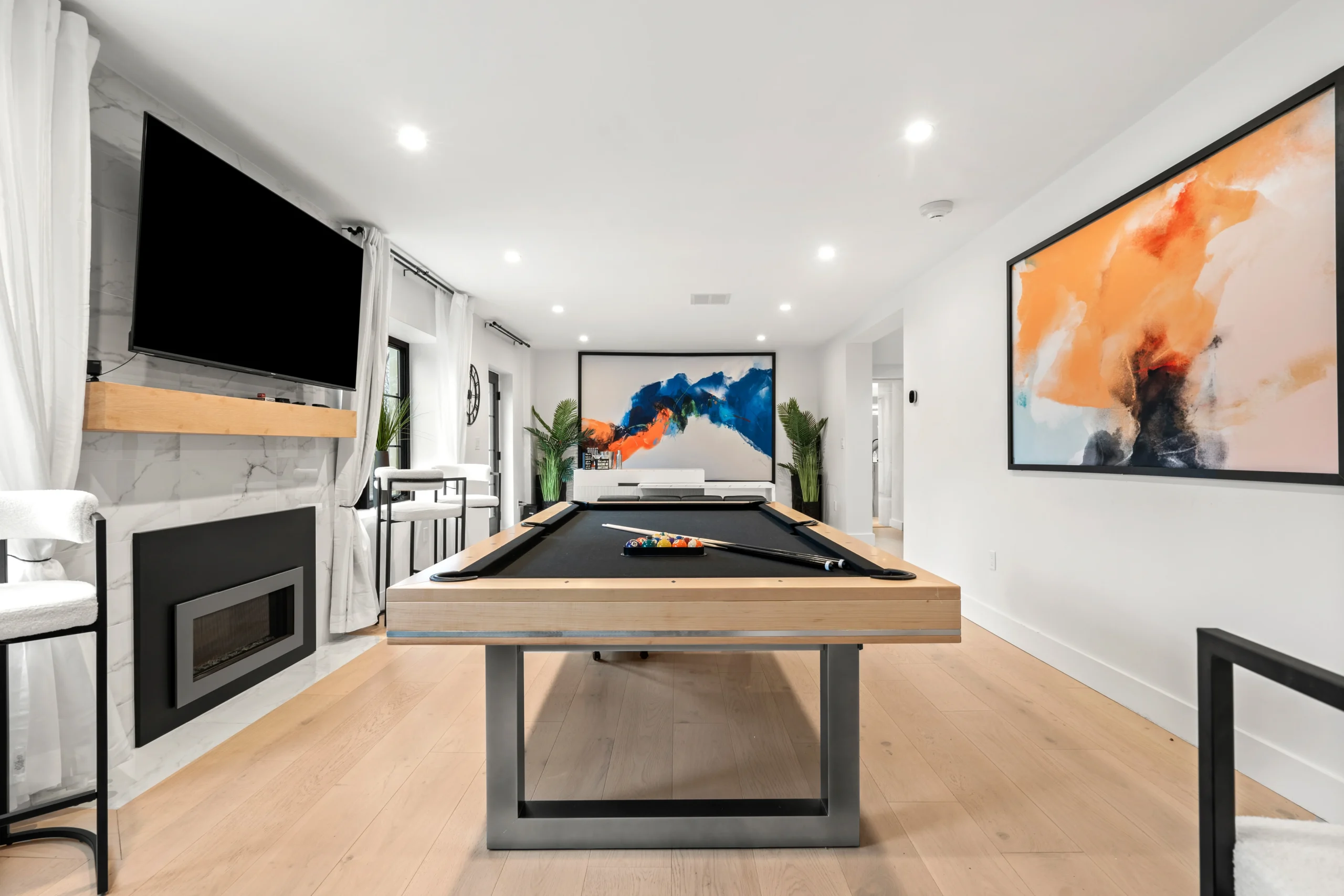
The Charles Chateau includes spaces such as a spa, billiards room, media area, private gym, and multiple fireplaces. These amenities offer different ways to spend time within the home. They should be considered as options for a group to shape its own experience, not as a promise that everyone will use every room. For an overview of interior spaces, consider which settings fit your group’s priorities.
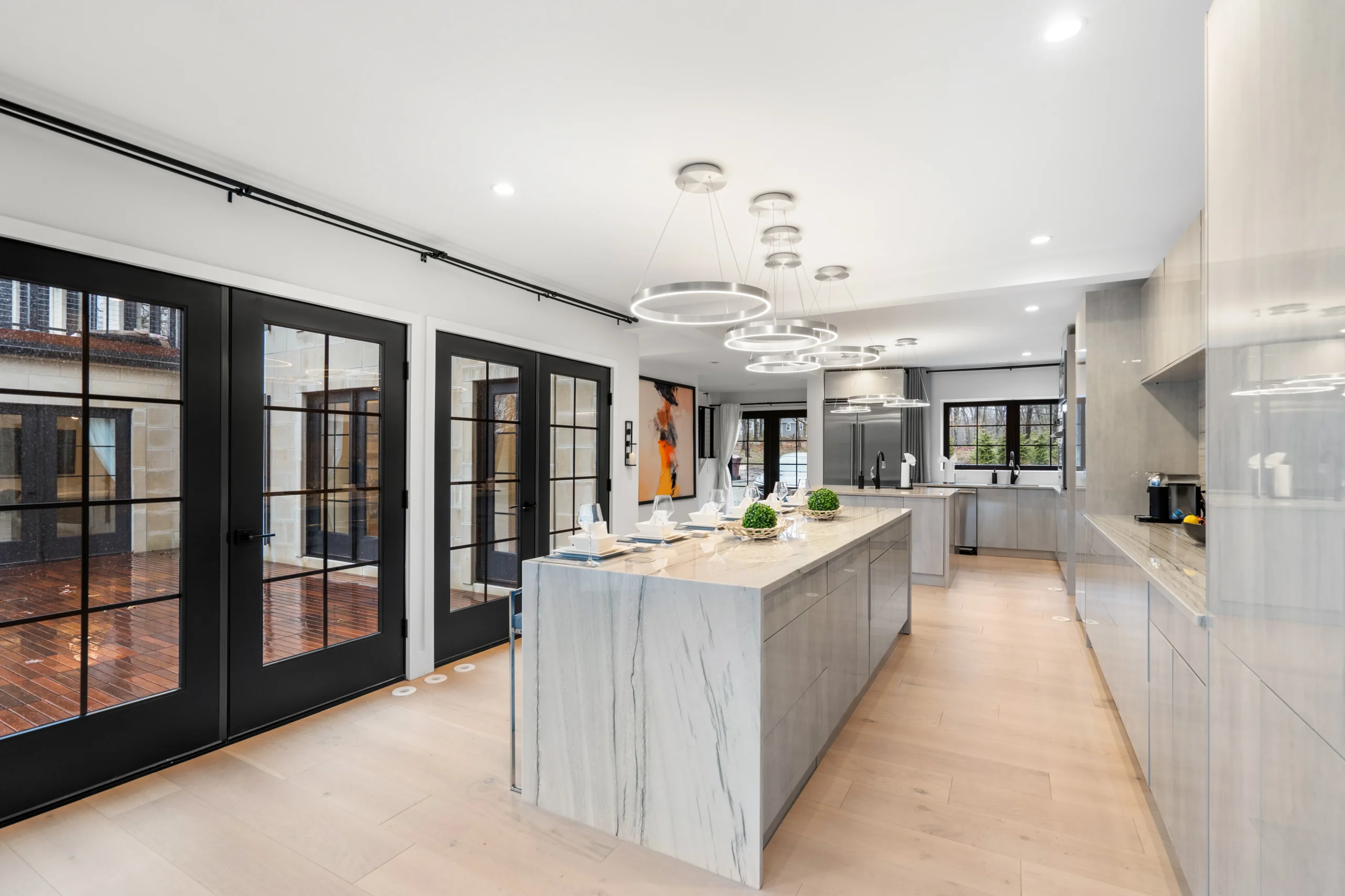
Indoor-outdoor flow can add another layer. A terrace, outdoor kitchen, fire pit, or hot tub can extend a gathering beyond the main rooms, depending on the group’s plans and the season. Consider the grounds alongside the interior rather than treating them as separate attractions.
How Do You Balance Chateau Character With Modern Comfort?
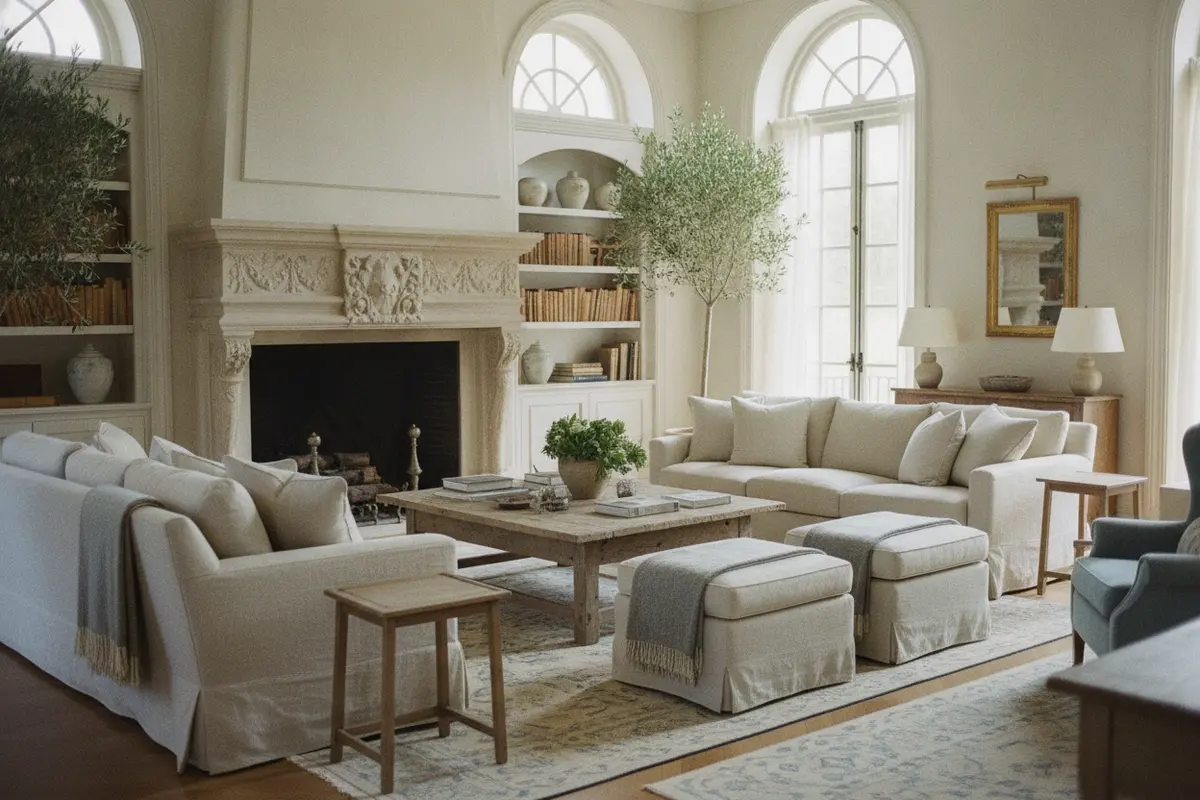
Chateau character feels most convincing when it supports comfort rather than competing with it. Architectural references can give a home depth and identity, while practical furnishings, useful lighting, and clear circulation allow guests to relax. The goal is a composed atmosphere that feels suited to living, not a stage set designed only to be photographed.
Consider the balance through a few questions. Does the room have a clear purpose? Can guests move through it easily? Is there a comfortable place to sit and talk? Does the lighting suit more than one moment of the day? Answers to those questions say more about day-to-day comfort than a list of stylistic labels.
Materials and finishes also influence atmosphere. A room may pair traditional architectural cues with restrained colors, tactile fabrics, and furnishings that feel inviting. Too many competing details can make a large interior feel busy; too little character can make an estate feel anonymous. A thoughtful balance lets a few defining elements give each room its own presence.
Scale deserves particular attention. Large rooms need arrangements that help people feel at ease within them. Smaller groupings of seating, a visible focal point, and a clear path between spaces can make a generous room feel human in scale. In a private estate, this helps guests enjoy the grandeur without losing the comfort of gathering close together.
When viewing an interior, notice how color, texture, and light work together rather than judging each detail separately. A restrained palette can make architectural features feel more present; a mix of smooth and tactile materials can keep a formal room from feeling distant. Also consider how the room changes from day to evening. Useful lighting and comfortable seating help a space serve more than one purpose across a stay.
There is no single checklist that defines good taste. The more useful test is whether the interior feels coherent and welcoming for the way your group intends to spend its time. For more context on the property and its character, the estate overview presents its setting as a private experience near Boston.
How Can You Compare Interior Priorities Before Choosing an Estate?
Compare properties by asking what each design choice will let your group do, not only how it looks in a photograph. A simple review of shared space, privacy, movement, and outdoor connection helps planners weigh an estate against the needs of a real gathering and identify questions for the concierge team.
| Design consideration | What to look for | Why it matters to a group |
|---|---|---|
| Shared rooms | Spaces where people can sit and speak comfortably | Supports conversation and a sense of togetherness |
| Private spaces | Bedrooms and quieter areas that give guests room to reset | Helps a multi-day stay feel considered for different needs |
| Movement | Clear paths between gathering areas, bedrooms, and the outdoors | Makes it easier to move through the house without disrupting the group |
| Character and comfort | Distinctive architectural details alongside practical furnishings | Creates an elevated atmosphere that still feels livable |
| Indoor-outdoor connection | Outdoor spaces that complement the interior gathering areas | Offers another setting for time together as plans and conditions allow |
| Planning support | A way to discuss the occasion, group needs, and arrangements in advance | Helps the experience fit the people attending rather than a fixed template |
Use this comparison as a conversation guide, not a scoring system. A property that feels right for an intimate family celebration may not serve the same purpose as a leadership gathering. Share the size of your group, the occasion, the dates you are considering, and the balance of shared and independent time that would make the stay comfortable.
It can also help to picture an ordinary moment, not only the main event. Imagine how the first guests might arrive, where everyone would gather before dinner, and where someone might go for a quieter conversation. Then consider the next morning: does the setting allow the group to begin the day together without requiring everyone to follow the same routine? This practical exercise reveals whether the rooms support the pace you want. If photographs leave questions about room connections or furnishings, raise them during the inquiry. Specific arrangements can be discussed for the group rather than assumed from a general design description.
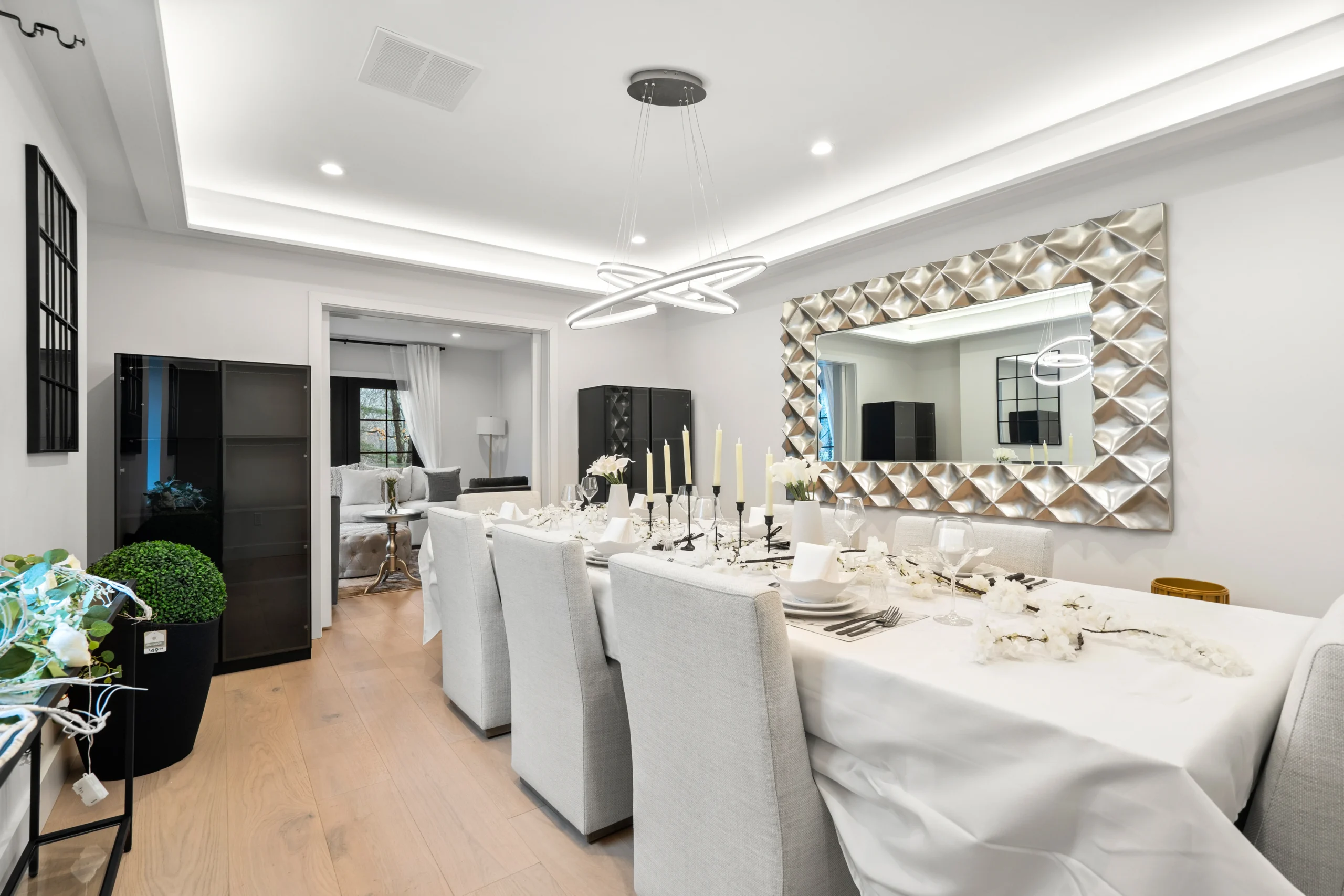
For a larger gathering, specific seating and dining arrangements should be discussed with the concierge team. Needs are tailored to the reservation rather than defined by a fixed published seating count. This is especially useful when the group includes different generations or when the schedule includes both structured and informal moments.
What Should You Ask When Planning a Design-Led Group Stay?
A useful inquiry connects the setting to the occasion. Rather than asking only whether an estate looks like a chateau, explain who is gathering, what the group hopes to do, and what would make the stay feel comfortable. Those details help the concierge conversation focus on fit, arrangements, and the experience as a whole.
- What is the occasion, and what would make the gathering feel meaningful?
- How many guests expect to stay overnight, and how many may join for daytime activities?
- Will the group need a balance of shared time, focused discussion, and private downtime?
- Which indoor and outdoor settings matter most to the group?
- Are there particular arrival, dining, or activity arrangements to discuss in advance?
- What dates are you considering, and what flexibility is possible?
These questions help distinguish an attractive property from a suitable setting. A corporate group may value privacy, a central gathering space, and a smooth transition between work and informal conversation. A family may care more about having room for different ages and a shared setting for a milestone. The estate is a whole-property experience, so the group can consider the setting together rather than coordinating separate rooms.
Location belongs in the same conversation. Dedham places the estate approximately 20 minutes from downtown Boston, with 11 private acres around the home. For guests planning time beyond the property, review the Dedham and Boston area as part of the itinerary. The near-city location can make a private retreat feel distinct from a longer drive to a remote destination.
Groups considering a work-focused gathering can also explore guidance on planning a corporate retreat and questions to confirm before an executive retreat. These resources offer planning prompts; the right format still depends on the group, its purpose, and the arrangements discussed for a specific stay.
How Does a Private Estate Interior Shape the Experience?
An interior shapes the experience by influencing how guests arrive, gather, pause, and move through a stay. In a private estate, design is not separate from hospitality: the rooms and grounds provide the setting, while thoughtful planning helps that setting reflect the group’s occasion and preferred pace.
That is why a French Chateau-inspired interior is best understood through the whole experience, not a style label alone. Architectural character establishes a sense of place. A range of rooms makes it possible for a group to gather and then find its own rhythm. The surrounding grounds expand the experience beyond the walls, while proximity to Boston keeps the journey comparatively simple for guests traveling from the region.
The Charles Chateau is a members-only private estate, and reservations are extended to active members and invited guests. Prospective guests may request consideration for membership. For private retreats, family gatherings, and celebrations, sharing the purpose and practical needs of the group is the best starting point for a tailored conversation.
Request consideration for membership
Frequently Asked Questions
French chateau interiors can be assessed through their proportions, comfort, and suitability for the group’s plans. These short answers clarify how to think about the style, what distinguishes it from decoration alone, and what to consider when planning a private estate stay near Boston.
What defines French chateau interior design?
It is a balance of architectural character, proportion, light, materials, and usable rooms. The style is more than ornate decoration; it should create a distinctive atmosphere while remaining comfortable for daily use and group gatherings.
How can a chateau-inspired interior feel comfortable rather than formal?
Comfort comes from useful room arrangements, inviting places to sit, clear movement between spaces, and a mix of shared and quieter areas. Character can remain present without making guests feel they must treat every room as a formal reception space.
What should a group consider when choosing an estate?
Consider the purpose of the stay, overnight group size, shared and private spaces, indoor-outdoor flow, location, and the arrangements that may need to be discussed in advance. Ask how the setting can support the group’s rhythm rather than focusing only on photographs.
How does The Charles Chateau combine a distinctive interior with a group stay?
The Charles Chateau is an 8,000-square-foot French Chateau-inspired private estate with eight bedrooms on 11 private acres in Dedham, approximately 20 minutes from downtown Boston. Its rooms and grounds offer settings for gathering and relaxing, with concierge planning discussed through an inquiry.
French chateau interior design is most compelling when its beauty and practical welcome work together. For a group stay near Boston, start with the occasion and the feeling you want your guests to carry home.