The strongest executive retreats are shaped before anyone asks for a date. A clear purpose, carefully defined attendee group, and realistic picture of the experience help your team evaluate a venue with confidence rather than urgency.
An executive retreat planning checklist is a concise set of decisions covering the retreat’s purpose, participants, venue, agenda, logistics, and communication before you request availability.
That preparation matters particularly for leadership teams discussing sensitive priorities. Harvard event-planning guidance recommends confirming the scope, attendee list, and desired outcomes three to six months in advance, beginning with a simple question: what is the objective? The Charles Chateau offers a private, members-only estate in Dedham, approximately 20 minutes from downtown Boston, where discretion and accessibility can coexist. For more context, see this guide to an executive retreat venue near Boston.
Before contacting a concierge, use the following twelve checks to clarify what success requires and where a retreat could lose focus.
Why Your Executive Retreat Planning Checklist Prevents Retreat Failures
An executive retreat can create meaningful alignment, but only when the planning begins with a clear purpose. Harvard Business Review describes the traditional retreat as time away from the office for executive debate and strategic contemplation, rather than a routine meeting. That distinction matters: the setting, schedule, and guest experience should all serve the work the leadership team needs to accomplish.
Before contacting a venue, confirm four fundamentals in writing:
- Scope: Define whether the gathering is a leadership offsite, board discussion, strategic reset, or a combination of objectives. A broad intention such as “team alignment” needs a more precise working definition.
- Desired outcomes: Identify what should be decided, clarified, or produced by the end of the retreat. Harvard Business Review notes that a thoughtfully planned offsite can reset a team’s trajectory. A successful retreat leaves participants with a clearer understanding of what they are doing and a renewed sense of collaboration.
- Attendee list: Establish who must be present, who may contribute to specific sessions, and whether an external facilitator or guest speaker is needed. The group’s size and composition will influence privacy, room use, meals, and the pace of the agenda.
- Timeline: Work backward from the preferred dates. Harvard Law School’s event-planning guidance recommends confirming scope, attendees, and desired outcomes three to six months in advance, then asking the fundamental question: “What is the objective?” Review the planning guidance before dates become urgent.
This sequence prevents a common failure: choosing a beautiful setting before the leadership team agrees on what the retreat must accomplish. Without that agreement, the venue inquiry remains vague, the proposed format may not fit the work, and important attendees can be unavailable. With it, a venue’s concierge can respond intelligently to the group’s requirements, recommend an appropriate flow, and identify details that deserve attention early.
Why plan before contacting a venue?
Planning first gives the venue a useful brief instead of a general request for availability. It also gives your team a disciplined basis for evaluating recommendations. A private estate may be ideal for focused conversation, but the right choice depends on the people attending, the decisions required, and the time available. Prepare those answers first, then begin the conversation with a concise, considered inquiry.
Venue Checklist: Exclusivity, Capacity, and Accessibility
1. Confirm exclusive use and privacy. Leadership retreats often involve confidential strategy, candid discussion, and decisions that should not compete with unrelated guests or activity. Ask whether your group has control of the setting for the full program, including arrival, working sessions, meals, and informal conversations. For teams planning near Boston’s business core, absolute privacy and discretion should be treated as a requirement, not a preference.
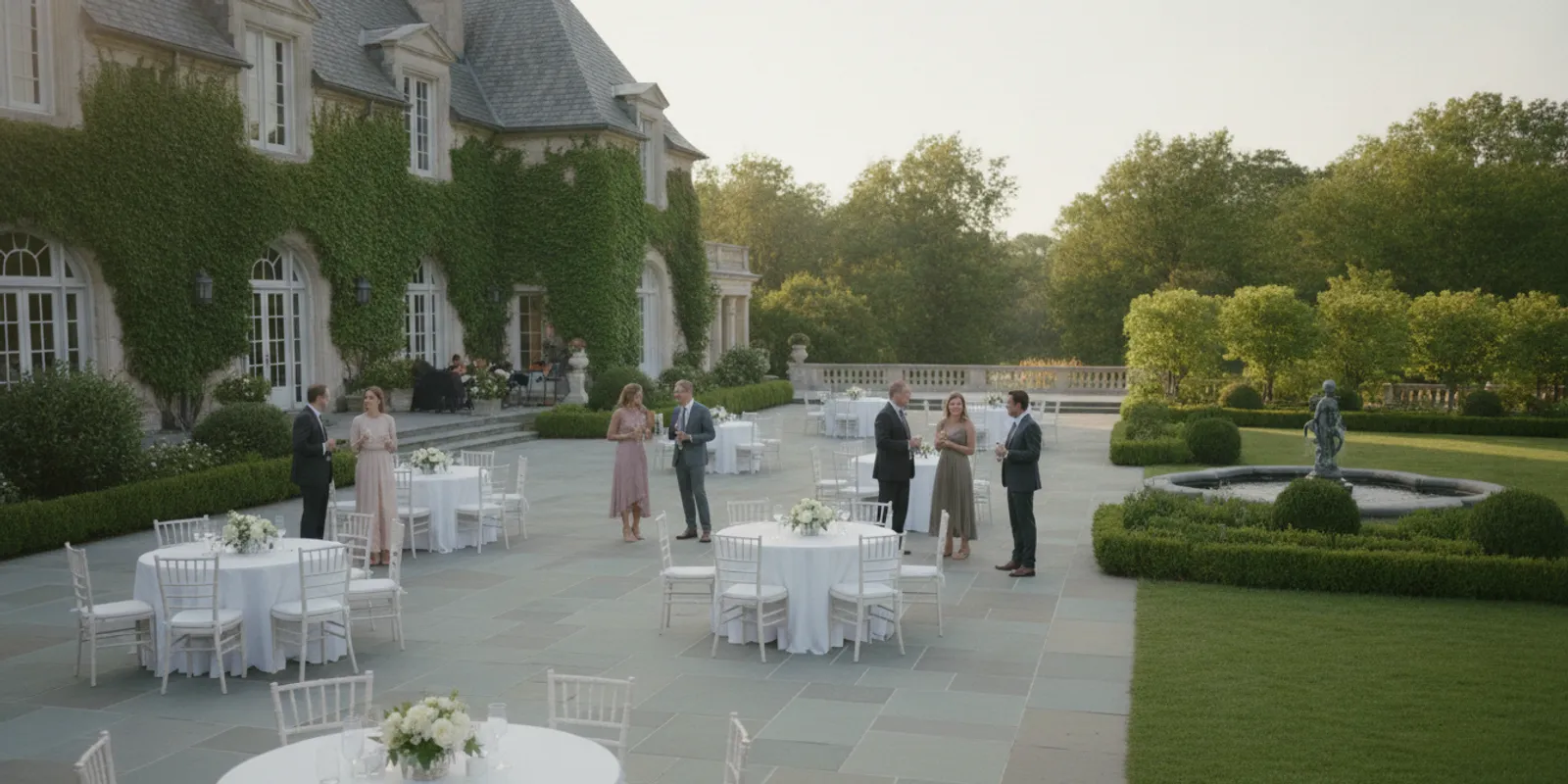
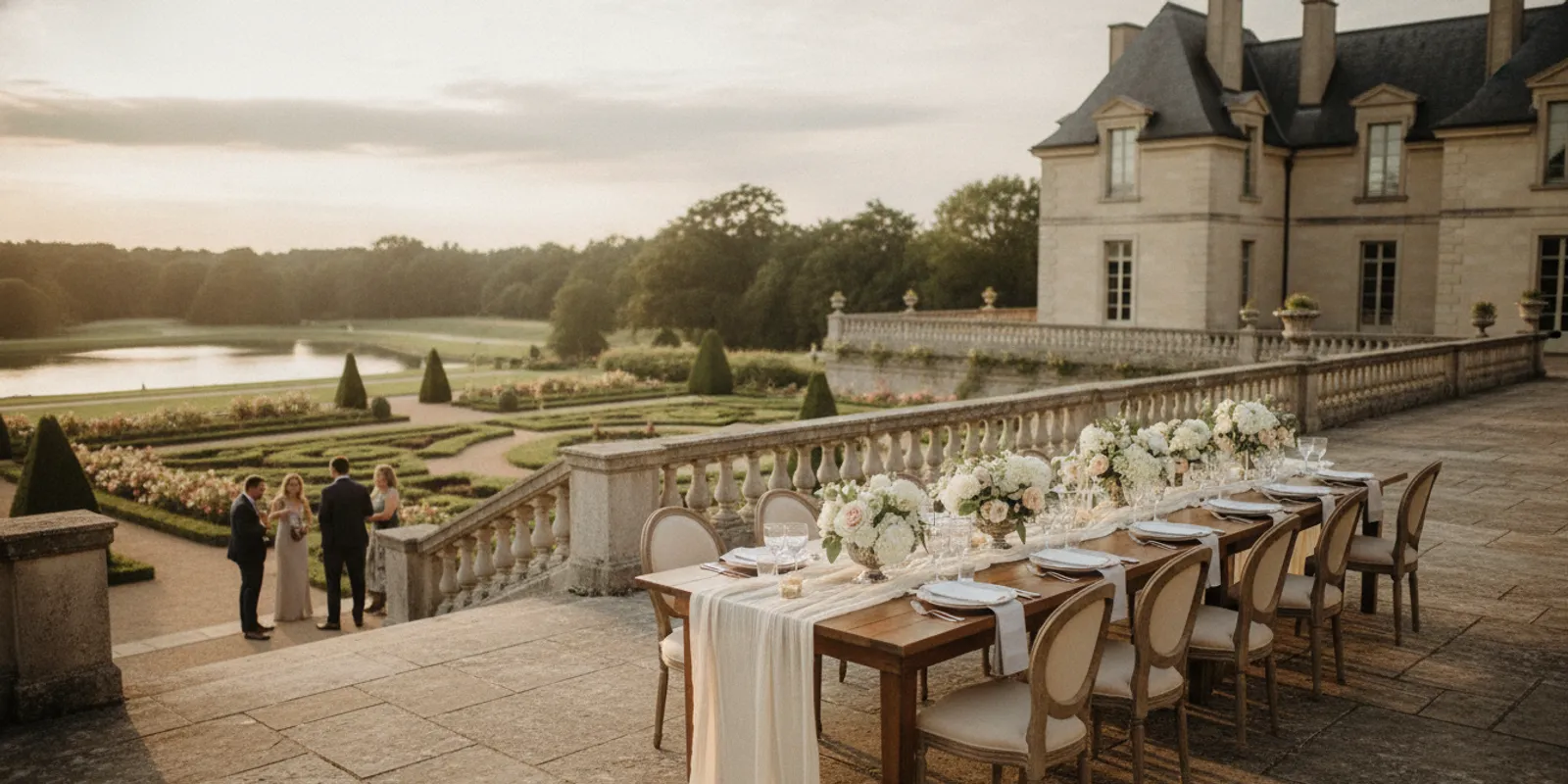
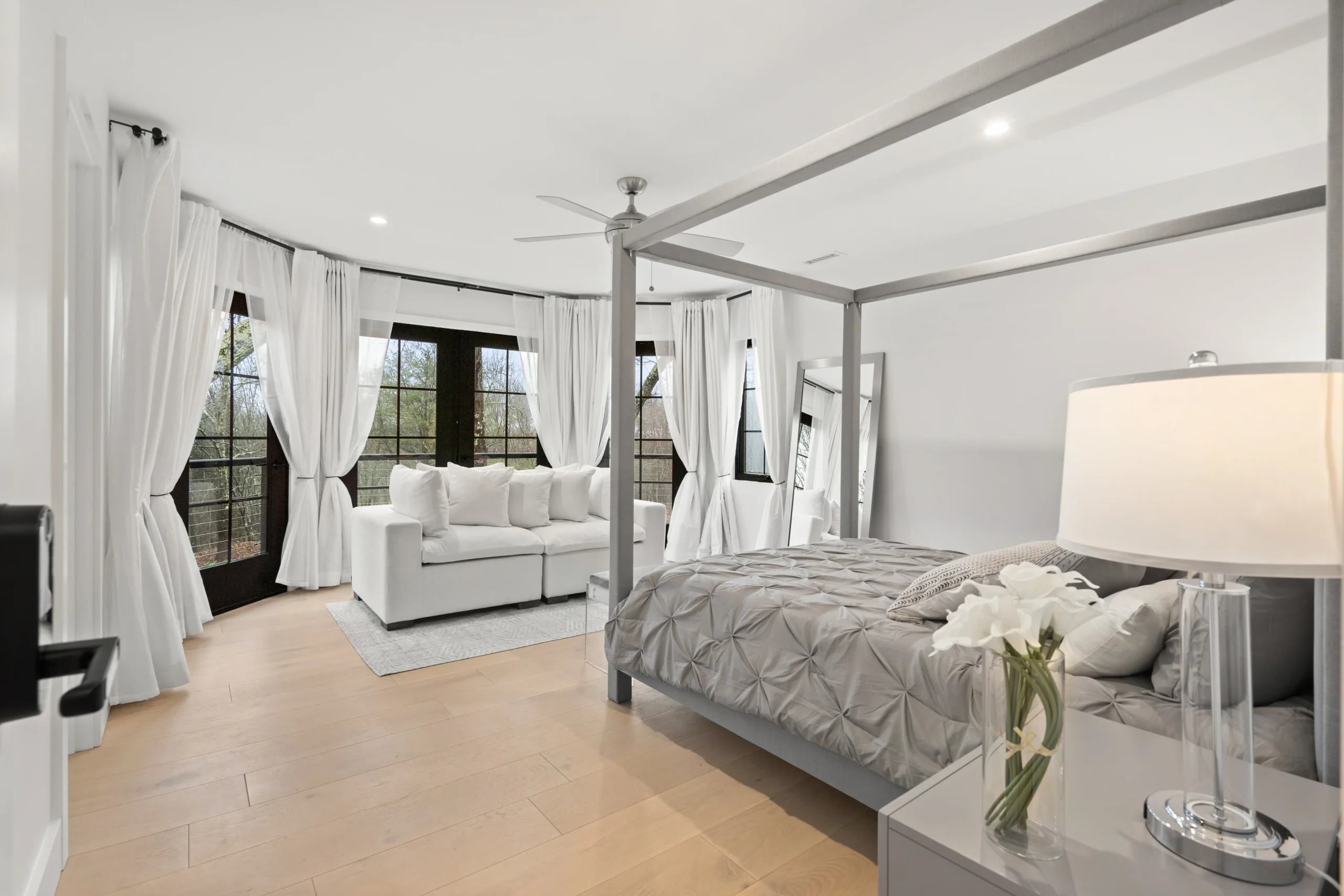
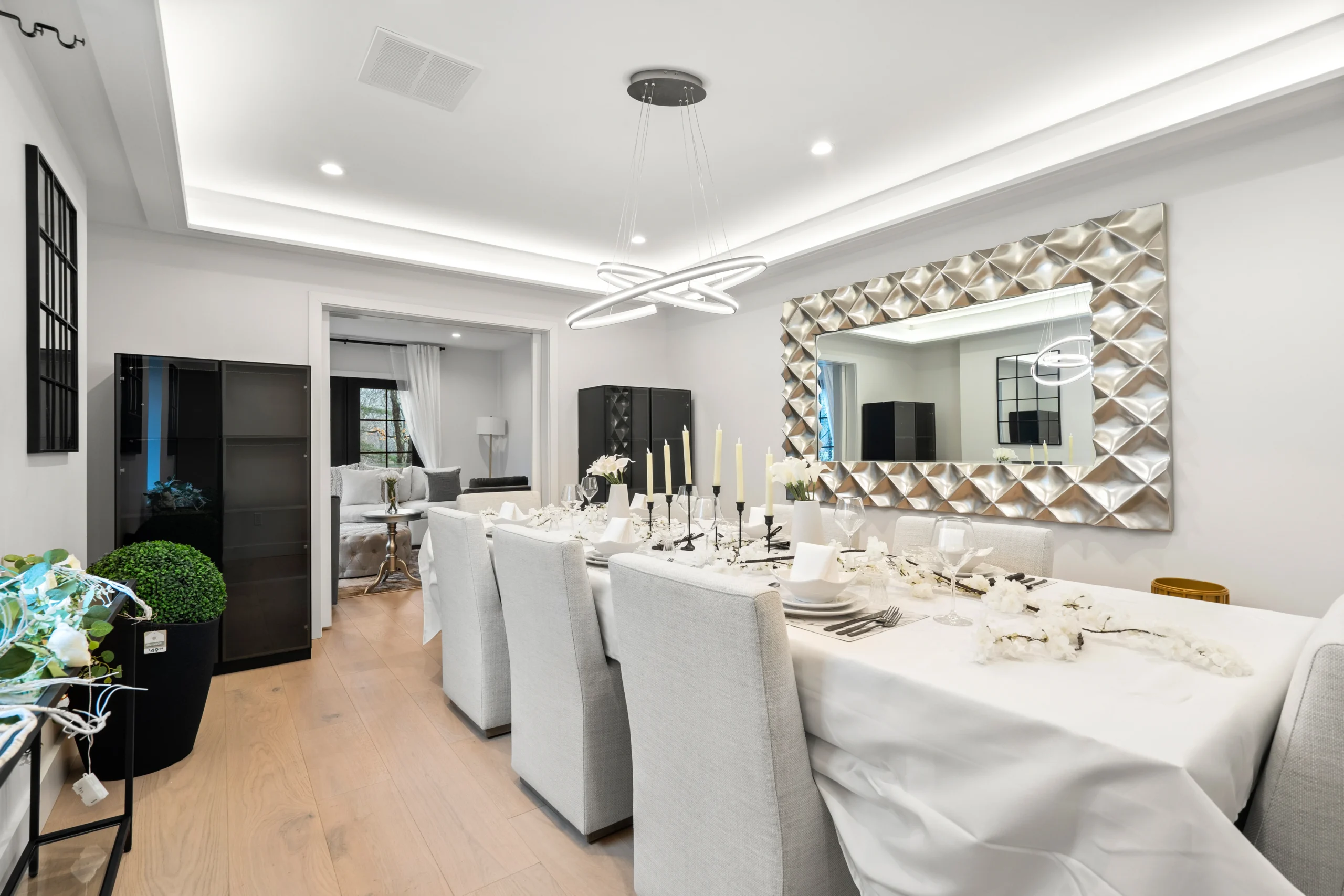
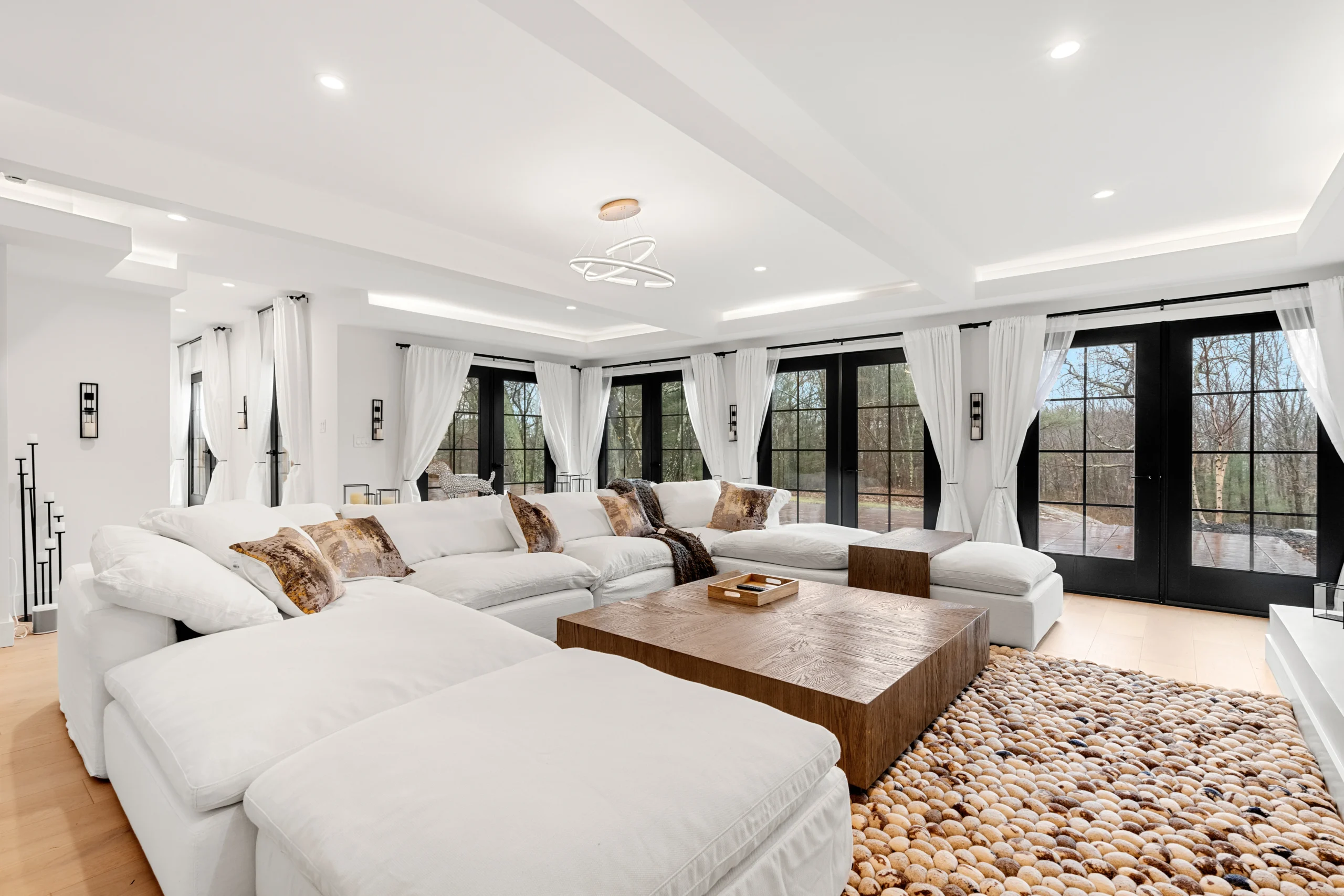
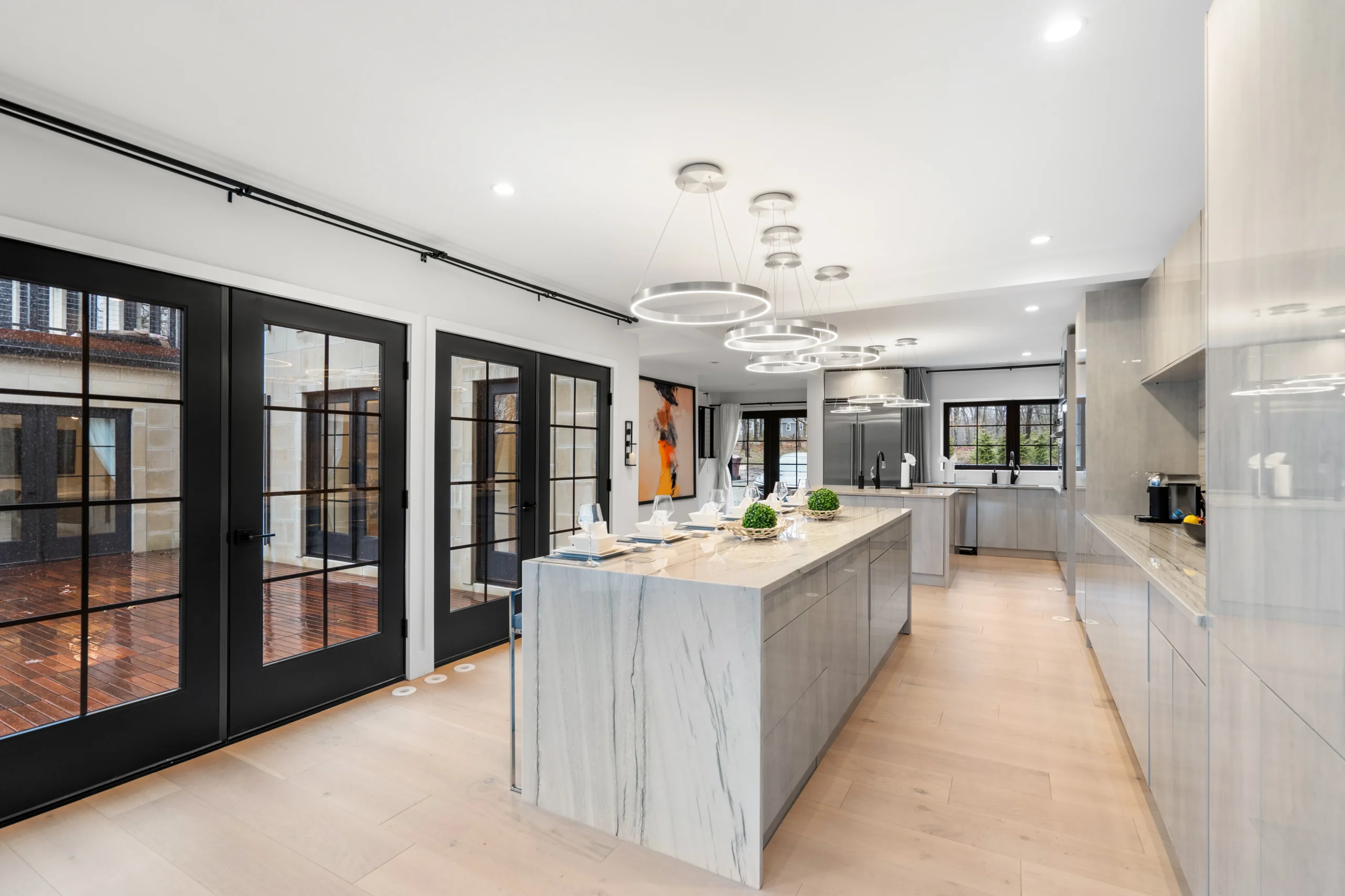
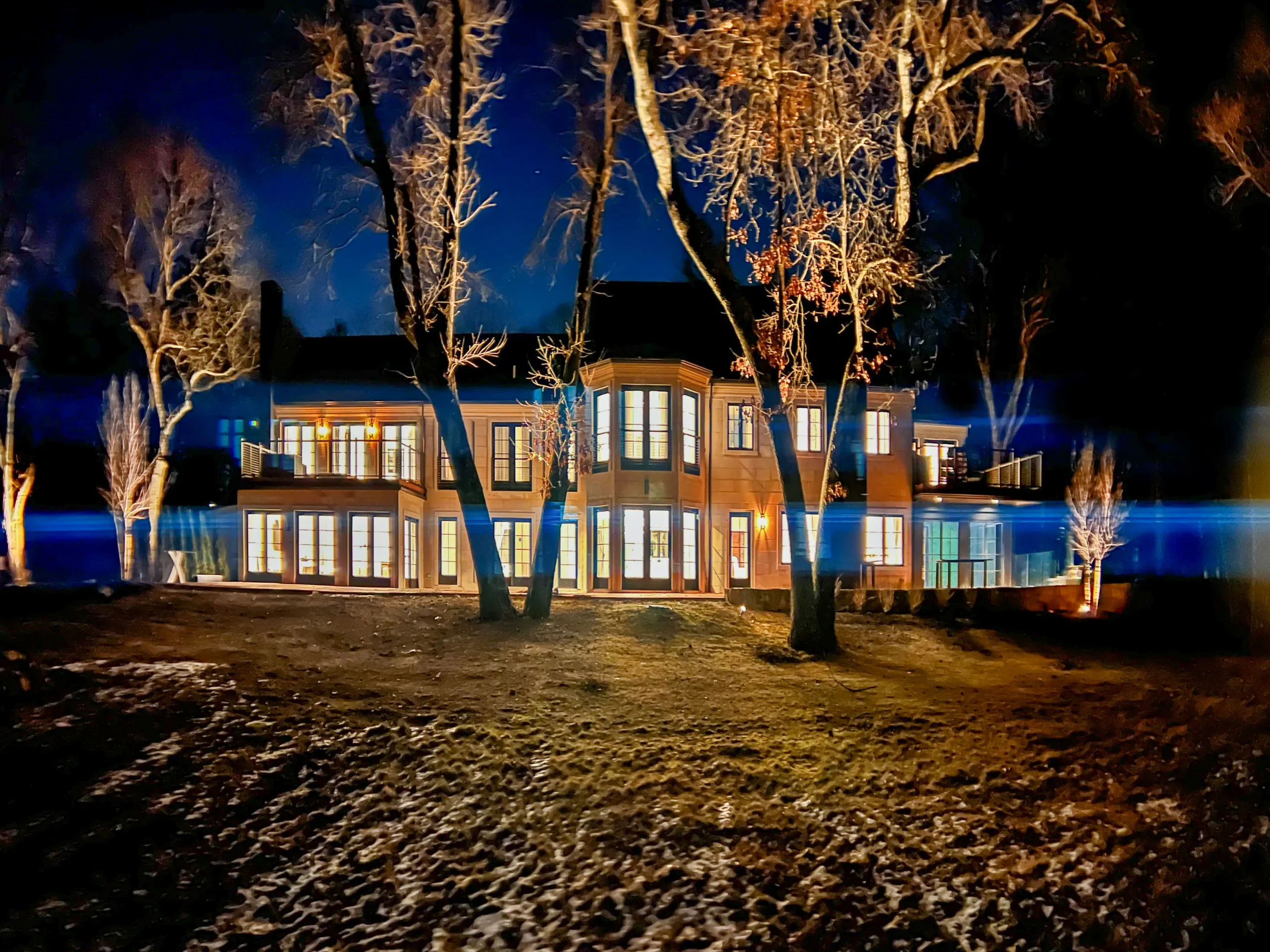
The Charles Chateau offers exclusive control of an 8,000-square-foot French-inspired residence on 11 private acres. That setting gives a leadership group room to step away from the ordinary office environment while keeping the retreat within reach of Boston. For sensitive board conversations, review the board meeting retreat venue in New England guide as you compare privacy requirements.
2. Match capacity to the people and the work. Do not evaluate capacity by headcount alone. Confirm how many participants can work comfortably in the primary room, how smaller conversations will happen, and whether the property supports movement between formal sessions and private discussion. A venue should accommodate the group without making the retreat feel crowded or over-scaled.
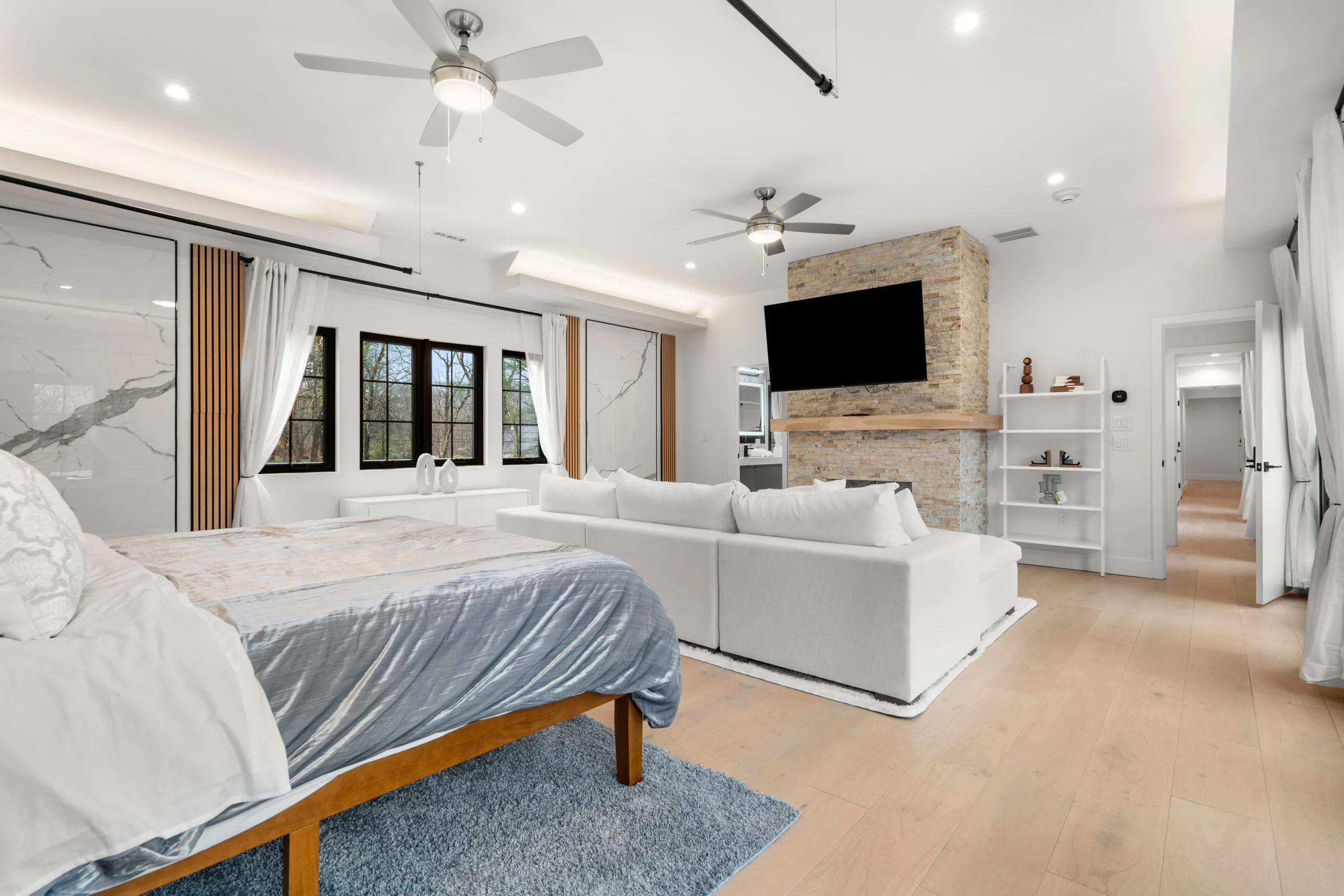
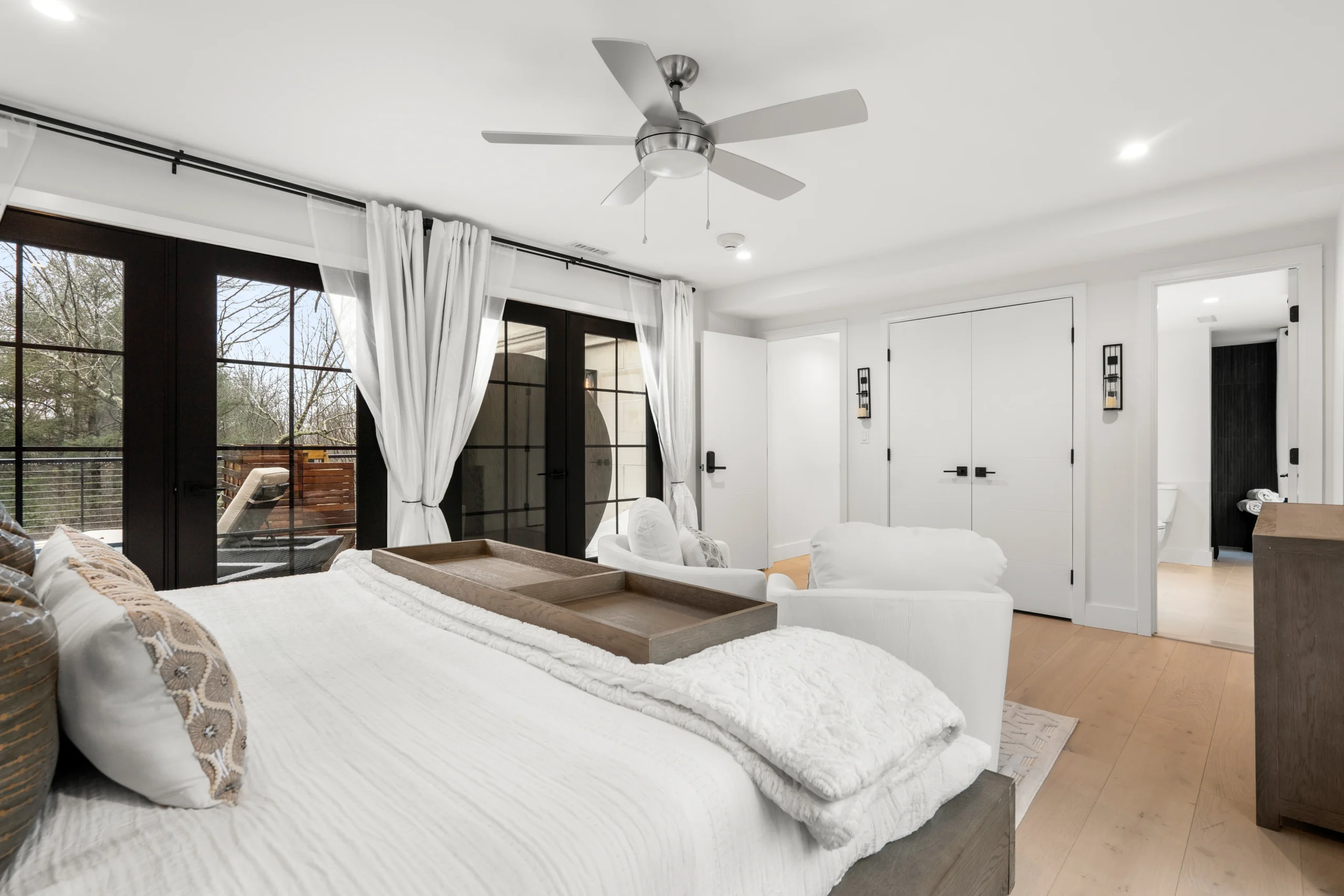
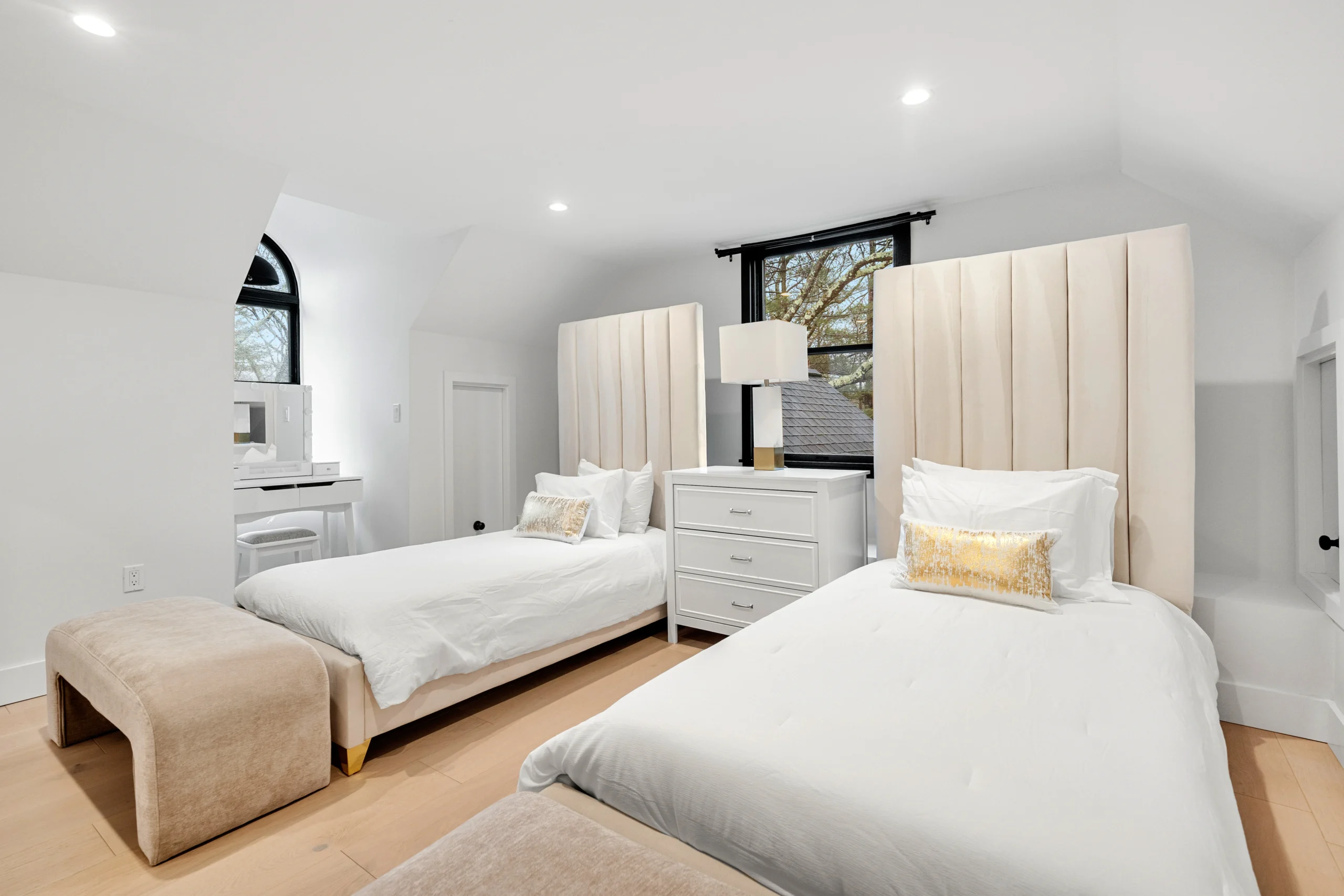
The residence includes eight bedrooms, which may suit leadership groups that need an overnight format, subject to availability and the needs of your program. Share your attendee list, preferred dates, room requirements, and agenda shape during the initial inquiry. The concierge can then help clarify which spaces support the experience you are planning.
Setup formats to confirm
3. Confirm the setup and accessibility details. Room arrangement affects participation as much as room size. Theater seating can support a presentation, while banquet or reception layouts suit shared meals and social exchange. A hollow rectangle or U-shape can keep participants connected during discussion and decision-making. Harvard’s event-planning guidance identifies theater, banquet, reception, hollow rectangle, and U-shape formats as options to evaluate against the event’s interactive needs: review the setup guidance.
| Format | Best suited for |
|---|---|
| Theater. | Presentations and concise briefings to a larger group. |
| Banquet or reception. | Shared meals and relaxed social exchange. |
| Hollow rectangle or U-shape. | Focused discussion, decision-making, and candid exchange. |
| Mixed working clusters. | Breakouts, working sessions, and informal collaboration. |
Ask the venue to confirm the planned layout, circulation paths, rest areas, and any access considerations before you finalize the program. Consider participant comfort, content-driven needs, mobility, dietary requirements, and the technology required for each session. The estate is approximately 20 minutes from downtown Boston, providing a practical arrival point while preserving an off-site atmosphere. For a fuller view of the estate’s suitability, explore this executive retreat venue near Boston.
Agenda Checklist: Outcomes, Format, and Facilitation
Once the retreat’s purpose is clear, shape the agenda around the decisions, alignment, and relationships the group needs to develop. A polished setting cannot compensate for a schedule that asks people to move from topic to topic without a meaningful thread.
Outcomes first
4. Define outcomes and success metrics. Write down what should be different when the retreat ends. The outcome may be agreement on a strategic priority, a clarified decision, or a short list of commitments with named owners. Add a simple measure for each result, such as a decision reached, a priority approved, or a follow-up plan completed. Setting outcomes and success metrics early gives the group a shared standard for a productive day, rather than relying on general impressions afterward (source guidance on retreat outcomes and success metrics).
5. Map the format to the work. Confirm whether each session calls for presentation, discussion, working time, or facilitated decision-making. A concise briefing may suit a theater-style arrangement, while a sensitive leadership conversation may require a more intimate, conversational format. Protect transition time between sessions, and avoid filling every minute. The agenda should create enough space for considered responses, not merely efficient movement through a list.
- Clarify the decision: State whether participants are being asked to listen, advise, decide, or build together.
- Assign facilitation: Name the person responsible for framing each discussion, watching the time, and recording decisions.
- Prepare the room: Confirm that the layout, materials, technology, and privacy support the intended level of participation.
Facilitation that leaves room for the team
6. Balance strategy with team building. Reserve substantial time for strategic discussion, but do not treat relationship-building as an afterthought. A well-designed retreat gives leaders room to think together, test assumptions, and strengthen the working relationships that carry decisions back into the organization. Harvard Business Review describes the desired result as a team returning with a clearer sense of what it is doing and a renewed sense of working together (Harvard Business Review).
Choose team-building moments that serve the group rather than interrupting it. A shared meal, an unhurried walk, or a carefully facilitated reflection can create useful perspective when placed between demanding sessions. Keep the purpose discreetly connected to the retreat’s objectives, while allowing the experience to feel natural. Before requesting availability, review the agenda for balance: focused work, genuine pauses, facilitated exchange, and a clear record of what happens next.
Logistics Checklist: Travel, Accommodation, and Catering
A strong retreat plan accounts for the practical details that shape how people arrive, settle in, participate, and move through the experience. Confirm these three logistics items before requesting final availability.
-
Build the travel and arrival plan. Identify where each participant is traveling from, the preferred arrival windows, ground transportation needs, and any accessibility considerations. The Charles Chateau is approximately 20 minutes from downtown Boston, offering a private-estate setting without creating a long transfer from the business core. Share a directional timeline with the venue so arrival, working sessions, meals, and departures can be coordinated rather than handled as separate details. A practical planning model should also account for travel and outcomes when determining whether the retreat requires roughly 3.5 to 5 days overall, as recommended in this executive retreat planning guidance.
-
Confirm accommodation and rooming. Match the attendee list to the available rooms, then document arrival dates, departure dates, preferred room assignments, and privacy requirements. The estate has eight bedrooms, which makes the rooming plan an important part of the initial conversation rather than a last-minute administrative task. Consider who needs quiet space before an early session, who may arrive late, and whether any participant has mobility or other comfort needs. For a multi-day retreat, confirm any registration or compliance requirements that apply to the event format, as advised by MIT event-planning guidance.
-
Document catering and dietary needs. Record allergies, dietary restrictions, religious or cultural requirements, preferred meal timing, beverage preferences, and the purpose of each service. Breakfast before a strategy session may require a different format from a hosted dinner or an informal working lunch. Harvard event guidance emphasizes organizing catering according to the format and scale of the event, not treating every meal as interchangeable. Send the complete list early so the concierge can shape tailored menus and coordinate the sequence of service as part of the retreat experience.
Catering and dietary planning
Ask one person to own the final dietary brief and verify it against the latest attendee list. Include discreet service notes where appropriate, but avoid making guests repeatedly explain their needs. The concierge can help translate those requirements into a considered menu and seamless logistics across the stay. This level of preparation protects the retreat schedule while giving participants the attention expected at a private estate.
Before the inquiry is submitted, keep one working document with the arrival plan, rooming list, meal requirements, and timeline. It gives the venue a clear operational picture and leaves room to refine the details with the concierge.
Communication Checklist: Who Knows What and When
A well-run retreat depends on timely information reaching the people who shape the experience. Before requesting availability, establish who owns each decision, which dates are workable, and what the venue needs to know to prepare properly.
- Confirm internal stakeholder availability and blackout dates. Ask executives, board members, facilitators, and essential support staff to identify firm conflicts before proposing dates. Harvard Law School’s event-planning guidance recommends checking stakeholder availability alongside campus-wide activities and previously scheduled events that could create conflicts. It also points planners toward event blackout dates and room release schedules. Review those scheduling considerations before presenting a short list to the venue.
- Secure speaker and guest confirmations thoughtfully. A guest’s role may affect the agenda, room arrangement, timing, and level of discretion required. Review any relevant speaker outreach guidance before extending an invitation, particularly when the guest is high-profile. Confirm the expected contribution, arrival window, technical requirements, and whether the guest’s participation is confidential. Keep one person responsible for updates so the planning team does not send conflicting messages.
- Tell the venue and concierge what matters, and when. Share the retreat purpose, approximate attendance, preferred dates, agenda shape, privacy requirements, dietary considerations, and any executive sensitivities as soon as they are sufficiently defined. The estate’s high-touch concierge hospitality is integrated into the planning process, helping translate those priorities into a considered arrival, schedule, and on-property experience. Updates should continue as decisions become final rather than arriving as a last-minute bundle.
When should the venue hear from you?
Contact the venue once you can describe the retreat’s purpose, likely dates, attendance range, and essential requirements, even if every agenda detail is not final. Early communication gives the concierge context to assess fit, clarify open questions, and guide the next planning decisions without forcing premature commitments.
For a private executive retreat near Boston, a concise inquiry is more useful than a generic request for a date. Include who is attending, what the group needs to accomplish, and how you want the experience to feel. You can contact the concierge to request availability and begin that conversation with the right information in hand.
Frequently Asked Questions
How far in advance should we plan an executive retreat?
Begin by confirming the retreat scope, attendee list, and desired outcomes three to six months before the event. That lead time gives stakeholders room to resolve schedule conflicts, shape the agenda, and approach an appropriate estate with a clear brief. Harvard Law School’s event-planning guidance also recommends checking availability and competing events when selecting dates: Harvard Law School event-planning guidance.
What should we confirm about venue exclusivity?
Ask whether your group will have private control of the relevant residence and grounds, how discretion is protected, and whether the setting supports confidential leadership discussions. Near Boston, accessibility should not require sacrificing an off-site atmosphere. The Charles Chateau is a private estate in Dedham, approximately 20 minutes from downtown Boston, with exclusive venue control.
Do we need a complete agenda before requesting availability?
No. You need a working outline rather than a finished schedule. Share the retreat objective, preferred dates, attendee profile, meeting format, desired balance of strategic discussion and team time, and any accessibility or catering considerations. A venue concierge can then assess fit and help refine the operational details.
What can the concierge help us coordinate?
The concierge can help translate your retreat brief into a considered estate experience, including the inquiry process, timing, meeting arrangements, hospitality, and participant needs. Provide the priorities early, especially privacy requirements and the intended format, so the planning conversation remains precise and discreet.
Ready to plan your executive retreat?
A clear inquiry gives the concierge a useful starting point for understanding your preferred dates, group needs, and retreat priorities. That conversation can help shape the next planning step around the estate’s setting and your team’s purpose. Request availability through the concierge to begin the conversation.