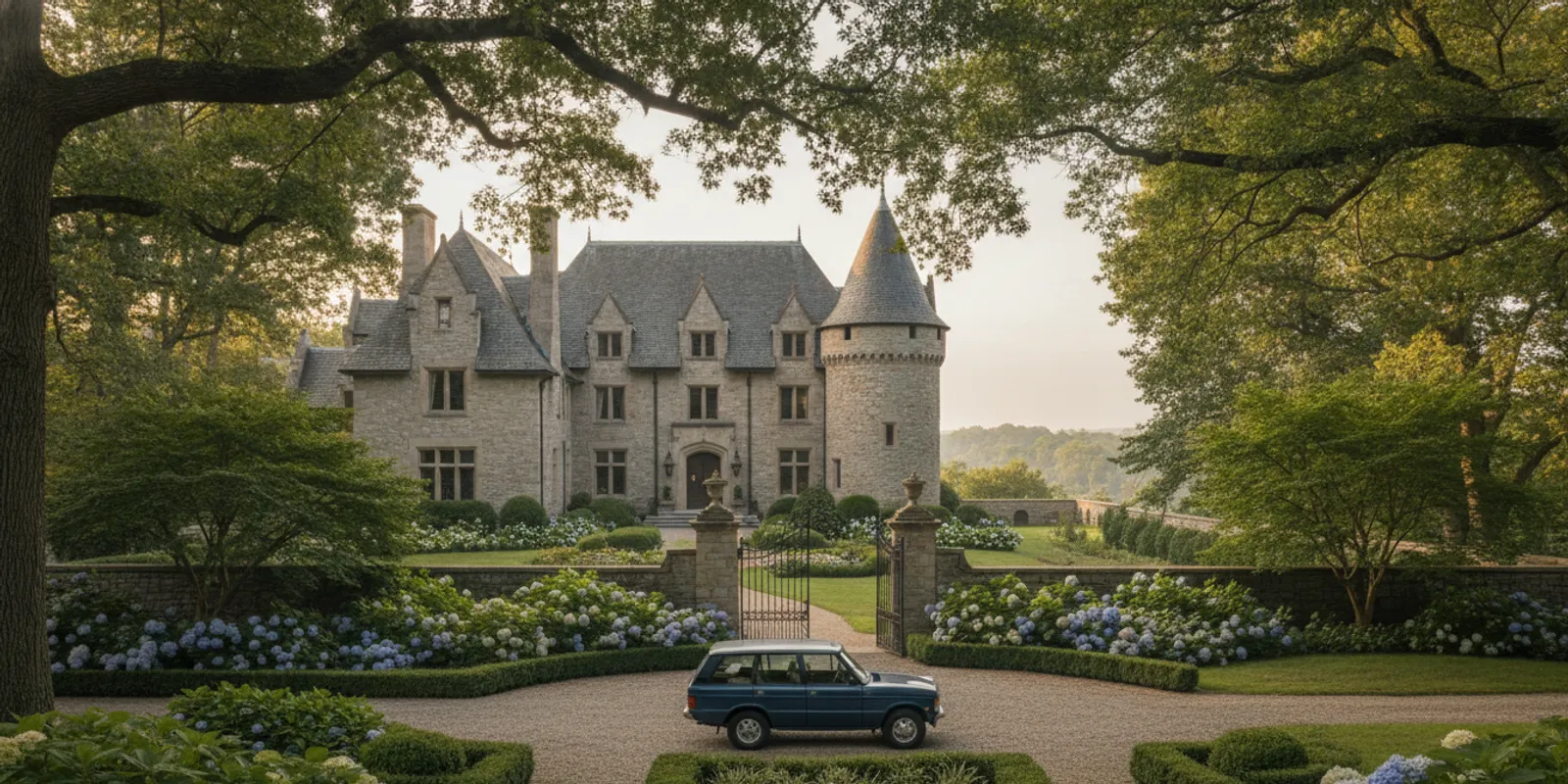
A chateau style house can feel both gracious and private: a distinctive home where architecture, generous rooms, and grounds shape the time a group spends together. If you are considering one for a family gathering, leadership retreat, or wedding weekend, look beyond the silhouette. The layout, setting, and practical fit matter just as much as the first impression.
What does “chateau style house” mean?
The phrase describes a home influenced by the grand residences and country houses associated with France. It is a broad design description rather than a single fixed blueprint. Some homes draw on formal symmetry and steep rooflines; others use towers, dormers, or decorative stonework to suggest a more historic character. The details vary by period and by the designer’s interpretation.
For a guest, the useful question is not whether a house follows a strict architectural label. It is whether its character creates the atmosphere you want, and whether the rooms and grounds work for the occasion. A striking exterior can set a tone, but the experience unfolds through the spaces people share: where they gather, where they can step away, and how easily the day moves from one setting to another.
Which architectural details give a house chateau character?
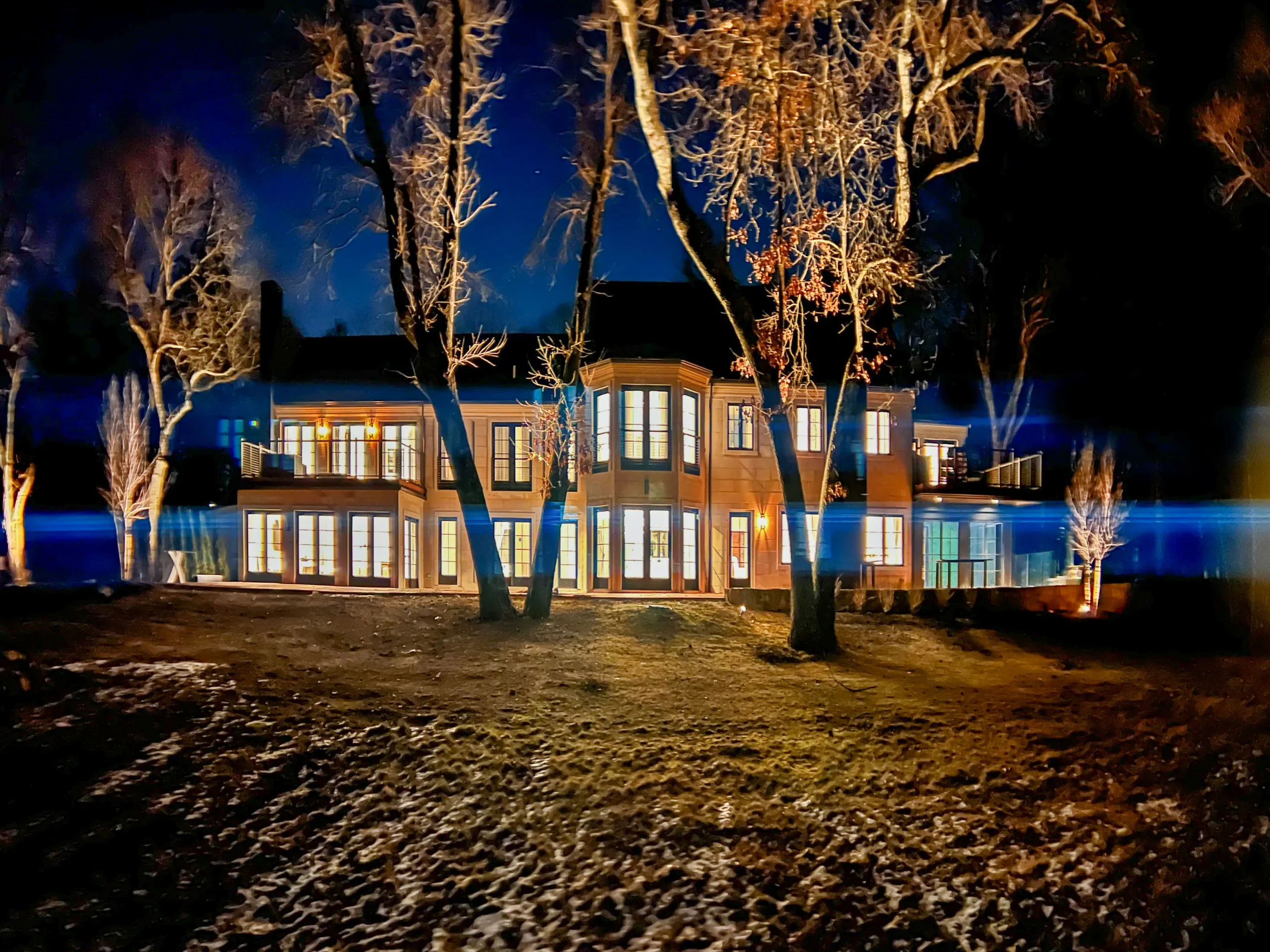
Chateau-inspired homes often suggest a sense of arrival and proportion. Look for a roofline with presence, carefully balanced windows, prominent entry details, and materials that lend texture and permanence. Towers or dormers may appear, but they are not required. The overall composition matters more than any single decorative feature.
Historic examples differ widely. For instance, the Washington State Department of Archaeology and Historic Preservation describes French Eclectic houses as generally rectangular and symmetrical, with at least one-and-a-half stories. That is one architectural category, not a definition for every chateau-inspired home. A useful reference is its French Eclectic style guide.
When you tour or review a property, notice how the exterior relates to the interior. Does the entrance create a natural welcome? Are there distinct areas for conversation and quiet? Do windows connect indoor rooms to the landscape? These observations help translate style into the feel of a stay.
How can the layout support a private group stay?
A house can look grand and still feel awkward for a group if everyone has to gather in one room or pass through private spaces to reach shared ones. Consider how the rooms support both togetherness and independence. A thoughtful group setting offers places to meet, spaces for different rhythms, and a clear sense of movement through the home.
- Shared gathering: Identify the rooms where the group can sit comfortably, dine, or spend unstructured time together.
- Retreat and quiet: Ask whether guests can find a quieter corner between shared activities.
- Sleeping arrangements: Confirm the number and configuration of bedrooms against your group, rather than relying on a broad capacity figure.
- Indoor-outdoor flow: Notice whether the grounds and outdoor areas can extend the day without making the group feel scattered.
- Arrival and access: Consider how guests will arrive, where they will gather first, and whether the route feels intuitive.
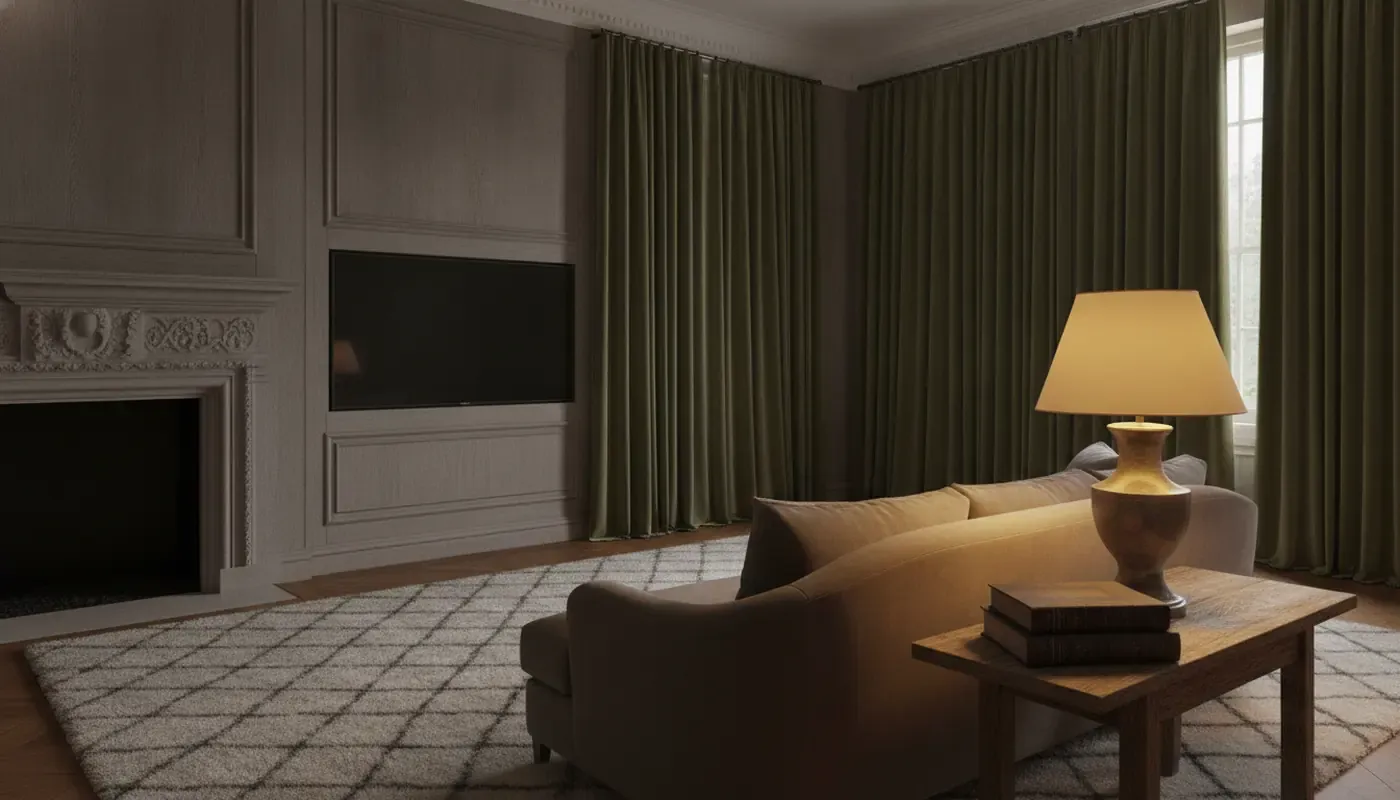
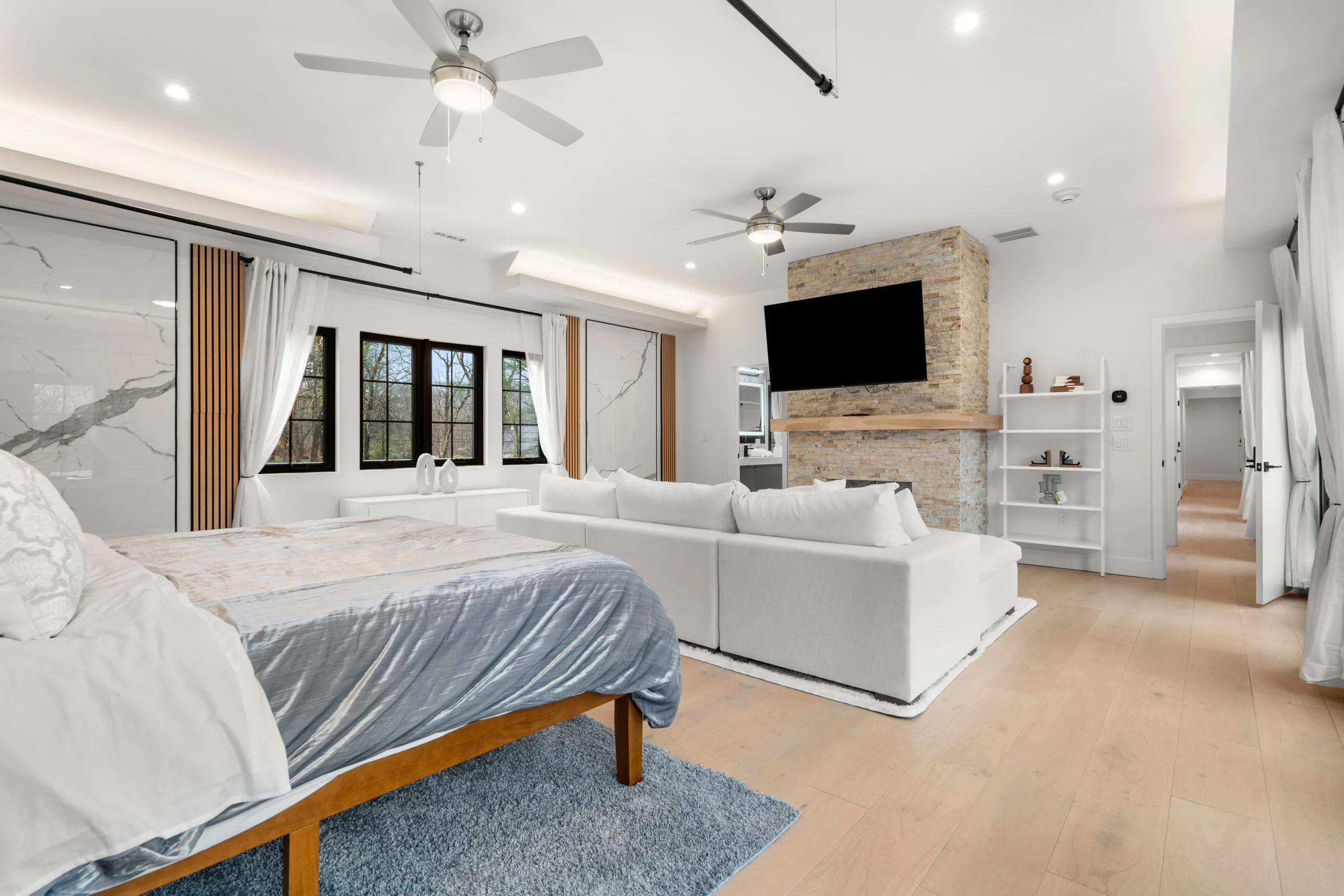
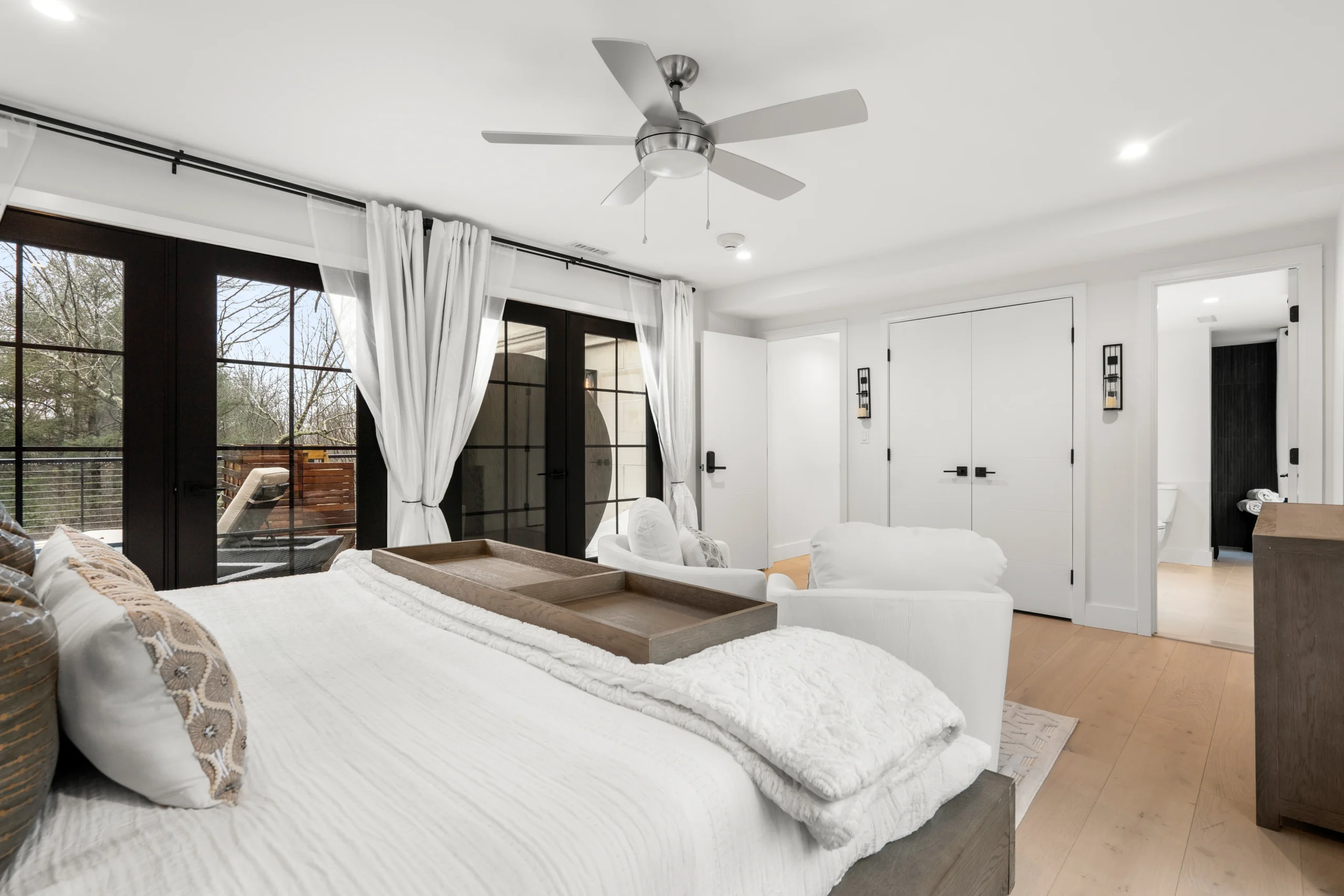
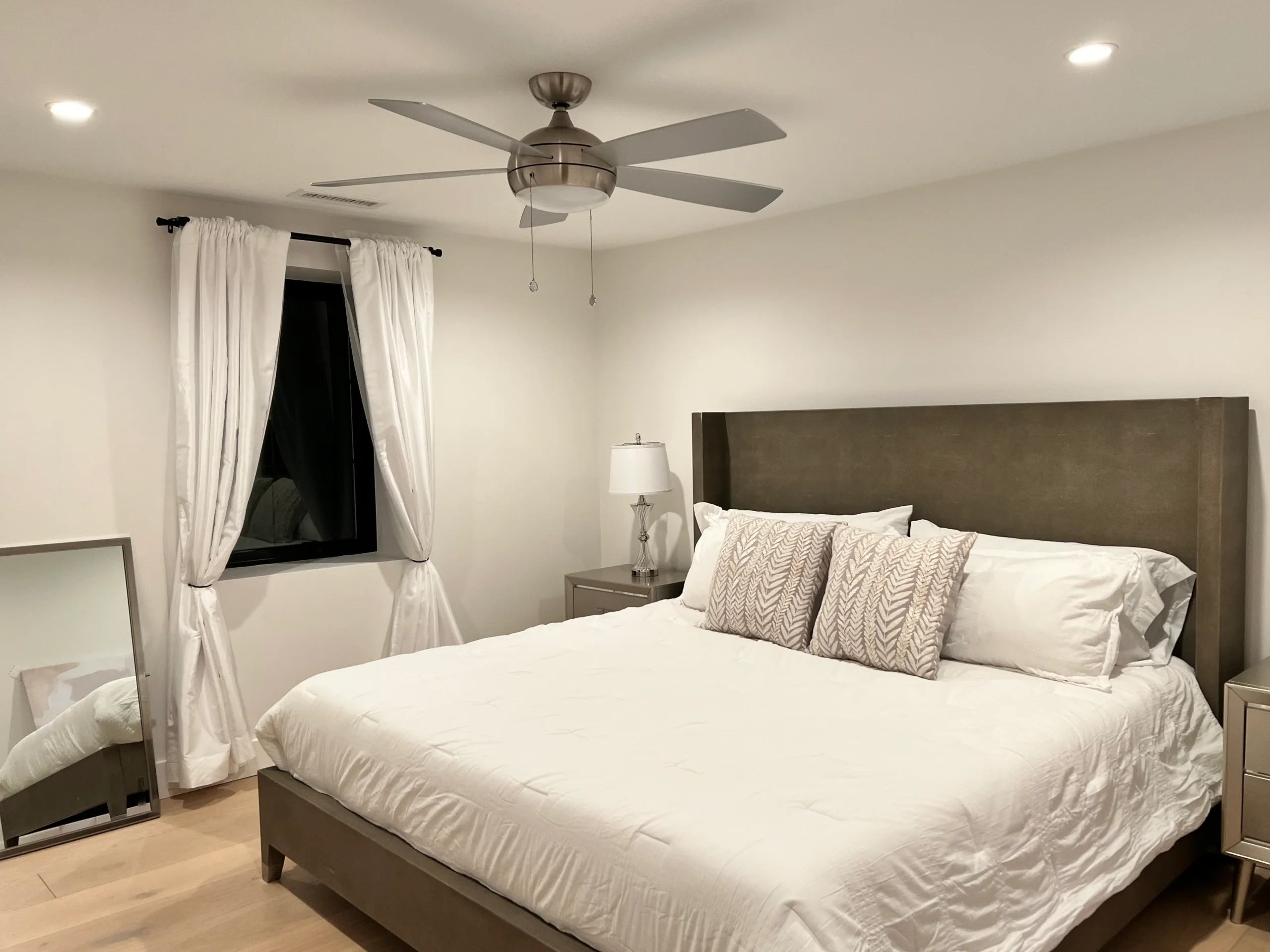
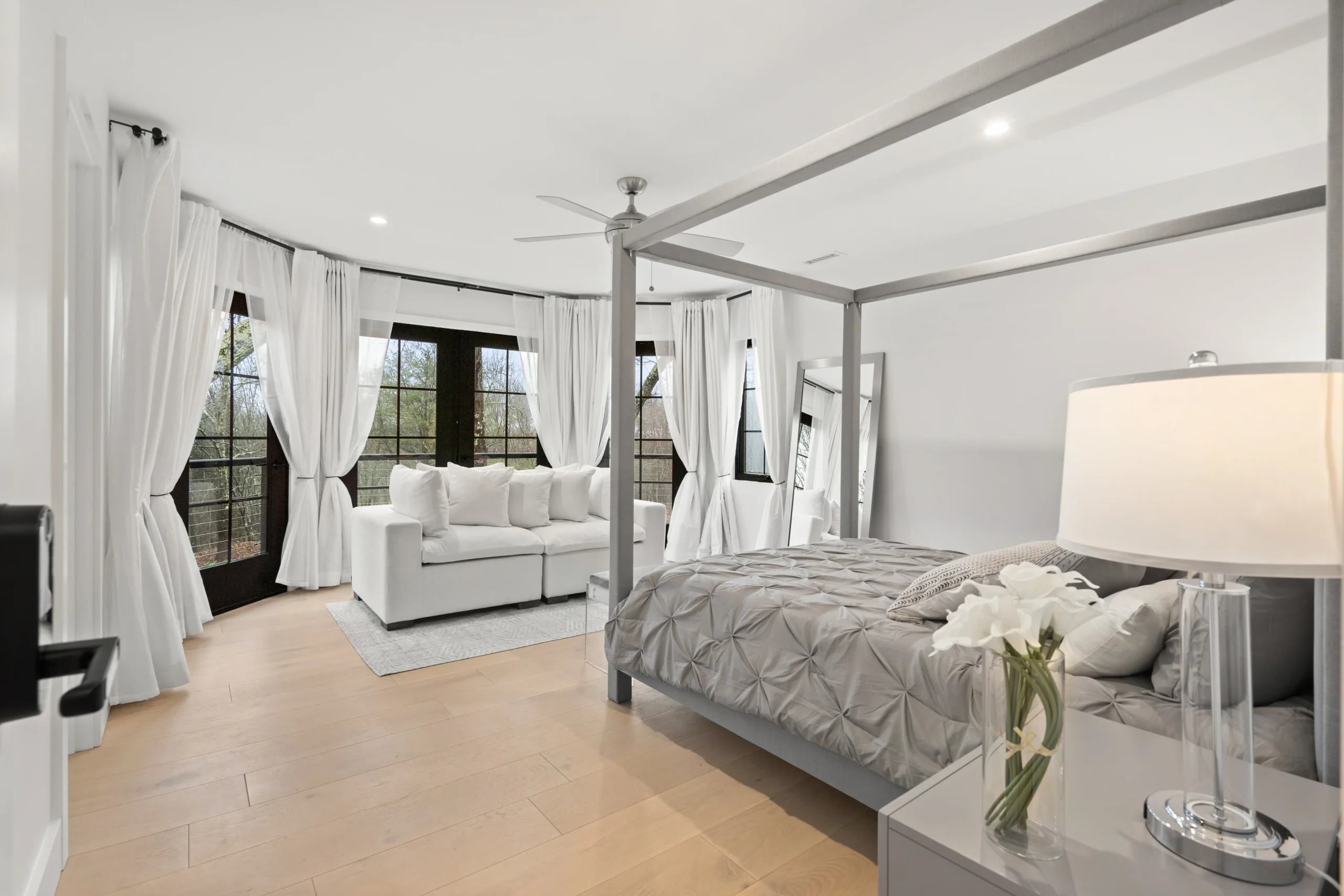
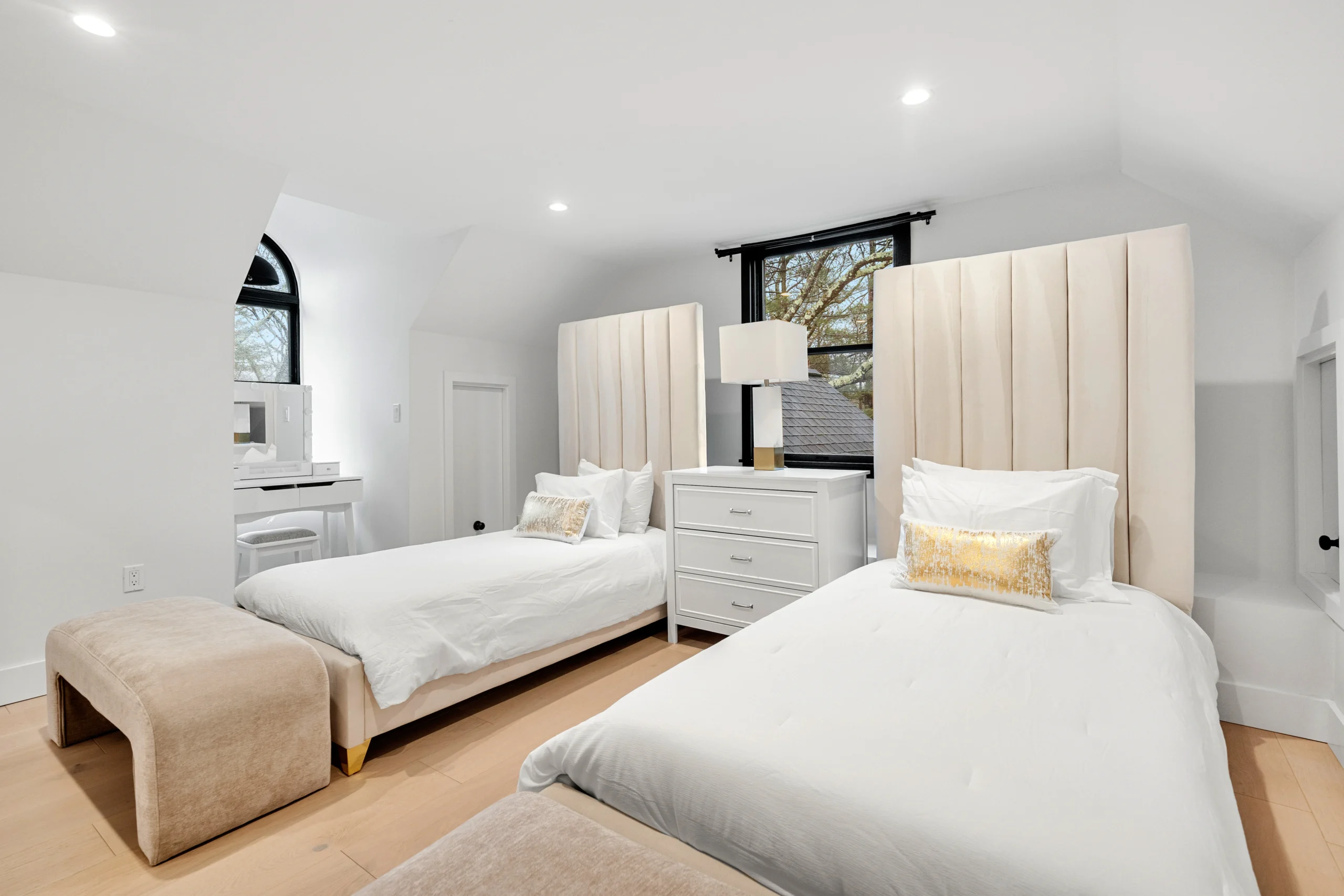
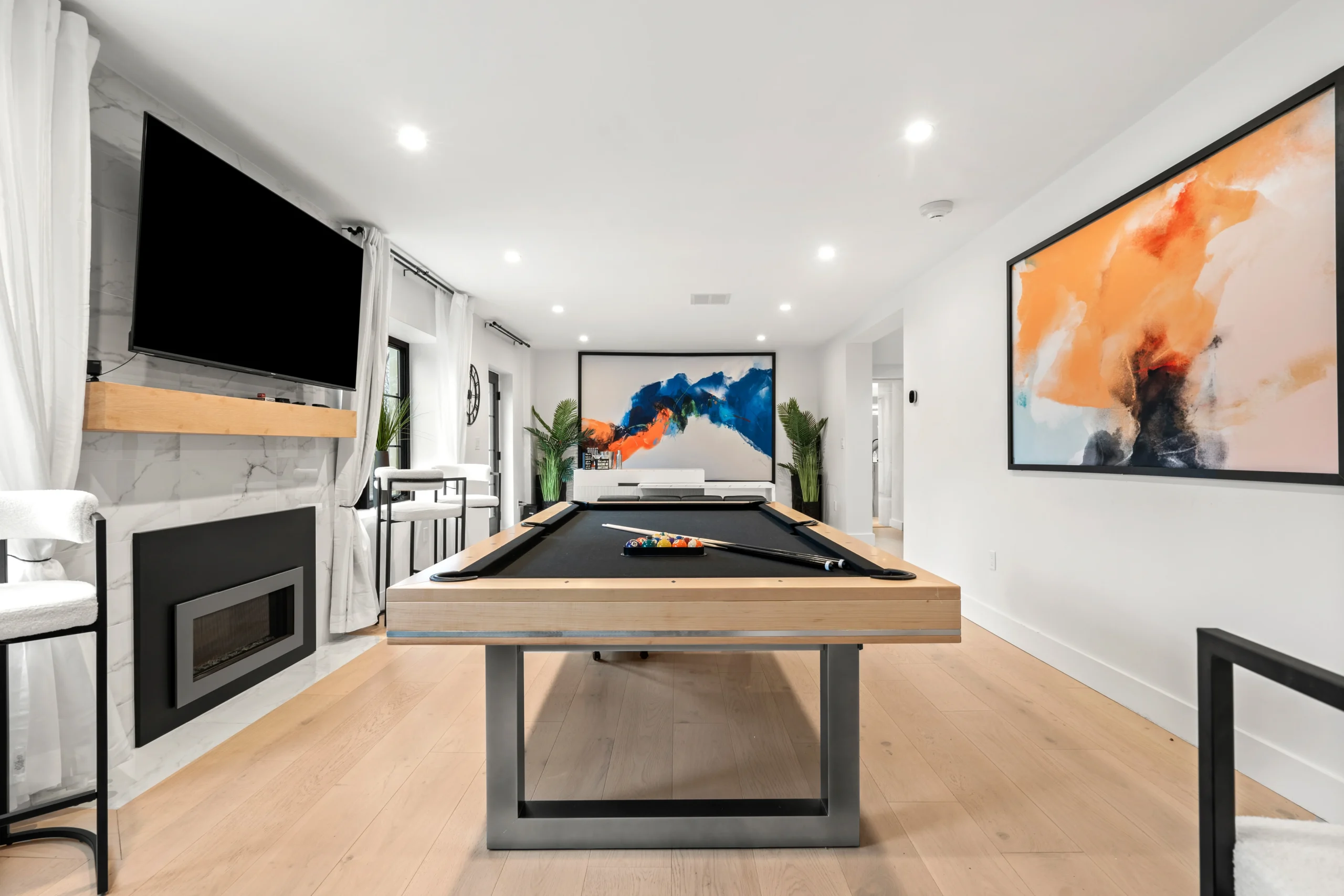
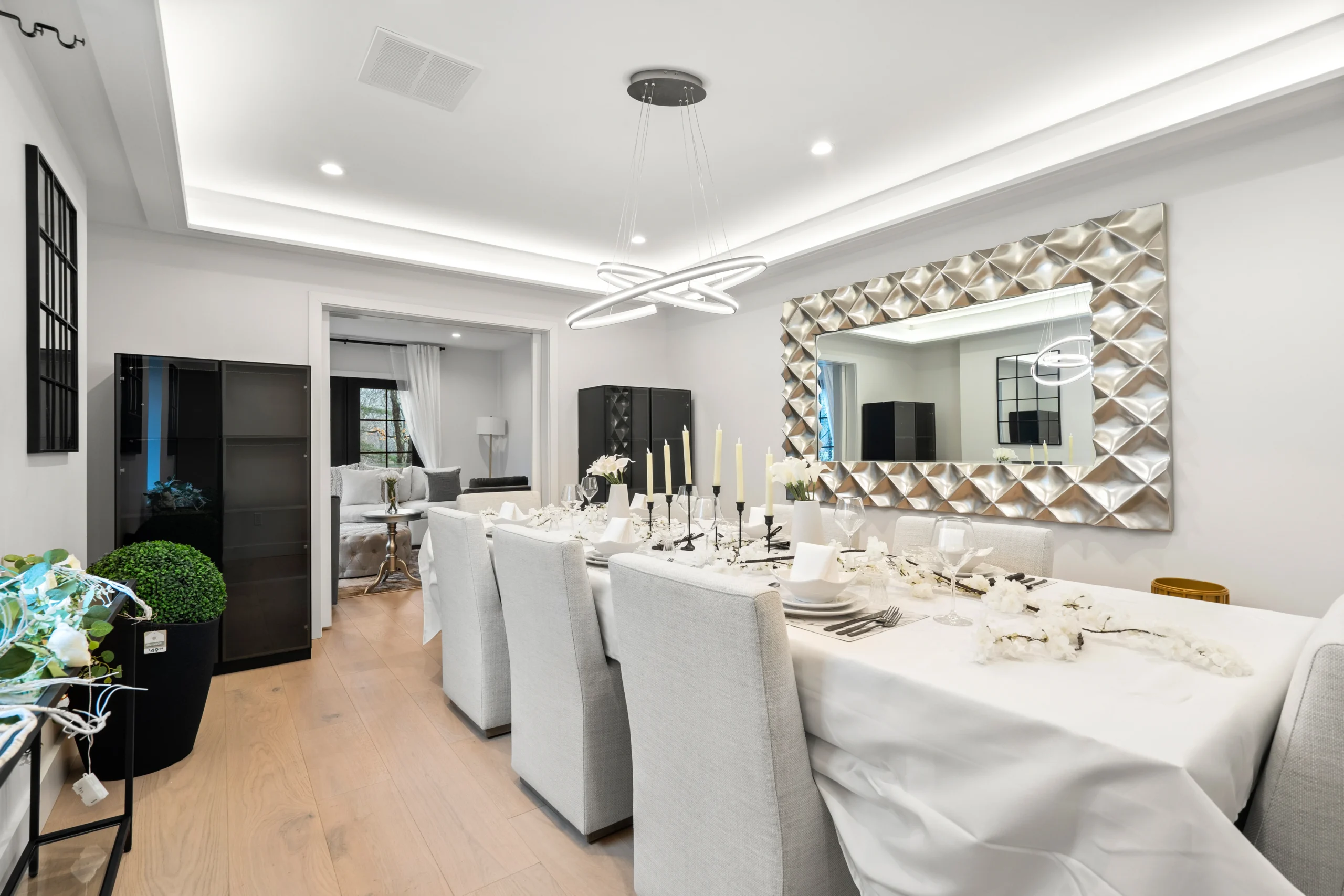
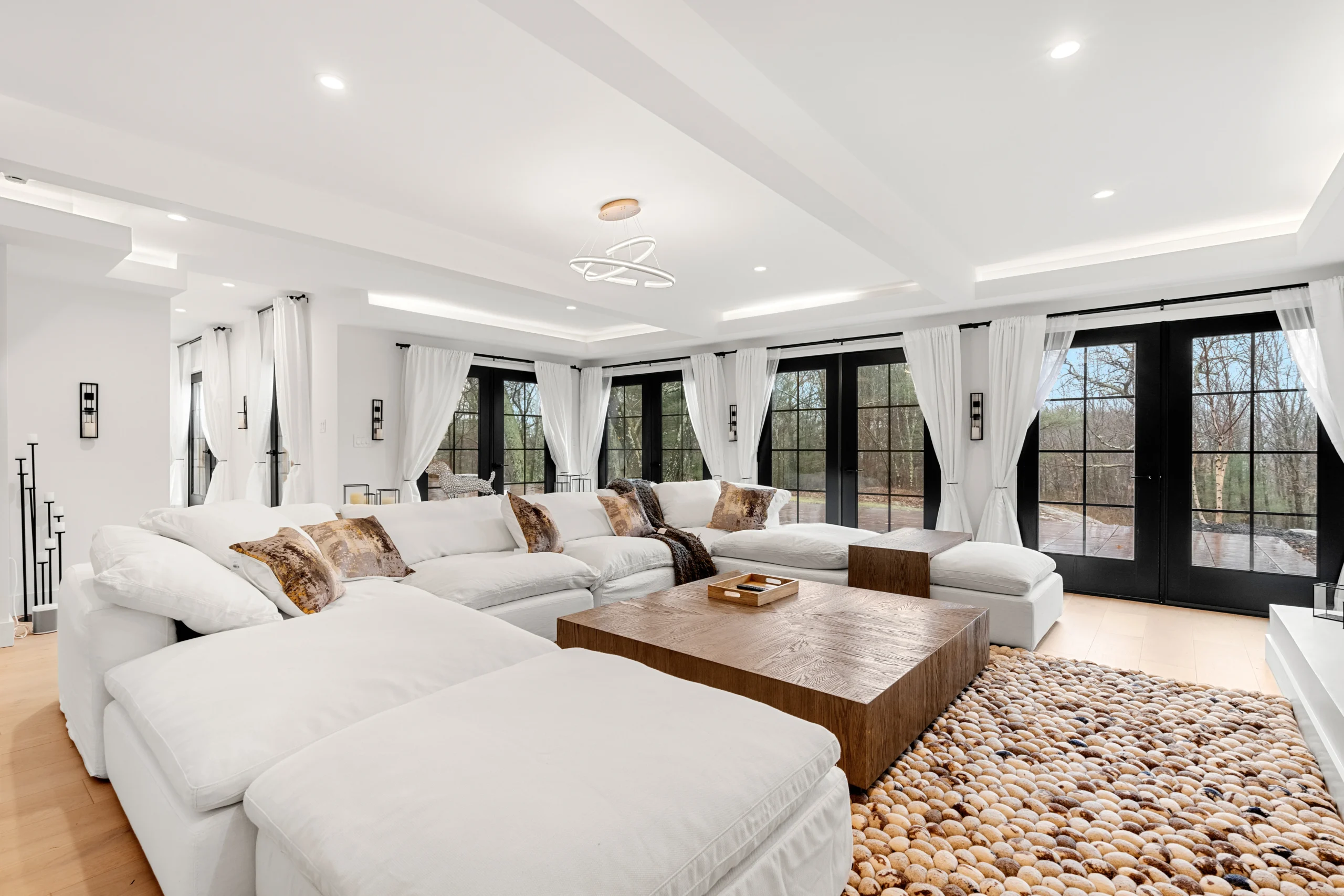
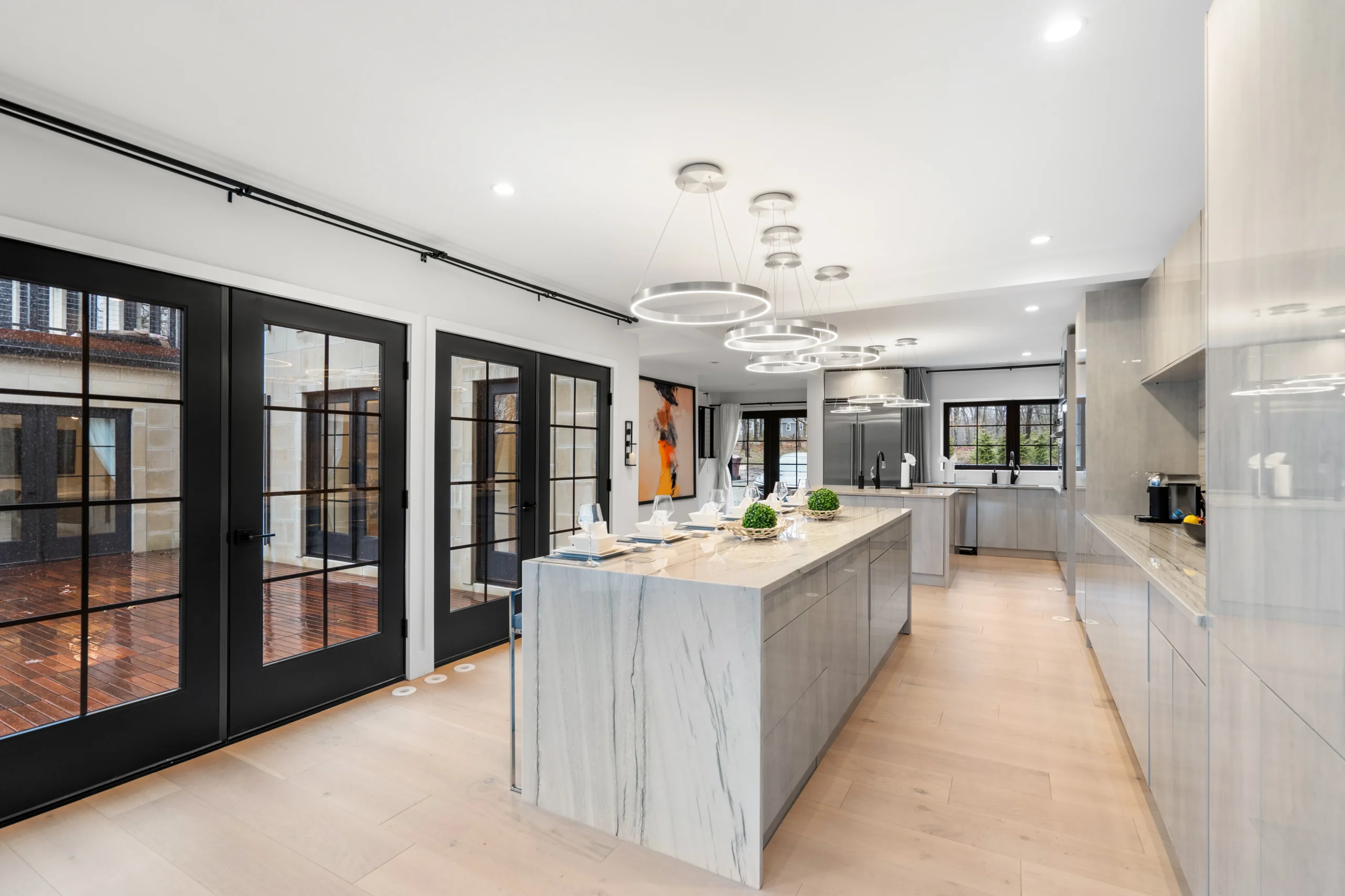
At The Charles Chateau, the chateau-inspired estate is arranged for whole-property group stays, with 8,000 square feet, eight bedrooms, and eleven private acres. The interior spaces and suites can help you picture how different parts of a visit might feel. The best choice still depends on your occasion, the people attending, and how you want to spend your time together.
What should you compare when choosing a chateau style house?
Use a direct comparison instead of relying on photographs or architectural language alone. Start with the purpose of the gathering, then assess whether the property’s scale, privacy, and practical arrangements support it.
| What to compare | Questions to ask | Why it matters |
|---|---|---|
| Architectural character | Does the design create the atmosphere you want, inside and outside? | The setting helps establish the tone of a family celebration, retreat, or weekend together. |
| Group layout | Are sleeping rooms and shared spaces suitable for your group? | Comfort depends on how people gather and have room for different routines. |
| Privacy | Will your group have exclusive use of the property and grounds? | A private setting can make conversation and shared time feel more at ease. |
| Location | How long will travel take, and what is close enough to include? | Travel logistics shape who can attend and how much time remains for the gathering. |
| Planning support | What arrangements and support should be discussed before the stay? | Clear expectations help planners coordinate a multi-day occasion. |
| Inquiry and terms | How does the property handle requests, dates, and occasion-specific details? | Direct answers let you assess fit without assuming public rates or availability. |
This comparison can also prevent a common mismatch: choosing a home for its exterior alone, then discovering the rooms do not suit the gathering. If you are planning a wedding weekend, review the wedding weekend experience near Boston as one way to think through lodging, shared moments, and the wider setting together.
How do grounds and location change the experience?
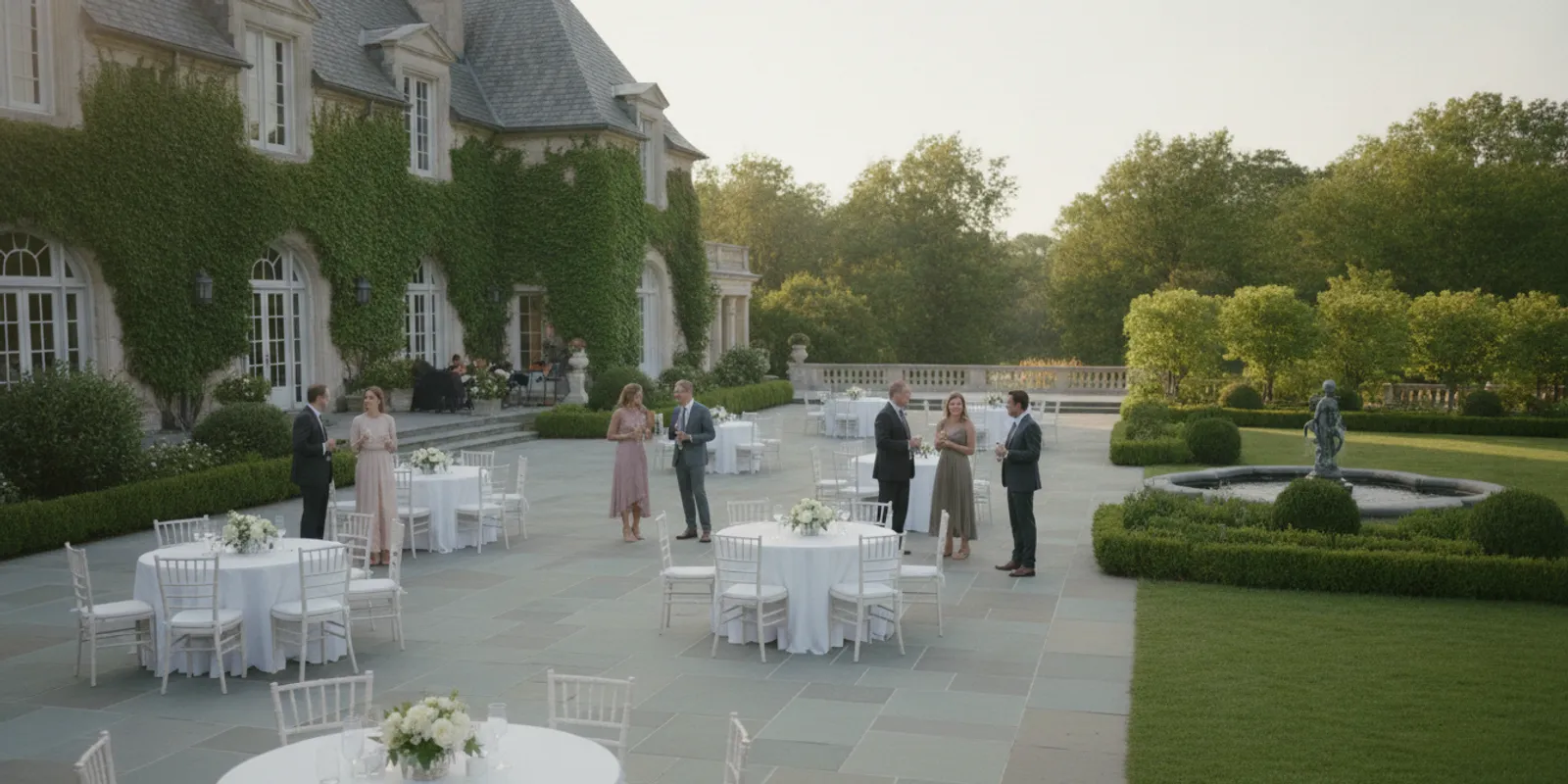
The grounds are part of the house’s character, not simply a backdrop. Mature trees, open lawns, terraces, and sheltered corners can offer different ways to spend time. For a group, that variety makes it easier for a gathering to find its own pace: a shared meal can lead into conversation outside, while others choose a quieter moment indoors.
Location matters just as much. An estate outside a city may offer a sense of retreat while remaining accessible to guests traveling from nearby communities. The Charles Chateau is on eleven private acres in Dedham, within about 20 minutes of downtown Boston. That combination can suit planners who want a private residential setting without sending the group hours away from the city.
Think through the actual journey, not just the map distance. Consider where guests are coming from, whether they will arrive at similar times, and what activities or meals are planned. If guests are unfamiliar with the area, the Dedham and Boston-area setting can help you consider the context around the estate. For details about outdoor spaces, see the property’s grounds and exterior.
Which occasions suit a chateau-inspired estate?
A distinctive private home may be a natural fit when the occasion calls for a shared setting over more than a few hours. The architecture lends a sense of occasion; the whole-property format allows the group to spend time together without the rhythms of a public venue.
- Family milestones: A birthday, anniversary, or reunion can bring generations together while allowing each person some room to settle into their own pace.
- Leadership retreats: A residential setting can support focused conversation alongside informal time together. A planner may wish to explore the executive retreat setting near Boston.
- Wedding weekends: A private estate can give the celebration a sense of continuity across gathering, lodging, and the moments between formal events.
- Small private occasions: A group seeking a memorable backdrop may value the balance of generous interiors and outdoor space.
Not every event is suited to every property. Before deciding, clarify the guest count, overnight needs, timing, and what activities you hope to include. Ask which arrangements are appropriate for the specific occasion, and do not assume that a property’s overnight capacity is the same as its event capacity.
What should you ask before making an inquiry?
A concise, thoughtful inquiry helps establish whether the house aligns with your plans. Share the occasion, approximate group size, preferred dates or date range, and how many guests expect to stay overnight. Explain what matters most: privacy, shared meals, dedicated retreat time, or a particular balance of indoor and outdoor gathering.
Then ask about the process. A private estate may handle requests individually, so seek confirmation about the property’s arrangements and terms rather than assuming that a calendar view or a general description settles every detail. The Charles Chateau is members-only and considers whole-property inquiries; its membership consideration page outlines the next step for prospective guests.
For a first conversation, it can help to prepare these points:
- Your occasion and what you hope the gathering will feel like.
- The number of overnight guests and any important rooming considerations.
- Your preferred dates, flexibility, and the expected length of stay.
- Which parts of the home or grounds are central to your plans.
- Any questions about planning support, event arrangements, or the inquiry process.
How can you plan the days so the house feels effortless?
A generous home gives a group options, but a little structure helps those options work well. Sketch the visit in broad strokes rather than filling every hour. Note the moments that need everyone together, then leave space around them for conversation, rest, and movement between rooms and grounds.
For a family weekend, for example, you might identify one shared meal as the anchor, allow relatives to arrive at a relaxed pace, and keep the next morning open for different routines. For a leadership gathering, define the sessions that require focused attention, then reserve unstructured time so discussion can continue naturally. These are planning approaches, not a fixed schedule; the right rhythm depends on your guests and the purpose of the stay.
Before the visit, clarify practical details with the property: which spaces are part of the stay, how arrival is handled, what the expected timing is, and how to communicate questions. If the group includes people with different mobility or comfort needs, raise those considerations early rather than assuming that a photograph answers them. Clear expectations give the host and organizer a shared understanding of the experience.
How should you assess privacy and shared space together?
Privacy is more than having a quiet address. For a group, it also means understanding who else may be using the property, what areas are reserved for your group, and whether the surrounding setting supports the kind of conversation or celebration you have in mind. Ask those questions directly; the word “private” can describe different arrangements in different contexts.
Shared space deserves equal attention. A home with many bedrooms may still have limited places for everyone to sit together. Conversely, large common rooms can feel less welcoming if guests have nowhere to pause alone. Think about your actual group: the ages, relationships, working styles, and the amount of togetherness that feels comfortable. A useful review connects the room count to the shape of the occasion, not just a capacity number.
At The Charles Chateau, a whole-property model is intended to provide the group with exclusive use rather than overlapping bookings. Its story and approach can offer context, while the best next step is to describe your needs and ask what arrangements apply to your specific inquiry.
What does a practical comparison look like?
Imagine a group of fourteen planning a two-night anniversary gathering. The decision is not simply whether the house looks beautiful. First, verify that sleeping arrangements suit the actual guests, including any family members who need separate rooms. Then consider whether everyone can gather comfortably without the event feeling like a formal program. Finally, compare the journey and the amount of privacy available once the group arrives.
Now consider a leadership team with a different purpose. The organizer may prioritize a calm setting, a shared room for conversation, and enough separation between focused sessions and informal meals. The same estate may be a fit for one group and not another, depending on its intended activities and arrangements. Writing down the group’s three essential needs and three flexible preferences makes comparison more concrete.
Use a simple decision sequence:
- Define the occasion: State what the gathering is for and what a successful stay should feel like.
- Set the group profile: Count overnight guests separately from anyone attending only during the day.
- Map the spaces: Match bedrooms, shared rooms, and outdoor areas to the way the group will use them.
- Test the logistics: Consider arrival routes, timing, meals, and how guests will move through the day.
- Confirm the terms: Ask about membership, whole-property use, event arrangements, and the inquiry process before making assumptions.
This sequence keeps an architectural preference connected to the practical experience. It also makes conversations with a host clearer: instead of asking only whether a house is “large enough,” you can explain who is coming, what you plan to do, and which details will determine whether it feels right.
Frequently asked questions
Is a chateau style house always a historic French building?
No. The phrase is often used for contemporary homes inspired by French chateau architecture. Specific details vary, so consider the actual design and the experience the property offers.
What makes a chateau-inspired home suitable for a group?
Look for a layout with comfortable shared areas, suitable sleeping arrangements, privacy, and room for guests to move through the day at different paces. Confirm the details for your group directly with the property.
Can a chateau style house work for a retreat or celebration?
It can, when the property permits the intended use and its layout, location, and arrangements fit the occasion. Ask about event expectations and overnight plans before making decisions.
Is The Charles Chateau near Boston?
The estate is in Dedham, Massachusetts, within about 20 minutes of downtown Boston. Travel time can vary with route and conditions, so plan journeys around your group’s actual arrival needs.
A chateau-inspired home is most compelling when its architecture, spaces, and setting work together for the people gathering there. Begin with the feeling you want to create, then confirm the practical details that will let your group share the stay with ease.