A private event venue can look suitable on a floor plan and still feel wrong once guests arrive. The room count is only one part of the decision. Planners also need to consider how people will move through the property, whether conversations remain private. How the venue manages service across the day, and how much coordination the venue team can absorb. A headline number tells you little about the atmosphere, the flow between indoor and outdoor settings, or the discipline of the people behind the event.
To understand how to choose a private event venue, evaluate capacity alongside layout, exclusivity, service, location, and the overall guest experience. A venue near Boston should make the gathering feel considered from arrival through departure, not simply provide enough chairs for the guest list. The strongest choice tends to be the one that protects privacy, supports a natural indoor-outdoor rhythm, and pairs the space with attentive, integrated care.
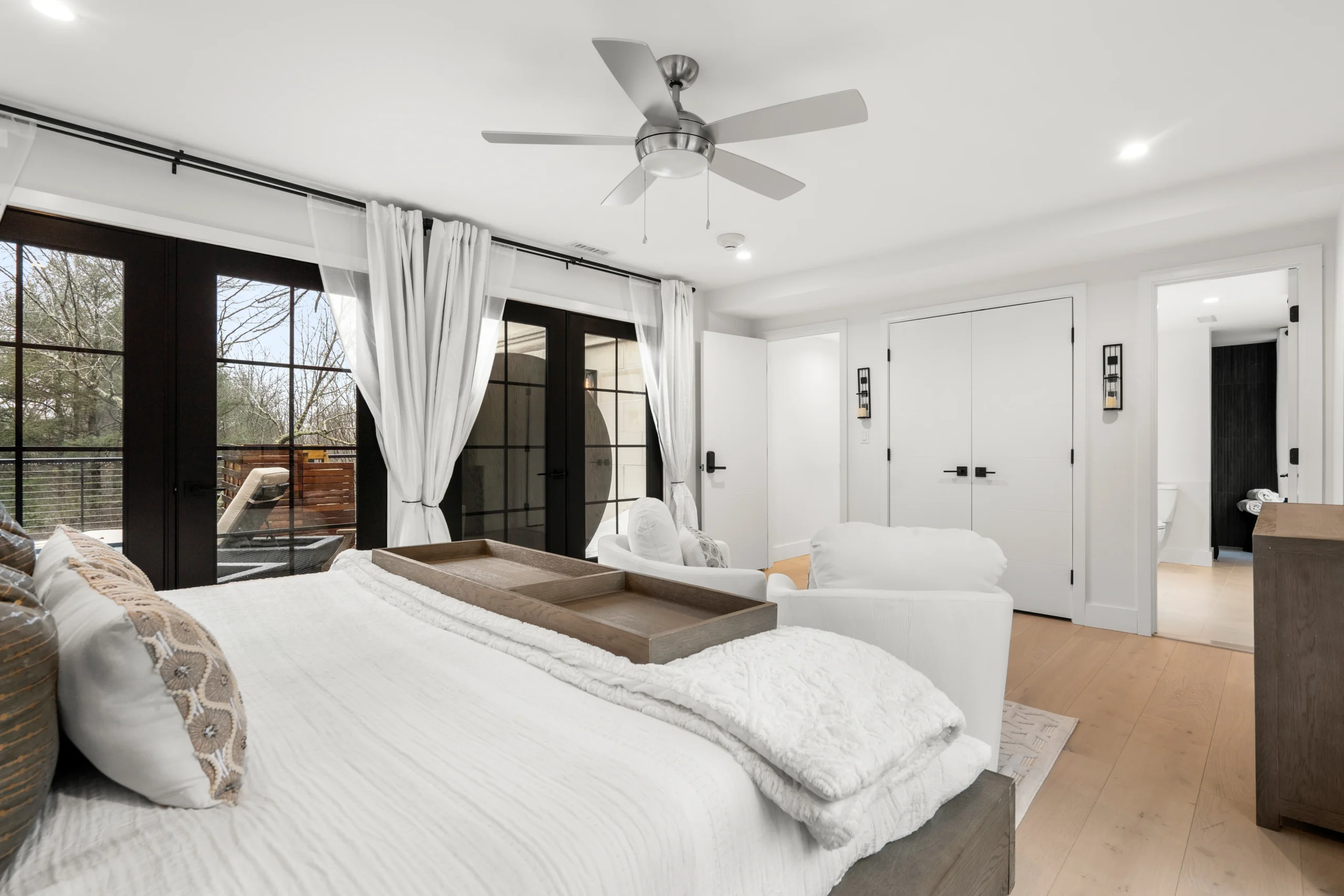
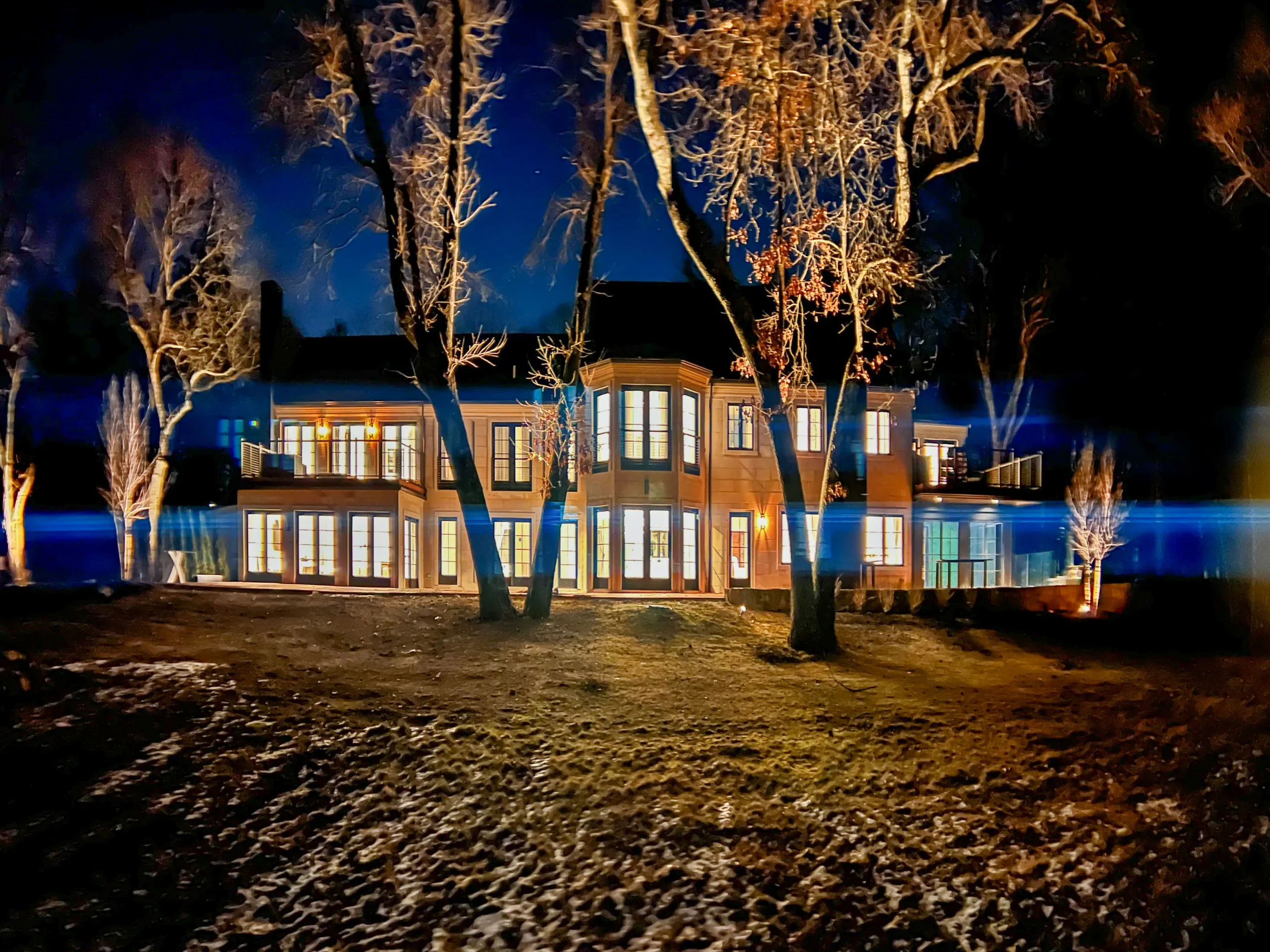
The Charles Chateau offers that broader perspective: an 8,000-square-foot French Chateau-inspired estate on eleven private acres, approximately 20 minutes from downtown Boston. Its private estate event venue model pairs city accessibility with estate-scale privacy, and its whole-estate rental approach means one group holds the property without concurrent bookings. Start by looking at what capacity does, and does not, tell you about the experience your event requires. Then weigh the factors that shape the day long before the first guest arrives.
Request a private tour and venue availability for your event.
Why Capacity Alone Is a Poor Way to Choose a Venue
A venue can advertise enough seats and still feel wrong for the gathering. A reception, leadership retreat, or milestone celebration is experienced through movement, conversation, privacy, and pacing, not through a capacity figure on a specification sheet. The more useful question is whether the space and its layout support the way guests will actually spend their time.
Look at the shape of the experience
Capacity should be assessed alongside reception space, stage or presentation needs, circulation, and the relationship between rooms. The University of Michigan’s venue-selection guidance places capacity and reception space among the specifications planners should evaluate together. Rather than treating the maximum guest count as a standalone answer. A room that technically accommodates everyone may leave too little space for a welcome reception, discreet service, a meaningful dining arrangement, or comfortable conversation. Those compromises become especially noticeable in a refined event, where ease and atmosphere matter as much as logistics.
Before touring, separate essential requirements from features that would simply be pleasant to have. This distinction, also recommended by the University of Michigan, gives the selection process discipline. An event may require private meeting areas, accessible arrival, a polished dining setting, or overnight accommodation. It may merely prefer additional entertainment space or a particular view. Establishing that hierarchy helps planners compare venues on their ability to deliver the intended experience, not on the length of an amenities list.
Balance access with privacy
Location introduces another trade-off that a capacity number cannot capture. A venue may be convenient for guests arriving from Boston while still offering the discretion expected for an important private gathering. The Charles Chateau illustrates that balance: the estate is approximately 20 minutes from downtown Boston, set on eleven private acres, with an 8,000-square-foot French Chateau-inspired property. Location convenience and privacy are not competing details here; together, they can determine whether a gathering feels effortless or exposed. Private estate event venues should therefore be compared by how well they protect the character of the occasion while keeping arrival practical.
When considering how to choose a private event venue, ask for a walkthrough of the guest journey. Where do guests arrive, gather, dine, meet, and step away? Can the layout support the event’s essential needs without making the room feel crowded or over-programmed? These answers will tell you considerably more than the largest number of people a venue claims to hold.
Exclusivity: What Full Estate Buyout Gives You
Privacy is not simply a matter of choosing a quiet address. It depends on who else can access the property, how the venue controls its calendar. And whether your guests can move through the experience without sharing the setting with another booking. For sensitive corporate discussions, milestone celebrations, and wedding weekends at a private estate, those distinctions shape both comfort and control.
The Charles Chateau uses a members-only model built around whole-estate rental. There are no concurrent bookings, so one group has the property for the duration of its stay. That arrangement provides a more composed environment than a conventional venue where another event may be taking place in an adjacent room, terrace, or suite.
| Consideration | Full estate buyout | Shared venue |
|---|---|---|
| Privacy | One group controls the estate, supporting discretion for sensitive conversations and private celebrations. | Guests may encounter other events, visitors, or venue activity during the booking. |
| Scheduling | The group can shape the rhythm of arrivals, meals, meetings, and downtime around its own program. | Shared calendars, room turnover, and neighboring bookings can constrain timing. |
| Guests of record | The guest list remains defined by the host, with no concurrent booking competing for access. | Other guests and attendees are part of the environment, even when they are not connected to your event. |
| Staffing | Concierge support is integrated into the private-estate experience, helping coordinate the stay and event. | Support may be organized around a broader venue schedule and separate event needs. |
| Atmosphere | The estate can feel intentional and residential, with space to transition between gathering, conversation, and retreat. | The atmosphere may feel more public, operational, or shaped by multiple groups. |
Control without unnecessary rigidity
Exclusivity should not mean that every detail must follow a fixed in-house formula. Vendor flexibility matters when a planner has an established culinary team, production partner, floral designer, or other specialist whose work is central to the event. Confirming those options early helps align the venue with the experience you are trying to create, rather than forcing the event into a preset package.
That balance is central to how the Charles Chateau approaches private events: the estate remains protected and fully reserved for one group. While concierge service supports the practical decisions that make the gathering feel personal. For planners learning how to choose a private event venue. A full buyout is therefore less about having more rooms and more about having a setting with fewer competing variables.
Service Model: Who Manages the Event and How?
A polished event depends on more than an impressive setting. It depends on knowing who is responsible for the details between the initial inquiry and the final guest departure. When you are deciding how to choose a private event venue, ask how the venue communicates, coordinates, and responds when the plan becomes more specific.
At The Charles Chateau, concierge service is part of the experience from the beginning. Pre-arrival planning can include recommendations tailored to the purpose of the gathering, guest needs, preferred pace, and practical logistics. During business hours, inquiries receive a response within hours, giving planners a clear point of contact rather than leaving questions scattered among multiple vendors or departments.
Look for transparency before the event
Strong venue staff should want to understand the event in detail. Share the anticipated guest experience, arrival pattern, meal service, presentations, entertainment, accessibility considerations, and any special requests early in the conversation. The University of Michigan advises planners to be specific and transparent with facility managers because that information allows potential logistical issues to be addressed before the event. Rather than on the day itself: venue selection guidance from the University of Michigan.
This exchange is not administrative overhead. It is part of the venue’s value. A team that asks thoughtful questions can identify timing conflicts, clarify what is feasible, and help shape an experience that feels considered rather than improvised. The venue staff’s ability to manage special requests can be as important as the physical space itself. Particularly when the occasion involves executive guests, family milestones, or a carefully protected sense of privacy.
Understand what coordination actually includes
Ask who will coordinate the moving parts, when that person becomes involved, and how updates are handled. A turnkey model integrates planning support into the venue relationship, with hotel-level concierge attention and the discretion of an estate setting. That can simplify the work of planning the gathering itself, especially when the event includes multiple moments, changing guest needs, or a multi-day schedule.
The right service model should feel attentive without being intrusive. It should give the host confidence that the details are being held by people who understand the property, the brief, and the standard expected by its guests.
Indoor-Outdoor Flow: Why It Matters for Premium Events
A well-appointed venue can still feel constrained if guests must pass through the same narrow corridor for every transition. Indoor-outdoor flow gives an event a natural rhythm. Guests can gather, dine, converse, and retreat to quieter areas without the experience becoming a series of logistical interruptions.
This is why a site visit remains essential. Floor plans rarely show how people will actually move between welcome drinks, a seated meal, a presentation, or an evening gathering. Walking the property helps planners identify bottlenecks, test transitions, and see whether the spaces support the intended pace of the event. A site visit is the clearest way to evaluate guest flow before committing to a venue.
One property, several distinct settings
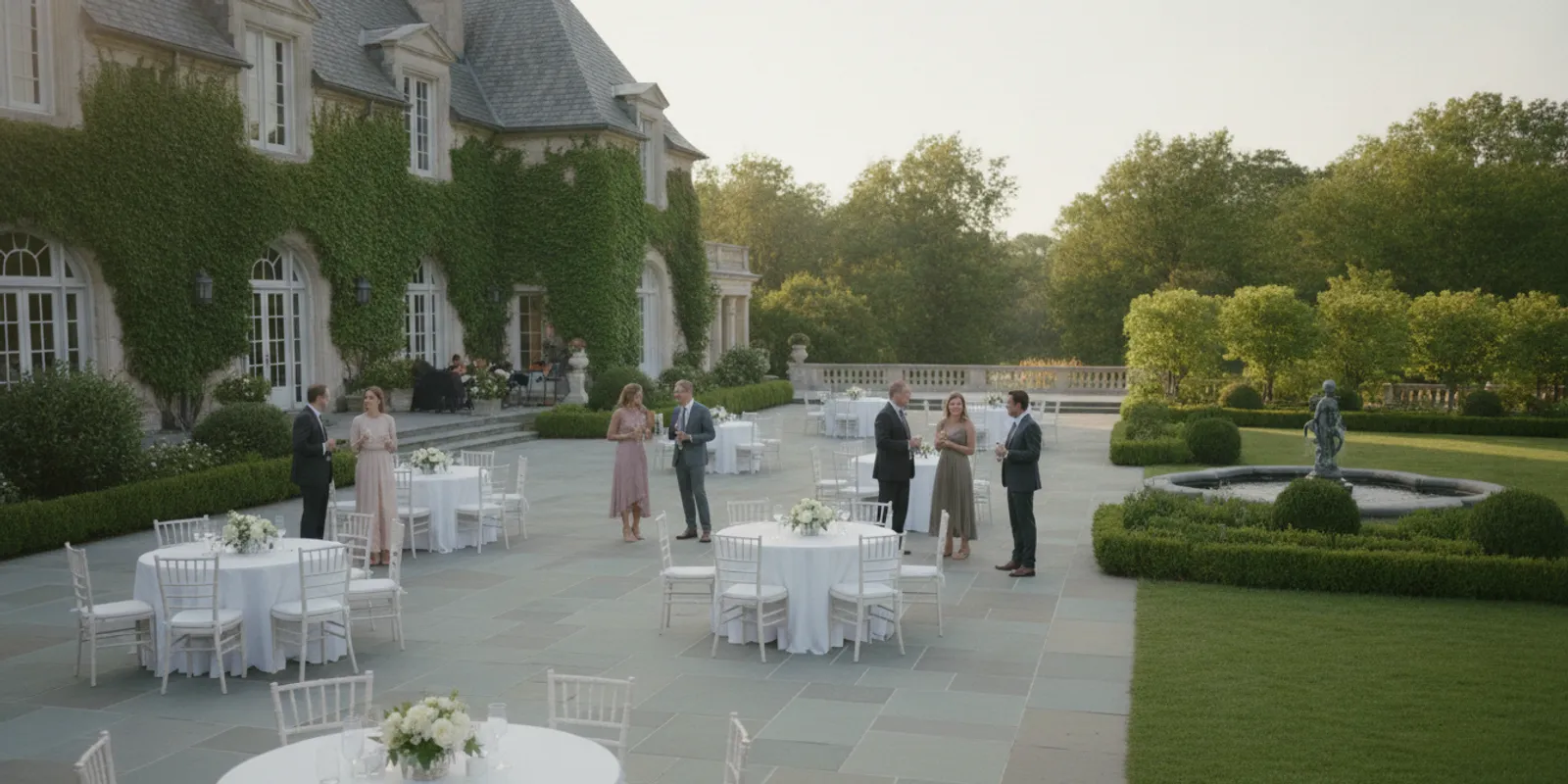
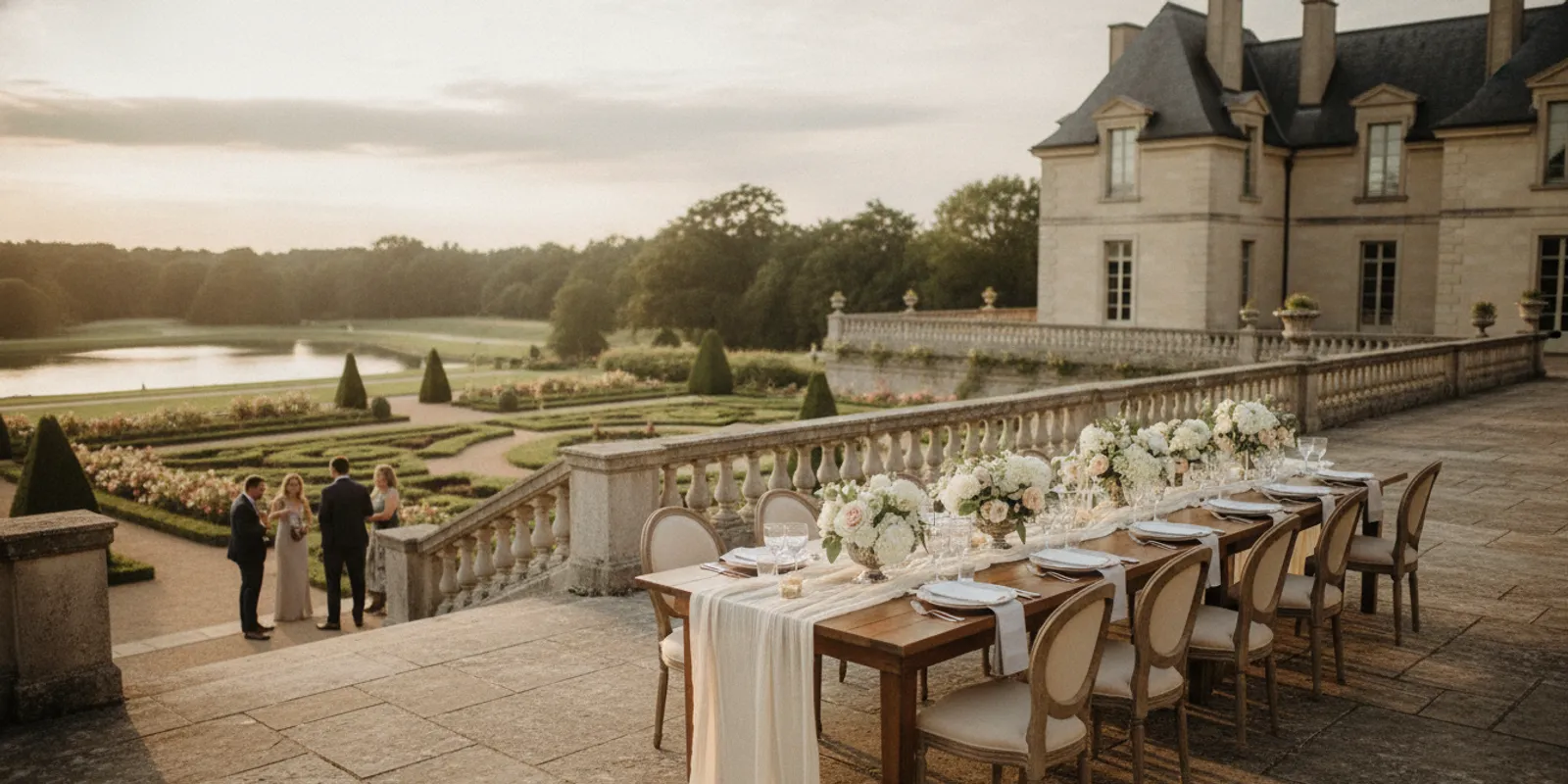
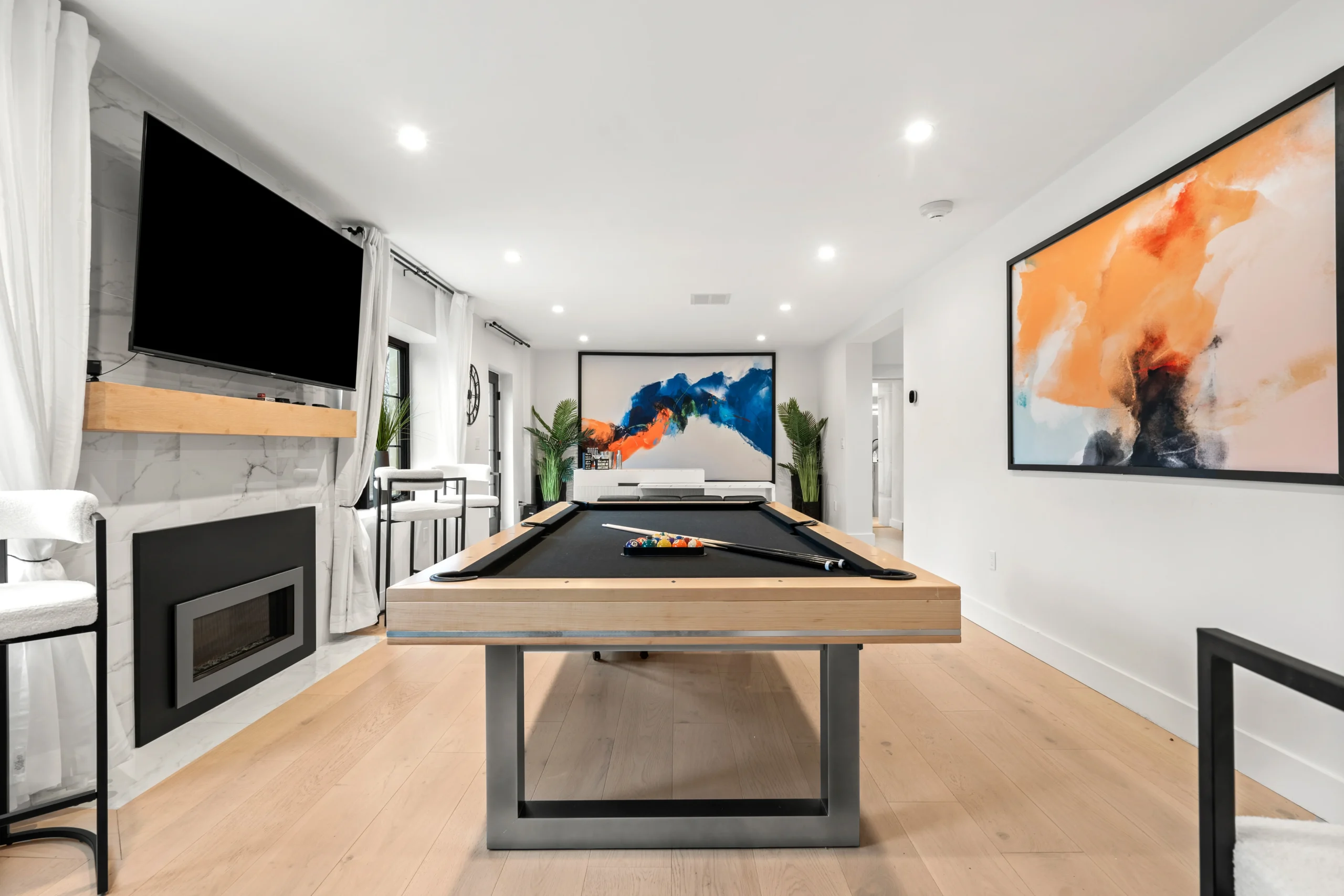
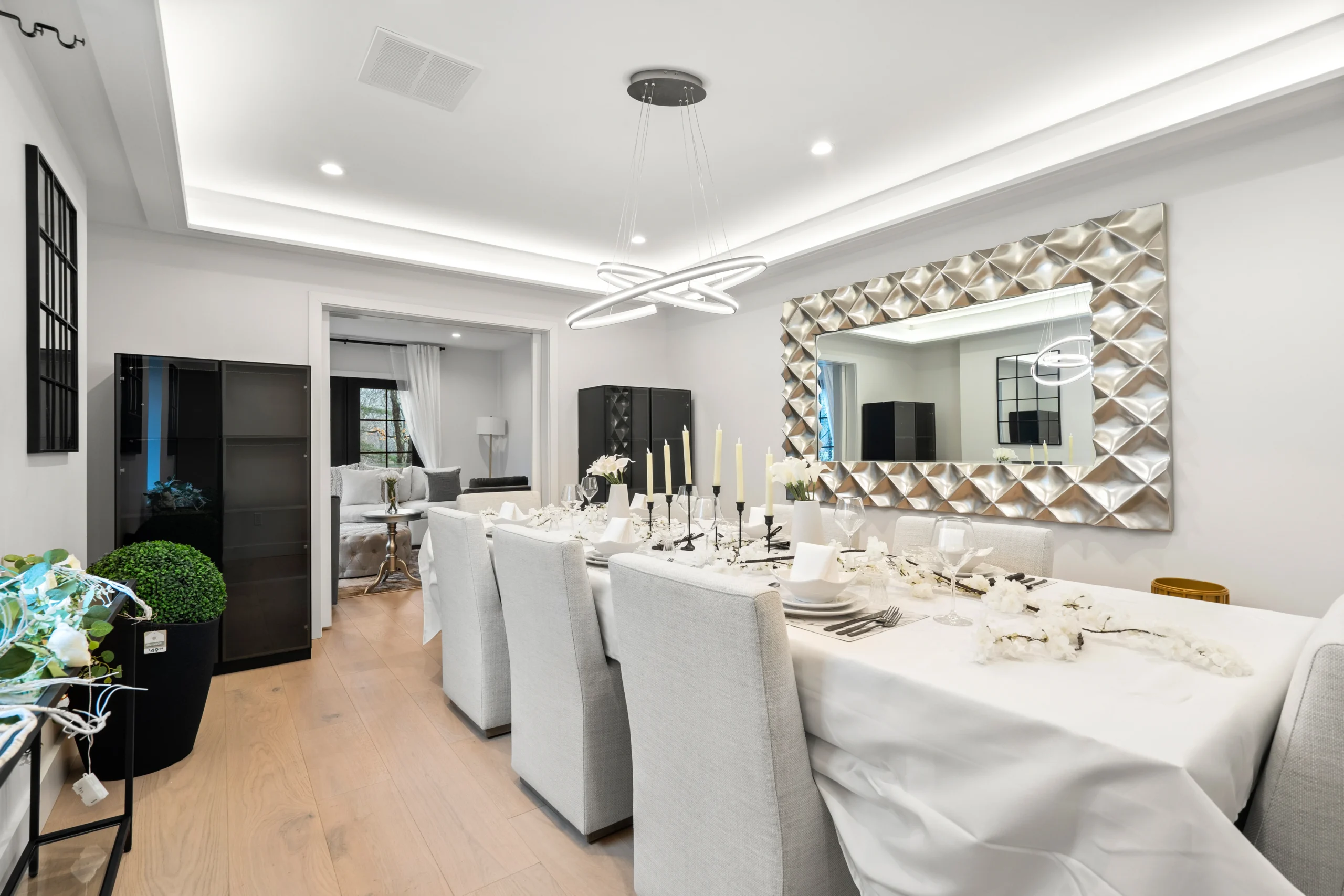
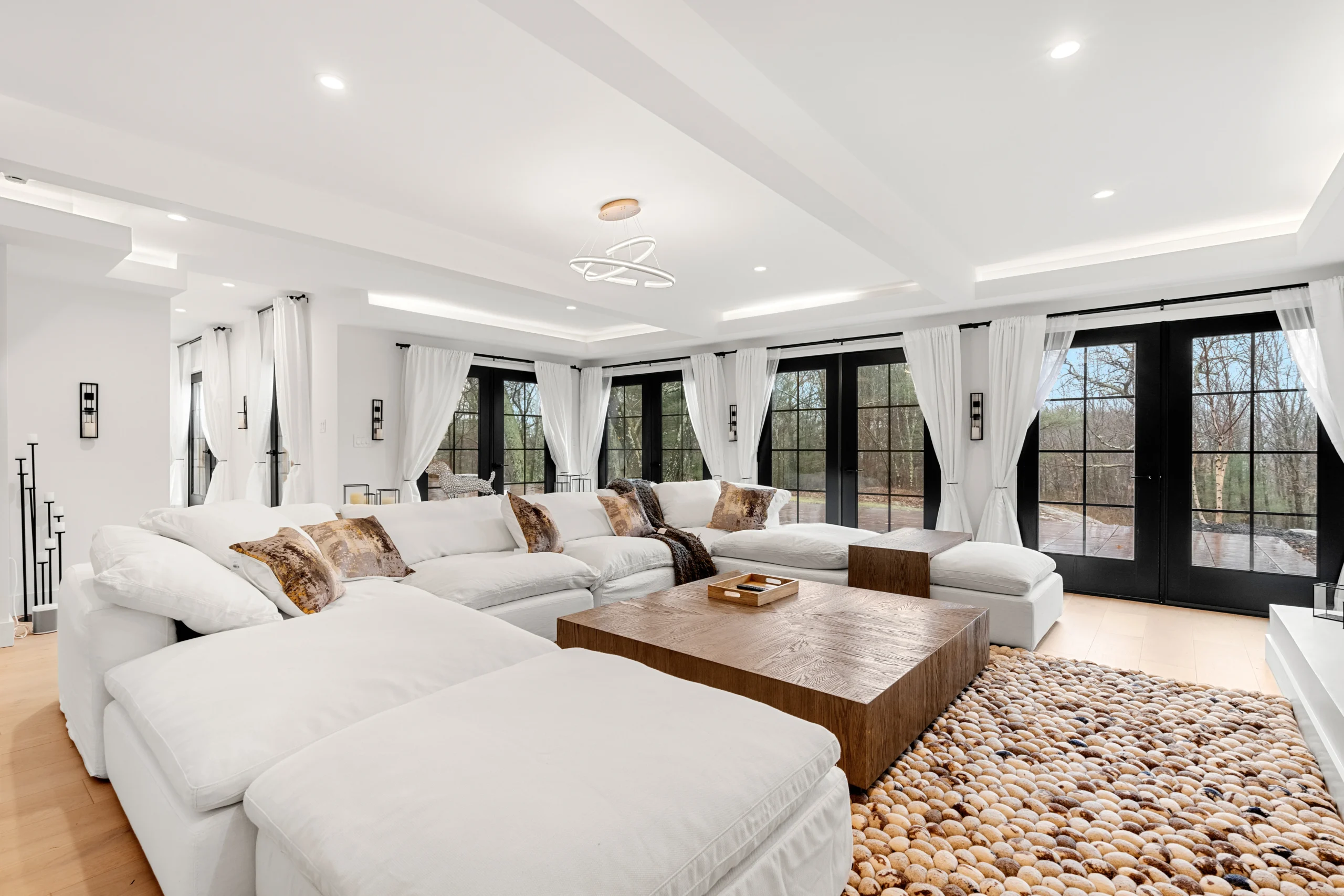
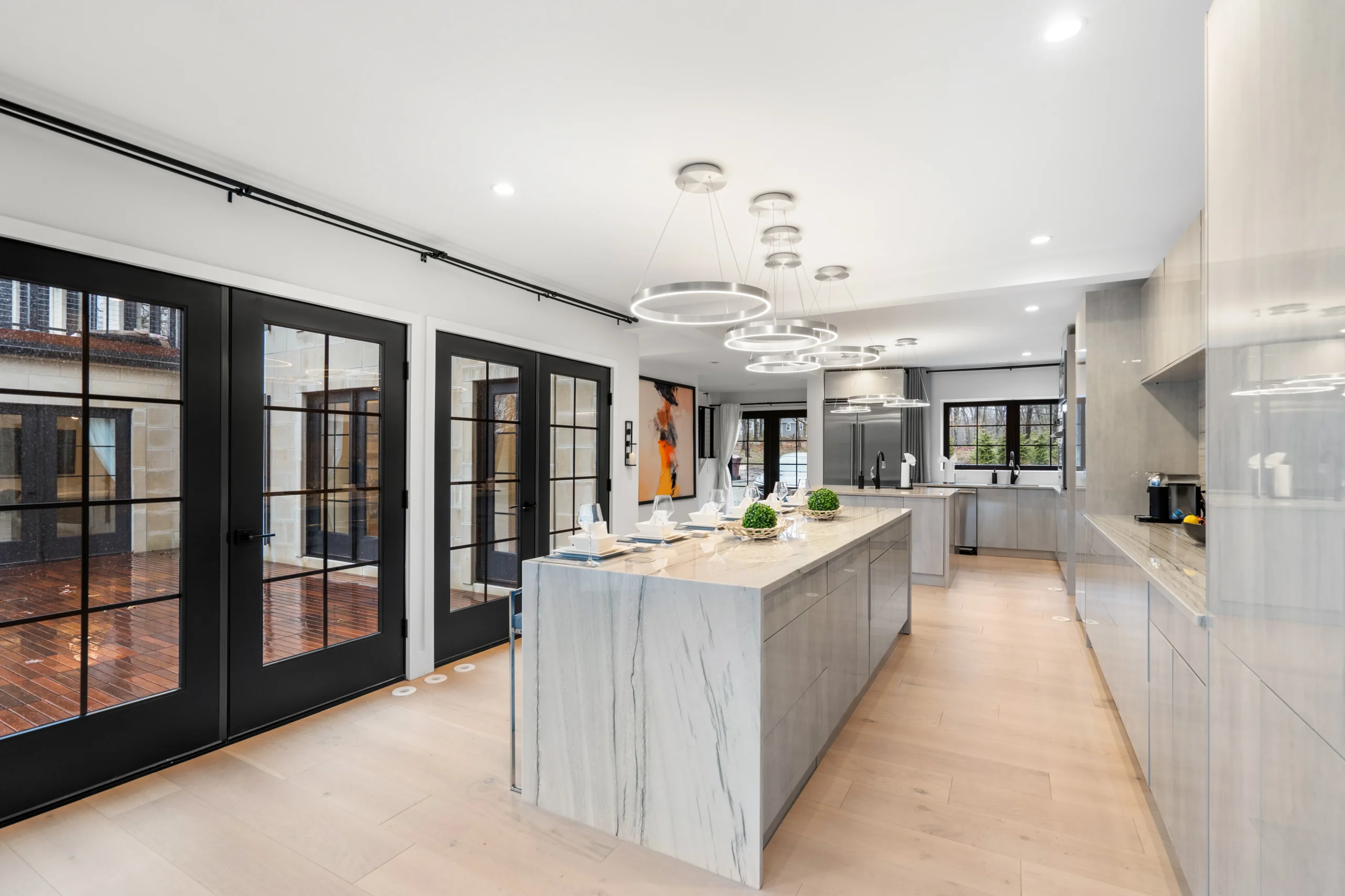
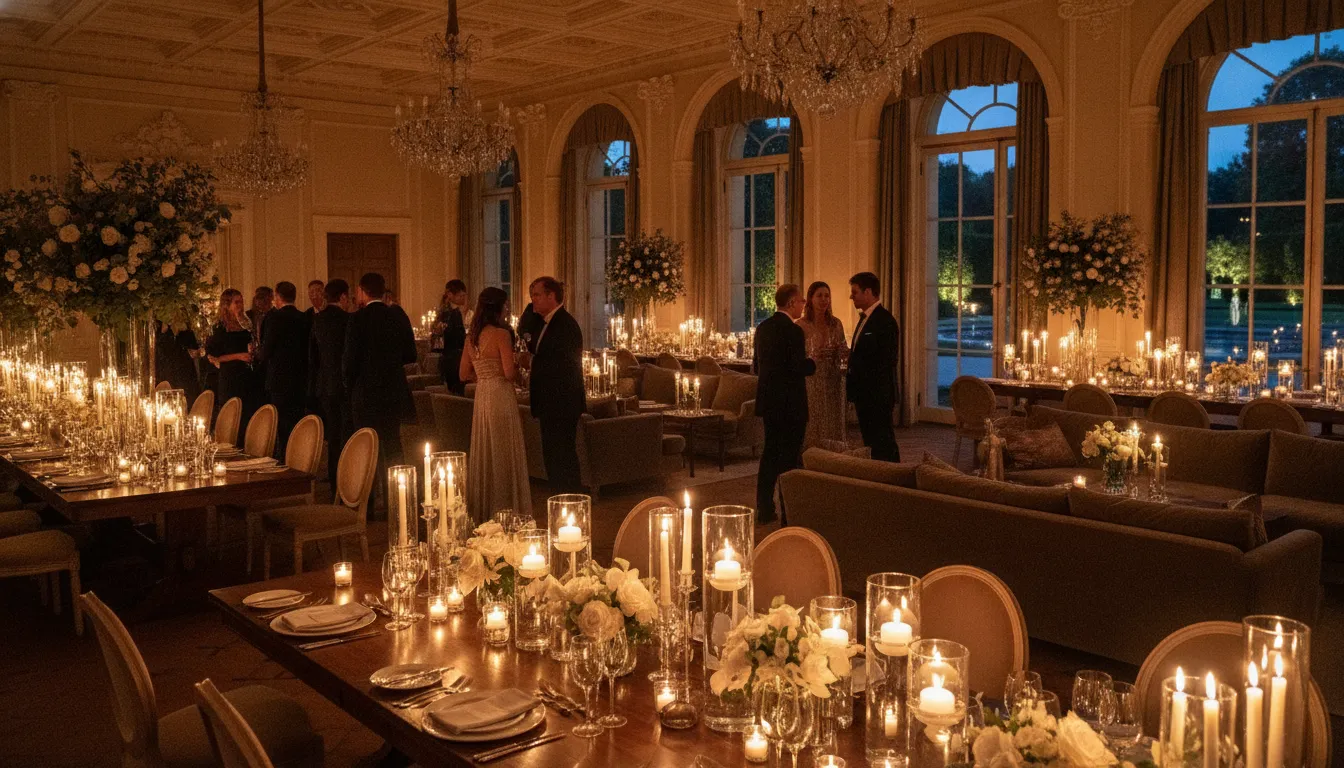
The Charles Chateau is designed to let an event expand and contract naturally. Its 8,000 square feet of interior space provide room for formal hosting, private conversation, and quieter pauses throughout the day. Natural light helps maintain a connection with the surrounding grounds. While the 4,000-square-foot outdoor terrace offers a separate setting for guests to gather without feeling removed from the main event.
The terrace can support a welcome reception, an open-air meal, or a change of scene between structured portions of a program. An outdoor kitchen makes service practical rather than merely decorative. A fire pit and hot tub create more intimate options for an evening or a slower part of a multi-day stay. These features give planners more than a larger footprint. They provide choices in how the guest experience unfolds.
Flow should reflect the occasion
Different events require different patterns of movement. A leadership retreat may need a focused indoor setting for discussion, with outdoor space available for informal conversation afterward. A milestone celebration may move from cocktails to dinner to late-evening conversation. For family gatherings on a private estate, separate settings allow different generations and small groups to spend time together without separating the party entirely.
When considering how to choose a private event venue, ask more than whether the property looks impressive in photographs. Walk the route your guests will take. Notice where service, conversation, and privacy might compete. The right venue makes those transitions feel intuitive, so the setting supports the occasion without calling attention to its own logistics.
How to Choose a Private Event Venue the Right Way
The strongest venue decision begins before the first tour. A polished setting matters, but so do the practical details that shape the guest experience. The working relationship with the venue team, and the real scope of the event. A useful event selection checklist can help you compare those details consistently rather than relying on atmosphere alone.
- Define your must-haves before you compare venues. Separate the elements your event cannot function without from features that would be welcome but negotiable. Consider guest count, privacy, room configuration, presentation needs, accessibility, food service, outdoor access, and the tone you want guests to remember. This distinction makes tours more focused and clarifies where compromise is possible, a planning principle also recommended by the University of Michigan’s venue-selection guidance: identify essential needs separately from nice-to-have features. For a retreat or private celebration, also define whether exclusive use and overnight accommodation are requirements rather than preferences.
- Scope the full setup and take-down window. Ask how much time your event needs from the moment vendors arrive through final departure. Include deliveries, furniture placement, catering preparation, technical checks, guest arrival, breakdown, and collection of rented equipment. A venue that appears suitable during event hours may become difficult if access is limited before or after the gathering. Confirm whether the booking window includes setup and take-down, and whether early access or a later departure changes the agreement. These details should be resolved while comparing venues, not left to the production schedule.
- Confirm load-in and load-out costs in writing. Clarify who manages deliveries, where vehicles may unload, how long vendors may remain onsite, and whether additional labor, security, staffing, or overtime charges apply. Base rental figures rarely describe the entire operational picture. The University of Michigan specifically advises planners to account for incidentals such as labor, technology shifts, and onsite coordination when evaluating venue costs. Even when a venue offers a highly supported experience, ask for a clear explanation of what is included so your planning team can make an informed comparison.
- Stay flexible on dates when the venue is a strong fit. If the setting, service model, and privacy standards align with your priorities, offer more than one date or consider adjacent days and seasons. Venue calendars change, and flexibility can improve the likelihood of securing the right property without forcing the event into a less suitable environment. Share your preferred date, acceptable alternatives, event duration, and any meaningful scheduling constraints early. This gives the venue team a practical basis for checking availability and proposing a workable path.
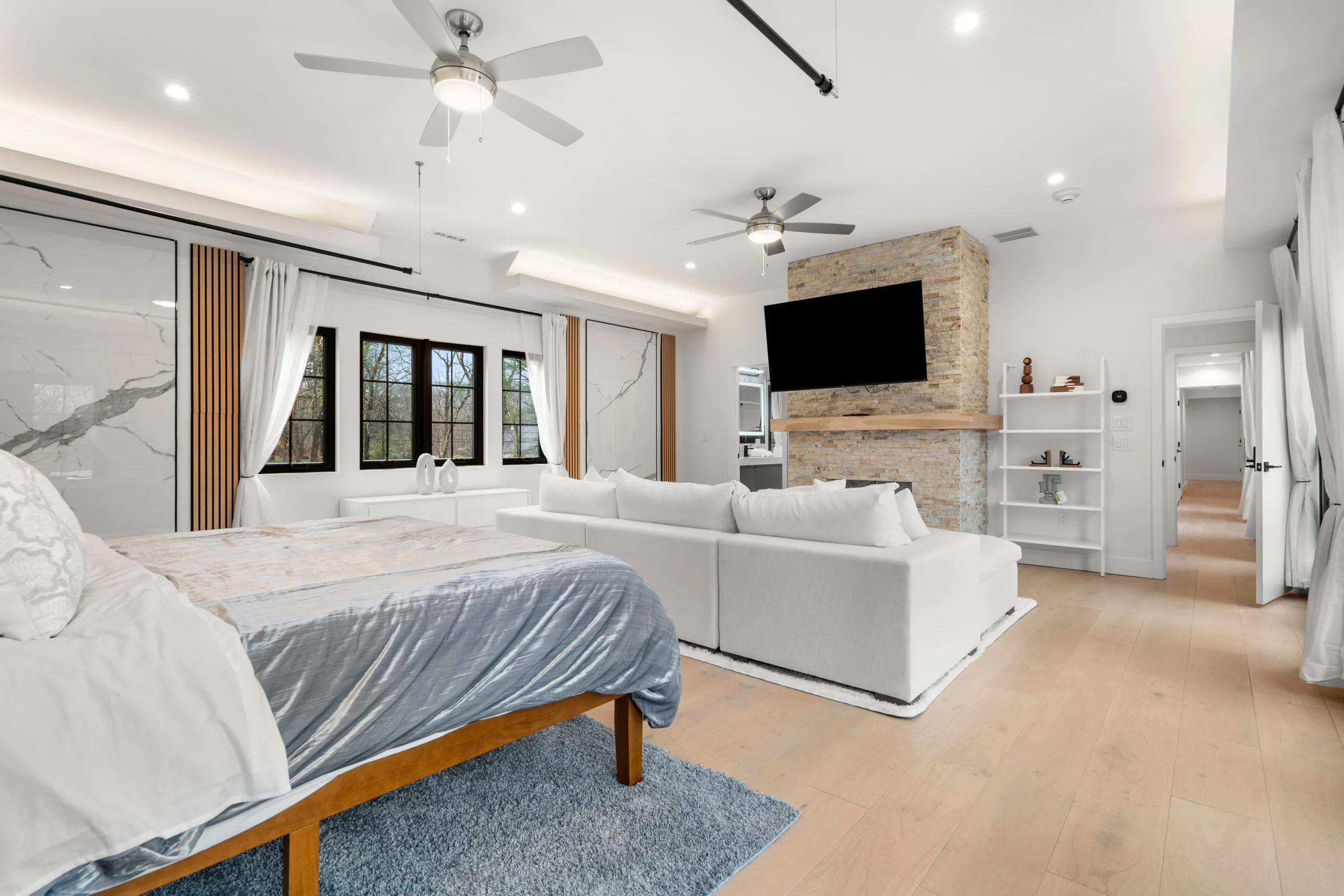
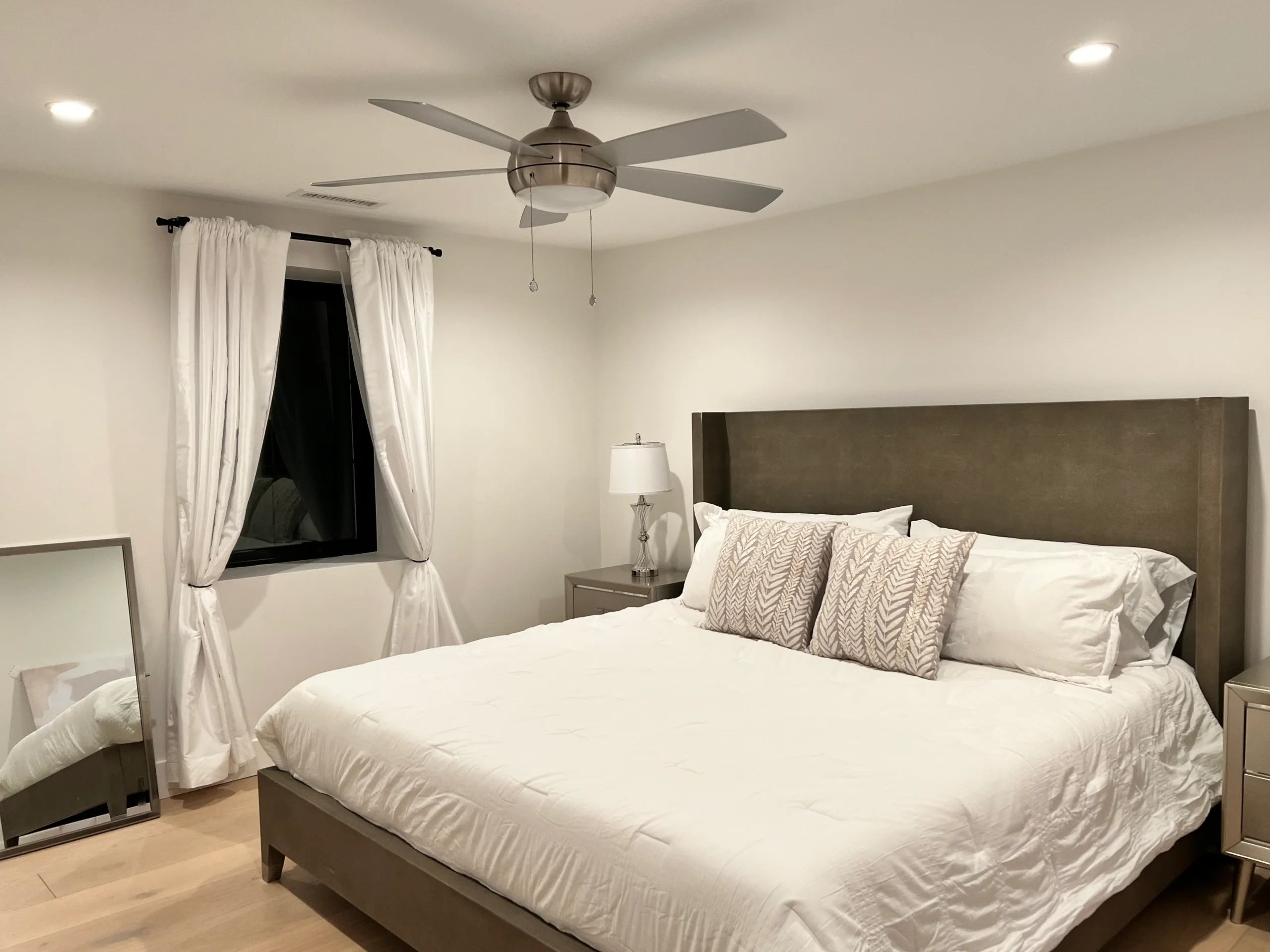
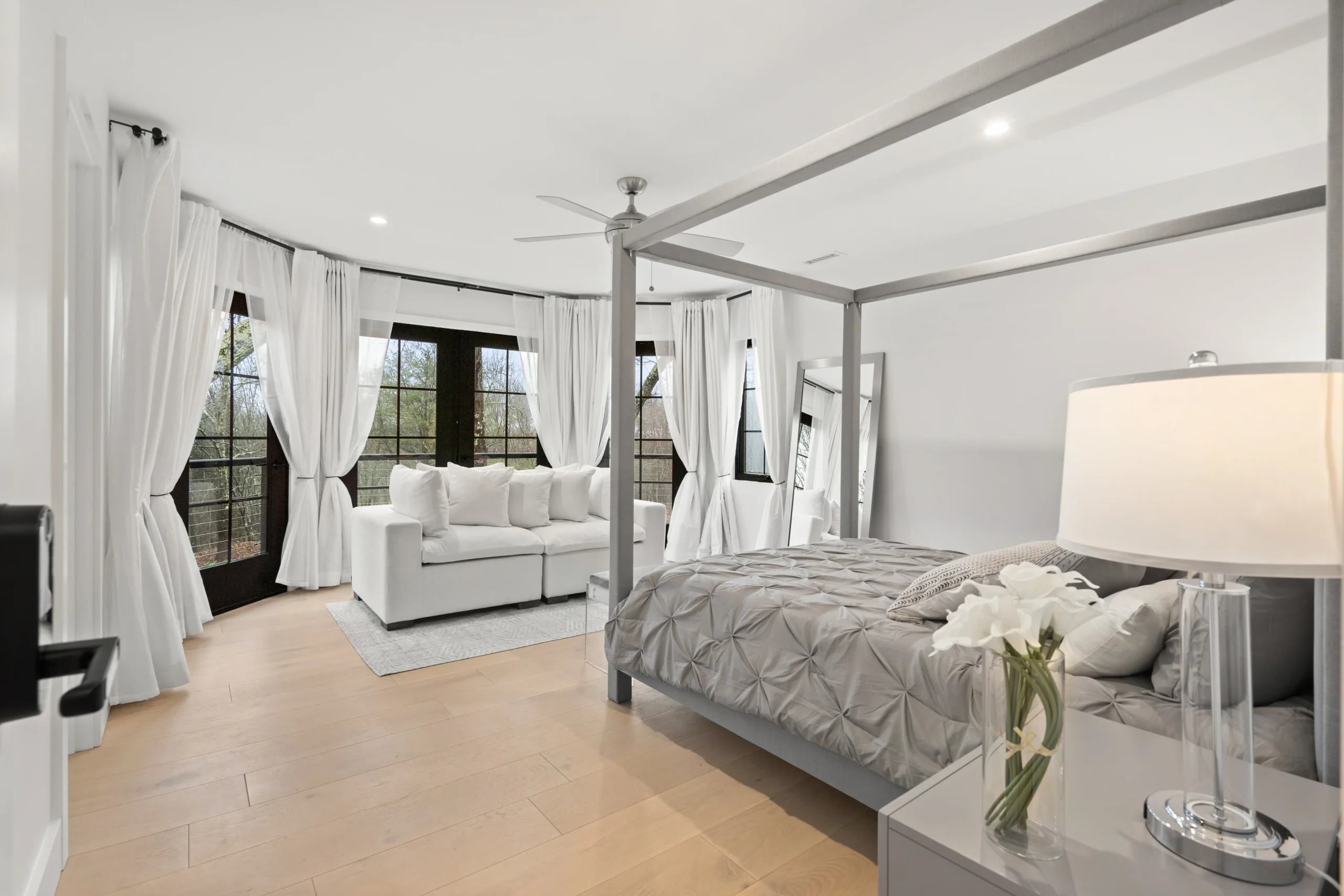
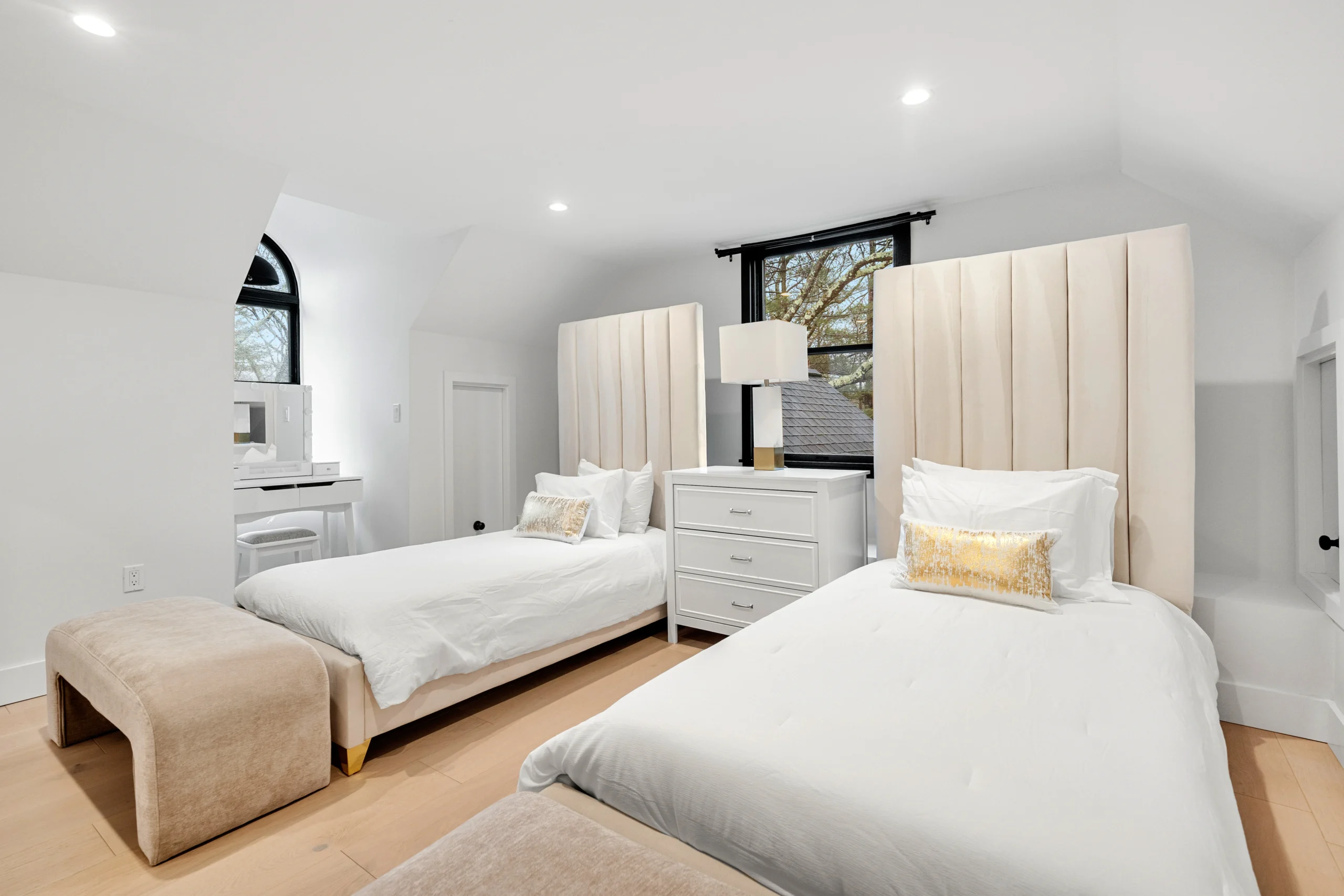
- Check on-site accommodation for multi-day events. For retreats, executive gatherings, and extended family occasions, sleeping arrangements influence the rhythm of the entire experience. Ask how many guests can stay onsite, how rooms are configured. How arrivals and departures are handled, and whether the accommodation supports the privacy and togetherness your event requires. On-site lodging can reduce transfers and keep a multi-day gathering cohesive, while a mismatch may create unnecessary transportation and scheduling demands. Treat accommodation as part of the venue evaluation, not as a separate afterthought.
Once these points are clear, you can assess venues on the complete experience they provide: fit, flow, service, privacy, and ease of execution. That is a more reliable basis for choosing a setting your guests and planning team will value throughout the event.
How to Vet a Private Event Venue Before You Request Availability
A polished inquiry begins with more than a preferred date and guest count. Before asking whether a venue is available, confirm that its operating policies, service model, and practical requirements suit the occasion. This early review makes the conversation more productive and helps prevent avoidable surprises later.
Ask about risk, restrictions, and flexibility
Insurance requirements should be verified early in the selection process. Ask what coverage the venue requires, who must provide it, and when certificates are due. Resolving those details at the outset helps prevent a liability gap from emerging close to the event. Insurance is a standard venue-selection consideration, not a formality to leave until contracting.
Request the venue’s rules for food service, open flames, décor, amplified sound, and outside vendors. Restrictions on food or flames can materially change the feasibility of a dinner, reception, or celebration, while décor policies may affect the atmosphere you have planned. Confirm whether preferred caterers are required, whether external specialists are welcome, and which approvals are needed for distinctive installations.
Use the RFP to evaluate responsibility
If sustainability matters to your organization, include specific questions in the RFP rather than relying on broad environmental language. The ENERGY STAR meeting-planner guide provides sample questions for evaluating a venue’s sustainability efforts. You might ask about waste reduction, energy practices, transportation considerations, and how those efforts are documented.
Reviews and testimonials can reveal how a venue handles real events, including communication, special requests, and unexpected challenges. Look for detail about the experience rather than relying only on polished descriptions. For corporate events on a private estate, that evidence is particularly useful because discretion, timing, and responsive service may matter as much as the setting.
Clarify the complete financial picture
Finally, request a clear outline of the total cost, including the base rental and possible incidentals such as technology changes, event coordination, labor, setup, or additional service requirements. The University of Michigan’s venue-selection guidance specifically recommends accounting for these additional fees, rather than assessing a space by its headline rental alone. A venue that answers precisely and early is more likely to support a calm planning process from the first inquiry through the final guest departure.
Start a concierge inquiry about your event date.
Frequently Asked Questions
What should I consider beyond the venue’s guest capacity?
Look at how the space supports the event you are actually planning. Consider guest flow, privacy, indoor and outdoor transitions, overnight accommodation, parking, accessibility, and the level of planning support available. A venue that fits the headcount may still feel unsuitable if guests are crowded, separated from one another, or left to manage complicated logistics themselves.
What does an exclusive private estate buyout include?
An exclusive buyout means the estate is reserved for your gathering, with no concurrent booking sharing the property. That arrangement gives hosts greater privacy and control over the experience, including how guests move between spaces and how the day is paced. Confirm exactly what areas, amenities, accommodation, staffing, and vendor access are included before requesting availability.
How can I evaluate a venue’s service before booking?
Ask who will coordinate the details before arrival, what special requests the team can handle, and how outside vendors are managed. Strong service should make logistics clearer, not add another layer of work. A concierge-led planning process can help shape recommendations around your guest list, schedule, and purpose while surfacing practical considerations early.
Why is a site visit important when choosing a private event venue?
Photographs rarely show how guests will move through a property. During a site visit, walk the expected arrival, gathering, dining, and departure routes. Note bottlenecks, transitions between indoor and outdoor areas, restrooms, parking, and quieter spaces for private conversations. This makes it easier to judge whether the venue supports the atmosphere and flow you want.
Ready to Begin a Concierge Inquiry?
A thoughtful conversation can help clarify whether the estate’s privacy, setting, and service model suit your private event near Boston. To start a concierge inquiry about hosting your gathering, contact us through the inquiry page. Share your preferred dates, guest profile, and event plans, and the team can guide the next step with appropriate attention to your occasion.