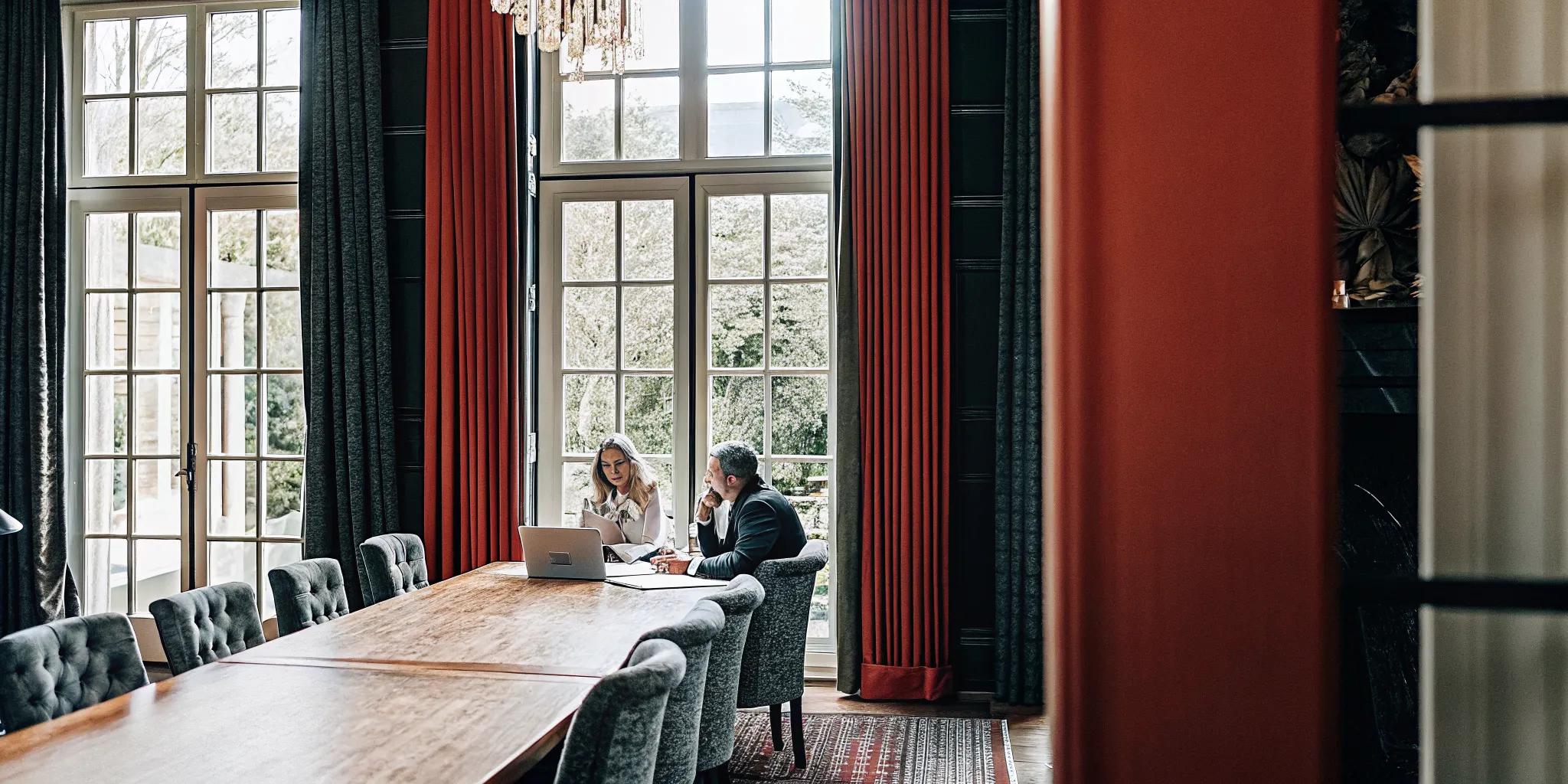
A leadership retreat earns its value before the first session begins. The strongest programs give executives a defined decision to make, enough room for candid discussion, and a setting that keeps attention on the work rather than the logistics.
Contact the concierge team to explore a private estate setting designed for focused leadership gatherings, or review this executive retreat venue near Boston.
The most effective leadership offsite ideas for executive teams connect every activity to a meaningful business outcome. That may include a facilitated strategy conversation, a carefully structured decision session, time for informal relationship building, and a clear process for turning conclusions into accountable next steps.
A productive retreat should feel considered without becoming over-programmed. With the right balance of structure, privacy, and unhurried conversation, executives can address complex priorities while strengthening the trust required to carry decisions forward. The distinction begins with how the offsite is designed and what participants are expected to accomplish.
Leadership Offsite Ideas For Executive Teams: What Makes an Executive Offsite Productive vs Performative?
A productive executive offsite is designed around a small number of consequential decisions, not a full calendar of activities. The right participants arrive prepared, the conversation is facilitated with discipline, and the group leaves with accountable next steps. A performative retreat creates the impression of progress without changing priorities, behavior, or execution.
The distinction is visible in the questions the room is willing to address. A performative offsite fills time with generic activities, extended status reports, and broad discussion that avoids difficult tradeoffs. A productive one creates the conditions for direct conversation about the decisions that require collective judgment. That matters when roughly 90% of organizations fail to execute their strategy, according to Harvard Business Review reporting.
Structure begins before the first session
Research on strategy offsites identifies insufficient structure and lack of focus as central reasons many fail to produce actionable results. The remedy is not a more elaborate itinerary. It is a limited scope, a carefully considered participant list, relevant pre-reading, and a detailed agenda established before arrival. These elements ensure that valuable meeting time is spent interpreting choices rather than reconstructing context.
Preparation also gives the facilitator a way to manage pace, politics, and competing priorities. Tailored frameworks, decision points, and purposeful group exercises help executives move from diagnosis to commitment. Each major discussion should end with a clear decision, an owner, or an explicit question that requires further work. If the group cannot identify what changed, the session was likely informative rather than productive.
Use in-person time for work that deserves the room
Hybrid teams need particular discipline. MIT Sloan Management Review notes that leaders must be more intentional about building in-person moments that matter. An offsite should therefore reserve shared time for complex strategy, relationship-building. And issues that benefit from the nuance of live discussion, rather than tasks that can be completed remotely.
Well-designed strategy conversations can turn an offsite into a genuine business turning point. The setting should support that purpose without overpowering it. For organizations evaluating corporate offsite venues, the strongest choice is one that protects concentration, enables conversation, and makes the intended outcomes easier to pursue.
Agenda Ideas for a 2-Day Leadership Offsite
The strongest two-day leadership offsites move from diagnosis to decision, then from decision to disciplined action. Day 1 creates shared understanding and resolves one consequential issue. Day 2 strengthens the team around that direction and assigns a practical 90-day plan, so the retreat produces momentum rather than a polished set of notes.
-
Day 1 morning: Diagnose the current state
Open with a concise view of the organization as it is, not as the team hopes it will be. Review the few indicators that matter, surface conflicting assumptions, and identify the constraints behind the most persistent problems. Distribute focused pre-reads in advance so the morning can be used for interpretation rather than presentation.
Use a tailored framework to keep the discussion at the right altitude. Carefully chosen decision points and small-group exercises can manage both pace and quality, particularly when executives bring different views of the same challenge. The objective is a shared diagnosis that gives the afternoon a clear point of departure. Research on effective offsites similarly emphasizes limited scope, appropriate participants, relevant materials, and a detailed agenda before the meeting begins: the underlying research on strategy offsites.
-
Day 1 afternoon: Resolve the decision the team has avoided
Build the afternoon around one primary decision, rather than a sequence of loosely related agenda items. Name the choice, define what is at stake, and make the alternatives visible. Give each leader room to state the evidence, risks, and tradeoffs behind their position, then move toward a decision with a clear owner and decision rule.
A useful design principle is to work backwards from the decision and the behavior change the team needs to demonstrate 90 days later. This keeps the conversation practical: what must leaders stop doing, start doing, or do differently together? For broader corporate retreat planning, make space for an evening that allows the group to continue building rapport without turning the retreat into an extension of the boardroom.
-
Day 2 morning: Build trust around the work
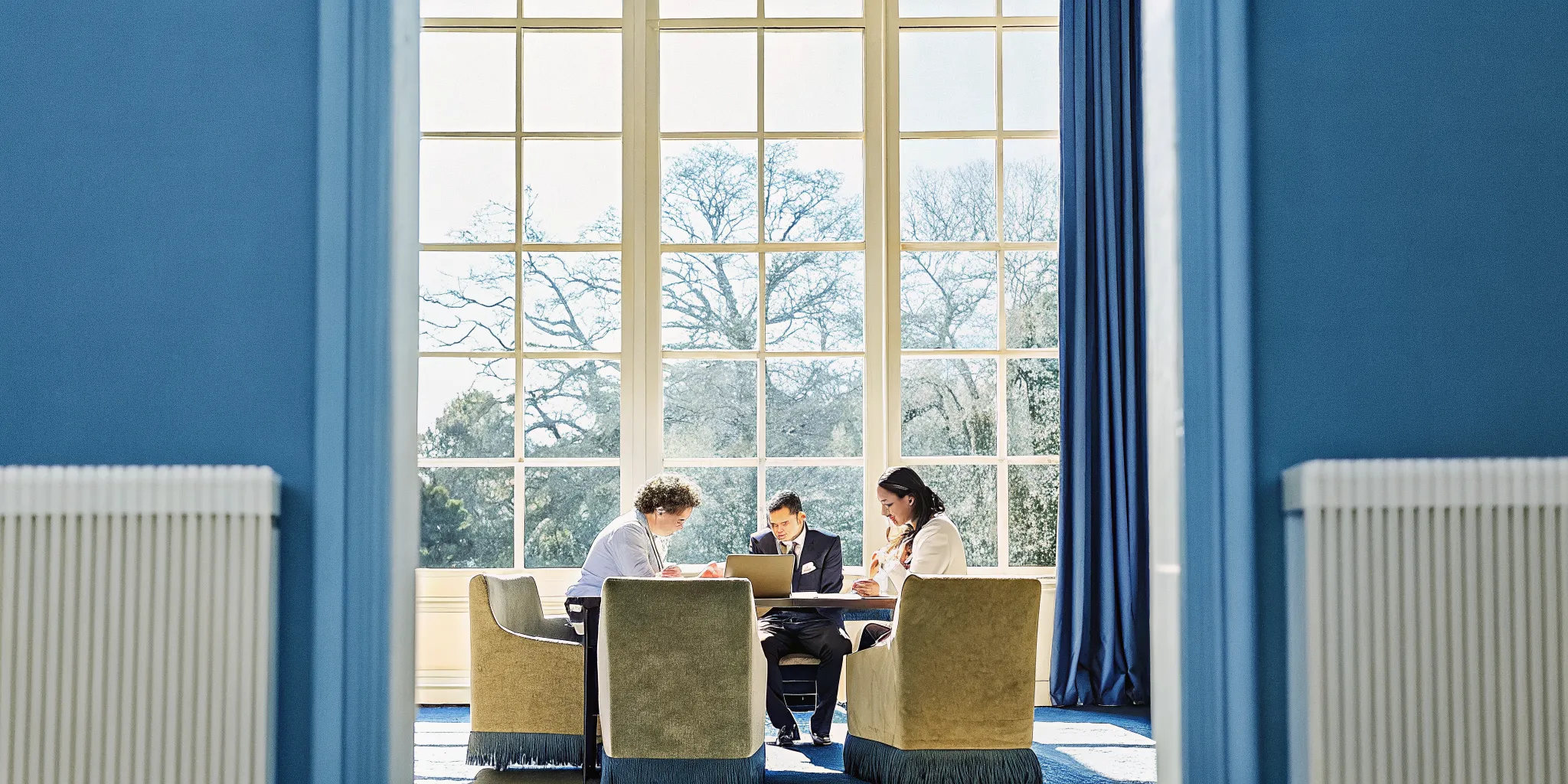
Begin with exercises that make the new direction easier to practice. Pair leaders to examine dependencies, rehearse difficult conversations, or identify where handoffs commonly fail. Trust building is most valuable when it is connected to the real operating work, not treated as a detached activity. A private setting can support candid exchange while preserving the considered pace expected of an executive gathering.

-
Day 2 afternoon: Convert the decision into a 90-day action plan
Close with a written plan that translates the central decision into a small number of initiatives. Assign one accountable owner to each action, define the first milestone, name the support required, and agree on how progress will be reviewed. Include the behavior change identified on Day 1, not only the operational tasks.
An action plan established after the meeting creates accountability and follow-through. Before departing, schedule the first review and confirm what evidence will show that the decision is taking hold. The retreat is complete when every executive can explain the next step, the owner, and the outcome expected within 90 days.
The Role of Environment: How Setting Shapes Executive Thinking
The setting of an executive offsite influences who speaks, what gets questioned, and whether leaders think as one team or defend familiar territory. A private, flexible environment removes routine interruptions, creates room for candid exchange, and allows the group to move naturally from strategic discussion to focused work.
| Factor | Headquarters boardroom | Hotel conference center | Private estate |
|---|---|---|---|
| Privacy level | Limited; staff and visitors present | Shared corridors, neighboring events | Complete; no concurrent bookings |
| Meeting continuity | Frequent interruptions | Fixed service windows, room transitions | Uninterrupted flow, flexible spaces |
| Participant mindset | Operating mode; status patterns persist | Transitional but still institutional | Distinct retreat mindset; candor encouraged |
| After-hours collaboration | Not available; everyone goes home | Limited to hotel bar or restaurant | Extended naturally into shared spaces and meals |
| Sensitive discussion | Risk of exposure | Moderate risk; shared environment | Protected by private membership model |
Executives can arrive at a retreat intending to pursue the company’s priorities and still fall into old patterns. A Harvard case study observes that leaders may fight for their individual fiefdoms, with teamwork notably absent. The environment can help shift that dynamic by changing the signals around the conversation. When no department owns the room and no neighboring meeting competes for attention, it becomes easier to examine tradeoffs as a collective.
Why familiar rooms can preserve familiar behavior
Headquarters boardrooms carry history. Seating positions, reporting lines, and repeated meeting rituals can reinforce status patterns before the first agenda item begins. A hotel conference center offers more distance from the office, but shared corridors, neighboring events. And fixed service windows can still interrupt the continuity an executive team needs for difficult decisions.
That continuity matters when a session moves from a plenary discussion into smaller breakouts, then returns to the full group for synthesis. Leaders should not have to spend energy locating the next room, working around another event, or watching the clock for a service transition. The physical setting should support the work rather than become another constraint.
What a private estate makes possible
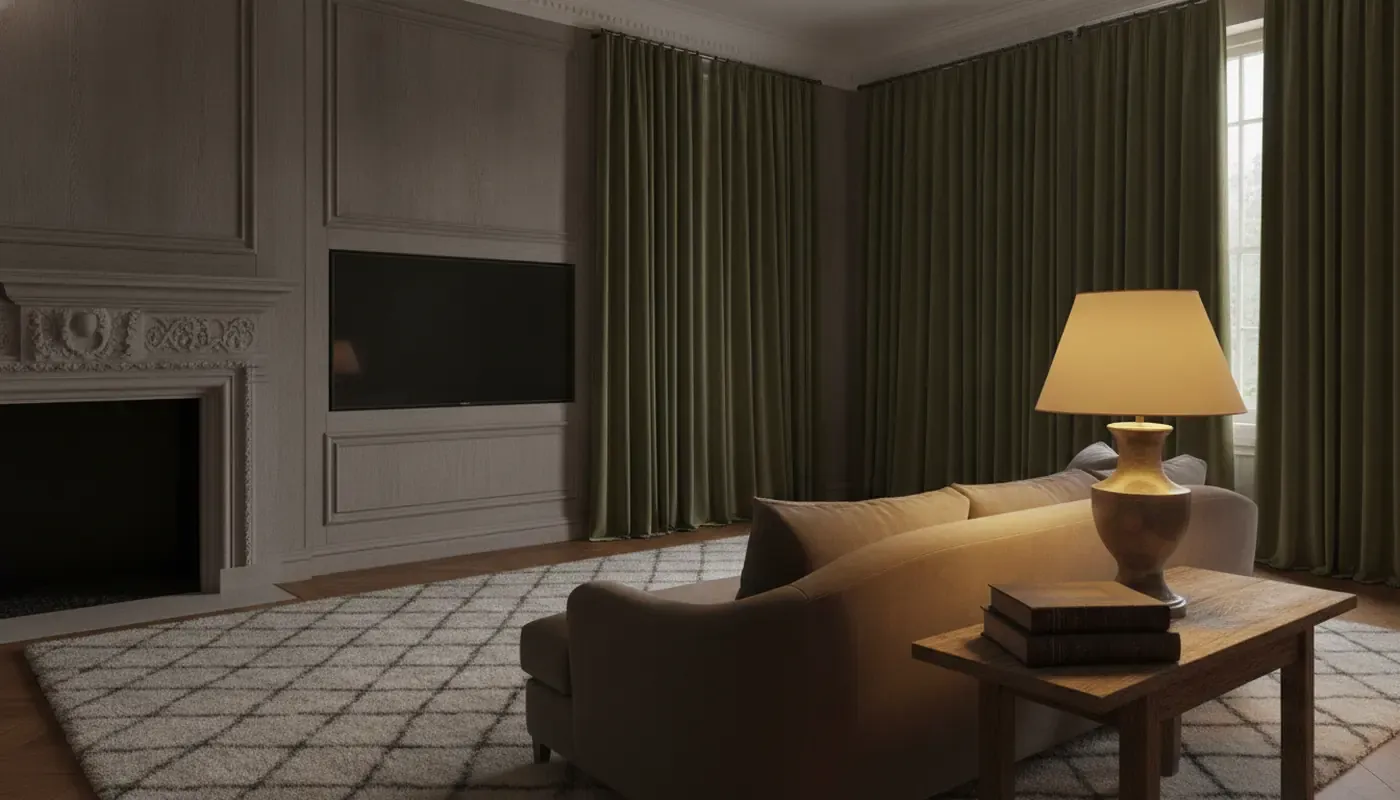
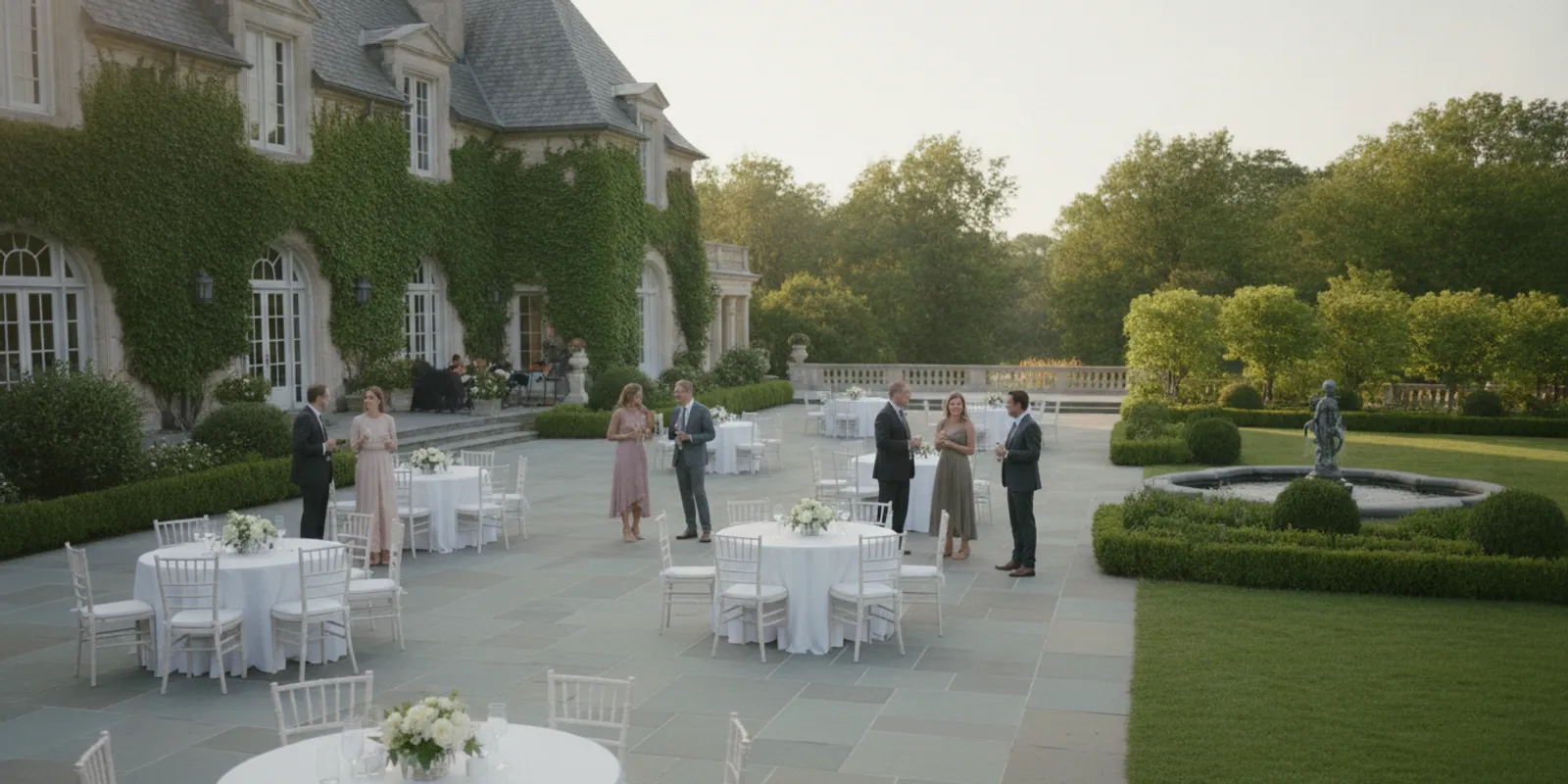
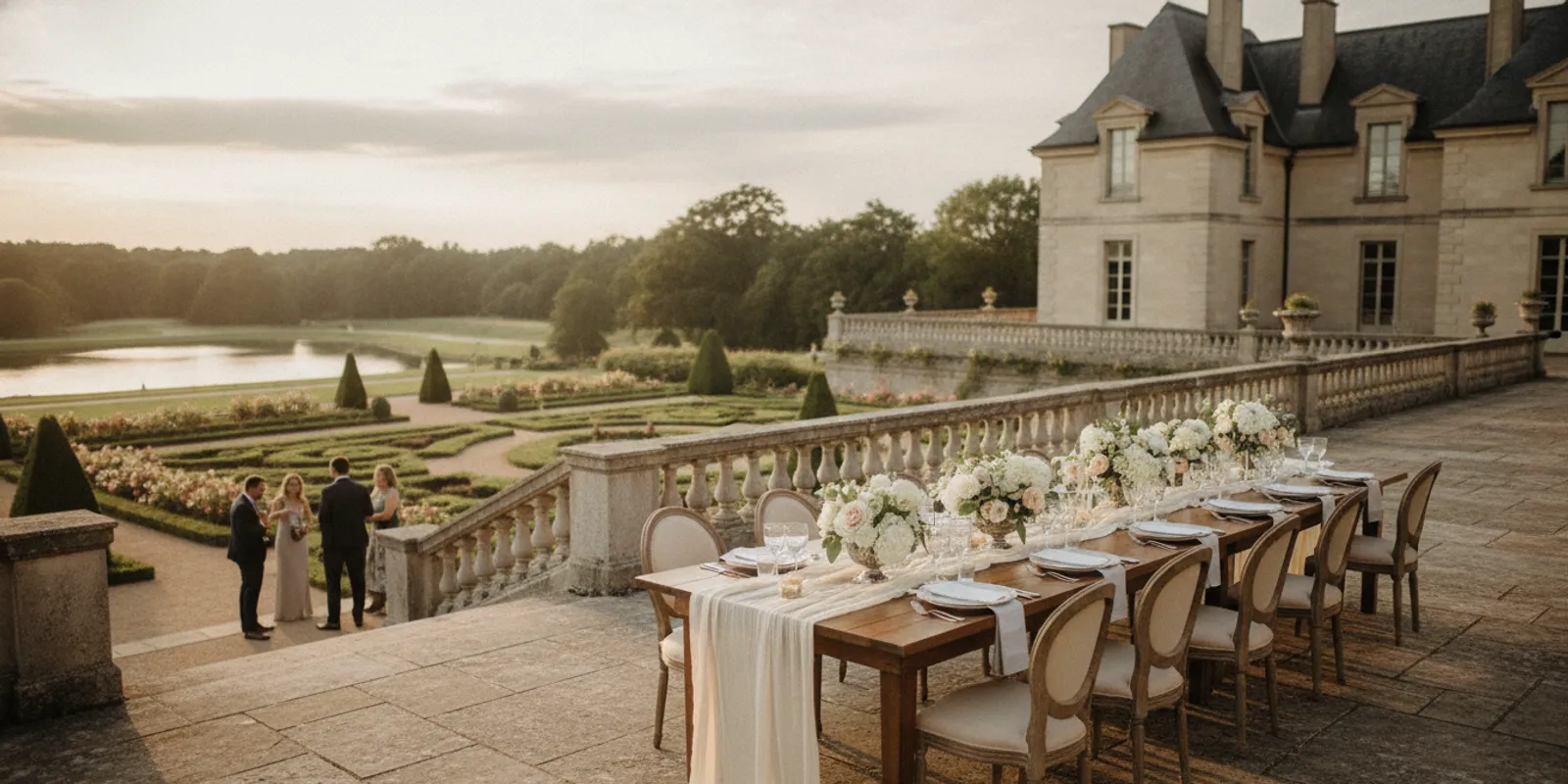
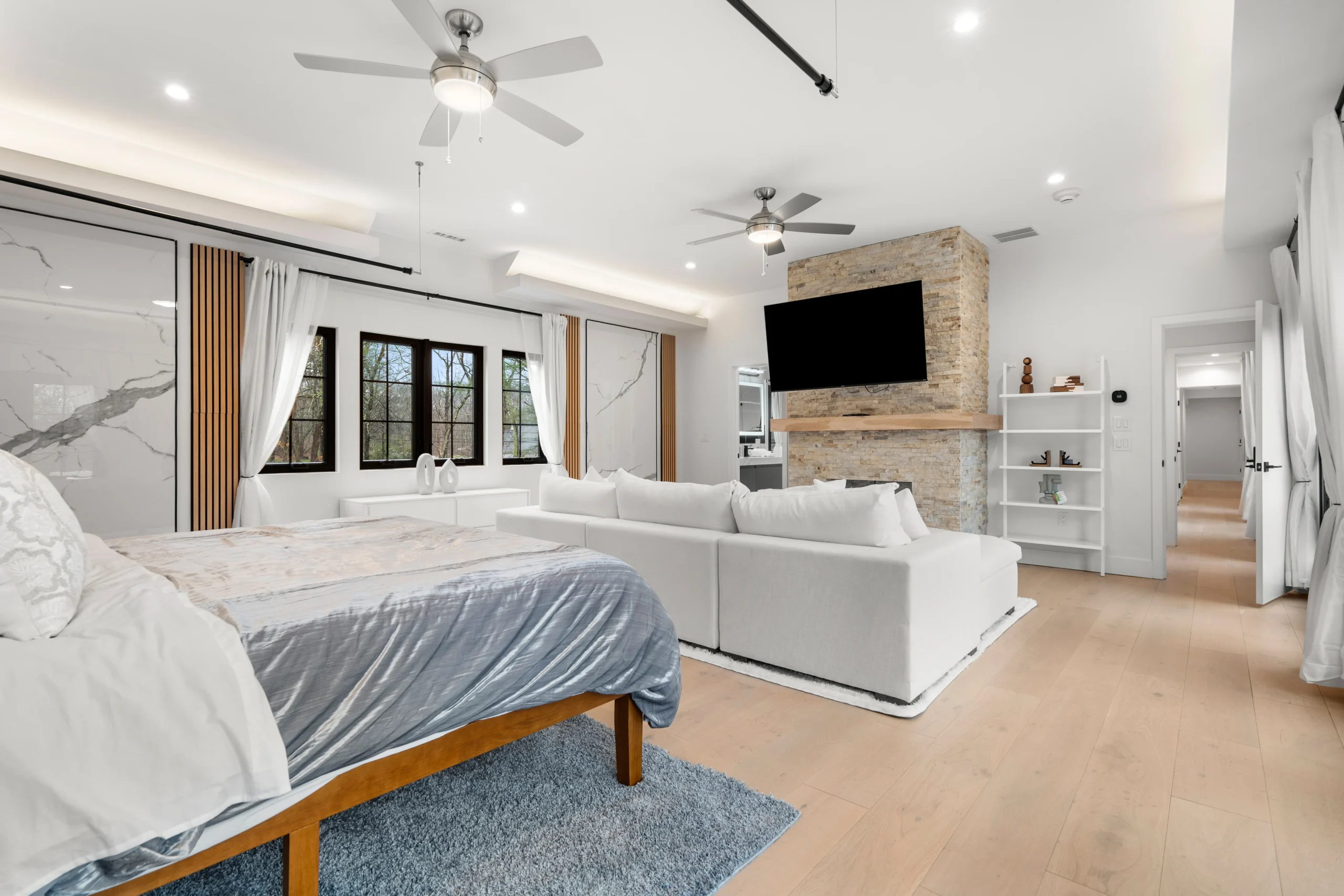
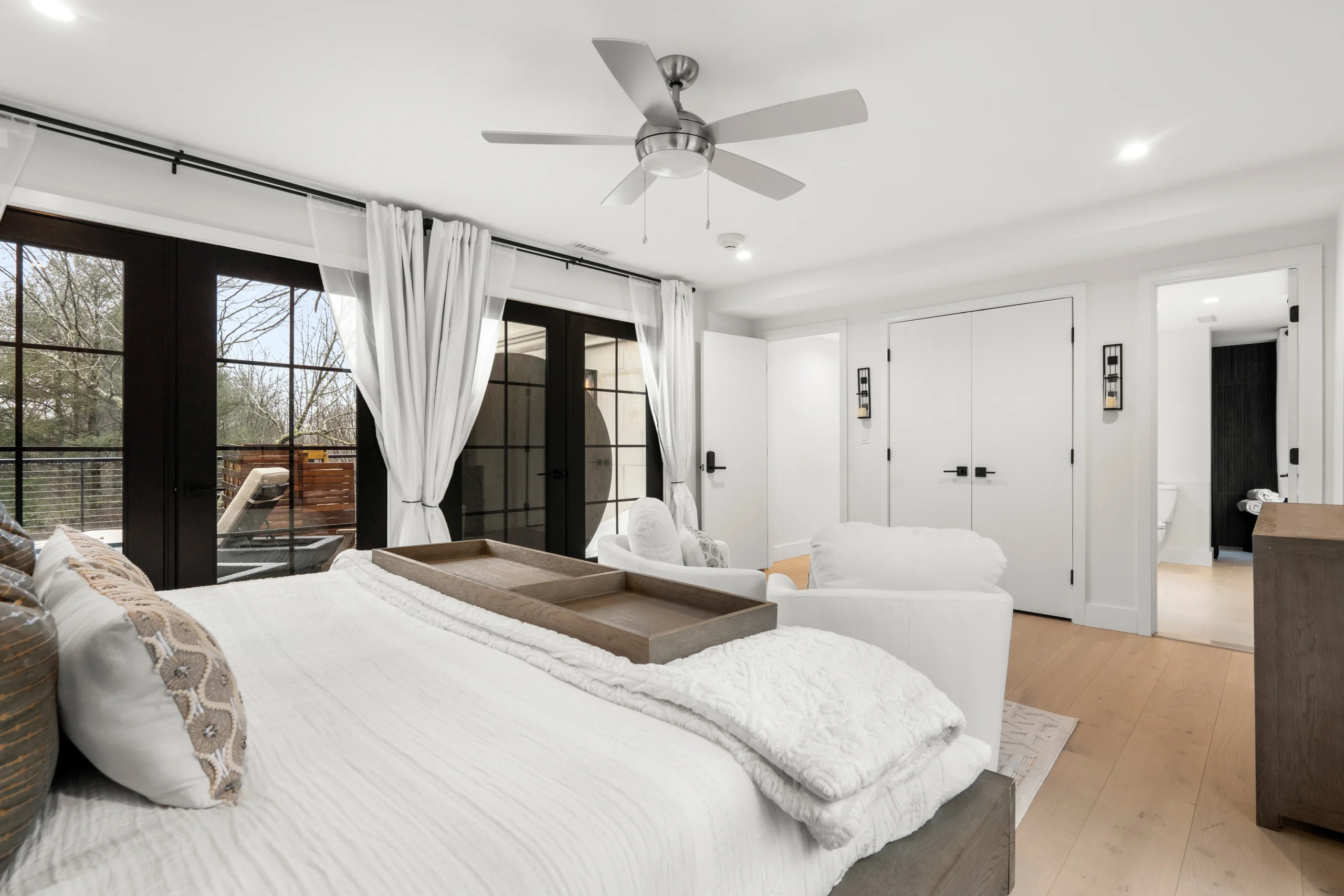
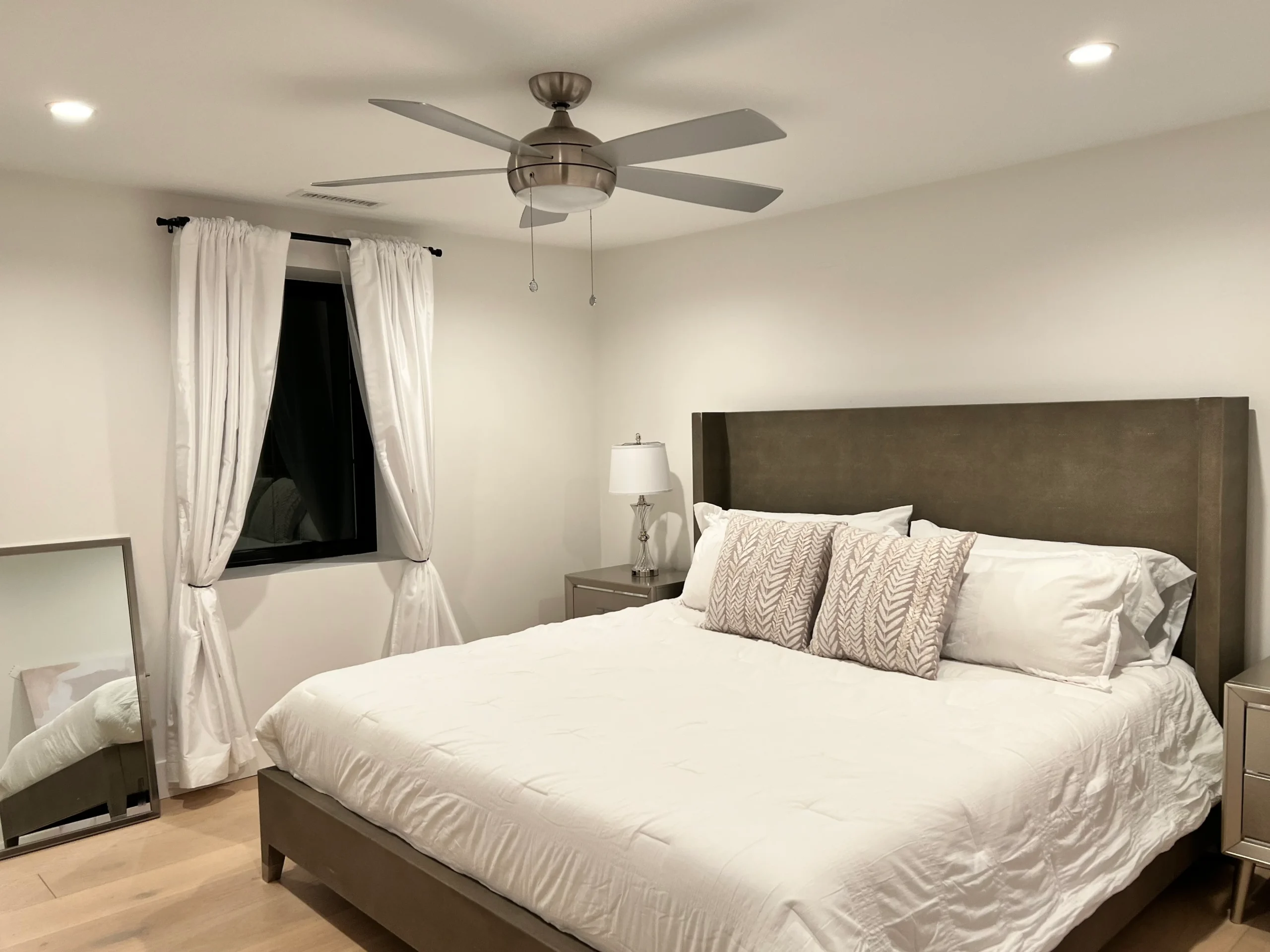
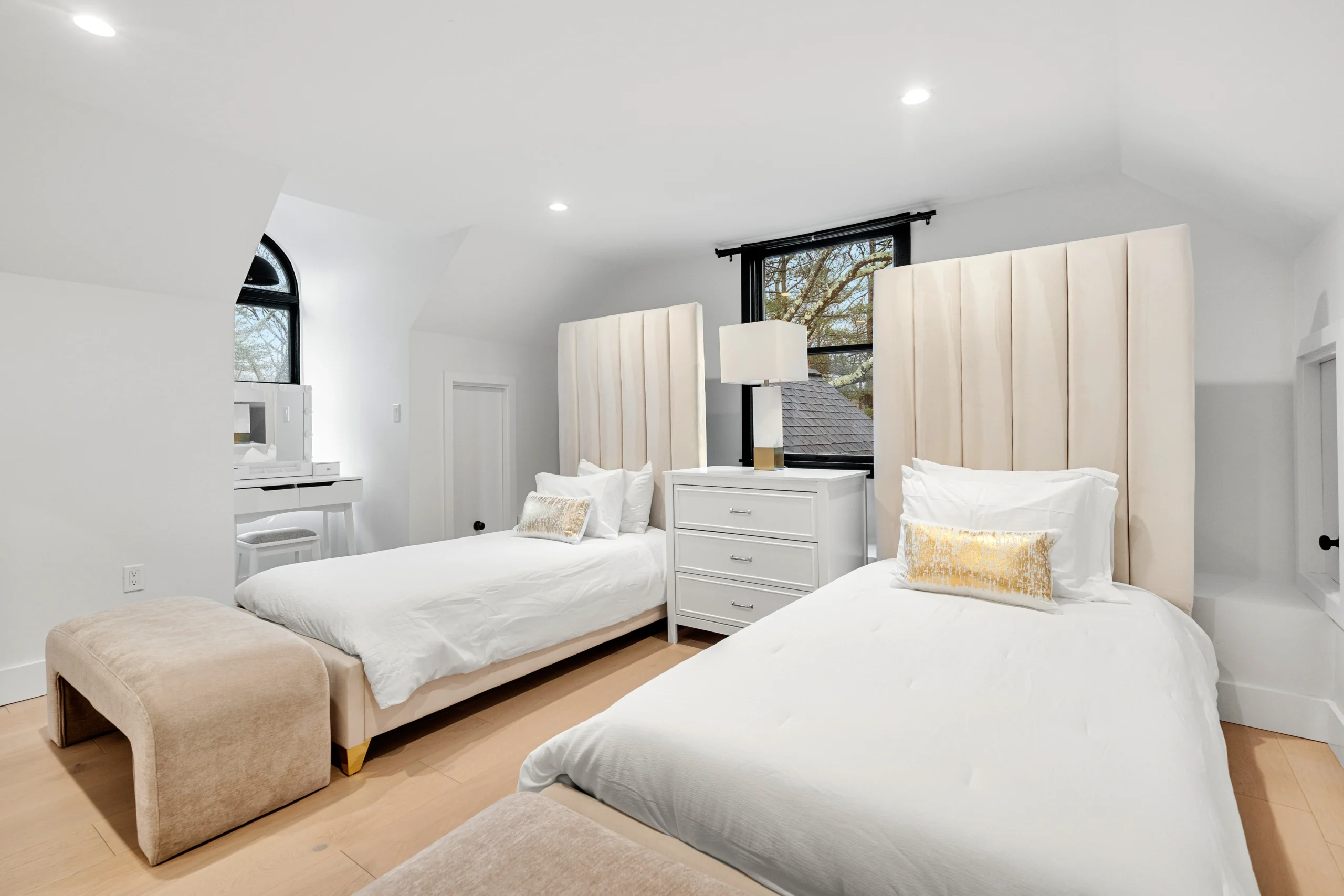
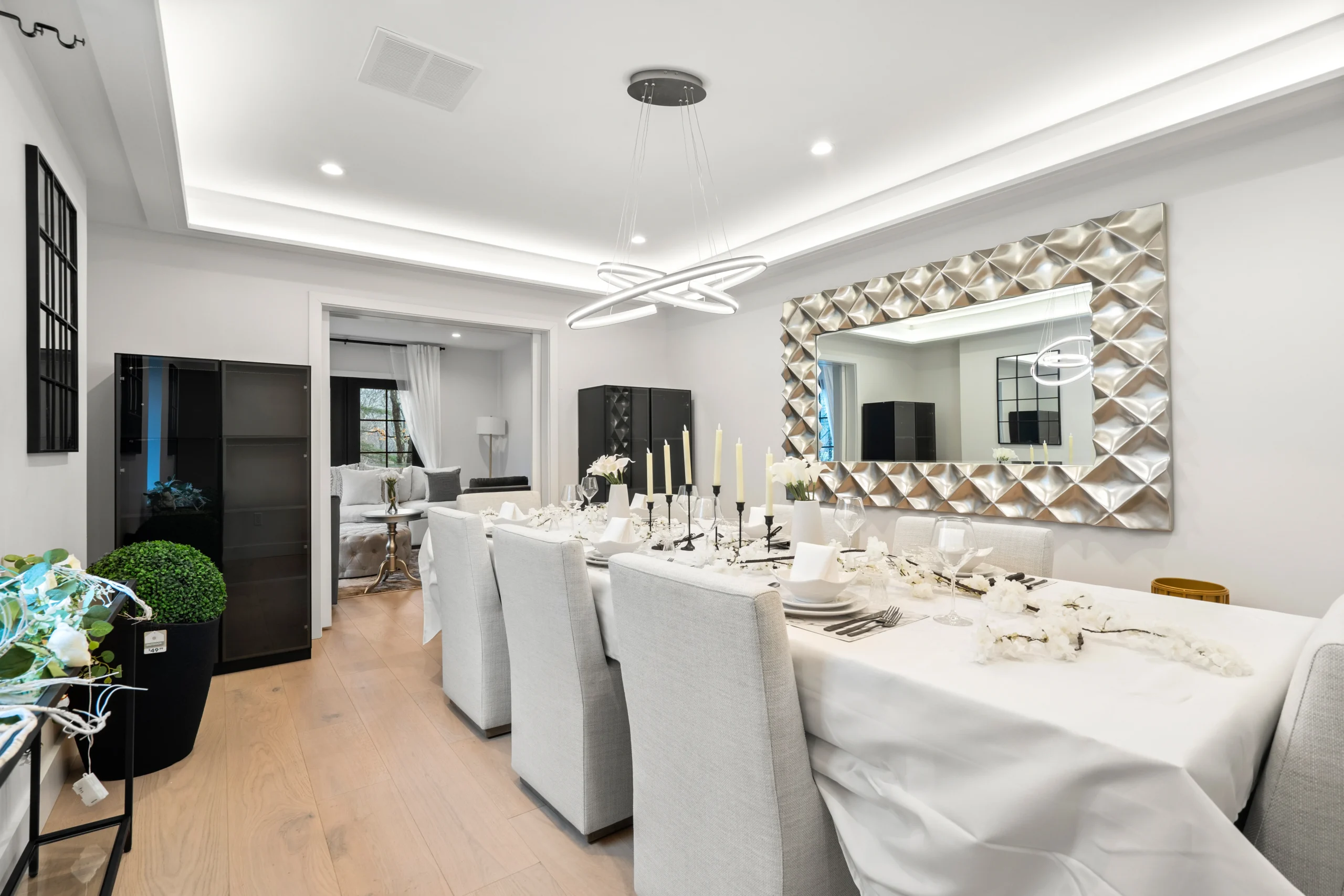
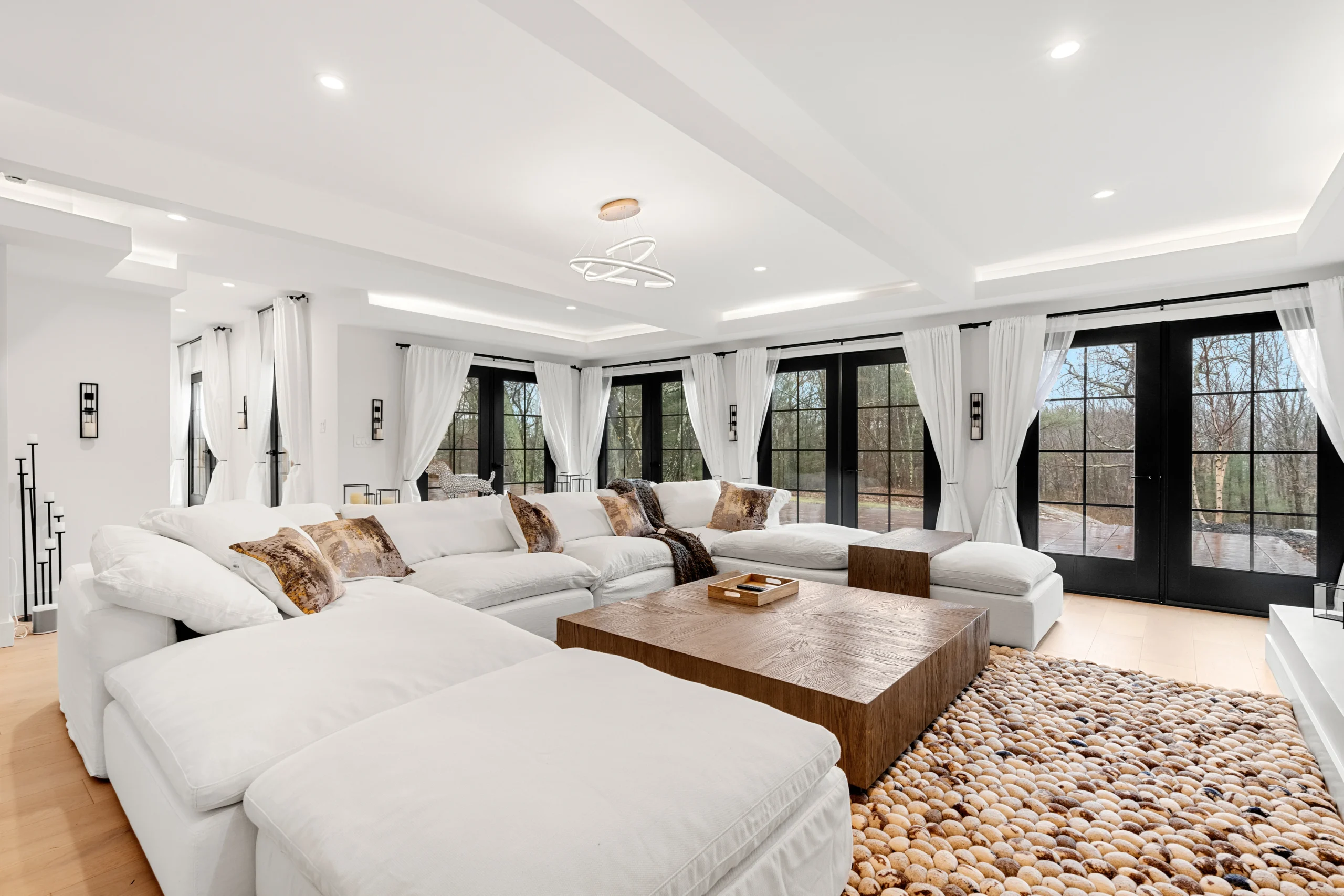
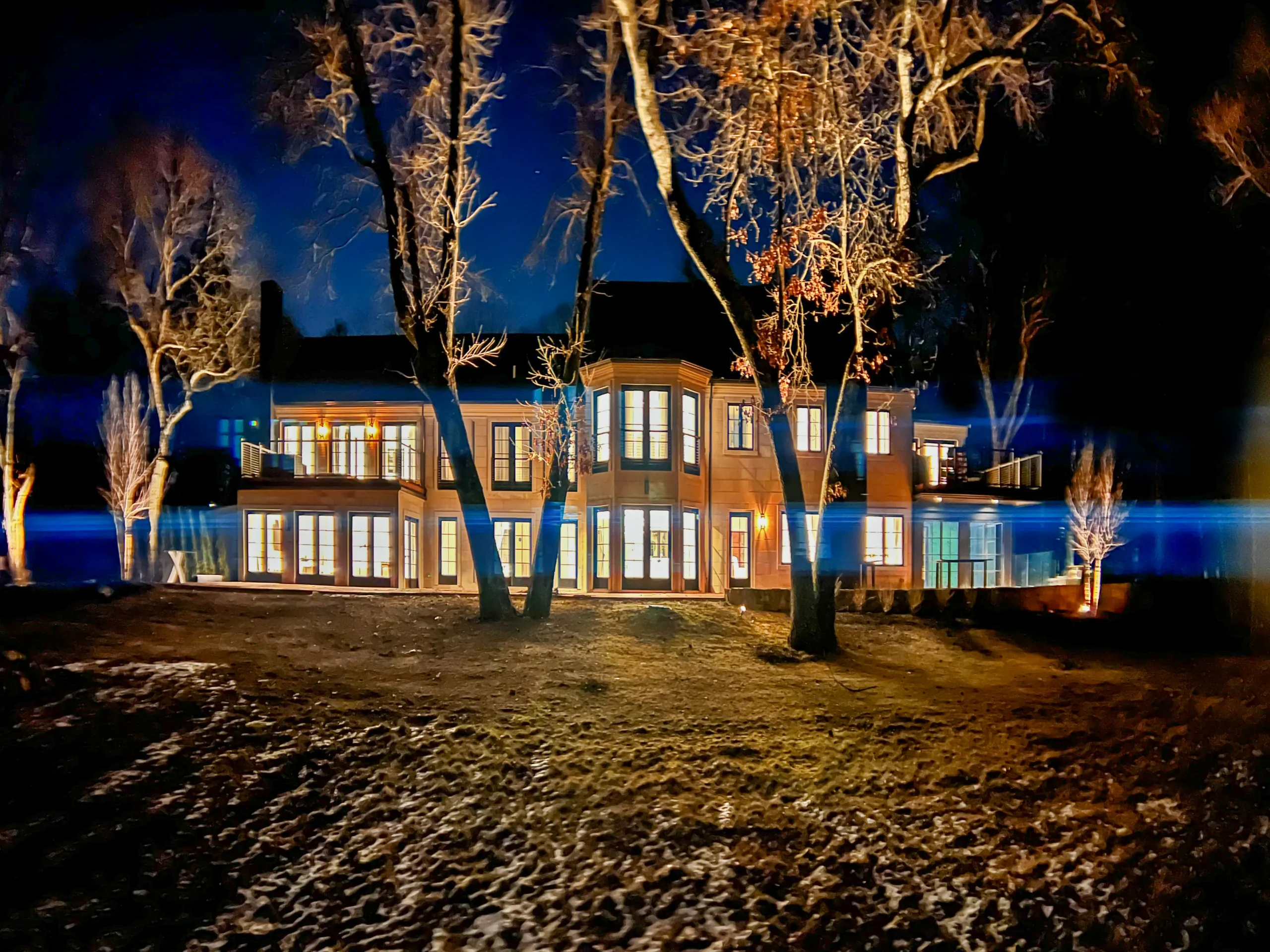
The Charles Chateau provides an 8,000 square foot, French Chateau-inspired estate on 11 private acres in Dedham, approximately 20 minutes from Boston. Its complete privacy and estate-scale layout create an uninterrupted flow between plenary conversations, breakouts, meals, and informal exchanges. Executives can step away for a focused discussion without leaving the retreat’s shared context.
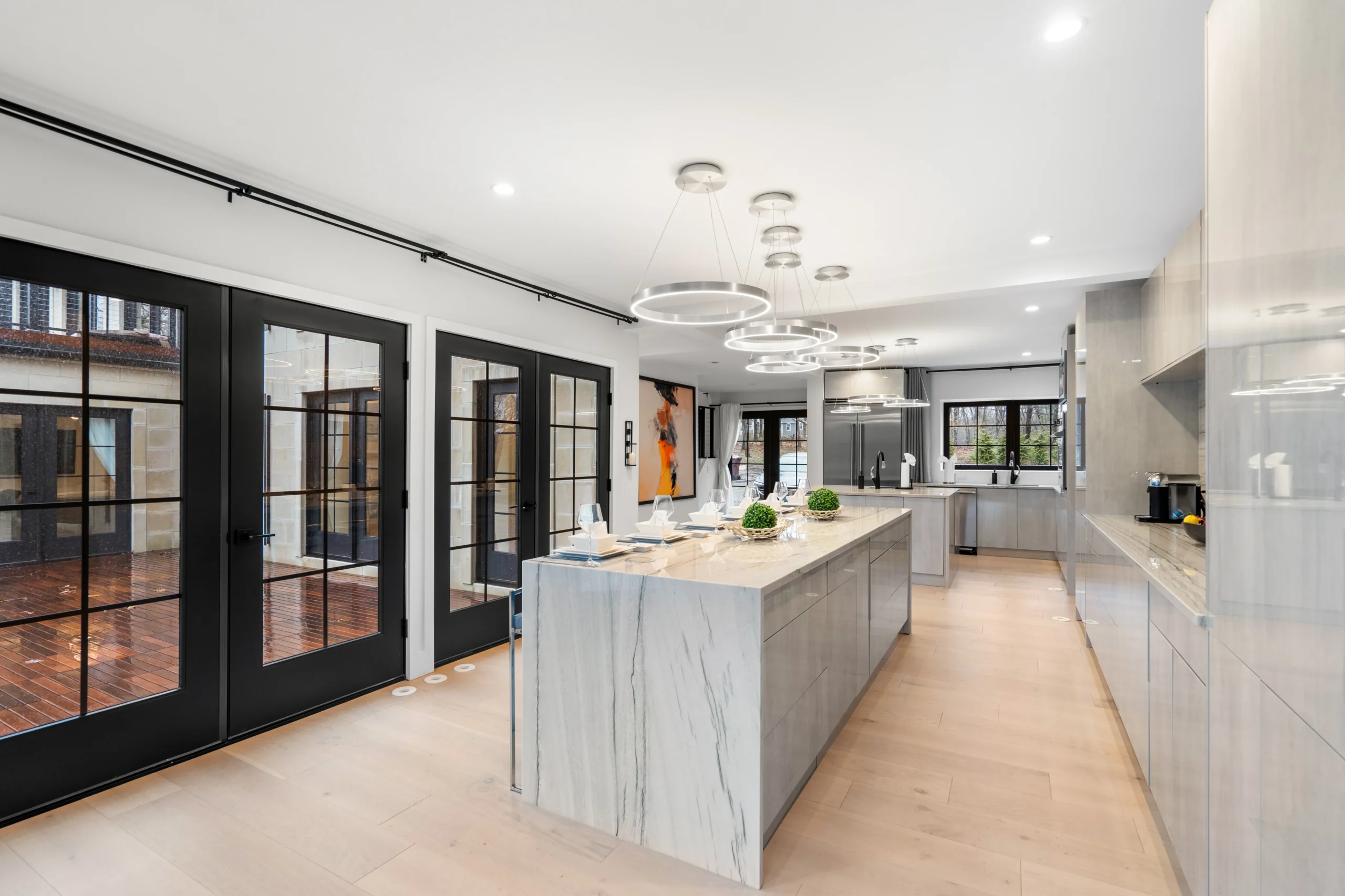
The result is not simply a more attractive venue. It is a setting designed to give candor room to develop. Flexible gathering areas allow the concierge team to shape the experience around the group’s objectives, while the private setting protects the discretion required for sensitive strategy conversations. Explore the private estate setting or view the private estate gathering spaces when evaluating leadership offsite ideas for executive teams.
Team Activities That Build Trust in a Private Estate Setting
The strongest executive offsite activities create conditions for candid decisions, shared perspective, and meaningful follow-through. Structured strategy conversations, facilitated exercises, time outdoors, collaborative cooking, and fireside debriefs can build trust without resorting to performative games. The setting should support thoughtful exchange, not distract from the work.
Trust develops when executives must listen carefully, make tradeoffs together, and see how colleagues approach uncertainty. Well-designed strategy conversations, rather than generic team-building activities, are what can turn an offsite into a genuine business turning point, according to research on effective executive retreats. A facilitator can frame the decision, give each leader room to contribute, and keep the group moving from competing priorities toward a shared position.
Choose exercises that reveal how the team works
Facilitated decision-making exercises are particularly useful for leadership groups. Present the team with a realistic business scenario, assign distinct perspectives, and require a decision within a defined window. The value is not in manufacturing conflict. It is in making listening, dissent, alignment, and accountability visible in a setting where the group can discuss what happened.
Research cited by Gable reports that companies prioritizing team-building activities see a 25% increase in team performance and 36% higher employee retention. Separate Harvard research, cited by Retreats and Venues, found that a face-to-face request is 34 times more successful than an email. These findings reinforce the value of designing in-person time around consequential conversations, not simply filling a schedule.
Use the estate to create shared perspective
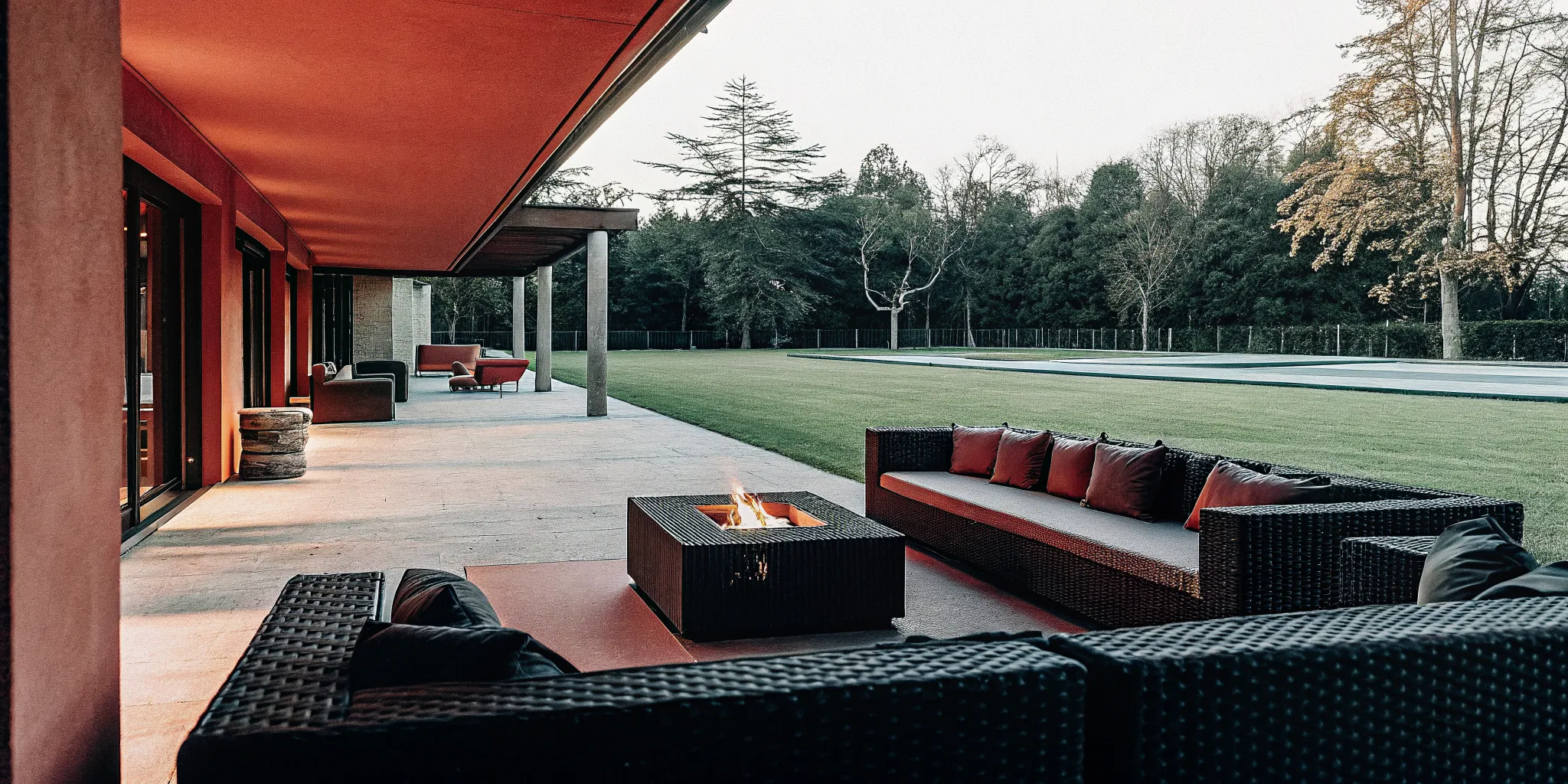
Shared outdoor experiences can provide a natural change of pace without turning the retreat into a competition. On the estate grounds, executives might walk together, gather on the 4,000 square foot terrace, or continue an informal conversation near the fire pit and lawn. Collaborative cooking in the estate kitchen offers another useful format: the group must coordinate roles, adjust to new information, and produce something together.
Evening fireside debriefs allow the team to reflect while the day’s formal structure is still fresh. Research by Kneeland and Kleinbaum on organizational offsites suggests these gatherings can reshape intraorganizational networks, encouraging attendees to initiate and receive more collaboration ties. That makes the private estate gathering spaces part of the facilitation strategy, not merely a backdrop.
How to Debrief and Capture Outcomes After the Retreat
A productive retreat ends with a disciplined follow-through plan. Within hours, leadership teams should document decisions, gather participant feedback, assign accountable owners, and establish review points. A 30/60/90-day framework then turns broad commitments into measurable progress, linking the retreat to retention, cross-functional project velocity, and strategic initiative completion.
Within 48 hours: preserve decisions while they are fresh
Send a short participant survey covering the quality of the discussion, clarity of decisions, unresolved questions, and confidence in the next steps. At the same time, circulate meeting notes that distinguish decisions reached from ideas still under consideration. This record becomes the reference point for accountability, not a polished narrative that obscures who agreed to what.
Week 1: assign owners and deadlines
Convert every agreed action into a named responsibility with a specific deadline, definition of completion, and any dependencies. Research on effective strategy off-sites emphasizes that an action plan after the meeting supports clear accountability and follow-through (PubMed). Keep the list concise enough for executives to review and maintain.
Weeks 4, 8, and 12: measure, adjust, and learn
Use the same 90-day action plan at each checkpoint:
- Week 4: Hold the first progress check. Confirm that owners have started, surface blockers, and verify that priorities still reflect the retreat’s objectives.
- Week 8: Conduct a mid-cycle review. Adjust sequencing or resources where conditions have changed, while protecting the decisions that require sustained attention.
- Week 12: Run a retrospective against the original objectives. Review retention rates, cross-functional project velocity, and strategic initiative completion, then document what should carry into the next planning cycle.
Even a 2% improvement in retention can create substantial savings, which makes measurement more than an administrative exercise. A thoughtful follow-up cadence also gives the leadership team a shared language for progress instead of relying on individual recollections. The venue’s concierge team can support seamless planning and follow-through before the retreat begins.
Frequently Asked Questions
What is the most effective team building activity for an executive offsite?
The strongest activity gives leaders a shared experience while creating space for meaningful conversation. Consider a guided local experience, a facilitated workshop, or a collaborative problem-solving session connected to the team’s priorities. The goal is not entertainment alone. It is to encourage perspective, trust, and connection beyond formal roles.
How do you plan a productive executive leadership offsite?
Begin with one or two decisions the leadership team must advance, then invite only the participants who can shape or implement those decisions. Circulate focused pre-reads, define the desired outcomes, and build a considered cadence of strategy, discussion, and reflection. Leave room for informal conversation, since valuable alignment often develops outside the formal agenda.
What should be on the agenda for a management team offsite?
A thoughtful agenda should include the organization’s highest-priority strategic questions, facilitated discussion, clear decision points, and time to examine assumptions. Add a concise review of current performance, then reserve the final session for owners, next steps, and deadlines. Pre-reads should provide background so in-person time can be devoted to judgment and collaboration.
What are the best company offsite activities to build team bonding?
Choose activities that invite genuine interaction without forcing familiarity. A private workshop, local cultural experience, shared meal, or guided outdoor activity can help colleagues connect in a less formal setting. For executive groups, the most effective choices reflect the team’s character and the retreat’s purpose, with concierge guidance available to shape the experience thoughtfully.
Request Availability for Your Executive Retreat
A well-planned leadership retreat gives your team the space to focus, make meaningful decisions, and carry shared priorities forward. The concierge team can help you explore whether the estate is suited to your preferred format, timing, and group needs. To begin a private executive retreat inquiry, request availability through the contact form.