Teams and families seeking a base near Boston must choose between shared club access and whole-property control. Each model offers luxury, but only one gives full discretion for a private retreat.
Before you commit to a membership or book an estate, consider this: the choice between a private estate rental vs private club membership determines how much privacy, control, and personalized service your group receives. A single group decision can transform a standard getaway into an exclusive, fully-tailored experience. Contact the concierge team today to explore which option fits your group.
When comparing a private estate rental vs private club membership, the fundamental difference comes down to shared access versus total group control. A private club grants entry to shared amenities and a social network. While a private estate rental gives one group exclusive use of an entire property with dedicated staff. As noted by SherpaReport, clubs often maintain high member-to-home ratios, but private estates provide the absolute discretion and space required for sensitive milestones and executive retreats.
Private Estate Rental vs Private Club Membership: What Is a Private Members Club?
A private members club offers access to shared spaces such as dining rooms, golf courses, and lounges in exchange for initiation fees and annual dues. These clubs focus on creating an exclusive social environment around a specific interest — golf, city networking, or fine dining. Unlike public establishments, access is limited to members and their guests. This model fosters community and recurring use but comes with structural trade-offs.
Equity vs non-equity membership models
Private clubs typically operate under one of two financial structures. In an equity membership, you purchase a share of the club’s assets, giving you partial ownership and a vote in governance. Your share value may appreciate if the club performs well, but you also assume liability for capital assessments and operating deficits.
A non-equity membership grants usage rights without ownership. You pay dues for access but carry no financial risk beyond your monthly fees. This structure is common for members who want privileges without the burden of property ownership. Neither model conveys deeded real estate interest — a key distinction when evaluating the private membership estate structure against a full-property rental.
Shared amenities and access limitations
Club members pay for the right to use shared facilities: fitness centers, pools, private bars, and event spaces. The social value is significant for those who attend regularly and build relationships within the membership. However, members must reserve popular amenities in advance and compete with other members for prime time slots.
- Golf courses require tee time reservations weeks in advance during peak season.
- Dining rooms have limited member-only seating on weekends.
- Guest room inventory is shared across the entire membership pool.
- Event spaces cap attendance and restrict external vendors.
For a single retreat or milestone celebration, a club may feel constrained. The shared-access model works best for those seeking an ongoing social home rather than a one-time private gathering.
What Is a Private Estate Rental?
A private estate rental grants one group exclusive use of an entire property — grounds, bedrooms, living spaces, and amenities. This model eliminates shared spaces and member competition entirely. Guests receive total control over the property for the duration of their stay. The private estate rental model is designed for groups that prioritize privacy, space, and personalized service over social networking.
Luxury property standards
The luxury estate market defines quality through square footage, architectural integrity, and service infrastructure. High-end residence clubs often measure value at $1,000 or more per square foot. Private estates meeting this standard offer the scale of a mansion with the service level of a boutique hotel.
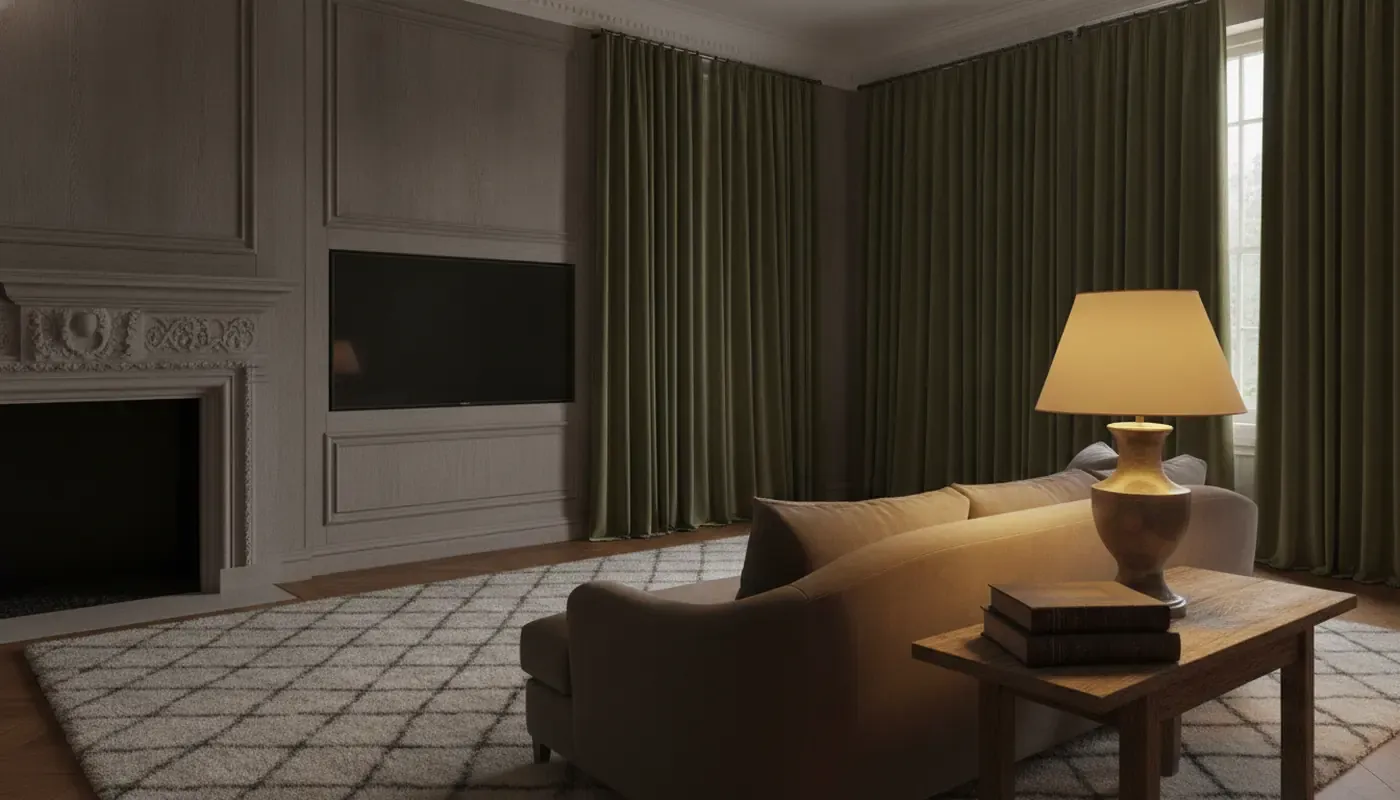
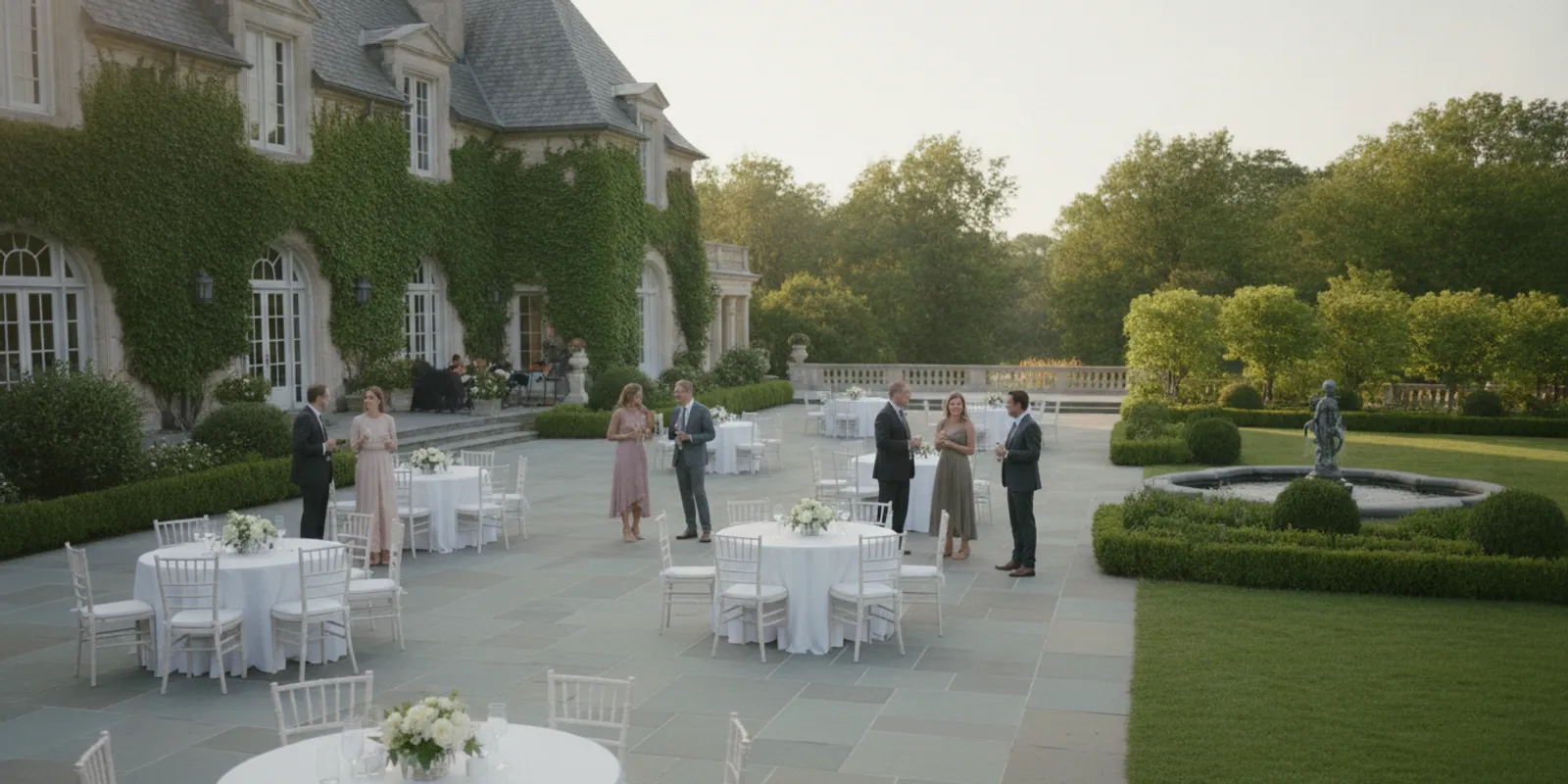
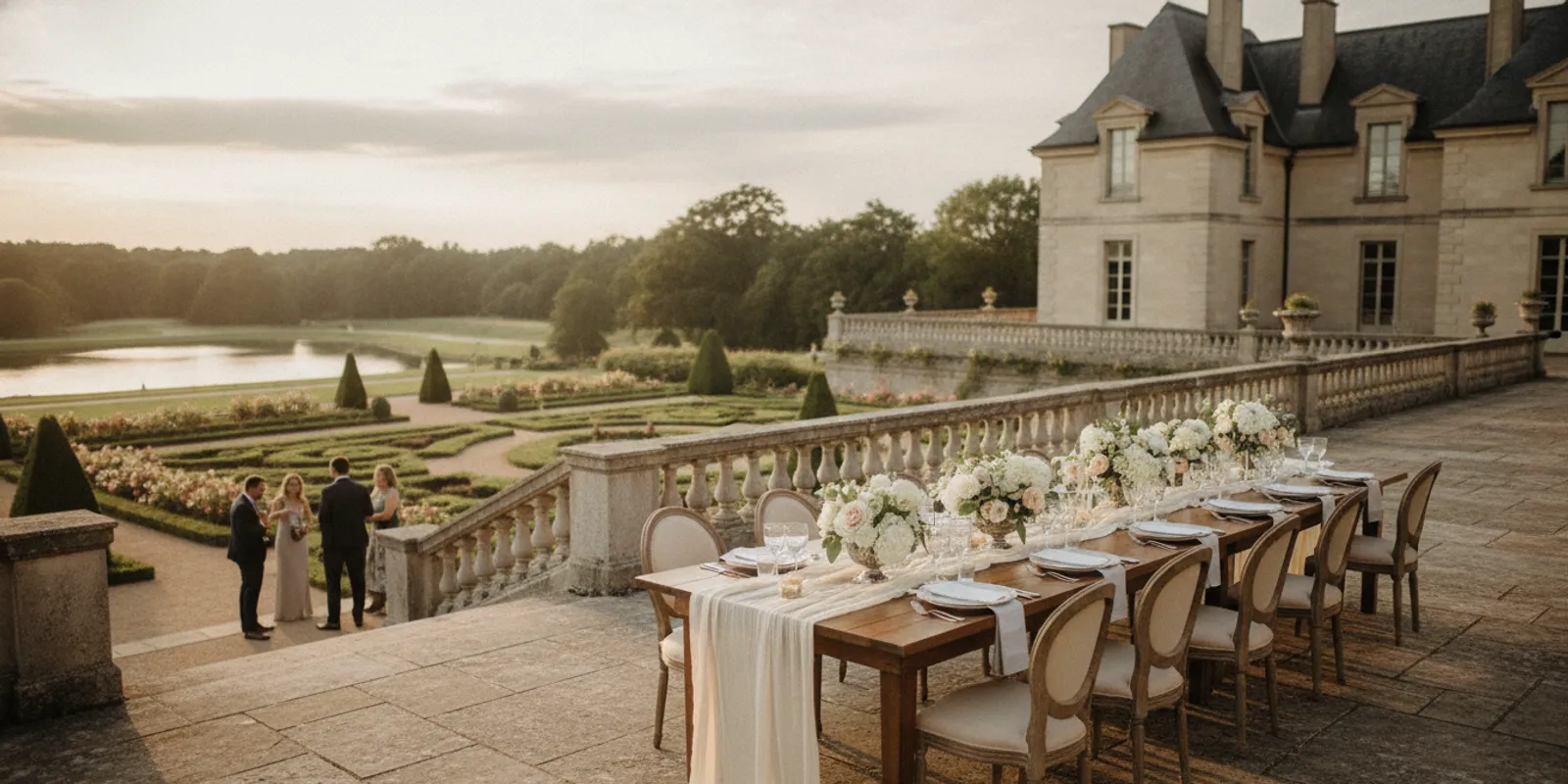
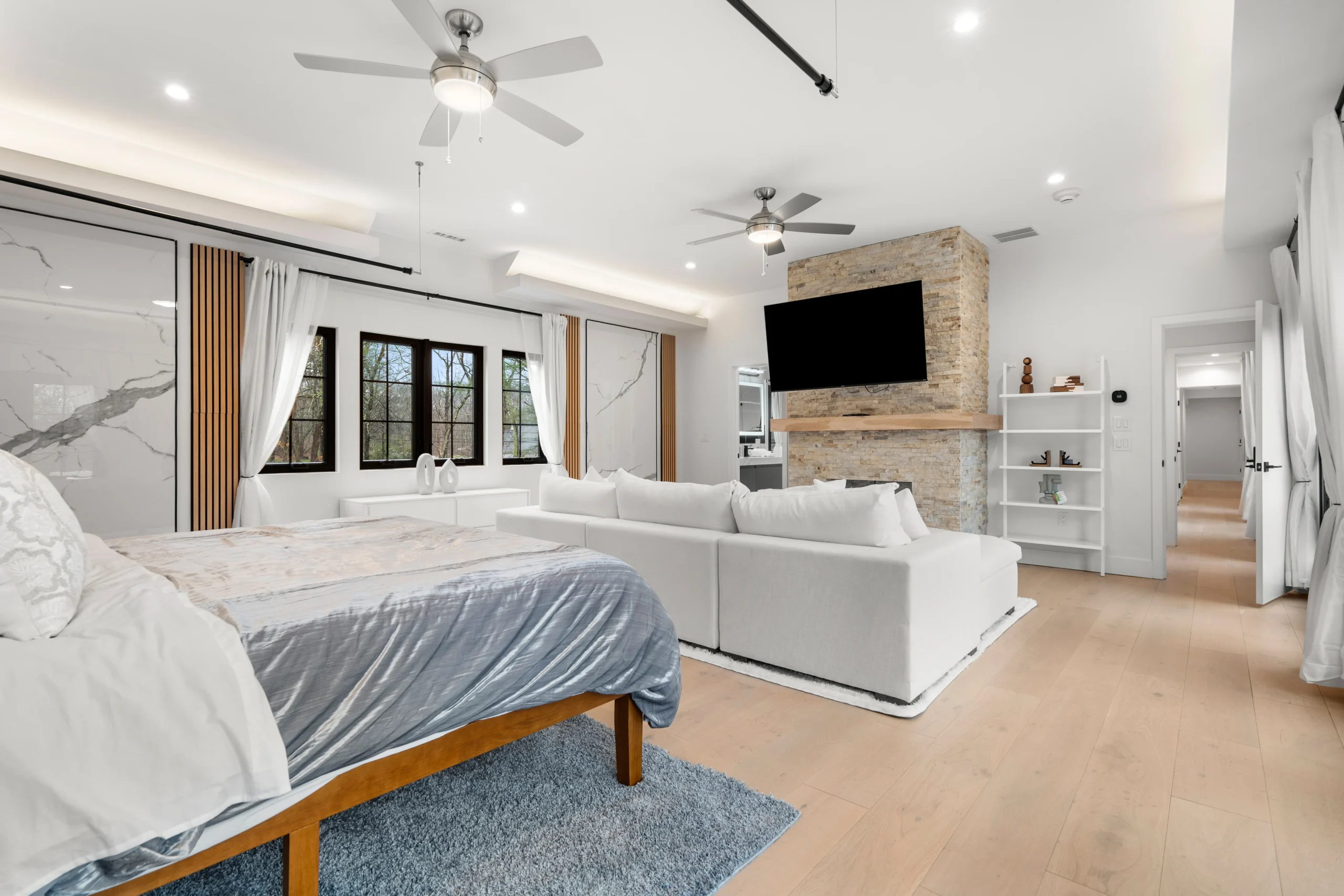
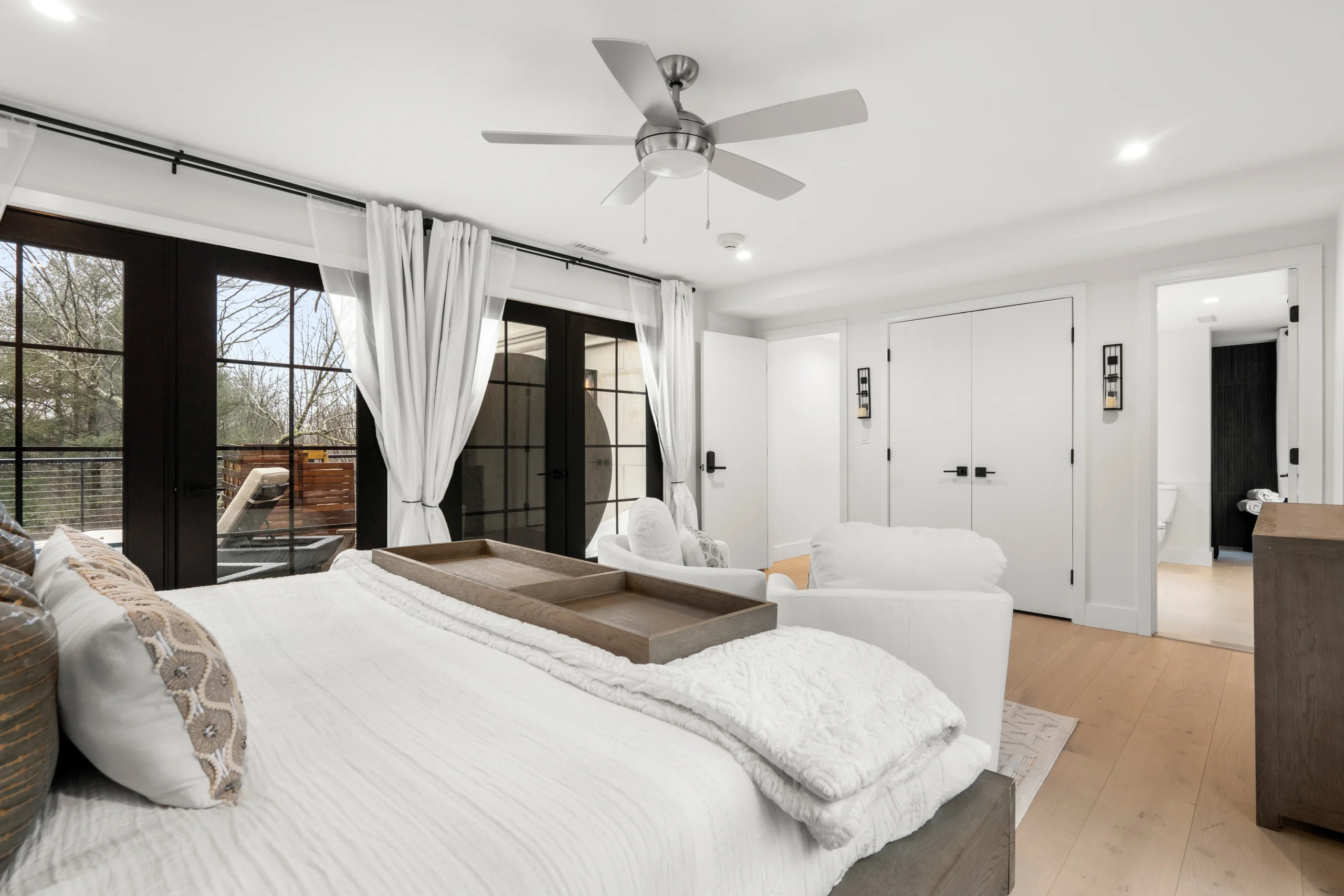
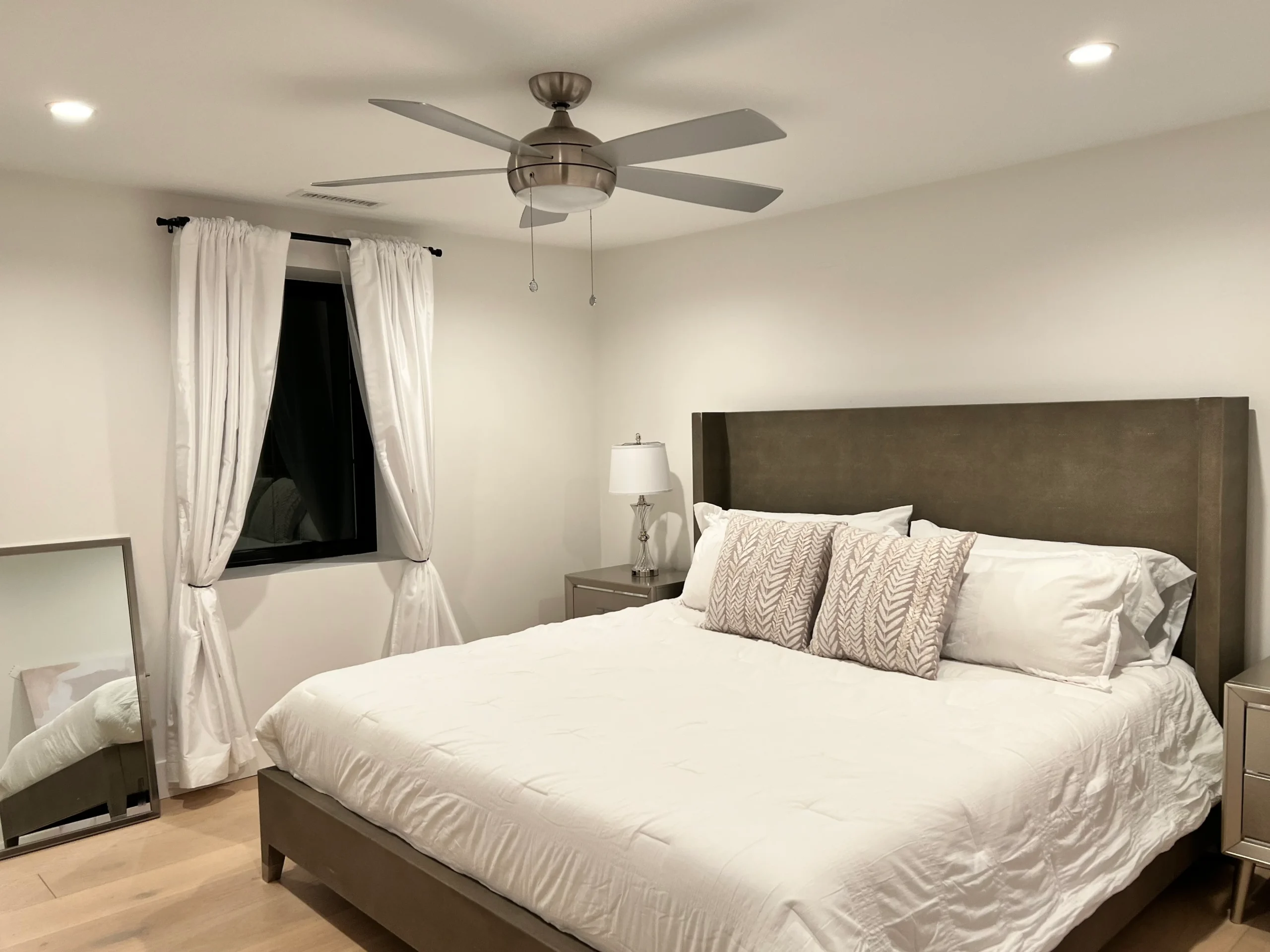
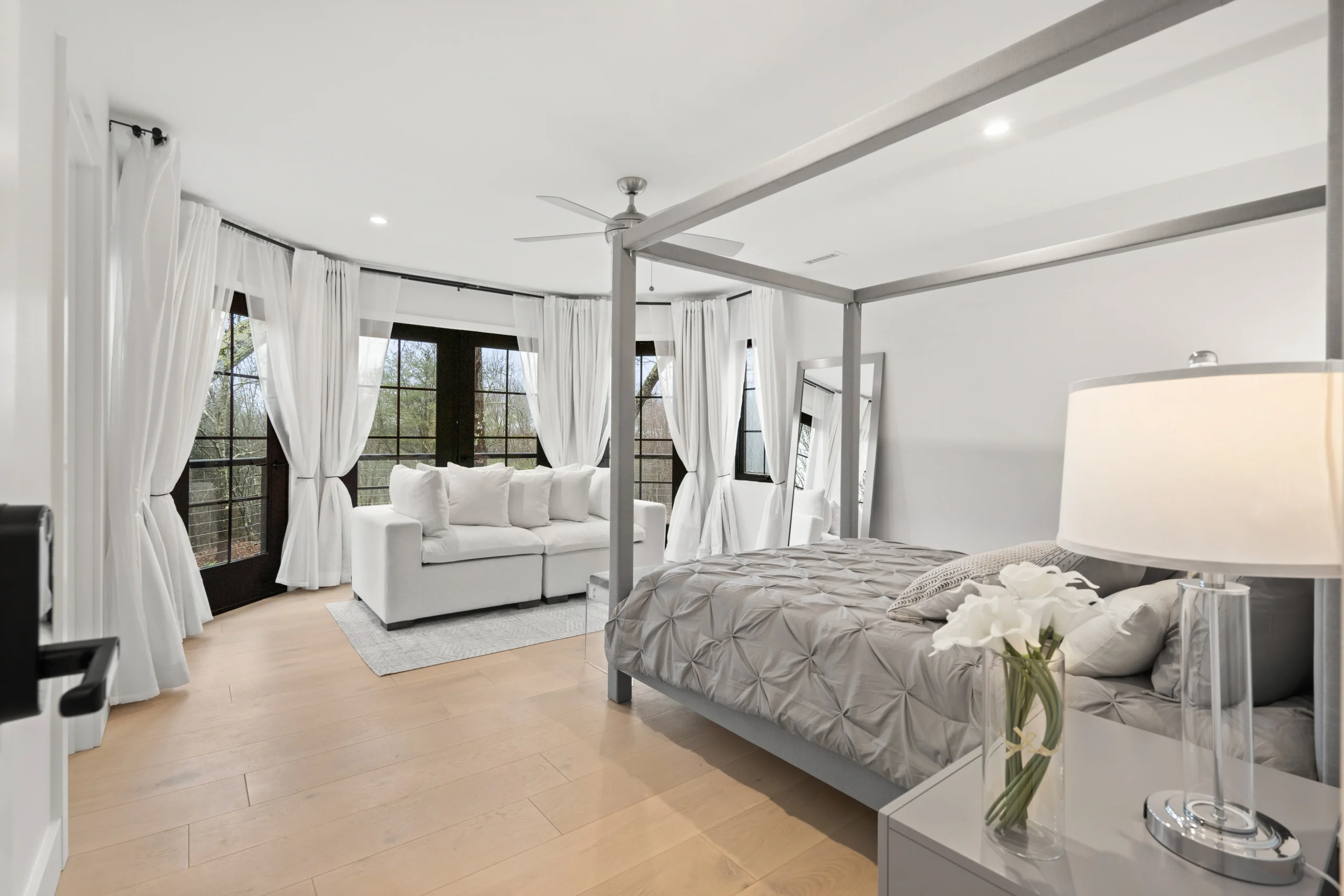
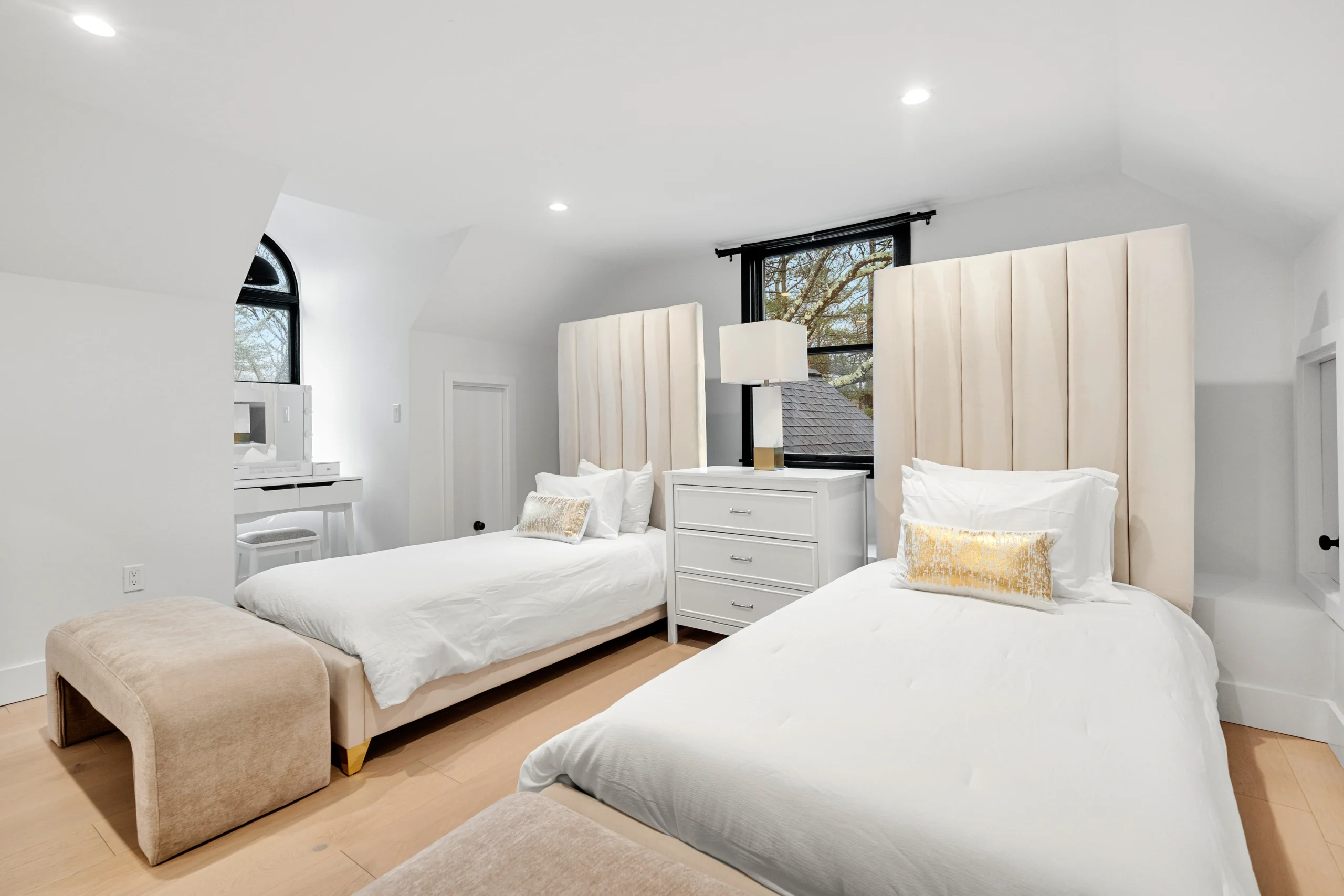
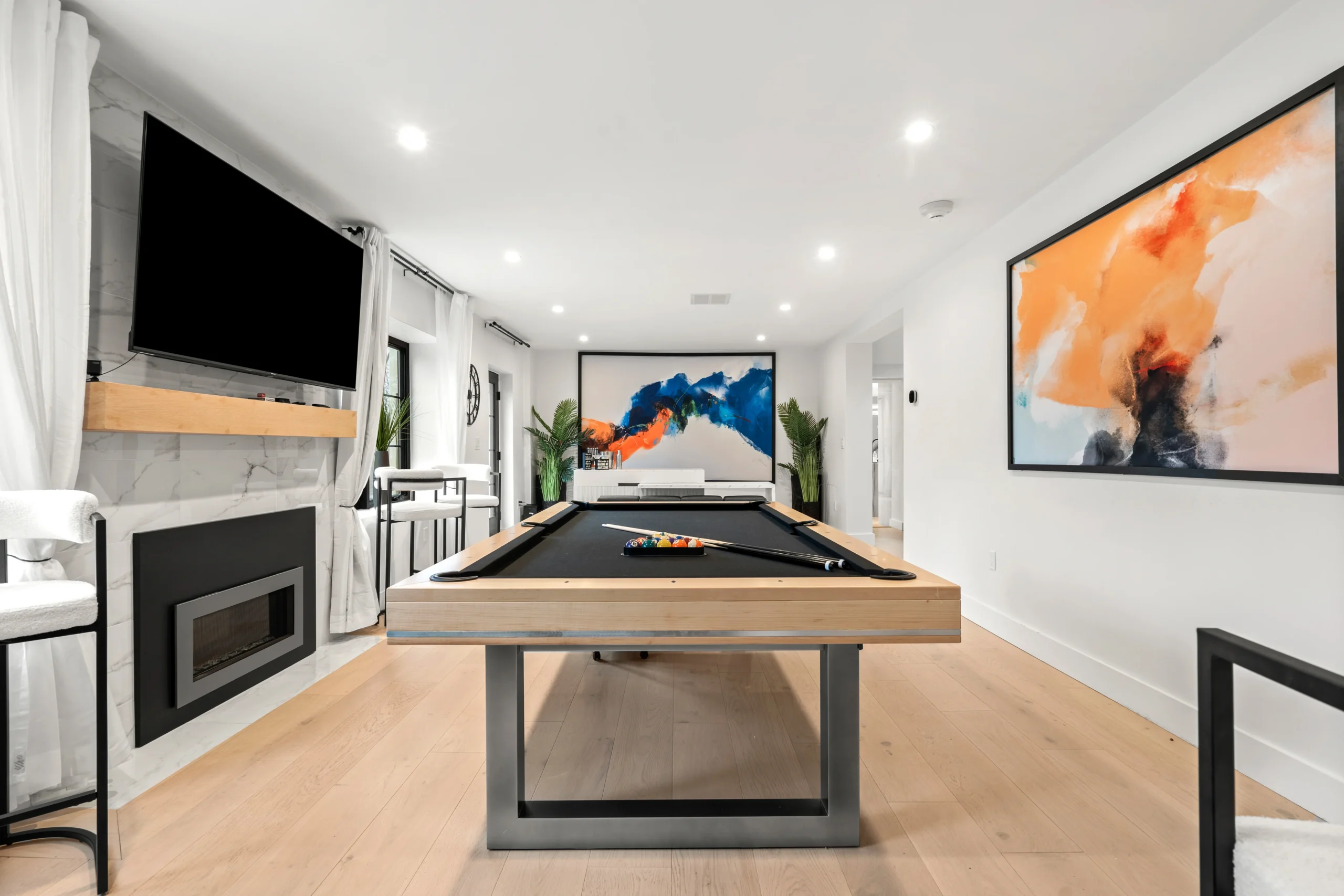
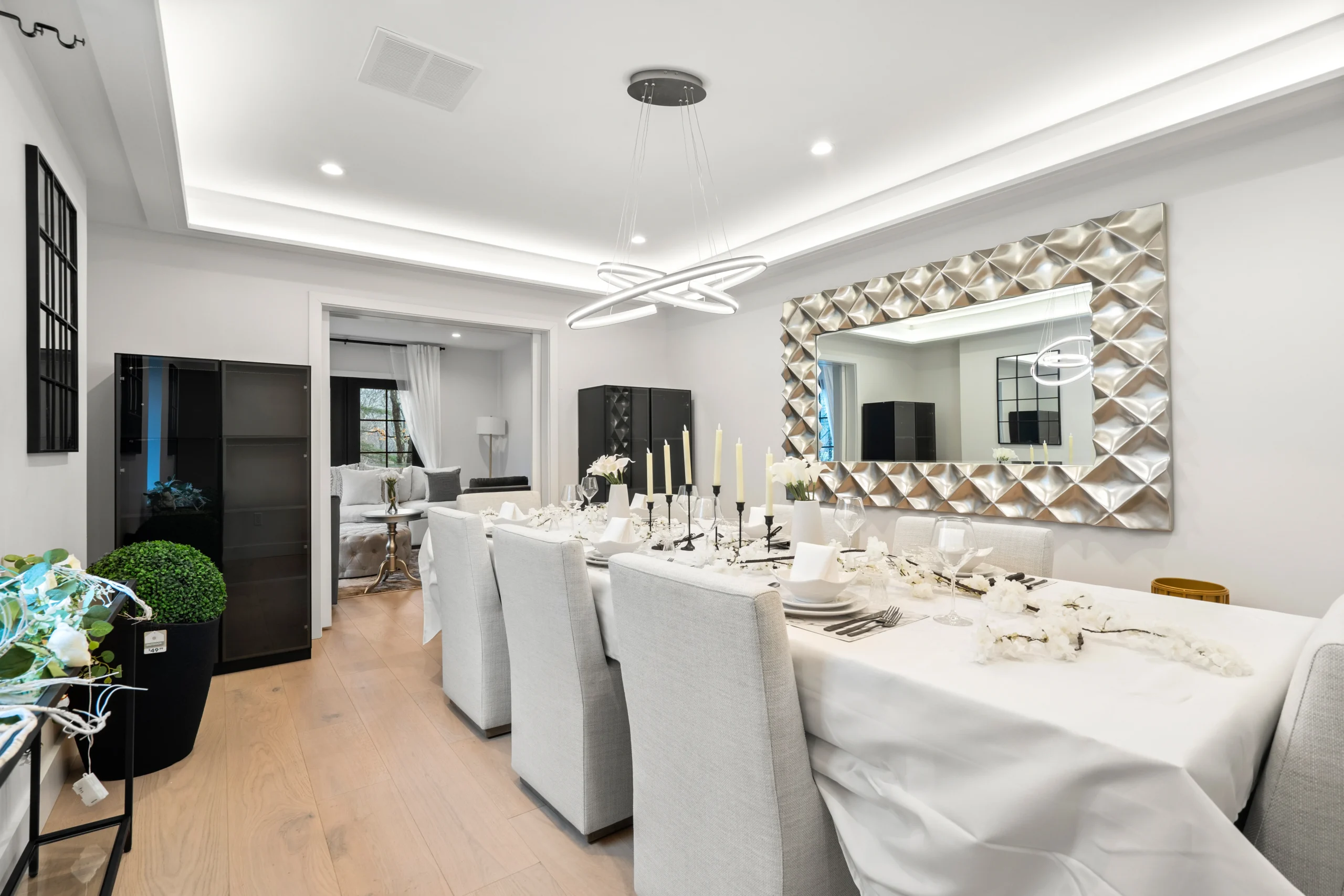
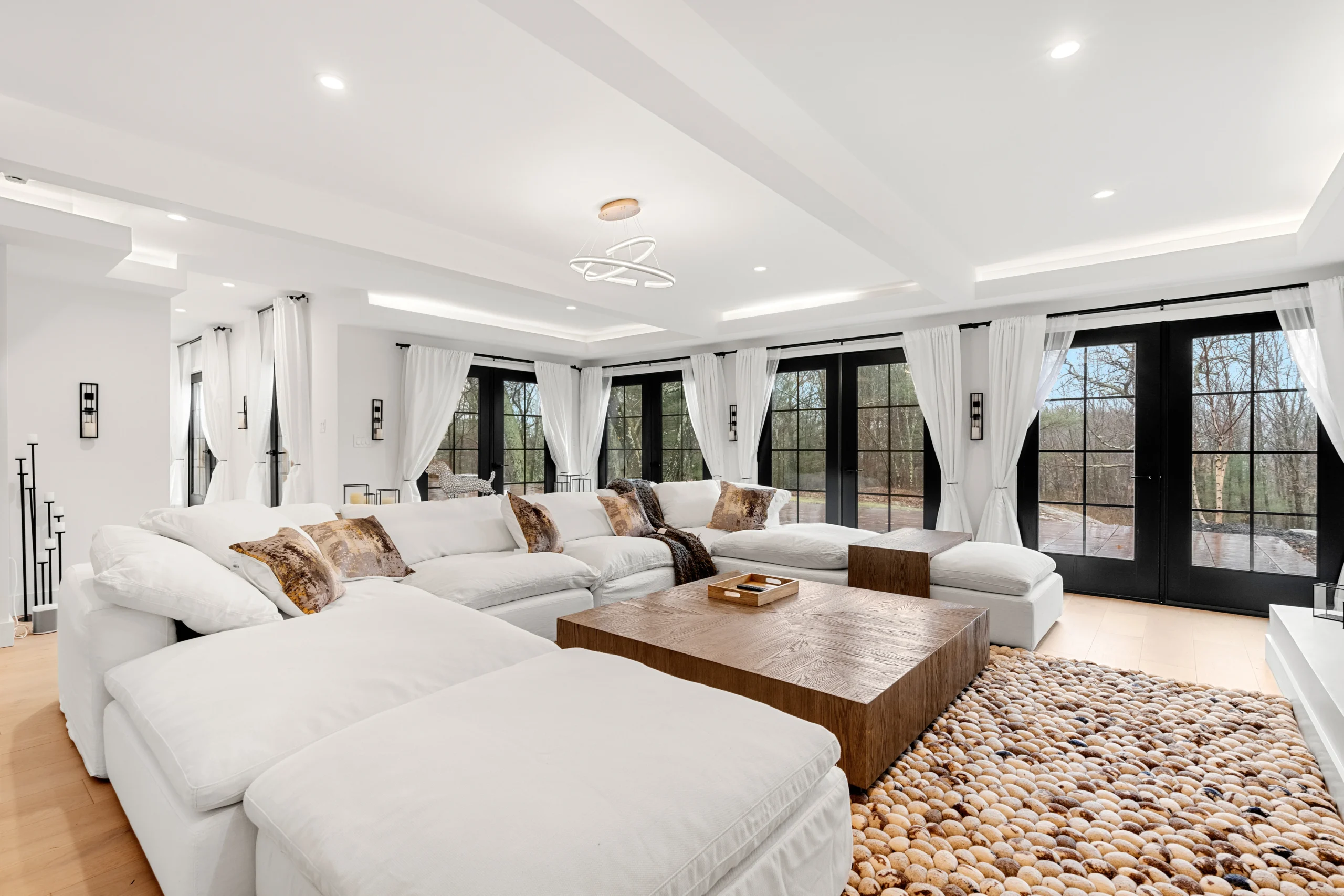
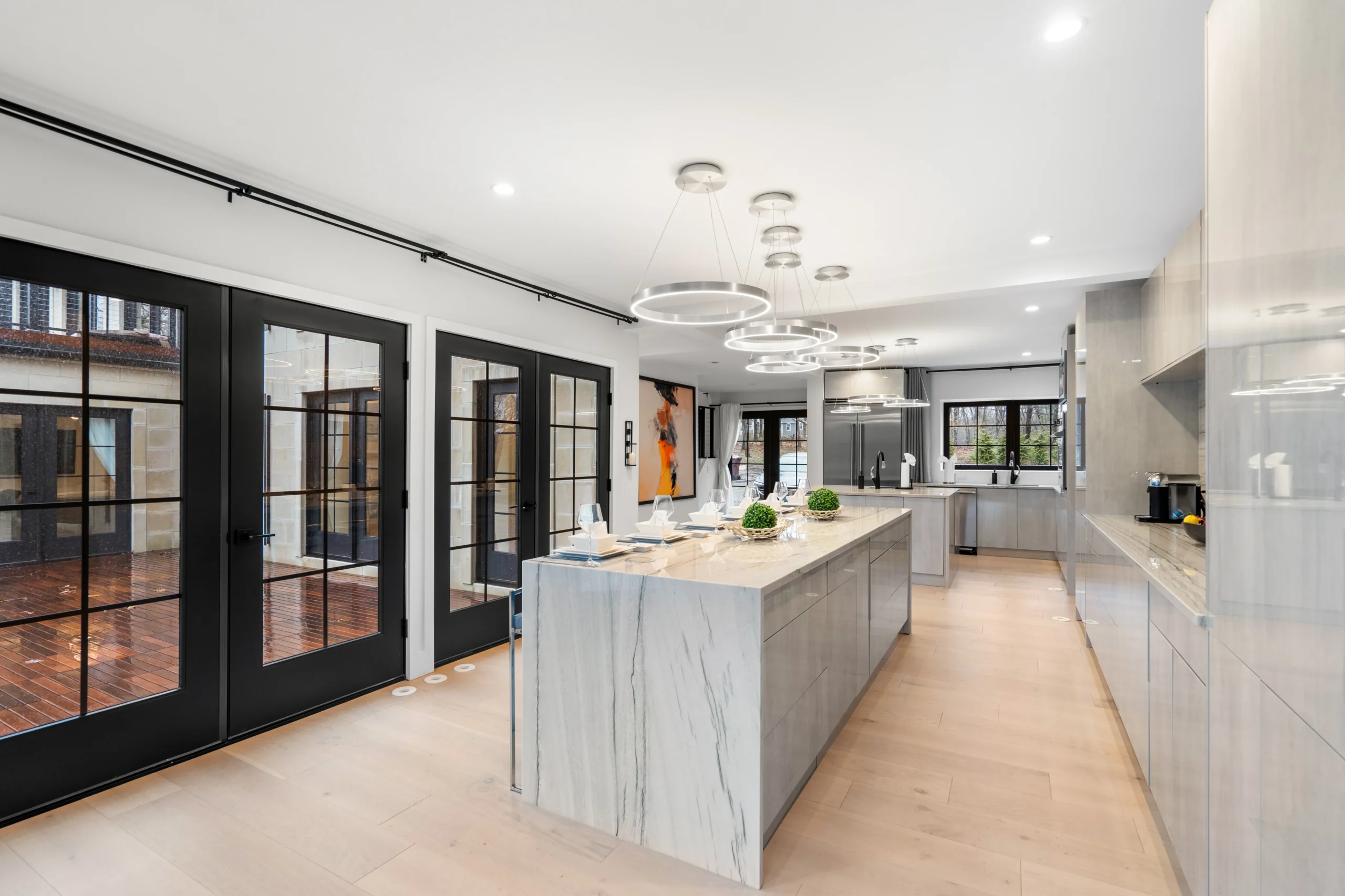
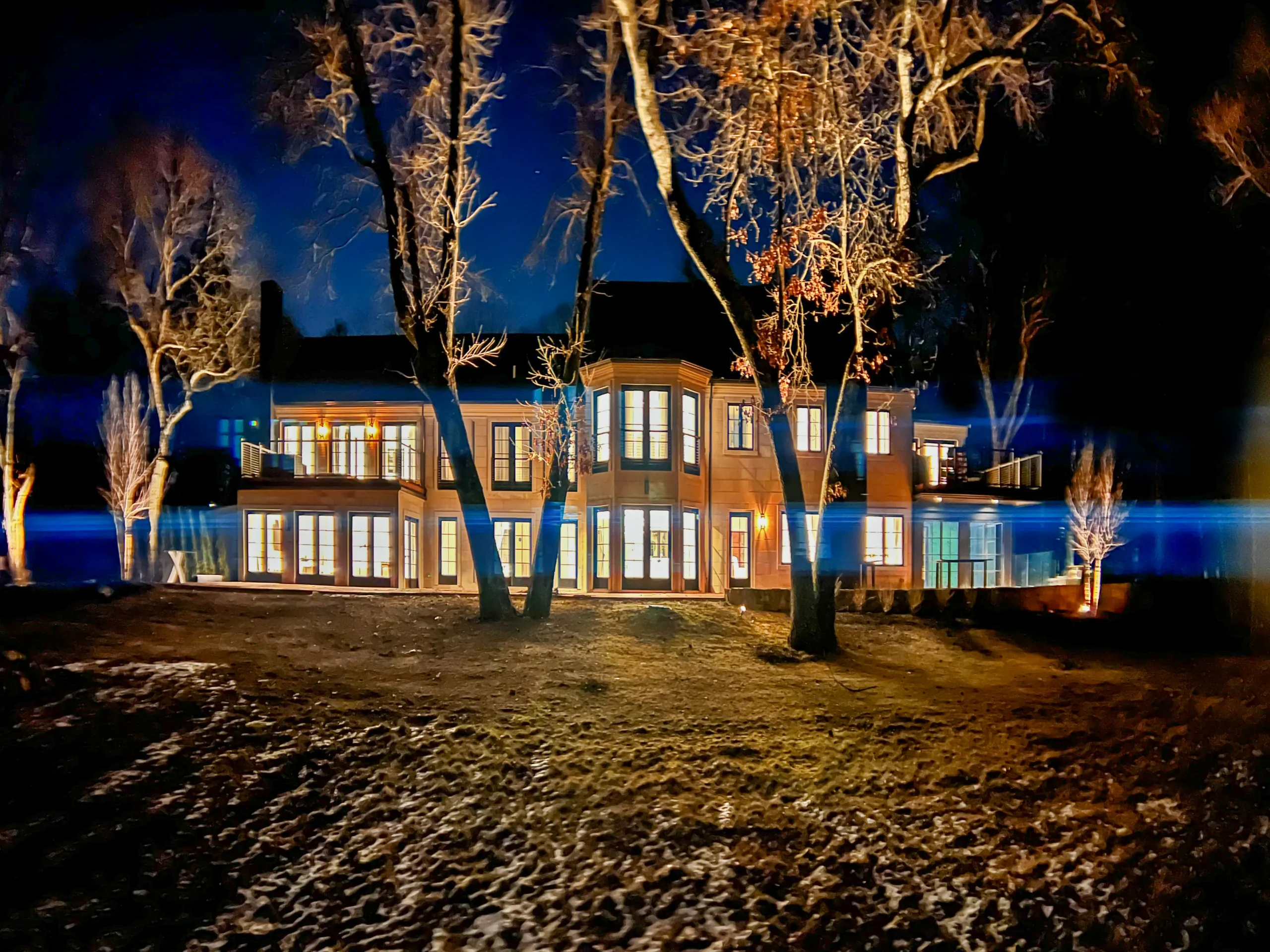
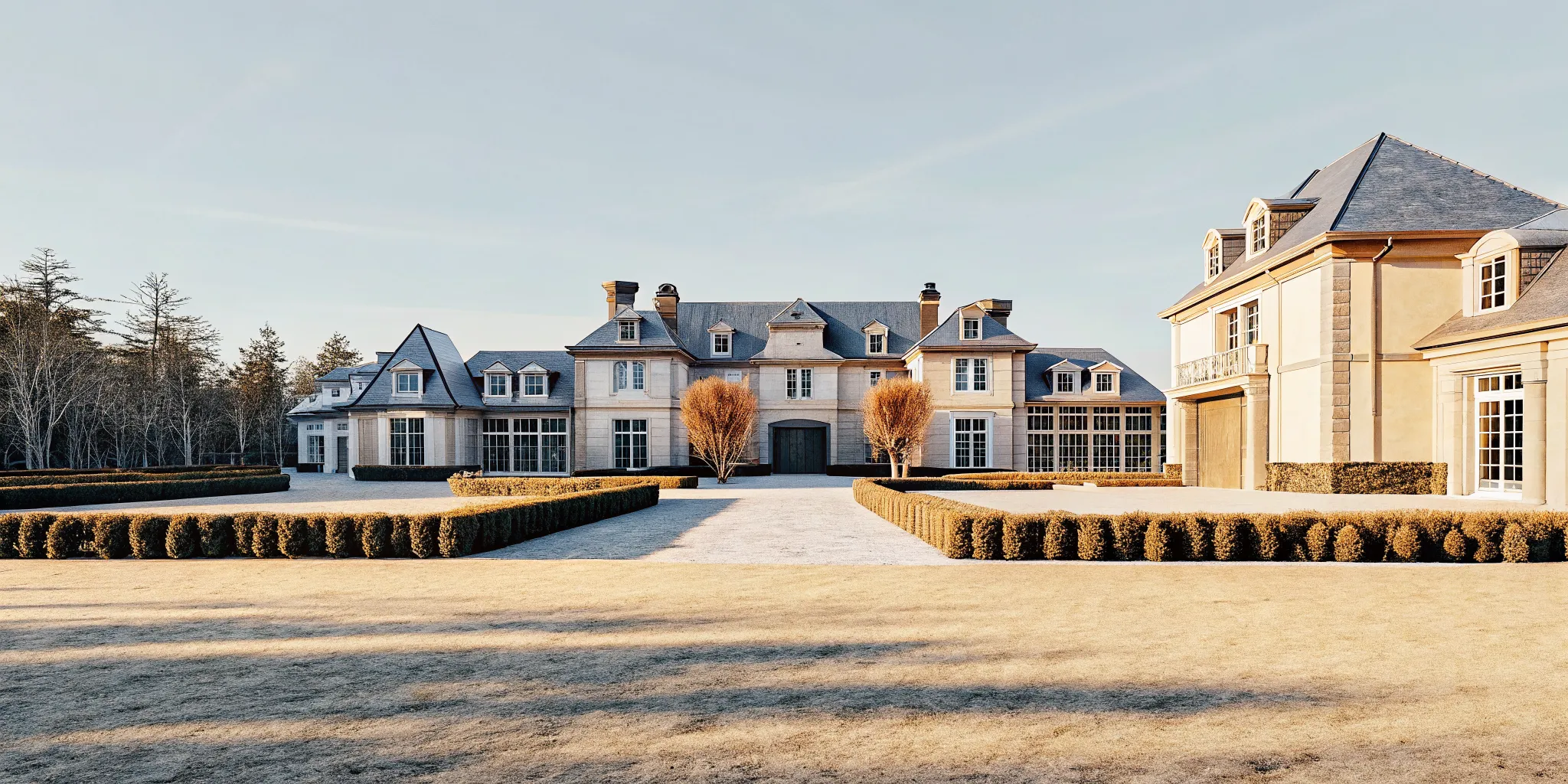
The Charles Chateau exemplifies these standards in the Greater Boston area. The property spans 8,000 square feet with French Chateau-inspired architecture on 11 private acres in Dedham, just 20 minutes from downtown Boston. With 8 bedrooms accommodating 16 or more overnight guests and space for up to 30 day guests, it offers a rare combination of estate-scale space and urban proximity.
Services and personalized support
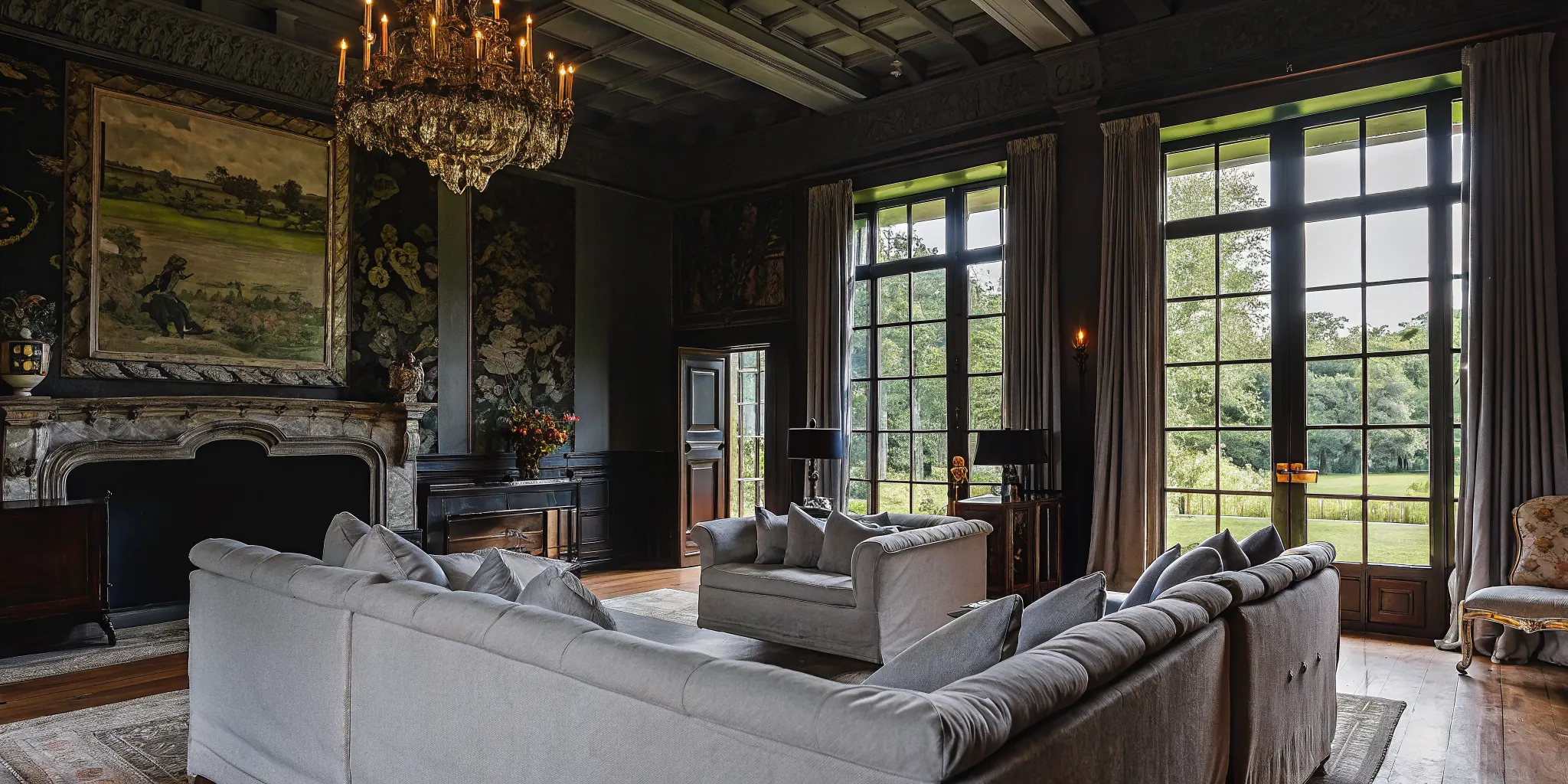
Premium amenities drive value in the estate model. At The Charles Chateau, a dedicated concierge team manages every aspect of the stay — from pre-arrival planning to on-site coordination. This creates a seamless experience for executive teams or multi-generational families who want a polished retreat without the crowds and scheduling constraints of a club.
Key services included in every estate stay:
- Pre-arrival concierge planning for dining, transportation, and itinerary.
- Dedicated on-site support throughout the stay.
- Custom catering and private chef coordination.
- Local area expertise for Boston-area excursions and events.
Unlike a membership club where staff attention is divided across hundreds of members, the estate concierge focuses entirely on your group’s objectives.
Exclusivity: Full Estate Control vs Shared Club Access
The level of exclusivity often defines the quality of a luxury stay near Boston. Private clubs operate on a shared-access model where common areas remain open to all members. While these clubs carry prestige, your group will likely share the lounge, grounds, and staff attention with other members. A private estate rental gives your group sole possession of the entire property.
| Factor | Private Estate Rental | Private Membership Club |
|---|---|---|
| Property Access | Exclusive use for one group | Shared access with all members |
| Privacy Level | Total privacy on gated grounds | Social setting with shared spaces |
| Member-to-Property Ratio | Single group per stay | Typically 6:1 to 10:1 |
| Occupancy Availability | Based on your requested dates | 55% to 70% annual utilization |
| Schedule Control | Full authority over the estate | Subject to club booking rules |
Member-to-property ratios affect availability
Traditional clubs and private residence clubs depend on high member-to-property ratios to remain viable. Research shows that destination clubs typically maintain a 6:1 ratio, meaning six members share each property. For private residence clubs, this ratio can reach 8:1 or 10:1. These numbers lead to booking conflicts, especially during peak seasons and holidays.
A private estate like The Charles Chateau eliminates these constraints. Instead of sharing 11 acres with other paying members, your group gets sole access to the entire estate. No other guests are present during your stay. This setup provides a secure environment for confidential business discussions, private family gatherings, and milestone celebrations.
Occupancy and scheduling differences
The shared nature of clubs directly affects how often homes are available. Industry data indicates that club properties are in use approximately 55% to 70% of the time each year. Because dozens of members compete for the same assets, booking prime dates requires planning months in advance. This lack of flexibility can derail time-sensitive plans.
A private estate allows you to book based on your timeline, not a club calendar. Since the property serves one group at a time, the concierge team focuses entirely on your specific dates and requirements. This shifts the experience from a shared social model to a truly private, tailored stay.
Service: Club Amenities vs Dedicated Concierge Team
Private clubs invest heavily in amenities: golf courses, pools, fitness centers, and dining rooms. These facilities serve the entire membership and must accommodate diverse preferences simultaneously. A private estate rental inverts this model — rather than building amenities for a large group, it dedicates resources entirely to your party.
Staff attention and personalization
In most private clubs, members share staff resources. Wait times, crowded facilities, and standardized service are common trade-offs. Club staff serve hundreds of members, making personalized attention difficult to deliver consistently. Private estate staff work exclusively for your group, from the moment you arrive until checkout.
This difference is especially pronounced during events and celebrations. At The Charles Chateau, the concierge team coordinates every detail without competing priorities.
- Pre-arrival planning: The concierge contacts your group weeks before arrival to understand dietary preferences, activity interests, transportation needs, and special occasion details.
- Arrival and orientation: Upon arrival, the team provides a full property tour, explains estate protocols, and confirms the itinerary.
- On-site coordination: During your stay, the concierge handles all logistics — private chef meals, local excursions, vendor coordination, and household support.
Planning and flexibility
A dedicated concierge team begins work long before you arrive. They coordinate catering, transportation, and custom experiences based on your specific requirements. This level of pre-planning is not available in a standard club model. For luxury estate rental experiences, this personalized preparation is a defining feature, not an add-on service.
Which Model Suits Your Group?
Choosing between a private club and a private estate rental depends on how your group intends to use the space. Some teams benefit from recurring access to a social environment. Others need a confidential, fully-controlled setting for a specific event or retreat. When you weigh a private estate rental vs private club membership, consider your primary objective.
When a private club makes sense
A private club is the right choice if your group values recurring social interaction and regular access to shared facilities. Clubs provide networking opportunities, consistent service, and a familiar environment for frequent visits. Clubs work best for:
- Local professionals who visit multiple times per month.
- Individuals seeking social connections within an exclusive community.
- Groups that enjoy structured amenities such as golf courses, pools, and member dining.
Club members pay monthly or annual dues for ongoing access. The costs are predictable and spread over time, making this model suitable for those who will use the facilities regularly. However, the shared nature means you cannot control who else is on the property during your visit.
When a private estate rental wins
A private estate is the superior choice for groups requiring complete privacy and control. It is ideal for executive retreats, multi-generational family gatherings, wedding weekends, and milestone celebrations. At The Charles Chateau, you receive 11 private acres, 8 bedrooms for 16 or more overnight guests, and parking for 10 vehicles — all exclusively yours.
This model gives you full authority over the experience:
- Set your own schedule without club operating hours or dress codes.
- Control guest access and manage the space as you see fit.
- Coordinate private chefs, caterers, and vendors of your choice.
- Use every room and outdoor space simultaneously for group activities.
The 8,000 square foot estate provides room for private board meetings, formal dinners, casual gatherings, and quiet downtime — all without leaving the property. For venue selection for private groups, the estate model offers unmatched flexibility and discretion.
Making the final choice
The right decision depends on your specific plans. For a wedding weekend or milestone party, an estate offers more freedom to customize the space. For a board retreat, the privacy of a dedicated property outperforms any shared club lounge. Event planners consistently choose estates to avoid the restrictions, scheduling conflicts, and shared-space compromises inherent in club memberships. If your group needs a private, exclusive setting near Boston for a defined period, the private estate rental model is the clear choice.
Frequently Asked Questions
What is the difference between a private residence club and a private estate rental?
A private residence club uses a fractional ownership model where 8 to 10 members share access to a single property. Each member receives limited usage rights and must compete for peak dates. A private estate rental gives your group exclusive use of the entire property for the duration of your stay. According to SherpaReport, residence clubs maintain high owner-to-property ratios. An estate rental delivers total privacy and full scheduling control.
Is a private club membership worth the investment?
The value of a club membership depends entirely on usage frequency and the importance of social networking. Members who visit weekly and leverage club amenities often find the dues justified. However, for groups planning a specific retreat or celebration, a private estate rental provides superior value. You receive a personalized experience without long-term financial commitment. The best choice depends on whether you want ongoing access or a single, exclusive event.
Are private club memberships considered real property?
Most private club memberships represent an interest in a business entity, not a deeded interest in real estate. You acquire usage rights governed by club bylaws rather than ownership of specific land or buildings. This differs meaningfully from an estate rental, where you secure full use of a defined property for a specific period. This legal distinction should factor into your decision-making process.
Can private club membership be tied to land ownership?
Linking club membership directly to land ownership creates legal complexity, particularly under fair housing regulations. According to the Arizona Department of Revenue, membership status alone does not determine property tax classification. Most luxury groups prefer the straightforward model of a private estate rental, which avoids these legal and tax complications while delivering full property access.
Request Availability for Your Private Estate Experience
Waiting to secure your preferred dates means risking the loss of prime availability at one of the few estate-scale properties near Boston. Acting now ensures your group receives the full attention of the concierge team and the complete private estate experience without competing with a club membership calendar.
Is your group ready to explore a private estate for your next retreat or celebration? Contact the concierge team today to request availability and begin planning your exclusive stay at The Charles Chateau. You may also request availability through member access to begin the membership inquiry process.