A leadership retreat rarely fails because the team lacks ideas. More often, the time is spread across too many questions, leaving important decisions unresolved and participants unsure what happens next. A two-day format creates room for context, rigorous discussion, and commitment, but only when each session has a defined purpose.
A strategic planning retreat agenda template gives a leadership team a practical sequence for preparing, exploring priorities, making decisions, and assigning ownership across two focused days. The strongest plans limit the scope, circulate only the materials participants need, and build toward an action plan rather than treating the retreat as an extended conversation. An executive retreat venue near Boston can support that focus when privacy and thoughtful coordination matter.
The agenda below begins before the group arrives and moves from shared context to strategic choices, then from choices to accountable next steps. That structure protects the quality of the conversation while leaving enough space for the leadership team to think together.
Why Your Retreat Needs a Structured Agenda
An unstructured retreat can feel productive while allowing the most consequential questions to remain unresolved. Conversation expands to fill the available time, a few confident voices set the direction, and participants leave with different interpretations of what was decided. A structured agenda creates the conditions for focused discussion, deliberate decisions, and useful follow-through.
Limit the scope before the group meets
The first discipline is deciding what the retreat will not cover. A leadership team cannot examine every operational issue, revisit every past decision, and set a complete long-term strategy in one sitting. Select a small number of strategic questions that genuinely require shared judgment. For each question, define the decision or outcome the group should reach, the information it needs, and the amount of time it warrants.
This limitation is not administrative busywork. Research on strategy off-sites found that rigor begins before the meeting, with a limited scope and a detailed agenda. The same research notes that only rigorously designed meetings create the conditions for candid strategy discussions. Read the research on structured strategy meetings to see why preparation shapes the quality of the conversation.
Invite the people who can move the strategy forward
A useful participant list is neither a large audience nor a closed circle chosen for convenience. Include the leaders who own the relevant decisions, the people responsible for execution, and subject-matter experts who can challenge assumptions with evidence. Clarify each person’s role before the retreat. Some participants may make decisions, others may advise, and others may document commitments or translate them into operating plans.
Keeping the group appropriately sized also protects the quality of the exchange. Participants are more likely to raise difficult questions when they understand why they are present and what the room is expected to accomplish.
Send focused pre-reading in advance
Pre-work should give participants a shared baseline rather than create another research assignment. Send only the materials that inform the retreat’s defined questions, such as a concise performance summary. Relevant market context, a draft issue brief, or a short list of decisions requiring alignment. Include a clear request for preparation: note assumptions, identify open questions, and arrive ready to recommend a path.
Distributing relevant materials early gives the group time to absorb them before discussion begins. It also preserves the retreat itself for interpretation, debate, and decision-making instead of using the first hours to read silently. The agenda can then sequence context, dialogue, and decisions with realistic time allocations.
When the setting supports uninterrupted attention, the structure becomes easier to protect. A private estate advantage can give a leadership team the privacy and separation needed to stay with difficult strategic work, while leaving room for informal conversation between agenda blocks.
Day 1 Morning: Orientation, Context-Setting, and Vision
The first morning should establish trust, shared context, and a clear reason for gathering. Begin with a warm welcome, introduce the retreat’s purpose, and make the day’s working agreements explicit. A brief team icebreaker can then create informal connection before the group moves into more structured discussion.
Welcome and team connection
Keep the opening personal but purposeful. Invite each participant to share a recent business development, a question they hope the retreat will answer, or one outcome that would make the two days worthwhile. This gives senior stakeholders an early voice without turning the icebreaker into a lengthy round of introductions.
The balance matters. Board and leadership retreats typically need to serve team-building, planning, and vision-setting functions, rather than treating informal interaction as an optional social interval. Research on retreat agenda design supports making space for both formal discussion and informal exchange. In a private setting, a shared breakfast, coffee outdoors, or a short walk between sessions can help colleagues speak with less ceremony before the more consequential conversations begin.
Context-setting presentations
Next, provide the information the team needs to interpret the strategic questions consistently. Keep presentations concise and focused on the current position, material changes in the market, customer or stakeholder needs, and the decisions the retreat must address. Avoid using the morning to present every available report. The objective is a common frame, not an information archive.
After each presentation, reserve time for clarification and reflection. Ask what has changed, which assumptions may no longer hold, and where participants see a meaningful gap between current performance and future ambition. Capture points of agreement and unresolved questions visibly so the afternoon workshops can examine them rather than reopening the entire context-setting conversation.
Vision-setting session
Close the morning by asking what the organization is trying to become and which priorities deserve collective commitment. A strategic plan functions as a roadmap that aligns stakeholders around strategic priorities, according to Harvard guidance on strategic planning. The session should therefore test whether leaders share the same destination, not simply produce an attractive statement.
Use prompts such as: What would meaningful progress look like in three years? Which capabilities will matter most? What should the organization protect, stop, or pursue? End by summarizing the emerging themes and connecting them to the afternoon’s working agenda. This gives the group a coherent transition from orientation and conversation into disciplined strategic work.
For teams weighing the setting alongside the schedule, compare the practical differences between an estate and hotel conference center before finalizing the retreat plan.
Day 1 Afternoon: Deep Work Sessions and Strategy Workshops
Reserve the first afternoon for focused analysis rather than another round of broad discussion. A useful sequence moves from design to analysis to build, giving the group a clear path from framing the challenge to shaping practical strategic choices. This structure reflects a retreat model outlined by Mission Increase, which separates the work into those three phases.
1:30-1:45 p.m. | Reorient and define the decision. Reconnect the morning’s vision work to one central question. Confirm what the team must understand, decide, or create before the retreat ends. Limiting the scope protects the session from becoming a catalogue of unresolved topics.
1:45-2:45 p.m. | SWOT analysis and evidence review. Use a facilitated SWOT exercise to examine strengths, weaknesses, opportunities, and threats against the agreed strategic question. Ask participants to distinguish observed evidence from assumptions, then identify the two or three issues that deserve deeper investigation. The aim is not to complete a decorative four-quadrant matrix. It is to establish a shared view of the conditions shaping the next decision.
2:45-3:00 p.m. | Break. A short pause gives participants room to reset before the more generative workshop portion.
Use breakout groups to turn analysis into options
3:00-3:45 p.m. | Breakout groups. Divide participants into small groups, assigning each one a defined question or strategic opportunity. Breakout spaces matter because they allow quieter voices to contribute, reduce the pressure of a large-room conversation, and let several lines of thinking develop at once. Each group should return with a concise recommendation, supporting rationale, and one unresolved concern.
3:45-4:30 p.m. | Facilitated strategy workshop. Bring the groups together to test their options. A skilled facilitator manages the pace and quality of the conversation while navigating team politics, using tailored frameworks, decision points, and group exercises as needed. This role is particularly valuable when senior participants hold competing assumptions or when the most important disagreement is not yet explicit, as described in research published through PubMed.
4:30-5:00 p.m. | Synthesis and handoff. Capture the strongest strategic options, the evidence behind them, and the questions that must be resolved on Day 2. Do not force final decisions while the work is still being clarified. End with a visible list of options and decision criteria so the next morning can begin with prioritization rather than repetition.
Day 2 Morning: Decision-Making and Priority-Setting
The second morning turns strategic discussion into a manageable set of decisions. Leaders review the strongest options, rank initiatives against shared criteria, resolve points of disagreement, and translate priorities into a practical roadmap. The agenda should make goals, strategies, and programs visible so every stakeholder understands what happens next.
Begin with a concise recap of the strategic choices surfaced on Day 1. This is not a second brainstorming session. It is a moment to confirm the issues that require leadership judgment, identify any unresolved assumptions, and distinguish decisions from items that can be delegated. Harvard’s strategic planning guidance emphasizes that the process matters as much as the final product because it aligns stakeholders around strategic priorities. Read the Harvard strategic planning guidance for additional context.
Use a decision filter before ranking initiatives
A simple decision filter keeps the conversation disciplined. Ask the group to score each proposed initiative from one to five on four criteria:
- Strategic fit: Does it advance the agreed direction?
- Impact: What meaningful outcome could it create?
- Feasibility: Do the organization, budget, and capabilities support it?
- Urgency: What is the cost of waiting?
Multiply the scores by an agreed weighting if one criterion matters more than the others. The resulting matrix is not a substitute for judgment. It is a shared reference point that makes trade-offs visible and helps the group explain why one initiative moves forward while another pauses. Record the decision, owner, assumptions, and next review date as each priority is confirmed.
Build the roadmap around a few meaningful priorities
Once the initiatives are ranked, place them on a twelve-month roadmap by quarter or milestone rather than by an exhaustive list of tasks. Identify dependencies, sequence foundational work first, and mark the measures that will show progress. A strategic plan functions as a roadmap for launching and growing an organization while aligning stakeholders around priorities, according to Harvard’s guidance. Its planning framework also reinforces the value of communicating goals, strategies, and programs clearly.
Close the morning by reading the priority set back to the room. Invite each stakeholder to name one commitment and one concern. That final check protects alignment before the group moves into afternoon accountability planning.
Day 2 Afternoon: Commitments, Accountability, and Closing
The final afternoon turns strategic agreement into an operating plan. By this point, the group should have a defined set of priorities, but priorities alone do not create movement. The session should identify what happens next, who owns each commitment, and how progress will be reviewed after everyone leaves the retreat.
Build the action plan
Translate each agreed priority into a small number of specific actions. For every action, record the intended outcome, the first step, the responsible owner, the supporting contributors, and the date for the first review. Keep the plan selective. A long list of ambitions can make a retreat feel productive while leaving the leadership team uncertain about what deserves attention first.
The owner should be the person accountable for advancing the work, not necessarily the person completing every task. That distinction prevents shared responsibility from becoming unclear responsibility. It also gives the team a practical basis for discussing dependencies, resource needs, and decisions that must be made outside the retreat.
Make follow-through visible
Your strategic planning retreat agenda template should include post-retreat follow-up before the meeting begins. Schedule the first progress review while the group is together, then establish a recurring cadence that fits the scale of the commitments. A short written recap, a shared action register, and a named forum for unresolved decisions can keep the plan active without creating unnecessary reporting.
Research on strategy off-sites emphasizes that an action plan is what ensures clear accountability and follow-through after the meeting. The underlying study connects disciplined retreat design with the candid discussion and execution needed for meaningful change. The practical implication is direct: close every major discussion with an owner, a next action, and a review point.
Close with alignment
Reserve the final portion for a concise closing session. Review the priorities, confirm the commitments in the room, and invite each participant to state the contribution they will make next. This is not another strategy discussion. It is a final opportunity to surface ambiguity, resolve competing interpretations, and leave with a shared understanding of what success will look like.
For teams comparing executive retreat venues near Boston, the setting should support this focused close as carefully as it supports the earlier workshops. A private, well-prepared environment gives the group room to finish the work with discretion and attention.
How a Private Estate Supports Your Strategic Planning Retreat Agenda Template
A private estate gives a strategic planning retreat the physical conditions for candid discussion, focused work, and purposeful recovery between sessions. Instead of placing every conversation in one corporate room, leaders can move between private gathering areas. Breakout spaces, and the grounds while concierge support keeps the practical details in order.
Setting is not a decorative choice when the agenda includes difficult decisions. A private environment reduces interruptions and creates a more discreet context for discussions about priorities, organizational challenges, and the choices that require senior-level candor. It also gives facilitators more options for changing the pace without losing the thread of the work.
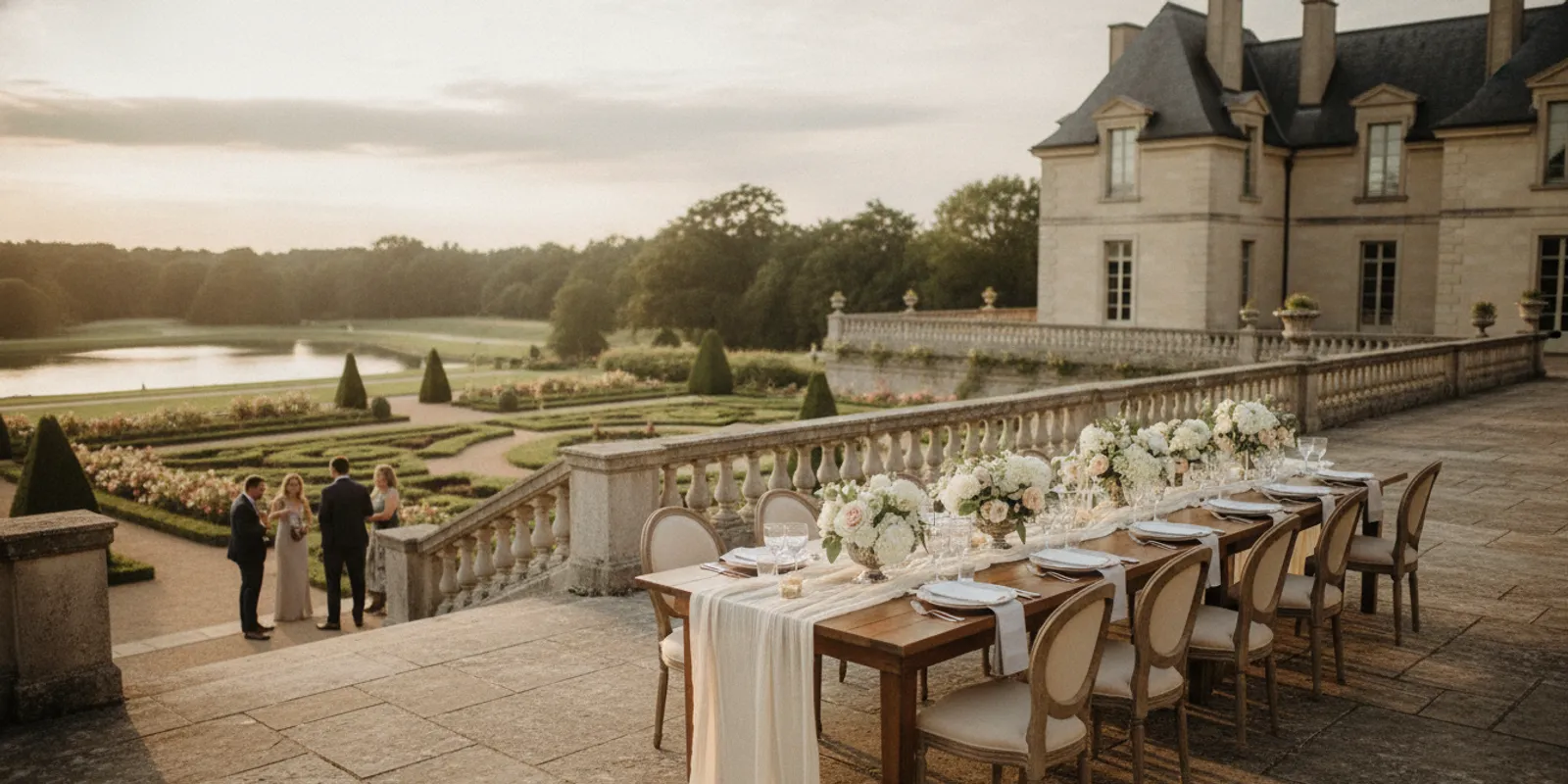
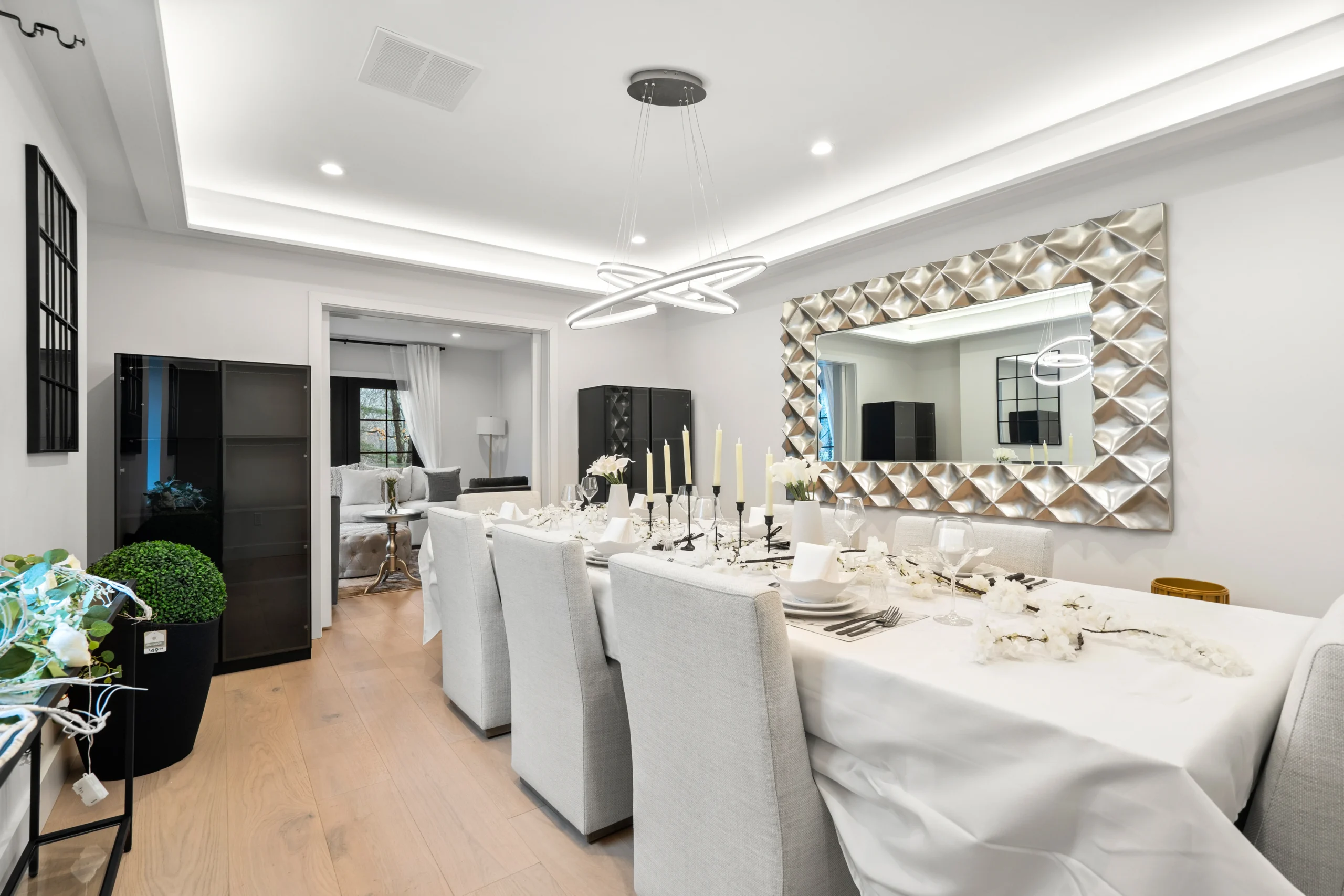
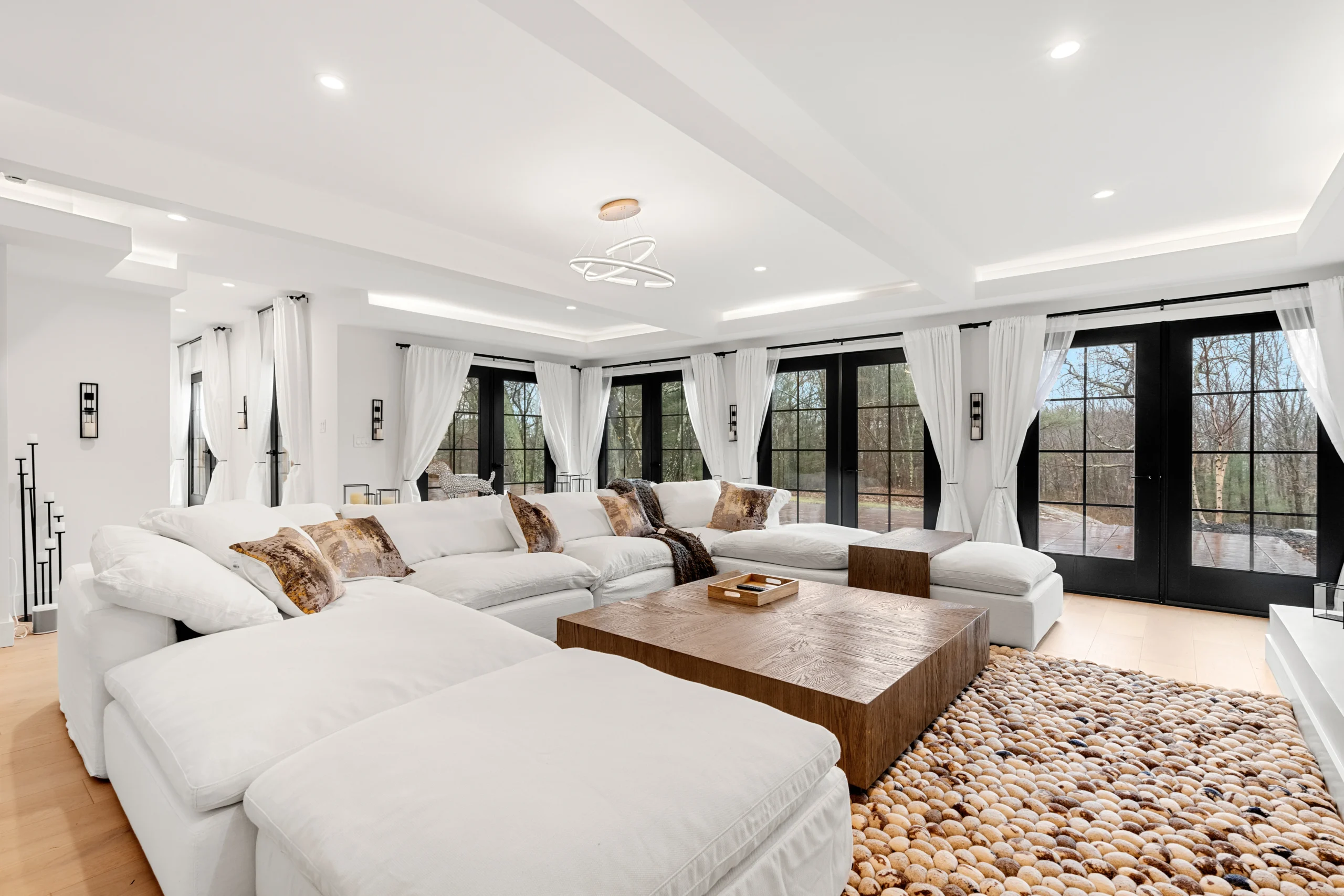
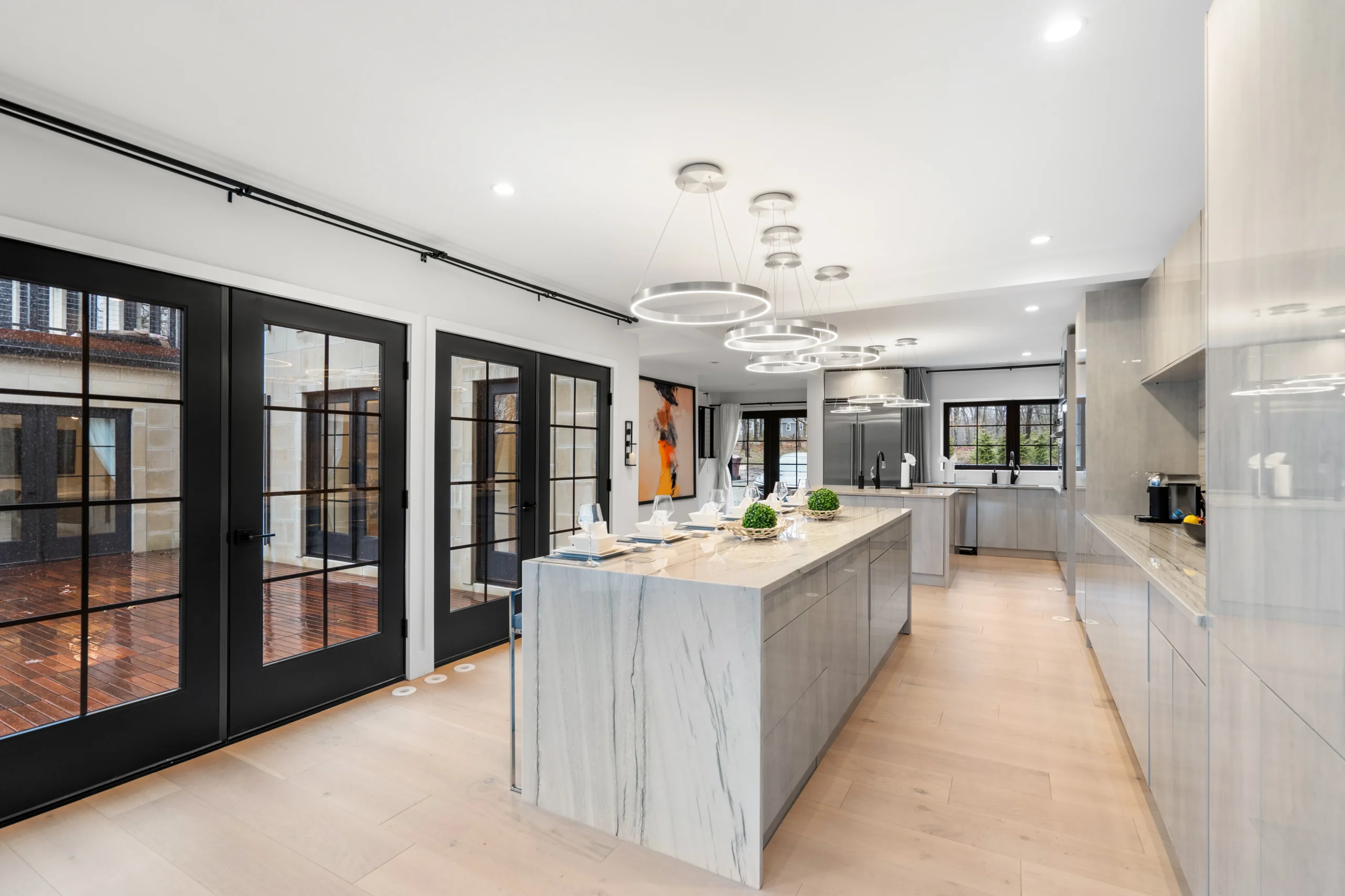
The Charles Chateau is an 8,000-square-foot French Chateau-inspired estate on 11 private acres in Dedham, approximately 20 minutes from Boston. Eight bedrooms and multiple living areas allow a leadership team to remain together without making every session feel identical. Indoor-outdoor flow can support a short walk, a quiet reset, or an informal conversation between more structured agenda blocks.
| Planning consideration | Private estate | Conventional corporate venue |
|---|---|---|
| Privacy | Exclusive surroundings support candid discussions with fewer public interruptions. | Shared buildings and adjacent events can limit discretion and quiet. |
| Breakout space variety | Multiple living areas and eight bedrooms offer distinct spaces for smaller working groups or individual reflection. | Breakouts often depend on a fixed room layout and available meeting suites. |
| Indoor-outdoor flow | Private grounds create natural opportunities for creative breaks and informal exchanges. | Outdoor access may be limited, shared, or disconnected from the meeting room. |
| Logistics support | Concierge service can coordinate tailored arrangements so leaders stay focused on the agenda. | Organizers may need to manage venue, catering, room, and schedule details across separate contacts. |
| Team bonding potential | Shared estate spaces encourage natural interaction without requiring a separate off-site activity. | Formal rooms and segmented schedules can leave less room for unstructured connection. |
For teams evaluating private retreat experiences near Boston, the relevant question is whether the setting strengthens the sequence of the agenda. An estate can make room for the quiet preparation, focused workshops, and informal transitions that help strategic conversations develop with greater clarity.
Frequently Asked Questions
What should be included in a two-day strategic planning retreat agenda?
Build the first day around shared context, vision, and deep strategy work. Use the second day for decisions, priority-setting, commitments, and an action plan. Include deliberate time for informal interaction so leaders can strengthen working relationships without allowing social time to displace the core strategic work.
How do you structure a strategic planning retreat for a leadership team?
Start with a limited scope, clear outcomes, and pre-reading distributed before arrival. Move from context to exploration, then from discussion to decisions and assigned ownership. A balanced schedule gives the team enough uninterrupted focus for difficult questions while preserving brief pauses for reflection and conversation.
What is the best way to facilitate a strategic planning retreat?
An effective facilitator protects the agenda, manages pace, and keeps participation balanced. The facilitator should surface unresolved issues, distinguish facts from assumptions, and record decisions as they are made. An external facilitator can add neutrality when internal leaders have competing priorities or strong positions.
Why hold a leadership retreat at a private estate?
A private estate can provide the discretion and room required for focused leadership work, including separate spaces for breakouts and quieter moments between sessions. The Charles Chateau offers 8,000 square feet across 11 private acres in Dedham, with concierge support tailored to the group’s needs and an indoor-outdoor setting near Boston.
Ready to plan your executive retreat?
A thoughtful setting and well-shaped agenda can give your leadership team the space to focus on meaningful decisions. To discuss membership consideration and begin planning a strategic retreat near Boston, contact the concierge team. They can guide the next conversation around your team’s priorities, timing, and preferred retreat experience.