Strategic planning fails when leadership teams are distracted by crowded hotels and noisy resort lobbies. A successful corporate retreat demands complete privacy, thoughtful structure, and an environment where executives can focus entirely on the business at hand.
Knowing how to plan a corporate retreat helps leadership teams build highly productive offsite sessions that drive real strategic alignment. Research from MIT Sloan Management Review shows that successful retreats must focus on clear, specific business goals. These goals can include project kickoffs, team development, new team formation, or long-term strategic planning. A great planning process requires setting clear objectives, choosing a distraction-free venue, and balancing work with social connection. You must also plan your budget carefully, coordinate transport, and work closely with the venue staff to handle all onsite logistics. This complete guide breaks down the corporate retreat planning process into six practical steps to ensure your offsite achieves lasting value.
Contact the concierge team at +1 866-858-2679 to request consideration for membership and start planning your distraction-free executive retreat at our private estate near Boston.
How do you start planning an offsite that meets all of these criteria? To design a successful event, leadership teams must first focus on their core business needs. The planning path begins with defining clear, measurable goals.
Step 1: Define the Goals of the Corporate Retreat
A successful corporate retreat begins with a clear strategic vision. Before you book a venue, you must define specific objectives that align with your organization’s priorities. Without this foundation, even the most beautiful setting produces a pleasant change of scenery rather than measurable business results.
Establishing a strategic vision
Learning how to plan a corporate retreat begins with a clear strategic vision. Before you book a venue, you must define clear objectives to ensure the offsite achieves real business results. A vague plan leads to a simple change of setting instead of real growth.
Defining your goals is not just the first step; it is the key part of the planning process. Without clear objectives, you cannot measure the success of your offsite. Leaders must decide what success looks like before they start looking at places, asking guests, or booking events. This clear focus helps you design an agenda that keeps everyone focused on the business tasks at hand.
Defining this first vision provides a firm base for all later choices. This helps you pick the right executive retreat venue near Boston. You can align every detail with your core business targets.
Designing moments for hybrid teams
For hybrid work models to succeed, in-person meetings must be well planned around clear workplace goals. This path is far better than broad rules that force people to sit in an office. MIT Sloan research shows that these chosen moments work best when they focus on clear tasks. These events should blend active business work with planned social time.
In a hybrid work world, teams often lose their bond with the company culture. Daily video calls and chat messages are not enough to build deep trust. Bringing people together in person allows them to have casual talks that spark new ideas. These casual chats often lead to business breakthroughs that would never happen over a screen.
Good retreats focus on clear results like team growth, project kickoffs, and building new teams. Setting these targets ensures that your spending on travel and venue is useful.
What should leadership teams prioritize when defining retreat goals?
When you plan the retreat goals, you should focus on three main areas to get the best results.
- Strategy alignment: Use this time to set long-term plans and get everyone on the same page about company goals.
- Team cohesion: Build trust and strengthen bonds through structured team tasks and informal social hours.
- Innovation sprints: Run focused workshops to brainstorm new ideas and kick off complex projects.
By focusing on these three areas, leadership teams can create a balanced and useful schedule. Each goal requires a different pace and setting during the offsite. Once you have defined these core goals, you can plan the next steps. This includes choosing an elite corporate offsite setting, deciding on group size, and setting the event length.
Step 2: Determine Team Size, Duration, and Budget
Planning a corporate offsite starts with three key decisions: who will attend, how long the retreat will run, and what budget is available. Setting these parameters early filters your venue options and ensures you secure the right space and services well before your target dates.
Team Size and Venue Capacity
Your team size drives your choice of venue. Large companies often use public hotels, but intimate leadership teams thrive in private spaces. Choosing a residential retreat venue trend keeps your group together. This closeness builds trust through informal chats outside of structured meetings.
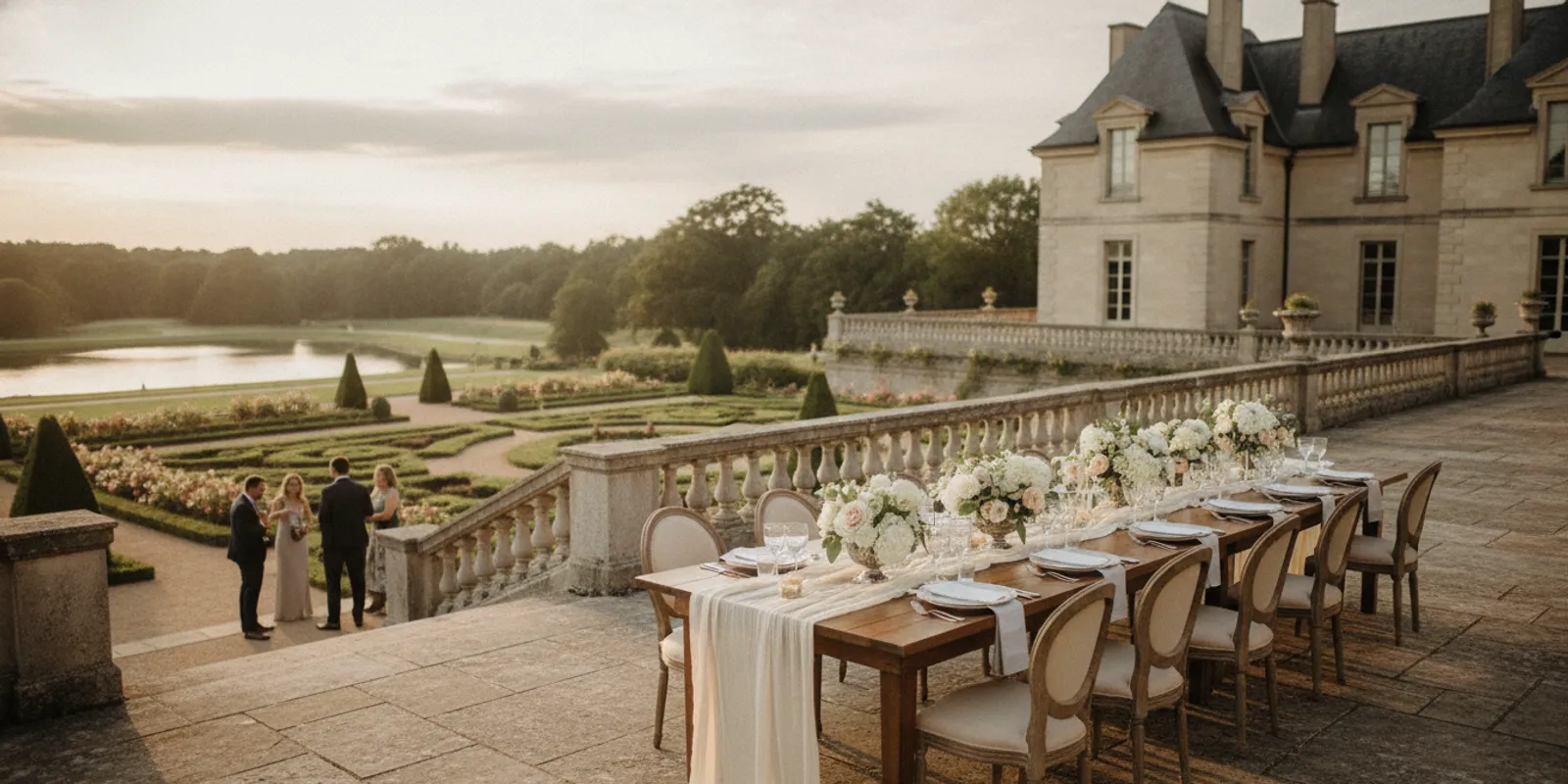
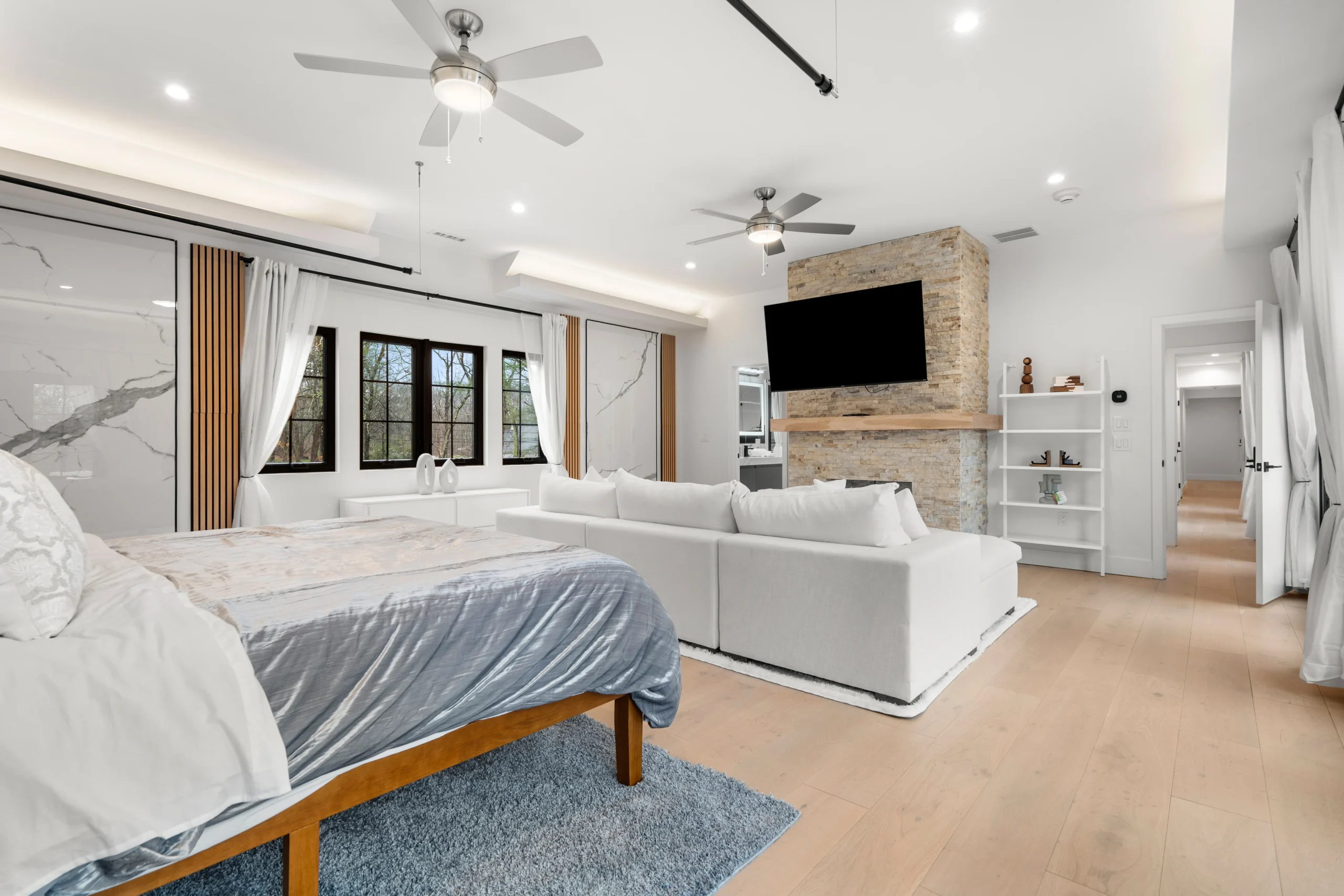
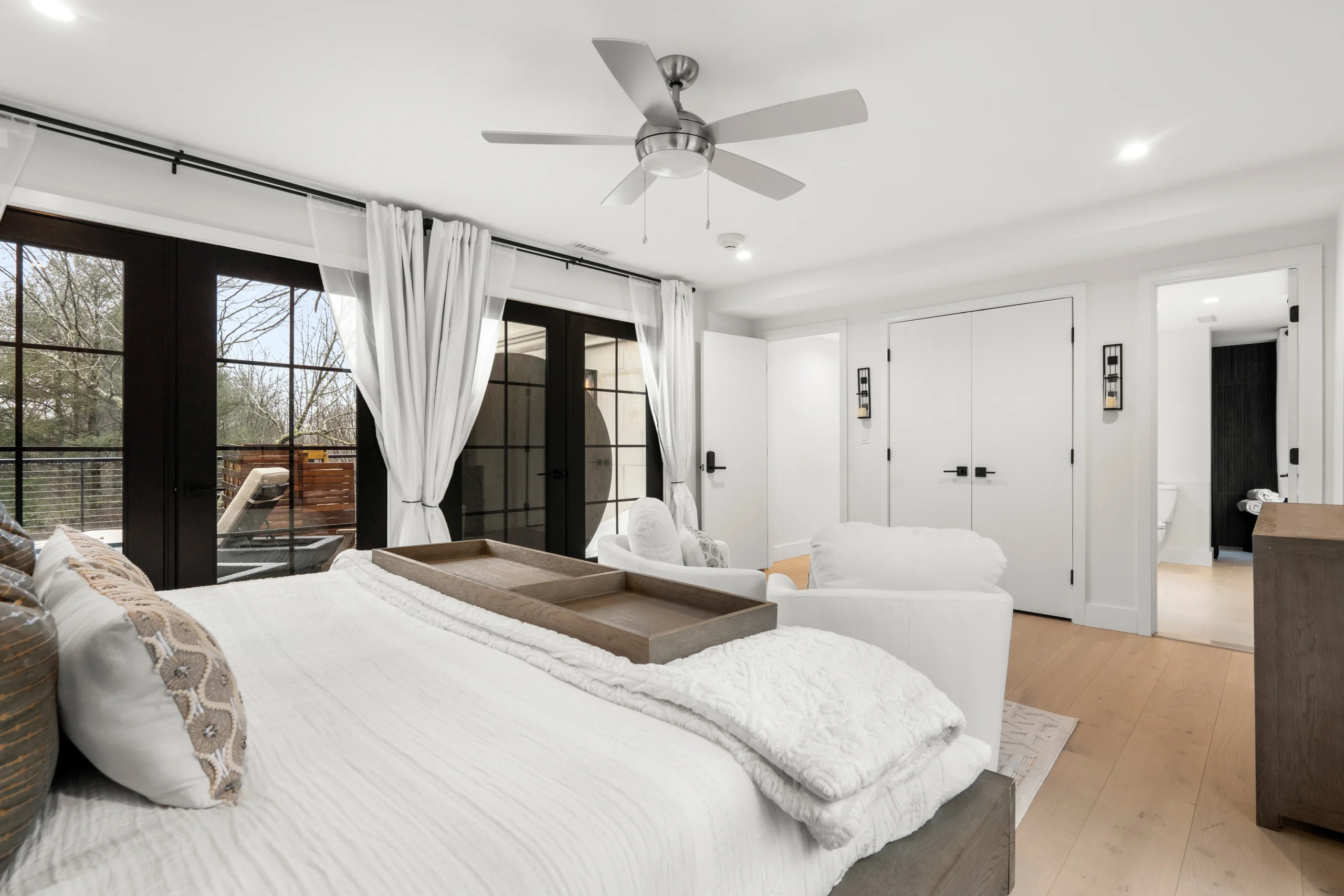
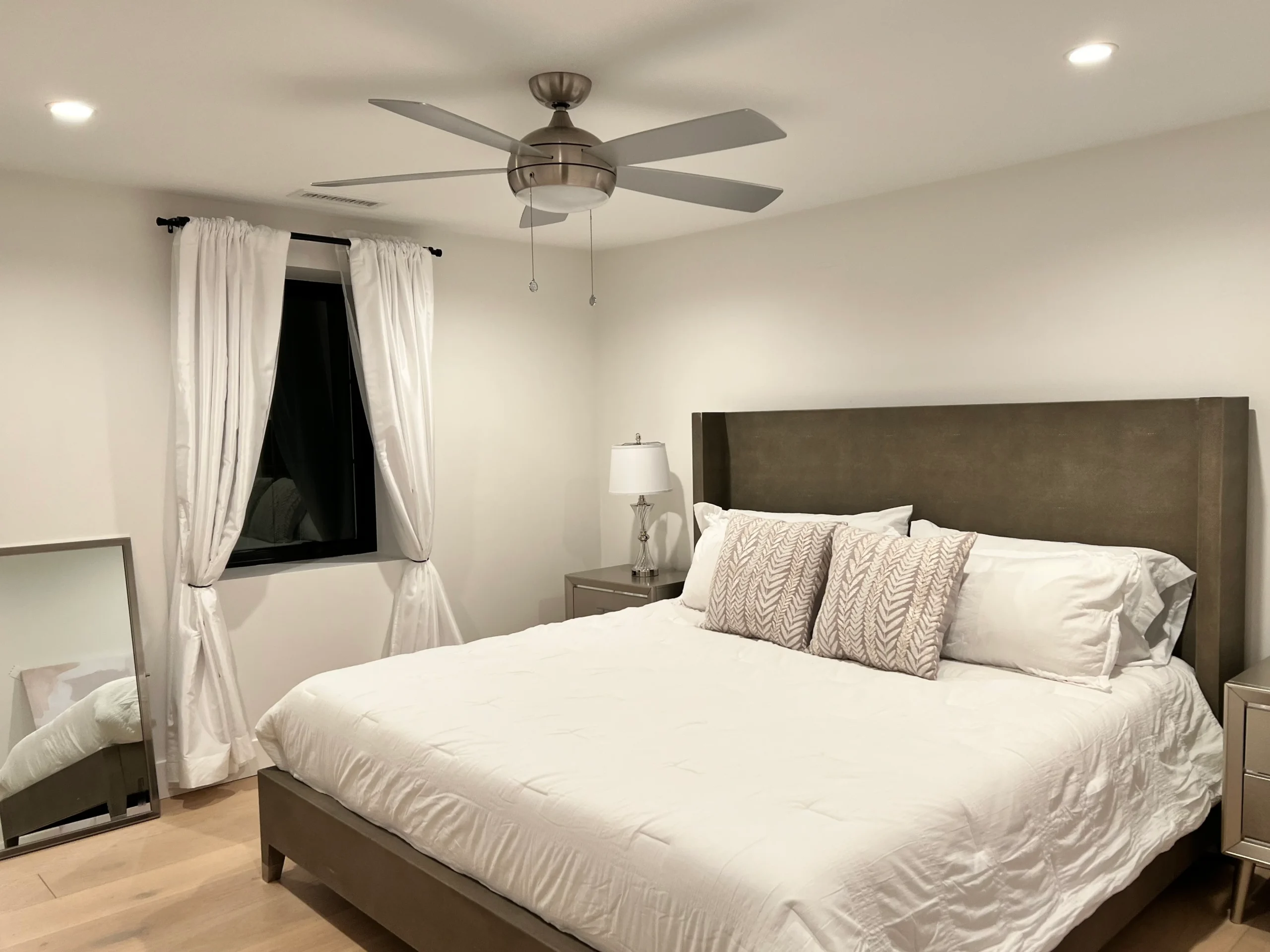
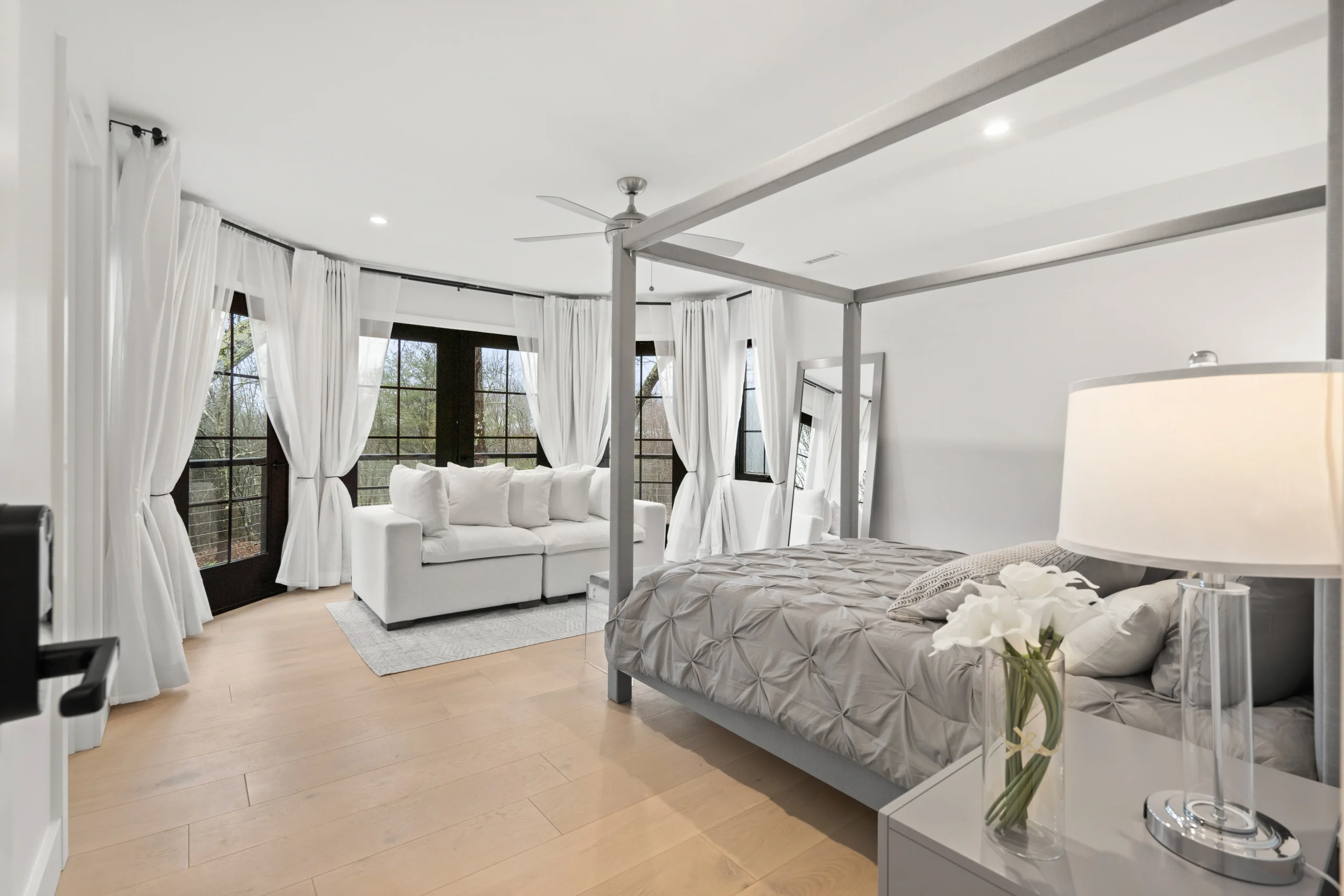
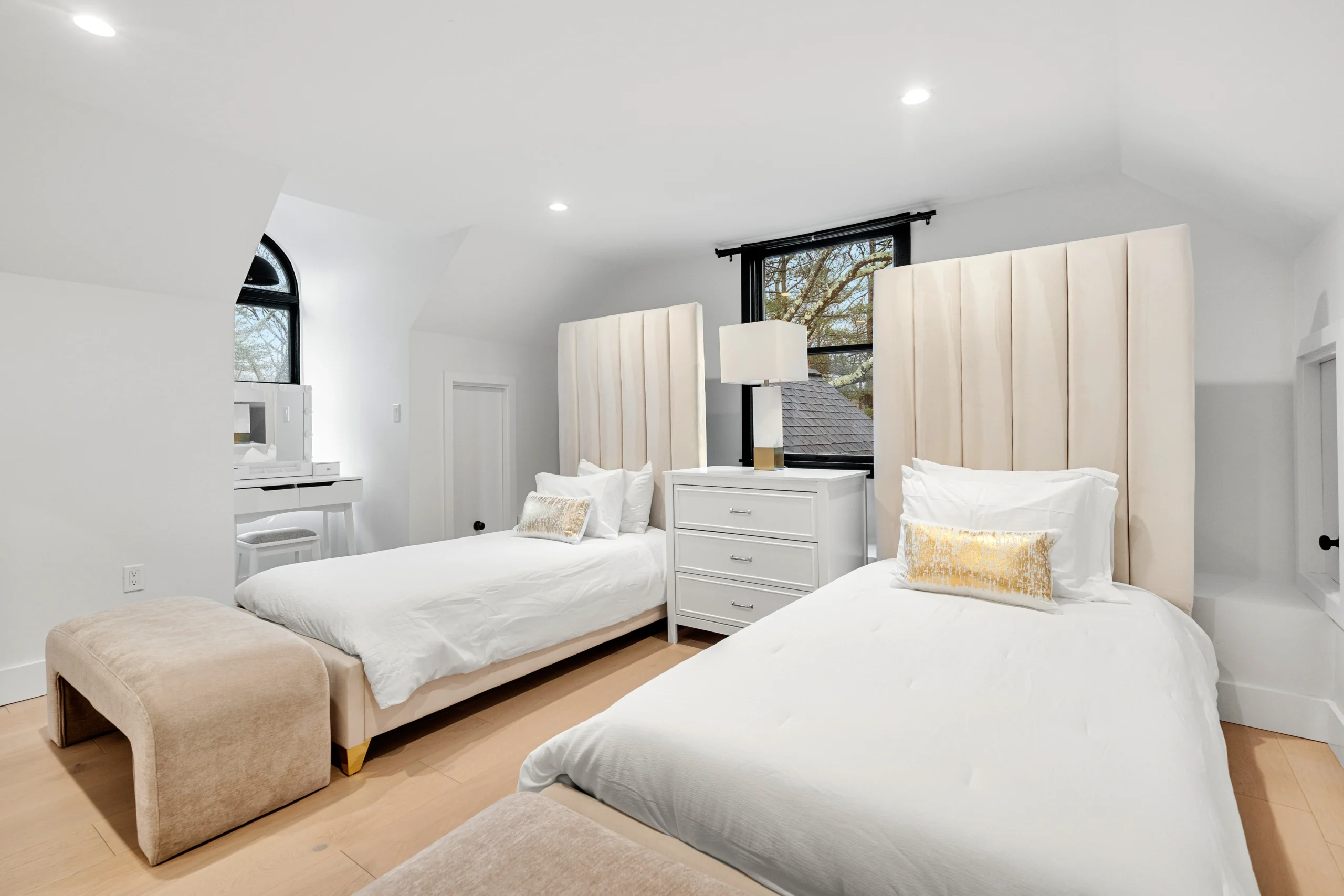
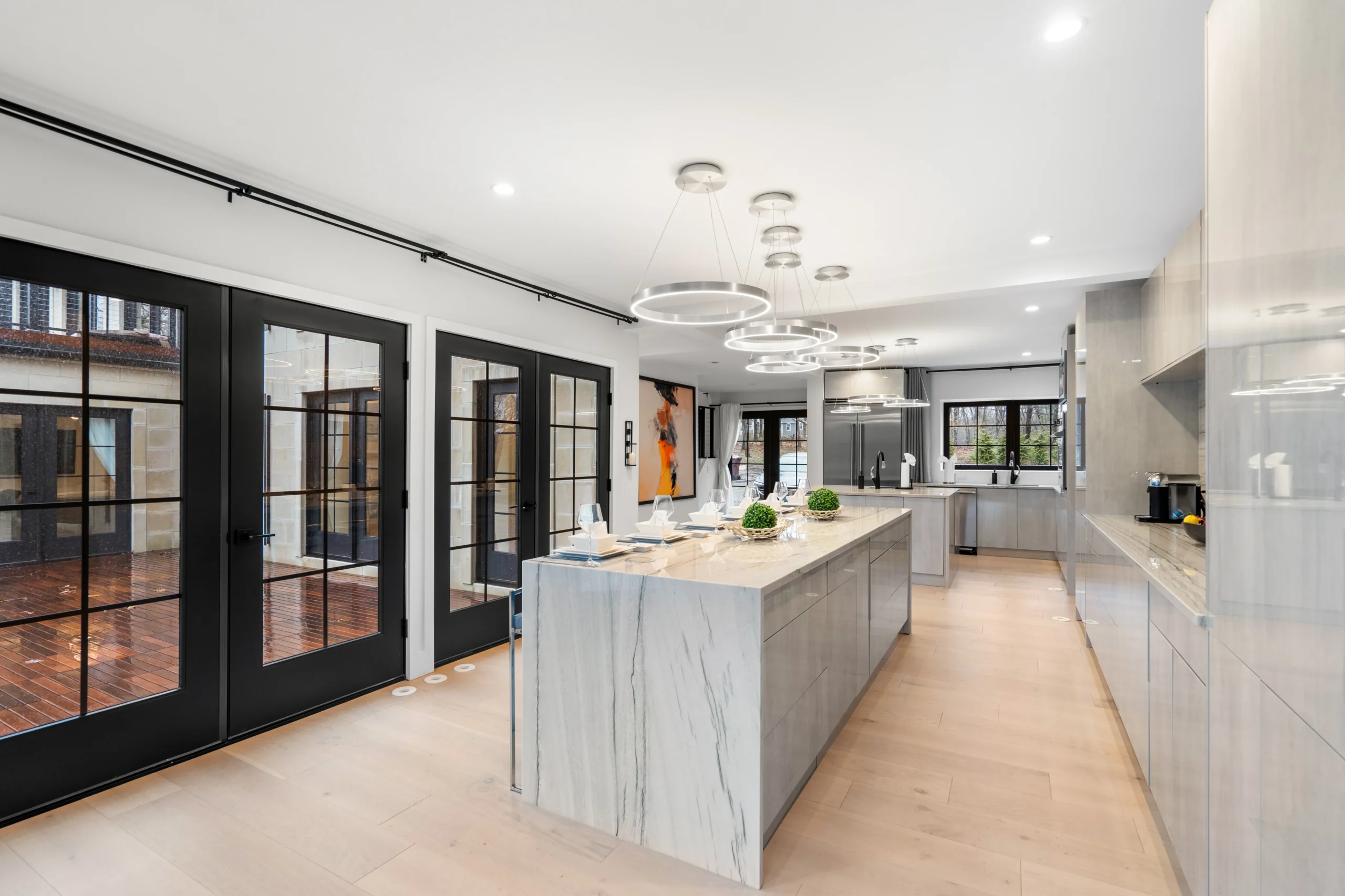
For example, a private estate with capacity for 16 overnight guests like The Charles Chateau features eight bedrooms to host sixteen or more overnight guests. If you plan a single-day strategy session, the venue has space for up to thirty day guests. It also offers private parking for ten or more cars to make travel simple for those who drive.
Retreat Duration and Timelines
How long should your retreat last? Most executive retreats run for two to four days. This window gives you enough time to blend deep strategic planning with social connection. It also ensures that your team does not feel rushed during key sessions.
You must also think about your planning timeline. You should start planning six to twelve months ahead of your target dates. This long lead time ensures you can secure your preferred venue. If you wait too long, your top venue choices may already be booked.
Budget Types and Costs
Budgeting for a retreat involves looking at all-inclusive costs versus a la carte fees. Public hotels often charge separately for meeting rooms, meals, and tech setups. In contrast, a private estate booking usually rolls these costs into one clear fee. This method makes your cost planning simple and easy to track. It also helps you avoid extra bills at the end of your stay.
When planning your budget, remember that high-end retreats are not just expenses. Research from the MIT Sloan School of Management shows that investing in retreats yields strong long-term returns. These events help develop leaders and help teams build new ideas. Choosing a private estate with transparent pricing ensures your team stays focused on these high-value goals.
Step 3: Choose a Venue That Supports Your Objectives
Where you host your team has a major impact on their focus. Selecting the right setting is your most critical choice when learning how to plan a corporate retreat. Leaders now look for venues that offer more than standard meeting rooms, prioritizing environments designed for deep strategic work rather than generic hospitality.
The role of setting in executive focus
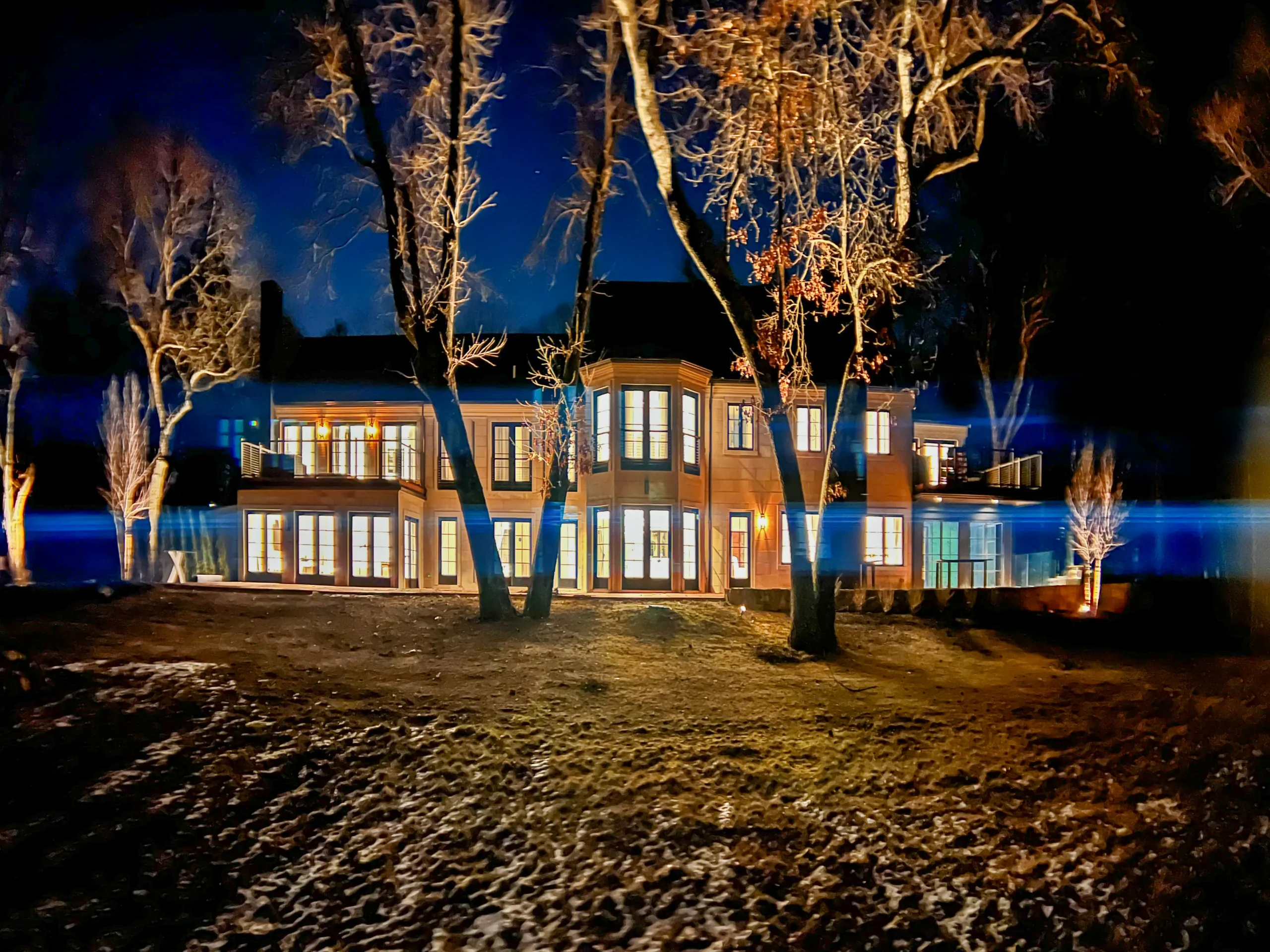
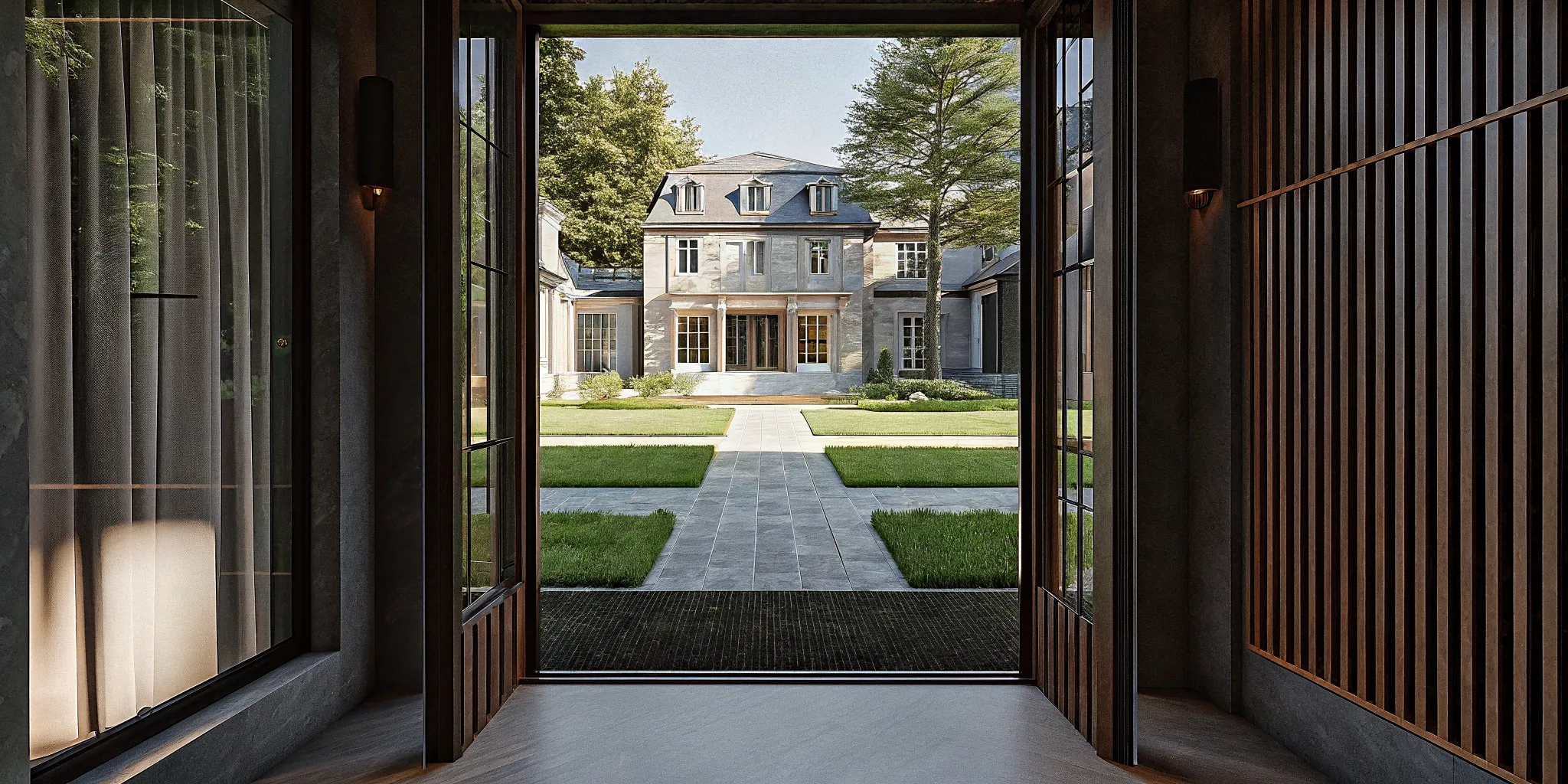
Executive teams need secure, private settings to handle sensitive strategy work. You cannot discuss confidential plans in a crowded hotel lobby or a busy public hallway. A private estate rental ensures your discussions stay behind closed doors. For example, an estate with eleven acres of land keeps your meetings completely quiet and free from outside noise.
Strategic planning needs intense focus that is hard to find in everyday workspaces. When team members stay together in a single private location, they connect more naturally. These quiet physical spaces let executives think deeply without the constant interruption of a normal business day. The peace of a secluded property allows your leaders to focus fully on the long-term vision of the company.
Academic work from MIT Sloan shows that high-end executive education and retreats yield major returns by developing leaders and helping them align on strategy.

Traditional hotels versus private estates
Many planners default to booking large luxury hotels. While hotels have high-end amenities, they also bring constant distractions from other guests. Modern retreats need a higher level of isolation. Choosing full estate exclusivity lets your team own the entire property for the duration of the event.
When you rent an entire estate, you do not share the space with anyone else. You can set up your meeting rooms exactly how you want them. There are no shared lobbies, busy restaurants, or noisy elevators to interrupt your day.
| Venue Type | Privacy Level | Meeting Spaces | Service Model | Customization Level |
|---|---|---|---|---|
| Traditional Hotel | Shared spaces with public guests | Standard public conference rooms | Basic desk help for many groups | Fixed group packages and schedules |
| Exclusive Private Estate | Complete private estate access | Secluded rooms on quiet grounds | Personal on-site concierge team | Tailored seating, dining, and flow |
Bespoke support and close proximity
Proximity matters when selecting a venue. Choosing a space that is close to a major city minimizes travel time and maximizes productive hours. An exclusive estate just twenty minutes from Boston allows your team to arrive quickly and start their work without delay.
To keep the experience seamless, premium venues integrate bespoke planning support. A luxury concierge service can handle all the logistical details, which removes a major burden from your leaders. Also, high-end venues use a careful membership inquiry process to vet guests. This ensures that the estate remains a quiet, professional environment designed purely for your business goals.
How Far in Advance Should You Plan a Corporate Retreat?
You should begin planning a corporate retreat six to twelve months in advance. This timeline allows teams to adjust their calendars, secure preferred dates at exclusive venues, and coordinate logistics without rushed decisions. According to a corporate retreat planning guide, longer lead times give planners the flexibility to lock in premium locations and negotiate custom arrangements that are unavailable on shorter notice.
An early start also gives you access to the best private estate dates. Many venues in the Boston area, including The Charles Chateau, maintain limited availability for executive groups. Once you have set your objectives and budget, reaching out to venues early ensures you can secure the space that best fits your needs.
What Size Team Can a Private Estate Accommodate?
Private estates offer flexible capacity for smaller, high-end leadership groups. A property like The Charles Chateau provides lodging for up to sixteen overnight guests across eight bedrooms, with day capacity for up to thirty guests. This configuration allows your entire team to stay under one roof, which encourages natural collaboration outside structured meeting hours.
When determining your group size, consider both overnight and day-only attendees. An executive retreat planning guide can help you match your team size to the right venue configuration. The key is finding a space where no one feels crowded and private conversations remain just that.
Step 4: Structure the Agenda: Work, Rest, and Collaboration
A well-designed agenda balances deep strategic sessions with intentional rest and social connection. The most productive retreats avoid over-scheduling and instead build in breathing room for reflection and informal conversation.
Aligning Sessions with Strategic Goals
A strong retreat schedule must align every session with the goals you defined in Step 1. If a session does not support a stated objective, consider removing it. This discipline keeps the agenda focused and prevents meeting fatigue.
Research from the MIT Sloan Management Review confirms that offsite events produce the best outcomes when they target specific purposes: team building, project kickoffs, or forming new cross-functional teams. Matching each agenda block to one of these purposes ensures every hour is well spent.
Designing a Productive Daily Flow
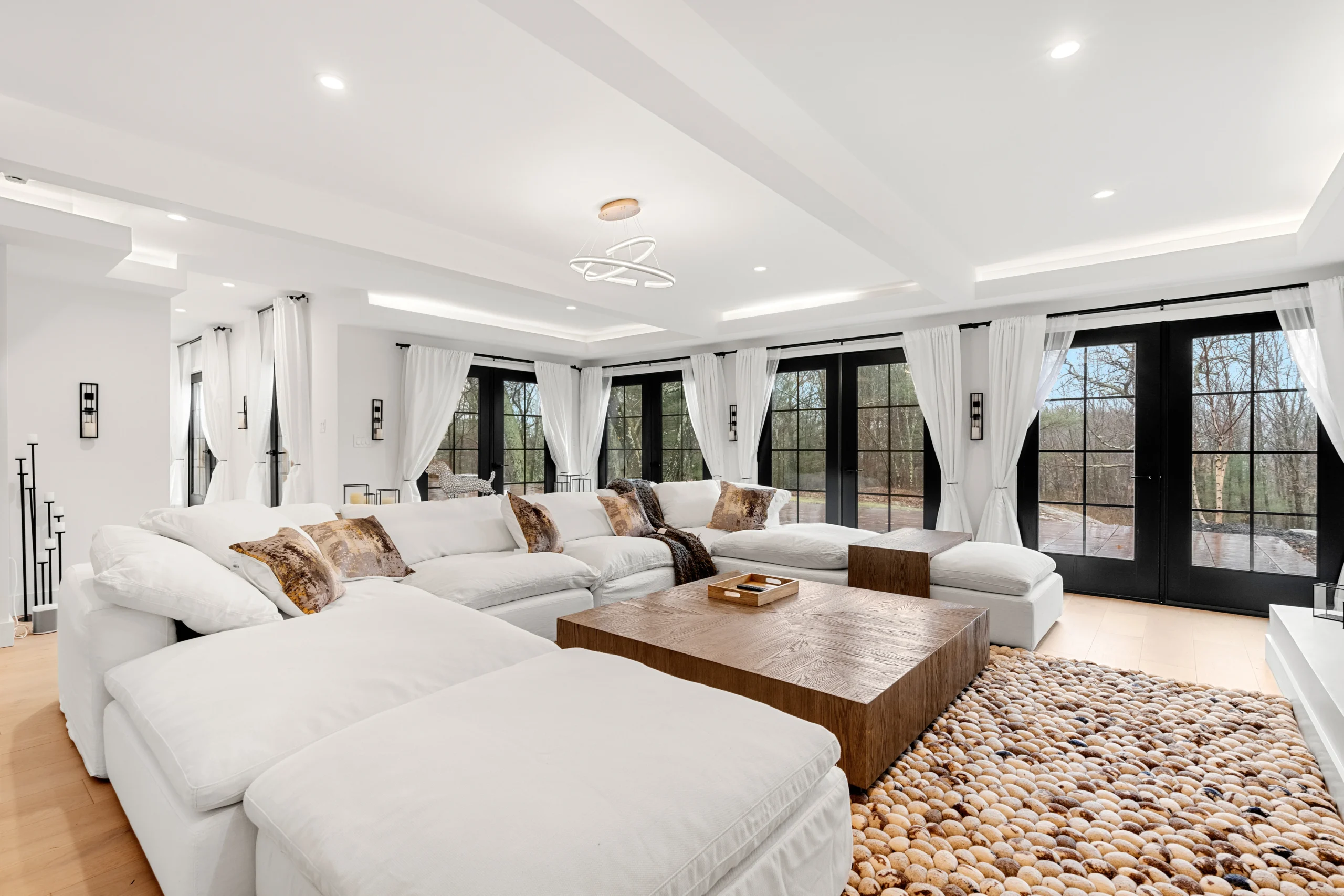
A strong retreat schedule must balance work sessions and social time. Packing too many meetings into one day can lead to tired minds. Leaders should know what their team needs to plan a daily flow that keeps focus high. Using a venue with nice indoor-outdoor flow helps your team step outside for fresh air to prevent burnout.
This fits with the growing exclusive estate stays in New England where groups value shared living spaces. Shared spaces help people connect freely outside of meetings. This builds stronger bonds than a normal hotel setting where teams split up at night.
A Three-Day Sample Agenda Structure
To plan your offsite, we suggest a simple three-day flow. This outline ensures you meet business goals while giving your team enough rest.
- Day 1: Arrival and Strategic Kickoff. Welcome your team in the afternoon and host a short opening session. Close the day with a relaxed dinner to help the team settle in.
- Day 2: Deep Work and Team Connection. Spend the morning on deep work, planning sessions, or strategy. After lunch, set aside time for a group event to build trust. In the evening, host a group meal where people can talk in a casual setting.
- Day 3: Debrief and Action Planning. Gather in the morning to review what you have learned and set clear action steps. End the retreat by lunchtime so team members can travel back without rush.
Step 5: Coordinate Logistics with Your Venue Team
Managing logistical details can consume valuable planning time. When you partner with a venue that offers integrated support, your team can focus on strategic objectives rather than room setups, meal planning, and technology configuration.
Custom setup and workspace arrangements
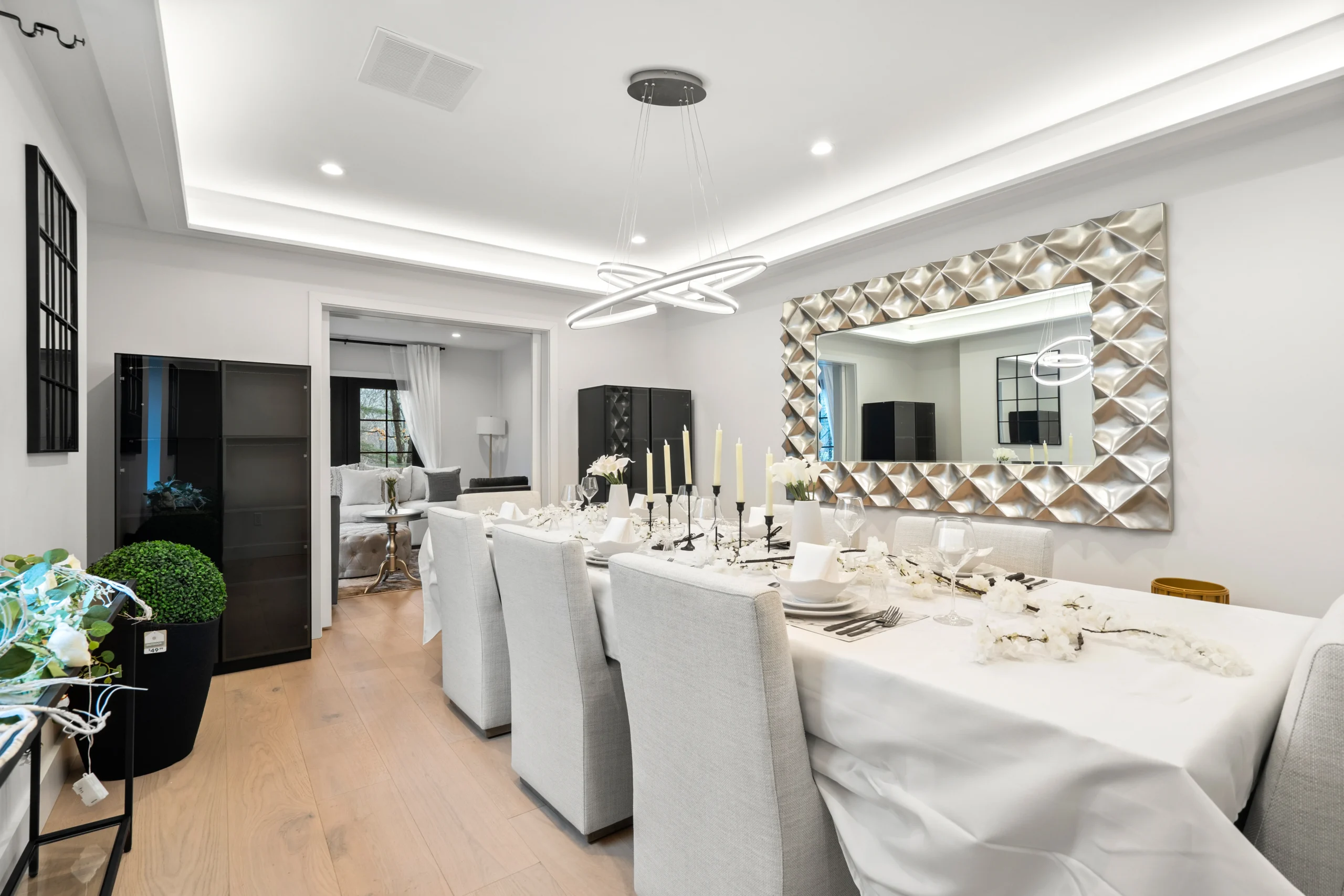
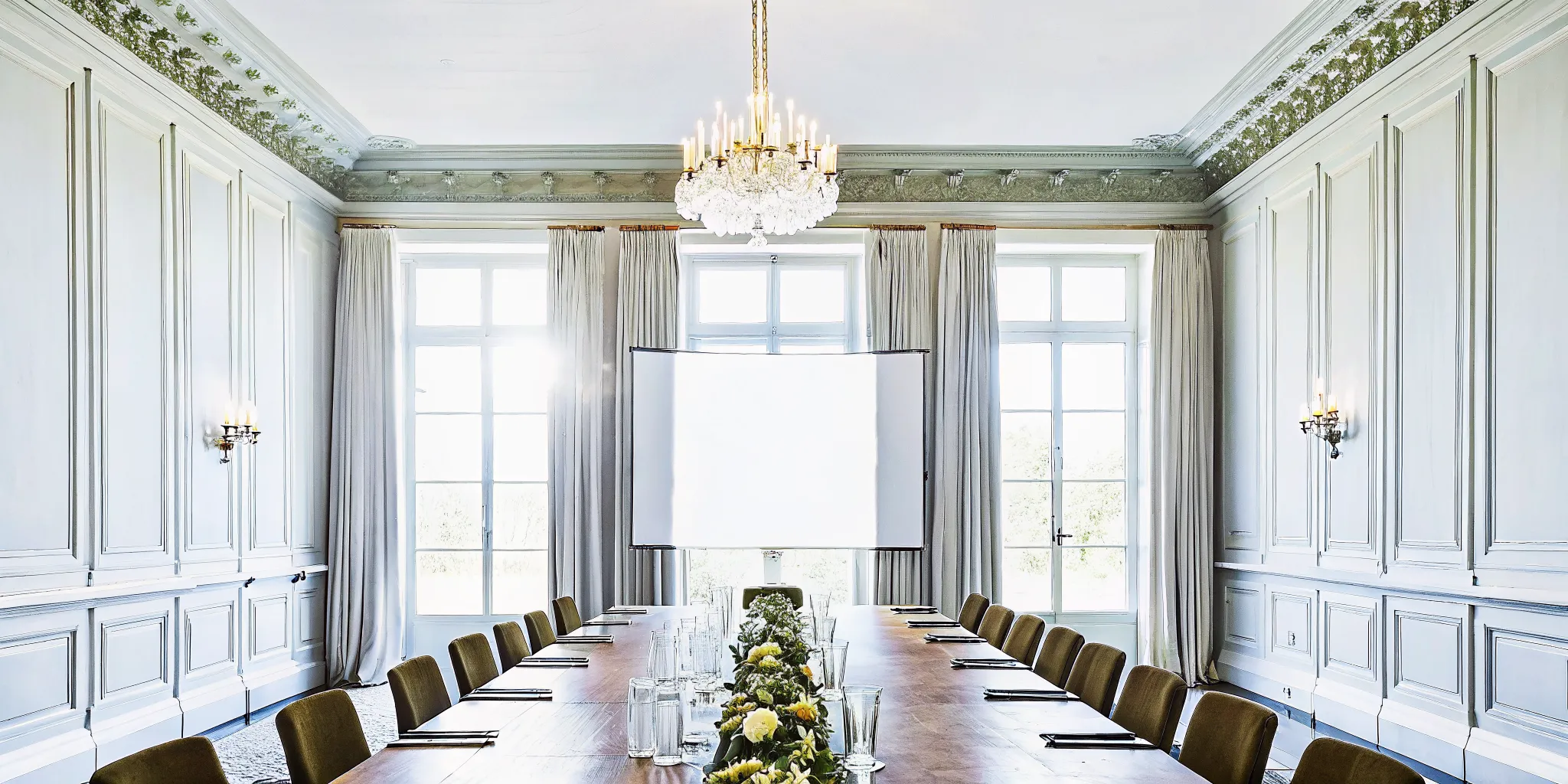
Your venue should offer tailored spaces for meetings, dining, and teamwork. Because every business gathering is unique, you should avoid rigid, pre-set packages. Instead, look for a venue that offers flexible dining layouts and workspace plans tailored to your group size and style.
Logistics and team coordination
A great retreat relies on smooth planning behind the scenes. Your venue team should manage your travel plans, schedule meals with private chefs, and set up your screens and sound systems before you arrive. This takes the pressure off your planners so they can lead the sessions.
Your venue team can coordinate these key areas:
- Travel and arrival: Arranging rides from local airports and setting check-in times for your guests.
- Meal planning: Designing custom menus with expert chefs to suit all dietary needs.
- Tech setup: Preparing secure internet access, digital screens, and sound tools for smooth meetings.
- Bedroom layouts: Assigning luxury guest rooms so every member of your team has a quiet space to rest.
Easy parking and simple communication
Getting to the venue should be simple for every guest. For team members who drive, look for a private venue with secure parking for ten or more vehicles on site. This ensures a stress-free arrival for local guests and those who rent cars.
To make the planning process seamless, use clear, direct ways to talk with the venue. Sharing your goals during the first chat lets the concierge team customize every part of your stay. When you request a custom proposal, you get professional advice that fits your timeline and goals.
Step 6: Measure the Outcomes After the Retreat
Measuring success is essential when you learn how to plan a corporate retreat. For an offsite at an luxury estate in Dedham Massachusetts, value goes beyond travel logistics. The real metric is whether the retreat achieved the strategic goals you set in Step 1.
Direct Team Feedback
To check if you met your goals, send out a survey within forty-eight hours of the retreat. Ask team members to rate the work sessions, the venue, and the overall flow. Keep the questions short and focused on concrete outcomes.
Use both scale-based ratings and open-ended questions. Ask guests what parts of the schedule were most helpful and what felt like a waste of time. This immediate feedback helps you refine your process for future planning.
The Return on Culture
A quality retreat is a great way to build strong team ties, mostly for hybrid staff. Research from the MIT Sloan Management Review shows that blanket return-to-office rules can harm work output. These rigid policies also increase the risk of losing top talent. In contrast, a planned offsite serves as a key chance to reset and improve team culture.
Tracking Long-Term Business Outcomes
Beyond immediate feedback, track whether the decisions made during the retreat translate into measurable business results over the following quarter. Monitor project velocity, cross-team collaboration metrics, and employee engagement scores. When you can connect a specific retreat to a subsequent improvement in performance, you have clear evidence of the return on your investment.
Frequently Asked Questions
How far in advance should you plan a corporate retreat?
To secure a preferred venue and allow teams to adjust their schedules, you should start planning about six to twelve months before the event. According to a planning guide by Avantstay, this timeline gives planners enough time to manage logistics and align team calendars.
What size team can a private estate accommodate for a corporate retreat?
Private estates offer flexible space for smaller, high-end leadership groups. For example, The Charles Chateau provides lodging for up to 16+ overnight guests in eight bedrooms. It also offers day capacity for up to 30 guests. This layout ensures that your team can stay together, which helps build natural connections outside of structured work hours.
How do you choose between a hotel and a private estate for a retreat?
Hotels often have busy public areas and shared meeting rooms that can distract your team. In contrast, a private estate offers complete privacy for quiet planning sessions. According to research from the MIT Sloan Management Review, offsites are most successful when they are designed around clear goals in focused, private settings.
What should a corporate retreat agenda include?
A successful agenda must balance structured business meetings with relaxed social time to keep the team engaged. Research published by the MIT Sloan Management Review shows that in-person team moments work best when they blend work and team building. Plan deep-work blocks in the morning when focus is high, and leave afternoons open for team activities, shared meals, and rest to prevent burnout.
How do you measure the success of a corporate retreat?
Send a brief feedback survey within forty-eight hours after the retreat. Ask participants to rate the work sessions, the venue, and the daily flow. Track whether strategic decisions made during the retreat translate into measurable outcomes over the following quarter, such as improved project velocity, stronger cross-team collaboration, or higher engagement scores.
Ready to Plan Your Next Corporate Retreat near Boston?
Delaying your next executive retreat leads to lost focus, misaligned teams, and missed opportunities as the new quarter approaches. Without a quiet, exclusive space to align your strategic goals, your leadership team risks falling behind on important projects and losing valuable market momentum.
Securing your dates at a private membership estate today gives your leaders the time they need to build a clear plan and design customized sessions. Our dedicated concierge team handles every planning detail of your stay to ensure a smooth, private, and highly productive meeting from start to finish.
Ready to request consideration for membership? Call +1 866-858-2679 to request consideration for membership at The Charles Chateau today.