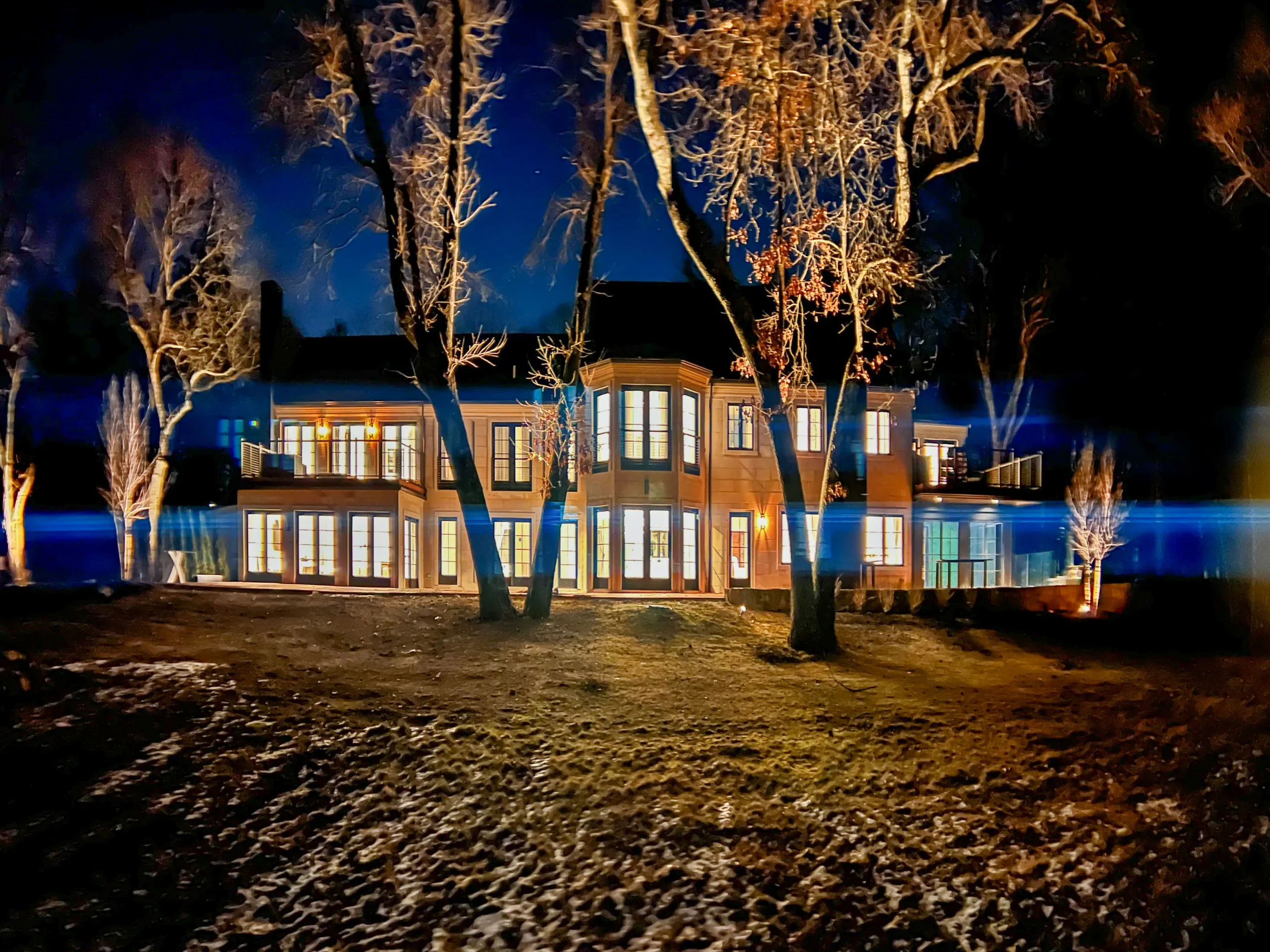
Choosing a retreat setting near Boston is rarely just a question of capacity. The venue format shapes how easily a leadership team can focus, move between strategy and conversation, and maintain the discretion that meaningful work often requires.
A useful corporate retreat venues near boston comparison weighs more than meeting space: consider privacy, service, atmosphere, location, and how much control your team has over the environment. Hotels and conference centers can simplify logistics, while boutique properties offer character. A private estate creates a different experience, combining single-unit exclusivity with tailored support. The Charles Chateau offers that private estate advantage on eleven acres, about 20 minutes from downtown Boston. Explore the executive retreat venue near Boston to see how the setting supports focused gatherings.
With those priorities in view, the distinctions between Boston-area venue types become clearer, from shared hospitality environments to a fully private setting designed around your team’s objectives.
Types of Corporate Retreat Venues in the Boston Area
Venue format shapes the retreat before the first agenda item begins. A hotel conference center prioritizes operational convenience and scale. A boutique hotel or inn offers a more intimate setting with established hospitality. A private estate creates a separate environment altogether, where one group controls the property and the pace of the experience.
These are not simply different points on a list of event locations. They represent different levels of privacy, flexibility, and separation from everyday business. Research on executive retreats notes that leaders often choose resort settings for their relative isolation, comfort, recreational options, and accommodation services. That combination of retreat conditions remains useful when assessing what a leadership team actually needs from its surroundings.
Conference centers and hotels
Conference centers and hotels are often the practical choice for larger groups or programs with several rooms, formal meeting infrastructure, and straightforward guest logistics. They may offer on-site catering, audiovisual support, overnight accommodations, and flexible event layouts. A Boston-area conference center can also place a team in a broad outdoor setting. For example, Warren Conference Center describes a location 25 miles from downtown Boston on more than 100 wooded lakefront acres.
The tradeoff is that the retreat shares its setting with other meetings, guests, and scheduled activity. The format works well when operational capacity matters more than complete control of the environment. Planners weighing meeting flow, accommodation, and transportation can also consult this corporate offsite planning guide.
Boutique hotels and inns
Boutique hotels and inns sit between large conference properties and fully private venues. They can provide a distinctive sense of place, attentive hospitality, and a more personal scale than a conventional business hotel. The Inn at Hastings Park in Lexington, for instance. Presents meeting spaces ranging from a 250-square-foot boardroom to a 1,200-square-foot restaurant that accommodates up to 90 guests, and is located 15 miles from Boston.
This category suits teams that value character and established service but do not require exclusive use of an entire property. Shared entrances, dining areas, and guest activity may still shape the retreat.
Private estates
A private estate is the most distinct category. Rather than reserving rooms within a larger hospitality operation, the team occupies a single, controlled environment. That can make it easier to protect confidential discussions, move between strategy sessions and informal conversation, and design the day around the group’s objectives. The choice is less about adding another amenity than creating the right conditions for focused leadership work.
Hotel Conference Centers: Pros and Cons
Hotel conference centers can simplify planning for teams that value established meeting infrastructure, on-site lodging, and familiar business services. They are often a practical choice when attendees are arriving from different locations or when a retreat requires several rooms with distinct layouts. Their scale can also make larger programs easier to accommodate.
The tradeoff is that a hotel remains a shared environment. Other guests, public corridors, separate dining areas, and a steady flow of activity can make it harder to create the concentration that leadership teams need. Research on executive retreats notes that business leaders often choose resort settings for their relative isolation, comfort, recreation, and accommodation services. The study is useful context, but isolation is not automatically guaranteed by a hotel or conference-center booking.
| Consideration | Hotel conference center | Private estate |
|---|---|---|
| Privacy and exclusivity | Privacy depends on the meeting room, floor plan, and presence of other guests. | A single-unit setting can give the group greater control over the environment and conversation. |
| Shared facilities and other guests | Restaurants, lobbies, elevators, and amenities are typically shared with the public or other events. | The team can use one dedicated property without the same level of incidental traffic. |
| Atmosphere | Professional and predictable, though it may feel operational rather than personal. | Residential scale and a more distinctive setting can support a quieter, more focused retreat. |
| Logistics | On-site rooms, catering, audiovisual support, and standardized processes can reduce coordination. | Planning is more tailored, with the benefit of coordinating one private environment around the agenda. |
| Total experience | Efficient for structured programs, conferences, and teams that need conventional business amenities. | Better suited to leadership retreats where discretion, continuity, and time together are central. |
Pricing structures can also differ by venue. For example. MIT Endicott House presents a contrast between hotel models that may calculate costs per attendee and a private setting that can be organized around a flat-fee structure. Its property is described as being 12 miles from downtown Boston. Those distinctions are worth examining, but the right decision should rest on the experience your team needs, not on a pricing format alone.
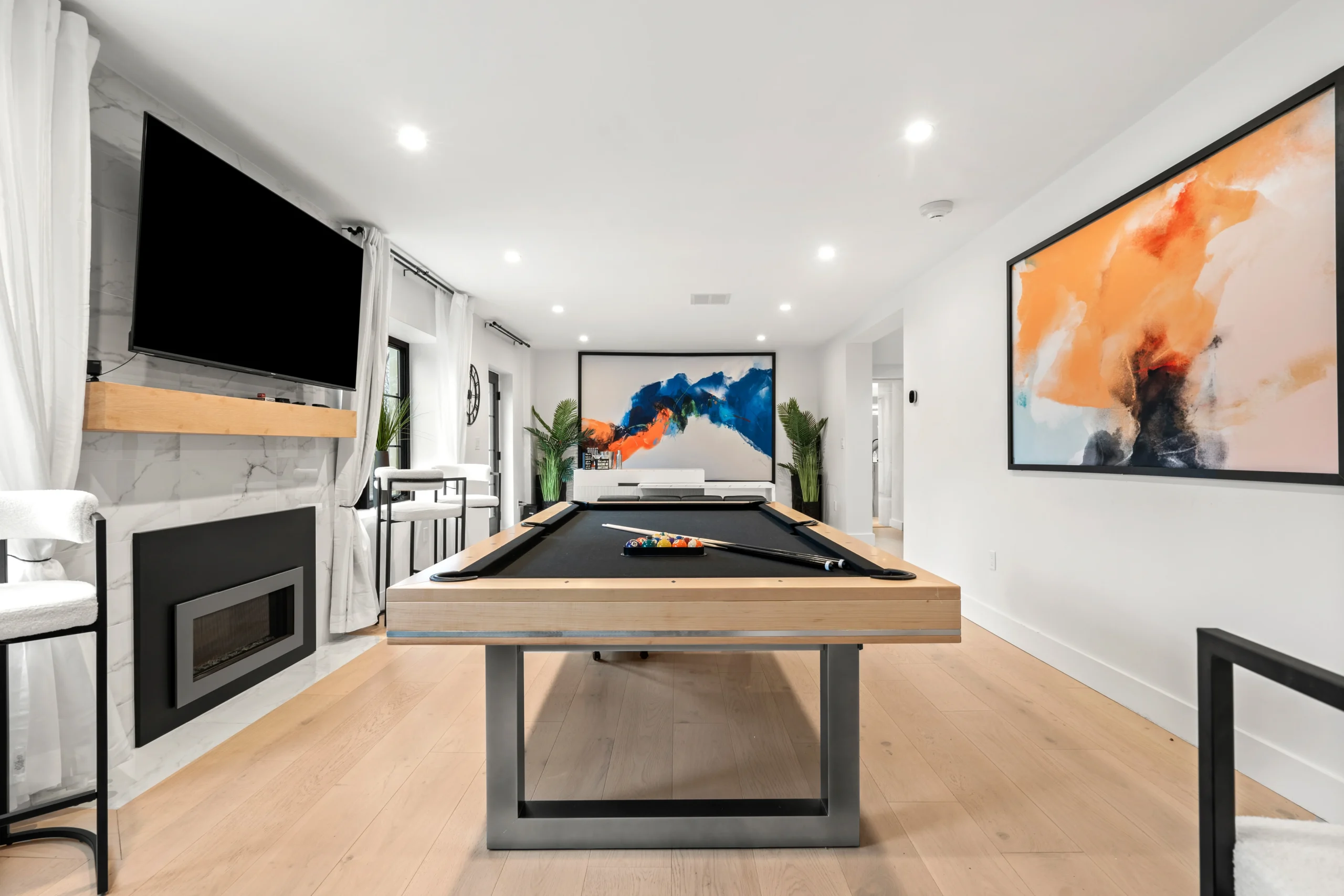
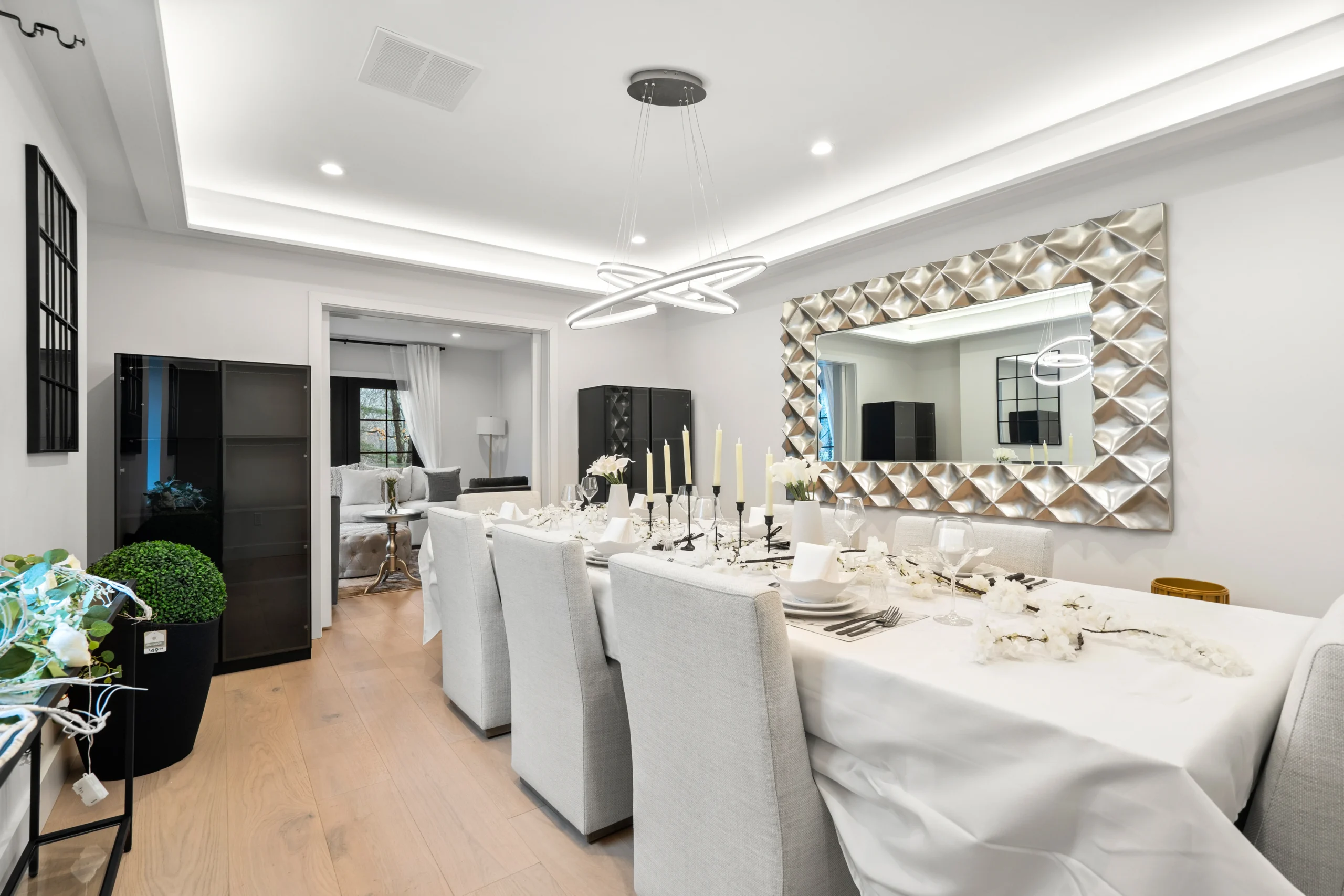
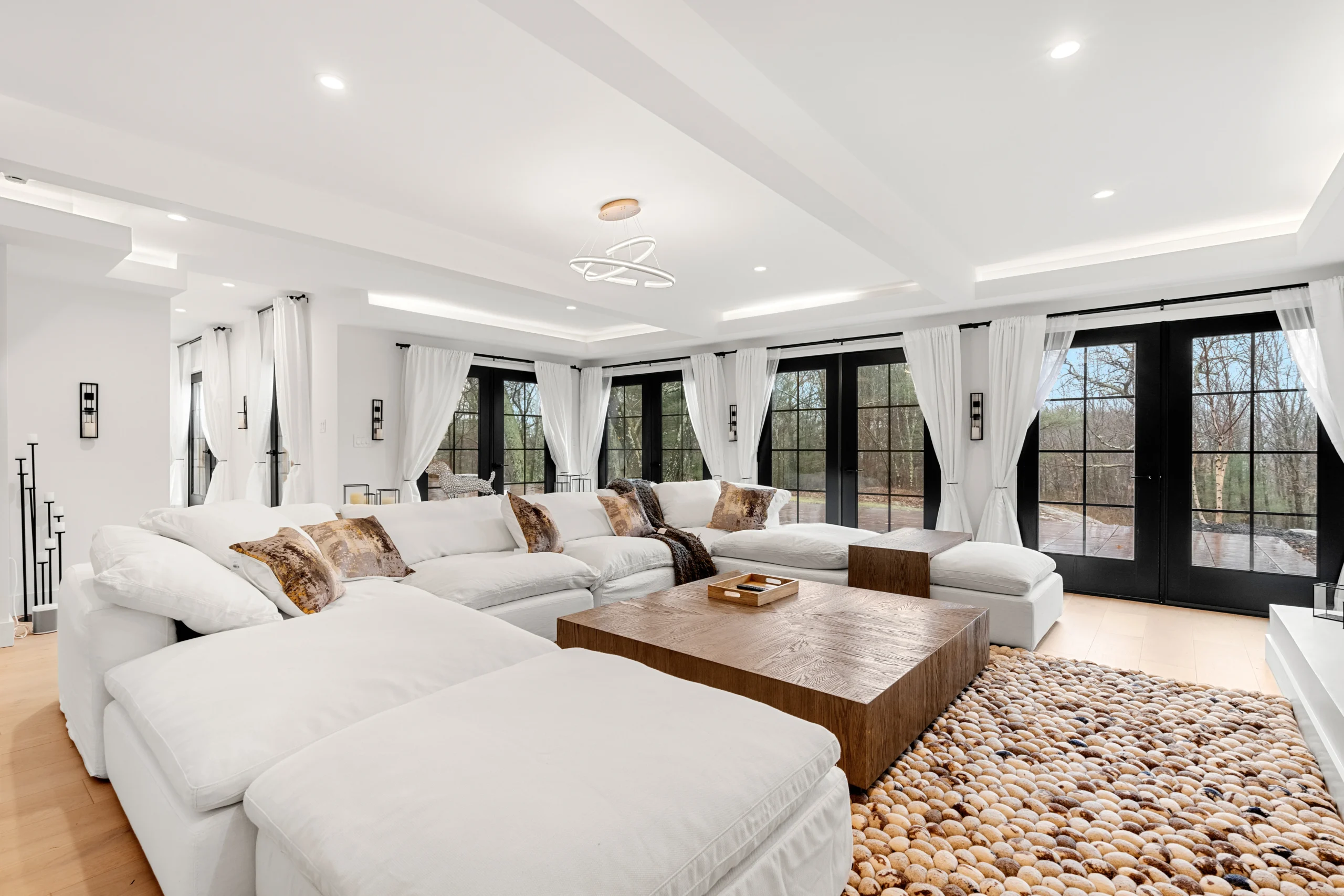
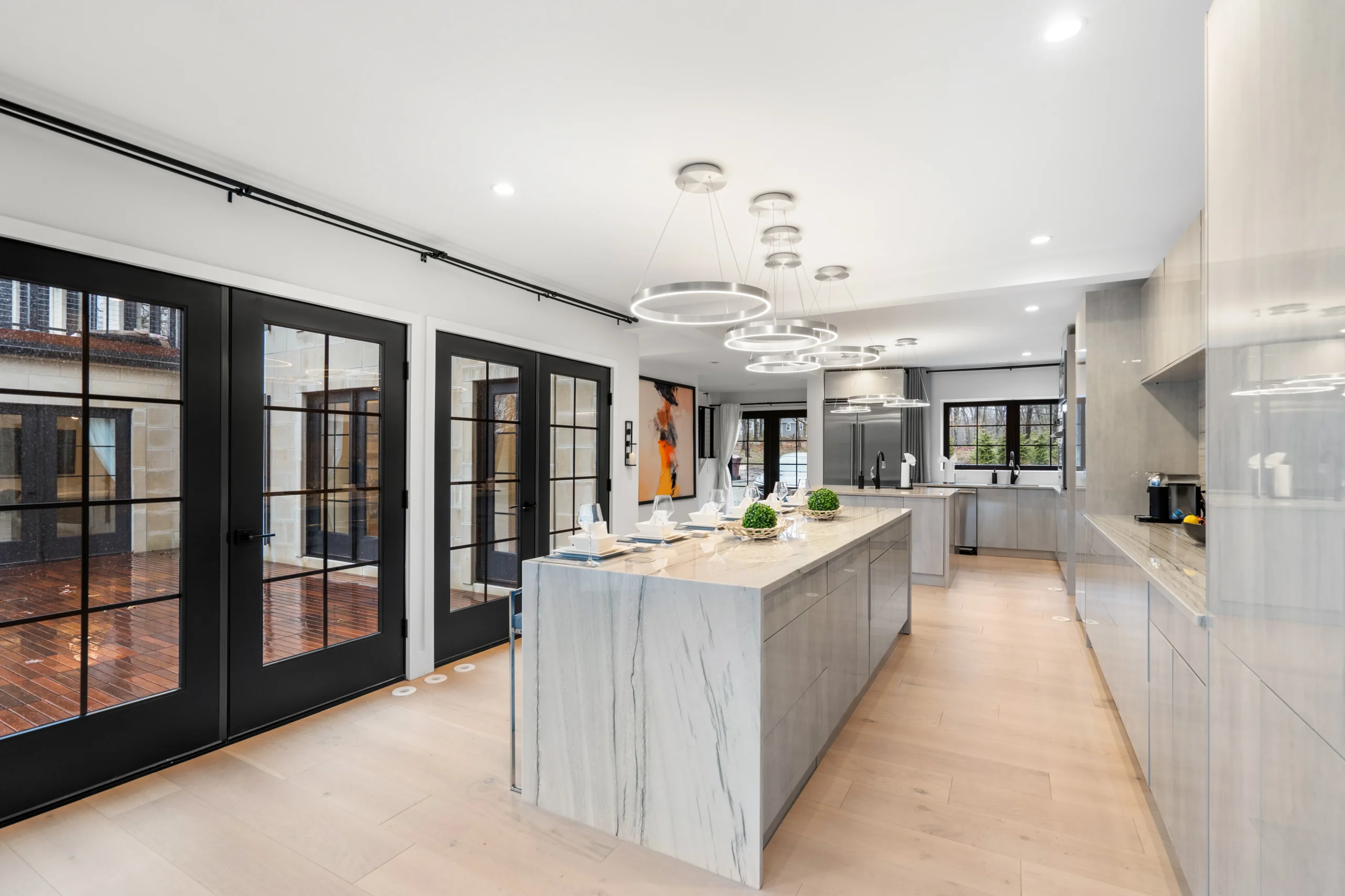
For executives who need proximity to Boston without giving up seclusion, a private estate such as an executive retreat venue near Boston represents a different category. The Charles Chateau offers 11 private acres and concierge-level service, creating a controlled setting for strategic work rather than simply providing a meeting room within a larger property.
Boutique Hotels and Inns: A Middle Ground
Boutique hotels and country inns can offer a thoughtful balance between the predictability of a hotel and the character of a more distinctive setting. Teams may benefit from comfortable guest rooms, an established hospitality team, curated dining, and meeting spaces that feel more personal than a convention property. For a leadership group that wants a polished retreat without taking over an entire property, this format can be practical.
Comfort and character, with shared boundaries
The tradeoff is that the experience remains shared. Participants may move through a common lobby, dine in a restaurant open to other guests, or encounter weddings, leisure travelers, and other business groups during the same stay. Those interactions are not necessarily a problem, but they can make it harder to maintain a quiet rhythm for confidential conversations, informal relationship-building, or uninterrupted strategic work.
Meeting capacity also varies considerably. The Inn at Hastings Park in Lexington, for example. Describes spaces ranging from its 250-square-foot Gallery for intimate gatherings to the 35-person Artistry Room and the 1,200-square-foot Town Meeting Bistro, which accommodates up to 90 guests. The Inn is approximately 15 miles from Boston, making it a useful example of a boutique property with several meeting formats rather than a single standardized ballroom. Details are available on its corporate retreat page.
Before choosing this category, clarify whether your team needs a private dining room, exclusive use of the meeting areas, or simply a well-run base for a structured agenda. Ask how the property manages overlapping events, whether common areas can be reserved, and how guest movement may affect privacy.
For groups where discretion is central, single-unit exclusivity removes a layer of environmental friction. The Charles Chateau’s guidance emphasizes that a private estate can prevent the shared-space distractions associated with traditional hotels and larger resorts. Learn more about the private retreat setting before deciding whether familiar hospitality or complete control over the environment better serves the work ahead.
Private Estates: The Full Exclusivity Option
A private estate changes the setting from a booked venue to a controlled environment. Your leadership team is not sharing the principal spaces with other conferences, wedding parties, or hotel guests. That distinction matters when the retreat involves confidential planning, difficult decisions, or sustained conversation that benefits from discretion.
Privacy and single-unit control
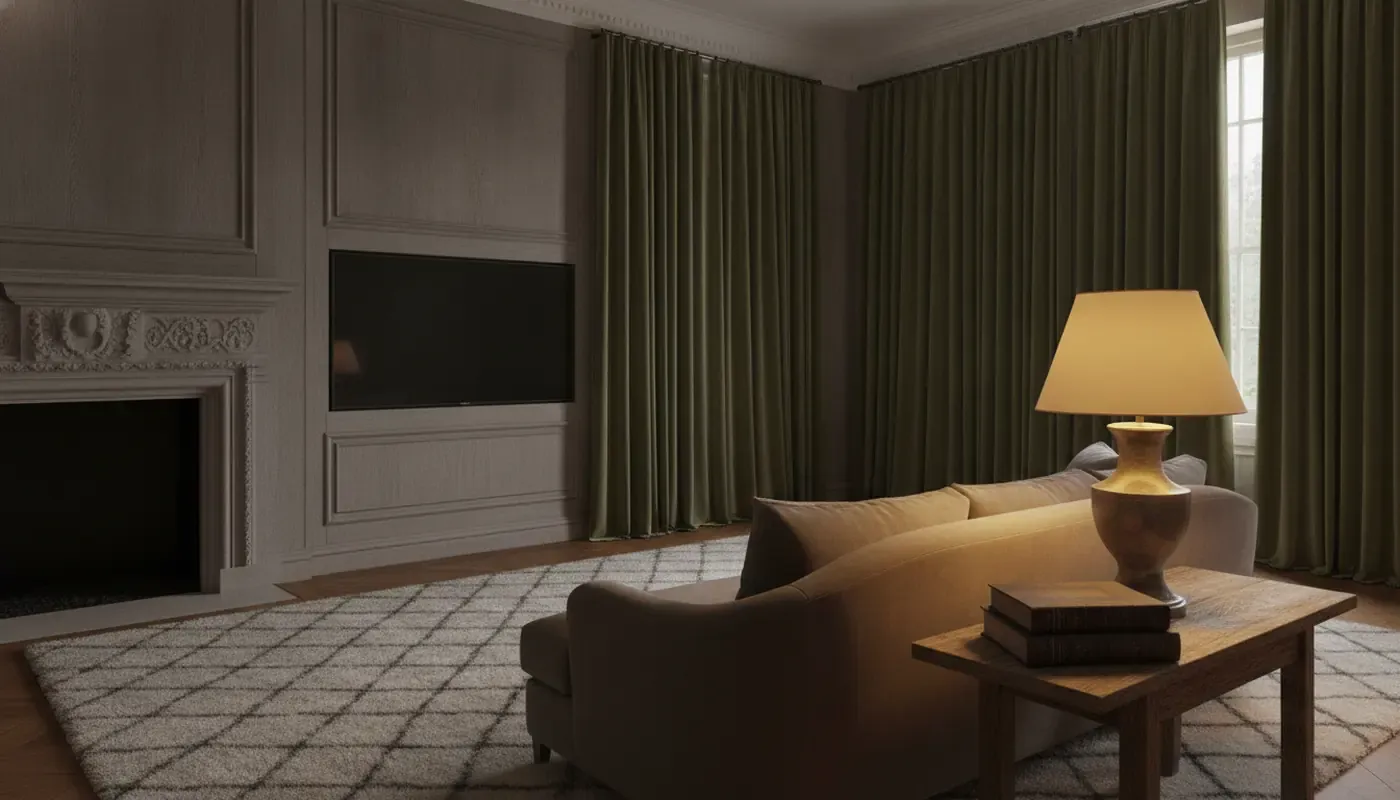
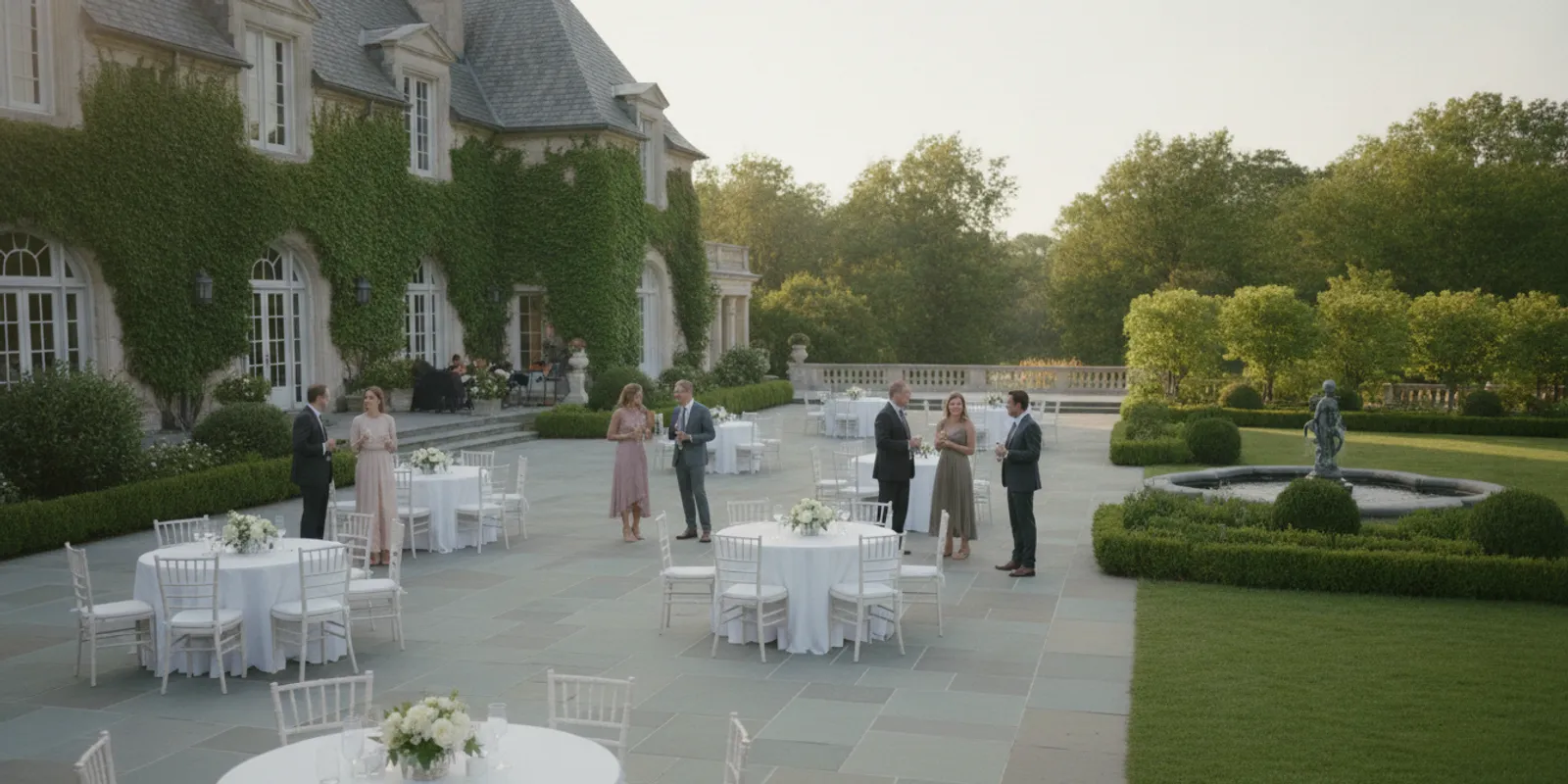
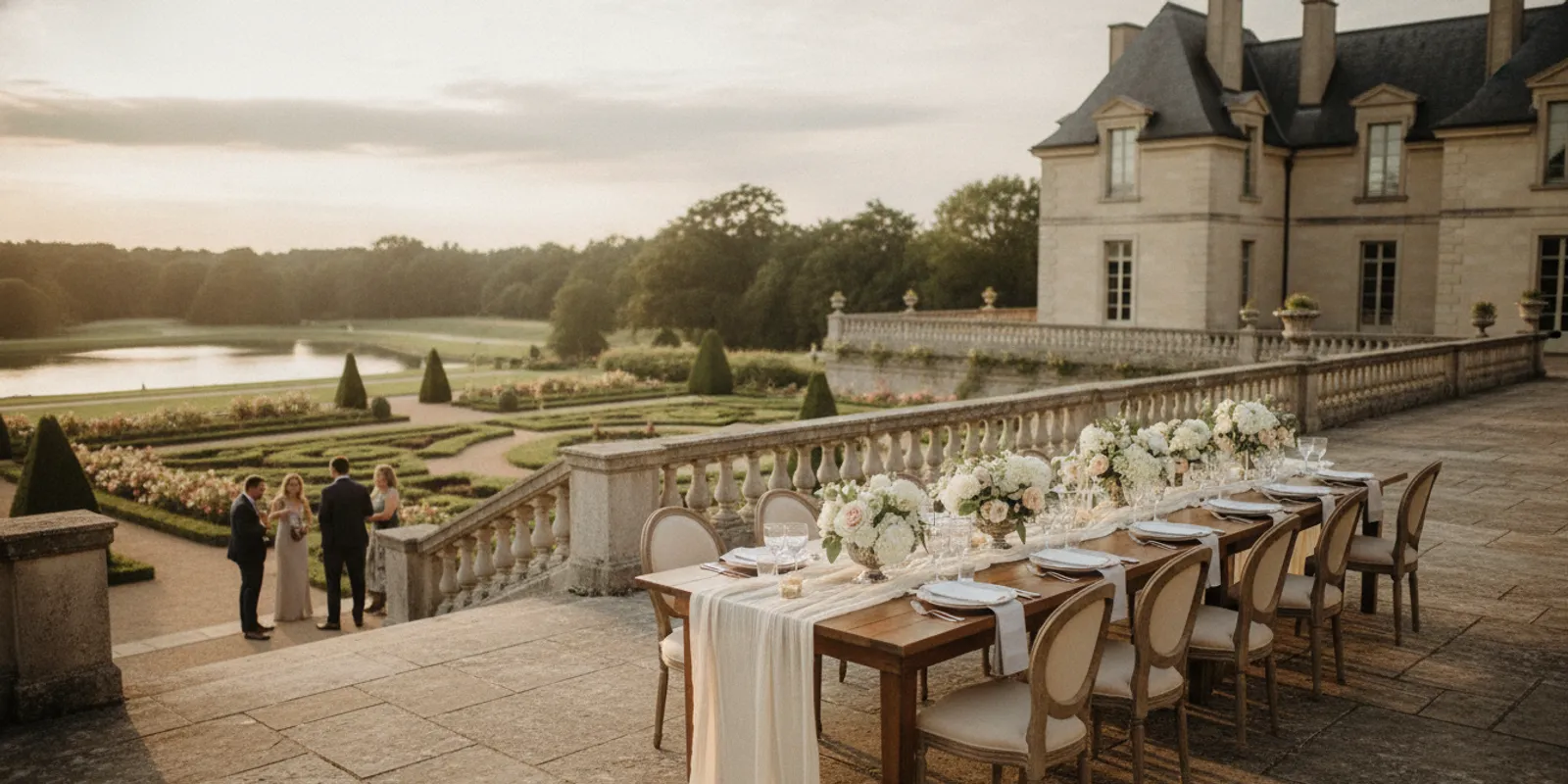
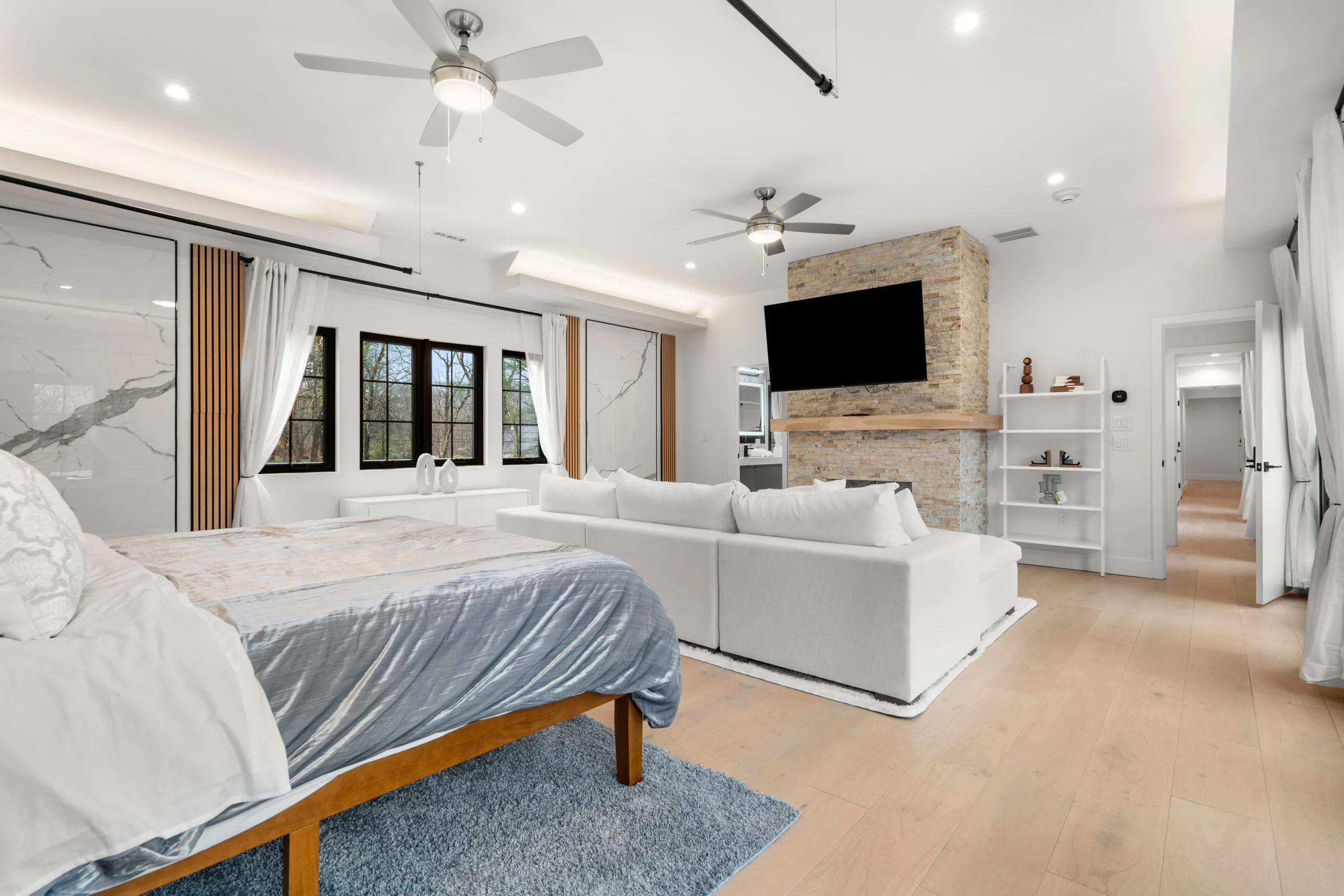
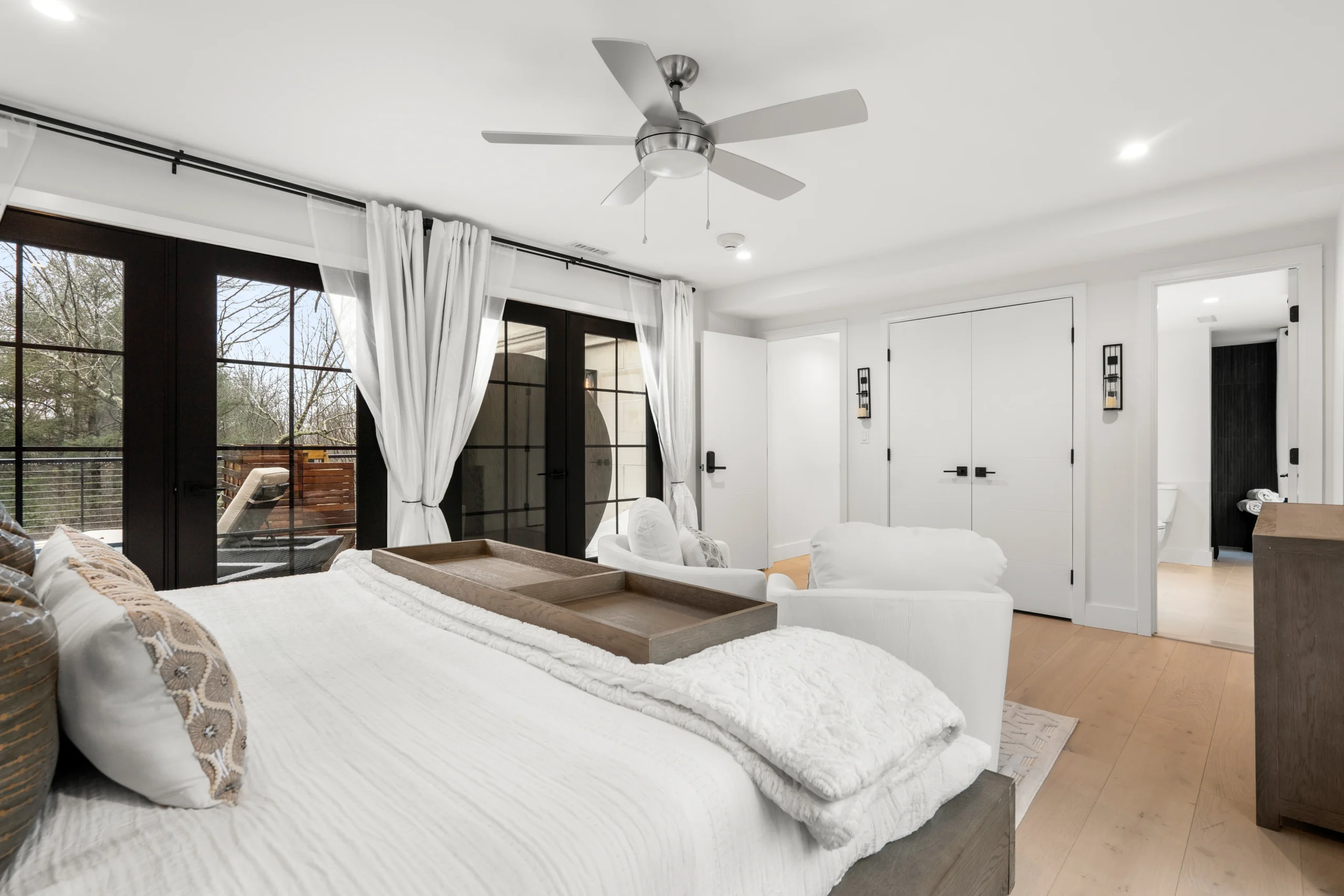
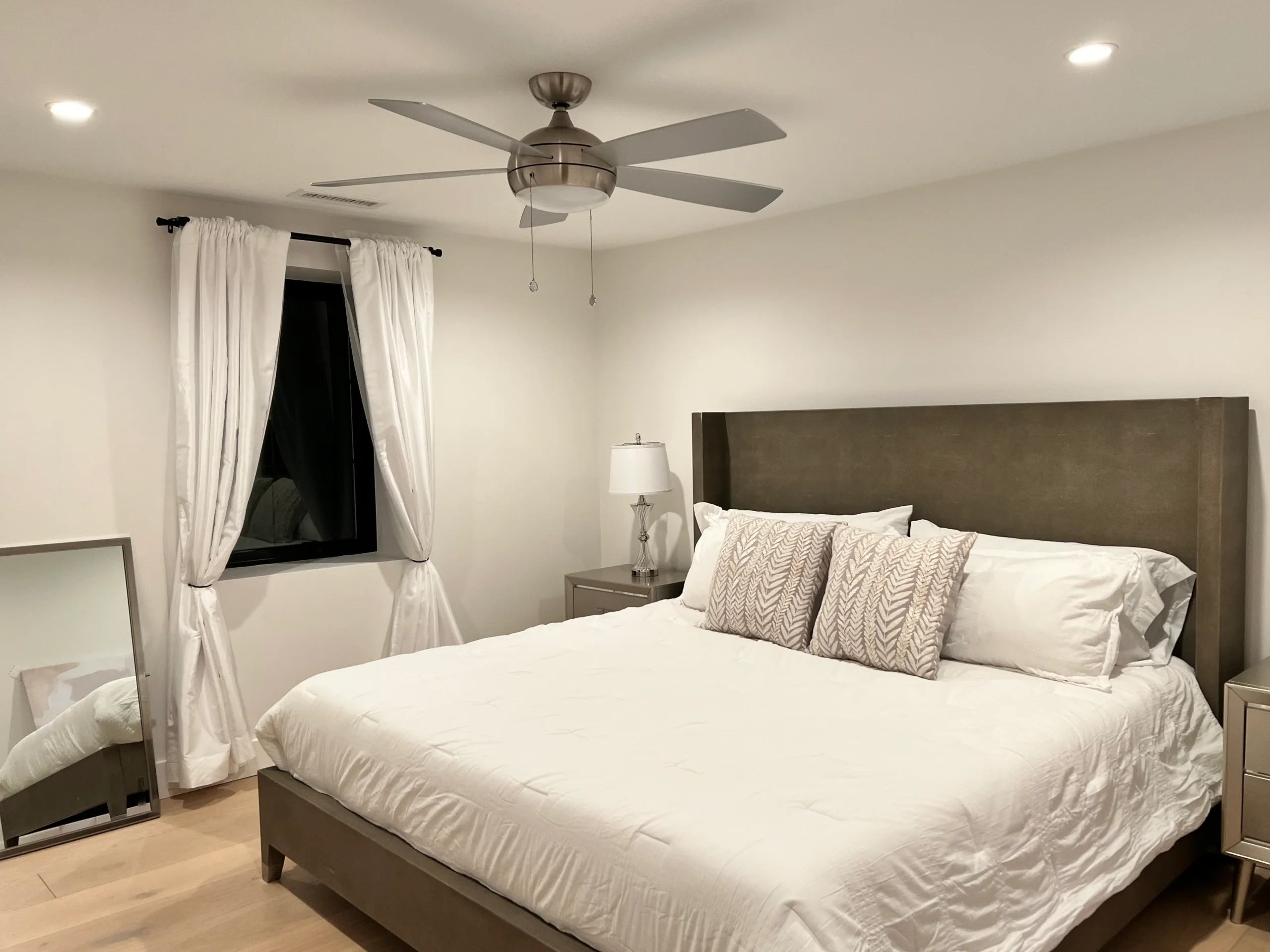
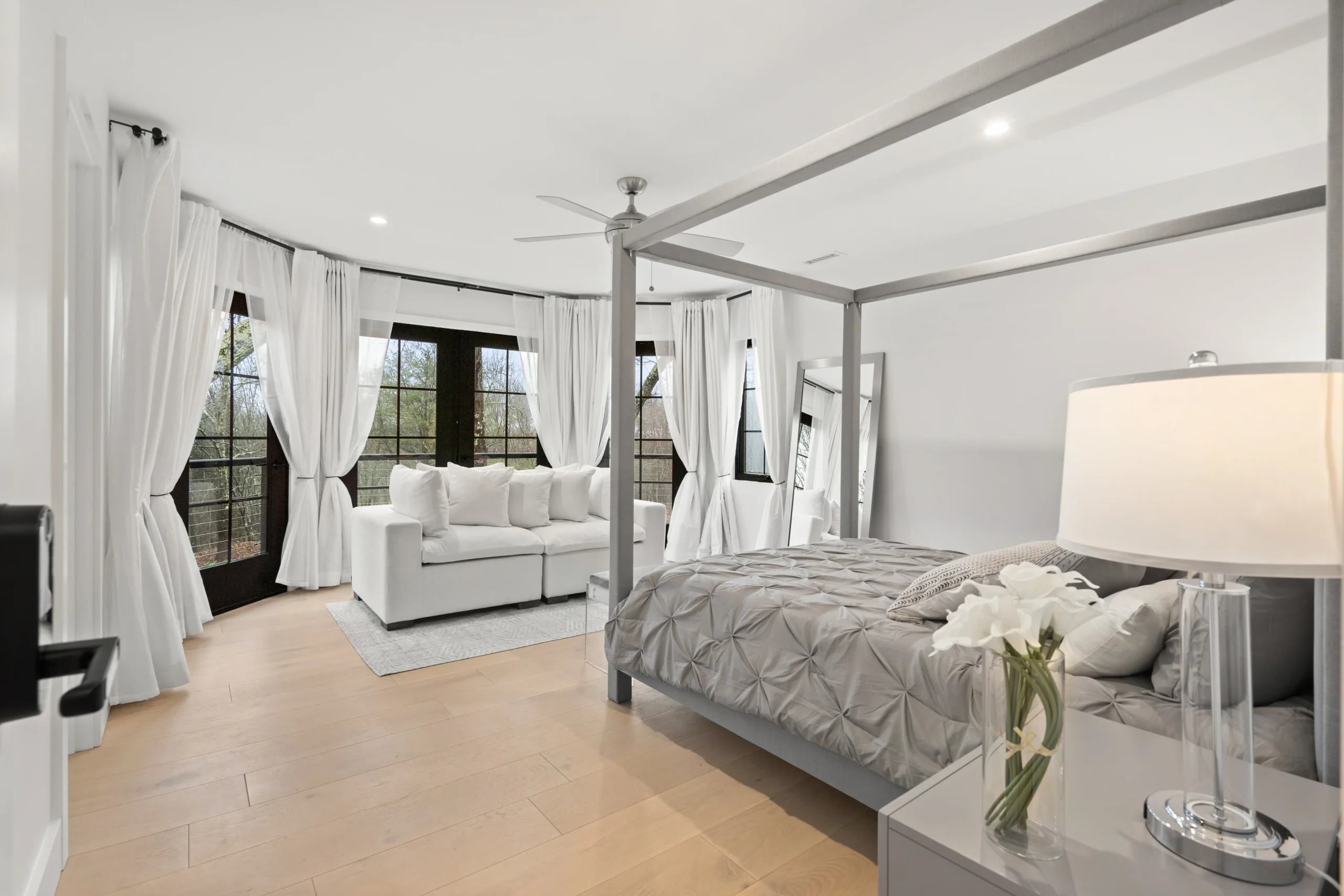
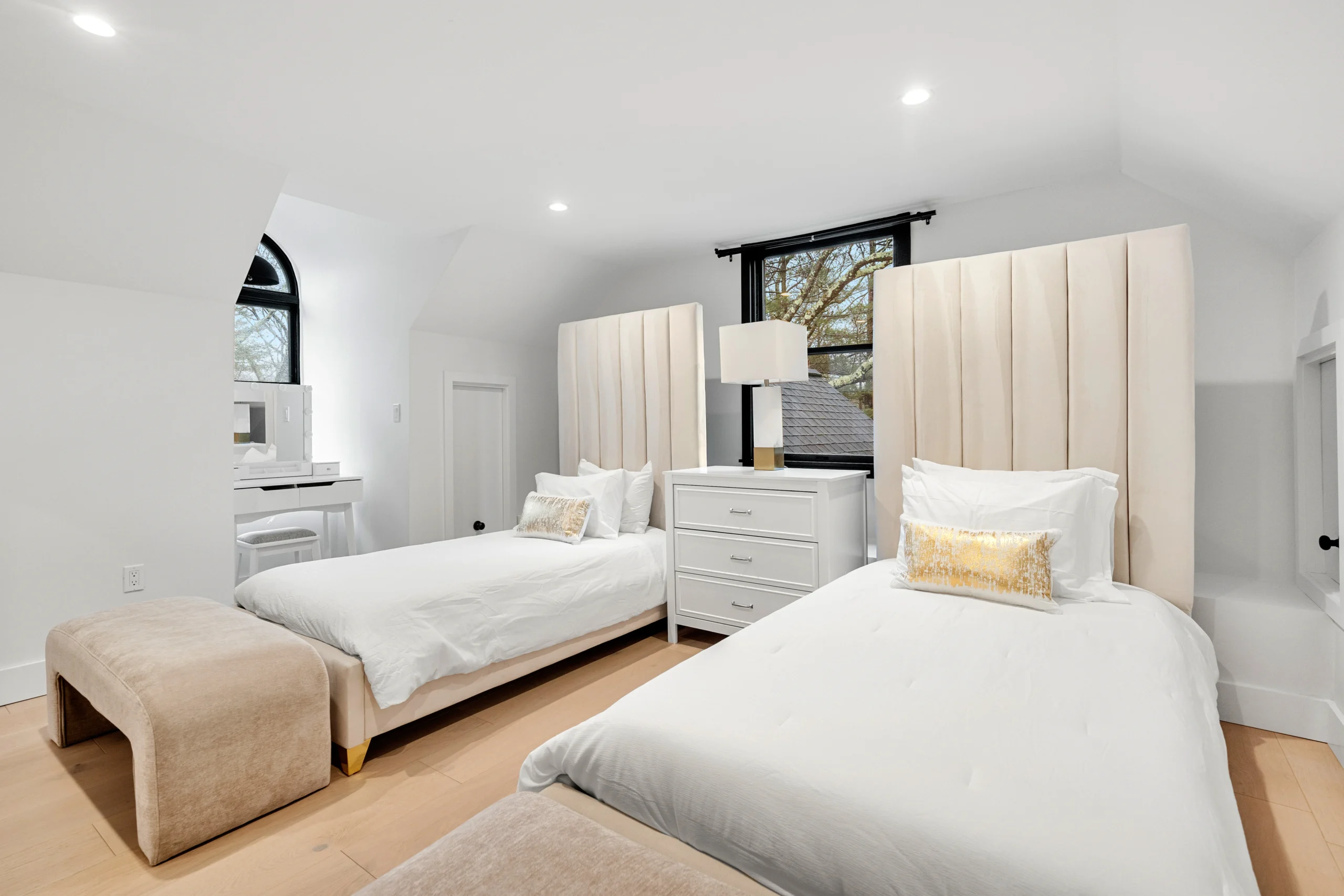
The Charles Chateau offers 11 private acres and an 8,000-square-foot estate with eight bedrooms, located approximately 20 minutes from downtown Boston. The setting brings seclusion without removing the team from Boston’s business ecosystem. Leaders can reach the city when a meeting or connection requires it, then return to a more contained environment for strategy and reflection.
Single-unit control also gives planners greater command over the rhythm of the retreat. The team can move between shared discussion, private conversations, meals, and informal breaks without navigating public lobbies or coordinating around unrelated guests. For an executive retreat, that continuity supports a more deliberate use of time and helps preserve the tone of the gathering.
For a closer look at the setting and its fit for leadership work, explore the executive retreat venue near Boston.
Concierge service built into the experience
Exclusivity is not only a matter of square footage. The planning and hosting experience should feel equally considered. At The Charles Chateau, concierge service is inclusive of the rental. That structure places support within the experience from the outset, rather than treating it as a separate add-on to arrange after the venue has been selected.
For leadership teams and their planners, this can create a more seamless retreat. Attention can remain on the group’s objectives while arrival details, the flow of the stay, and other practical considerations receive thoughtful coordination. The service is tailored to the occasion, with an understated approach that respects the privacy of the people in the room.
This format is particularly well suited to corporate retreats where discretion, proximity, and a high degree of control matter more than the scale of a conventional conference property. A private estate is not simply another lodging category. It is a setting designed around the team’s time, focus, and need for privacy.
What to Compare in a Corporate Retreat Venue Comparison Near Boston
The right venue should support the work your team needs to do, not simply provide an attractive setting. Compare each option against the decisions, conversations, and degree of focus your retreat requires. A disciplined review also makes it easier to distinguish between a shared hospitality property and a private setting with control over the full experience.
- Define the retreat objectives.
Start with the intended outcome. Is the team aligning on strategy, resolving a complex decision, welcoming new leaders, or strengthening relationships? A venue designed for large-scale programming may suit a presentation-heavy gathering, while a leadership retreat may need quieter rooms, flexible conversation areas, and space for informal exchange. Write the desired outcomes before comparing amenities.
- Size your team and space needs.
Count participants, facilitators, overnight guests, and any support staff. Then consider how the group will use the property throughout the day: plenary discussions, private conversations, meals, breaks, and individual work. Capacity is not only a headcount. It is the difference between a room that technically fits and a setting that allows people to think and participate comfortably.
- Assess privacy and confidentiality needs.
Determine whether sensitive strategy, personnel, or financial discussions require control over who shares the building and grounds. In a hotel or conference center, other guests and public areas may shape the experience. A single-unit private estate can provide greater discretion by keeping the retreat environment reserved for one group.
- Set a budget framework without reducing the decision to price.
Establish the total scope of the engagement, including accommodation, meals, meeting requirements, transportation, activities, service, and any production support. Ask what is included and what would be coordinated separately. This gives stakeholders a reliable basis for comparison without relying on a fixed public rate that may not reflect the retreat’s actual requirements.
- Evaluate logistics and distance from Boston.
Review travel time from offices, airports, and arrival points, as well as parking, accessibility, room configuration, and local transportation. Proximity can preserve valuable working time, but a retreat should still feel distinct from an ordinary day at the office. The strongest options balance practical arrival with enough separation to encourage concentration.
- Match the venue type to the culture you want.
Choose a conference setting for structured scale, an inn for a more familiar hospitality model. Or a private estate when discretion, shared ownership of the environment, and a more personal rhythm matter most. Nature can also be a meaningful part of that choice. One academic source notes that Americans spend 87% of their lives indoors. A useful reminder to consider whether the setting gives the team genuine opportunities to step outside and reset: read the academic research.
Once these criteria are clear, compare venues by their ability to protect the retreat’s purpose. For teams seeking a private, tailored setting near the city, explore corporate retreats at The Charles Chateau.
Frequently Asked Questions
How much does a corporate retreat cost?
The cost depends on the venue type, number of attendees, length of stay, bedrooms required, meals, activities, and level of planning support. A meaningful comparison should assess the complete experience rather than a room or rental line item alone. For a private estate, request current availability and a tailored proposal instead of relying on fixed public pricing.
Are corporate retreats worth it?
They can be, when the agenda is designed around a clear outcome such as strategic planning, leadership alignment, or relationship building. The venue matters because privacy, comfort, and access to restorative surroundings can help a team stay focused. The strongest retreat combines purposeful sessions with enough unstructured time for trust and conversation.
What should be included in a corporate retreat venue?
Look for the right combination of private meeting space, comfortable accommodations, reliable connectivity, dining support, appropriate gathering areas, and a clear plan for logistics. For executive groups, discretion and single-unit control may be as important as capacity. Concierge support should be integrated into the experience so organizers can focus on the agenda rather than coordinating every detail.
What is the best type of corporate retreat for team building?
The best format depends on the team and its objective. A conference center can suit a larger group with formal programming, while a boutique inn may offer a more intimate setting. A private estate is often the stronger fit for leadership teams that need uninterrupted conversation, shared access to the property, and freedom from other guests or competing events. Choose the setting that supports the interactions you want to create, not simply the largest room available.
Ready to Plan a More Private Retreat?
The right setting can give your leadership team the privacy and focus needed for meaningful conversation. To explore whether a private estate fits your objectives, team, and preferred experience, request a private tour or consultation for your corporate retreat. The Charles Chateau team can discuss your vision and help shape a considered next step, with concierge guidance woven into the planning process.
For a seasonal team celebration, compare those considerations with this guide to a private corporate holiday party venue near Boston.