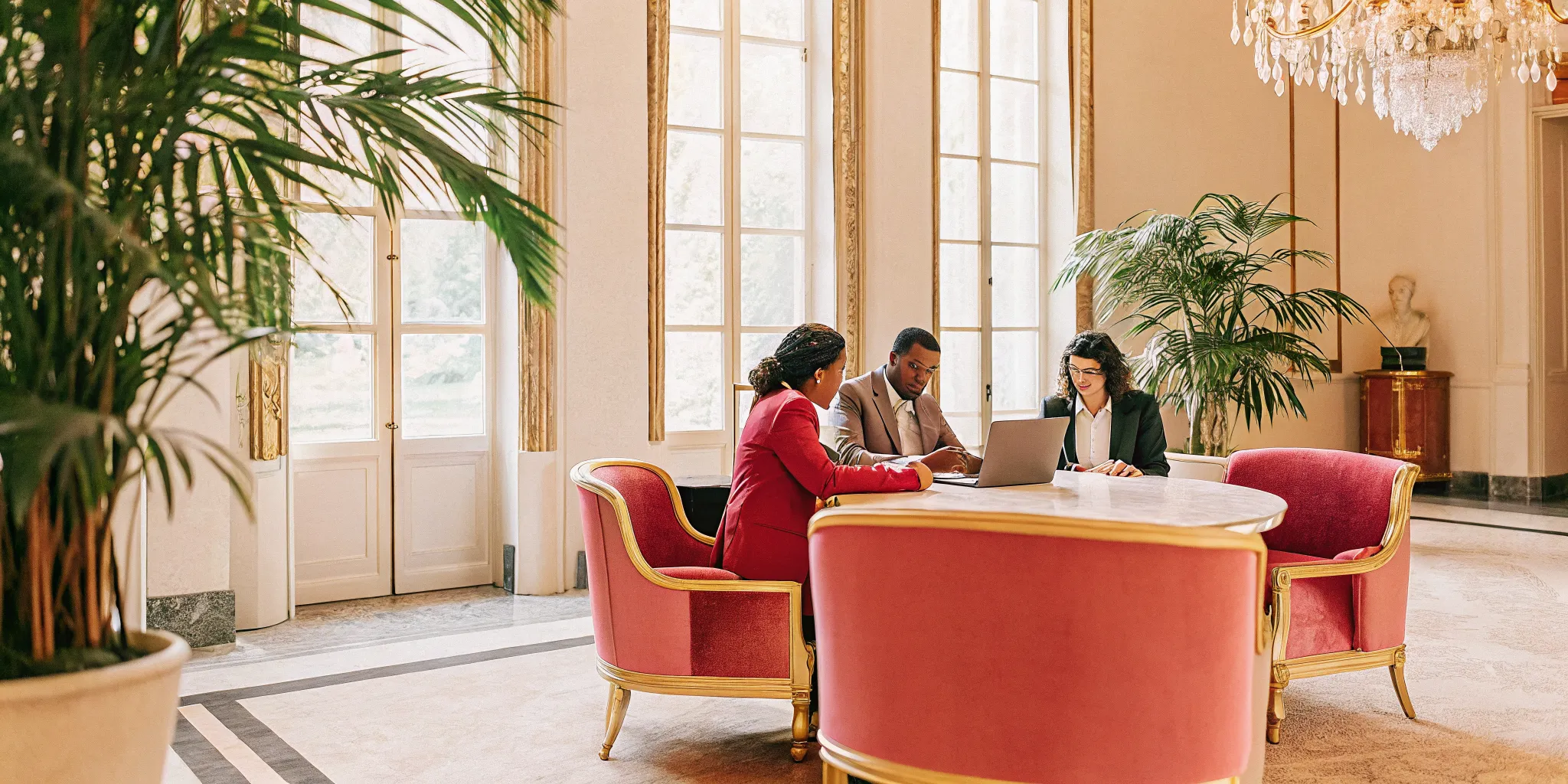
When a leadership team needs more than another hour on the calendar, changing the setting can change the quality of the conversation. A well-planned gathering away from the usual workplace creates room for strategic thinking, candid discussion, and the kind of connection that is difficult to build between daily obligations.
Put simply, what is a corporate offsite? It is a planned gathering held away from an organization’s normal workplace, typically designed to focus on strategy, strengthen team alignment, and step back from routine tasks.
The most effective offsites are not defined by elaborate activities or a crowded agenda. They bring the right people together with a clear purpose, a considered balance of focused work and restorative time, and an environment that protects privacy. For leaders planning an experience near Boston, our guide to an executive retreat venue near Boston offers additional perspective on choosing a setting that supports meaningful work. First, it helps to clarify what an offsite is meant to accomplish.
What Is a Corporate Offsite?
A corporate offsite is a work-related gathering held away from a company’s usual office or workspace. It gives a team dedicated time and a distinct setting for focused collaboration, strategic discussion, and relationship building. Rather than treating the day as a sequence of routine meetings, leaders design an offsite around a defined purpose and the outcomes they want the group to achieve.
The purpose goes beyond the daily agenda
Daily meetings typically address immediate operational matters, project updates, and short-term decisions. An offsite creates room to step back and consider broader priorities, team dynamics, and the way an organization works together. Common goals include improving productivity, strengthening relationships across a team, and encouraging creativity that may be constrained by familiar routines or virtual settings. For leadership groups, that can mean clarifying priorities, testing assumptions, or aligning around a longer-term direction.
Formats can be simple or highly structured
There is no single format for a corporate offsite. It may be a focused, single-day gathering for a department or leadership team, or a multi-day program that combines strategic work with training and broader organizational alignment. The appropriate length depends on the objectives and agenda. A shorter schedule can suit a concentrated planning session, while additional time allows participants to work, dine, and reset without compressing every conversation.
What happens during an offsite?
Most offsites combine several elements:
- Work sessions: Strategy discussions, planning workshops, presentations, and decision-making conversations.
- Team-building activities: Thoughtful experiences that encourage trust, communication, and a stronger understanding of colleagues.
- Unstructured time: Meals, informal conversation, and quiet space to restore attention between sessions.
The balance matters. A productive offsite should have enough structure to move important work forward, while leaving space for conversations that do not fit neatly on a meeting agenda. For small executive teams, a private estate can provide an ideal corporate offsite setting, bringing focused work and restorative surroundings together without the interruptions of a conventional workplace.
How a Corporate Offsite Differs from a Conference or Team Meeting
Understanding what is a corporate offsite becomes easier when you compare it with the gatherings it is most often confused with. An offsite is a deliberately designed working session away from the usual workplace. Its value comes from creating enough distance, time, and privacy for meaningful strategic work, not simply relocating a routine meeting.
| Aspect | Corporate Offsite | Conference | Team Meeting |
|---|---|---|---|
| Purpose | Align leaders or teams around strategy, priorities, culture, and decisions that shape the next 6 to 18 months. | Share ideas, training, or industry perspectives with a broad audience. The program is generally less tailored to one organization’s strategic choices. | Handle operational updates, immediate decisions, and short-term issues within an existing team or department. |
| Duration | Usually a focused full day or a multi-day agenda, with room for work sessions, reflection, and relationship-building. | Often runs across one or more scheduled program days, with sessions moving according to the event timetable. | Typically brief and recurring, from a short check-in to a scheduled working session. |
| Attendees | A selected leadership group, department, or cross-functional team, often small enough for candid discussion. | A larger, more varied audience that may include people from multiple companies, functions, or industries. | The immediate team and necessary stakeholders, usually with a defined operational role. |
| Outcomes | Clearer direction, shared commitments, strategic decisions, and stronger working relationships. | Learning, professional connections, and exposure to perspectives beyond the organization. | Assigned actions, status updates, issue resolution, and near-term coordination. |
The distinction is more than semantic. A conference can inspire, while a team meeting can keep work moving; an offsite is designed to change how the team moves forward. Its in-person setting can also support more direct collaboration. One cited comparison reports that a face-to-face request is 34 times more successful than an email, though results will vary by context. For leaders planning a strategic gathering, the offsite format creates the time and setting to turn discussion into aligned action.
Source for the 6-to-18-month strategic horizon and face-to-face comparison.
The Business Case for Holding an Offsite Annually
An annual offsite is not simply a change of scenery. It is a deliberate investment in the conversations, decisions, and relationships that are difficult to develop between routine meetings and remote calls. When the gathering has a clear purpose, it gives leadership and teams protected time to step back from immediate demands and make meaningful progress together.
Strengthening Strategic Alignment
Day-to-day management meetings tend to address immediate issues. An annual offsite creates room for a longer view, including the organization’s vision, priorities, and operating behaviors over the next 6 to 18 months. That distinction matters. Teams can test assumptions, clarify trade-offs, and leave with a shared understanding of what matters most and how decisions will be made.
In-person discussion can also move important decisions forward more effectively than another email thread or video call. One cited comparison found that a face-to-face request was 34 times more successful than an email. That figure should not be treated as a universal business formula, but it illustrates the value of direct conversation when a team needs commitment, candor, and follow-through. A well-designed offsite turns strategic priorities into a collective responsibility rather than a series of disconnected updates.
Building Team Cohesion Beyond Virtual Walls
Remote and hybrid work offer flexibility, but virtual interaction does not always produce the same level of engagement or idea generation. Research cited by Convene indicates that remote employees may be less engaged and that virtual meetings can yield fewer ideas. Separate findings also suggest that meeting virtually can impede creativity. These limitations are especially relevant when a team is solving an unfamiliar problem or needs to challenge established thinking.
Annual gatherings provide an intentional opportunity to rebuild context around colleagues: how they approach decisions, where they need support, and what they are trying to achieve. The resulting familiarity can make future collaboration more candid and efficient. Convene describes offsites as a way to bring teams together in person, even less frequently, to enrich productivity, strengthen team dynamics, and foster creativity. For remote teams, that periodic investment may be the difference between a group that communicates regularly and one that works with genuine cohesion.
The most effective annual offsites balance strategic intensity with enough space for relationships to develop naturally. The objective is not more time away from work. It is better work when the team returns.
What Makes a Corporate Offsite Successful?
A successful offsite gives a leadership team enough distance from daily operations to think clearly, while preserving the structure needed to make meaningful decisions. The strongest programs are deliberate in both their business purpose and the environment surrounding it.
-
Set clear objectives before planning the details
Begin with the decisions, conversations, or outcomes the group needs to reach. An offsite might focus on strategic priorities, leadership alignment, succession planning, or a reset after a period of change. Define two or three primary objectives and share them with participants in advance. This keeps the agenda purposeful and gives the facilitator a clear standard for what belongs in the room.
-
Build a balanced agenda
Strategic intensity is valuable, but it should not fill every hour. Allow space for focused work sessions, informal conversation, shared meals, and genuine downtime. Restorative time helps participants return to complex discussions with greater attention and perspective. The balance should feel intentional rather than over-programmed. For practical inspiration, explore these leadership offsite ideas and select only those that support the objectives of your gathering.
-
Choose a venue that protects privacy and focus
For executive teams, privacy is often the highest priority. The setting should allow sensitive discussions to remain discreet, without the interruptions and visibility associated with a conventional conference environment. It should also offer enough room for the group to move naturally between formal sessions and quieter moments. A private estate set across 11 acres, for example, can create separation from daily demands while keeping the experience considered and cohesive.
-
Include professional facilitation or concierge support
Even a well-planned agenda benefits from experienced support. A professional facilitator can guide difficult discussions, protect the pace of the day, and ensure quieter voices are included. Concierge-level service addresses the surrounding details, from timing and hospitality to the practical needs of the group, so leaders can remain present for the work itself. This support should feel integrated into the experience, not added as an afterthought.
When objectives, pacing, privacy, and support work together, the offsite becomes more than time away from the office. It becomes a setting in which a team can think with greater clarity and leave with aligned next steps.
How to Choose the Right Venue for a Corporate Offsite
The venue shapes the quality of the conversation as much as the agenda does. When evaluating options, consider whether the setting protects confidentiality, supports focused work, accommodates the full group comfortably, and makes the experience feel effortless for both organizers and attendees.
- Location: Look for convenient access to a major urban hub without placing the team in a busy commercial environment. A venue near Boston, for example, can reduce travel friction while still offering meaningful separation from the office.
- Privacy: For executive teams, privacy is often the highest priority. Sensitive strategy discussions require a setting where the group controls the space, movement, and pace of the day.
- Capacity: Confirm that the property can support the group across meeting rooms, bedrooms, dining areas, and informal gathering spaces. A venue that feels crowded can undermine both concentration and connection.
- Amenities: The strongest corporate offsite venues support different modes of work, from structured presentations and planning sessions to quiet reflection, dining, and restorative time outdoors.
- Service: Hospitality should be seamless rather than intrusive. Concierge-level support allows organizers to focus on the purpose of the retreat instead of coordinating every operational detail.
Why a Private Estate Offers the Ideal Setting
A private estate can provide the balance many offsites need: enough formality for strategic intensity. With enough room for the team to step away and return with greater clarity. That balance matters when the purpose of the gathering extends beyond a series of meetings. Time together should create space for alignment, while the surroundings should allow people to reset between demanding discussions.
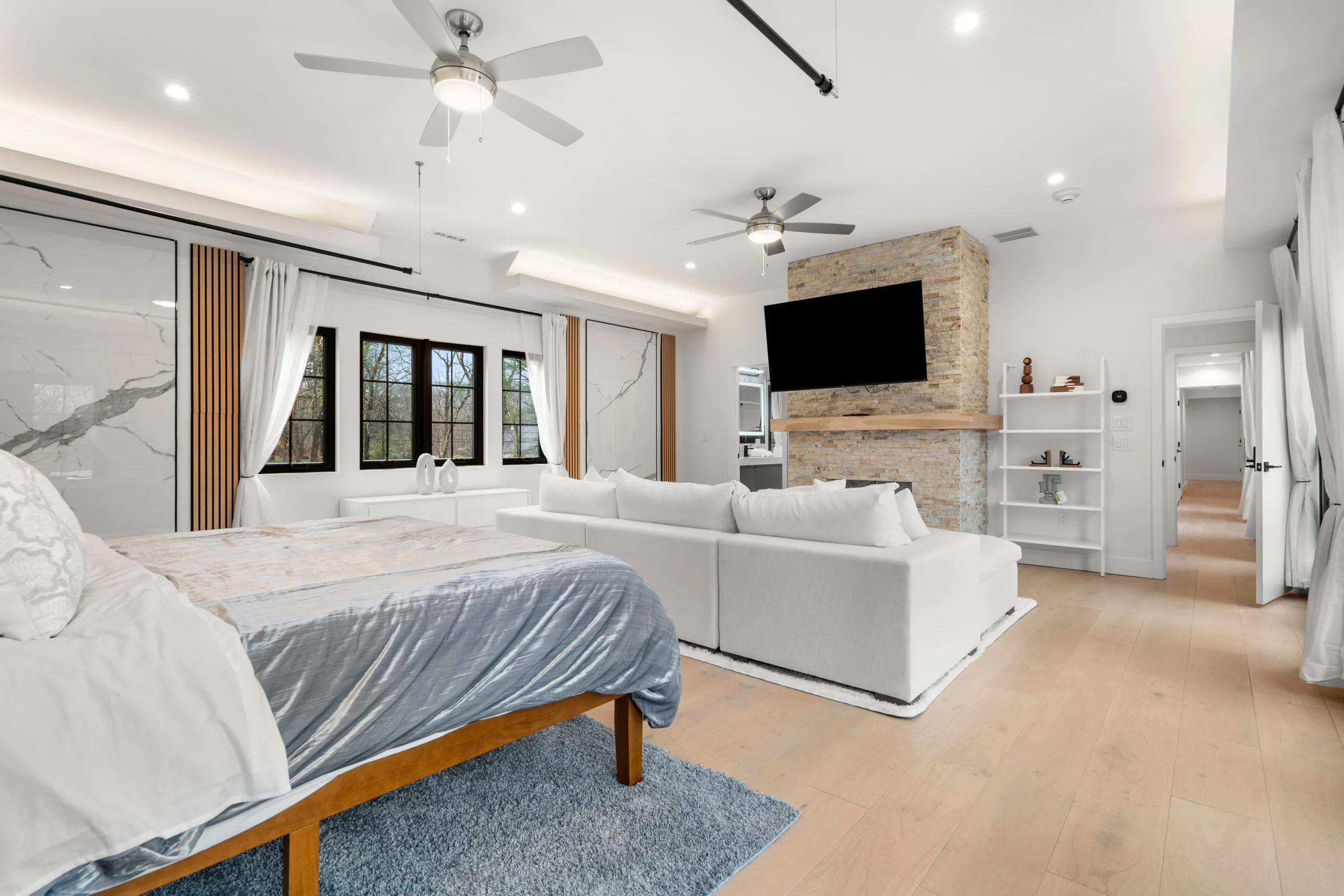
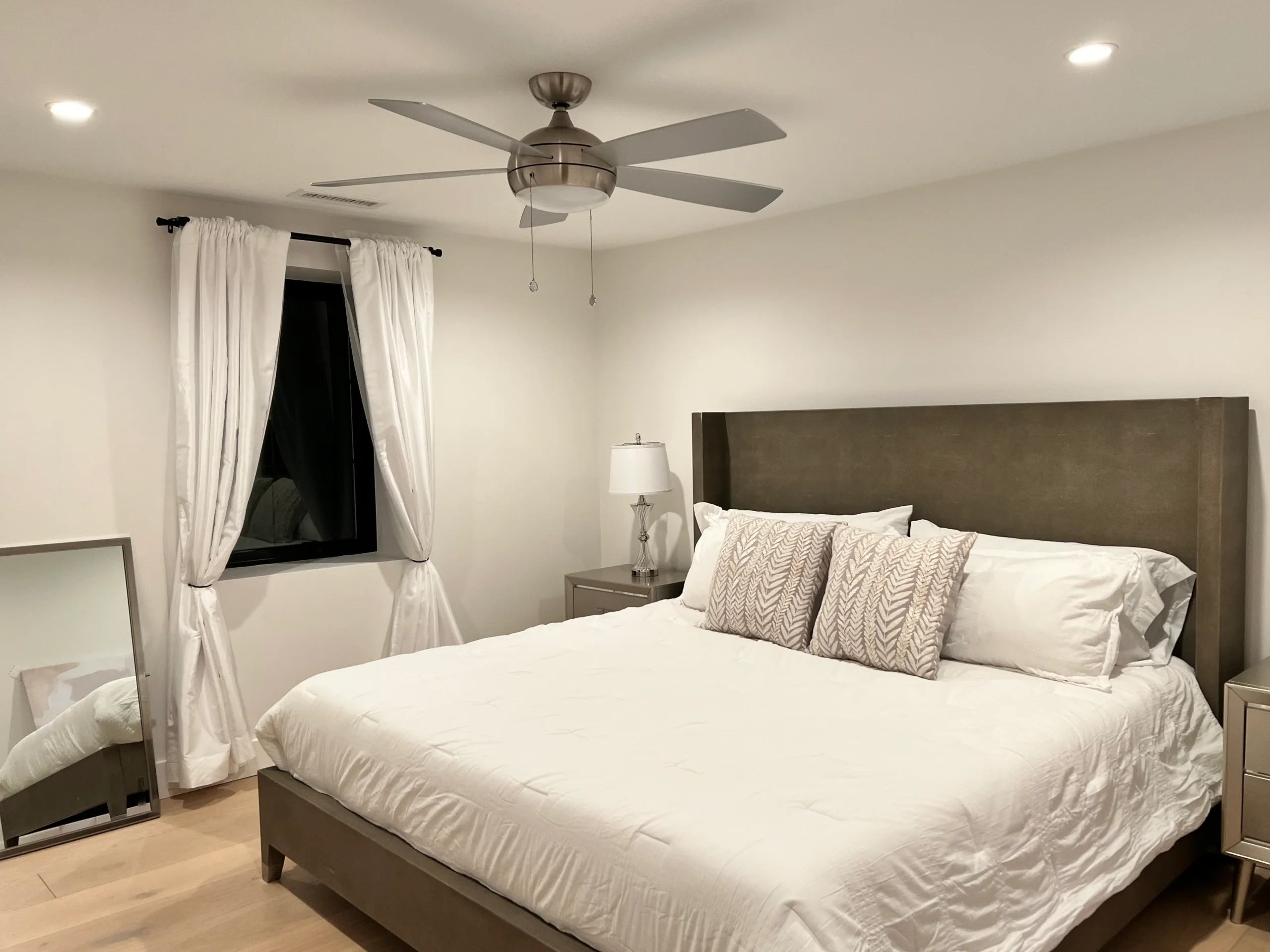
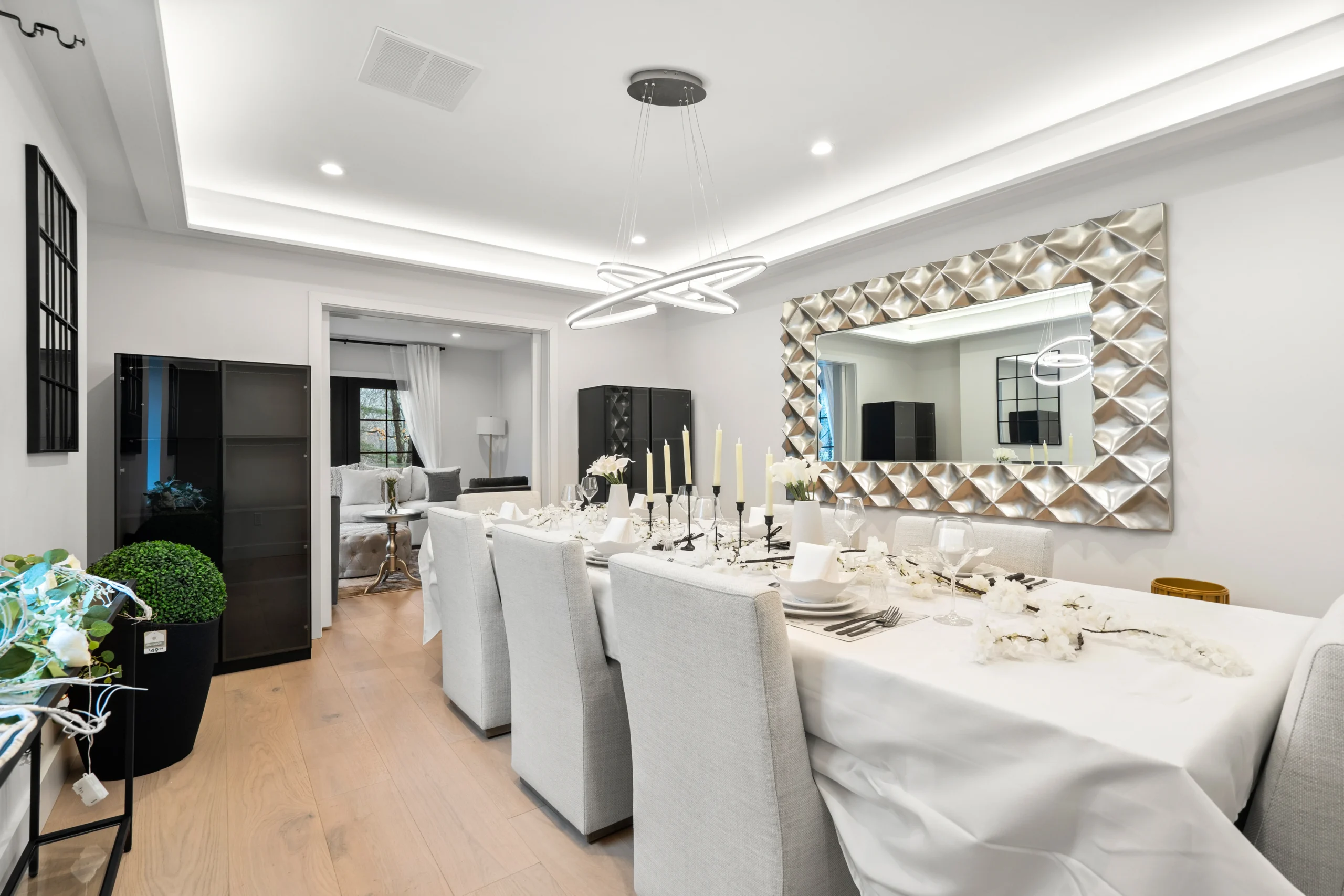
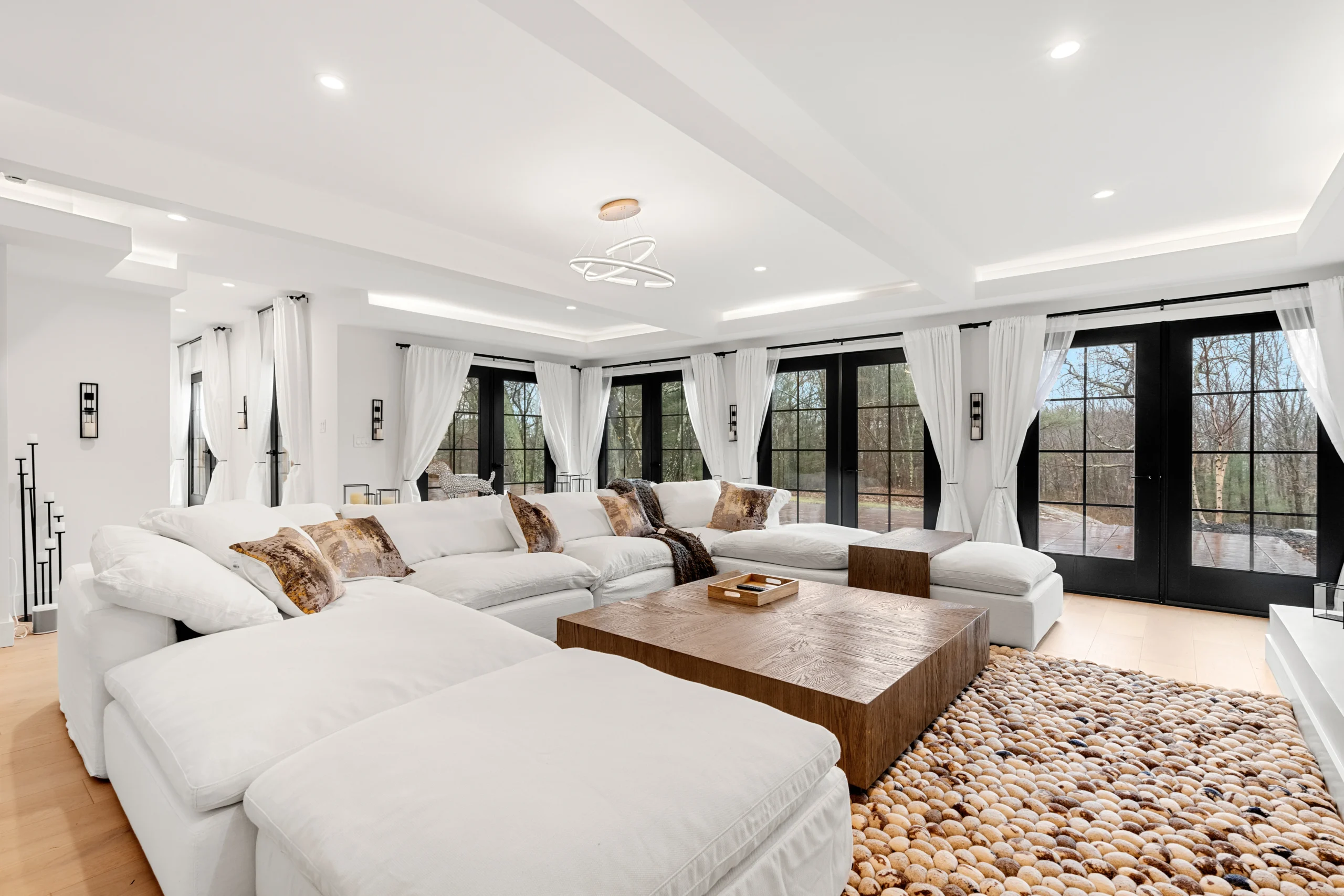
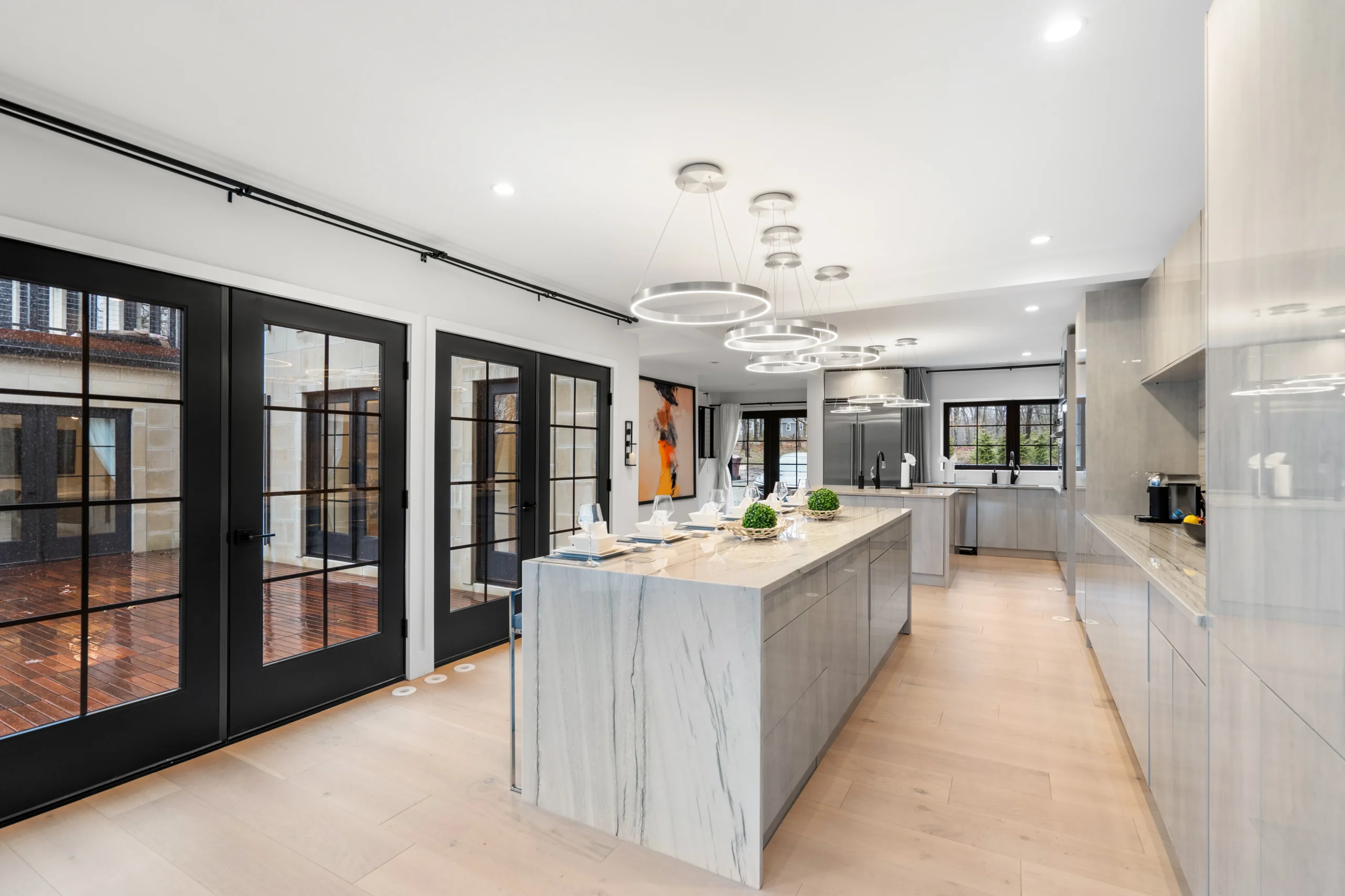
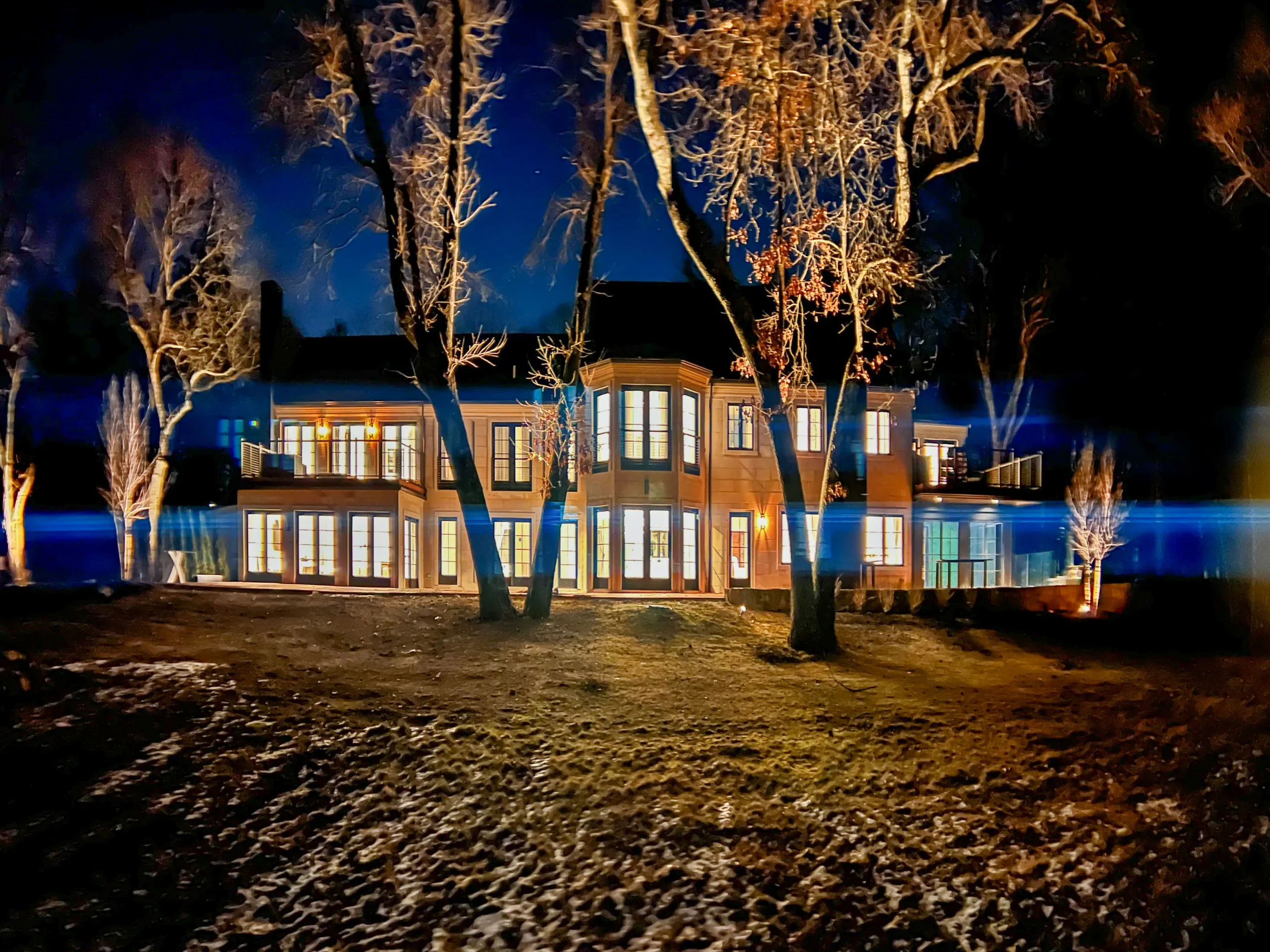
The Charles Chateau offers that combination in a setting designed for privacy. The estate sits on 11 acres, yet it is approximately 20 minutes from Boston. Its 8 bedrooms and 8,000 square feet give leadership teams room to work, dine, gather, and stay on site without dividing the experience across multiple locations. The property also includes concierge-level service as part of the premium experience, supporting a polished retreat without making the organizer manage the details.
For a more detailed framework for choosing a venue for your corporate offsite, consider how location, privacy, and service work together rather than evaluating each feature in isolation. Teams planning a more focused leadership gathering may also benefit from reviewing what to expect from a corporate offsite venue for leadership groups.
Frequently Asked Questions
What is a corporate offsite?
A corporate offsite is a planned gathering held away from a company’s usual workplace. It combines structured work, such as strategy sessions or leadership discussions, with time for colleagues to build stronger working relationships.
What are the main goals of a corporate offsite?
Common goals include aligning leaders around priorities, making space for long-range planning, improving communication, and strengthening trust across a team. The strongest offsites begin with a defined outcome rather than a full calendar of activities.
What activities are typical for a corporate offsite?
A well-planned agenda may include facilitated work sessions, planning exercises, small-group discussions, meals, and team activities. Quiet time and informal conversation also matter, particularly when participants need room to process decisions or connect outside their usual roles.
How long should a corporate offsite last?
The right length depends on the objectives, group size, travel requirements, and amount of work involved. A focused single-day gathering may suit a nearby team, while a multi-day format can provide more space for strategy, relationship building, and a measured pace.
Does a corporate offsite need to be held in a different city?
No. The venue needs to feel meaningfully separate from the normal workplace, but it does not need to be far away. A private setting close to the team can reduce travel demands while still creating the focus, discretion, and change of environment an offsite requires.
Ready to plan your corporate offsite?
A thoughtfully chosen setting can give your team the privacy and space to focus on meaningful work together. The Charles Chateau offers a composed environment for bringing your objectives, agenda, and guest experience into alignment. To inquire about hosting your corporate offsite, contact us through our inquiry page. Our team can learn more about your plans and discuss whether the estate is the right fit.