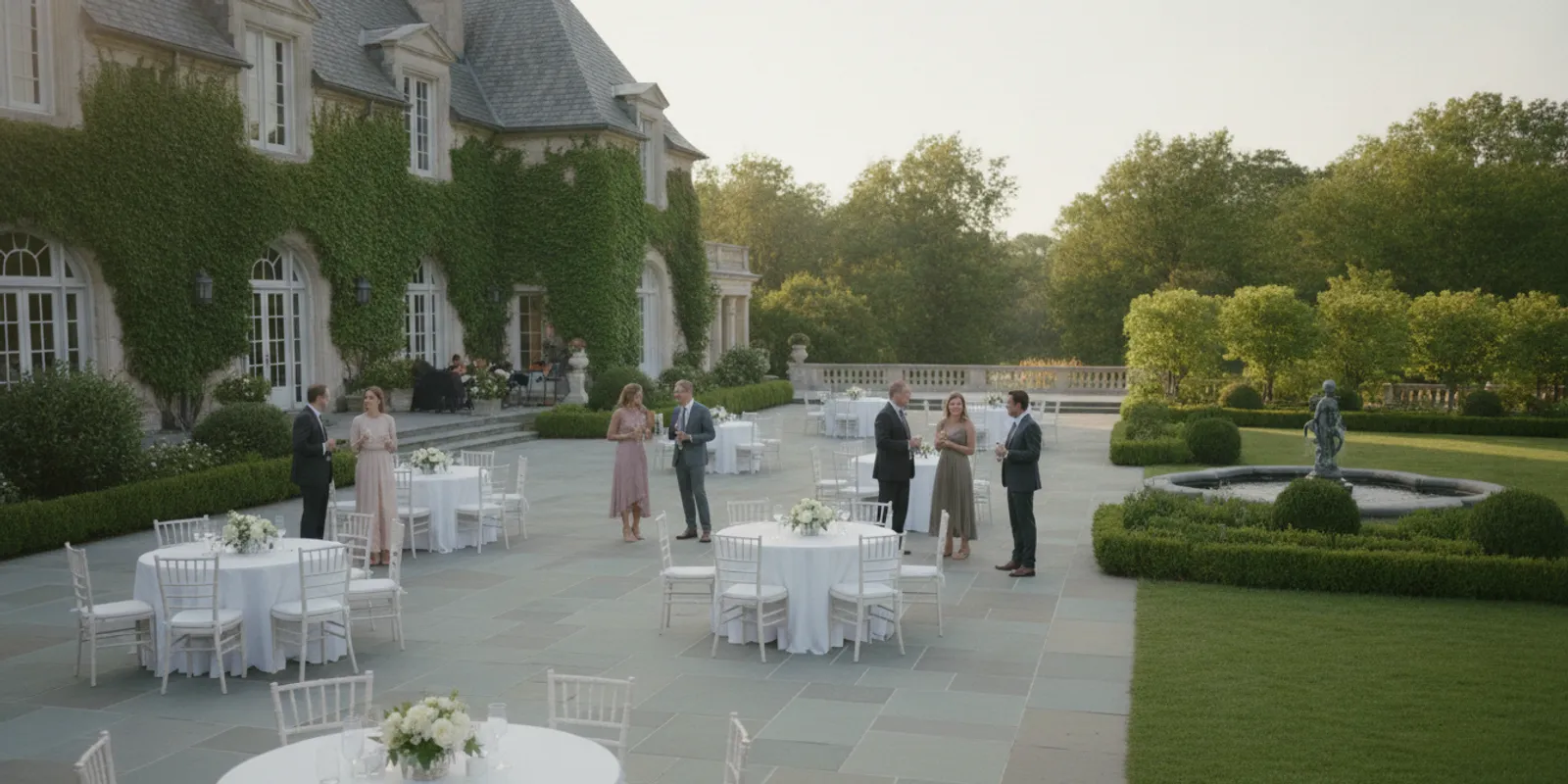
Choosing among Boston wedding venues is less about finding the most impressive room and more about finding a setting that lets your guests spend meaningful time together. A private estate can bring ceremony, celebration, and overnight gathering into one experience, while a hotel or public venue may suit a different scale or schedule. The right choice depends on how you want the day—and the time around it—to feel.
What kind of wedding experience are you planning?
Start by describing the gathering before comparing addresses. Is the venue needed for a ceremony and reception only, or do you want family and friends to share a weekend? Will the day center on a formal sequence, or should it leave room for long conversations, meals, and unhurried time together? A clear answer helps you compare venues on the experience they can support, not only on appearance.
Write down the essentials with your co-planner:
- Guest count: distinguish overnight guests from people attending the event only.
- Duration: note whether you need a single event day, a rehearsal gathering, or several nights together.
- Gathering style: consider a seated celebration, a relaxed reception, or a sequence of smaller moments.
- Travel pattern: map where guests are coming from and how easy it should be to reach the venue.
- Privacy: decide whether an exclusive setting matters for the tone of the occasion.
If the guest list spans generations or includes people traveling from different places, shared spaces and overnight arrangements may matter as much as the ceremony backdrop. For a broader planning framework, see this guide to choosing a private event venue.
How do Boston wedding venues differ?
Venue categories create different rhythms. A hotel may offer a familiar event format and guest rooms in one setting. A dedicated event venue can provide a purpose-built space for a defined schedule. A private estate offers a more residential atmosphere, often with the possibility of gathering in multiple areas and extending the occasion beyond the event itself. These are general distinctions; details vary by property, so confirm each item directly.
| Venue type | Often suited to | What to compare | Questions to ask |
|---|---|---|---|
| Hotel | Guests who value a familiar event structure and on-site lodging options | Room arrangements, event areas, guest movement, and how private the gathering feels | Are event spaces exclusive during your celebration? How do lodging and event plans connect? |
| Dedicated event venue | A celebration organized around a defined ceremony and reception schedule | Event flow, setup, access times, and which spaces are included | Can the venue accommodate the full sequence you have in mind? What needs separate coordination? |
| Private estate | A group seeking a residential setting and time together across several moments or days | Whole-property access, overnight capacity, indoor-outdoor flow, and event guest limits | Is the property reserved exclusively? How are overnight guests and day visitors counted? |
| Public garden or park | A ceremony or gathering shaped by an outdoor landscape | Site rules, weather plan, access, setup limits, and nearby reception arrangements | What permissions are required, and what alternatives are available if weather changes? |
Use this table as a first filter, not a promise about any particular venue. Ask for current policies and a written description of what the booking includes. A setting that looks right in photographs may not suit your group if the guest flow, access, or overnight plan does not align.
How should you compare privacy and access?
Privacy can shape the emotional character of a wedding weekend. At a shared property, other guests or events may be nearby. A whole-property arrangement can offer a more self-contained experience, though it is important to confirm what exclusive use means in practice: which rooms and outdoor areas are included, whether staff or vendors will be present, and who can access the grounds during your gathering.
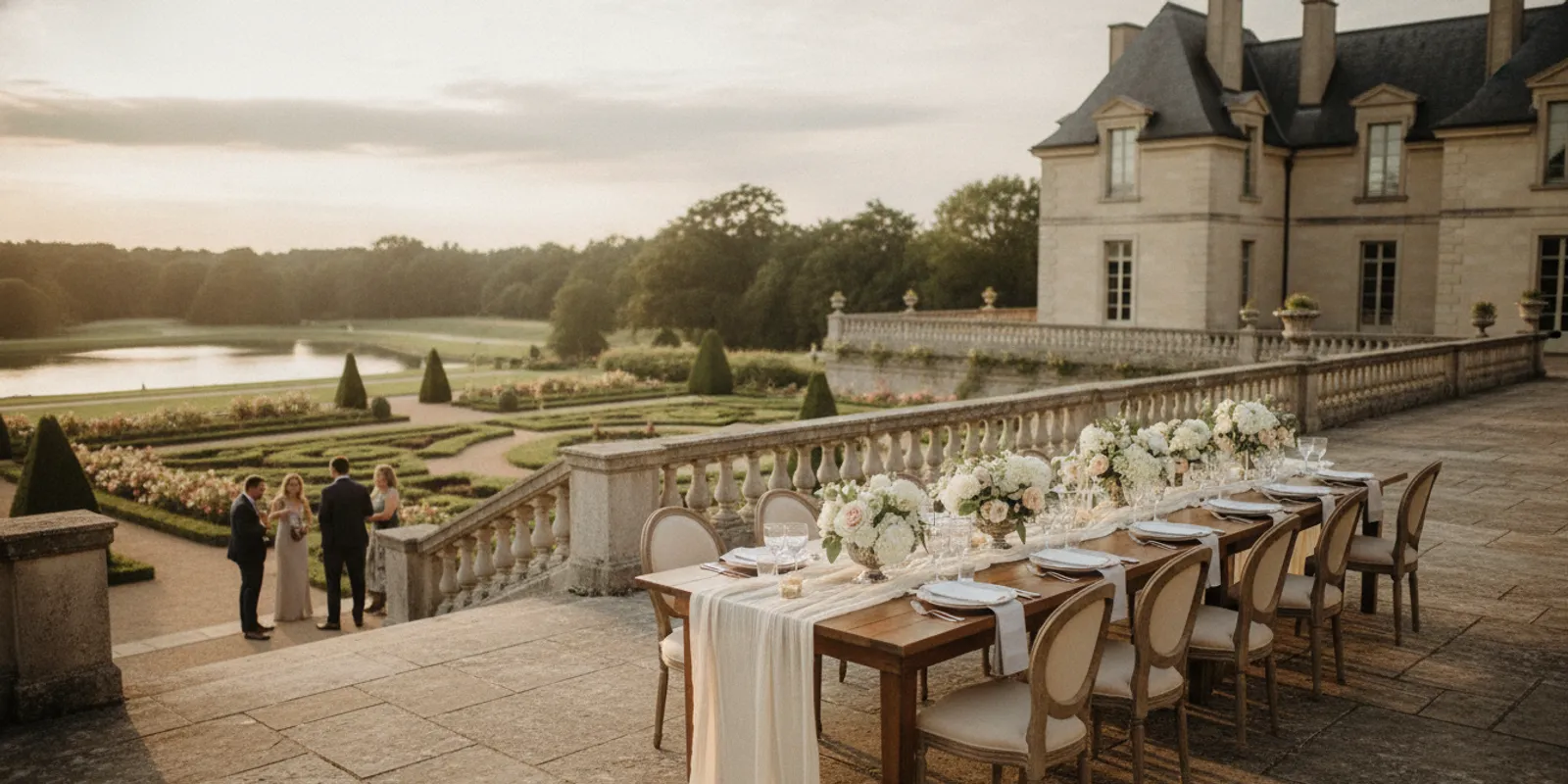
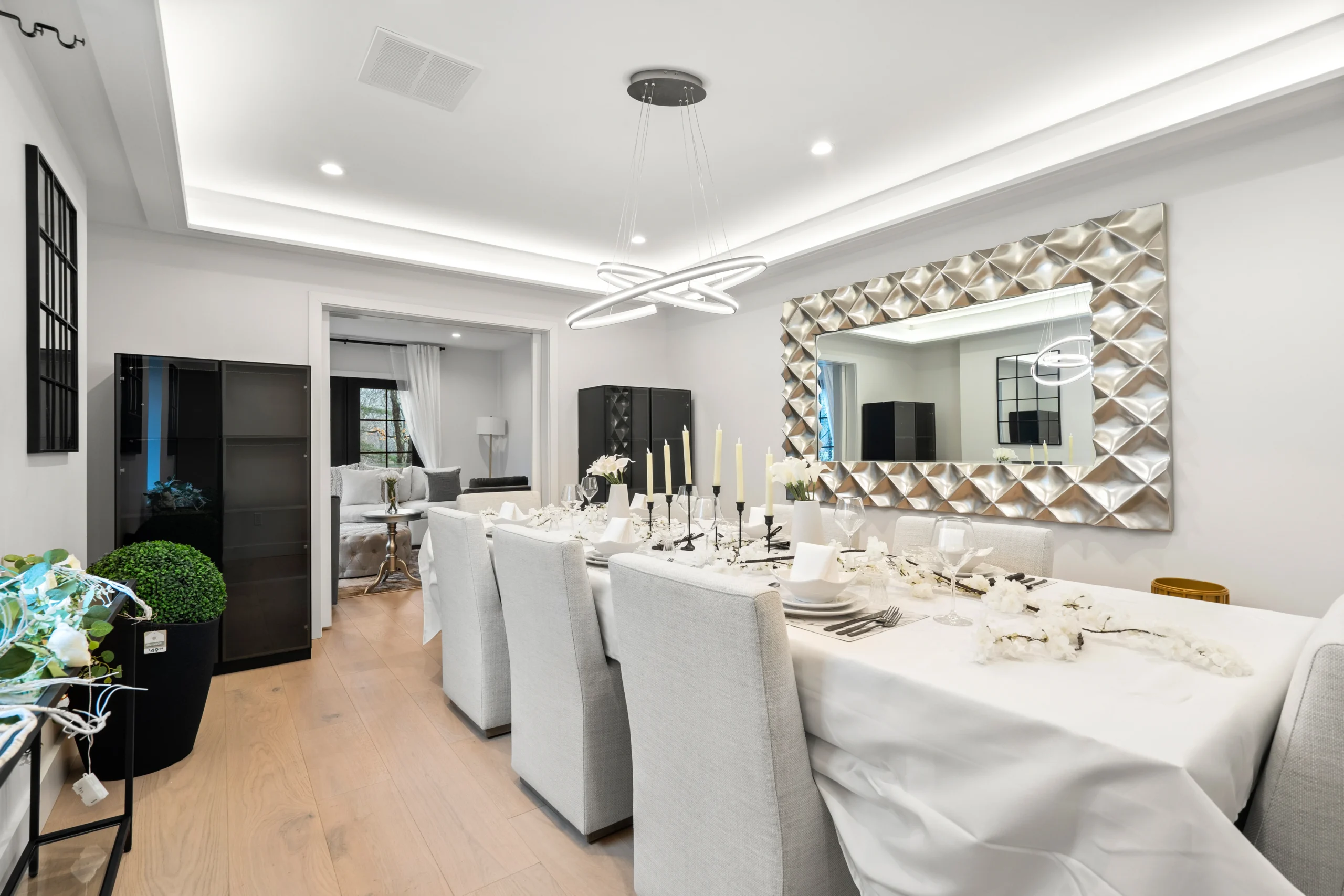
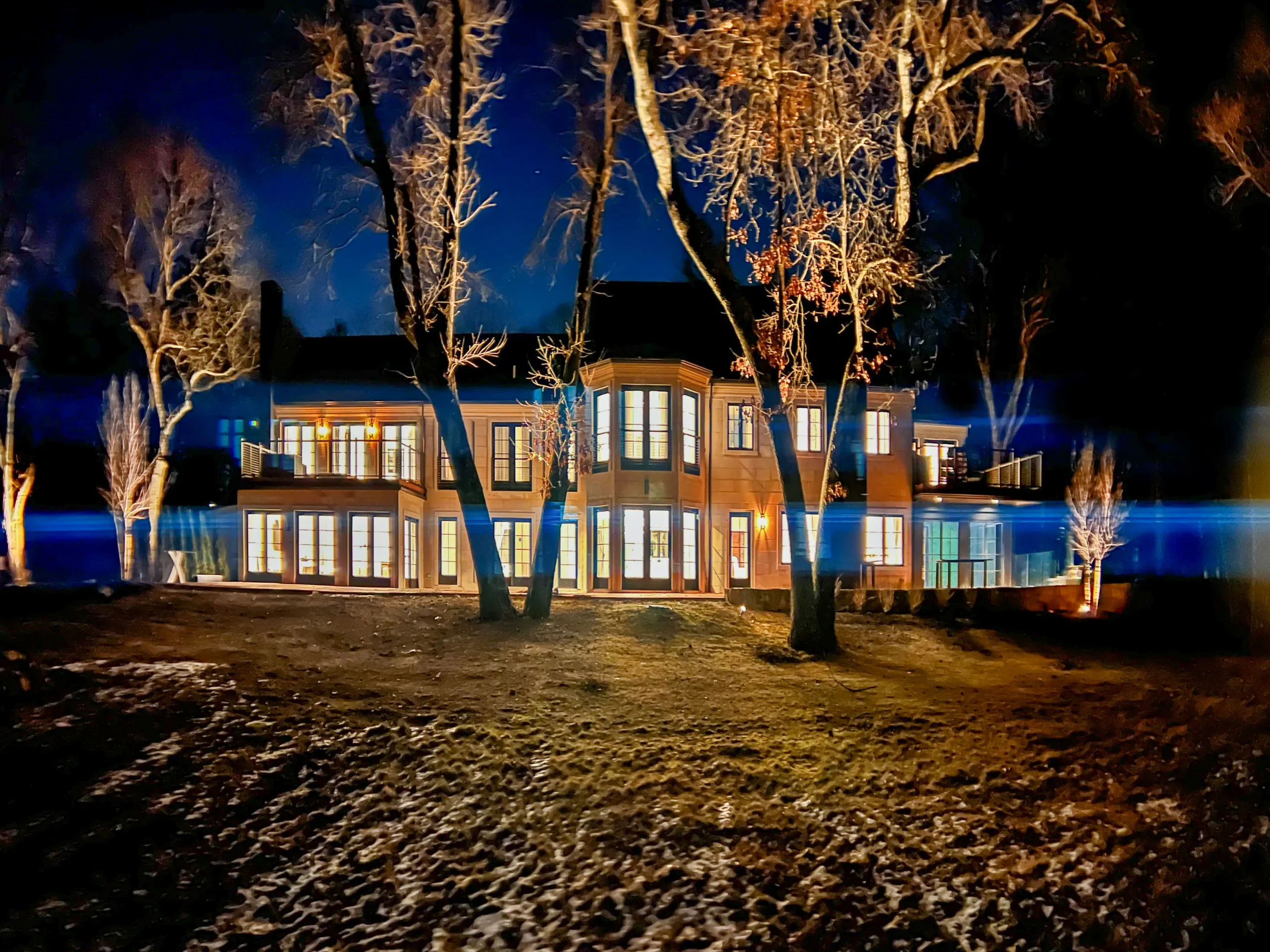
Location is the other side of that question. A destination-style setting can feel removed from daily routine, but extra travel can complicate arrival for relatives, vendors, and guests with limited time. A venue near Boston may make access simpler while still offering a quieter setting. The Charles Chateau describes its estate as an 8,000-square-foot property on 11 private acres, about 20 minutes from downtown Boston. If you are considering it, review the estate’s outdoor spaces and ask how they would fit your specific plan.
Check the practical details early: arrival windows, parking arrangements, accessibility, transportation options, and any restrictions on sound or outdoor use. Do not assume a venue’s distance from the city translates into a particular travel time for every guest. Share the address and expected schedule with key family members before making a final decision.
What does the guest experience look like from arrival to farewell?
Walk through the day as a guest would. Where do people first arrive? How do they move from welcome drinks to the ceremony, then to dinner and the evening? Where can someone step away for a quiet moment? If several generations are attending, consider whether people can participate comfortably without following a single continuous program.
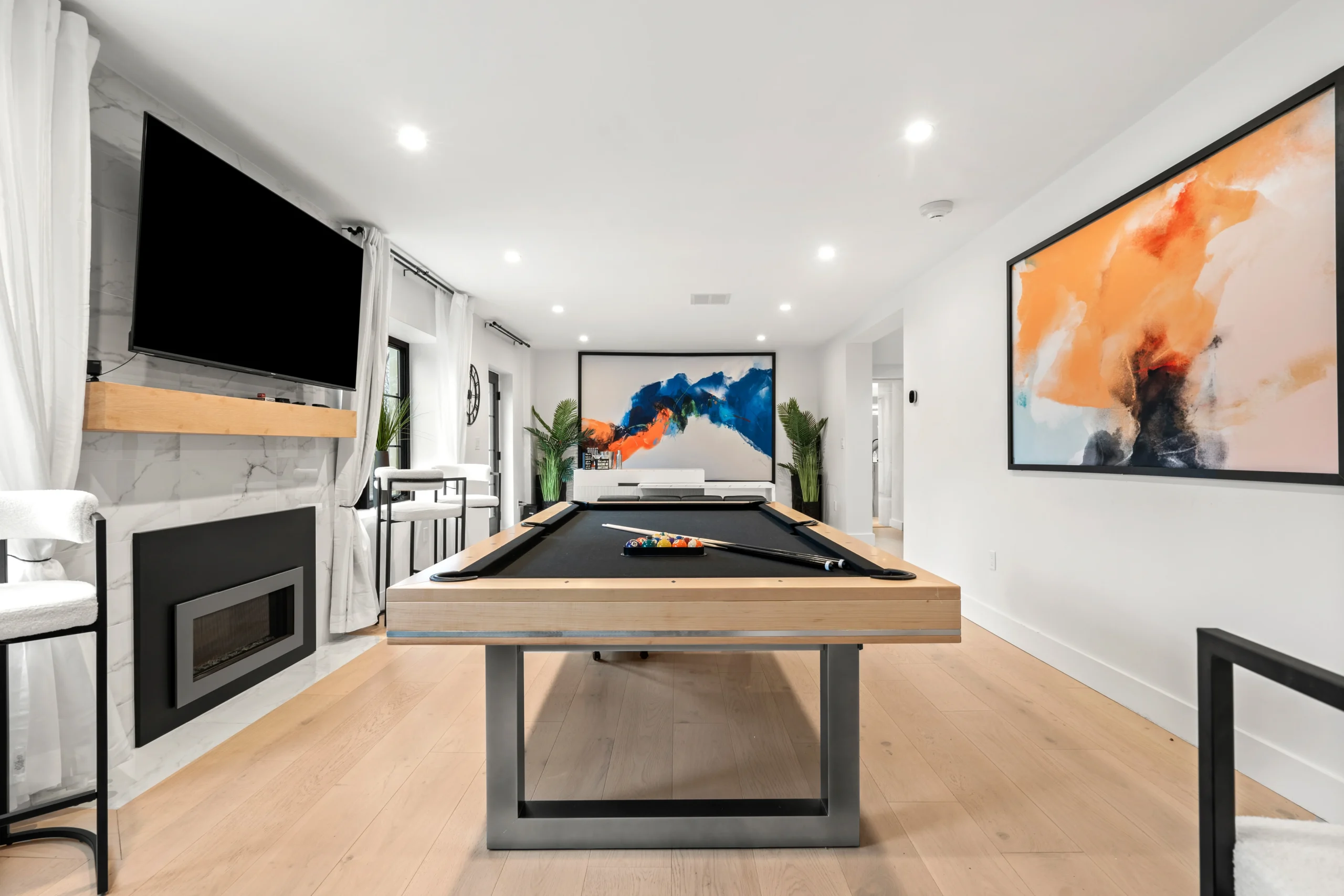
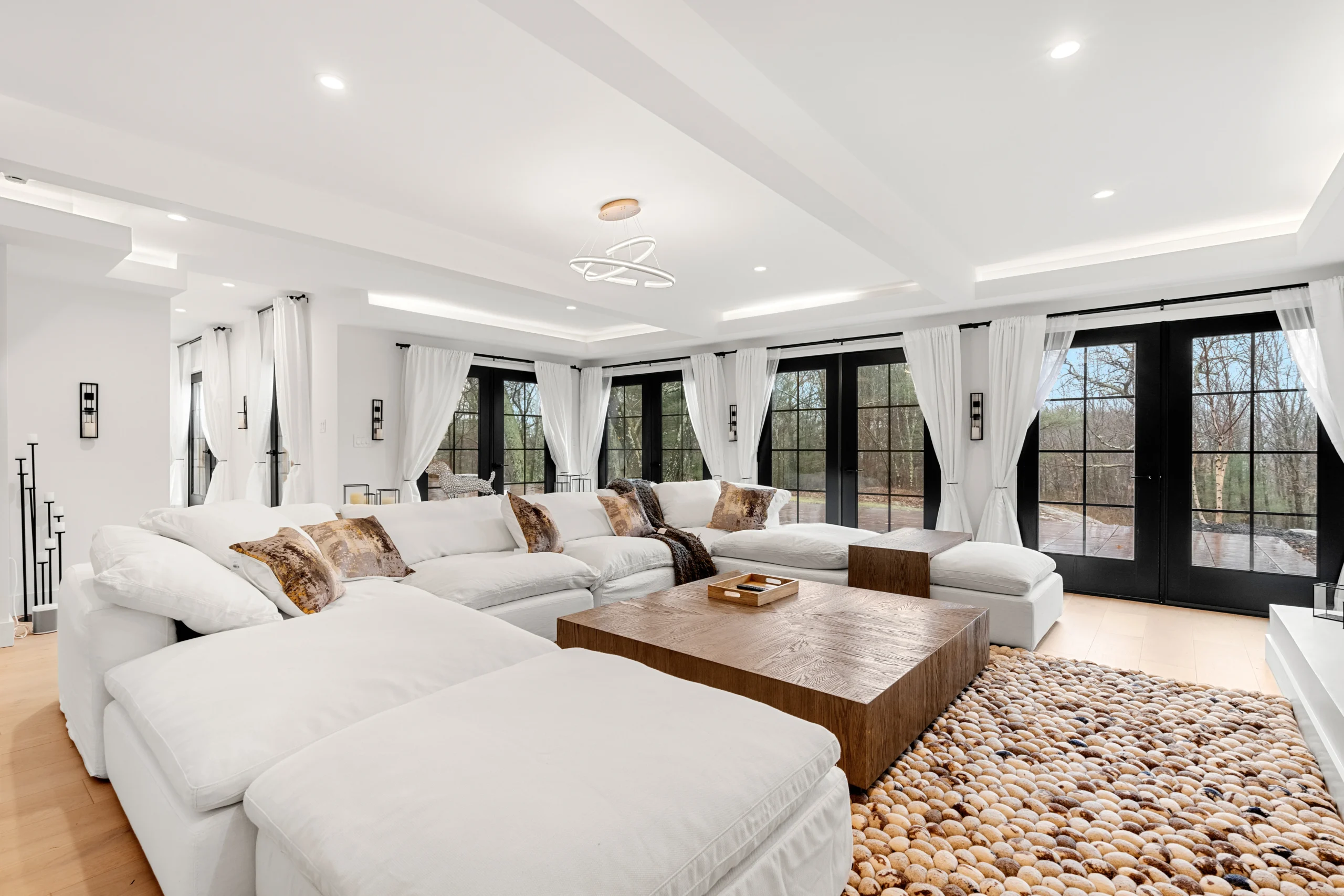
For an estate, the sequence might use a garden or lawn for one part of the day, an interior gathering area for another, and a terrace for time outdoors. That variety can make a multi-day occasion feel less like a series of room bookings. It also requires thoughtful coordination: ask about transition times, furniture, weather contingencies, vendor access, and which areas are available to guests.
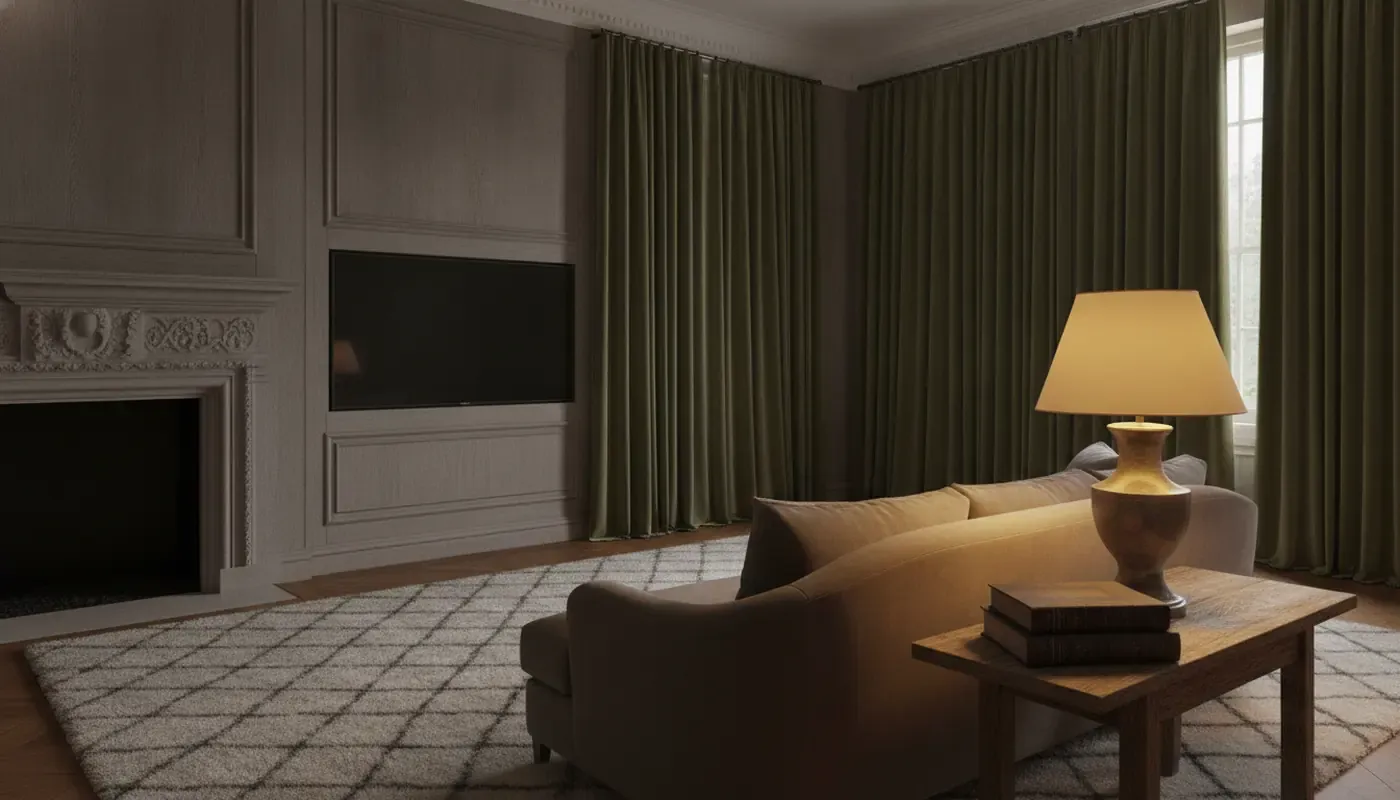
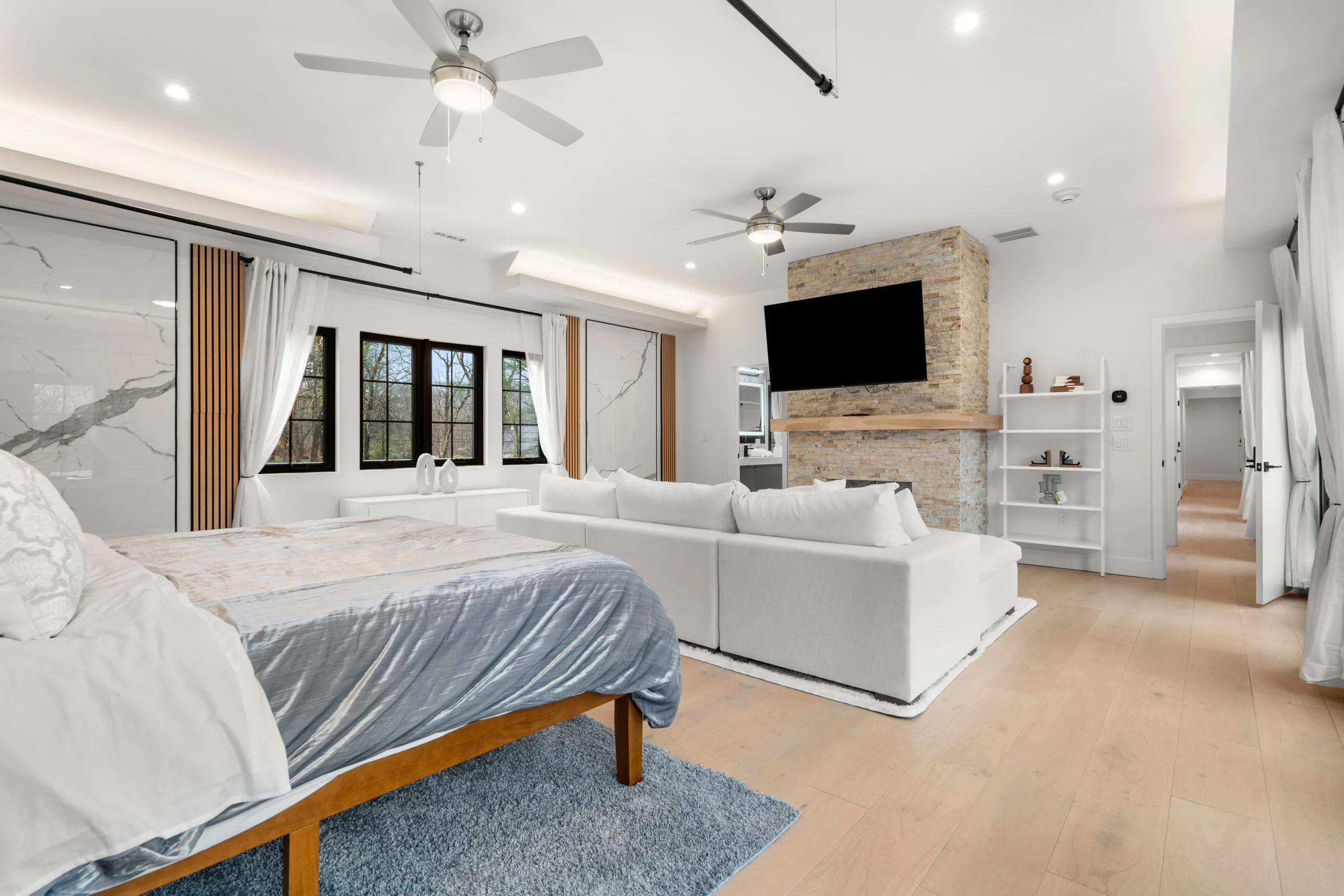
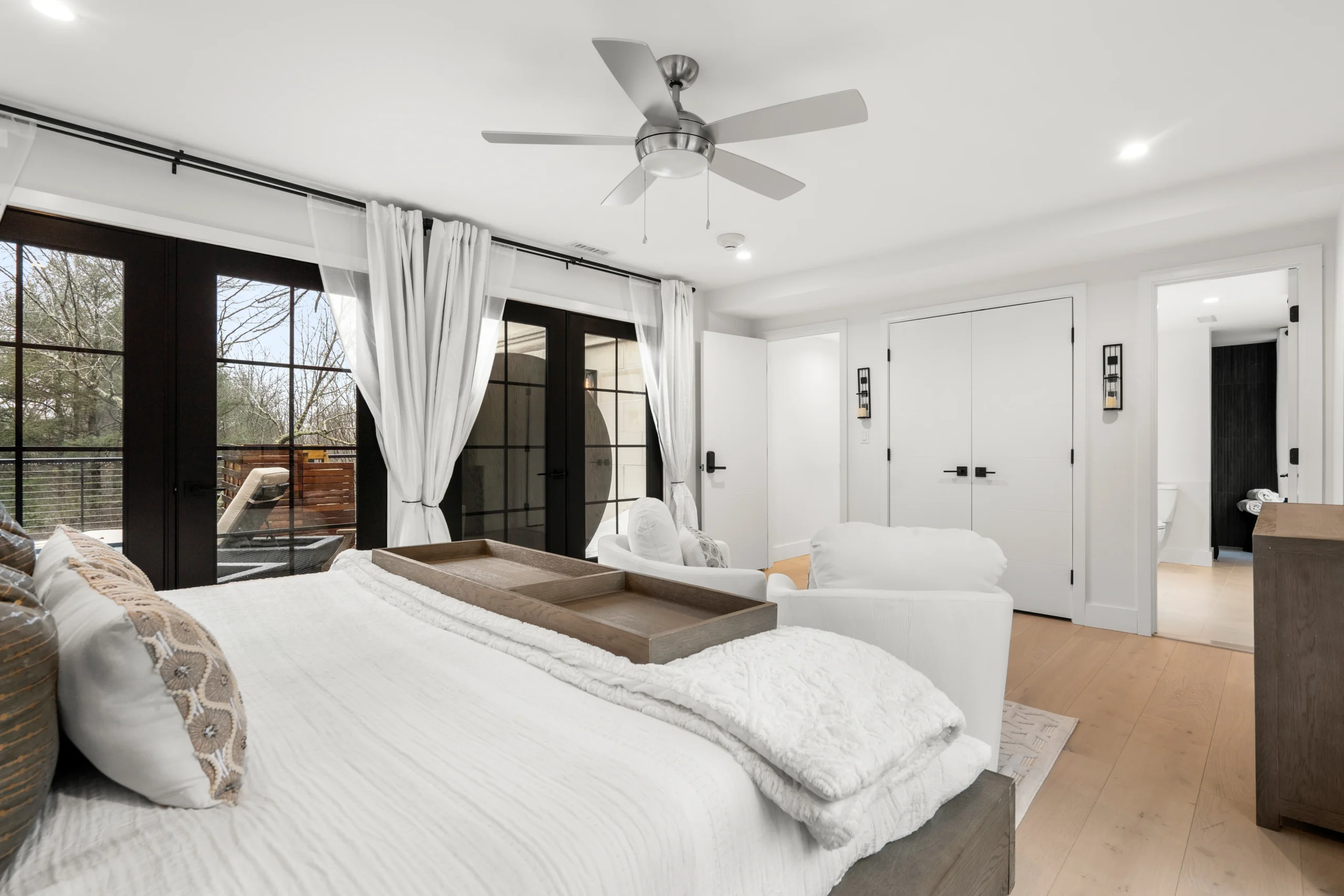
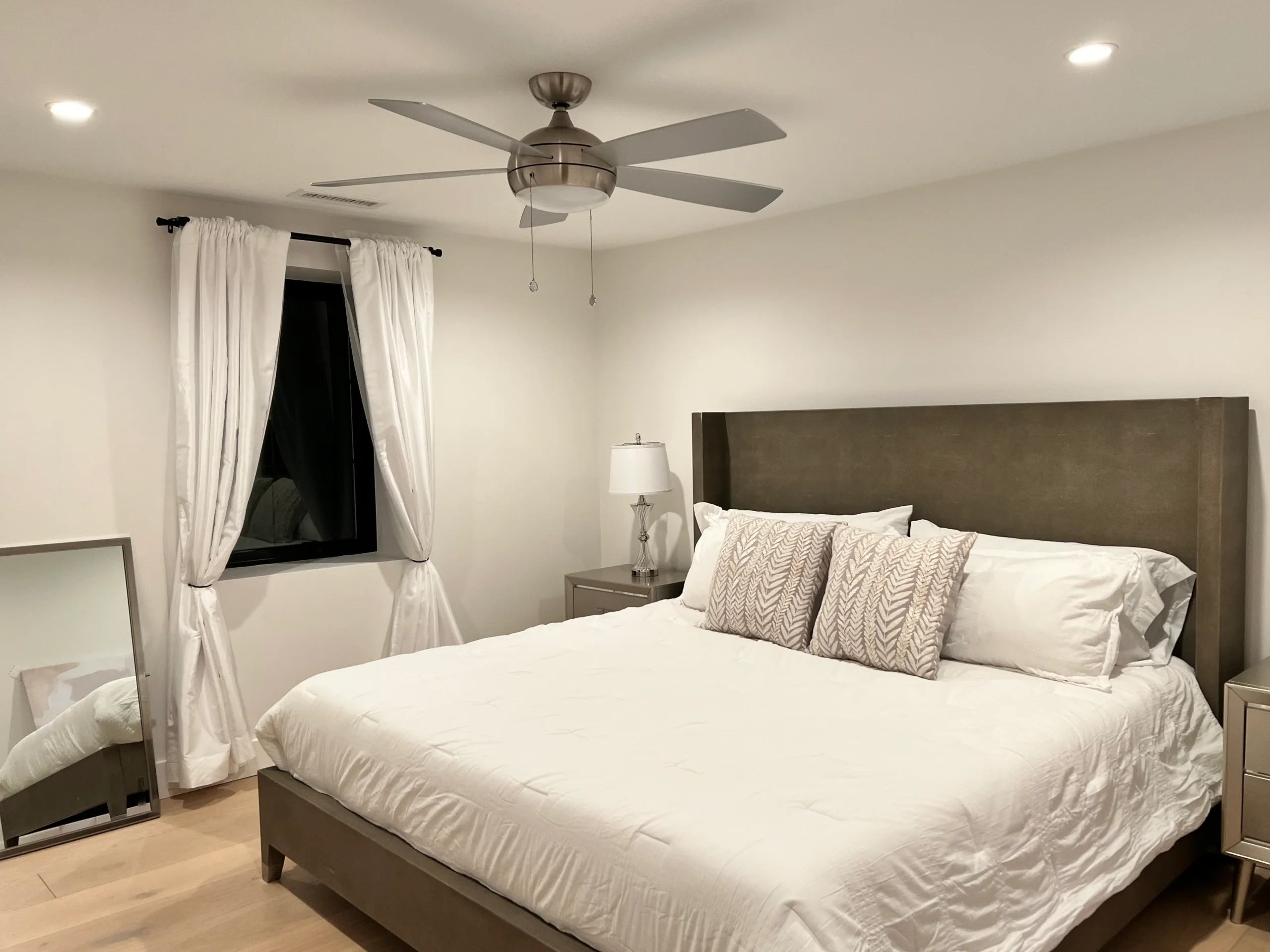
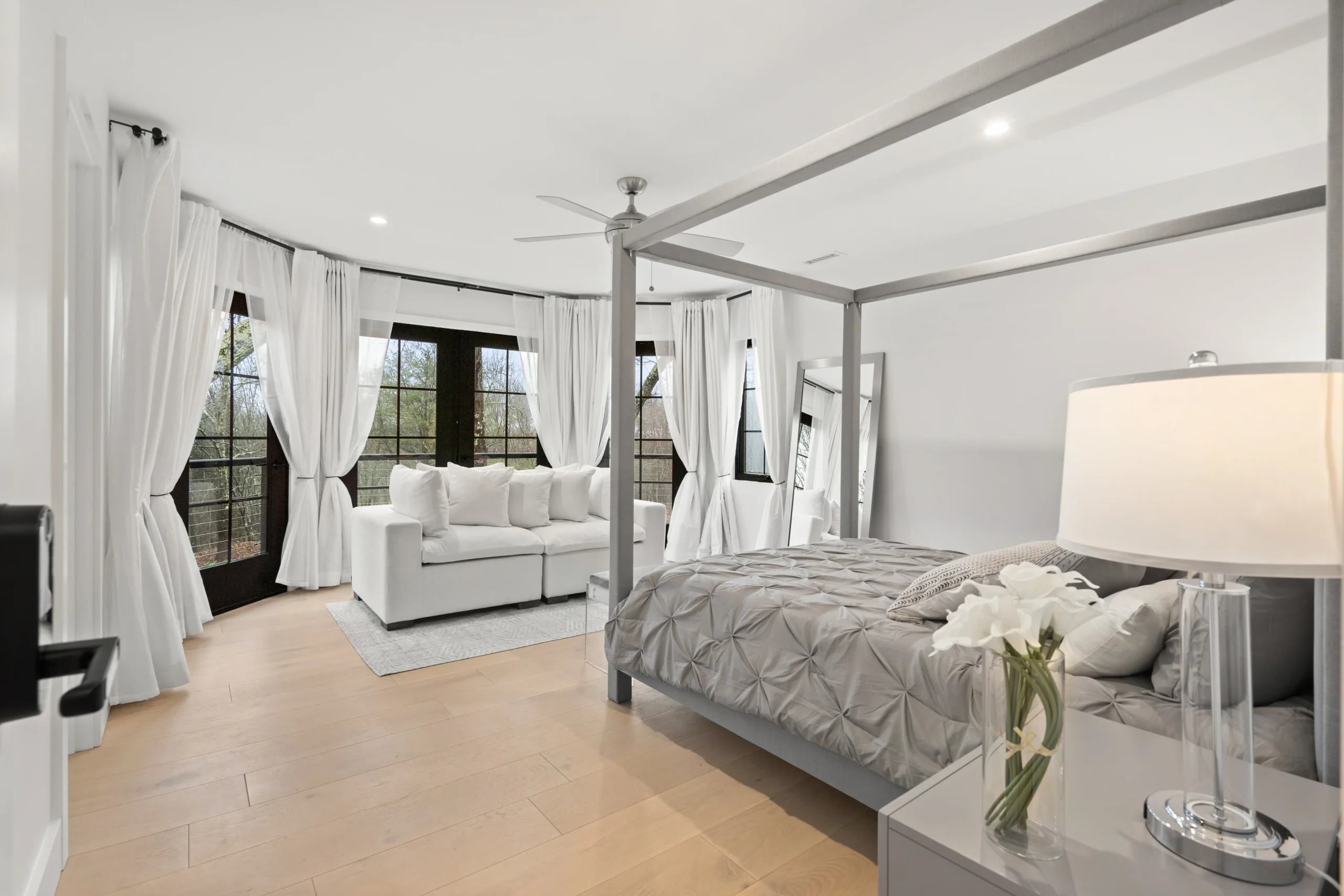
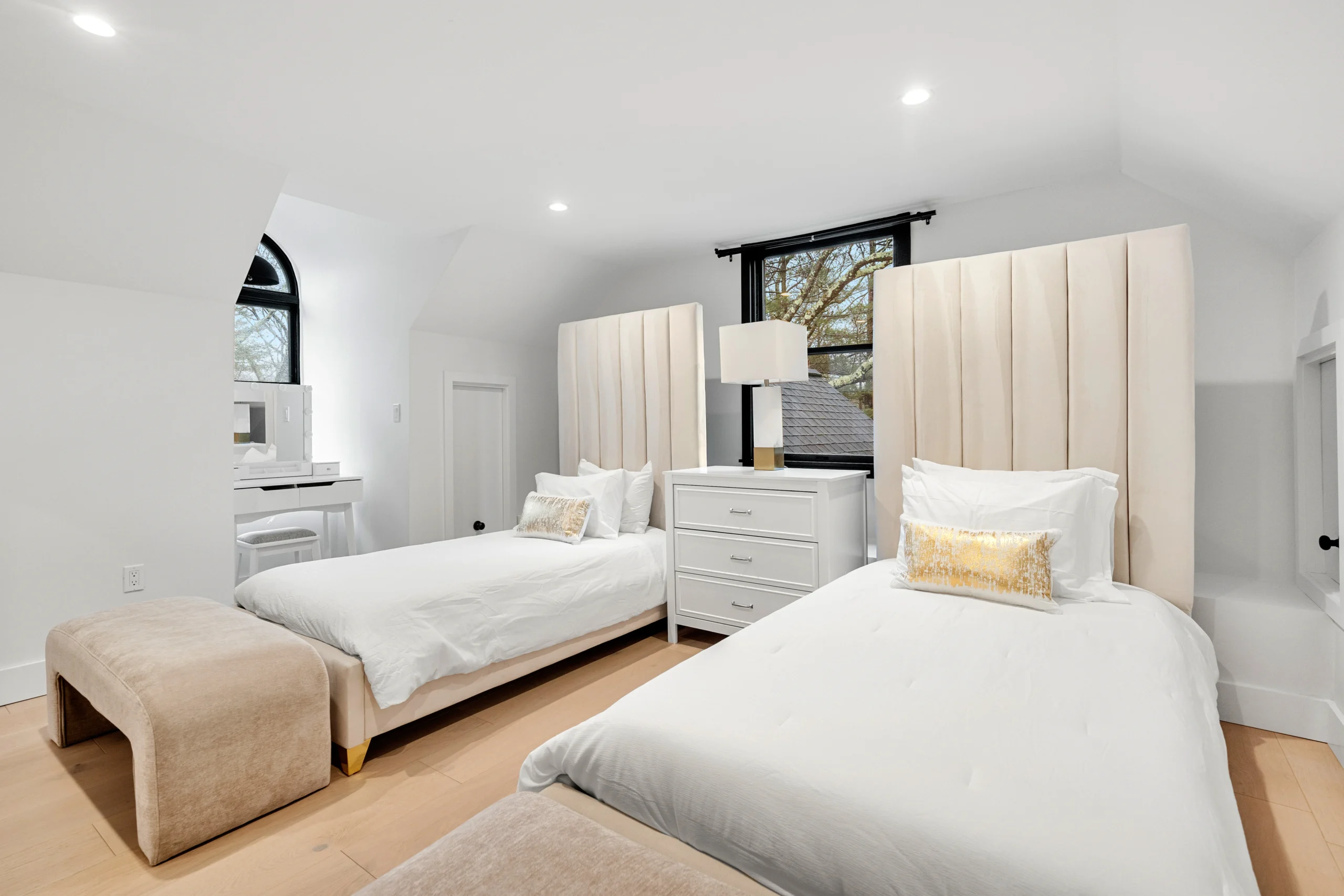
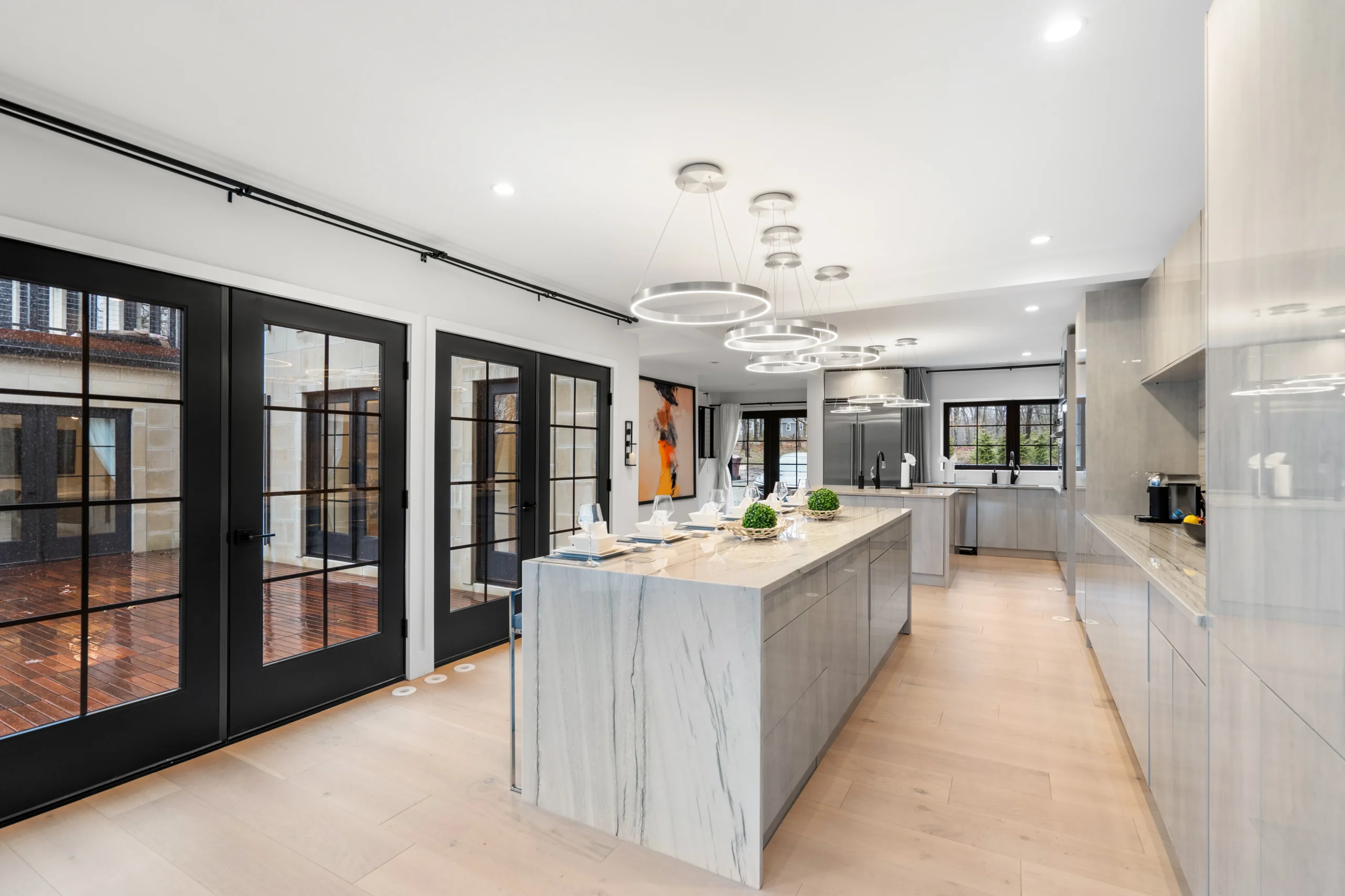
Look beyond the main event space. The interior spaces and guest suites can help you judge whether the property supports the quieter parts of the occasion as well as the celebration. A wedding weekend may include private conversations, a shared breakfast, or a pause between planned events. Those moments matter to the people who have traveled to be together.
Which overnight and group details deserve special attention?
When some guests stay overnight, clarify how the lodging arrangement works before you compare venues. Ask how many people can stay, how sleeping arrangements are divided, whether the entire property is rented as one unit, and what happens if the day guest list is larger than the overnight group. Also ask whether the venue has separate policies for event visitors, vendors, and overnight guests.
The Charles Chateau has eight bedrooms and is positioned for whole-property group stays. Its published property information describes accommodation for 16 or more overnight guests and gatherings of up to 30 day guests. Confirm the current capacity and conditions with the venue for your dates and event plan rather than relying on a general description. If your group is larger, consider whether nearby accommodation and transport can be coordinated without fragmenting the experience.
Make a simple rooming plan before you commit. Note who needs a quieter room, who may arrive late, and whether older relatives or children need particular proximity or access. You do not need to assign every bed at the first inquiry, but knowing the shape of the group helps the venue answer usefully.
How can you assess the planning support?
A beautiful location does not answer who will coordinate the moving parts. Ask what support is included, what remains your responsibility, and whether the venue can help connect you with event professionals. Clarify who handles arrival details, room readiness, vendor coordination, and questions during the stay. Keep the answers specific; terms such as “full service” can mean different things from one venue to another.
For a private estate, ask how planning conversations will account for both the event and the stay. The about page offers context on the estate, while the neighborhood guide can help you think about activities and the surrounding area for guests with time before or after the celebration. If you want the event to feel cohesive, plan a few anchor moments and leave breathing room around them.
For outdoor ceremonies, prepare a weather alternative and find out who makes the final call, when that decision is made, and whether moving indoors changes the layout. For every venue type, confirm setup and breakdown windows, vendor requirements, sound rules, and any limitations on décor or catering. A clear understanding now can prevent rushed decisions later.
One useful way to test support is to sketch a simple timeline from the first arrival through departure. Mark when vendors can enter, when early-arriving family can settle in, and when the ceremony space must be ready. Then add the less visible transitions: moving guests between rooms, accommodating a quiet break, and resetting a shared area for the next part of the gathering. Ask the venue who confirms each transition and what information they need from you. This reveals whether your plan is realistic and where you may need a planner or another outside professional.
Consider a practical scenario: a relative arrives before the main group, while another guest needs extra time moving between spaces. A thoughtful plan accounts for both without making either person feel like an exception. Ask whether arrival instructions can be shared in advance, where guests can wait comfortably, and who can answer questions once the event is underway. These details are especially useful when the celebration includes several generations or visitors unfamiliar with the area.
Also separate decisions that need to happen early from those you can leave flexible. Confirm the ceremony layout, essential vendor access, and weather alternative in advance. Small choices such as the order of informal gatherings may remain open until the family has arrived. That balance gives the day structure without making every moment feel scheduled.
What should you ask before selecting a venue?
Bring a short, consistent question list to each venue conversation. This makes comparisons more useful and helps reveal details that photographs cannot show.
- What areas are reserved for our group, and is any part of the property shared?
- What are the guest limits for the ceremony, reception, and overnight stay?
- Which rooms, outdoor areas, furnishings, and support services are included?
- What is the plan for rain, strong wind, or unusually warm weather?
- When may our vendors arrive, and what setup or sound rules apply?
- How do arrival, parking, accessibility, and departure work?
- What is the inquiry and approval process, and what information do you need from us?
- Which costs or services are separate, and when will those details be confirmed?
Ask for policies and inclusions in writing. A venue may quote a single event arrangement, while another may structure an inquiry around duration, guest count, or property use. The Charles Chateau does not publish fixed public rates; inquiries are the appropriate way to discuss a possible stay and event. Avoid comparing headline numbers until you understand what each option includes.
How can you narrow the shortlist?
After visits or conversations, score each venue against the experience you defined at the start. Give more weight to the factors that matter most to your family: private use, easy travel, shared overnight time, outdoor setting, or a straightforward event schedule. Then note any unresolved issue beside the score. A venue that fits the mood but cannot accommodate the group plan may not be the best choice.
It can help to compare two versions of the celebration: the essential plan and the preferred plan. The essential plan identifies what must work for the day to feel right. The preferred plan captures extras, such as an additional gathering or longer stay. This distinction gives you room to make thoughtful decisions without losing sight of the purpose.
If a private estate seems aligned, explore the details of a wedding weekend near Boston and the private estate wedding setting. You can also learn about the broader private estate experience near Boston. These pages are starting points; the venue can address the fit for your dates, group, and plans directly.
Frequently asked questions
Are private estates suitable for a wedding weekend?
They can suit groups who want a residential setting and time together beyond the ceremony or reception. Confirm overnight capacity, day guest limits, exclusive-use terms, and event policies before deciding.
Can a venue accommodate both overnight guests and additional wedding guests?
Some properties distinguish between overnight occupancy and day-event attendance. Ask for both limits in writing, along with any rules for vendors, children, or visitors who are not staying overnight.
Should we choose a Boston venue or one farther away?
Consider how much travel your guests can manage and whether proximity or a more removed setting matters more to the experience. Compare actual arrival logistics and the time available for the celebration rather than relying on a venue label alone.
When should we ask about event pricing?
Ask during the first serious inquiry, after you can share an approximate date, duration, guest count, and event outline. Request clarification on what is included and what may be separate; do not assume that similar venues use the same pricing structure.
Discuss your gathering with the estate
The most fitting venue is the one that makes your guests feel welcome while supporting the way you want to celebrate. Compare privacy, travel, shared spaces, overnight plans, and the details of service, then choose the setting that leaves room for everyone to be present.