Board decisions rarely improve because a meeting runs longer. They improve when directors have enough privacy to examine difficult questions, enough distance from daily demands to think clearly, and enough time together to reach considered conclusions. That combination is difficult to create in a standard hotel conference room or a familiar corporate setting.
A board meeting retreat venue new england should offer genuine seclusion without sacrificing access, with a fully private setting, thoughtfully arranged spaces, and attentive planning that protects the character of the discussion. The Charles Chateau provides that balance just 20 minutes from Boston, giving leadership teams room to pause without leaving the region’s business hub behind.
The distinction is not simply architectural. It is operational: the right retreat environment removes interruptions, supports confidential conversation, and gives the board a more deliberate setting in which to work. Those qualities begin with understanding what regular venues cannot provide, even when their meeting facilities appear well equipped. Explore the executive retreat venue near Boston perspective before assessing the details that matter most.
What a Board Meeting Retreat Venue in New England Needs That Standard Venues Cannot Provide
A board meeting is not simply a longer presentation in a conference room. Directors may need to move between formal reporting, candid debate, and unplanned conversations that shape the final decision. Recent board-governance guidance points to the growing need for dedicated time on issues such as artificial intelligence, talent, and geopolitics. Those subjects require concentration, discretion, and enough room in the schedule to follow an important line of thought rather than return guests to a standard agenda.
Privacy beyond a closed meeting-room door
A closed door does not necessarily create privacy. In a hotel or resort setting, a board may share walls with other guests. Pass through busy public areas, or rely on staff and vendors moving around the property. Full estate rental offers a different level of control: the group occupies the setting, and sensitive discussions can continue without the ambient traffic of a conventional venue. That distinction matters when directors are weighing leadership changes, strategic risk, acquisitions, or other matters that should remain within the room.
Technology that supports the conversation
Board members should not have to choose between a refined setting and dependable presentation technology. A suitable retreat venue should accommodate presentations, secure document review, video participation when necessary, and transitions between speakers without turning every session into a production exercise. Technology should remain discreet and reliable, allowing the board to focus on the material rather than troubleshoot the room.
A schedule shaped around the board
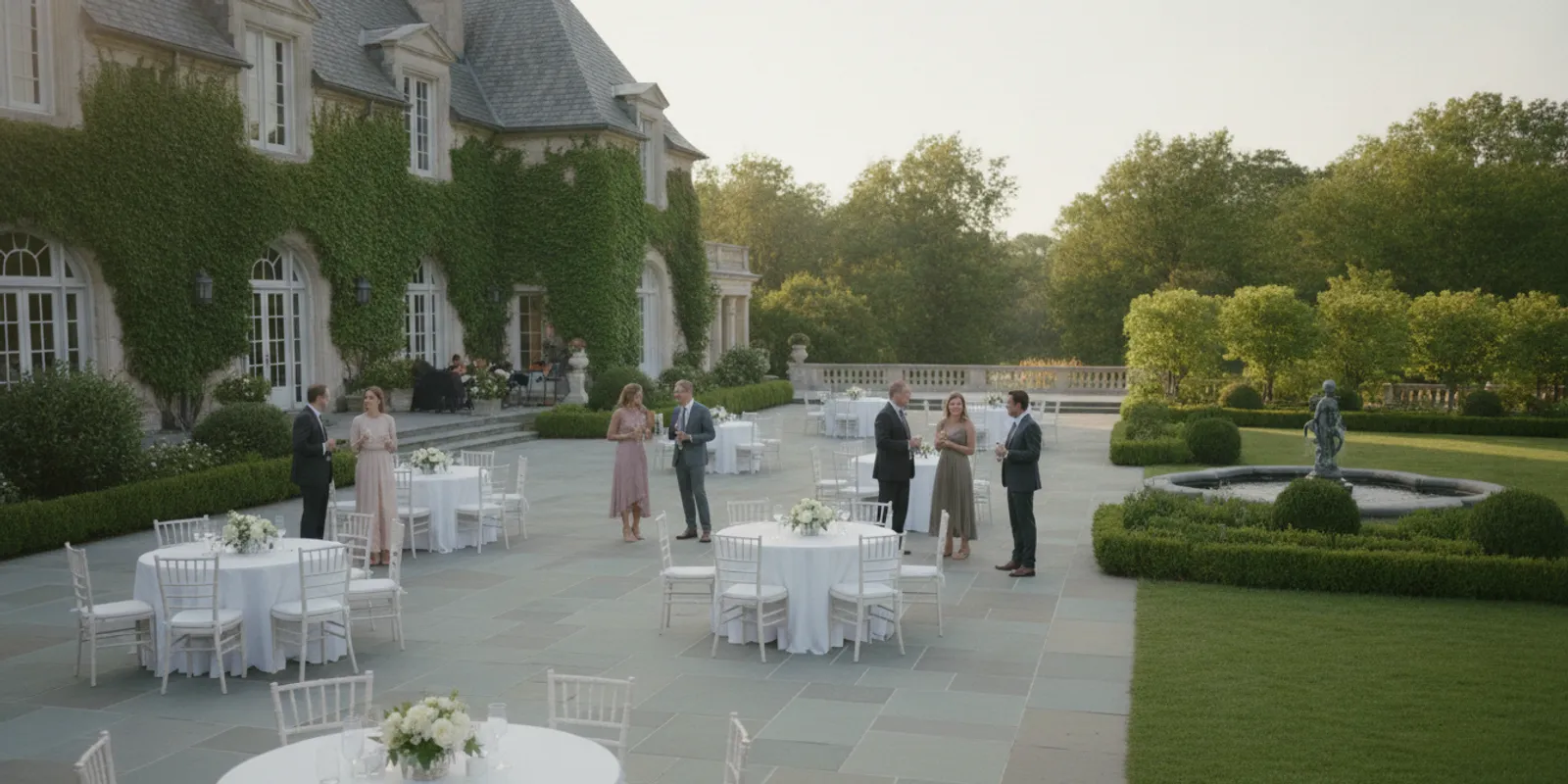
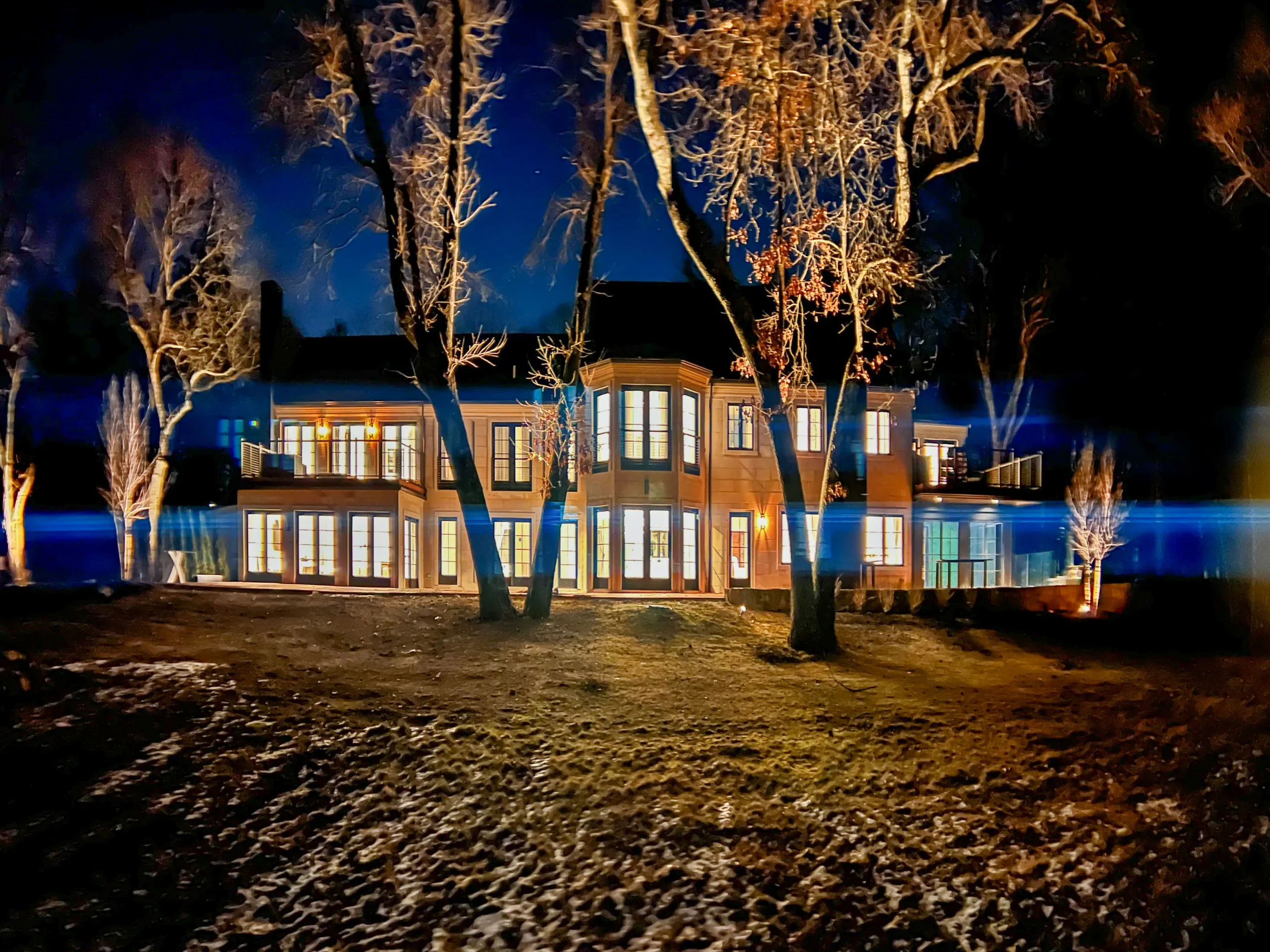
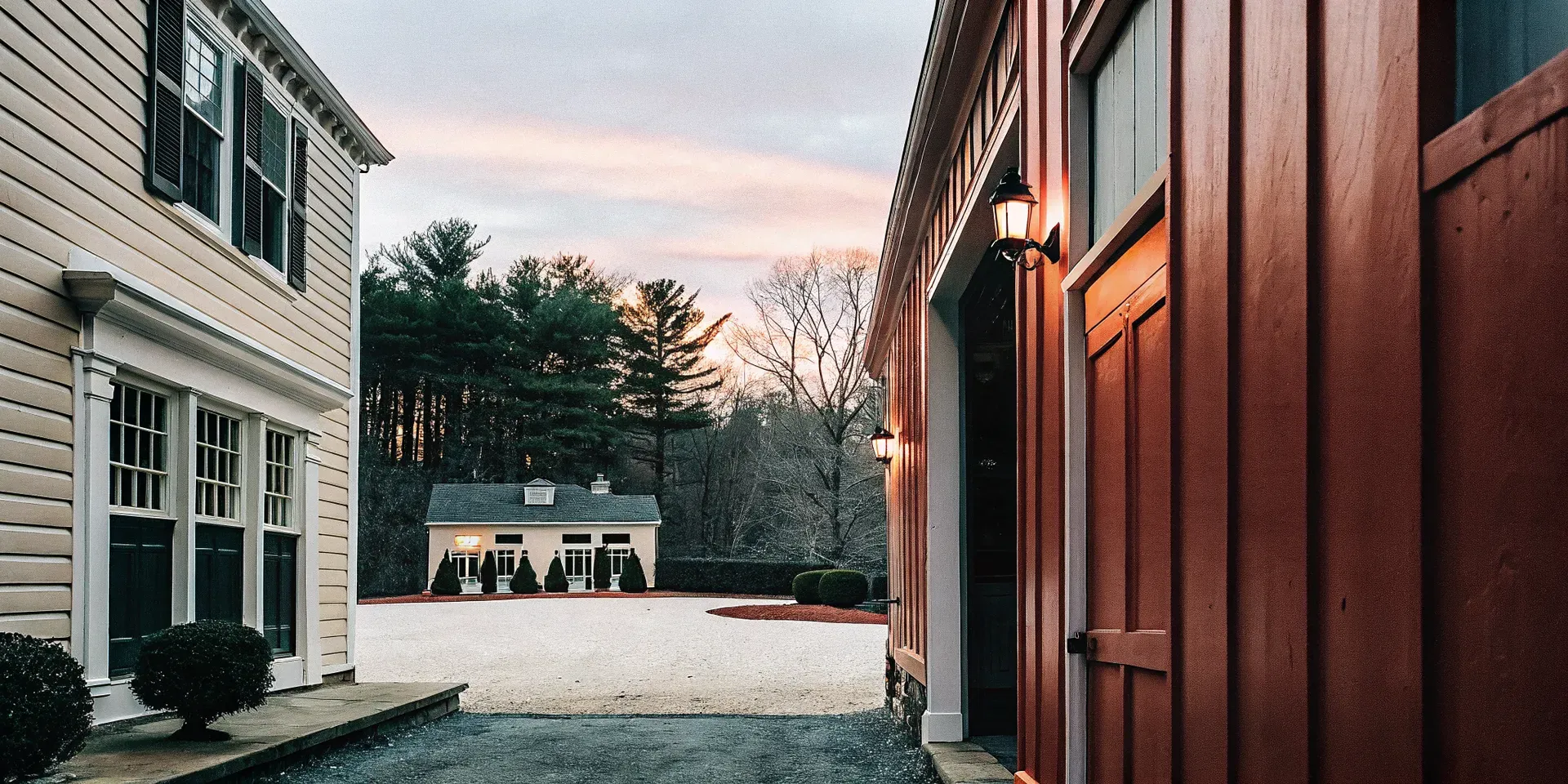
Hotel checkout times and fixed meal periods can impose an artificial ending on a discussion that has only just become productive. A private estate makes it easier to design the day around the board’s priorities. With formal sessions in the morning, a pause for reflection, and continued conversation when the group is ready. The 8,000-square-foot Charles Chateau, set on 11 private acres just 20 minutes from Boston, provides estate-scale privacy without taking the group far from the region’s business hub.
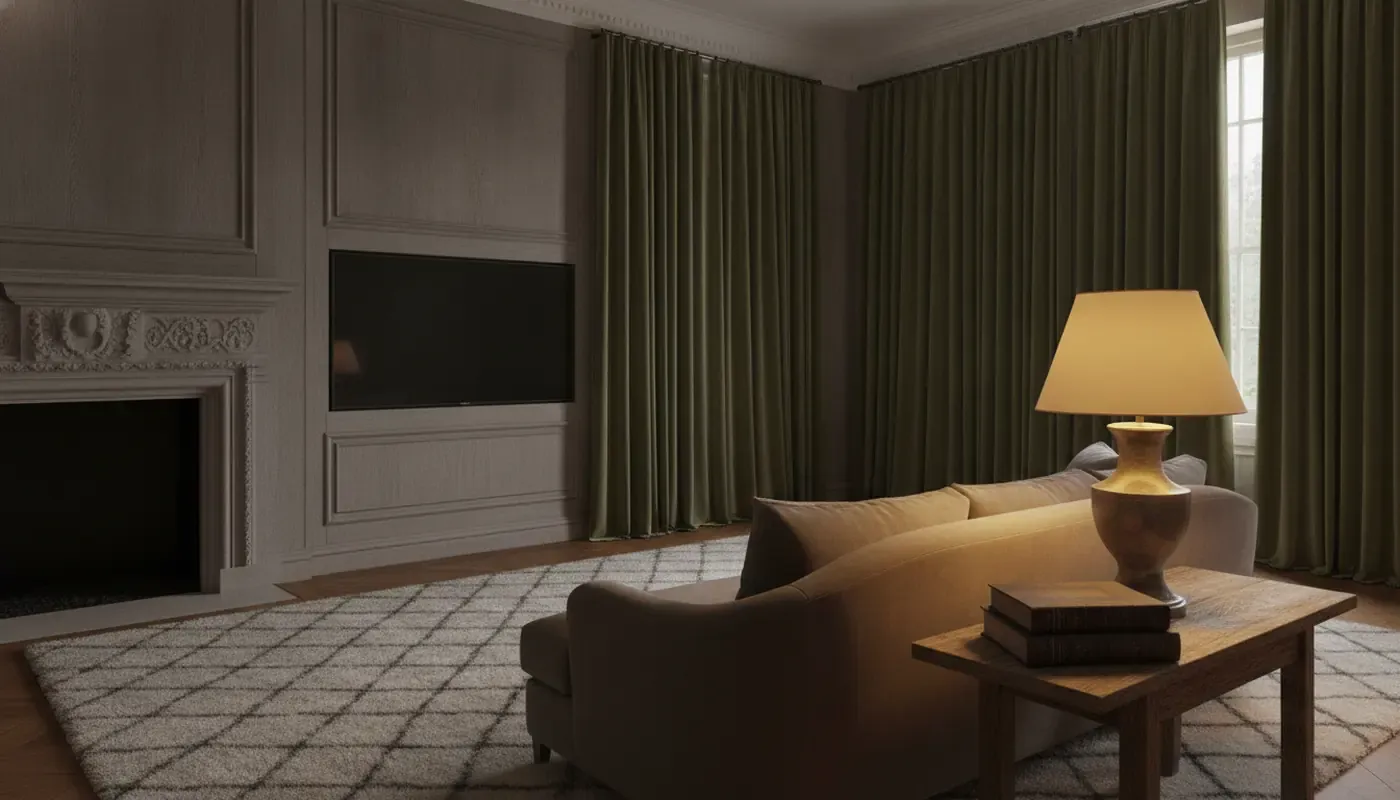
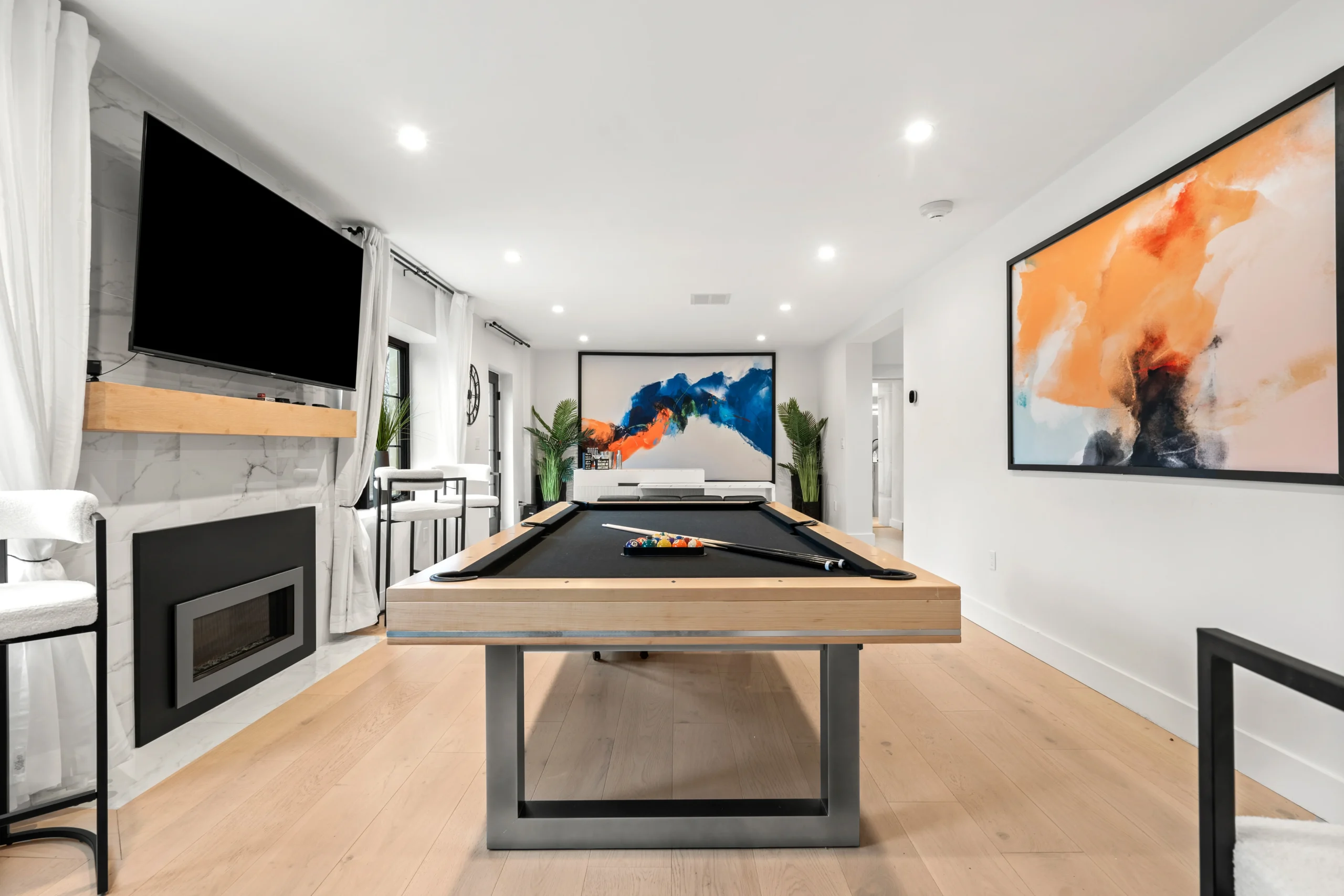
The setting should also support the conversations that happen between agenda items. A board may reach its clearest thinking in a corridor, beside a working fireplace, or while walking through a secluded landscape. Scenic, private environments are a recognized feature of executive gathering spaces; the Warren Center, for example, describes its corporate setting across more than 100 wooded lakefront acres (source). For boards seeking that same balance of structure and ease, an executive retreat venue near Boston can provide the privacy, flexibility, and room for informal exchange that a regular venue cannot.
Why Discretion Is Non-Negotiable for Board-Level Gatherings
Board work depends on candor. Directors need to test assumptions, challenge strategy, and express concerns without wondering whether a conversation may be overheard, repeated, or taken out of context. Harvard Law School’s Forum on Corporate Governance describes that freedom to speak honestly as essential to an effective boardroom. It also notes that real-time communication, social media, and a broader culture of disclosure have made sensitive corporate information more difficult to protect. Read the Harvard analysis of boardroom confidentiality.
A hotel can offer a polished meeting room, but its surrounding environment is shared by design. Conversations continue in corridors, elevators, lounges, and adjacent guest rooms. Sound carries through some walls, and a board member stepping away for a private call may still be within earshot of other guests. Even when no one intends to intrude, proximity creates an unnecessary variable for discussions involving transactions, personnel, governance, or long-term direction.
Privacy must extend beyond the meeting table
Public venues introduce a second concern: the ordinary movement of people. A nearby guest, vendor, event attendee, or member of staff may be present when a sensitive subject arises. Technology adds another layer of exposure, with phones and connected devices making discretion harder to assume. The issue is not suspicion. It is control. Board members should be able to focus on the substance of a decision rather than manage the possibility of observation.
A private estate creates a more controlled setting
The Charles Chateau offers a different standard for a board meeting retreat venue new england search. The full-rental model places the estate in one group’s care, rather than asking a board to share its setting with unrelated guests. Across 11 private acres, the property gives sensitive conversations more physical distance and a quieter rhythm. That privacy remains unusually close to Boston, making it possible to step away from the city’s business hub without adding a remote, cumbersome journey to the agenda.
For board-level gatherings, discretion is not an ornamental benefit. It is part of the conditions that allow thoughtful, direct decision-making.
How Estate Settings Support Confidential Decision-Making
Confidentiality is shaped by more than a closed meeting-room door. It depends on who controls the surrounding space, how people move through it, and whether the group can settle into a shared rhythm without interruptions. A full estate rental gives a board or leadership team privacy across the entire property, creating the conditions for sensitive discussions to remain within the group.
That control changes the character of the gathering. On a hotel conference floor, the group shares corridors, entrances, service areas, and ambient activity with other guests. Even when a meeting room is reserved, the setting can reinforce an us-versus-them dynamic. A private estate removes that friction. The group has total control of the space, so transitions between formal discussion, private reflection, and informal conversation feel considered rather than managed around someone else’s schedule.
Privacy that supports candor
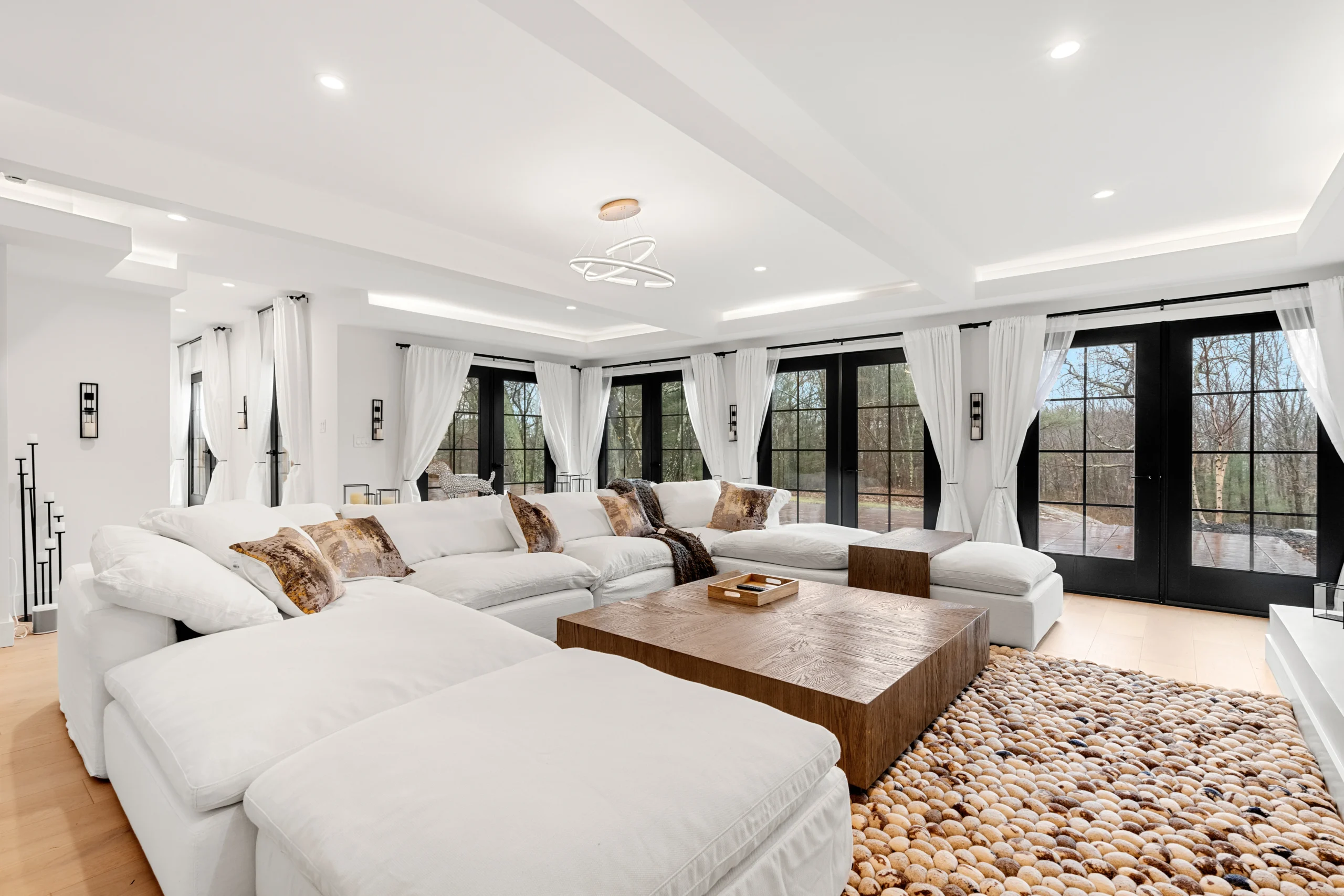
Board members need room to test an idea, challenge an assumption, or raise a concern before a position is finalized. An estate setting supports that work by giving the group physical separation from unrelated activity. The Charles Chateau’s 8,000-square-foot property is designed for groups seeking meaningful time together, with enough room to create distinct settings for conversation, meals, and pauses between sessions.
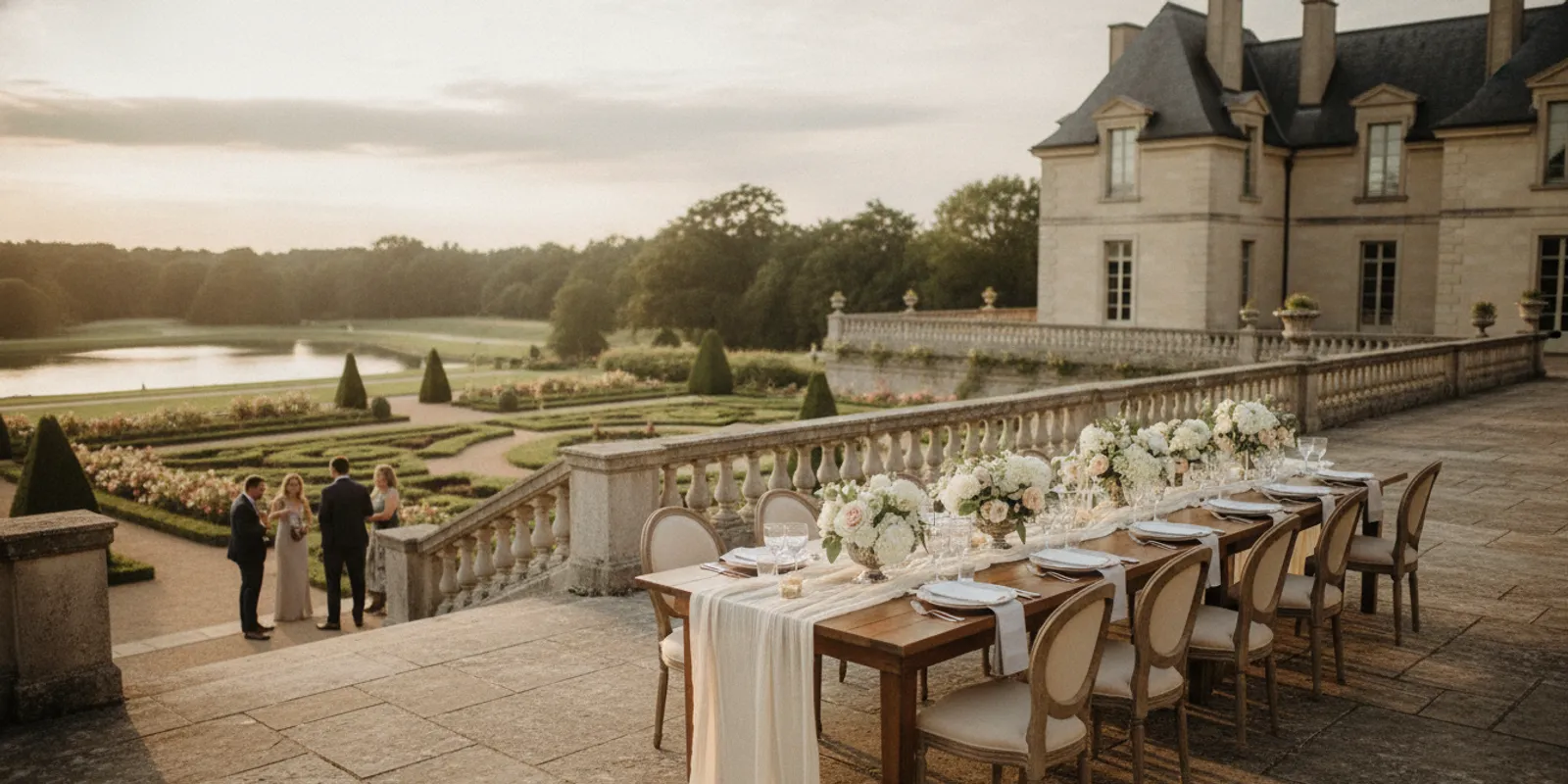
This is the same principle behind the appeal of secluded executive destinations. Winvian describes its property as a gated sanctuary for CEOs. And notes that CEO World Magazine ranked it among the “20 Most Luxurious Hotels in the United States for CEOs” (source). White Barn Inn similarly presents its setting as “a world away” from Boston, an atmosphere intended to make executive gatherings memorable (source). The Charles Chateau offers that deliberate distance without requiring a long journey: the estate is approximately 20 minutes from Boston, while preserving an estate-scale sense of privacy.
For groups evaluating a private estate event venue Massachusetts, the distinction is practical as well as atmospheric. The right setting protects the conversation, gives participants time to think, and lets the group decide how the day should unfold.
What to Look for in a Board Retreat Venue
A board retreat venue should support the quality of the conversation, not simply provide a room and a table. Begin with the practical details that make focused work possible: a dedicated meeting space. Reliable audiovisual equipment, strong connectivity, and room to arrange the setting around the day’s agenda. A space suited to a presentation may not be right for an open discussion, so flexible configurations matter. Look for a venue that can move naturally from boardroom-style deliberation to smaller working groups without sending participants across a busy property.
| Feature | Standard Hotel Venue | Private Estate Retreat |
|---|---|---|
| Privacy during sessions | Shared walls and corridors | Exclusive use of entire property |
| Schedule flexibility | Fixed check-in, checkout, and meal times | Agenda designed around the board |
| Technology and A/V | Standard hotel equipment, shared support | Dedicated setup configured for the group |
| Accommodations | Individual rooms on separate floors | Full estate kept together on site |
| Confidentiality | Shared public areas and common spaces | Private grounds and curated gathering areas |
| Dining experience | Open restaurant with other guests | Private dining coordinated with the agenda |
Spaces designed for both focus and ease
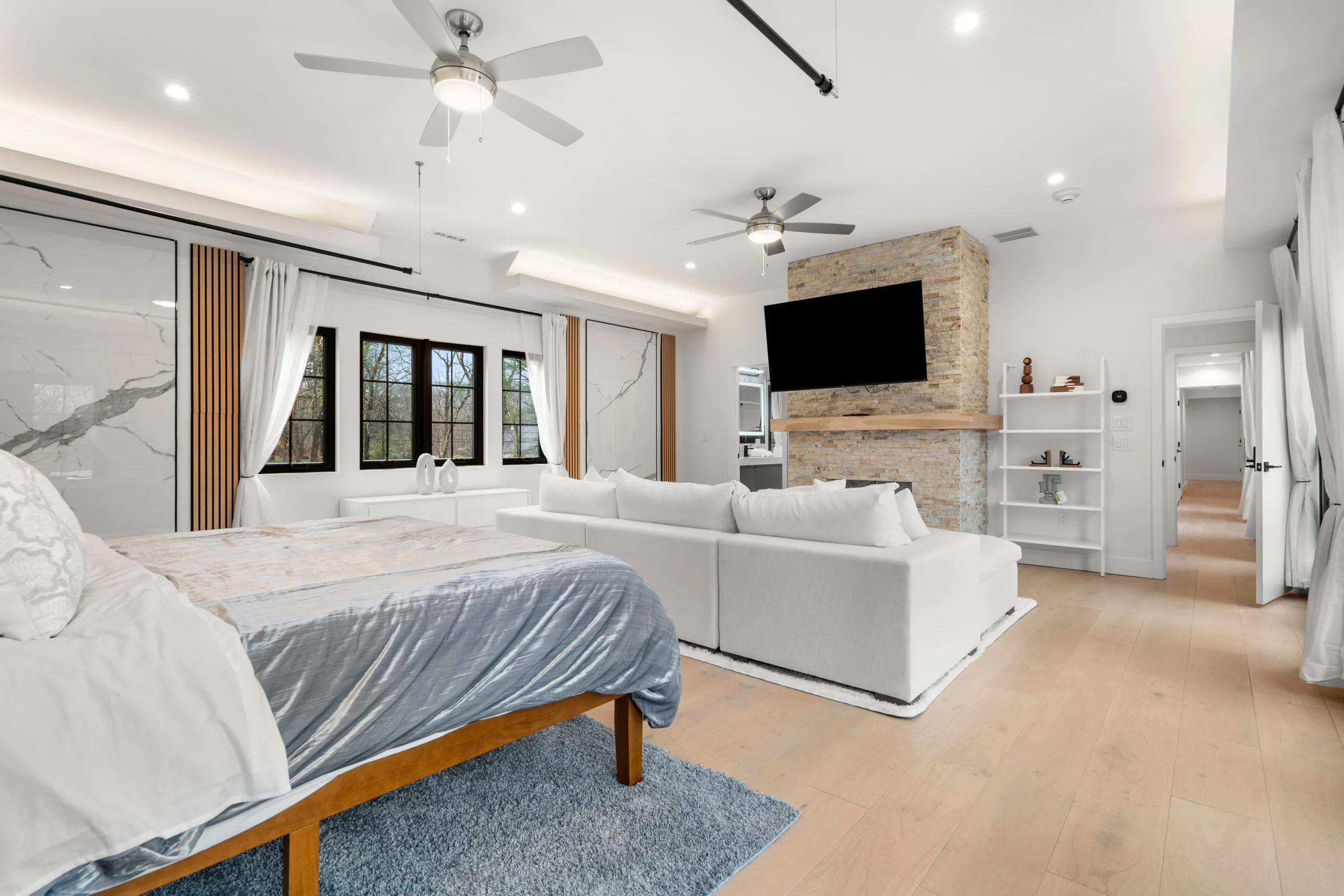
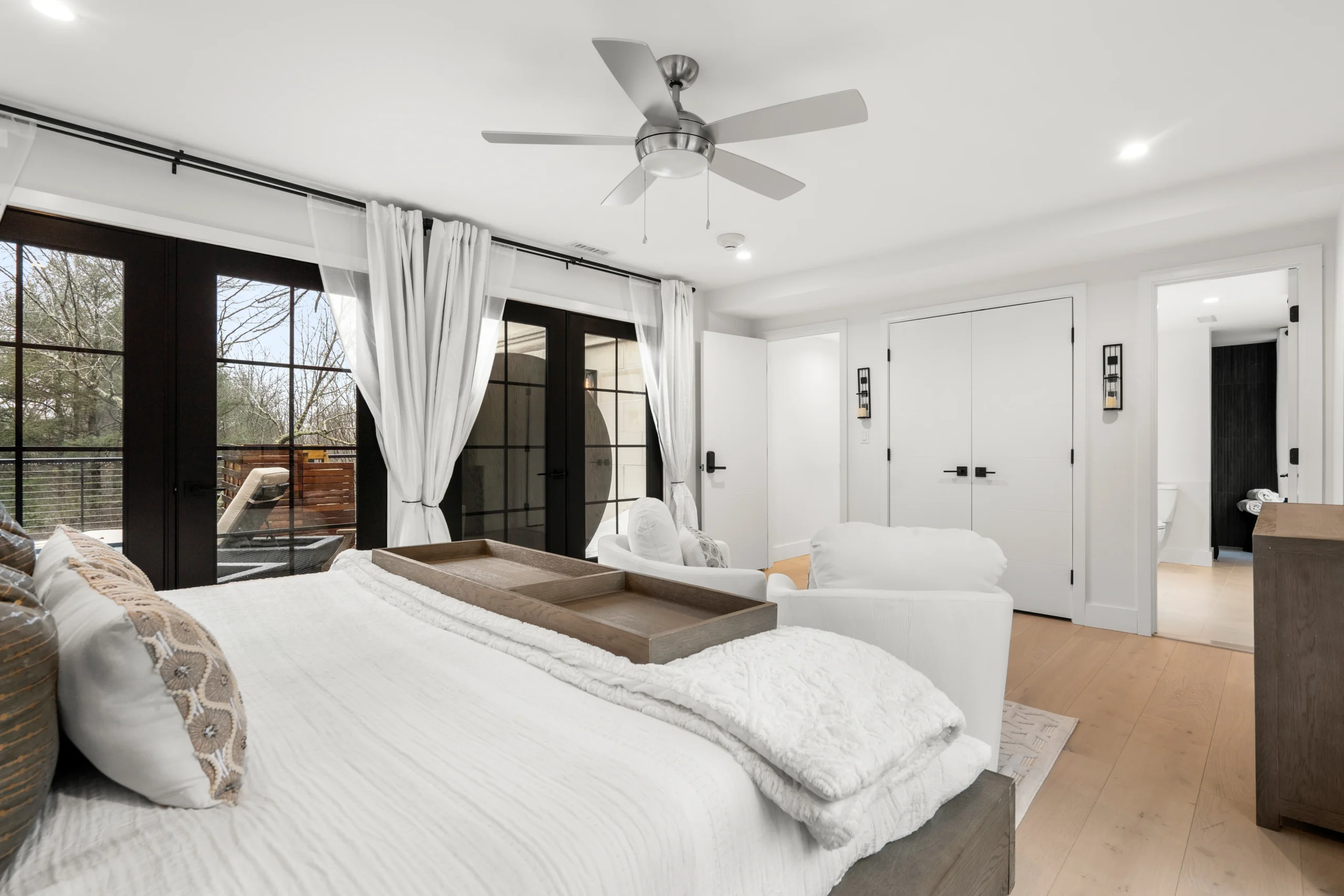
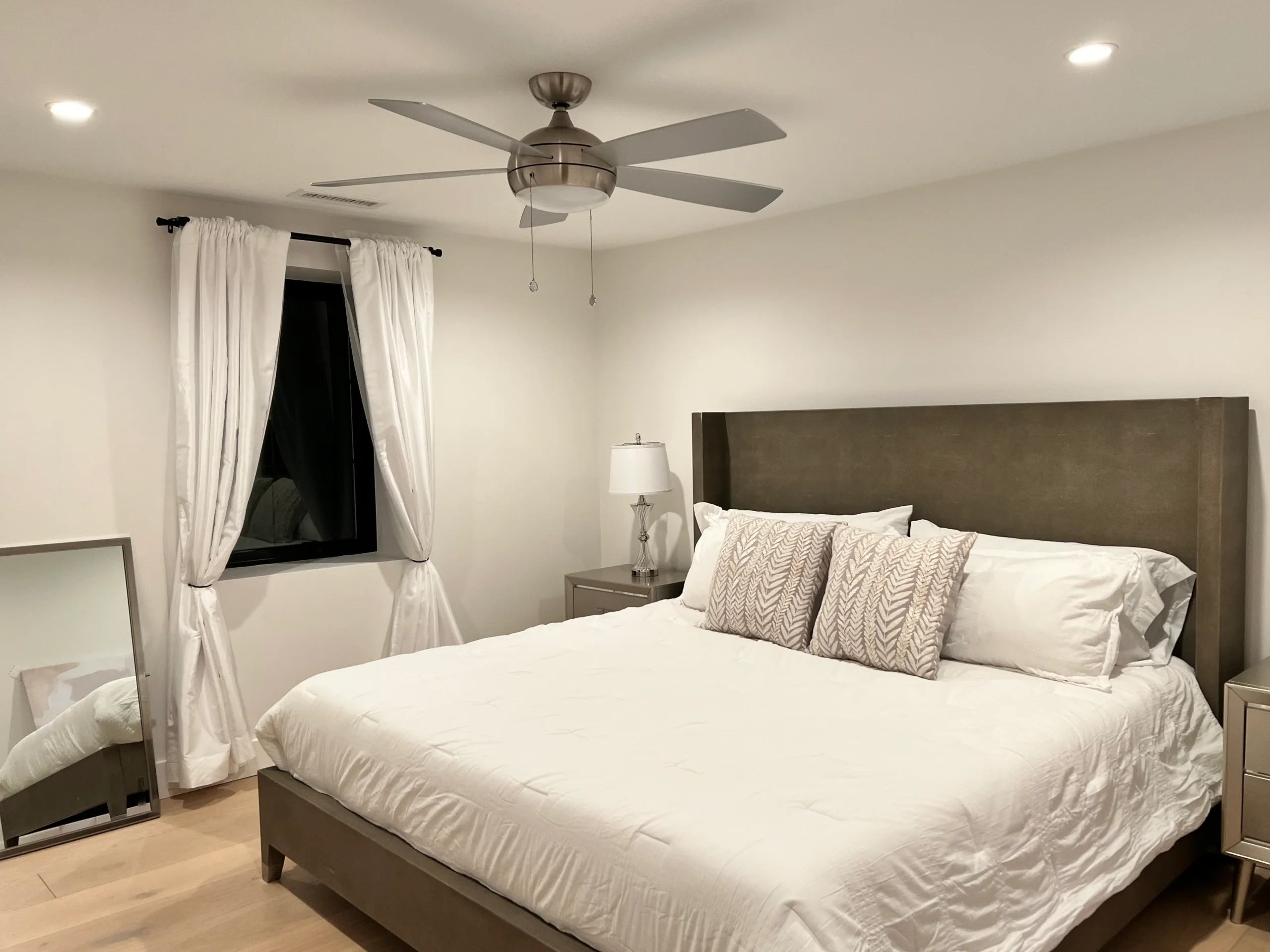
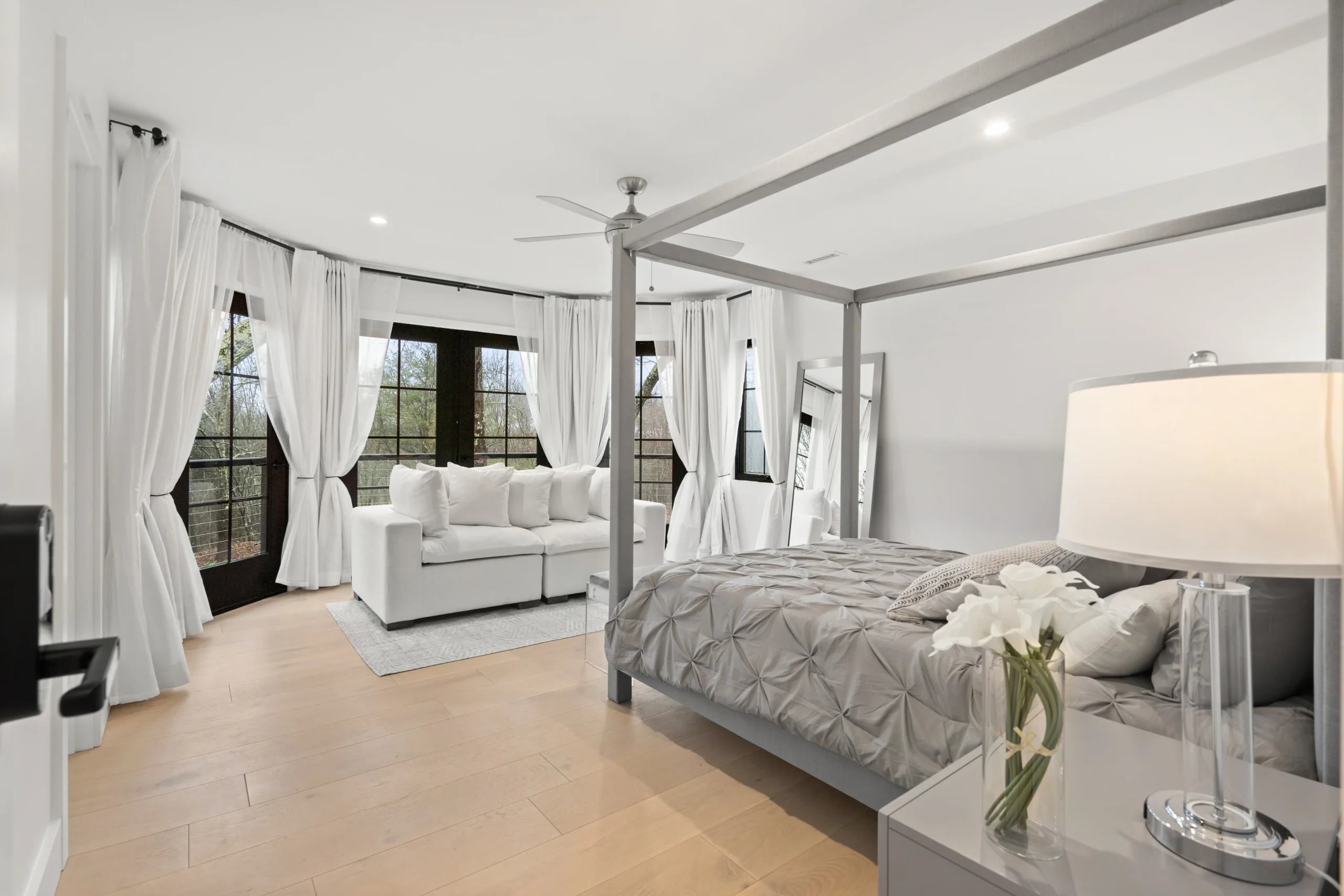
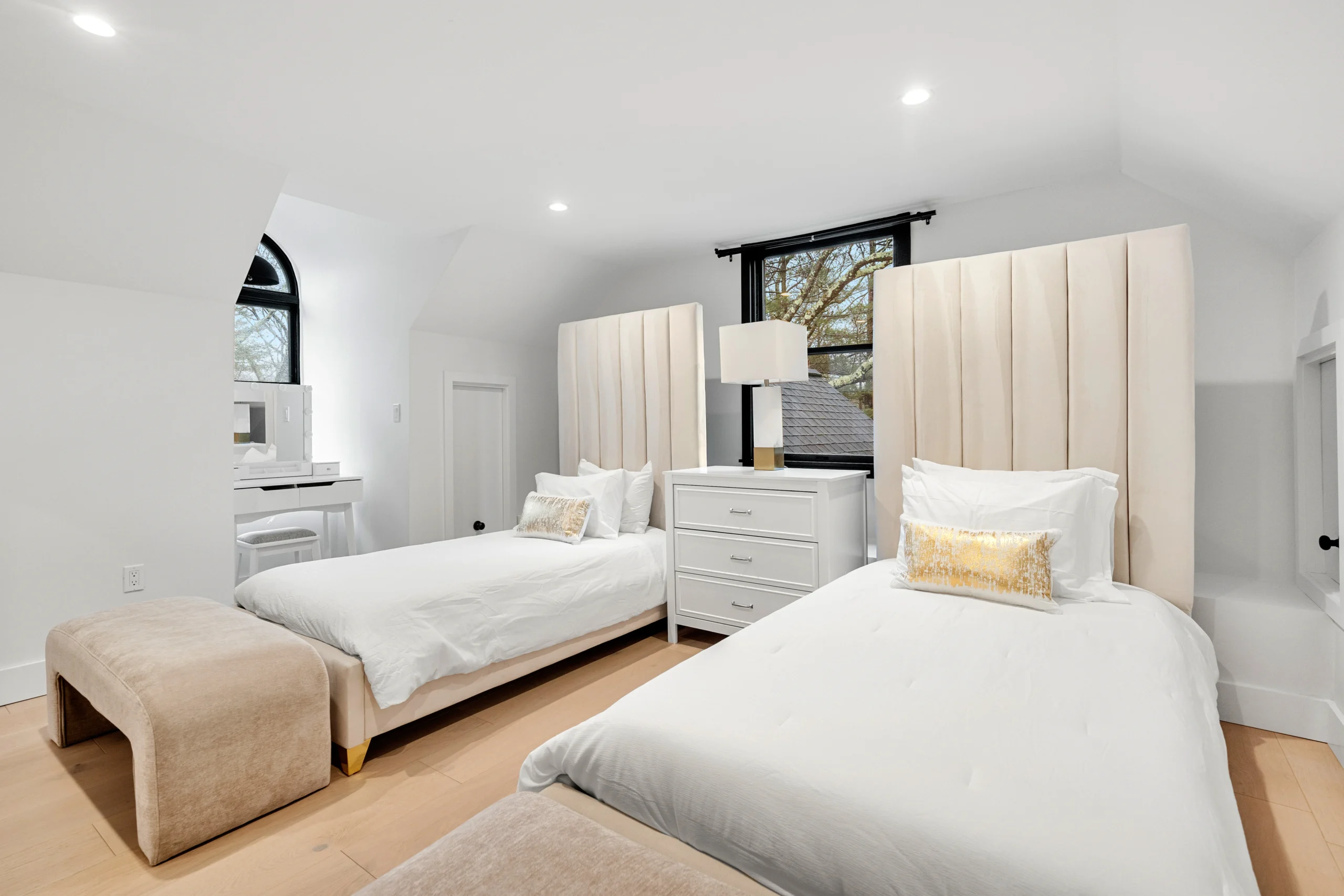
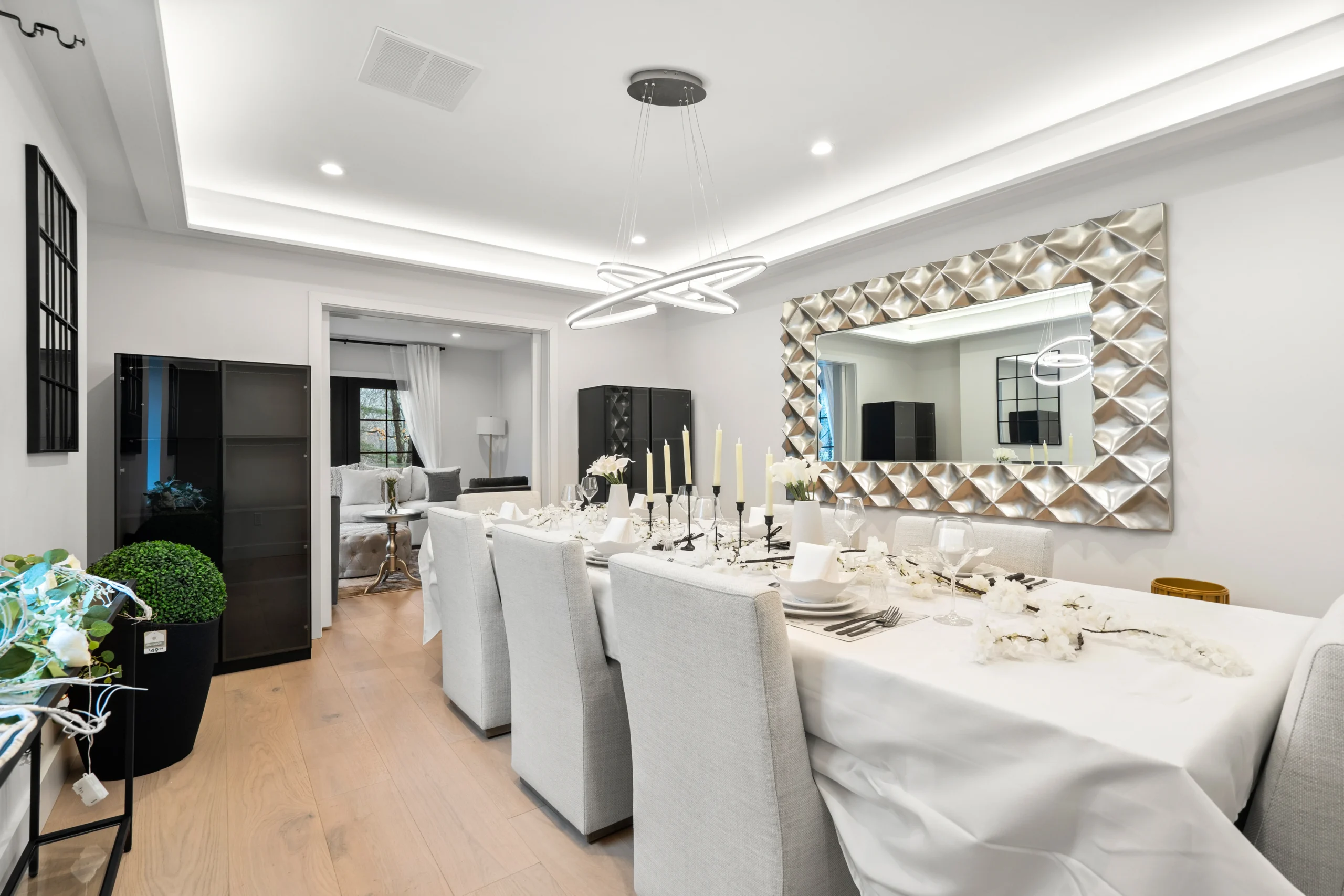
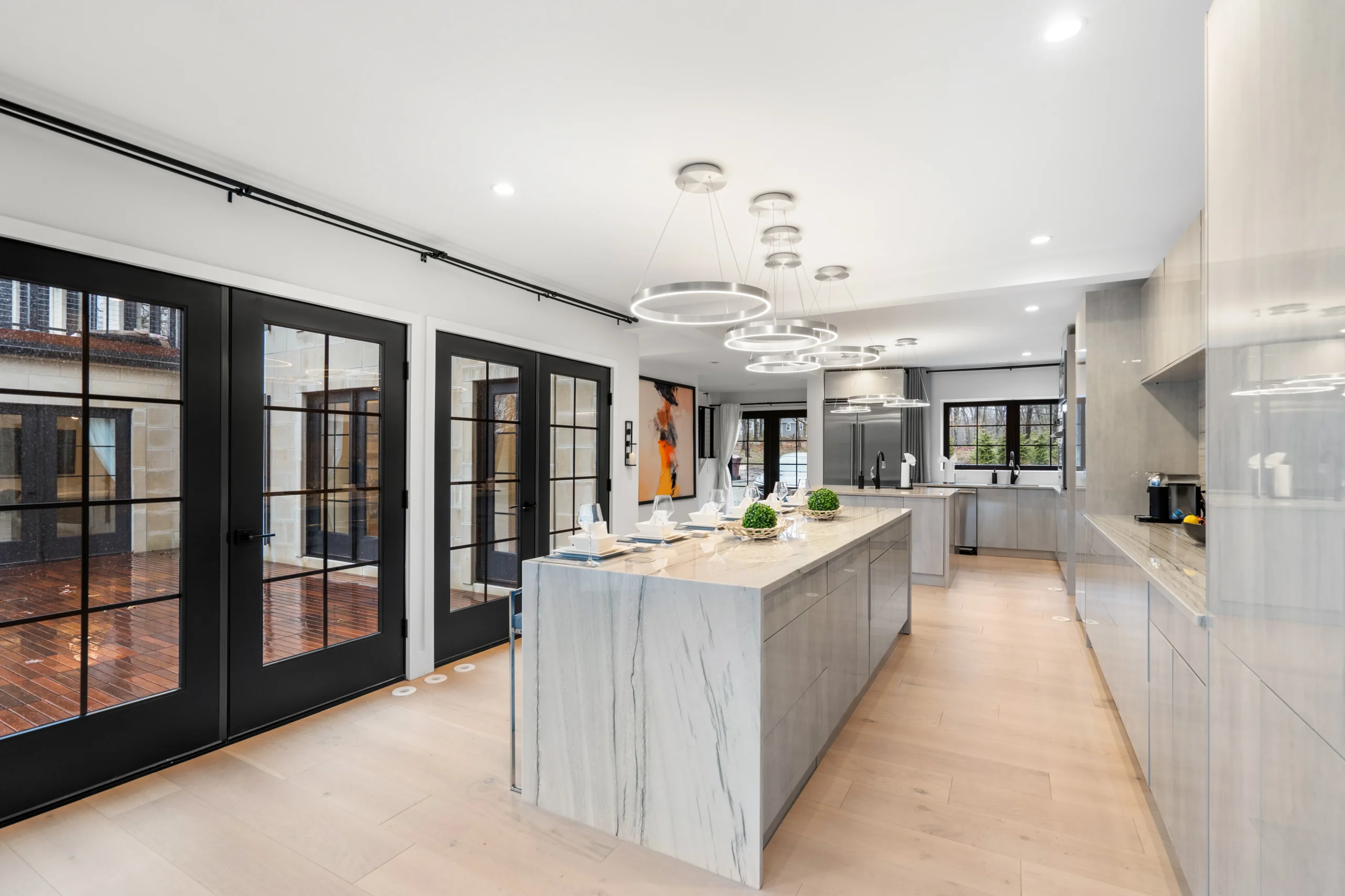
On-site accommodations are equally important. Keeping the group together reduces travel between sessions and creates a more contained, distraction-free experience. It also allows the schedule to breathe, with thoughtful pauses rather than hurried departures. Private dining can reinforce that sense of continuity, giving directors a comfortable setting for meals and informal conversation without introducing an unfamiliar audience or public-venue interruptions.
Room to step away without leaving the work behind
Access to fresh air should be part of the evaluation, not an afterthought. A private garden, terrace, or other outdoor setting gives participants a way to reset between demanding sessions while remaining close to the group. These intervals can be useful for reflection and quieter exchanges, particularly during a full day of strategic work.
Planning should begin earlier than many teams expect. Stage Neck Inn advises that corporate retreat planning is best begun a year in advance, a useful benchmark for securing the right date and coordinating the details. A dedicated concierge can make that preparation more precise by shaping pre-arrival arrangements around the board’s priorities, from room configuration and dining to the rhythm of the gathering. For teams still defining the experience, these leadership offsite ideas may help clarify what the venue needs to accomplish.
Planning a Board Meeting Retreat at a Private Estate
- Define the decisions the retreat must advance. Before discussing rooms or menus, agree on the questions the board needs to answer. Separate formal governance work from strategic exploration, and identify which materials require advance review. A focused objective makes it easier to judge whether the setting, schedule, and support are appropriate for a board meeting retreat venue in New England.
- Choose dates with meaningful lead time. Board calendars fill quickly, and a private estate requires thoughtful coordination. Begin planning as early as possible. Stage Neck Inn advises that corporate retreat planning is best begun a year in advance. Particularly when the gathering depends on a specific season or a carefully selected venue. Build in time for travel arrangements, dietary requirements, technology checks, and confidential materials.
- Use concierge support for pre-arrival planning. A dedicated concierge can translate the board’s objectives into a considered arrival and stay. At The Charles Chateau, pre-arrival planning can be customized around the group’s schedule, working preferences, meals, and gathering needs. Confirm room assignments, seating, presentation requirements, and any privacy considerations before directors arrive, so the retreat feels composed rather than improvised.
- Balance formal sessions with unstructured connection. Set clear times for governance, financial, or strategic discussions, then leave room for conversation that does not need a formal agenda. Curated gathering spaces, working fireplaces, and refined finishes create natural settings for smaller exchanges between sessions. For additional ways to shape meaningful leadership time, review these leadership offsite ideas.
- Plan the follow-through before departure. Close with agreed decisions, owners, and dates rather than relying on post-retreat momentum. Assign responsibility for the board minutes, circulate the action register, and schedule the first progress review while everyone is together. The strongest retreat is not simply well hosted; it gives the board a practical framework for continuing its work after returning to Boston.
Frequently Asked Questions
What makes a venue ideal for a board meeting retreat in New England?
An ideal venue gives directors room to concentrate, speak candidly, and work through complex decisions without the interruptions of a conventional hotel or conference setting. Look for genuine privacy, flexible spaces for full-board and smaller discussions, thoughtful hospitality, and an atmosphere that feels considered rather than heavily programmed. The setting should support both focused work and informal conversation, with a planning process tailored to the board’s objectives.
Why is seclusion important for executive board meetings?
Seclusion reduces competing demands on attention and makes confidential conversation easier. Directors can explore concerns, challenge assumptions, and test potential decisions without worrying about nearby guests or routine venue activity. That matters when discussions involve strategy, leadership, transactions, or other sensitive matters. A private setting also creates a clearer separation from day-to-day operations, helping the group give sustained attention to the issues that require judgment.
What should be included in a corporate retreat package in New England?
Rather than choosing a package by amenities alone, confirm that it covers the practical requirements of the meeting: reliable technology. Comfortable working areas, private breakout space, meals coordinated around the agenda, and attentive on-site support. Ask how the venue handles dietary needs, room transitions, arrival logistics, and last-minute changes. For a board retreat, the planning experience should be as discreet and responsive as the physical setting.
How do you choose a venue for an executive board retreat?
Begin with the board’s purpose, then assess each venue against privacy, accessibility, meeting-space flexibility, service, and the ability to shape the experience around the agenda. Request a clear walkthrough of how the day will operate, including arrivals, breaks, confidential conversations, and technology support. A dedicated concierge can help resolve those details before arrival, allowing directors to focus on the retreat rather than its logistics.
Ready to plan a more private board retreat?
When a board meeting calls for thoughtful preparation and discretion, the setting can help create the right conditions for focused conversation. Request consideration for membership and begin planning your retreat with the estate’s concierge team. To discuss your needs and next steps, contact us.