When a leadership team searches for a corporate retreat near Boston estate, it is usually looking for more than a meeting room outside the city. The setting needs to create enough separation for focused work while keeping travel practical for executives, facilitators, and invited guests. For context on the property’s Dedham setting, review this luxury estate rental guide for Dedham, Massachusetts. That balance is why a private estate can be a compelling alternative to a downtown hotel or a remote resort.
Why Do Boston-Area Teams Leave the City for a Retreat?
Boston-area teams leave the city for a retreat to create a clear change of context without adding a full day of travel. A private setting reduces the interruptions, shared traffic, and familiar routines that can keep a leadership group in meeting mode without moving toward meaningful decisions.
A retreat does not need to be remote to feel distinct. For a Boston-based organization, the most useful distance is the point at which the team can arrive together and settle in. The group can stay present while still returning to the city or airport when the schedule requires it. The objective is not to make access difficult. It is to make the time together feel intentional.
That distinction matters for strategic planning, board conversations, leadership alignment, and carefully facilitated team work. A public hotel can be operationally efficient, but the group remains part of a larger flow of guests and events. A private estate gives the team one coherent environment in which formal sessions, meals, informal conversations, and quiet reflection can share the same address.
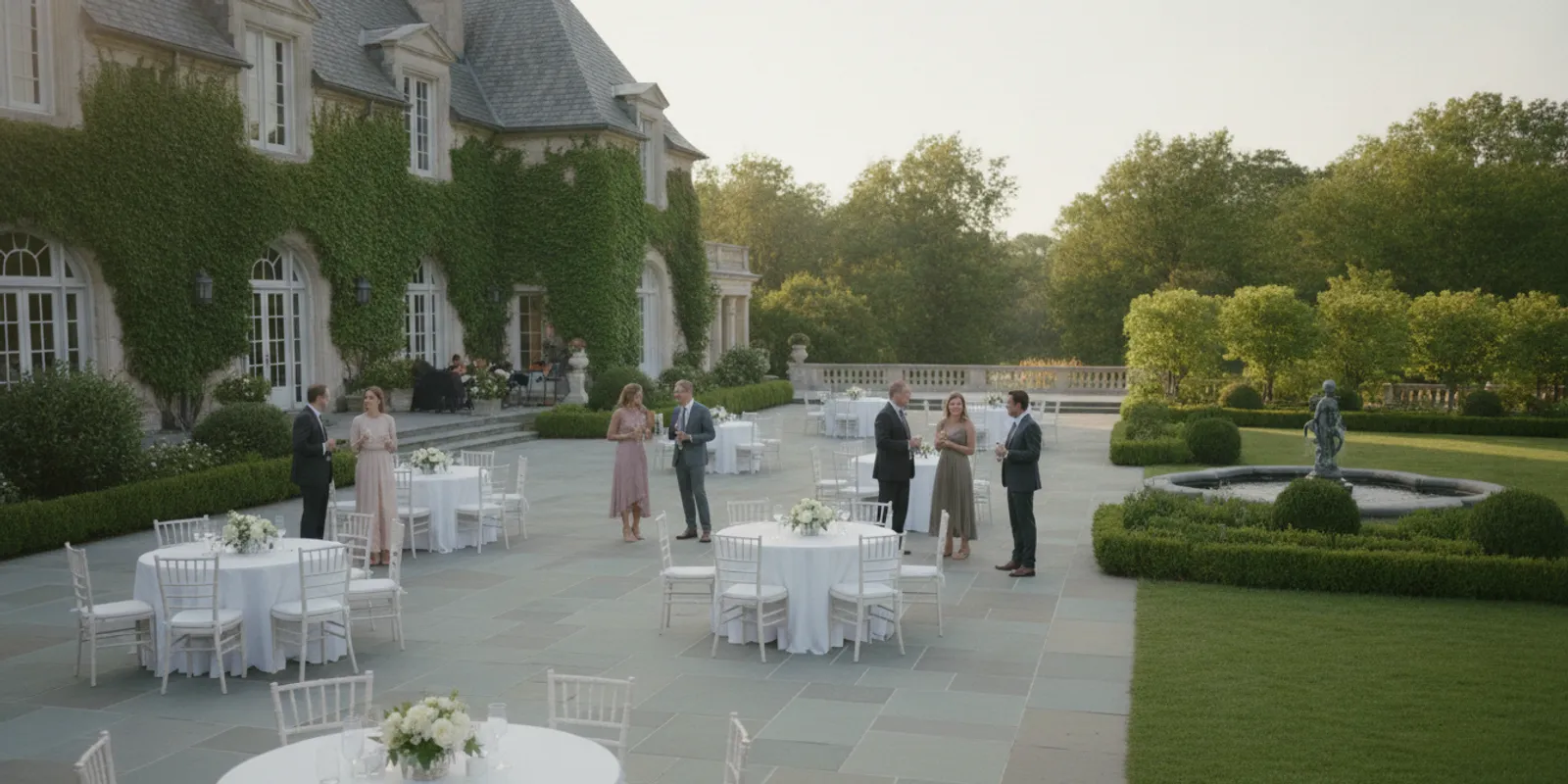
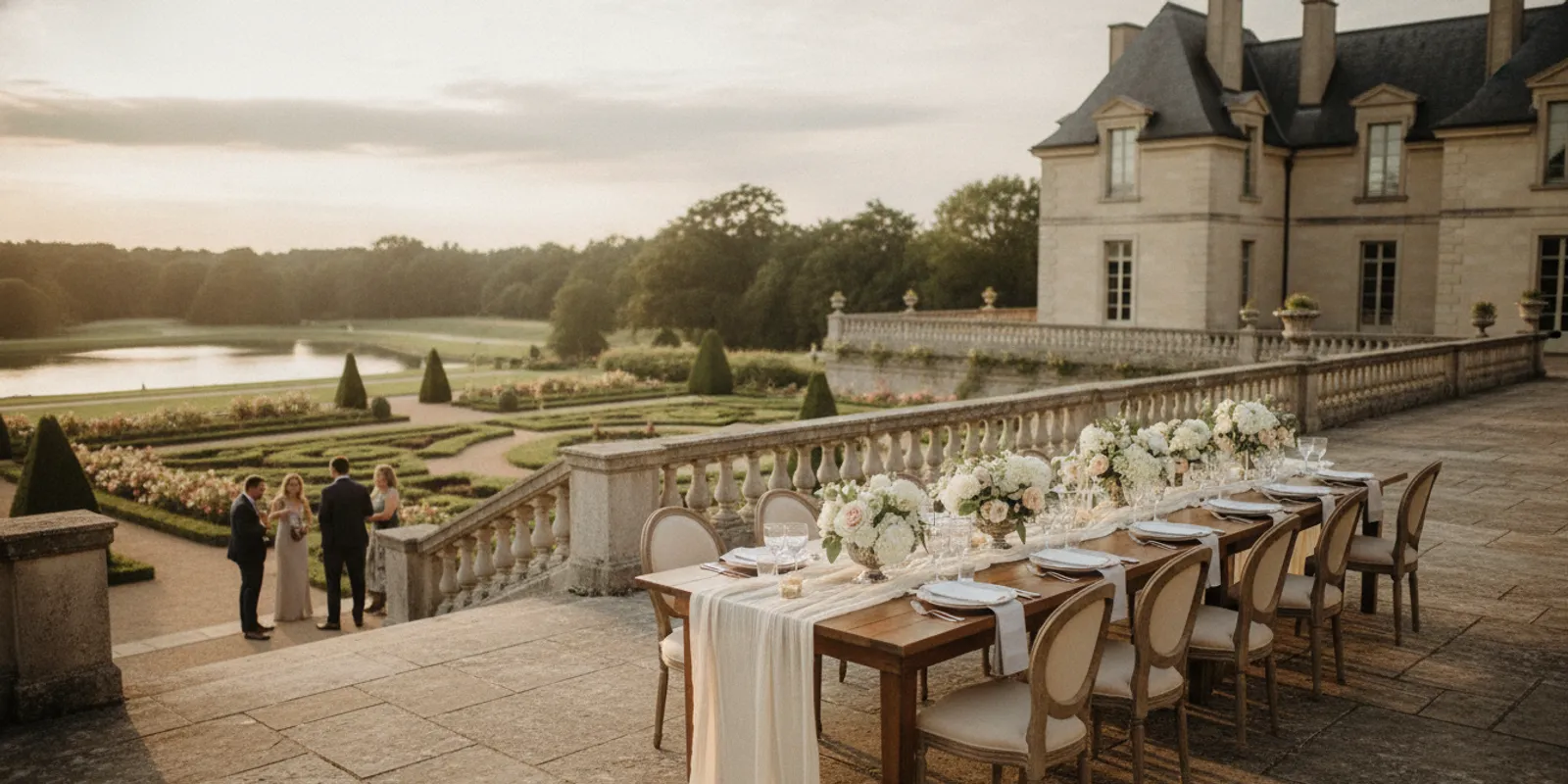
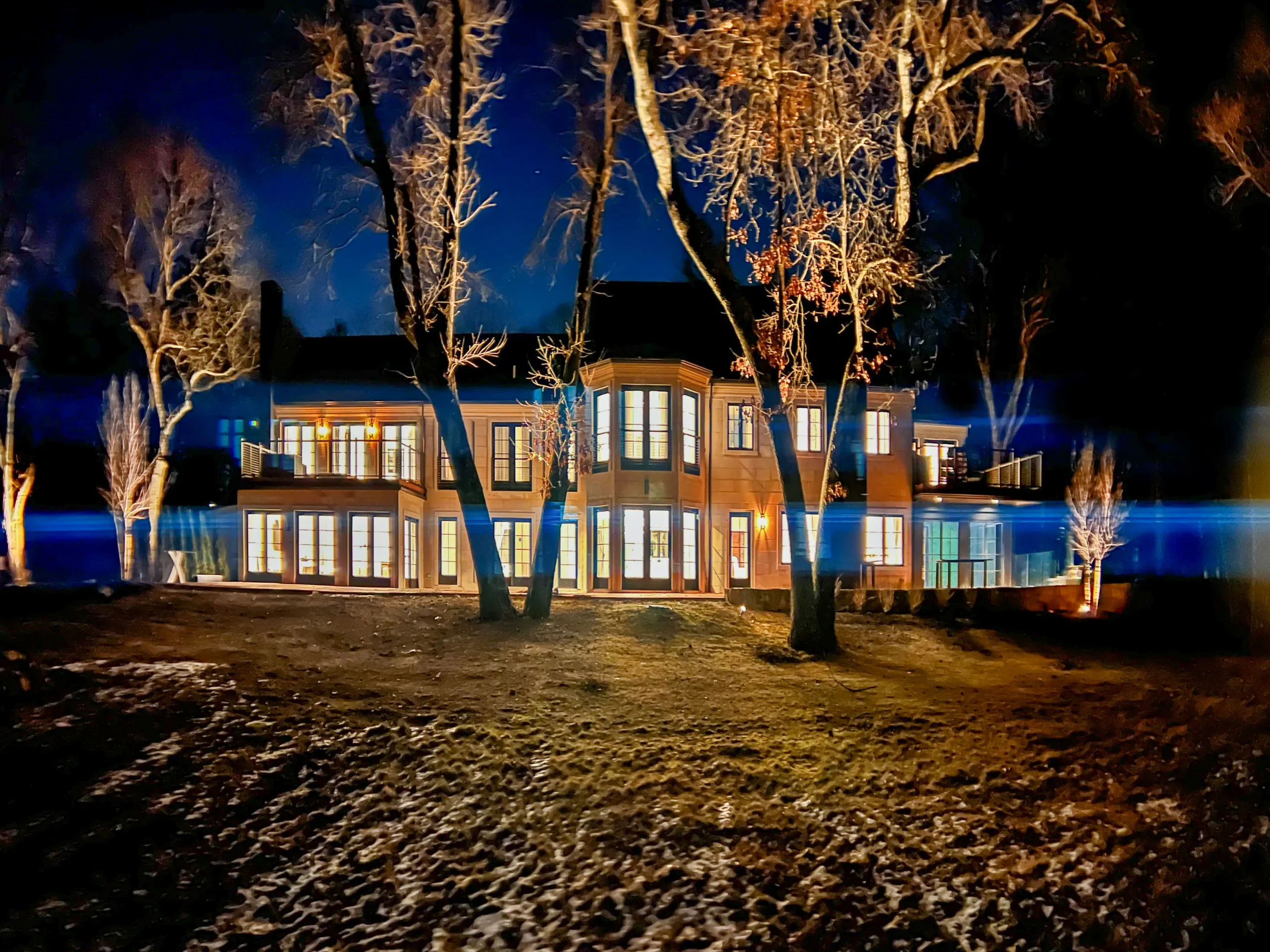
The Charles Chateau is designed around that balance. The French Chateau-inspired private estate sits on 11 private acres in Dedham, Massachusetts, approximately 20 minutes from downtown Boston. The location offers a meaningful change of setting without requiring a leadership team to sacrifice practical access to the city.
For a local view of the estate’s setting, start with this luxury estate rental guide for Dedham, Massachusetts. For a broader look at the property and its role in leadership gatherings, explore this executive retreat venue near Boston guide. The focus here is narrower: how teams should evaluate a near-city private estate when the retreat needs to support both consequential work and a composed group experience.
What Does a Corporate Retreat Near Boston Look Like at a Private Estate?
A corporate retreat near Boston at a private estate can combine focused sessions, shared meals. Overnight accommodation, and unstructured conversation without asking the group to move between multiple public spaces. The property becomes the retreat environment, allowing the schedule to shift naturally as the team’s needs change.
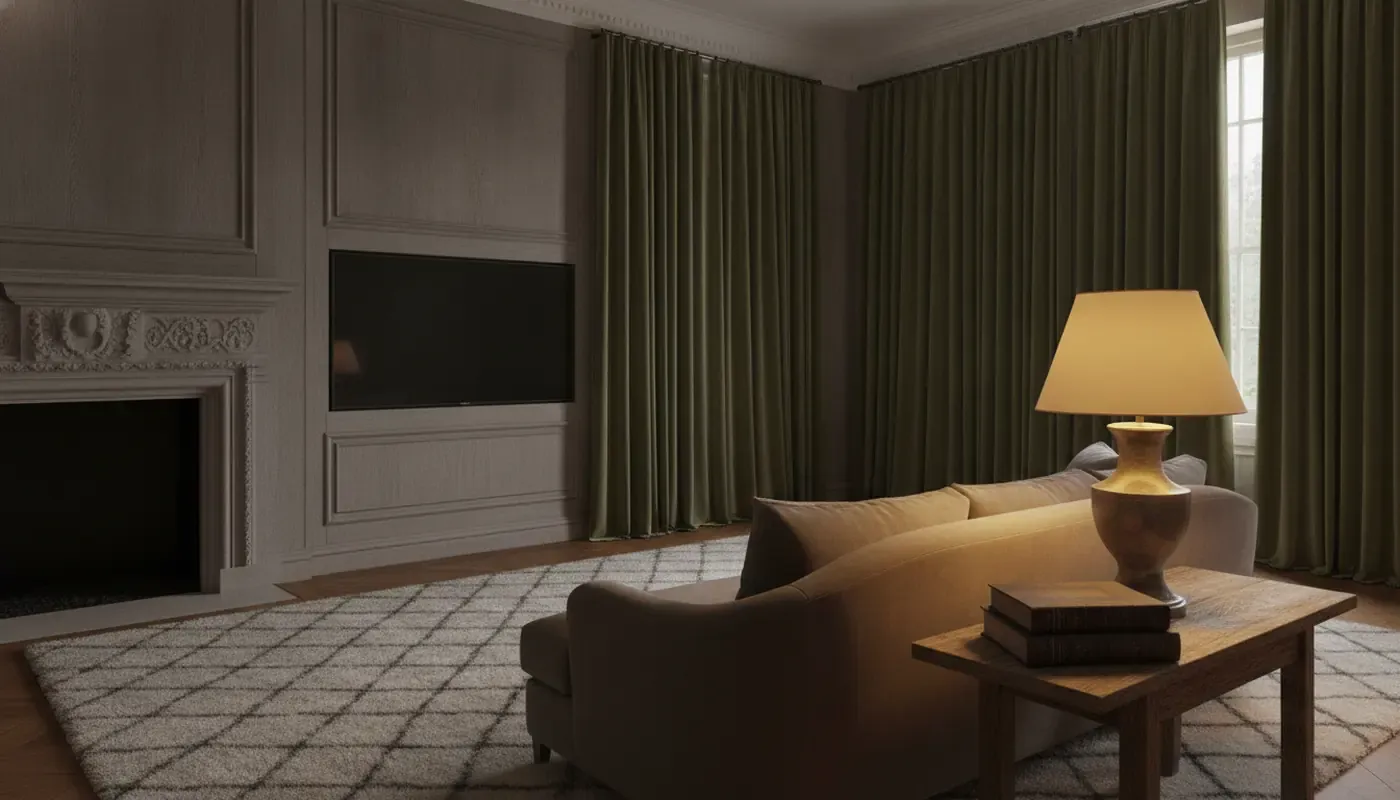
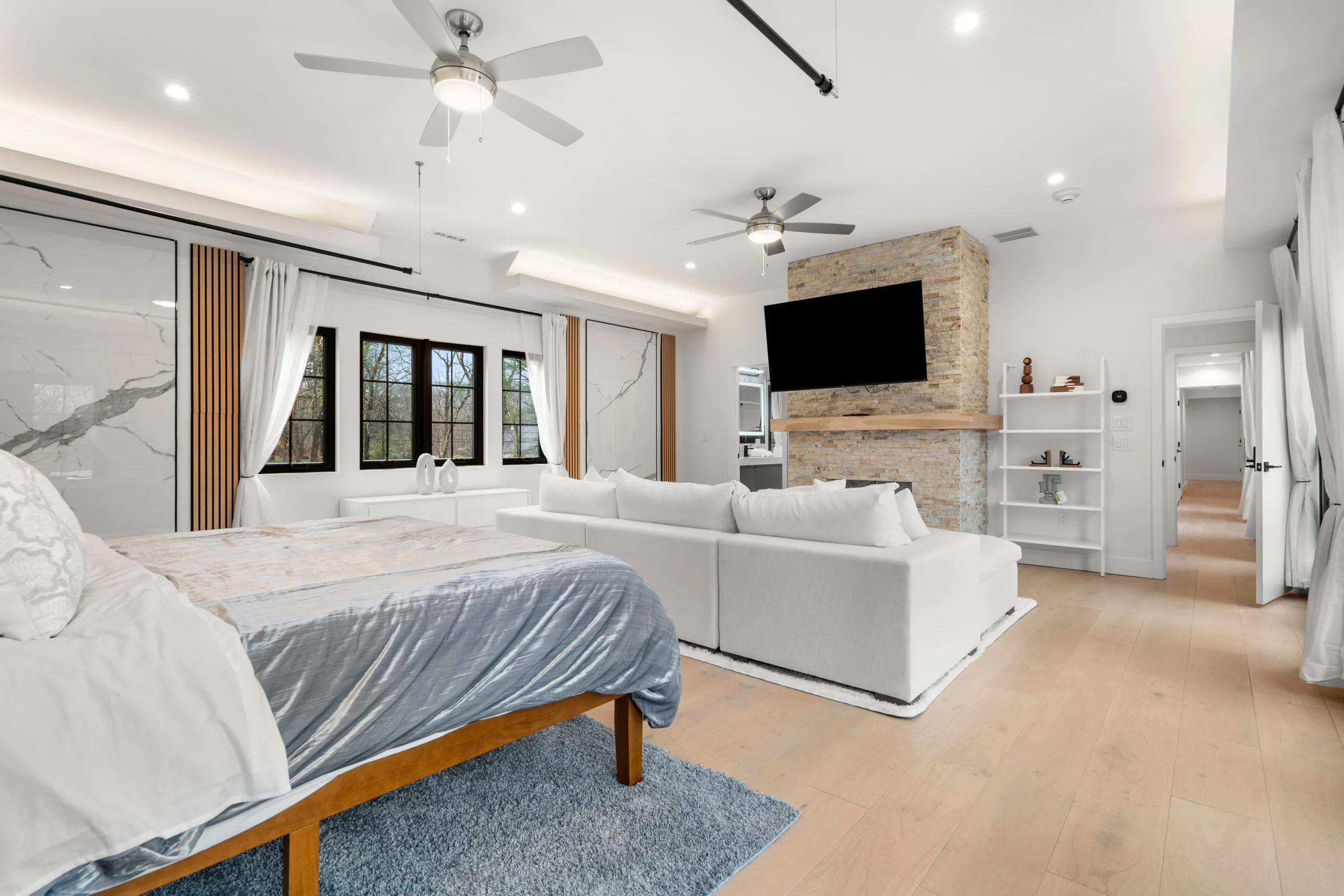
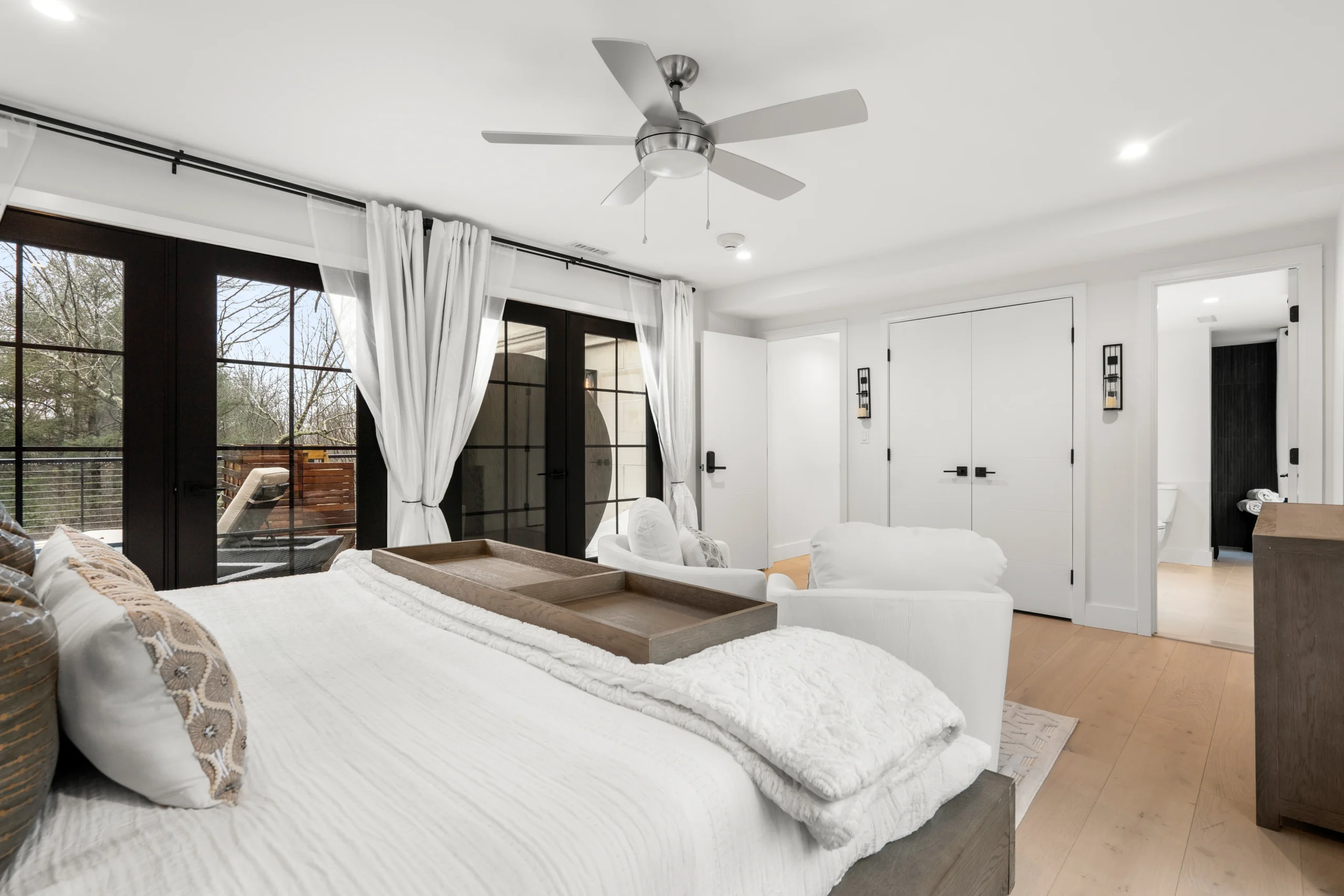
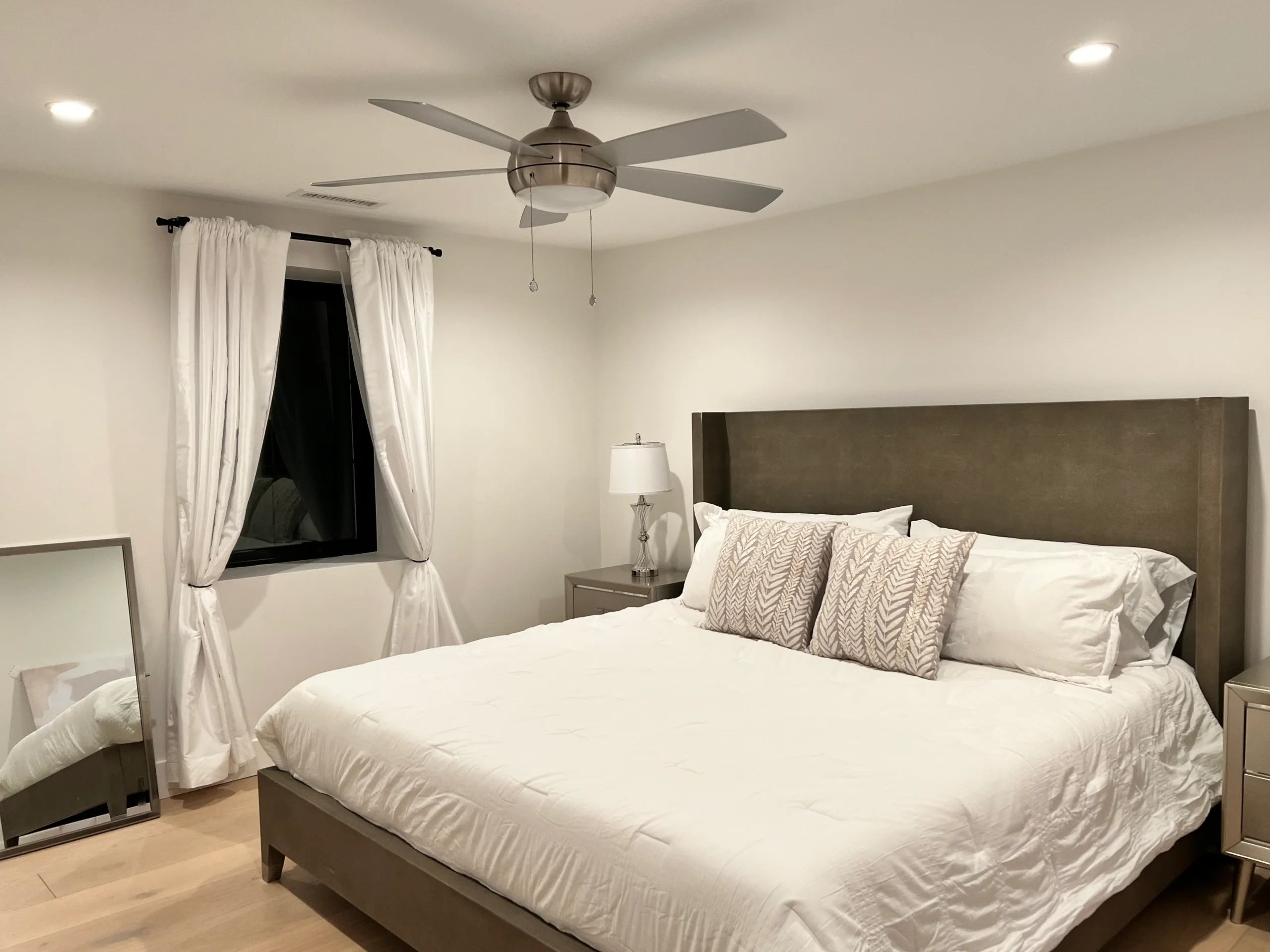
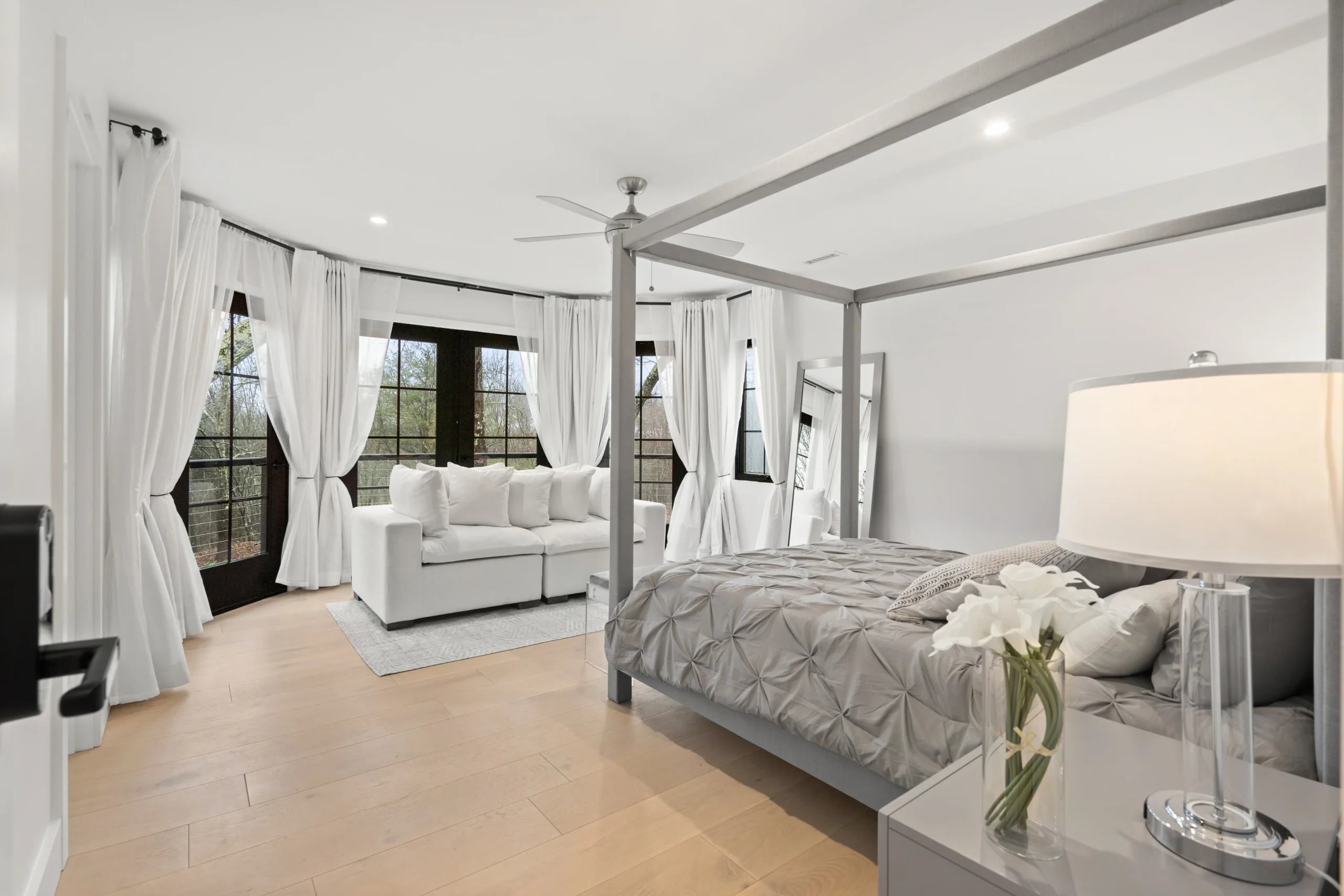
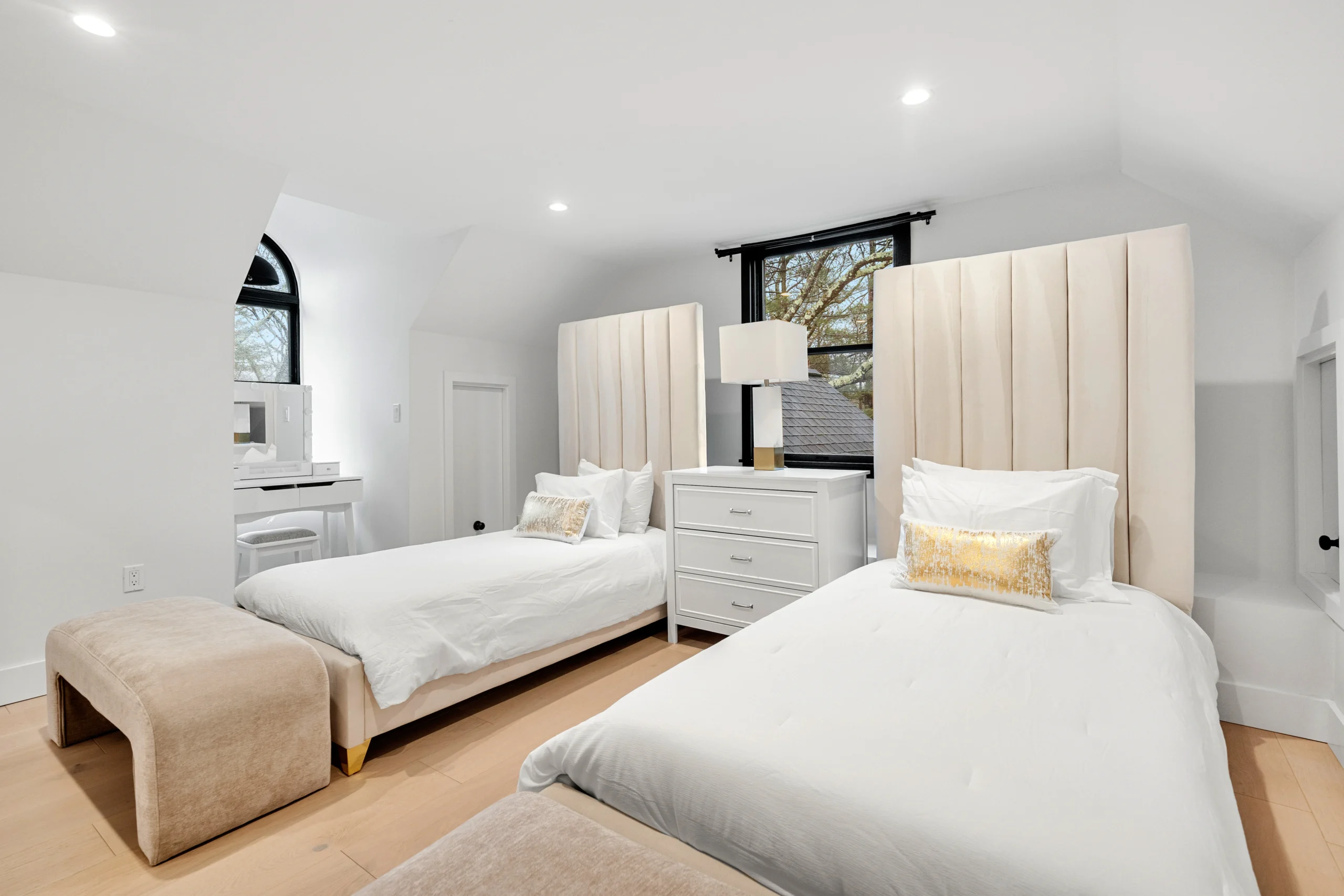
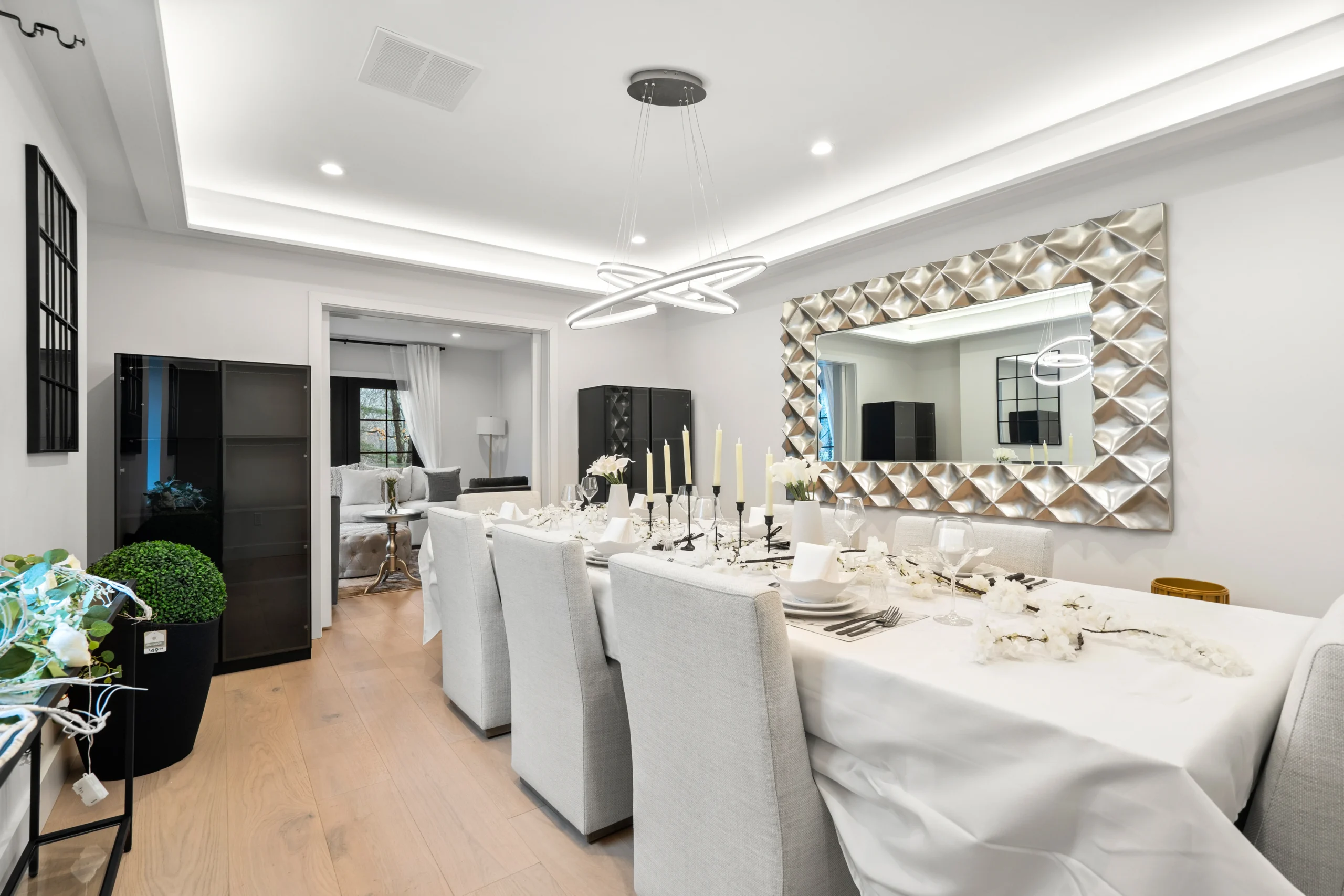
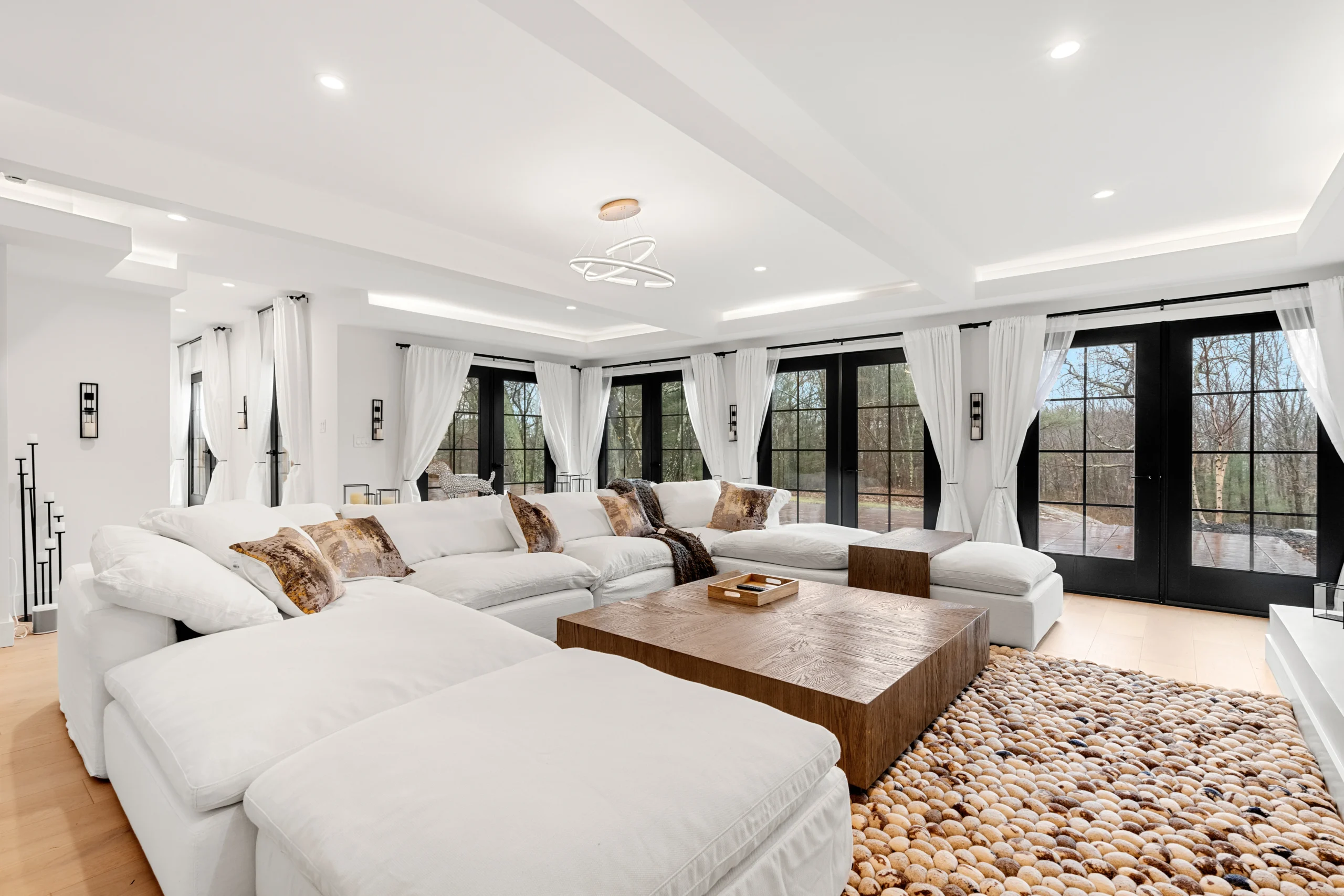
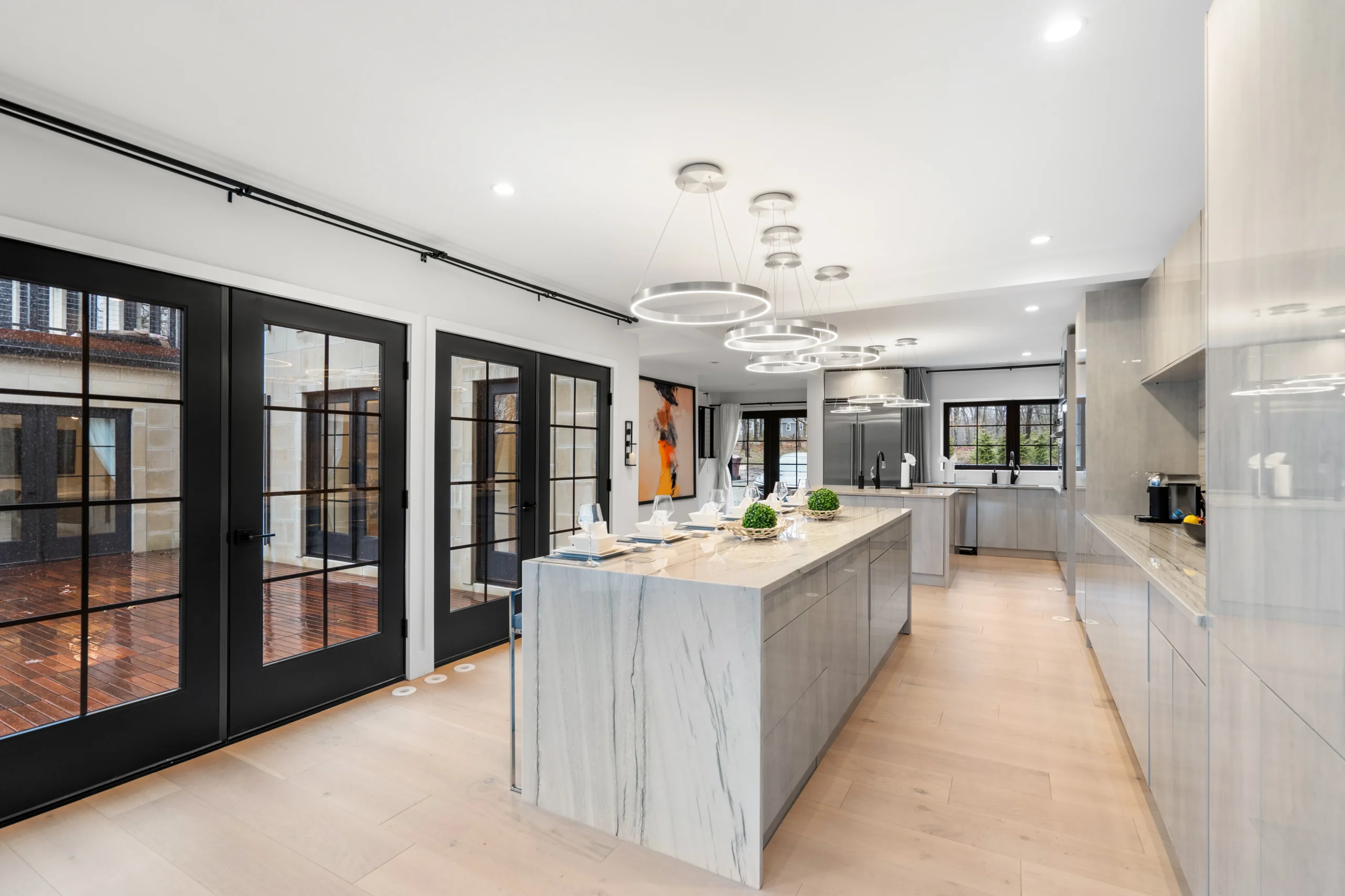
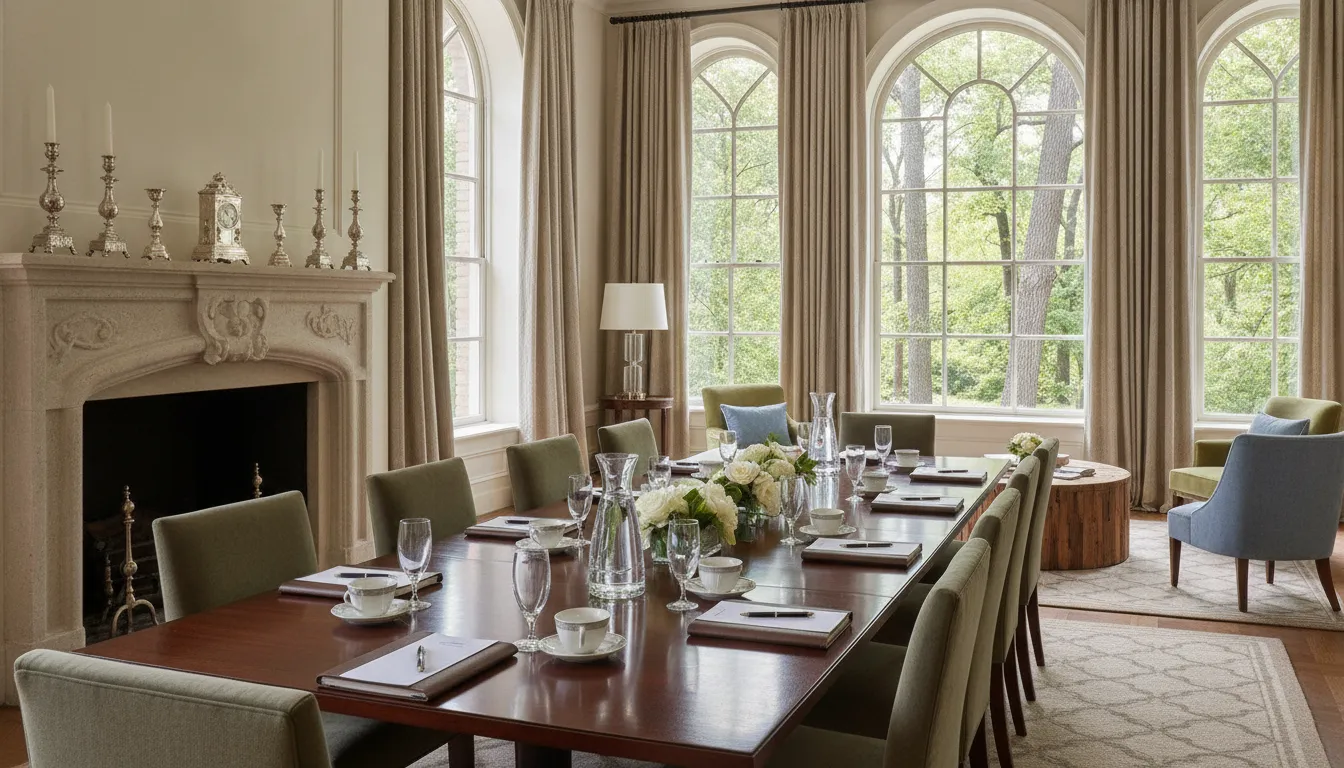
At The Charles Chateau, that environment includes an 8,000-square-foot home, eight bedrooms, and 11 private acres. The scale gives a leadership group room to gather together while preserving places for smaller conversations and individual downtime. That matters when a full day includes presentations, working sessions, one-to-one discussions, and social time.
Use the estate to create a deliberate rhythm
- Arrival: Give the team time to transition from travel and settle into the house before the first major discussion.
- Focused work: Use a dedicated gathering area for the decisions, planning, or alignment work that requires everyone’s attention.
- Shared meals: Let meals create room for conversation that is less formal than a boardroom session but still connected to the group’s purpose.
- Private reset: Preserve time and space for guests to step away, prepare for the next session, or decompress without leaving the property.
- Evening connection: Close the day in a setting that supports conversation rather than sending the group back to separate hotel rooms and public common areas.
The point is not to fill every hour. A well-designed retreat leaves room for the work to breathe. When a difficult conversation runs long or a promising idea needs another half hour. The team can adjust without losing time to a transfer, a crowded lobby, or a rigid venue reset.
How Far Is Far Enough? A Practical 20-Minute Rule
For a Boston-area corporate retreat, a practical distance is often the shortest journey that creates psychological separation from the office. A setting approximately 20 minutes from downtown Boston can be close enough for convenience while still giving the team a distinct private environment for the duration of the gathering.
The 20-minute rule is a planning heuristic, not a promise that every group has the same travel threshold. Start with the people who need to attend, how they will arrive, and what the retreat is intended to accomplish. A team traveling from different parts of Greater Boston may value a near-city estate more than a destination that is technically more scenic but adds hours of coordination.
| Planning question | Why it matters |
|---|---|
| How will most guests arrive? | The best location reduces friction for the people whose participation is essential. |
| Does the group need overnight rooms? | On-site accommodation can preserve continuity and reduce transfers after evening sessions. |
| Will the schedule include city-based activities? | Nearby access keeps the itinerary flexible without making the estate feel like another office. |
| How much separation does the work require? | Confidential or high-stakes discussions may benefit from exclusive use and private grounds. |
| What should the team experience between sessions? | Outdoor space, multiple rooms, and comfortable shared areas shape the quality of the time between agenda items. |
Dedham gives The Charles Chateau a useful position in that calculation. The estate feels removed from the city’s pace, yet the group does not need to commit to a long regional journey simply to find privacy. That can be especially valuable when a retreat includes senior leaders with demanding schedules or participants arriving from nearby offices, airports, and rail connections.
Private Estate vs. Resort for a Near-Boston Retreat: Which Fits?
A private estate is usually the better fit when a team values exclusive use, residential comfort, and a close connection between work and downtime. A resort may be preferable when a group needs extensive conference infrastructure, multiple simultaneous breakout rooms, or a larger inventory of standardized guest rooms.
| Consideration | Private estate | Resort or hotel |
|---|---|---|
| Privacy | One group can control the relevant house and grounds. | Guests share public areas and the wider property with other visitors. |
| Atmosphere | Residential, distinctive, and naturally suited to extended conversation. | Structured hospitality environment with established event operations. |
| Agenda flexibility | Work, meals, and informal time can flow through one connected setting. | Sessions may be organized around booked rooms and venue schedules. |
| Overnight experience | Guests remain together in a private home with separate bedrooms and shared spaces. | Guests typically return to individual rooms within a larger property. |
| Best fit | Leadership groups seeking discretion, continuity, and a more personal setting. | Larger programs prioritizing scale, standardized operations, and formal meeting infrastructure. |
Neither format is universally right. The question is whether the venue’s operating model matches the retreat’s purpose. A large organization running a multi-track conference may need the systems of a resort. A leadership team working through a small number of consequential decisions may benefit more from privacy. Continuity, and the ability to move between serious work and restoration without changing venues.
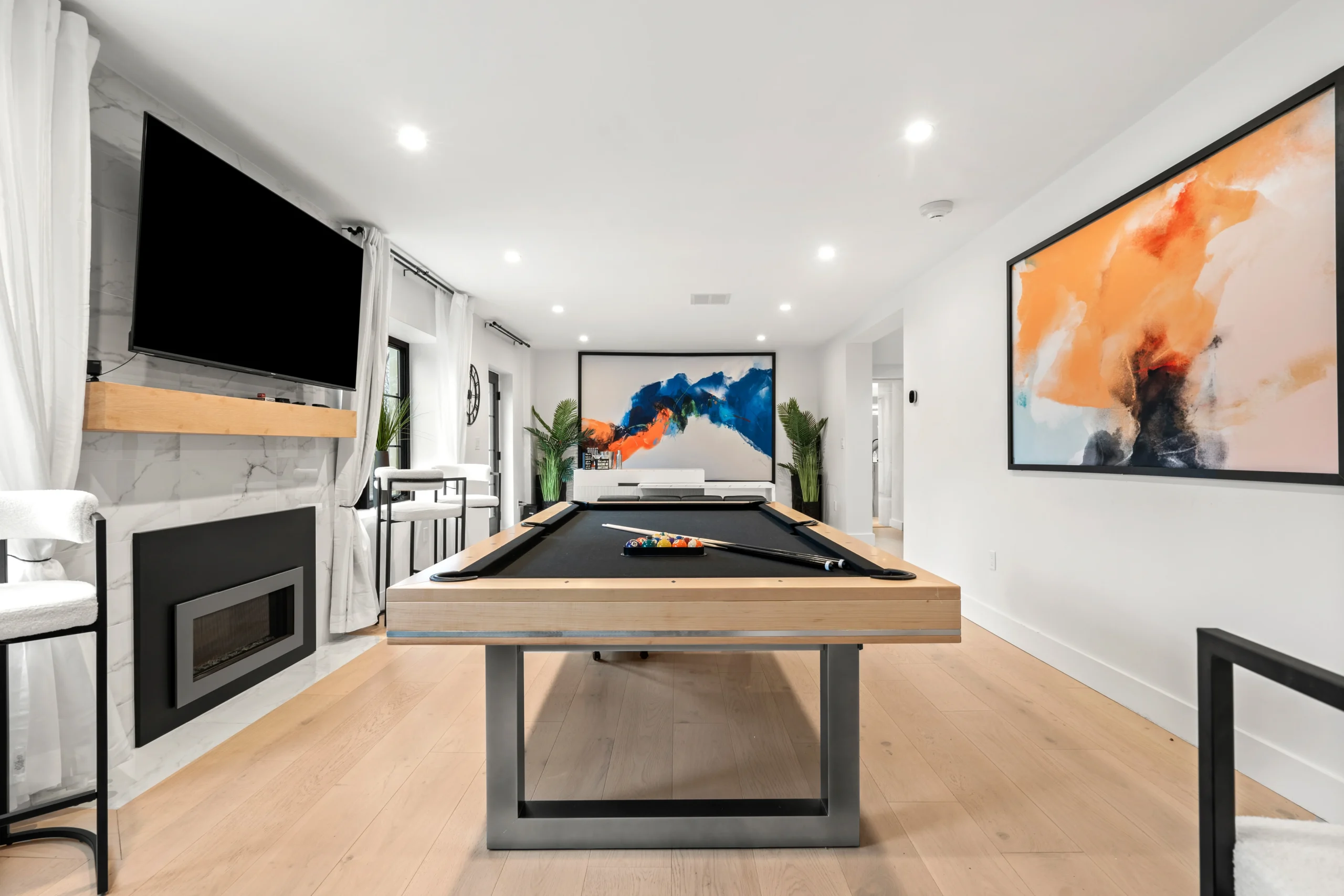
The Charles Chateau combines the intimacy of a private home with the support expected from a concierge-led experience. Interior spaces include a media area, billiards room, private gym, and spa, while the grounds provide room to step outside between sessions. The goal is not to add generic amenities to a checklist. It is to give the team meaningful options for how the day unfolds.
Teams that want to assess the local setting in more detail can review the Dedham luxury estate rental guide. It provides useful context for considering how proximity to Boston, private grounds, and the full-estate format work together.
Teams evaluating the distinction can also read this private estate versus hotel conference center comparison. The near-Boston decision adds a local question: how much access does the group need, and how much separation will make the time worthwhile?
How Should Teams Plan the Work and the Experience?
The strongest corporate retreats treat the agenda and the setting as one design problem. Decide what must happen in a formal session, what deserves a smaller conversation, and what should remain open. Then choose spaces and transitions that allow the team to move through those modes without unnecessary friction.
Start with the decisions, not the activities
Write down the decisions the retreat needs to advance before choosing team-building activities or entertainment. That list might include strategic priorities, leadership alignment, a board-level question, or a plan for the next operating period. Once the purpose is clear, the host can decide where the group needs concentration and where it needs room to reconnect.
Build in separation without over-scheduling
A private estate can support a more generous rhythm than a conference center because the group does not have to justify every minute through a formal room booking. Use that flexibility carefully. Leave enough unstructured time for a conversation to continue over a meal or for participants to reset before the next session.
Plan for the overnight group
If the retreat includes an overnight stay, plan the guest experience beyond the meeting agenda. Confirm room assignments, arrival timing, meals, privacy expectations, and the transition from work to evening. The Charles Chateau’s eight bedrooms and whole-estate model allow a group to remain together while still giving individuals a private place to retire.
Use concierge support early
Concierge service is most useful when it helps shape the stay before arrival. Share the retreat purpose, preferred dates, expected group size, overnight needs, and the balance between formal work and informal time. A concierge team can then help the planning conversation stay specific to the group rather than offering a generic list of add-ons.
For practical planning ideas that begin with the purpose of an offsite, see this corporate offsite guide for leadership teams. The private-estate question comes later: whether the property can make that plan feel focused, private, and easy to execute.
How Do You Book a Corporate Retreat Near Boston Estate?
Booking a corporate retreat near Boston estate typically begins with a fit conversation rather than an instant public reservation. Share the group’s purpose, preferred timing, anticipated participants, overnight needs, and desired level of privacy so the estate team can discuss availability and the appropriate next step.
- Define the retreat: Clarify the decisions, conversations, and experience the team needs the setting to support.
- Prepare the group brief: Note preferred dates, expected overnight and day guests, arrival patterns, meal expectations, and privacy considerations.
- Review the setting: Confirm that the estate’s scale, rooms, grounds, and access model suit the group.
- Discuss the experience: Ask how concierge support can help coordinate the booking process and shape the stay.
- Confirm fit and next steps: Use the inquiry conversation to understand availability, membership or invitation requirements, and the path forward.
The Charles Chateau is a private members-only estate. Reservations are extended to active members and invited guests, and prospective guests may request consideration through the concierge team. That model is intentionally different from selecting an anonymous listing or clicking through a standardized hotel reservation flow.
A near-city estate is not simply a compromise between downtown and the countryside. For the right leadership group, it is a deliberate choice. There is enough distance to change the quality of the conversation, enough access to respect executive schedules. And enough privacy to let the team work and reconnect in one place.
Frequently Asked Questions
What is a corporate retreat near Boston estate?
A corporate retreat near Boston estate is a leadership or team gathering held at a private estate close to the city. It combines a distinct setting with practical access, allowing a group to work, dine, and potentially stay overnight without sharing the primary environment with unrelated guests.
Why choose a private estate instead of a Boston hotel?
A private estate gives one group greater control over privacy, pace, and shared spaces. A Boston hotel may offer more standardized meeting infrastructure, while an estate can create a more cohesive residential environment for leadership discussion, meals, informal conversation, and overnight time.
How close should a corporate retreat be to Boston?
The right distance depends on the group and schedule. For many Boston-area teams, approximately 20 minutes from downtown can create meaningful separation without adding a long transfer. Consider where participants are coming from, whether they need overnight rooms, and how much city access the agenda requires.
How many people can The Charles Chateau accommodate?
The Charles Chateau has eight bedrooms and is designed for elevated group stays with 16 or more overnight guests, subject to the specific booking and experience plan. The estate’s 8,000 square feet of interior space and 11 private acres also give groups room to gather and spread out.
Is The Charles Chateau publicly bookable?
No. The Charles Chateau operates as a private members-only estate. Reservations are extended to active members and invited guests, while prospective guests may request consideration through the concierge team.