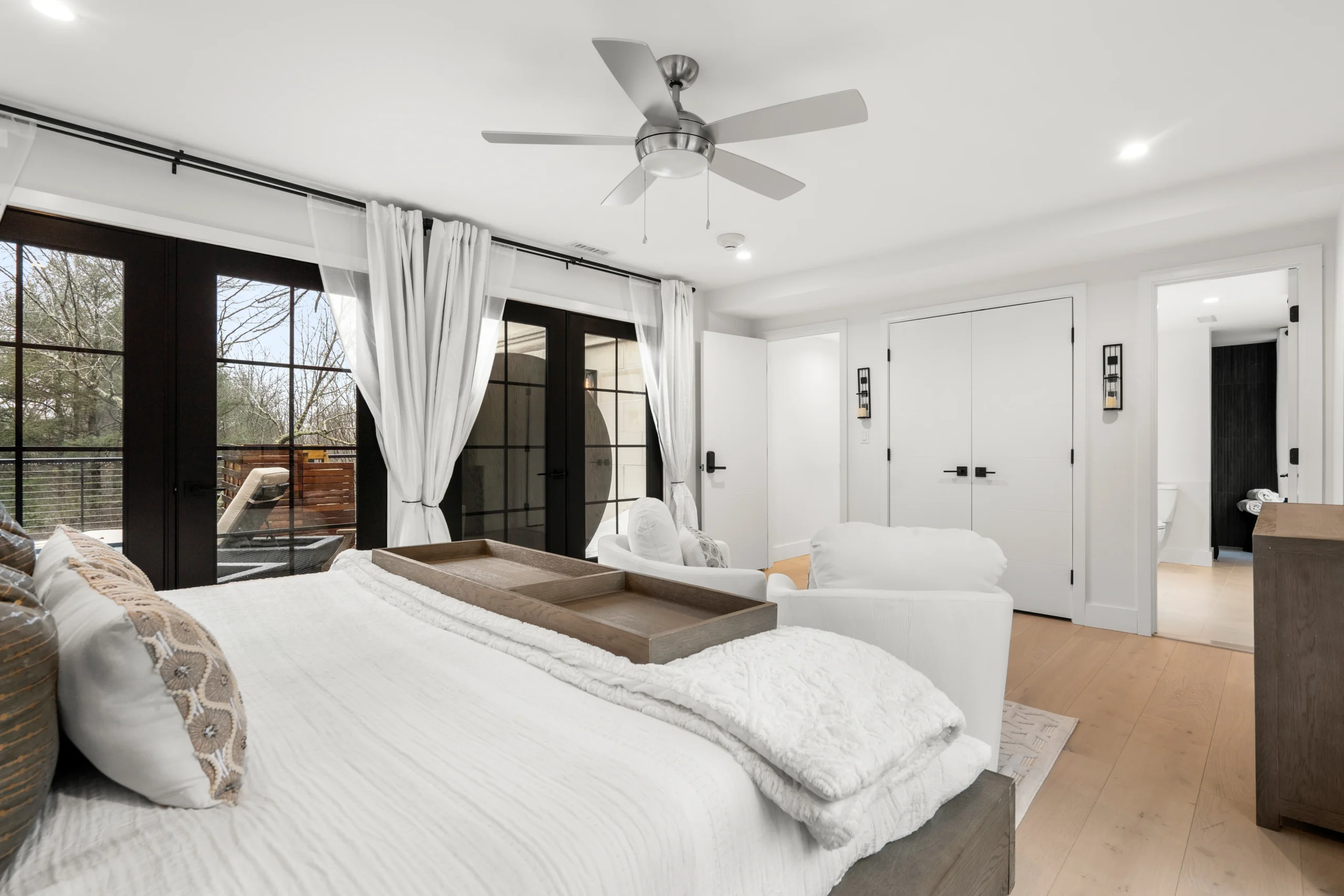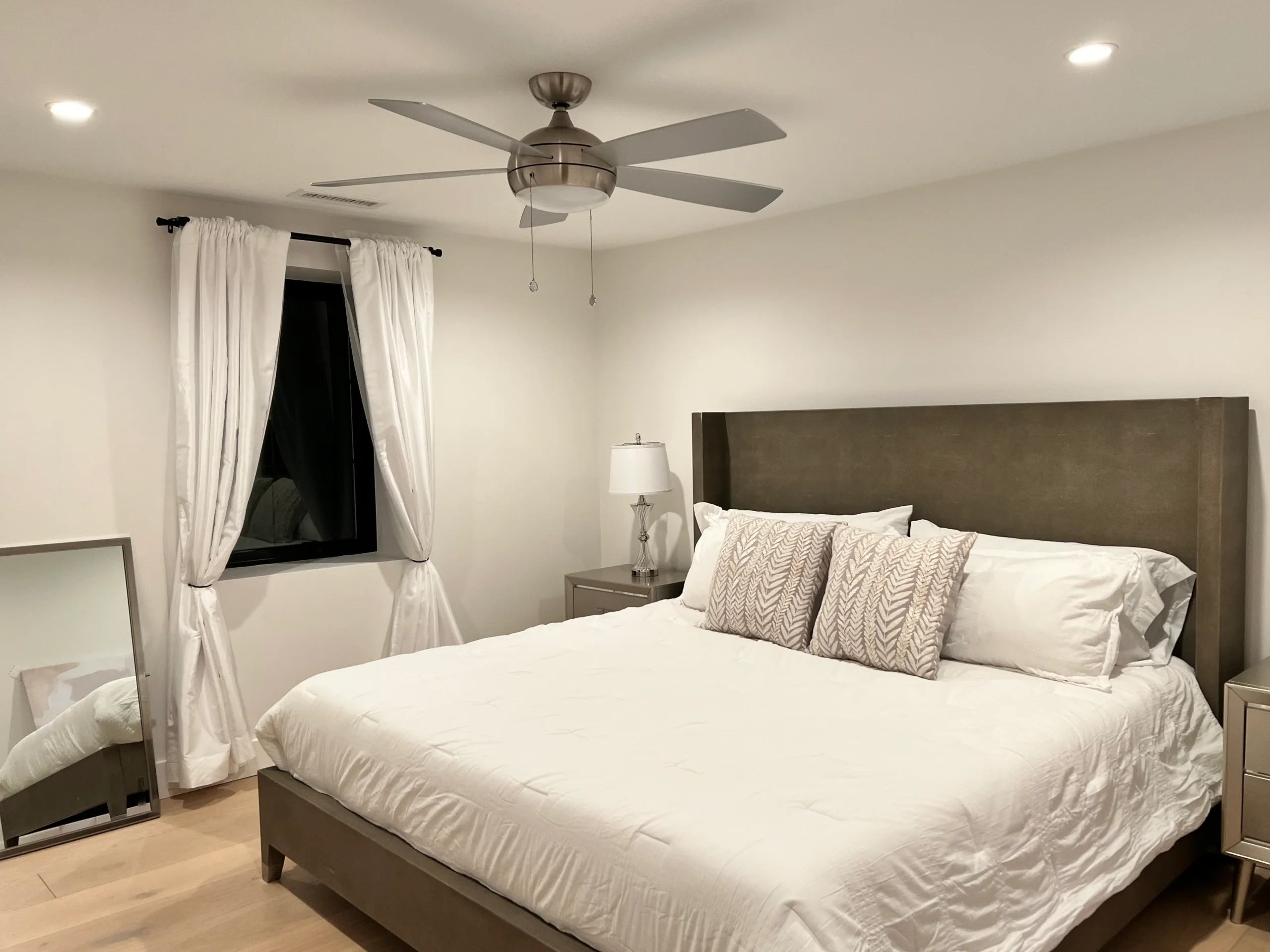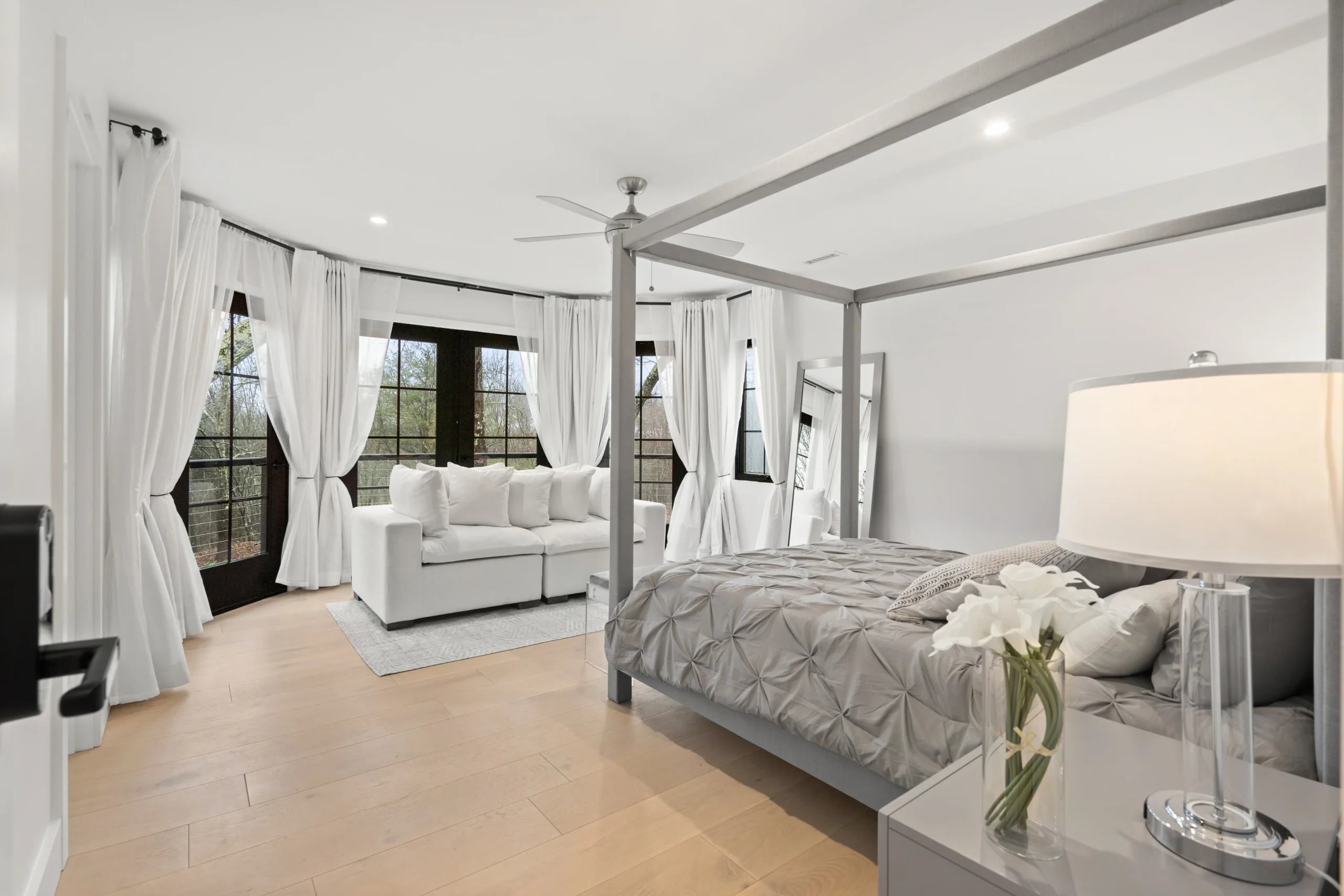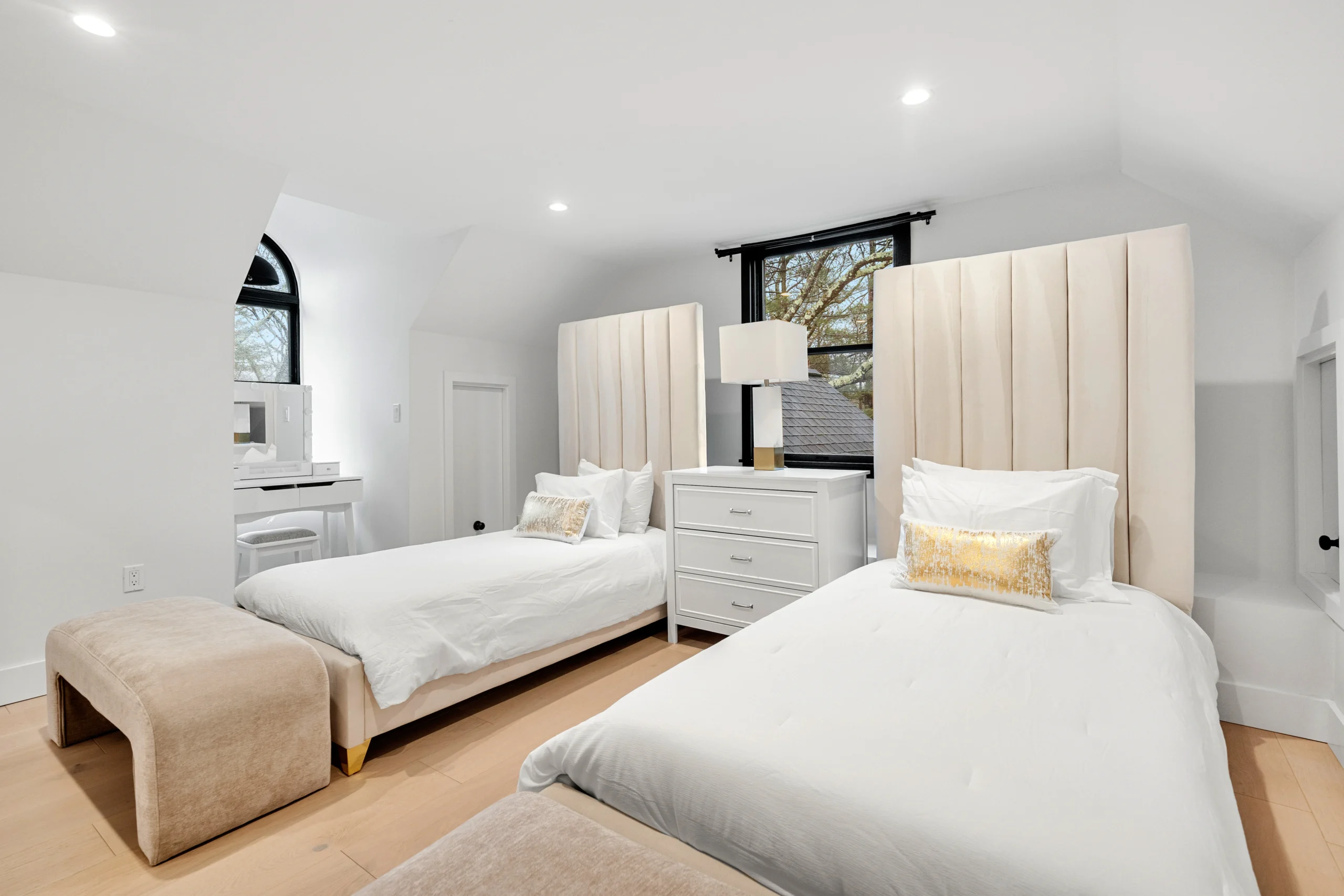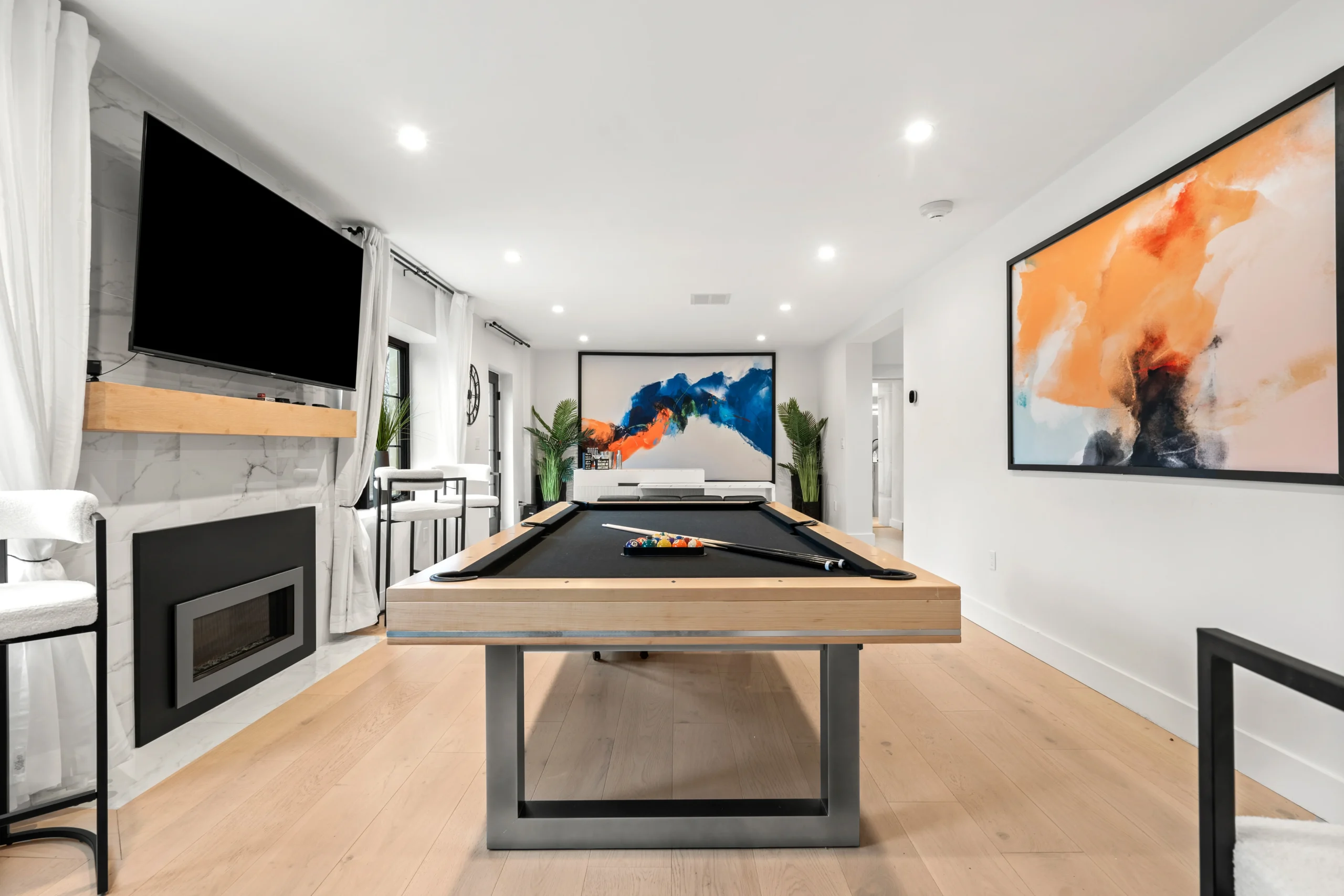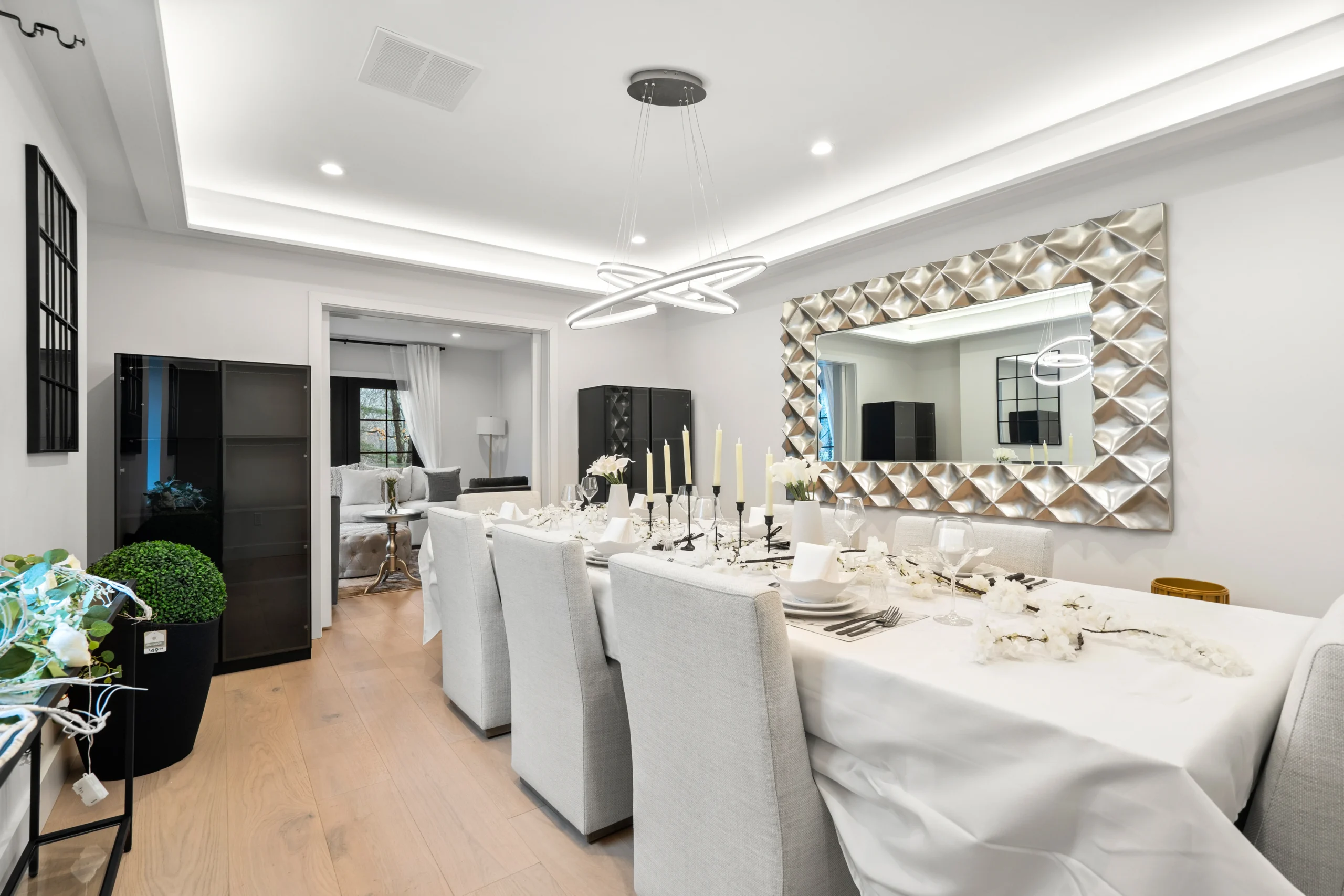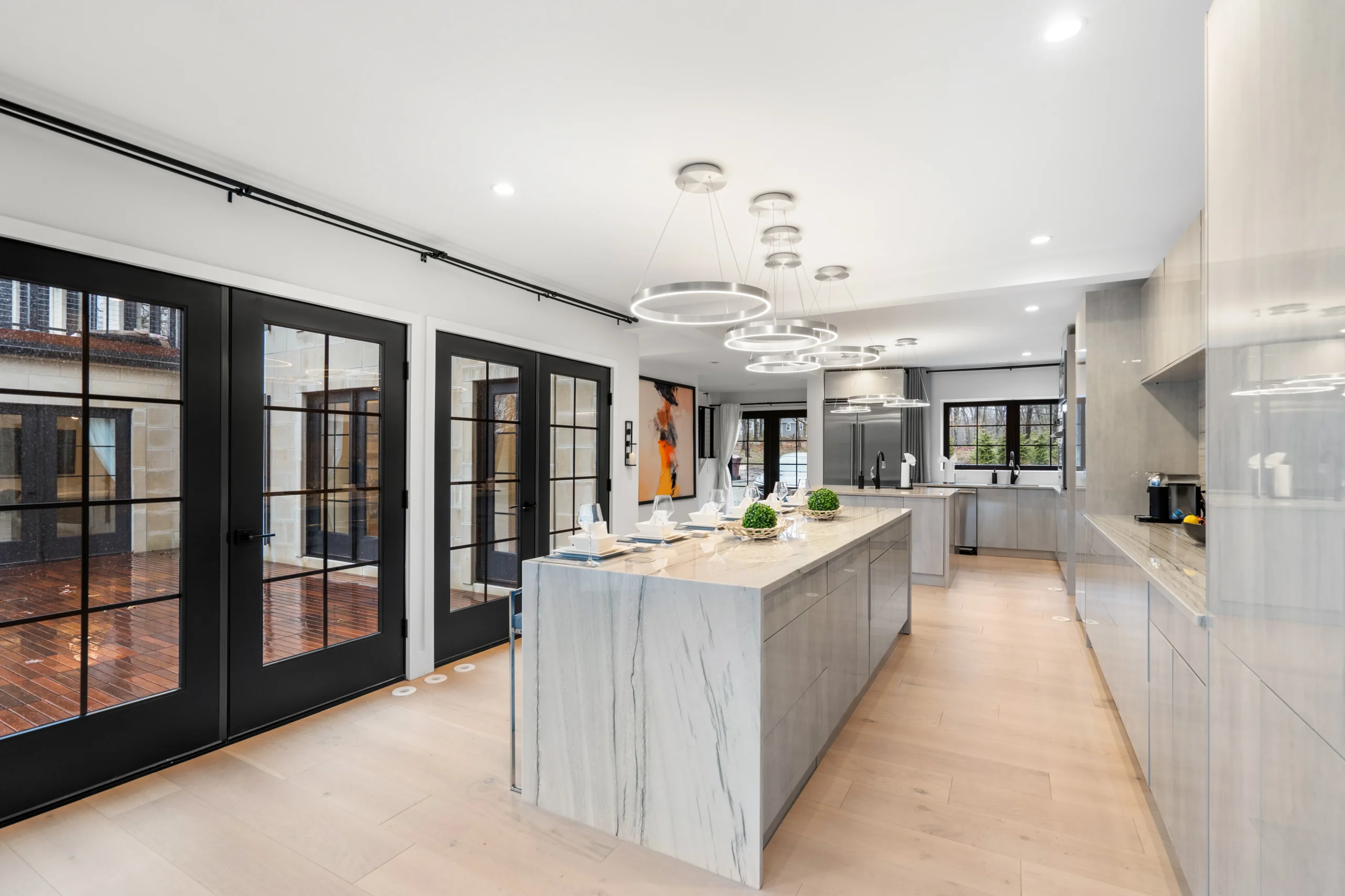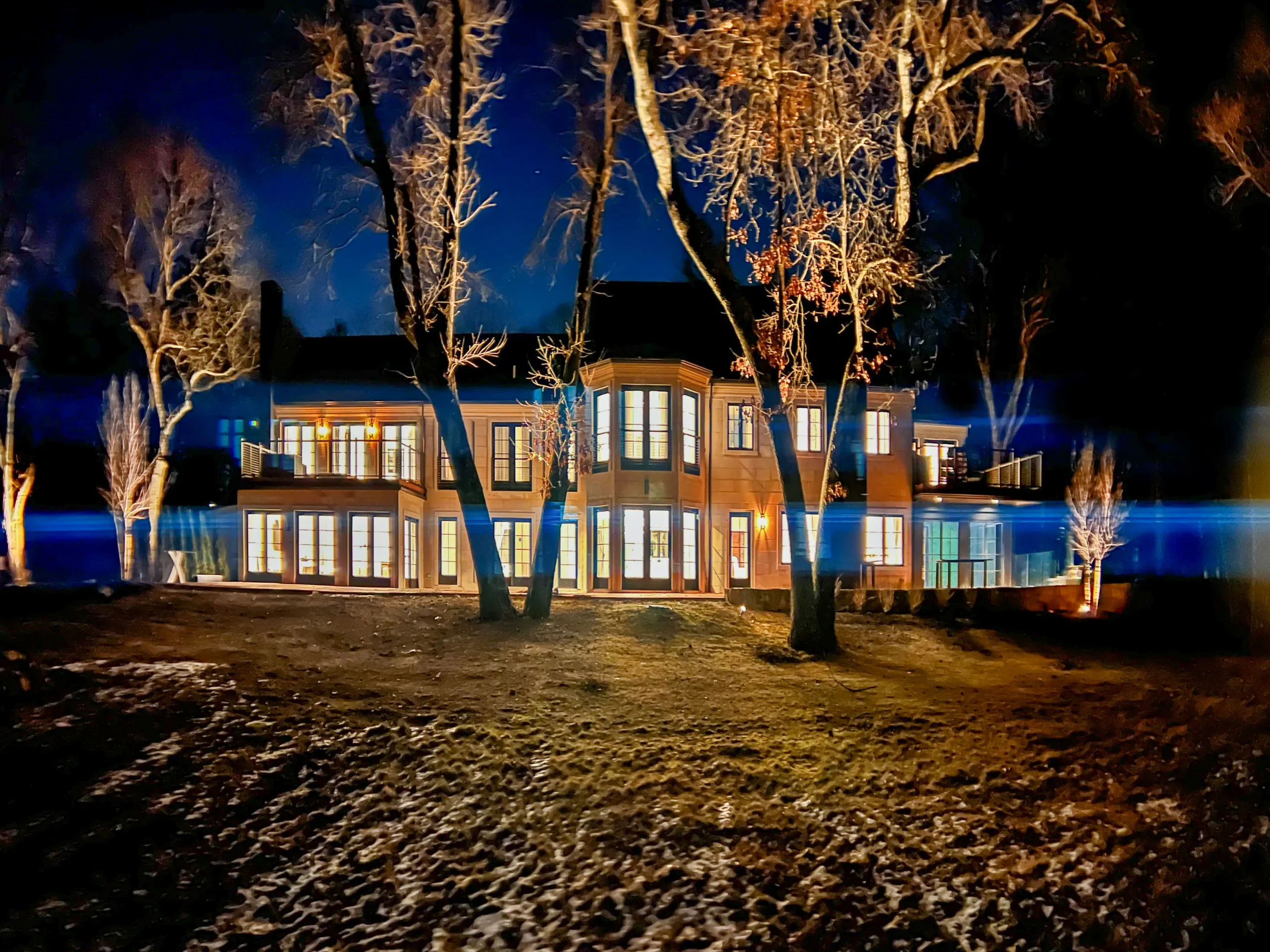
Request availability for a private executive retreat where strategic work can continue without the interruptions of a conventional meeting venue. Near Boston, a private estate gives leadership teams room to move between focused conversation, shared experiences, and quiet reflection while maintaining discretion throughout the stay.
The strongest team building ideas executive retreat private estate plans connect directly to the team’s priorities. They may include moderated strategy sessions, outdoor challenges, chef-led collaboration, or guided wellness, selected to improve communication and alignment rather than simply fill time. A private setting also makes it easier to tailor the pace, privacy, and level of concierge support to the group.
For executive teams, the setting matters because the quality of collaboration can influence how well strategy is carried forward. The Charles Chateau offers an 8,000-square-foot French Chateau-inspired estate on 11 private acres in Dedham, approximately 20 minutes from downtown Boston. That balance of proximity and seclusion creates the conditions for a more deliberate retreat, beginning with why a change of environment can strengthen the work itself.
Team Building Ideas Executive Retreat Private Estate: Why Team Building Works Better Outside the Office
Executive teams often work more effectively outside the office because a private setting removes routine interruptions. Creates room for candid strategic discussion, and makes collaboration the focus of the retreat. A private estate offers the discretion and flexibility needed to pair serious work with purposeful team-building experiences.
The case for a change of setting is not simply aesthetic. Harvard Business Review reports that only 20% of executive teams in one study were high performing, while strong executive team performance correlated with revenue, profitability, and shareholder return. When senior teams become dysfunctional, morale suffers and strategy execution can lose momentum. A retreat should therefore address how the leadership group works together, not merely provide time away from headquarters.
Executive teams also require specialized approaches. Their responsibilities involve enterprise-wide tradeoffs, competing priorities, and decisions that affect the entire organization. Generic games or loosely planned social activities rarely address those demands. A considered program can instead use facilitated discussions, shared challenges, and carefully timed periods of informal connection to improve how leaders listen, challenge assumptions, and reach alignment.
For teams weighing their options, the table below compares the estate setting with conventional venues across the dimensions that matter most for team development.
| Dimension | Private Estate Setting | Hotel / Conference Center |
|---|---|---|
| Privacy level | Exclusive use, no other guests | Shared corridors and public areas |
| Space flexibility | Residential rooms adapt to group needs | Fixed meeting rooms with scheduled slots |
| Activity variety | Indoor, outdoor, culinary, wellness on one property | Limited to meeting spaces and catering |
| Concierge customization | Bespoke agenda built around team objectives | Standard event package |
| Work-to-connection flow | Natural transitions without venue changes | Movement between floors and buildings |
Why a hotel conference center can limit the experience
Hotel conference centers are designed for volume and convenience. They can place a leadership group near other meetings, guest traffic, scheduled catering, and the visual cues of a standard corporate event. Those conditions may be practical, but they can make sensitive conversations feel transactional and encourage participants to remain in presentation mode.
A private estate creates a more contained environment. At The Charles Chateau, the combination of private grounds, residential-scale interiors, and concierge coordination supports focused work without the atmosphere of a public venue. The distinction between a hotel conference center and a private estate is explored in this comparison of corporate offsite settings.
Teams can move naturally from a strategy session to a guided outdoor activity, a shared meal, or an unhurried conversation without leaving the property. That continuity gives the day a stronger rhythm and helps relationships develop alongside the work. For groups considering an executive retreat venue near Boston, a private estate can provide the concentration, privacy, and flexibility that a conventional meeting environment often lacks.
What Outdoor Team Building Activities Work on a Private Estate?
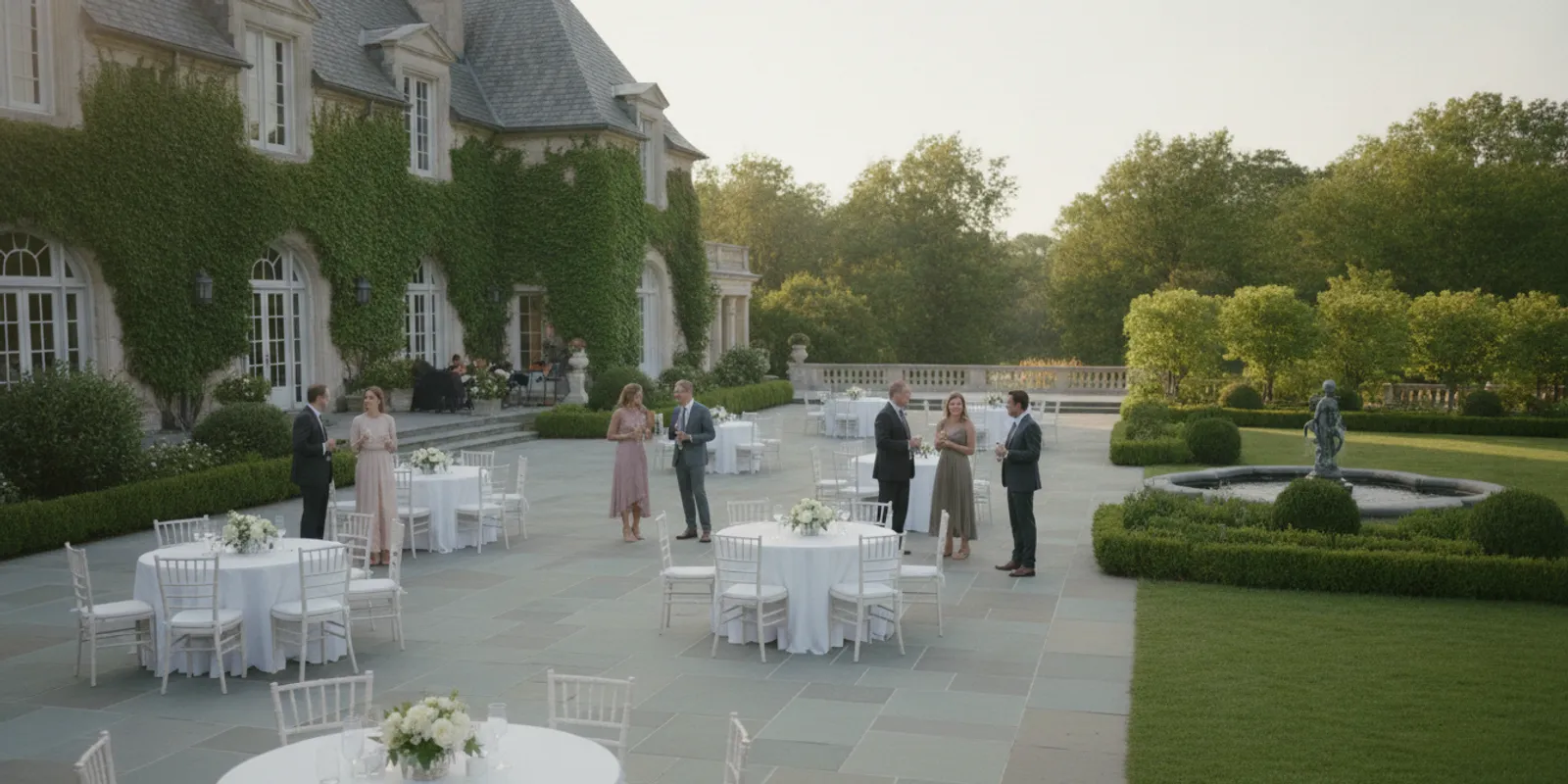
The most effective outdoor activities combine movement, conversation, and a clear purpose without turning the retreat into a staged corporate exercise. On a private estate, teams can take guided nature walks, hold strategy sessions across the lawn. And share an outdoor meal, with each setting adjusted by the concierge for the group’s goals.
Guided nature walks create space for conversation that feels less formal than a conference-room discussion. A slow route through the estate grounds can pair senior leaders who do not often work together. Encourage reflective one-to-one exchanges, or give a group time to consider a strategic question before returning indoors. The value is not a forced game. It is the change of pace, the privacy, and the opportunity to hear one another without the usual office interruptions.
Use the grounds for strategic thinking
For teams working through a complex decision, a lawn strategy session can bring structure to an otherwise open-ended conversation. A facilitator might frame the issue, divide the group into smaller working pairs, and reconvene outdoors to compare priorities. The setting supports focused dialogue while allowing participants to move between shaded areas, terraces, and more open stretches of lawn as the session develops.
The Charles Chateau offers eleven private acres, creating room for an outdoor program to feel deliberately composed rather than compressed between other groups. That exclusivity matters when executives need a distraction-free environment for candid discussion. The estate’s executive retreat venue near Boston combines proximity to the city with the seclusion required for meaningful work.
Make dining part of the experience
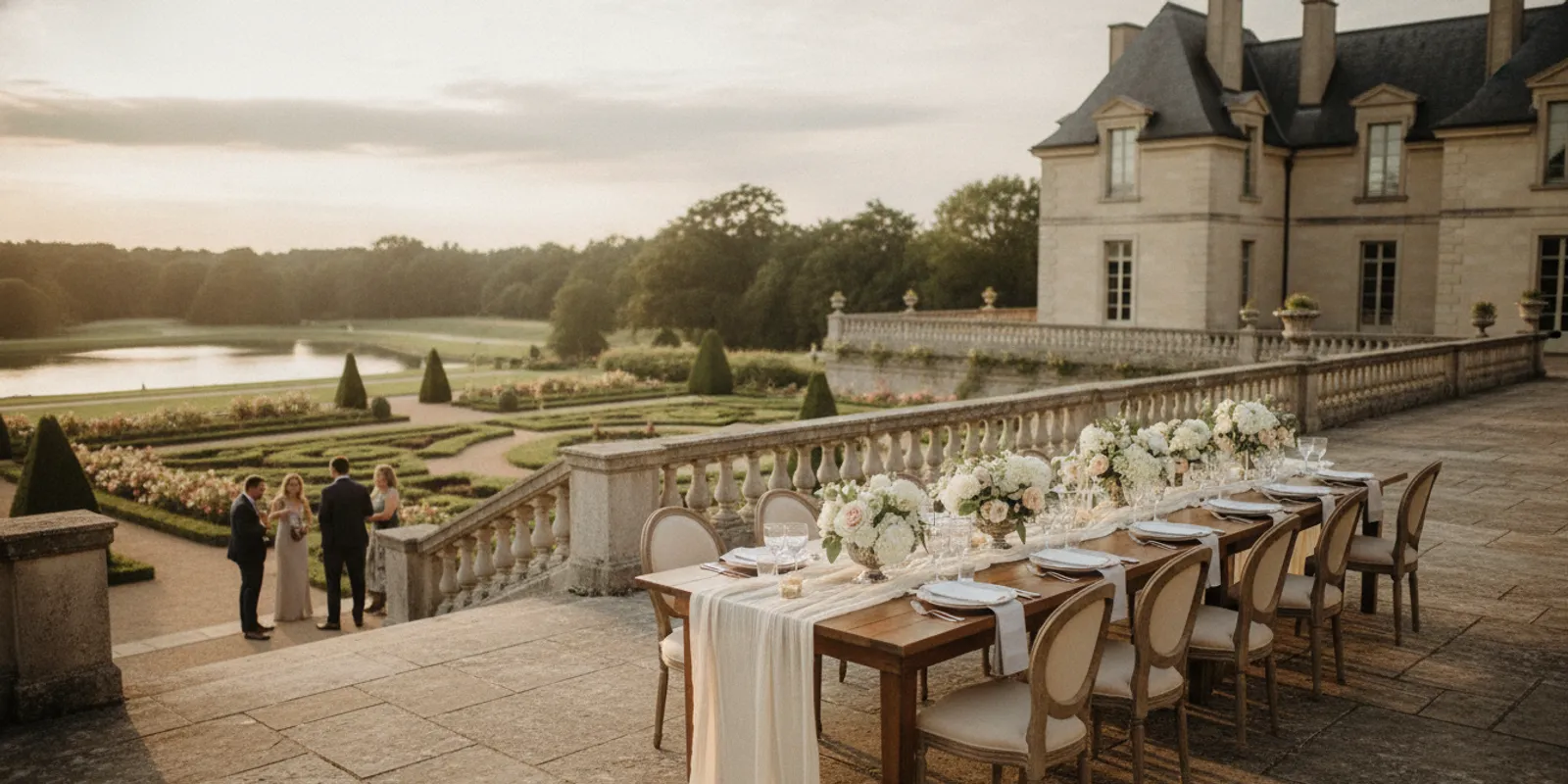
Outdoor dining can close a working session without making the meal feel like another agenda item. The concierge team can coordinate the location, flow, and service around the group’s needs. Whether the preference is a long lunch after a morning walk or an evening meal that allows conversation to continue naturally. Seating and dining arrangements remain bespoke rather than fixed, shaped around the reservation and the atmosphere the group wants to create.
For more ways to connect purposeful activities with an elevated retreat setting, explore team building during your executive retreat.
How Can Indoor Collaboration Activities Strengthen Executive Teams?
Indoor collaboration works best when it turns private time into a focused business outcome. At a residential estate, executives can move from a decision sprint to a strategy workshop or chef-led exercise without leaving the setting. The result is structured alignment, thoughtful participation, and room for informal trust to develop.
Use decision sprints to resolve a lingering issue
A decision sprint gives the team a tangible reason to engage. Select one high-stakes topic that has remained unresolved, define three to five viable options, and assess the upside and cost of each. The group then works toward one decision statement within 24 hours. Because the exercise produces a clear output. It is more meaningful than a generic game and gives executives a practical way to observe how they debate, listen, and commit.
Turn the grand living room into a strategy studio
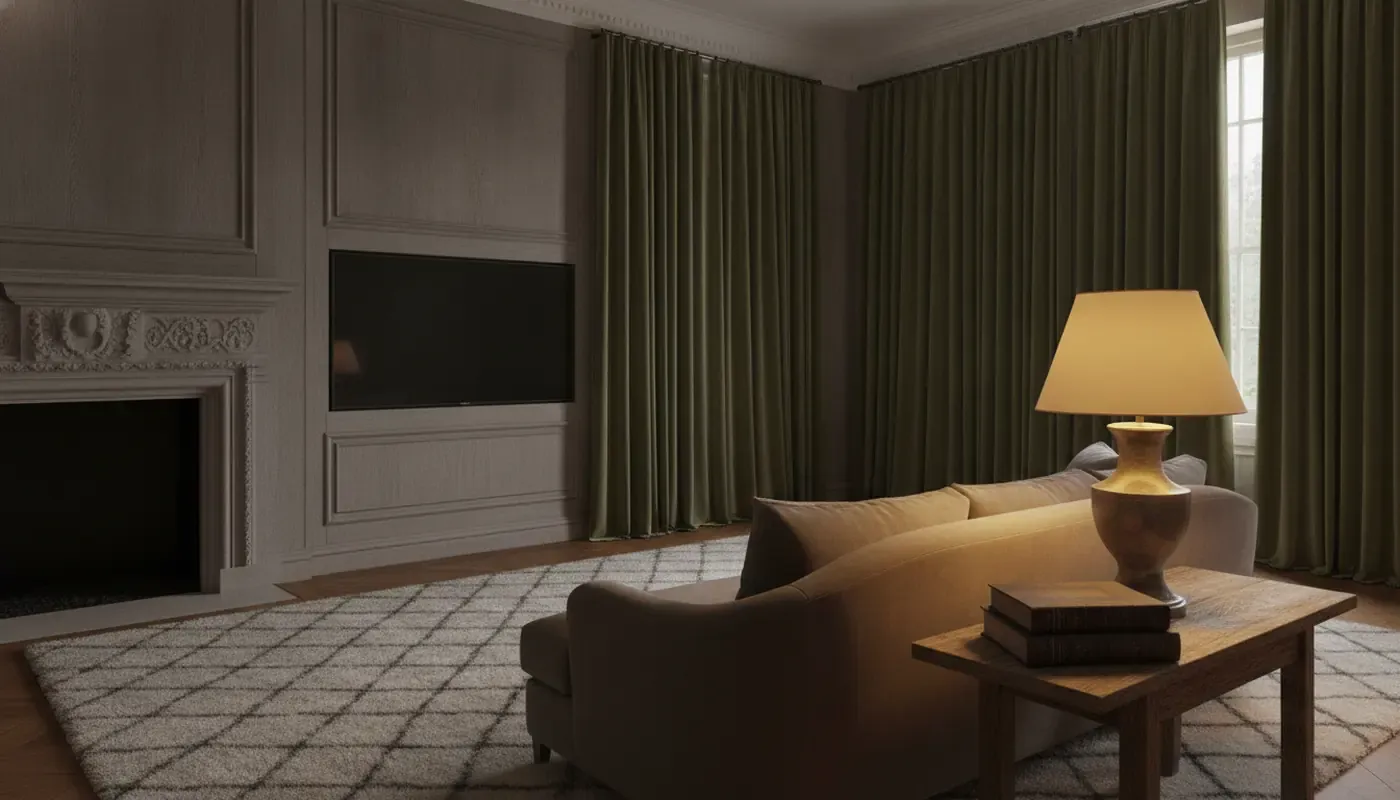
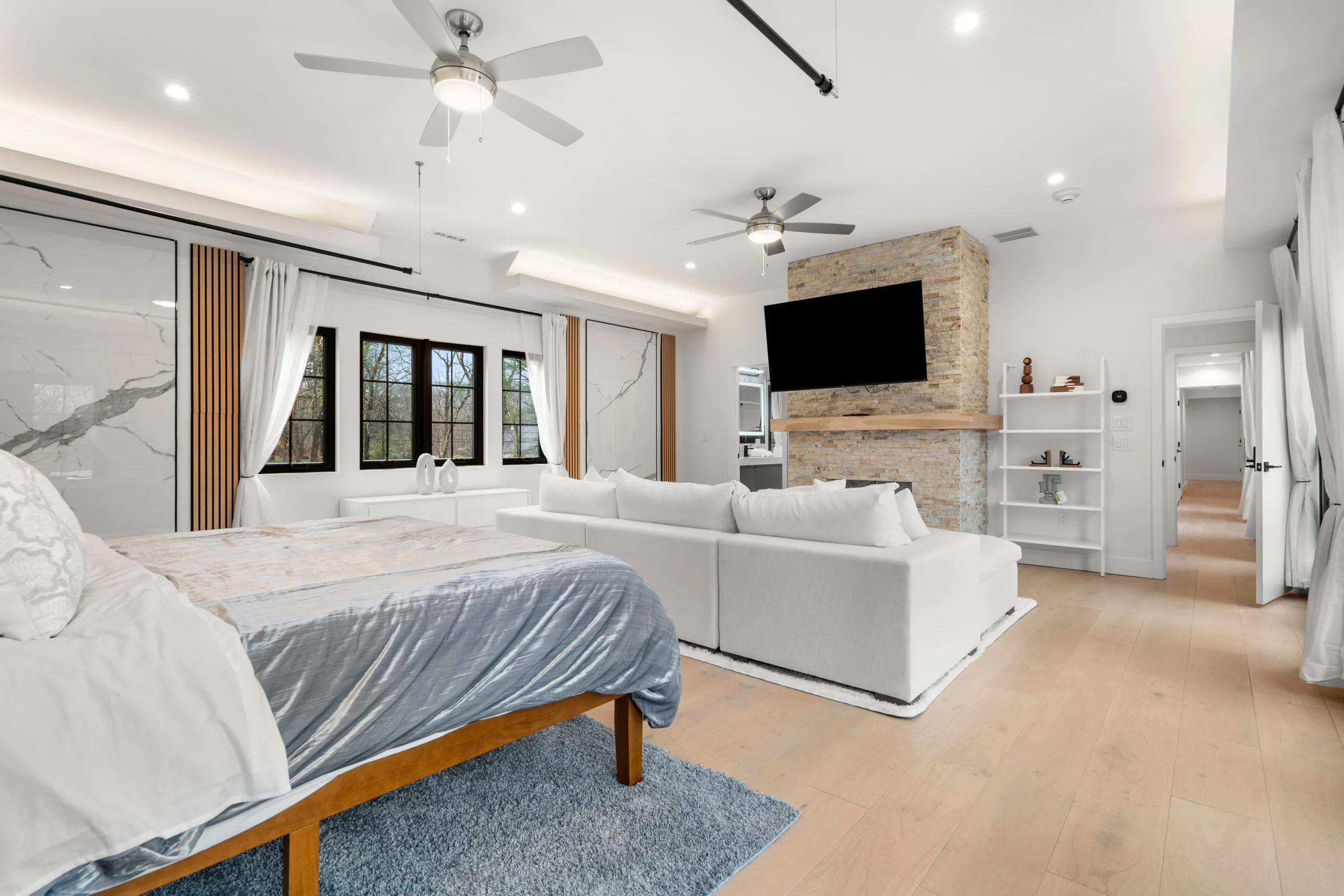
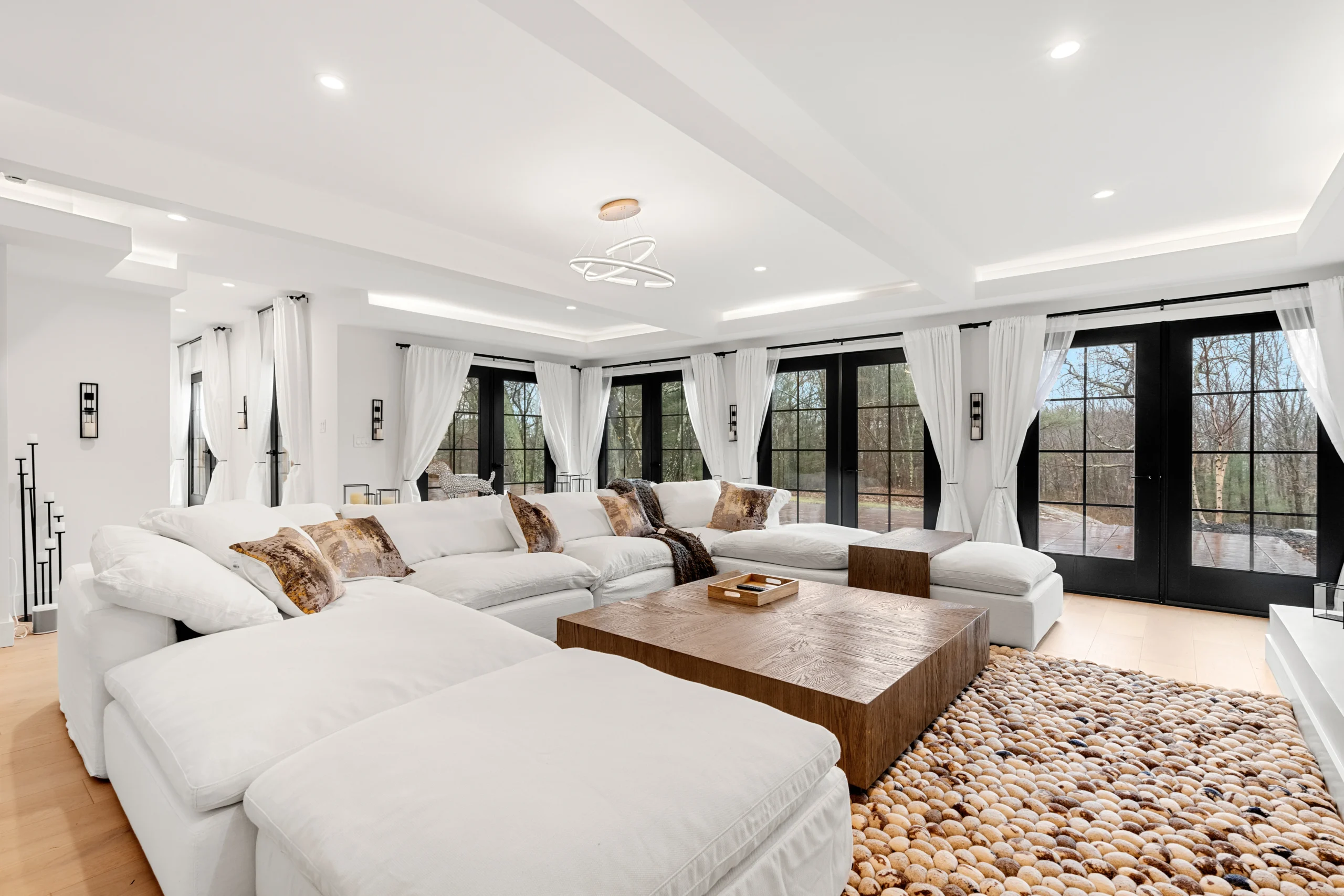
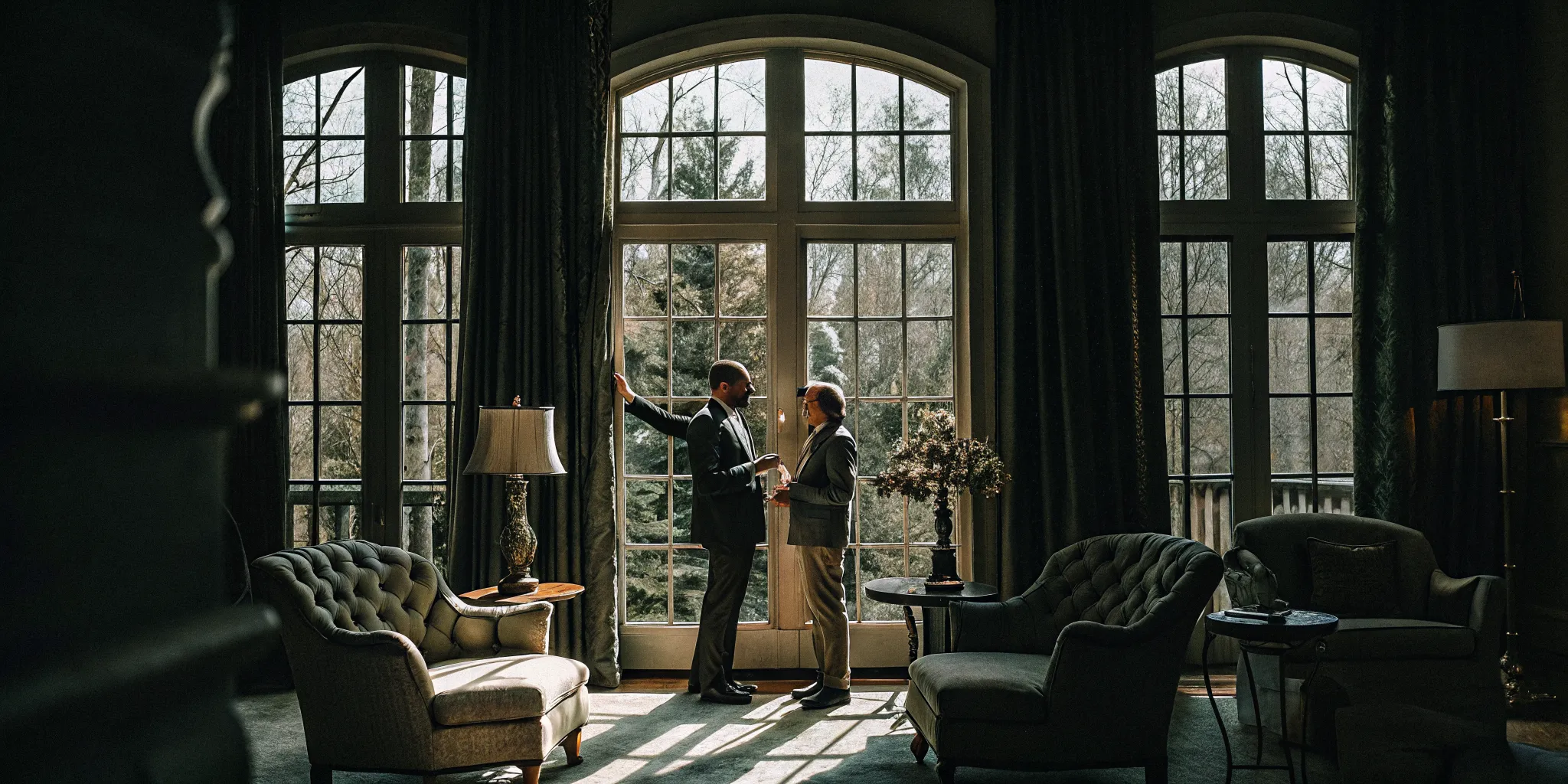
The grand living room can support a facilitated strategy workshop with enough flexibility for full-group discussion, paired work, and quiet reflection. A residential setting changes the pace without diminishing the seriousness of the conversation. The estate’s 8,000 square feet also allows a team to separate into smaller working groups, then reconvene with a shared view of priorities and next steps. With eight bedrooms available, breakout rooms can be assigned for confidential conversations or focused work between plenary sessions.
Make culinary work a lesson in collaboration
A chef-led culinary exercise can reveal team dynamics in an engaging, appropriately composed format. Executives may divide responsibilities, sequence decisions, respond to changing constraints, and present a shared result. The value is not competition for its own sake. It is the opportunity to notice how the group allocates authority, handles incomplete information, and brings different strengths into one coordinated effort.
That focus matters because research published by Harvard Business Review found a correlation between strong executive team performance and revenue, profitability, and shareholder return across a study of 1,250 teams. For further planning guidance, explore these leadership offsite ideas for executive teams.
How to Balance Structured Work Sessions with Informal Connection
A well-designed executive retreat alternates purposeful work with unstructured time, giving teams room to make decisions, exchange perspective, and build trust without forcing every interaction into an exercise. Morning strategy sessions, afternoon activities, and relaxed evening conversations create a considered rhythm that supports both performance and genuine connection.
The balance matters because executive teams need more than efficient meetings. Harvard Business Review reports that a study of 1,250 executive teams found a clear correlation between strong team performance and company revenue, profitability, and shareholder return. The same research notes that executive teams require specialized approaches, not generic team-building activities. An agenda should therefore make space for strategic progress and the relationships that help leaders work through complexity together.
Use the day to shift between focus and perspective
Begin with a morning strategy session while attention is fresh. A facilitated discussion can address a strategic priority, clarify decisions, or establish the questions the group needs to resolve. After lunch, move into an activity that changes the pace and setting. A walk across the grounds, a collaborative challenge, or another thoughtfully selected experience can reveal working styles without making the group feel managed.
Evening is an opportunity to let conversation become less formal. A shared dinner followed by a fireside discussion gives executives room to revisit the day, surface observations, and speak with more candor than a conference-room agenda often allows. Informal connection is not a substitute for team development, but it can make the next formal conversation more open and productive.
Let the setting support the rhythm
At a private estate, the transition between modes does not require a complicated venue change. The Charles Chateau’s 11 private acres and eight bedrooms allow a group to move naturally between formal gathering areas, outdoor space, private rooms, dining, and evening conversation. That physical separation helps work feel intentional while preserving the ease of a shared residential setting. Explore the executive retreat venue near Boston to consider how the property can support your agenda.
The concierge helps structure this balance around the group’s purpose, energy, and priorities. Rather than applying a standard itinerary, the team can coordinate timing, transitions, dining, and activities so the retreat feels coherent from the first session through the final conversation.
Personalizing Team Activities Through the Concierge
The most effective executive retreat activities reflect the group’s objectives, working style, and energy, rather than a standard agenda. The concierge team assesses each executive group individually, then recommends bespoke experiences such as culinary workshops. Guided estate walks, or facilitated strategy sessions that support meaningful connection and purposeful conversation.
That assessment begins before arrival. The concierge considers the reason for the retreat, the relationships within the group. The conversations that need room to develop, and the balance between structured work and unhurried time together. A leadership team navigating a complex decision may benefit from a facilitated session in a quiet interior setting. A group seeking more informal connection may respond better to a private culinary workshop or a guided walk across the estate grounds.
Experiences shaped around the group
These are not packaged activities selected from a fixed menu. They are recommendations built around the people attending and the outcome the host wants to create. The format, pace, and setting can be adjusted so the experience feels considered rather than imposed. That might mean pairing a chef-led workshop with conversation over a shared meal, or using an estate walk to create a natural transition between strategic sessions.
This level of personalization is a meaningful distinction from a standard venue. In a private estate setting, the team can move between residential rooms, outdoor grounds, and gathering spaces without losing privacy or momentum. For groups evaluating concierge-led team-building support, the value is not simply having more activity options but having an experienced partner shape the right experience for the people in the room.
Frequently Asked Questions
What makes a private estate ideal for an executive retreat?
A private estate gives an executive team room for candid discussion, focused work, and natural connection without the interruptions of a public venue. The Charles Chateau combines private grounds, residential-scale interiors, and concierge coordination near Boston, creating a setting that feels both discreet and considered.
How do you select team building activities for an executive team?
Start with the outcome you want, such as stronger decision-making, clearer communication, or alignment around a strategic priority. Then choose activities that suit the group’s energy and physical comfort, balance structured challenge with time to connect. And produce a useful takeaway rather than relying on generic corporate games.
Are private estates better than hotels for executive team building?
For teams that value confidentiality, privacy, and a highly tailored agenda, a private estate can offer advantages over a conventional meeting setting. The environment supports a more fluid rhythm between strategy sessions, outdoor activities, meals, and informal conversation, while concierge support helps manage the details discreetly.
What are common executive retreat activities at a private estate?
Useful options include moderated strategy sessions, outdoor challenges on the grounds, chef-led culinary experiences, guided wellness, and decision sprints focused on a high-stakes issue. Activities should reflect the team’s objectives and the estate’s spaces, with each element contributing to a deliberate retreat experience.
How do you balance work and leisure during a team retreat?
Set a clear cadence rather than filling every hour. Concentrate demanding strategy work when the group is freshest, use collaborative activities to change the pace, and protect unstructured time for conversation and restoration. A concierge team can help coordinate transitions, meals, and bespoke experiences around the agenda.
Ready to plan your executive retreat?
A private estate setting can give your leadership team the space to combine purposeful team building with thoughtful conversation and time to reconnect. The concierge team can help shape an experience around your priorities, schedule, and preferred pace. Request availability and start planning your executive team building retreat by contacting the concierge team.