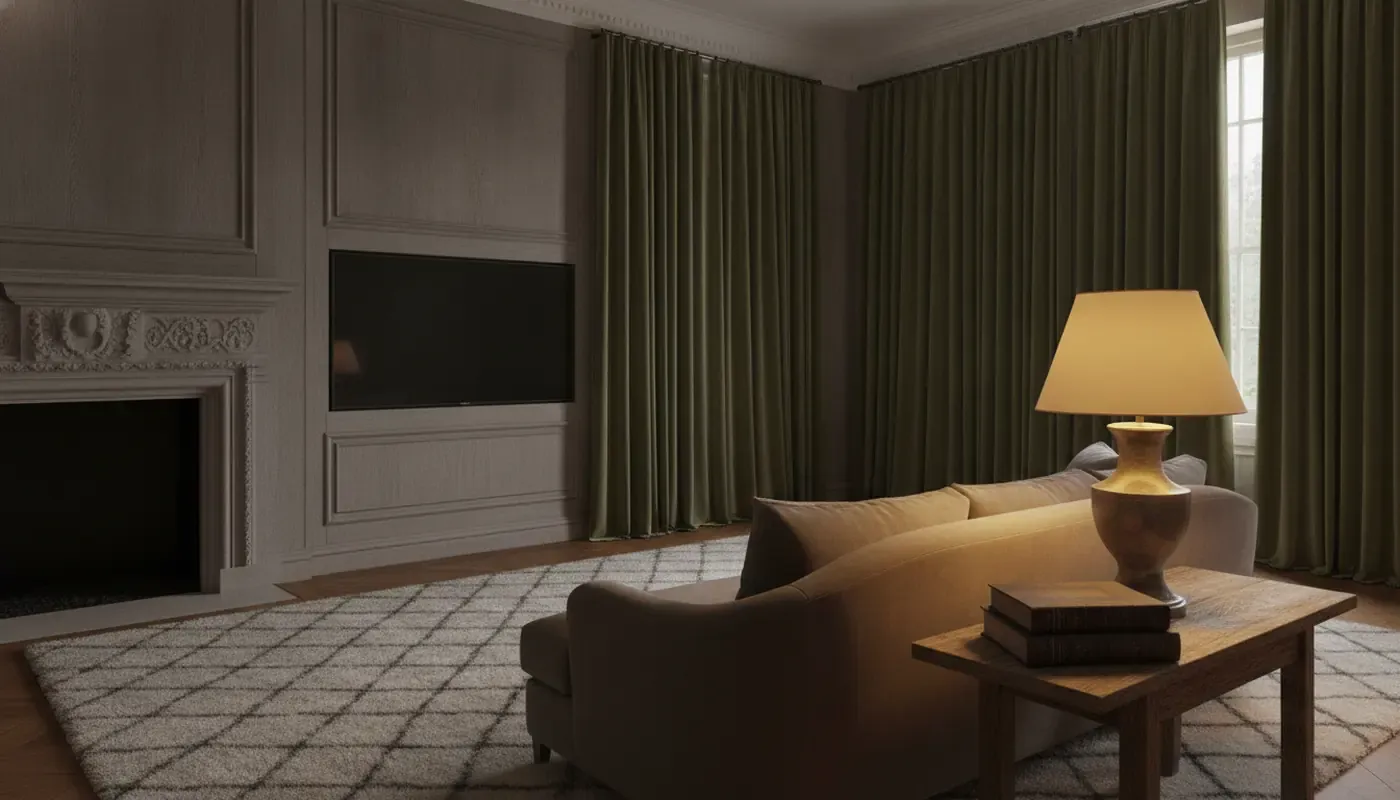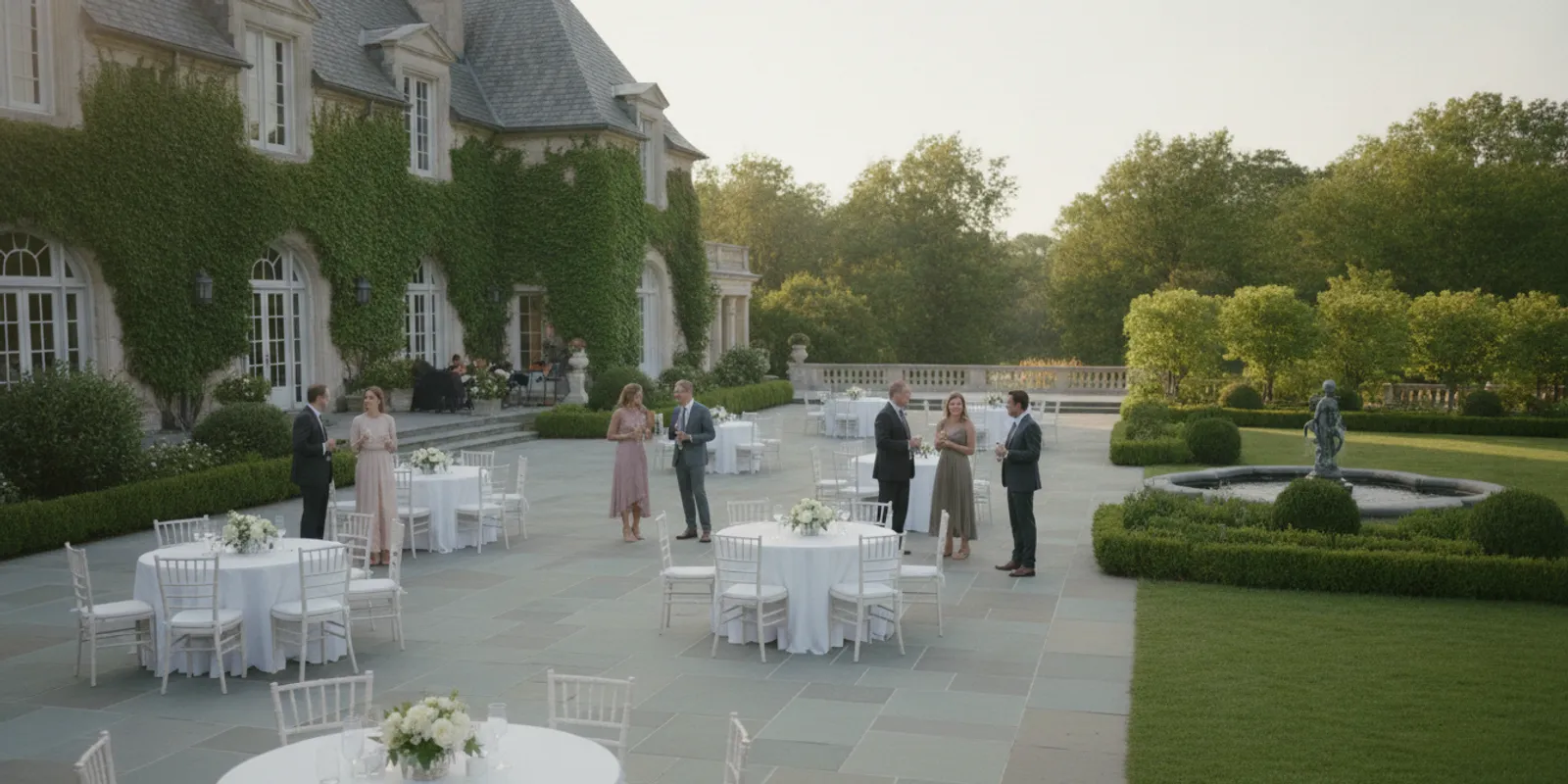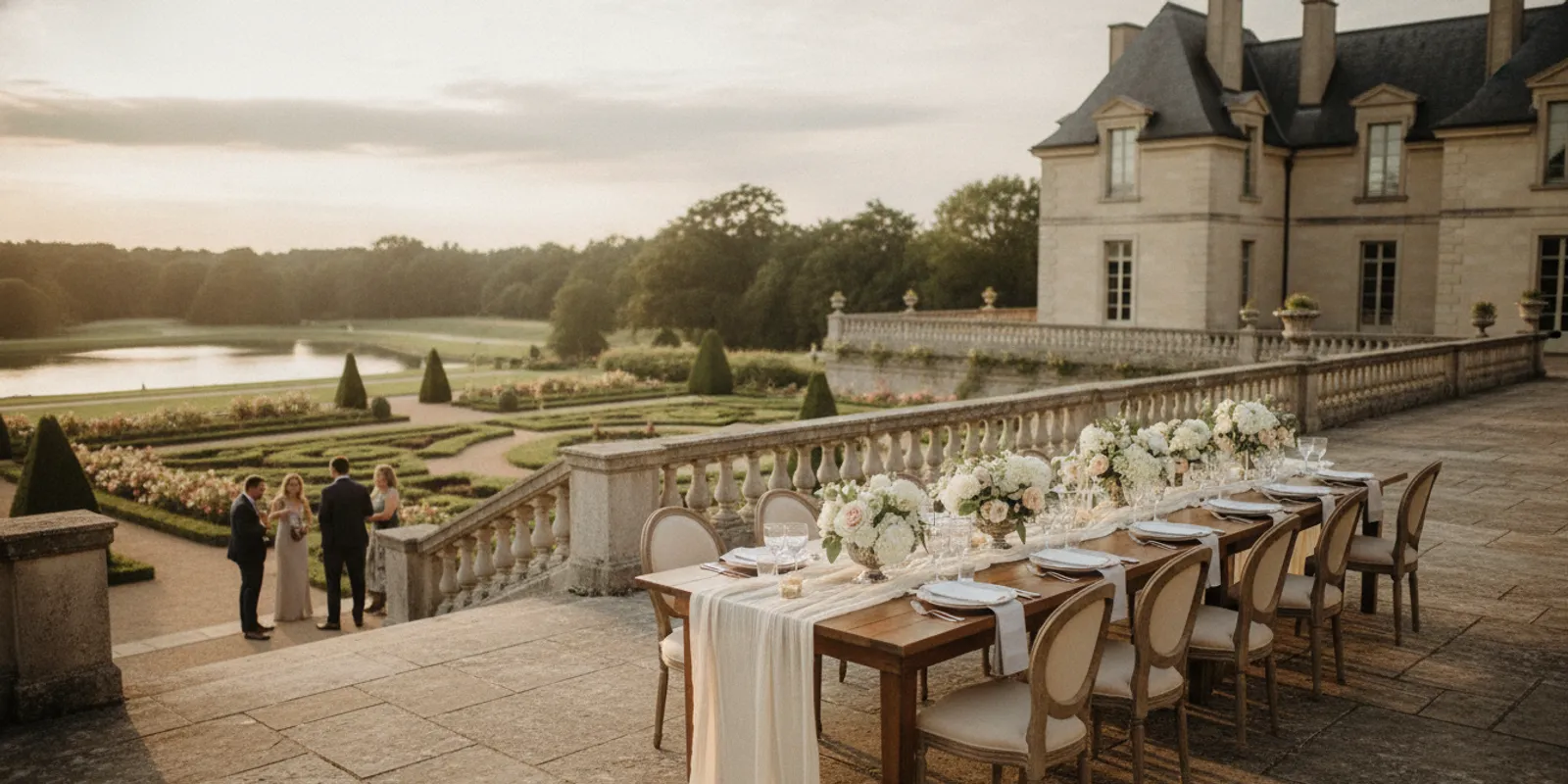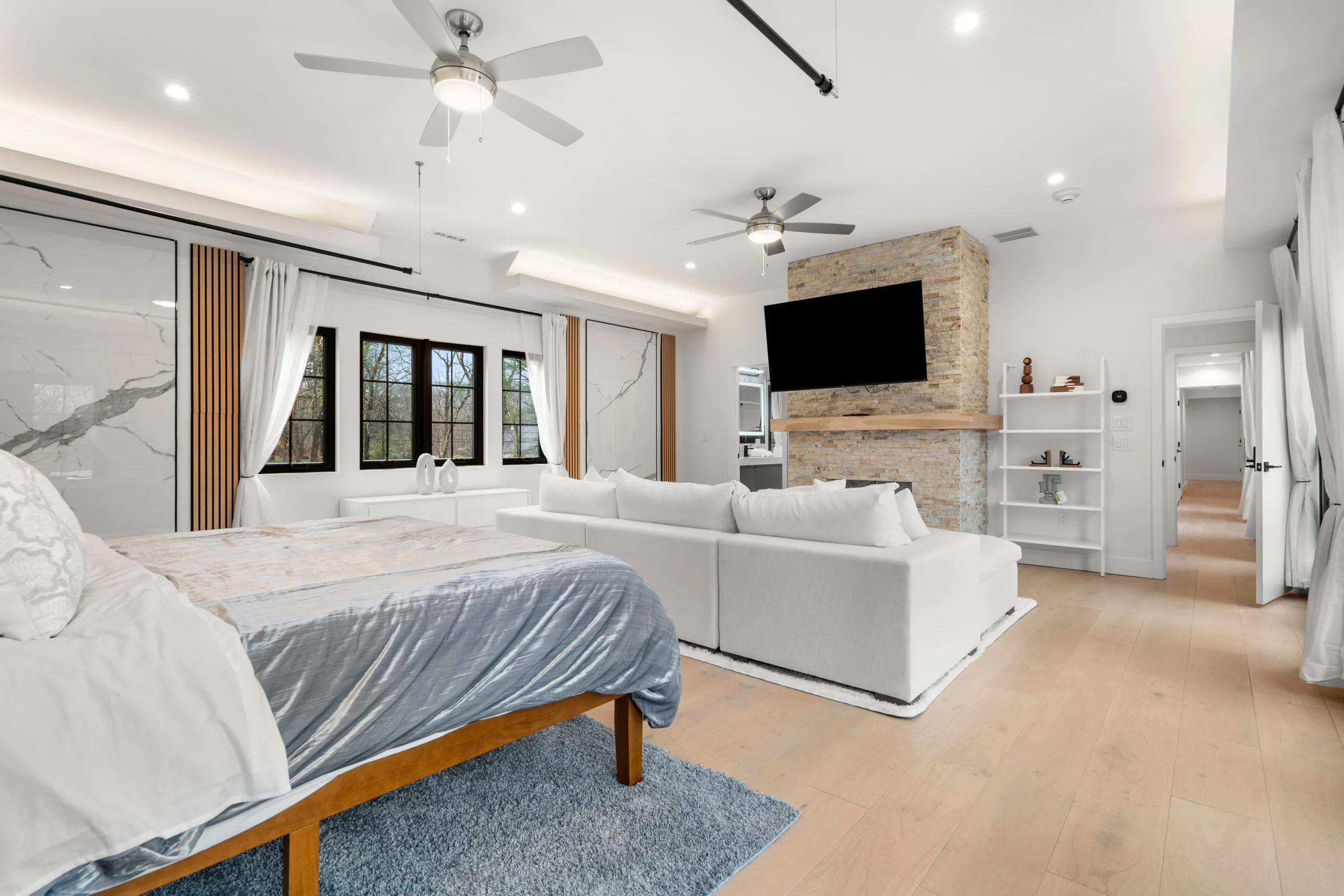
The setting of a leadership retreat shapes more than the schedule. In a city hotel, familiar routines, nearby obligations, and shared public spaces can keep attention on operations rather than the decisions that require distance and perspective.
A corporate retreat outside the city creates the quiet, privacy, and change of context leaders need to think strategically, reconnect as a team, and give important conversations room to develop.
Request Your Private Corporate Retreat Consultation
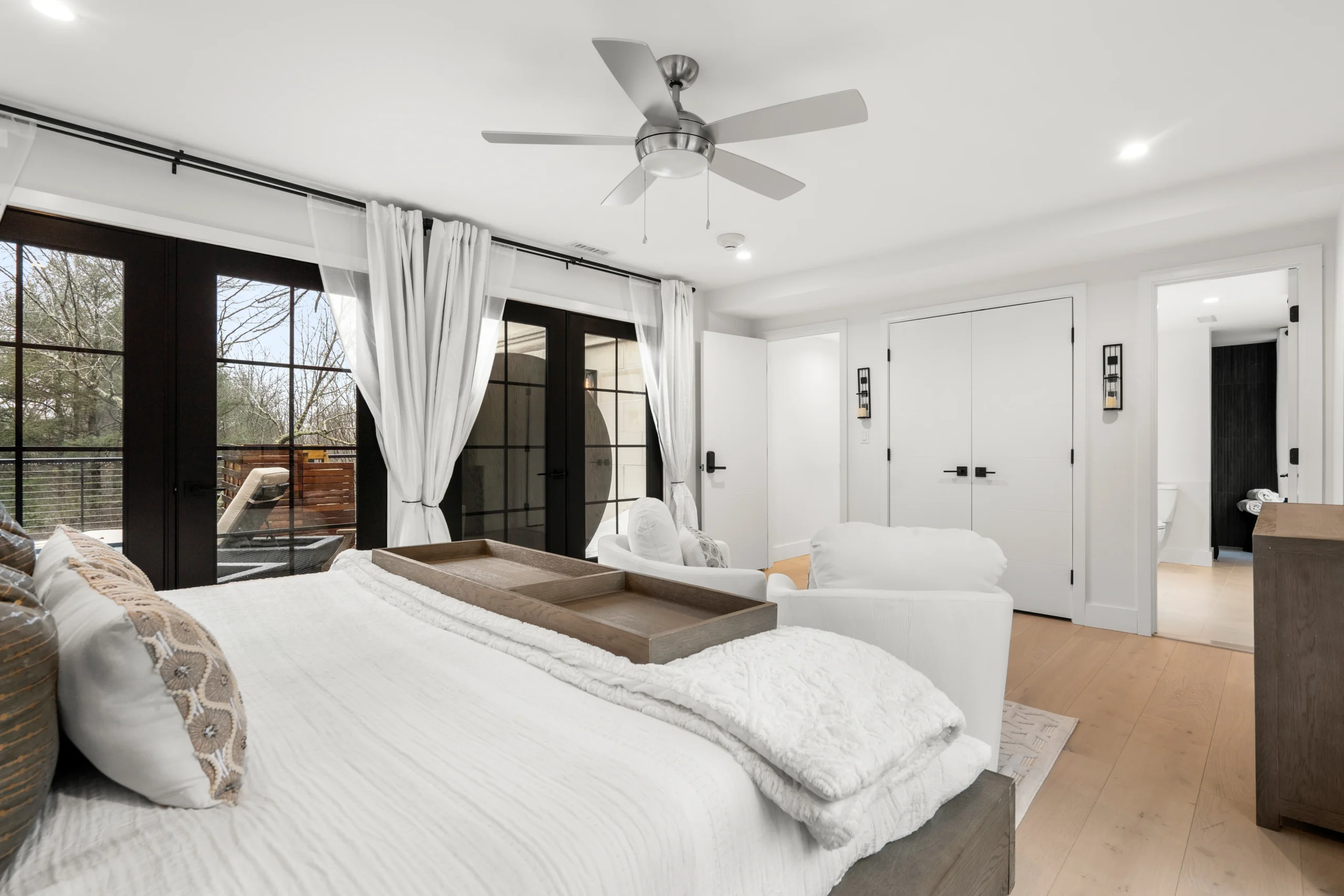
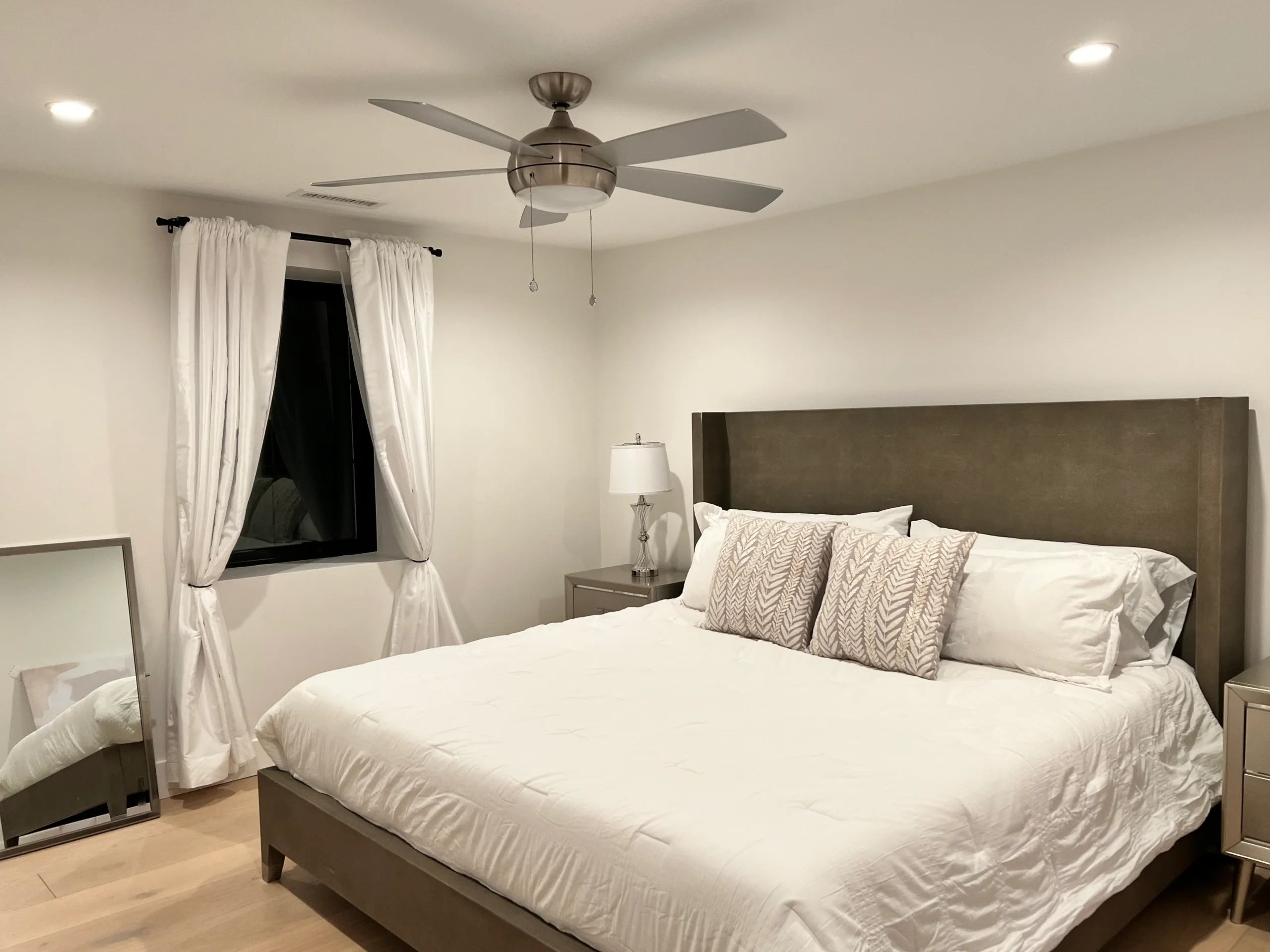
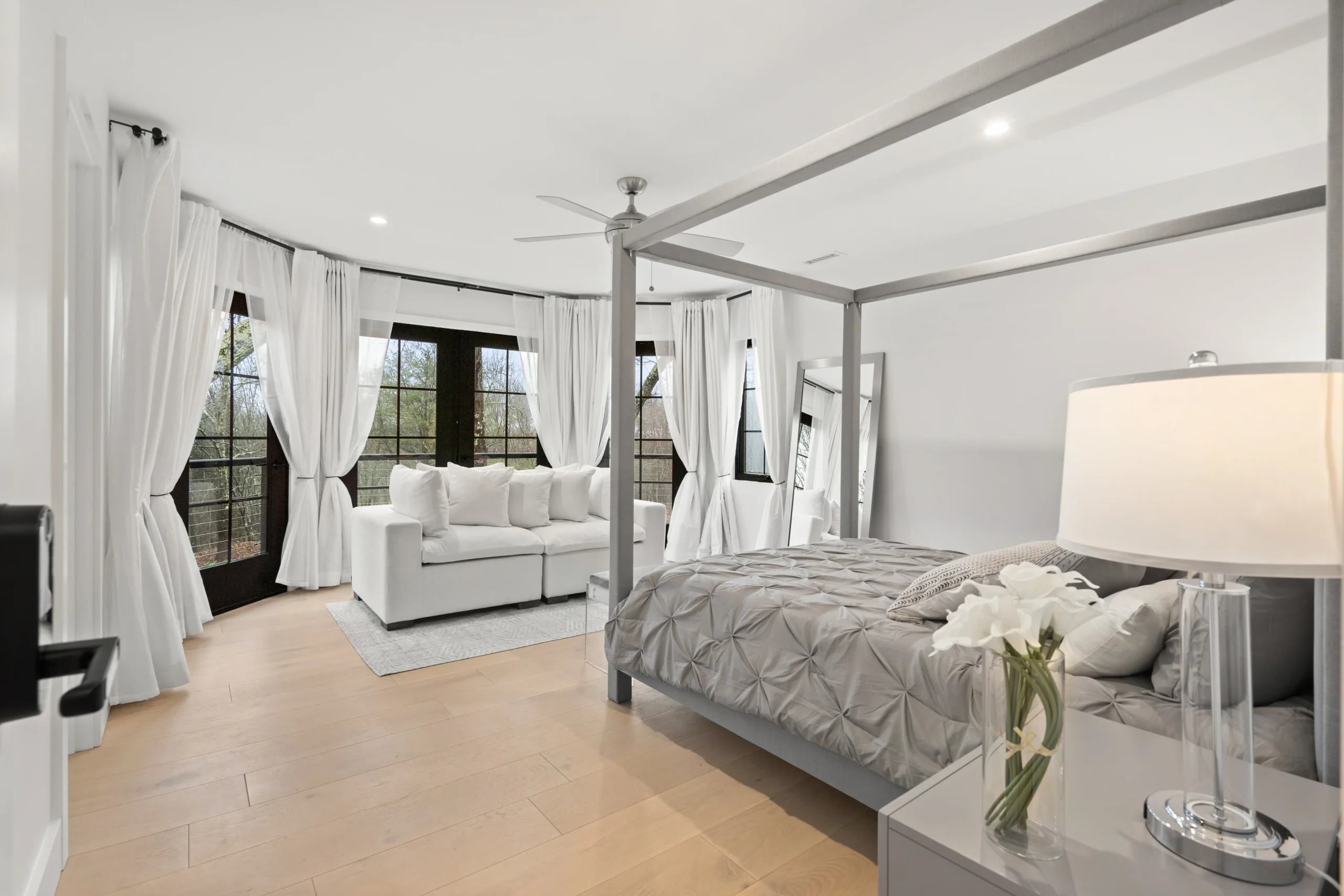
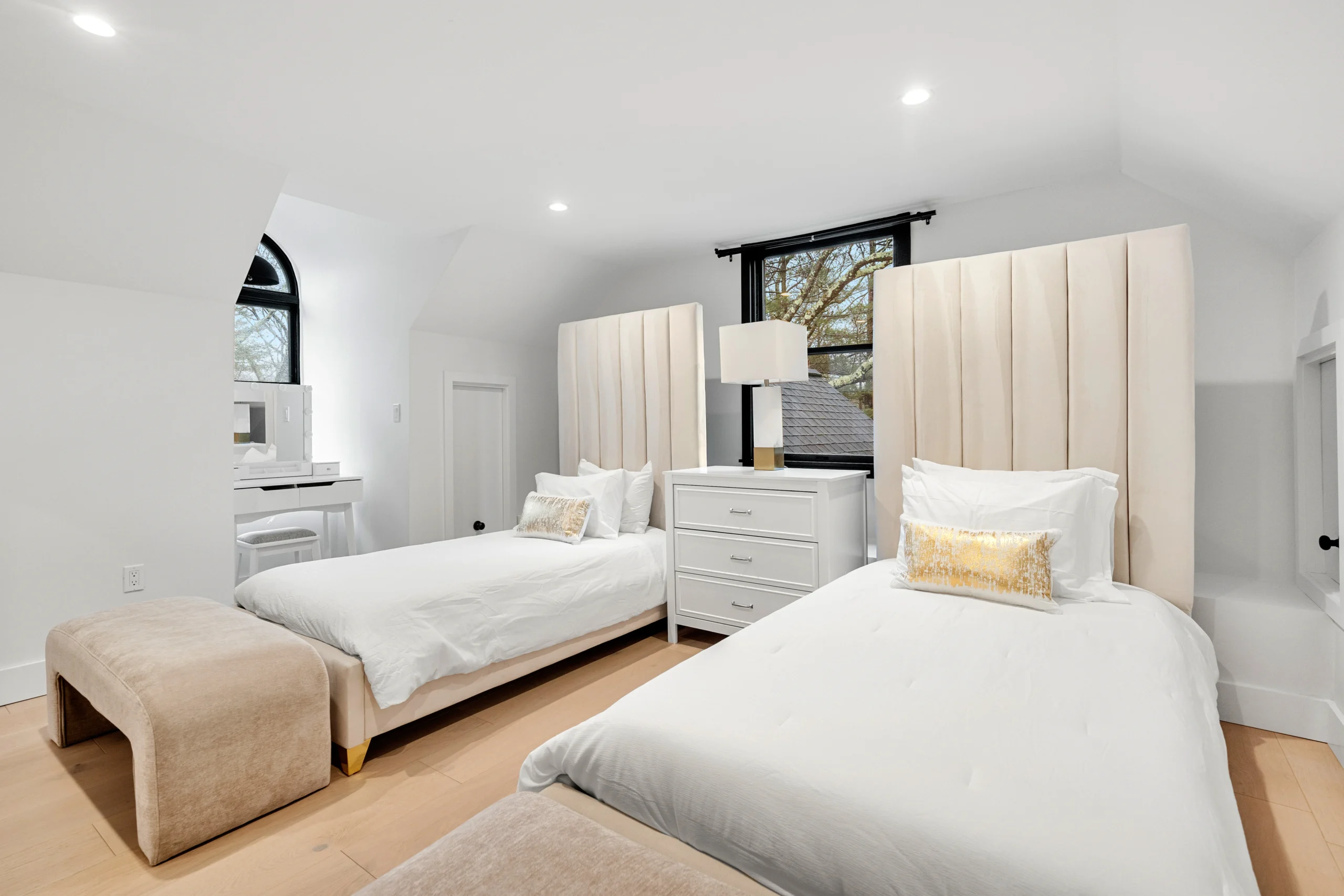
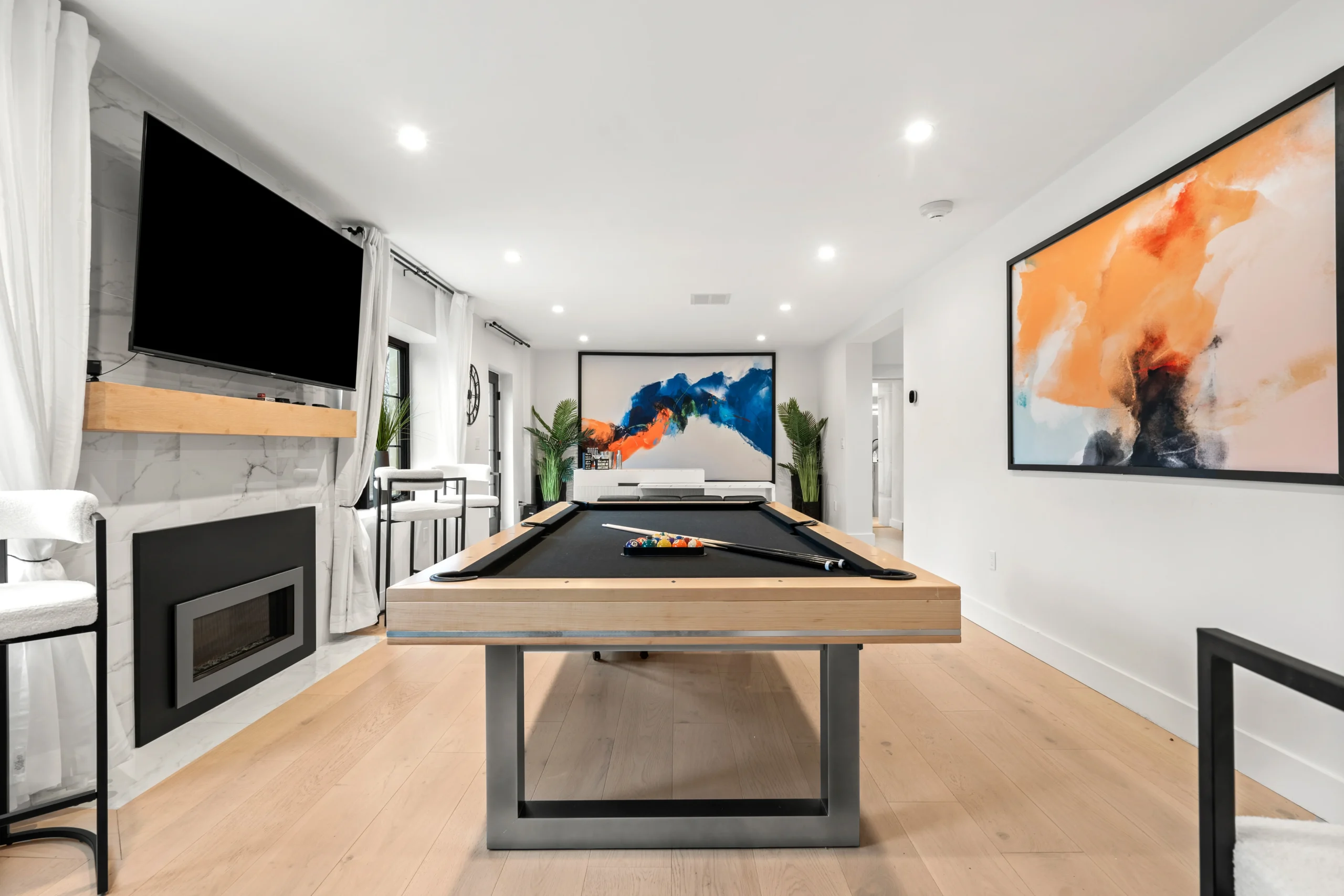
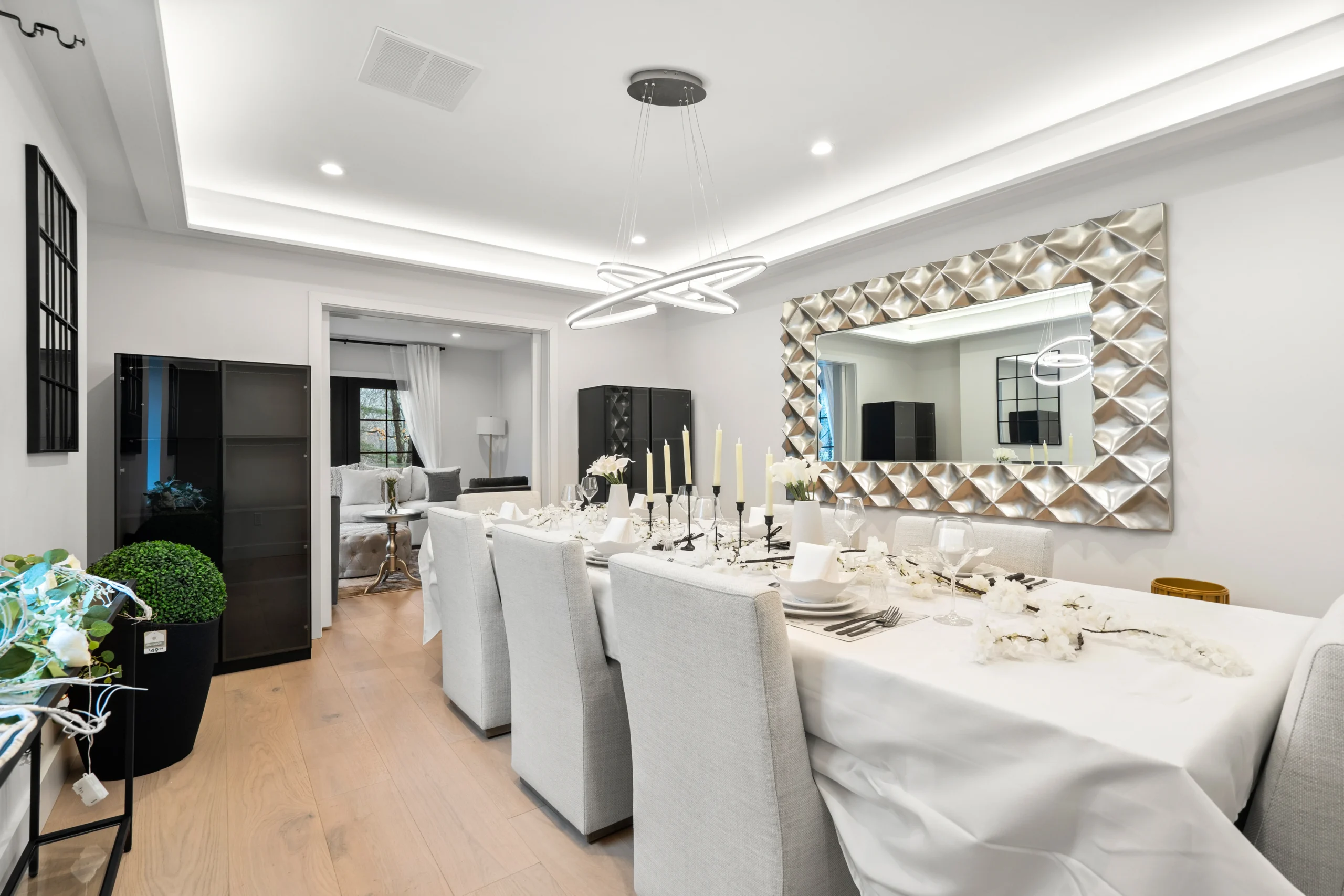
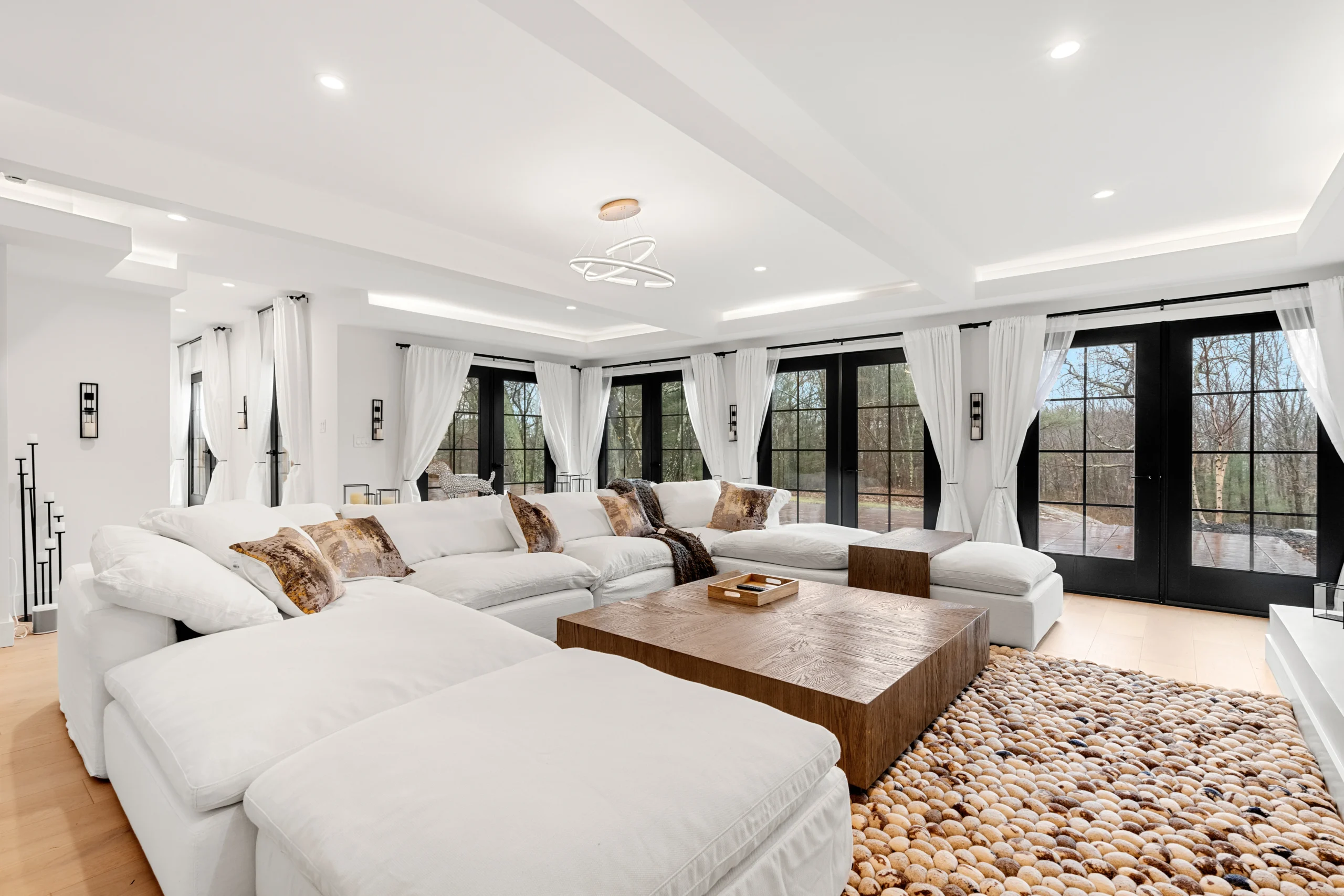
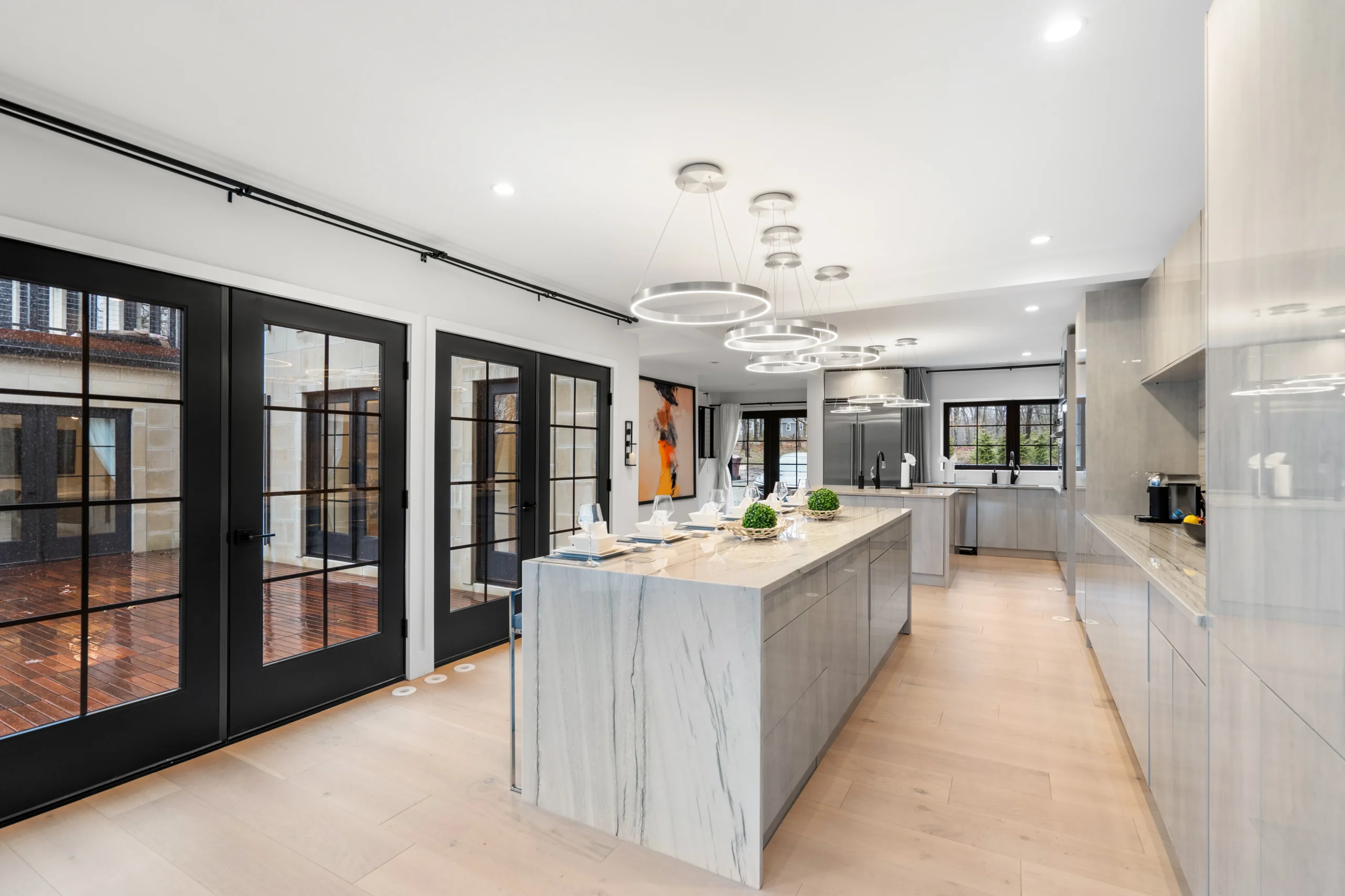
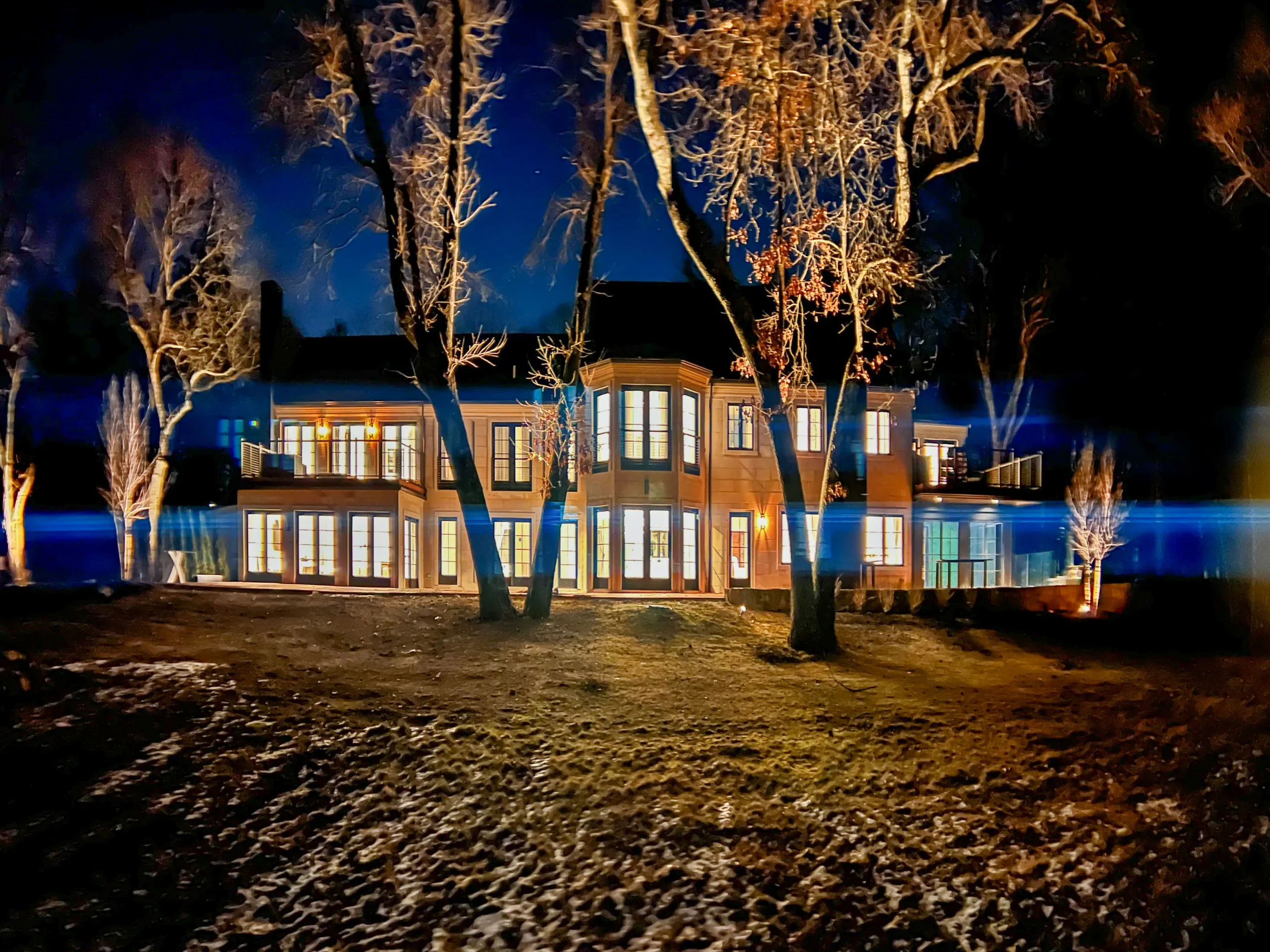
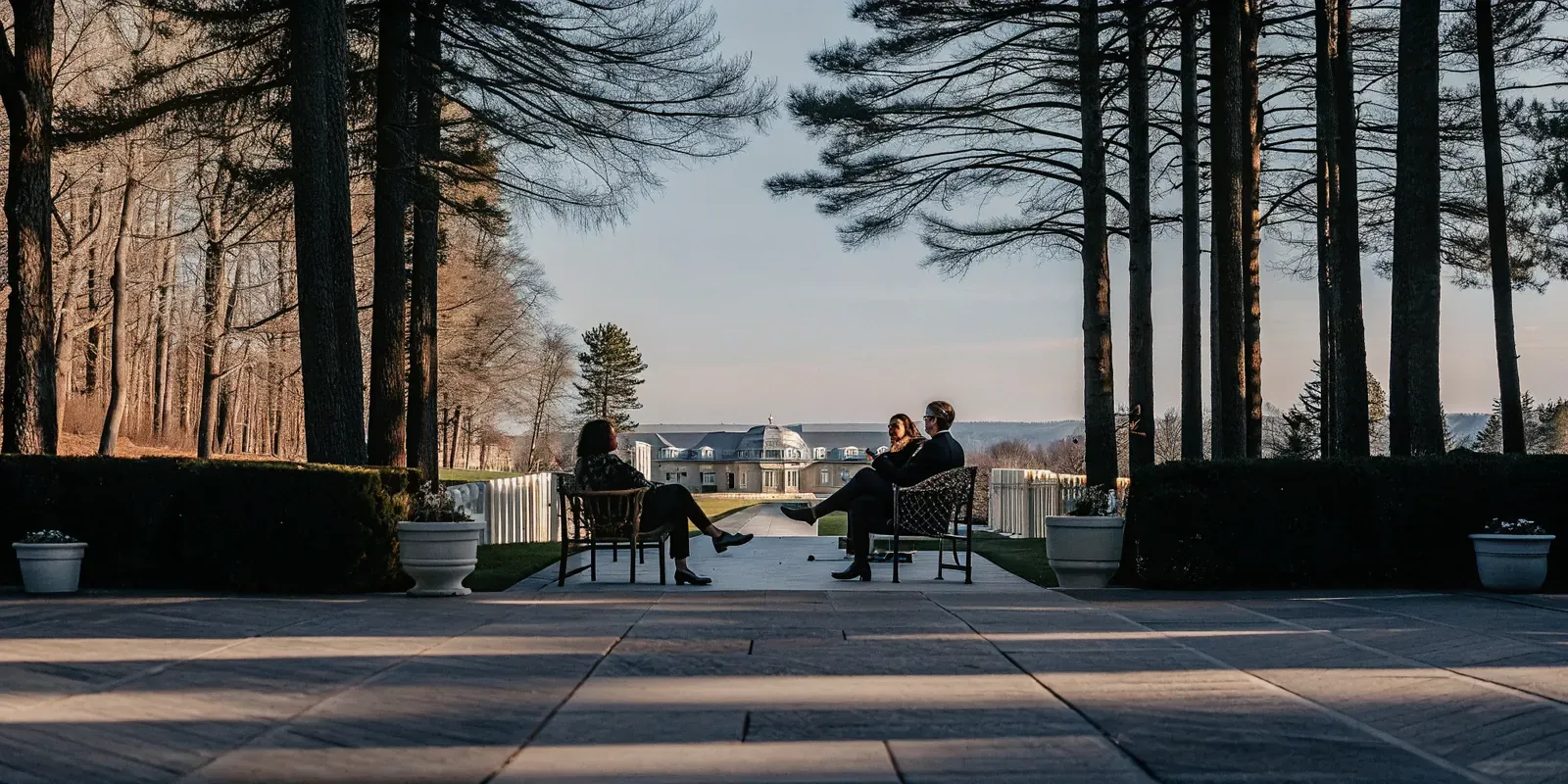
That distance does not need to mean inconvenience. The Charles Chateau offers estate-scale privacy in Dedham, just 20 minutes from downtown Boston, with a private environment designed for both focused work and unhurried interaction. Full estate rental also means no concurrent bookings competing for attention, while concierge service supports a considered, seamless experience. For a closer look at the setting, explore this executive retreat venue near Boston.
The first question, then, is not how far a team should travel, but what a city-based venue makes difficult to accomplish.
Why Do City-Based Corporate Retreats Fail?
A corporate retreat is meant to create the conditions for focused conversation, shared perspective, and meaningful progress. When the venue sits inside the city, however, the setting can work against those aims. The group may leave the office, but remain surrounded by the same pace, noise, schedules, and visual cues that make sustained strategic thinking difficult.
That distinction matters because a retreat is not simply an off-site meeting or a more polished conference-room booking. It is a strategic investment in team connection, growth, and job satisfaction. When the environment does not support those outcomes, the organization has paid for separation without gaining much distance from the pressures it intended to set aside.
City hotels often fail to provide the environment needed for strategic thinking, particularly when the program calls for discretion, candor, and time away from immediate operational demands. A useful way to assess the risk is to look at the practical limitations that arise when a group remains embedded in an urban setting:
- Distractions remain close at hand. Traffic, notifications, nearby offices, and the general movement of the city can make it harder for participants to settle into a deeper discussion.
- Reservations are easily abandoned. When restaurants, shops, and familiar meeting places are only steps away, the group has more opportunities to disperse before informal conversations have had time to develop.
- Privacy is difficult to guarantee. Shared lobbies, public amenities, and adjacent events can limit the discretion required for leadership discussions or sensitive planning.
- There is little separation from the urban environment. A new room does not necessarily create a new frame of mind. If the setting still feels like the city, the retreat may struggle to produce the clarity it was designed to encourage.
| Consideration | City hotel | Private estate outside the city |
|---|---|---|
| Distractions | Traffic, notifications, and nearby offices remain close | A change of setting that reduces habitual pull back to work |
| Privacy | Shared lobbies and adjacent groups compete for attention | Exclusive access with no concurrent bookings |
| Discretion | Harder to protect sensitive leadership discussions | Conversations can remain within the group |
| Focus | Walking distance to familiar urban routines | Room to stay with a question until the team reaches a decision |
None of this means a corporate retreat outside the city must be remote or inconvenient. The stronger choice is often a private setting that feels distinct while remaining accessible to the business hub. That separation gives a team room to think together without turning the retreat into a logistical burden.
How a Corporate Retreat Outside the City Creates Mental Space for Strategy
Distance changes the quality of attention. A team that leaves the office, the familiar hotel circuit, and the visual demands of downtown has fewer cues pulling it back toward ordinary operating habits. The result is not escape for its own sake. It is room to examine assumptions, hear a dissenting view, and stay with a difficult question long enough to make a better decision.
That shift can happen without turning the retreat into a logistical burden. At The Charles Chateau in Dedham, estate-scale privacy is approximately 20 minutes from downtown Boston, creating a rare balance between access and separation. The team can reach the property easily, then enter an environment that feels materially removed from the pace and interruptions of the city. For leaders working within tight schedules, that distinction matters.
Privacy protects the quality of the conversation
Strategic work depends on candor, and candor is easier when participants are not competing with a lobby. Adjacent conference rooms, or the expectation that another group will soon occupy the space. A private setting gives the conversation a clear boundary. People can move from formal discussion to a quieter exchange without losing context, while sensitive issues remain within the group.
Full-estate privacy also allows the day to breathe. A leadership team may begin with a structured review, pause for a walk or an informal meal, and return to the agenda with more clarity. Those intervals are not empty time. They often allow ideas raised in the room to develop before the next decision is made. Teams considering the setting in more detail can explore this executive retreat venue near Boston as a reference point.
Nature creates a different kind of reset
The benefit of a natural setting is more than visual appeal. Research describes exposure to nature as a basic human need and identifies meaningful potential for positive employee outcomes when natural environments are integrated into organizational retreats. See the CDC Stacks research on nature and employee outcomes for the underlying discussion.
Nature-based retreats are also associated with reduced stress and stronger team connection. When pressure decreases, people can listen with less defensiveness and contribute with greater precision. A setting with grounds and privacy makes it easier to build those transitions into the day without forcing a recreational program onto the agenda. The physical distance supports the mental distance that strategy requires, while Boston remains close enough for the retreat to be practical.
Why Nature and Grounds Support Leadership Thinking
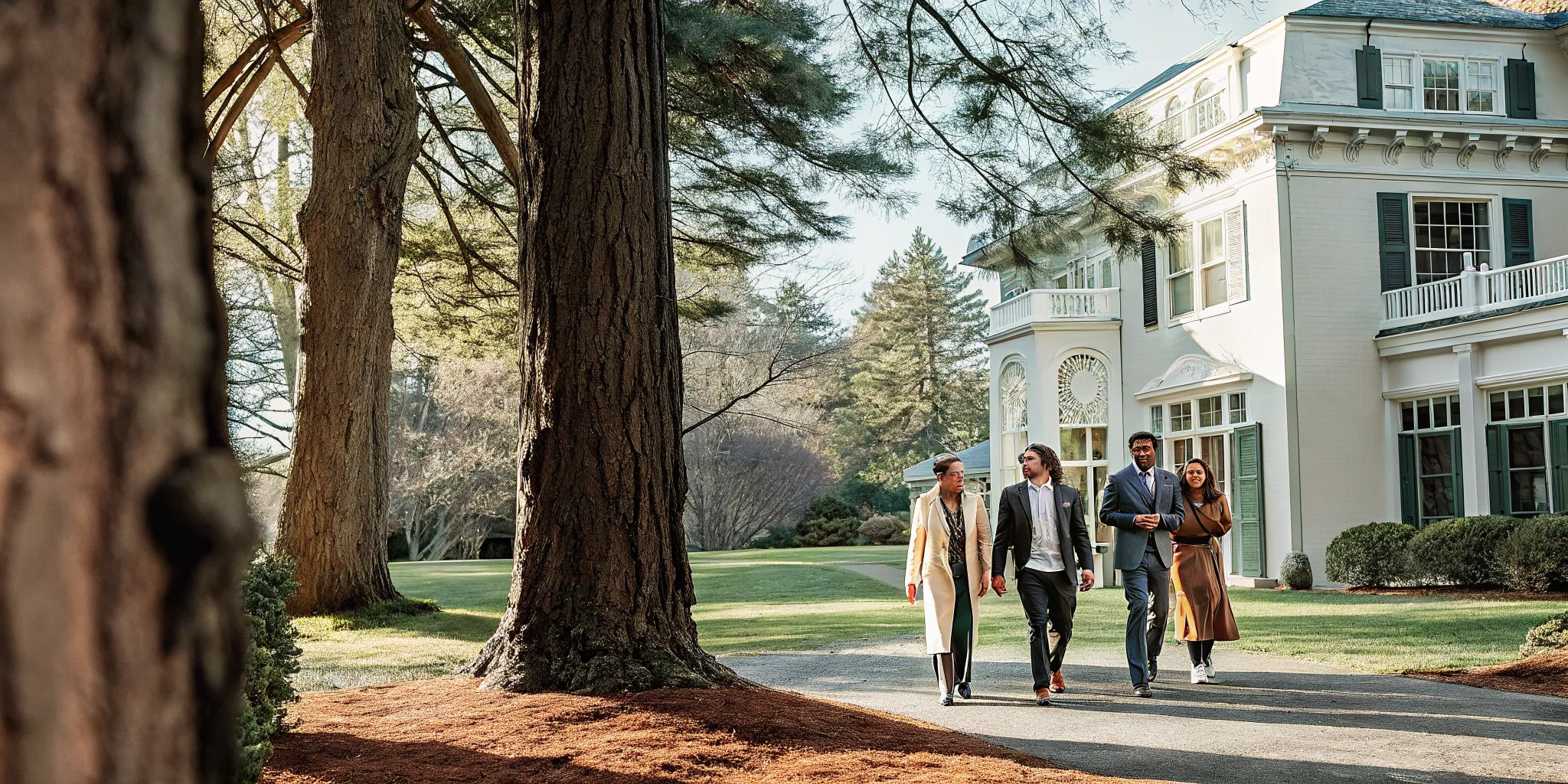
Leadership work changes when the setting gives people room to observe, move, and think beyond the next agenda item. Grounds are not decorative scenery around a retreat; they create a different context for collaboration, particularly when a team must address pressure, uncertainty, or a consequential decision.
What leadership benefits does time in nature add?
Exposure to nature is described as a basic human need, with a growing body of research connecting natural environments to positive employee outcomes. In a corporate retreat outside the city, that principle can be incorporated into the working day through a walk between sessions. An outdoor conversation, or a carefully facilitated team challenge. The aim is not to turn leadership development into recreation. It is to give people a more spacious setting in which attention, judgment, and relationships can develop.
Research on a nature-based ropes course challenge found improvements in group member trust, group efficacy, and group cohesion. The finding is relevant beyond the specific activity: a well-designed challenge gives colleagues an opportunity to rely on one another. Communicate under manageable pressure, and see how support is offered in practice. The CDC-published study also points to the importance of social support during stress-inducing tasks, suggesting that these shared experiences can contribute to longer-term cohesion within workgroups. Read the CDC research on team cohesion.
Q: Does a retreat need an adventurous activity to support leadership thinking?
A: No. The value comes from purposeful interaction in a setting that feels distinct from the office, not from the level of physical difficulty. A guided walk, an outdoor working session, or time between formal discussions can create useful space for reflection and more natural conversation.
- Trust: Shared challenges reveal how colleagues communicate and support one another.
- Perspective: Natural surroundings can create distance from habitual office patterns.
- Cohesion: Informal moments give teams more opportunities to build durable working relationships.
The strongest programs balance structure with discretion. A private estate can provide the grounds and quiet needed for reflection while preserving a concierge-led experience and a clear professional purpose. For more guidance on shaping the wider experience, see this corporate offsite guide.
The Right Distance: Close Enough to Be Practical, Far Enough to Disconnect
The most effective retreat setting is not necessarily the most remote. It is a place that changes the pace of the day without creating unnecessary friction for the people attending. For Boston-based leadership teams, that balance matters. A corporate retreat outside the city should feel removed from routine, while remaining straightforward to reach, organize, and return from.
Plan Your Retreat with The Charles Chateau
Accessibility protects the purpose of the retreat
The Charles Chateau offers a useful location paradox: estate-scale privacy in Dedham, just 20 minutes from downtown Boston. That proximity makes it possible to leave the office environment behind without turning the retreat into a travel project. Participants can arrive with energy for the work ahead, and the organizer can build a considered agenda without absorbing the time, cost, and complexity of a distant destination.
Distance, in this context, is a tool rather than a test of commitment. The change in setting creates room for more deliberate conversation, but accessibility keeps the experience practical for executives, facilitators, and teams with demanding schedules. It also allows a retreat to work as a focused day, an overnight gathering, or a longer sequence of conversations.
Privacy creates room for both focus and ease
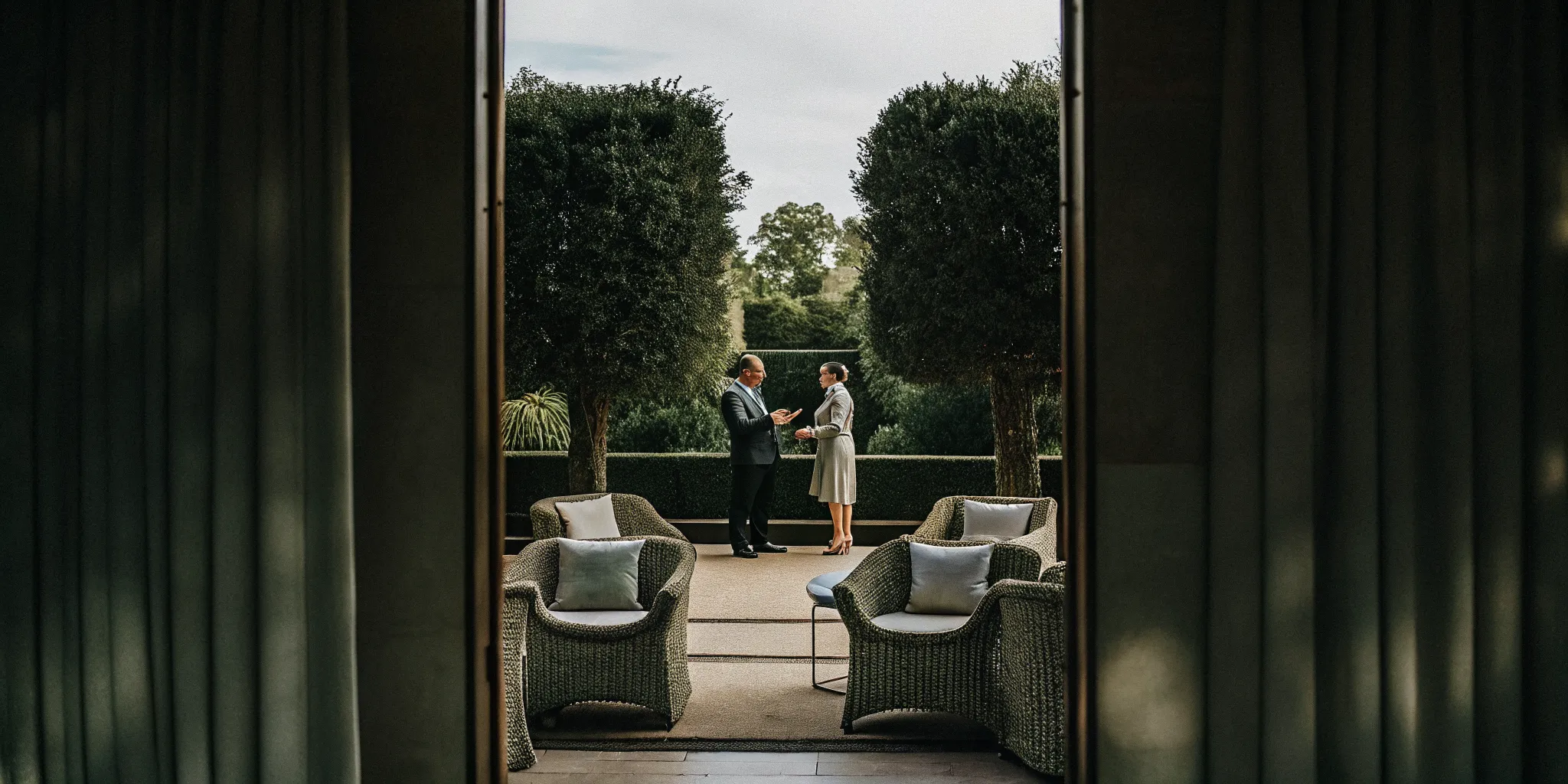
Practicality should not mean compromising discretion. A full estate rental provides complete privacy and exclusive access, with no concurrent bookings. That distinction gives a group control over the atmosphere and the timing of its discussions. Sensitive leadership conversations can remain private, while informal moments can develop naturally without the interruptions common in shared venues.
The itinerary can then hold its shape without becoming rigid. Programmed corporate activities, strategic sessions, and facilitated exercises can be balanced with unstructured time for organic interaction. This flexibility is often where stronger professional relationships begin: not through another scheduled presentation, but through the conversation that follows it.
For planning support, a strategic planning retreat template can help establish the essential sessions while leaving enough space for the group to respond to what emerges. The right venue supports that judgment. It makes disconnection possible, but never makes access feel difficult.
How to Find a Venue That Balances Both
The strongest venue decisions protect the purpose of the retreat without creating unnecessary friction for the people attending it. A corporate retreat outside the city should offer enough separation from routine to support concentration, while remaining practical for arrival, scheduling, and changing group needs. Evaluate the venue as an operating environment, not simply as an attractive setting.
A practical selection process
- Define the privacy your agenda requires. Start with the conversations and decisions that must happen without interruption. If the retreat includes leadership planning, confidential reviews, or sensitive team discussions, ask whether the venue is exclusively yours during the stay. A full estate rental can provide complete privacy and exclusive access, with no concurrent bookings, which removes the uncertainty of sharing common areas with other groups. A corporate retreat venue in Massachusetts should make that arrangement clear before you book.
- Match private spaces to the way your team will work. One room rarely serves every part of a retreat well. Look for a venue with distinct spaces for a full-team session, smaller working groups, quiet one-to-one conversations, and informal exchange. Private spaces allow dedicated focus on team connection while accommodating varying group sizes, something a single city-center conference room often struggles to replicate. Request a simple room plan and map each part of your agenda to a suitable setting.
- Test access against the value of disconnection. Distance should create mental space, not logistical strain. Review travel time from the office, airport, and relevant rail connections, then confirm arrival windows, parking, accessibility, and overnight arrangements. A venue near Boston can offer meaningful separation while keeping the journey manageable. The goal is a setting that feels removed from the workday without making attendance feel like an expedition.
- Ask how the venue supports the full rhythm of the retreat. Strong programs need both structure and room to breathe. Confirm whether the property can support planned sessions alongside meals, pauses, and organic conversation. Ask who coordinates the practical details, how dietary and hospitality needs are handled, and what happens if the schedule changes. Concierge support should make the experience feel considered from arrival through departure, rather than leaving the organizer to manage every detail.
- Make the final decision against the retreat’s intended outcome. Compare venues by asking which one gives your team the best conditions for focused work, candid discussion, and renewed connection. Privacy without usable spaces is restrictive; convenience without separation can leave the group mentally at the office. Choose the venue where both qualities reinforce the purpose of bringing the team together.
Talk to Our Team About Your Retreat
Frequently Asked Questions
Why hold a corporate retreat outside the city?
Moving beyond a city hotel creates room for strategic thinking, quieter conversation, and a deliberate change of pace. Nature-based settings can also reduce stress and support stronger team connection, while keeping the retreat focused on a defined leadership or business objective.
What exactly happens at a corporate retreat?
A well-designed retreat combines focused work with space to think and connect. The agenda might include leadership discussions, planning sessions, workshops, shared meals, outdoor activities, and unstructured time. The strongest itineraries balance programmed activities with organic interaction rather than filling every hour.
How do retreats strengthen team bonds?
Shared, goal-oriented experiences give colleagues opportunities to communicate outside their usual roles and routines. Research summarized by the CDC found that a nature-based ropes course challenge may improve group trust, group efficacy, and group cohesion. The activity should support the team’s purpose, not compete with it.
What benefits does a private estate offer?
A private estate gives the group an exclusive setting for sensitive discussions, shared meals, and informal exchanges without concurrent bookings. At The Charles Chateau, full-estate rental provides complete privacy, while the Dedham location remains about 20 minutes from downtown Boston. That balance makes it possible to disconnect from the city without creating unnecessary travel friction.
Ready to Begin Your Corporate Retreat Inquiry?
A private estate can give your team the room and quiet needed for focused strategy, while keeping a Boston-area gathering practical for attendees. To explore hosting your next retreat at The Charles Chateau, contact us about your inquiry. Share your preferred timing, group needs, and goals, and our team can help shape the conversation around the experience you want to create.