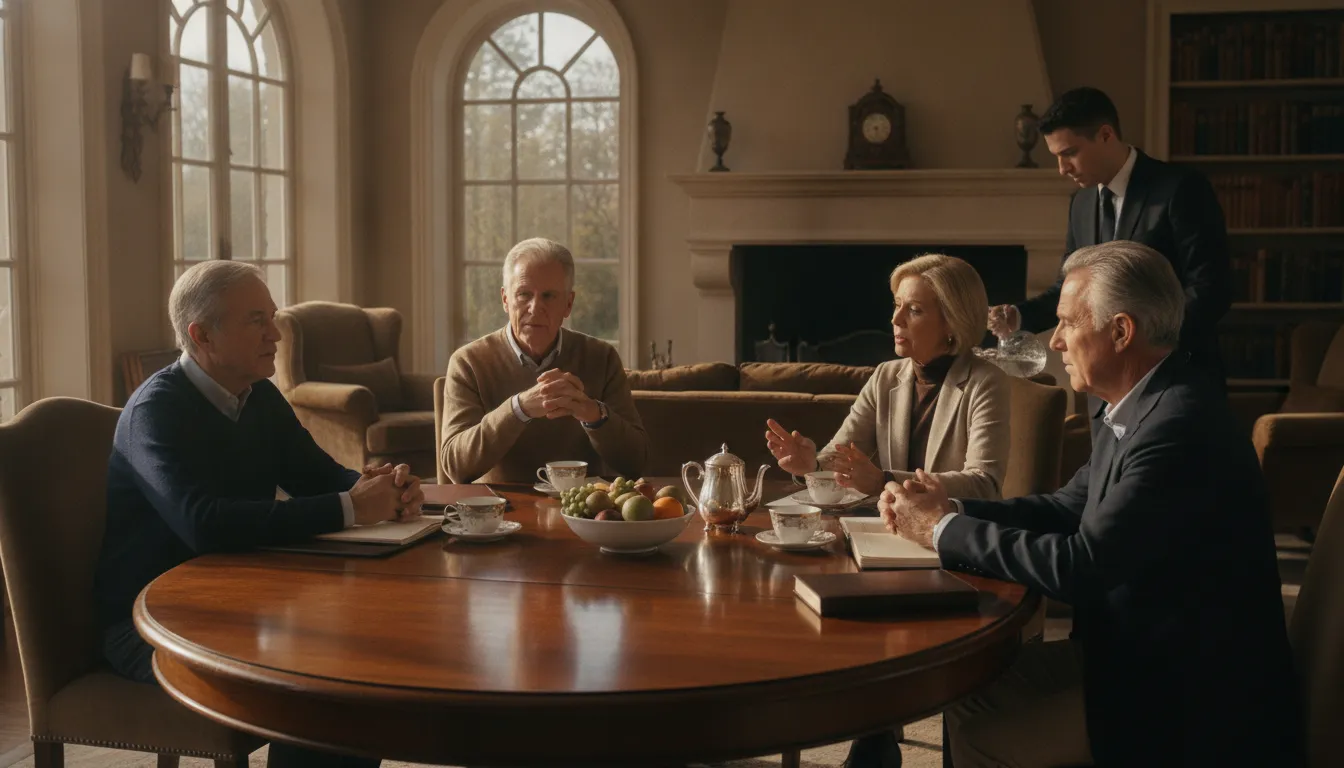
A corporate offsite Boston leadership team can use well begins with three decisions: what must change, who needs to be in the room, and how the group will recognize progress. Set those outcomes before choosing a venue, then shape the time around focused work, honest reflection, and enough space for conversations that cannot happen between regular meetings.
Contact the concierge team about your corporate offsite
The strongest offsites are deliberate without feeling over-programmed. A private setting near the city can give senior teams room to work together, step away from routine, and continue the conversation beyond a single conference table. Before discussing rooms, meals, or overnight arrangements, clarify the decisions this gathering needs to support and the people responsible for carrying them forward.
What Should a Corporate Offsite Boston Checklist Cover First?
A productive leadership offsite begins well before anyone arrives. The team should agree on the business outcome, the decisions that must be made, who needs to be present, and how progress will be recognized afterward. That preparation gives the gathering a clear purpose without turning it into another routine meeting.
Start with decisions, not activities
Write a short objective statement that names the issue the group needs to address. It might be a strategic priority, a change in operating direction, a leadership challenge, or a set of goals that requires shared ownership. Offsites are commonly used for strategic planning, team development, and goal setting, but those broad labels are only useful when translated into specific decisions. Babson’s guidance on retreats is a useful reminder to distinguish structured work from the less formal time that helps colleagues connect.
For each objective, define the decision or deliverable that should exist by the end of the session. Note what is already agreed, what remains open, and which questions require executive judgment. This prevents a discussion from expanding into every adjacent concern. It also gives the facilitator a practical basis for shaping the agenda and protecting time for the matters that deserve careful attention.
Choose the right room, then define success
Invite people who own the decisions, bring essential context, or will be responsible for implementation. A smaller group can support candid discussion; a broader group may be appropriate when alignment across functions is itself an objective. Avoid adding attendees simply because they are available. Confirm roles in advance, including who will facilitate, capture decisions, challenge assumptions, and communicate the outcome.
Set measures that can be checked after the offsite. These may include a documented set of priorities, named owners and deadlines, resolved strategic questions, or a follow-up conversation scheduled before departure. Feedback and reflection exercises can support goal setting and leadership development, as described in Johns Hopkins executive leadership programming. The University of Georgia planning guidance also reinforces the importance of considering the setting and the activities alongside the purpose. Together, these choices help a Boston leadership team plan an offsite that is focused, useful, and ready to carry into the next working week.
How Do You Build an Agenda That Leaves Room for Real Work?
A useful offsite agenda protects the work that requires shared attention without treating every minute as a scheduled exercise. The strongest plans create a deliberate movement between discussion, reflection, meals, informal conversation, and unstructured time. That balance matters because a retreat is not simply a meeting in a different room. It gives colleagues space to think together away from their regular work obligations, combining structured activity with free time.
Sequence the day around decisions, not activities
Start by identifying the decisions the group must make and the conversations that will support them. Then build the day around those outcomes in a sequence that gives people enough context before asking for commitment.
- Open with orientation. Confirm the purpose, the decisions in scope, the working norms, and what is deliberately out of scope. A concise opening helps participants understand how each session contributes to the larger objective.
- Protect the first substantial work block. Place the most consequential strategic discussion before the day becomes fragmented. Give the group a clear question to resolve, a named facilitator, and enough uninterrupted time to examine tradeoffs rather than rushing toward consensus.
- Build in reflection before the next decision. After a demanding conversation, allow individual notes or a quiet pause. Reflection and feedback exercises can help leaders clarify goals and identify what the team needs to address next, a principle reflected in executive leadership programming at Johns Hopkins.
- Use meals and informal connection intentionally. Do not fill every meal with a presentation. Conversations over meals and in hallways can complement structured brainstorming and make it easier for colleagues to connect, as Babson describes in its research on retreats.
- Reserve a second protected decision block. Return to the priorities that emerged earlier. Record decisions, unresolved questions, owners, and the next date for review while the reasoning is still fresh.
- Leave genuine downtime. Keep open space between work sessions and at the end of the day. It gives participants room to recover, continue useful informal conversations, or simply step away from the agenda without feeling behind.
For a more detailed planning framework, review this strategic planning retreat agenda resource, but adapt its structure to your team’s objectives rather than reproducing a fixed template. Before circulating the final version, confirm the timing of meals, reflection periods, and downtime with the person coordinating the retreat. A corporate offsite Boston leadership team can trust should feel purposeful, paced, and spacious enough for good judgment.
What Makes a Corporate Offsite Boston Leadership Teams Can Trust?
The setting shapes how a leadership team works together. A conventional meeting venue may suit a focused day of presentations, while a hotel or conference setup can simplify a larger event with established public facilities. A private estate offers a different rhythm: one setting for confidential discussion, shared meals, overnight flow, and unstructured conversation. The right choice depends on the work, the people, and the degree of privacy the offsite requires.
Compare the setting with the outcomes you need.
| Consideration | Conventional meeting venue | Hotel or conference setup | Private estate |
|---|---|---|---|
| Privacy | Usually centered on a reserved meeting room, with shared areas nearby. | May involve public corridors, guest areas, and other events operating around the team. | Whole-estate use can create a more contained environment for leadership conversations. |
| Overnight flow | Often requires separate lodging and additional coordination. | Rooms and meeting space may be in one property, but the experience remains hotel-based. | Overnight accommodation and gathering spaces are planned as one private stay, subject to configuration and availability. |
| Atmosphere | Functional and familiar, with a clear distinction between work and departure. | Professional and structured, with the feel of a larger hospitality operation. | Residential, design-led, and suited to balancing focused work with meaningful time together. |
| Planning coordination | Organizers may need to align venue, lodging, meals, and activities separately. | Some elements may be centralized, though the agenda still needs careful coordination. | A concierge-led planning conversation can help shape the stay around the team’s intended experience. |
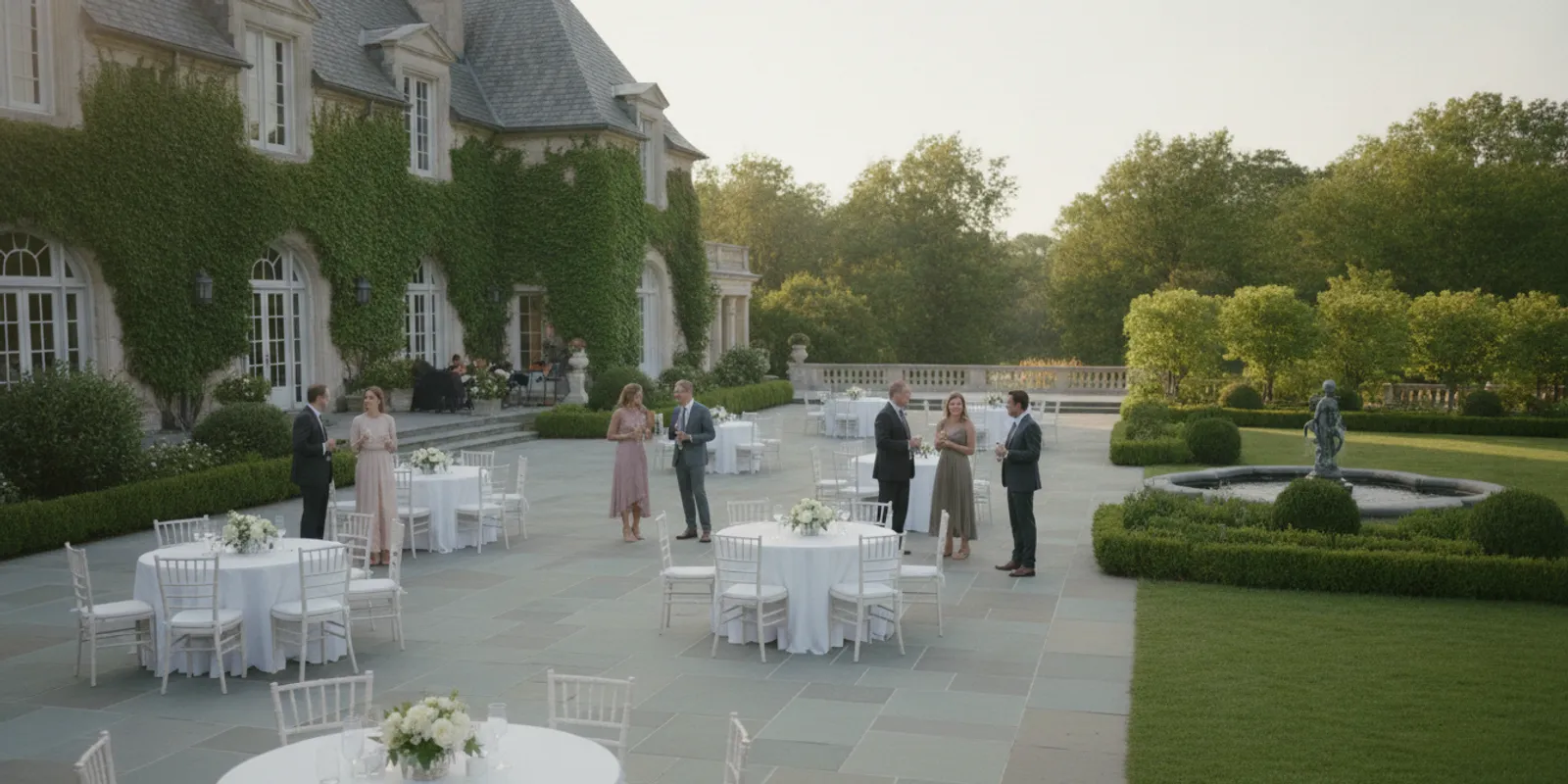
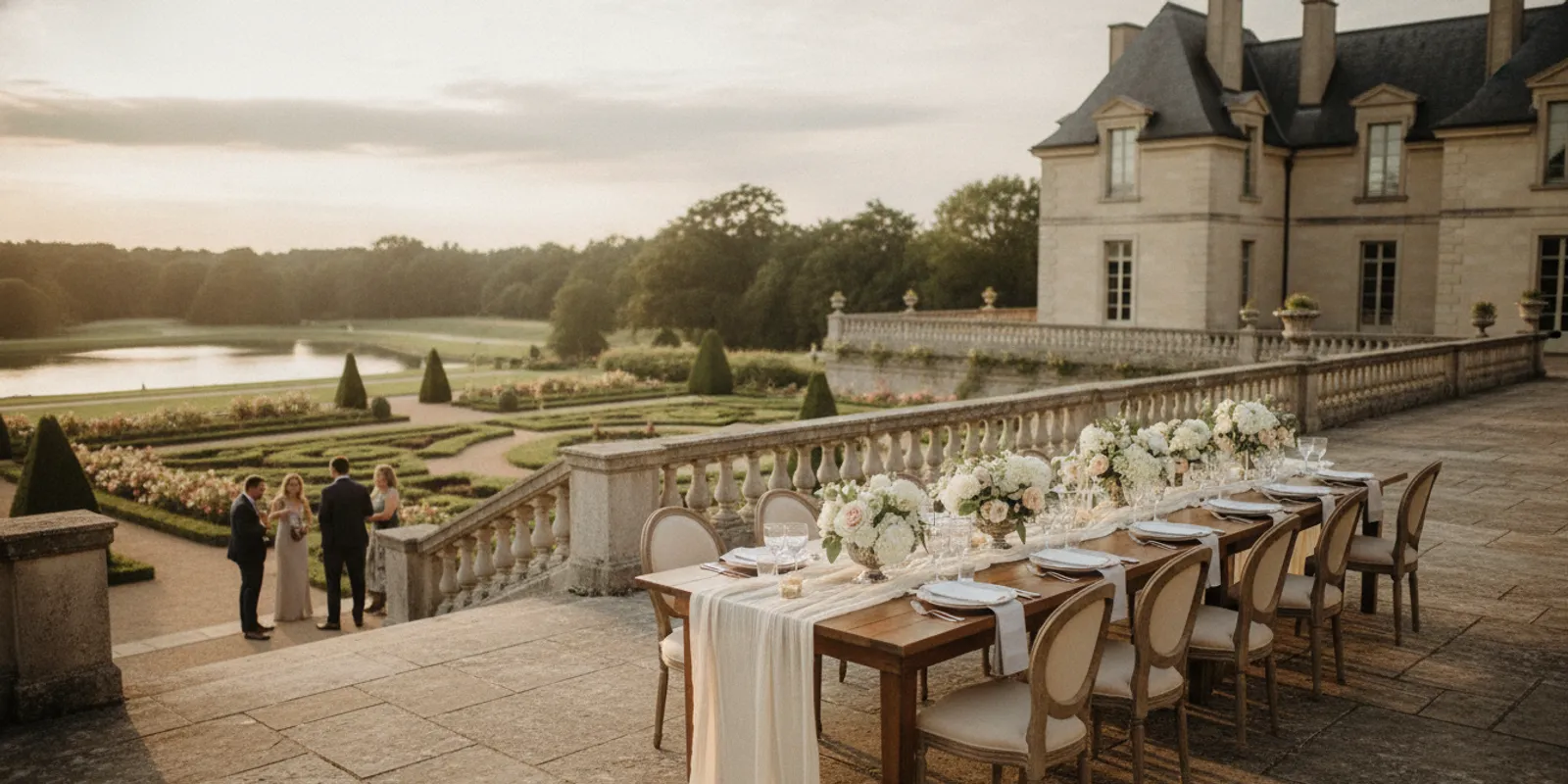
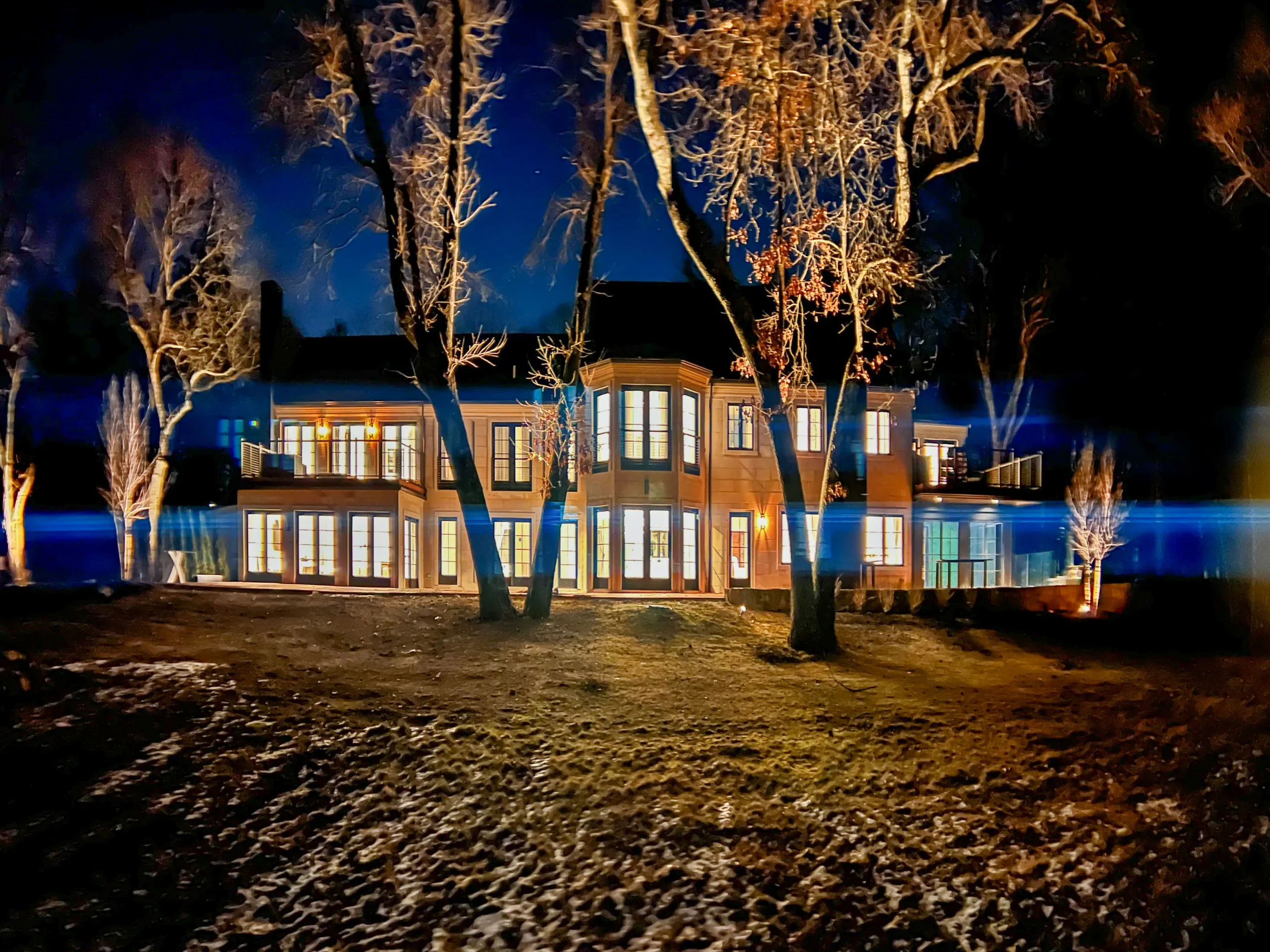
For Boston leadership teams, access matters as much as atmosphere. The Charles Chateau is in Dedham, approximately 20 minutes from downtown Boston. Its 8,000-square-foot French Chateau-inspired home sits on eleven private acres and is rented as a whole estate. Executive retreats are a documented use case, making the setting relevant when a team needs room for strategic planning, goal setting, and informal connection without treating those as separate events. Research from Babson College also recognizes the value of combining structured activities with free time, including informal conversations around meals and shared spaces.
Explore the Massachusetts corporate retreat venue details, or learn about the estate before deciding which setting best supports the team’s work.
How Should You Plan Confidential Work Sessions?
Confidential work benefits from deliberate design, not simply a closed door. Before the retreat, identify which conversations require the greatest concentration, who must be present, and what participants should understand about discretion. Strategic planning, team development, and goal setting are common reasons to bring a group offsite, but each requires a different room rhythm and level of preparation.
Set expectations before the first discussion
Assign rooms according to the work. A smaller setting may suit a sensitive leadership conversation, while a larger room can support a carefully facilitated working session. Leave enough space between blocks for participants to reset rather than carrying one difficult discussion directly into the next. Breaks can also create quieter opportunities for reflection and informal conversation, which may surface concerns that do not emerge in the main group.
Share a short confidentiality protocol in advance. Confirm who may attend each session, whether notes will be taken, where decisions will be stored, and how follow-up materials will be circulated. Ask the venue or concierge what can be confirmed about device use, connectivity, room access, and any technology required for the work. These are planning questions, not assumptions to make from a venue description. Likewise, clarify whether participants should leave phones outside a session, use personal devices, or follow a company-specific handling policy.
Plan the physical flow as carefully as the agenda. Keep arrival, working, meals, and breaks from competing for the same moment. If the group has exclusive use of a property, that arrangement may support a more discreet experience by reducing unrelated traffic and giving the organizer greater control over how the day unfolds. Learn more about private estate exclusivity and determine whether it fits the purpose of the meeting.
Discuss the planning details with the concierge before finalizing the program.
What Should the Checklist Cover for Lodging, Meals, and Transport?
Logistics determine whether an offsite feels considered or merely compressed into a new location. Build the checklist around the full stay, not only the working sessions. Confirm who is sleeping where, when people arrive, how meals will be handled, and what each guest needs between scheduled conversations.
Confirm the stay before you finalize the schedule
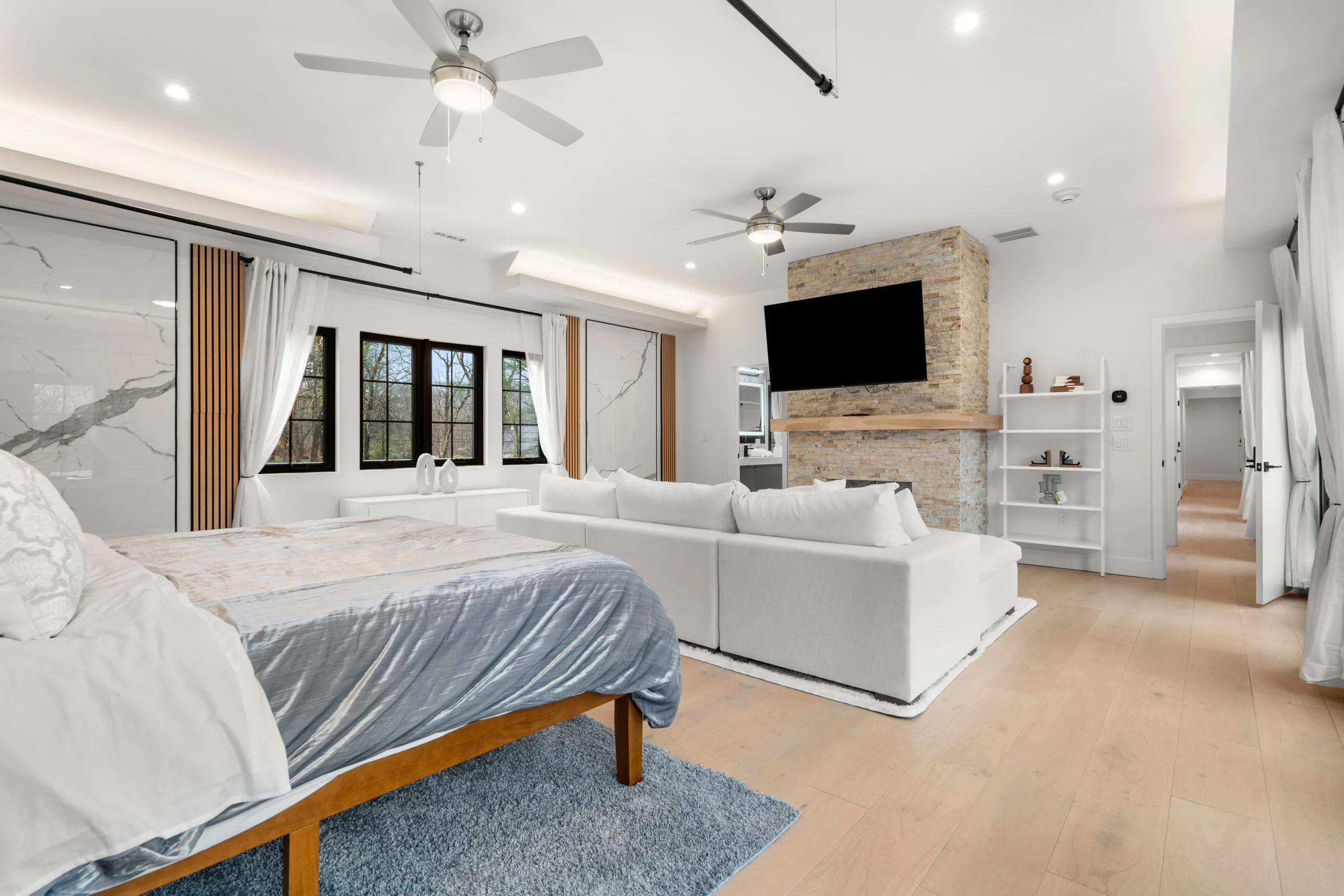
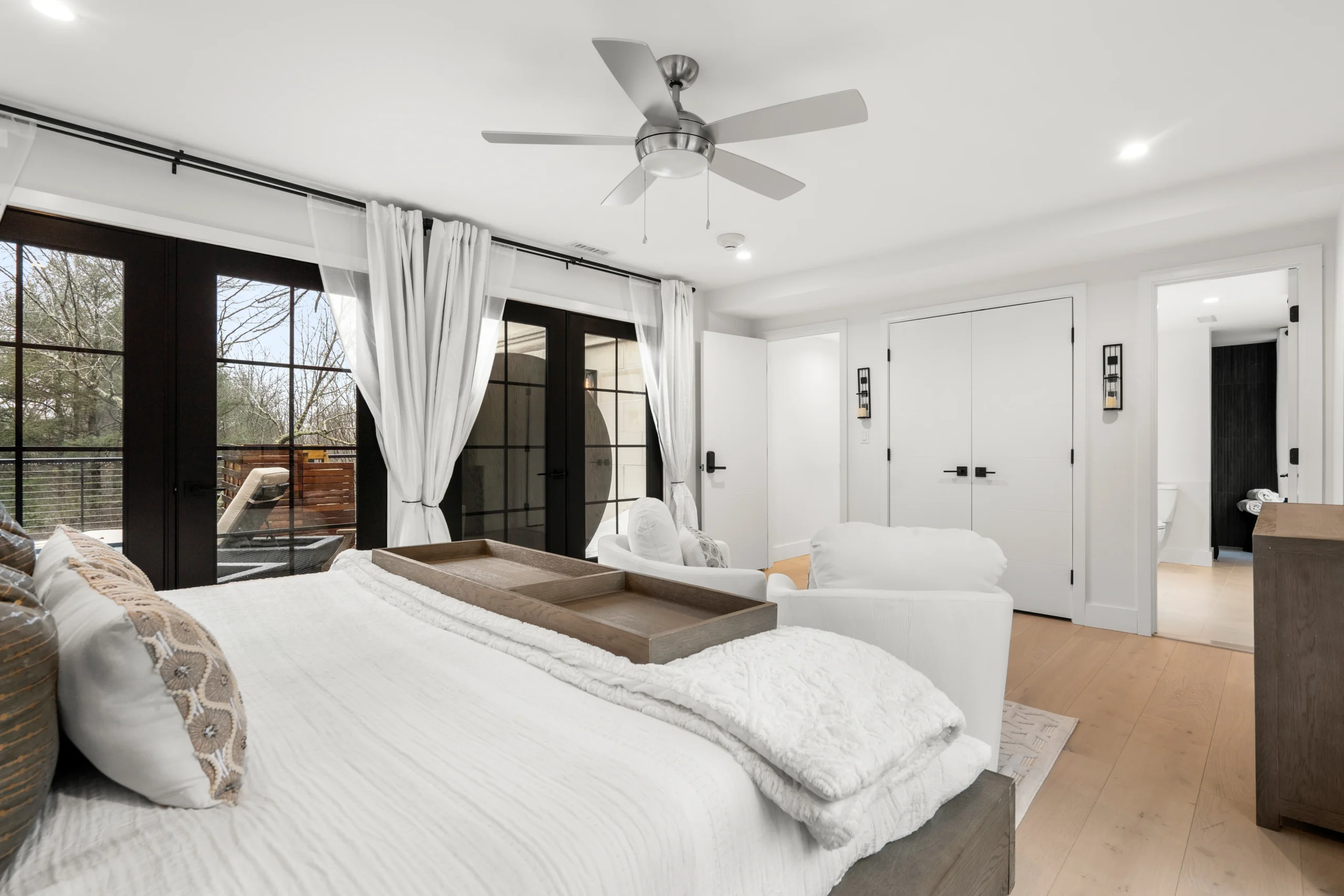
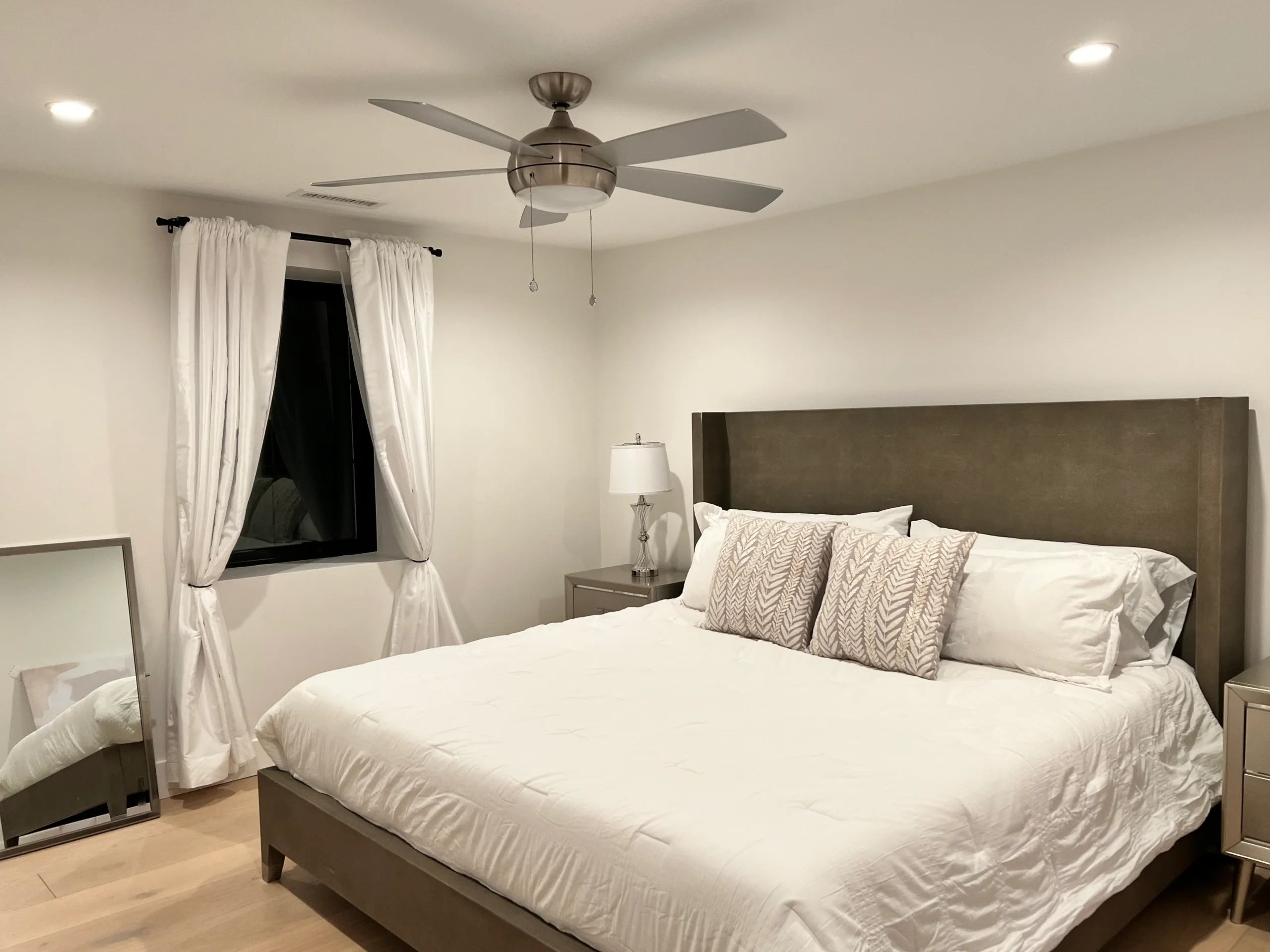
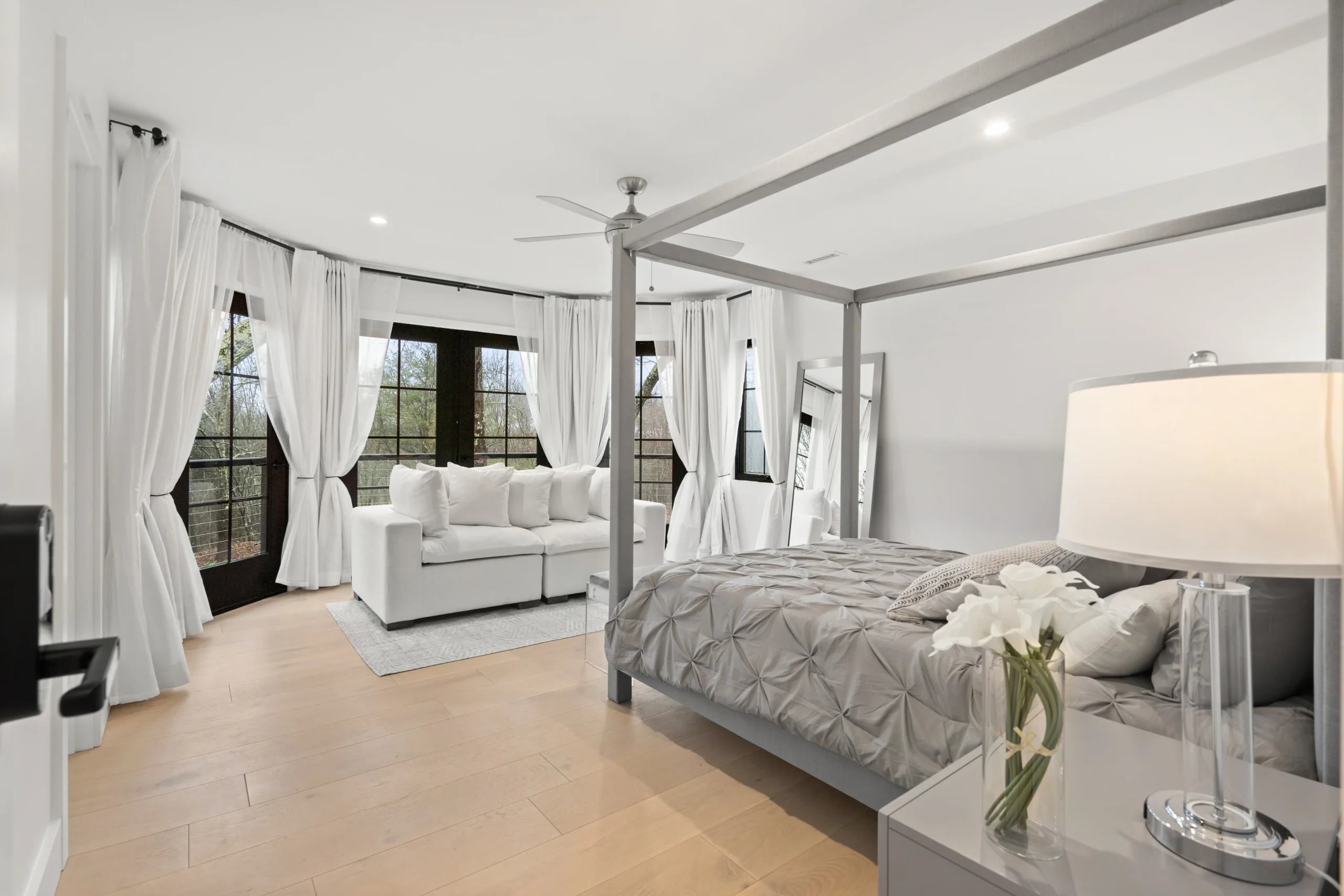
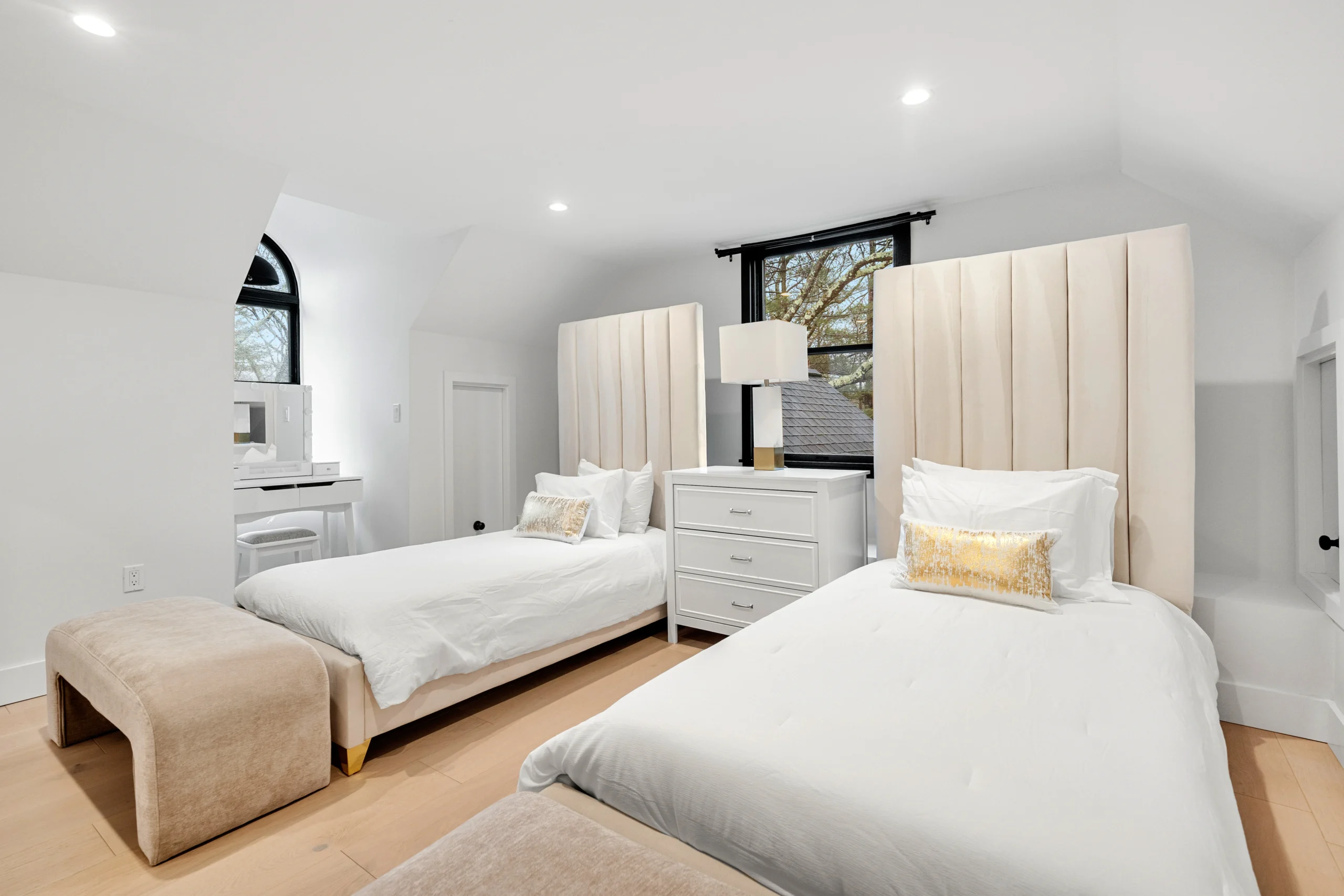
Start with the overnight configuration. The Charles Chateau is described in the customer materials as having eight bedrooms and accommodating 16+ overnight guests. But those figures are subject to the group’s configuration and should be confirmed for the specific stay. Note room assignments discreetly, identify accessibility or privacy needs, and decide whether every participant arrives for the same portion of the program.
Next, document dietary requirements and meal preferences early. Ask each guest about allergies, restrictions, timing, and whether a working meal is appropriate for a particular session. Do not assume that catering or a specific meal service is included. Instead, ask the concierge what arrangements can be coordinated for the dates and group.
Arrival planning deserves the same care. Set an arrival window, share the address and check-in expectations, and confirm parking instructions. If guests need transfers from Boston, a station, or an airport, ask whether transportation arrangements can be coordinated rather than promising a service before it is confirmed. A simple arrival plan should name the point of contact and what happens if someone is delayed.
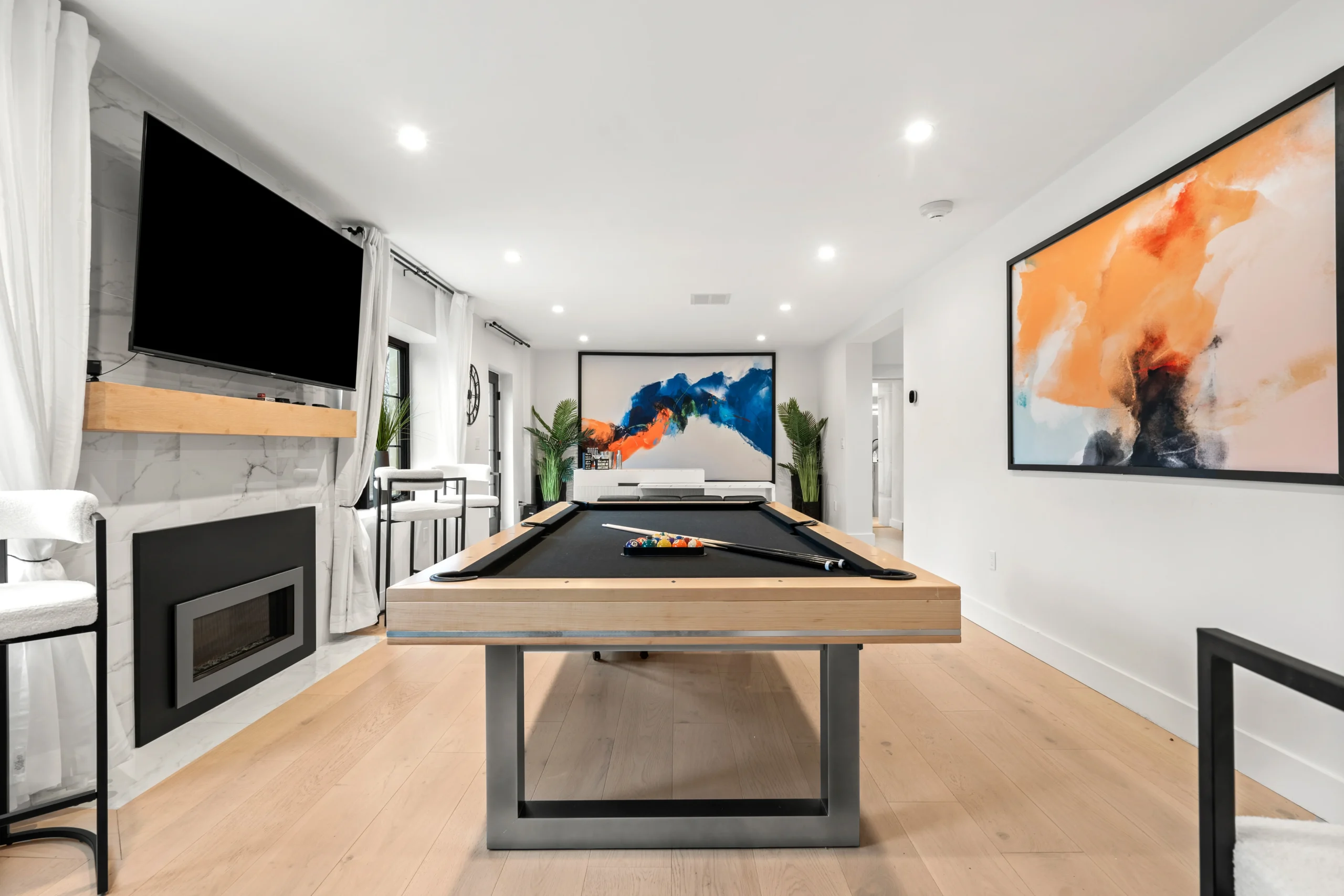
Leave room for decompression. A private estate can support different rhythms across the day, with documented amenities including a spa, billiards room, media area, private gym, fireplaces, a 4,000-square-foot terrace, outdoor kitchen, fire pit, and hot tub. These features are options to discuss and schedule thoughtfully, not a reason to overfill the itinerary. A residential corporate retreat setting can make informal connection and quiet recovery part of the experience.
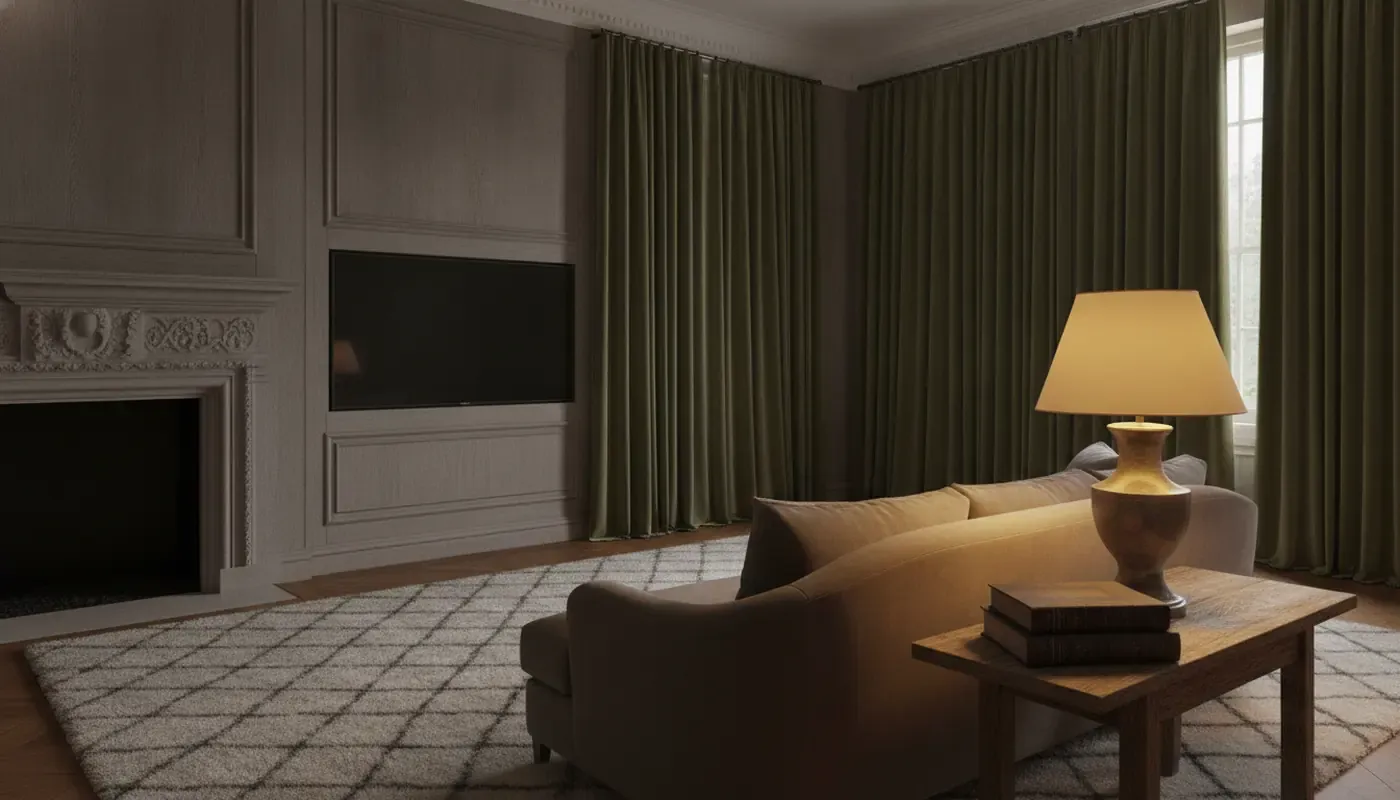
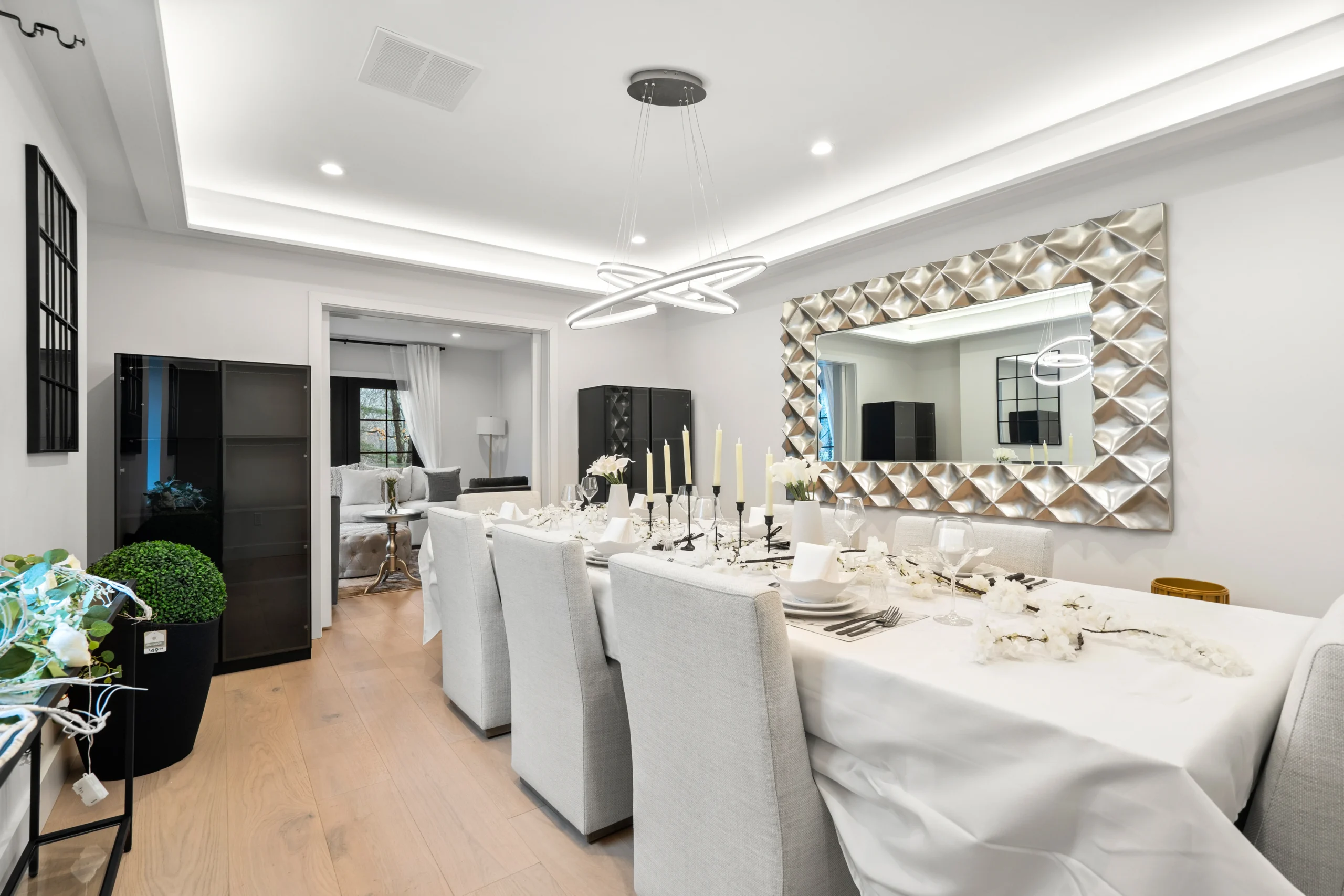
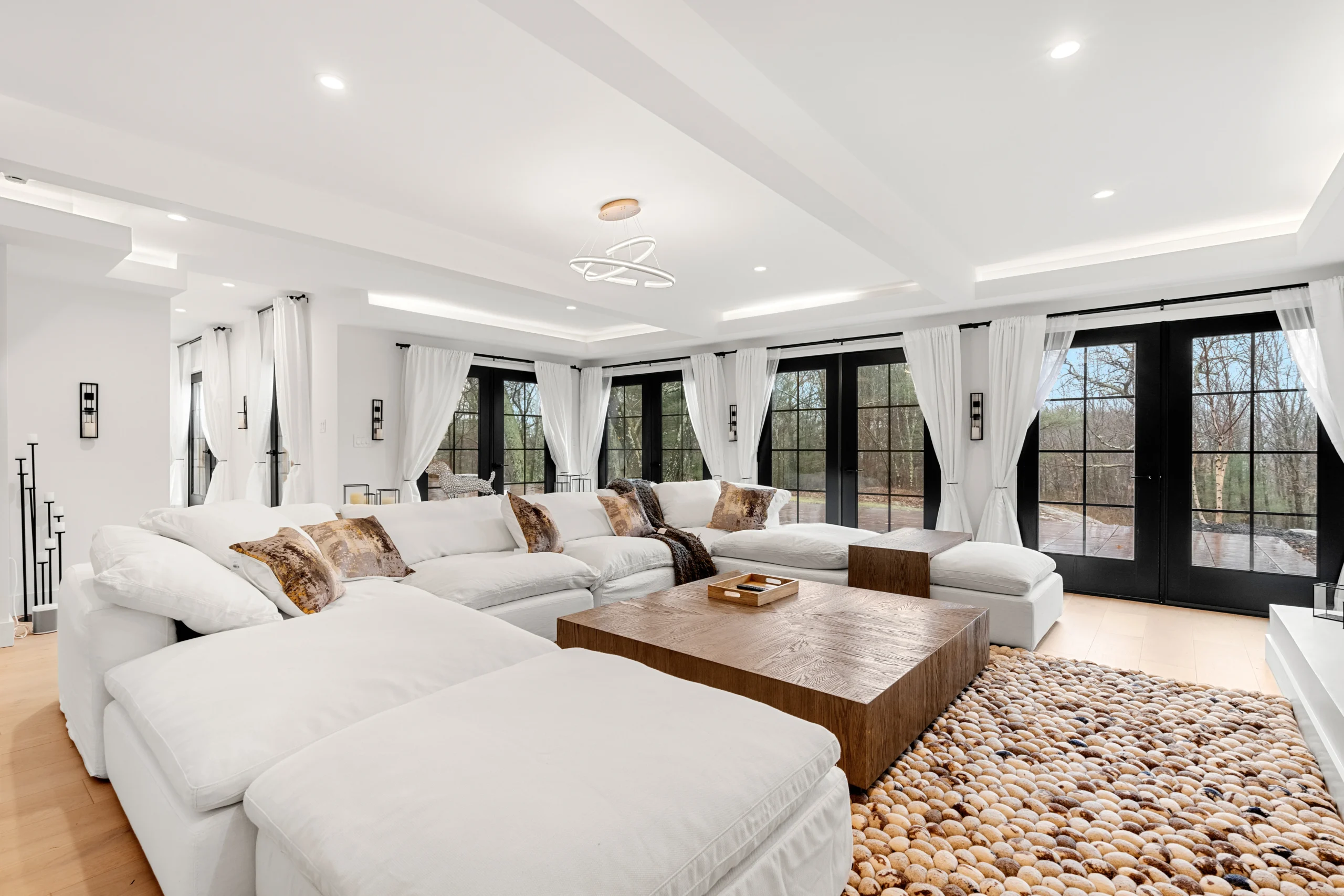
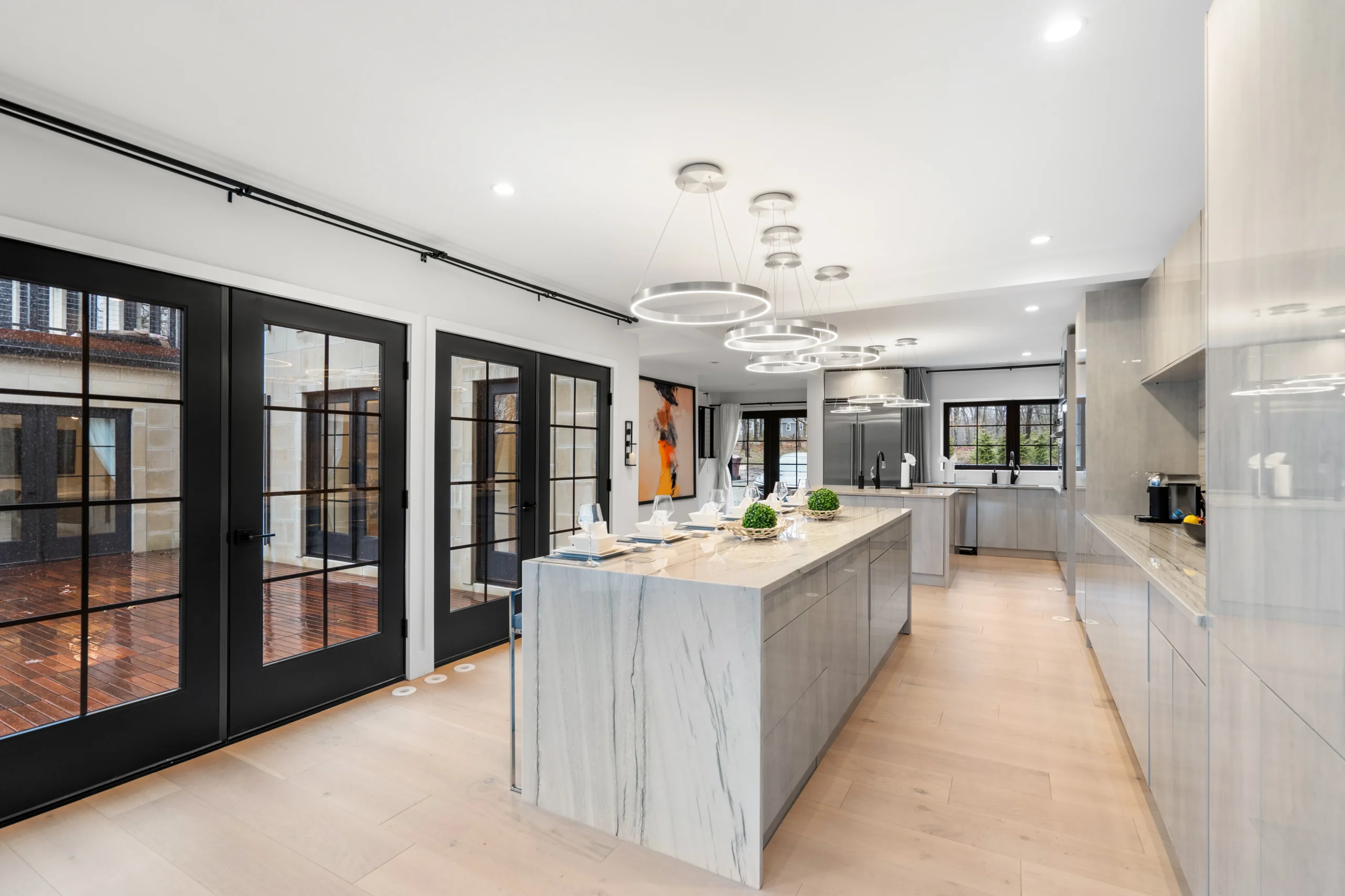
Before invitations go out, review the complete checklist with the concierge. The estate’s concierge support for retreat logistics is part of the planning conversation, while the estate interiors can help organizers think through gathering spaces and transitions. Confirm lodging, meals, arrival, parking or transfers, downtime options, and any outstanding guest needs in writing.
How Do You Turn the Offsite Into Follow-Through?
The offsite earns its value after everyone returns to regular work. Before the final session ends, convert the discussion into a short decision record that captures what was agreed, what remains open, and what will happen next. The record should be specific enough that someone who was not in the room can understand the direction without reconstructing the conversation.
Close the gap between decisions and delivery
For every decision, name one accountable owner rather than assigning responsibility to a department or the group. Add a deadline, the next visible action, and any dependency that could delay progress. If the team has not reached a decision, record the question, the information required, and the person responsible for bringing it back. This keeps an unresolved issue from being mistaken for agreement.
Build a brief feedback moment into the close of the retreat. Ask which discussion changed the team’s understanding, which concern still needs attention, and what should be handled differently at the next gathering. Feedback and reflection are established elements of executive leadership development, including goal-setting work described by Johns Hopkins. A relaxed setting can also make it easier for participants to voice opinions and address underlying issues, as the University of Georgia notes.
Schedule a 30-day check-in before anyone leaves. Keep it focused: review the decision log, confirm which commitments moved, identify blocked actions, and decide whether an item needs executive attention. This is not another full retreat. It is a disciplined point of contact that protects the work from disappearing into competing priorities.
For teams that need a more detailed structure before the gathering, the strategic planning retreat agenda can help connect preparation, discussion, decisions, and assigned follow-up without turning this checklist into a duplicate agenda.
When Should a Leadership Team Choose a Private Estate Near Boston?
A private estate can fit a leadership team when the offsite needs more than a meeting room. Consider this format when privacy, shared time, and overnight continuity matter as much as proximity to the city. The Charles Chateau is in Dedham, Massachusetts, about 20 minutes from downtown Boston, making it a practical option for teams that want a retreat environment without a distant destination.
A practical fit checklist
- Privacy is part of the brief. If the team expects candid strategic planning, sensitive discussion, or uninterrupted time together, whole-estate use can create a more contained setting than a conventional shared venue. The estate is rented as a single unit, supporting a private experience for the group.
- Access needs to remain convenient. A Boston-area location may suit teams balancing executive schedules with the value of stepping away from ordinary work obligations. Review arrival windows, transportation requirements, and the desired pace of the stay before choosing the setting.
- Overnight accommodation changes the experience. An estate with eight bedrooms is described as accommodating 16 or more overnight guests, while day gatherings are described as accommodating up to 30. Treat those figures as starting points, not automatic guarantees. Confirm the right configuration for your group, program, and length of stay.
- The team will use the whole property. A private home can support a fuller retreat rhythm, including working sessions, meals, informal conversation, and time to reset. That is especially useful when the goal is sustained leadership work rather than a single presentation.
Capacity, room flow, overnight arrangements, and any meal or transport needs should be qualified during planning. Access begins with a request for membership consideration, followed by the appropriate private reservation process. For context on the setting and its approach to guest experience, learn about the estate. If the criteria fit, review the executive retreat venue near Boston resource, then begin an inquiry-led conversation with the concierge rather than relying on public pricing or assumptions about availability.
Frequently Asked Questions
How far in advance should we plan a corporate offsite in Boston?
Start by defining the purpose, attendees, decision-makers, and preferred dates, then confirm the venue before building the detailed agenda. Allow time to coordinate overnight arrangements, dietary needs, arrival windows, transportation questions, and any confidential-work requirements. Earlier planning gives the team more room to protect focused work time and meaningful pauses.
How can we structure confidential work during an offsite?
Assign a private room and a clear participant list for each sensitive session. Confirm room access, device expectations, connectivity, document handling, and any security requirements with the venue before arrival. Build in breaks between discussions so participants can reflect without carrying confidential material into informal settings.
What should we confirm for lodging, meals, and transportation?
Confirm who needs to stay overnight, room assignments, dietary restrictions, meal timing, arrival windows, parking, and any transfers or ground transportation. The Charles Chateau has eight bedrooms and is described as accommodating 16 or more overnight guests, but the appropriate configuration depends on the group and event. Ask the concierge to confirm current arrangements rather than assuming availability.
Does a private estate fit every leadership offsite?
A private estate is a strong fit when the team values exclusive use, overnight continuity, private grounds, and proximity to Boston. The Charles Chateau is a French Chateau-inspired home in Dedham, about 20 minutes from downtown Boston, rented as a single unit. Teams with different capacity, access, or program needs should confirm fit through an inquiry and membership consideration process.
How should we confirm meals and informal team time?
Decide which meals are working sessions and which are intended for informal connection, then document preferences, dietary requirements, timing, and service expectations. Confirm catering or meal arrangements with the concierge in advance. This keeps the agenda practical without assuming that a venue provides a particular menu, vendor, or service.
Get started with a concierge planning conversation
A thoughtful planning conversation can help your leadership team clarify dates, priorities, and the private-estate setting that best suits the offsite. Share your planning needs with The Charles Chateau team, and begin a considered discussion about fit, flow, and the experience you want to create.