A useful corporate retreat agenda template gives a leadership group enough structure to make decisions and enough breathing room to think. The schedule below is designed as a starting point for a two-day retreat, with prompts for adapting each session to your goals. Explore the planning considerations, then request availability for your dates.
Request availability for your retreat
What should a corporate retreat agenda accomplish?
A corporate retreat agenda should turn a few important goals into a sequence of focused conversations, decisions, and deliberate pauses. Before assigning times, agree on what the group must understand, decide, or leave ready to do. A strong plan makes the purpose visible without filling every hour.
Start with a short planning brief. Keep it to one page if possible, and answer these questions:
- Who is attending? Name the functions and decision-makers in the room, not just the headcount.
- What is the central outcome? Choose one primary result, such as setting priorities for the next quarter or resolving a cross-functional issue.
- Which decisions belong here? Separate decisions the group can make from topics that require later research or approval.
- What should participants prepare? Send only the context needed for a useful discussion, with clear page limits and deadlines.
- What should happen afterward? Assign a note owner and decide how commitments will be recorded and revisited.
When the purpose is unclear, the agenda often becomes a list of presentations. Instead, give each working session an outcome and a named facilitator. A useful outcome is specific enough to guide discussion: for example, agree on three priorities and identify an owner for each. Avoid promising that a retreat will solve every open issue. The schedule should make progress possible, not manufacture consensus.
Translate that outcome into a simple test for each agenda item: if the session succeeds, what will be different by its end? For a discussion about competing initiatives, the answer might be a ranked list and a record of unresolved dependencies. For a planning review, it might be agreement on which assumptions need validation before a final choice. If a topic has no clear output, shorten it, move it to pre-reading, or remove it.
For a group that is still shaping its event, this executive retreat planning checklist can help surface decisions beyond the agenda itself.
How do you build a two-day retreat schedule?
A two-day format works well when the group needs both shared context and protected time for decisions. Give the first day room for listening, diagnosis, and discussion; reserve the next morning for choices, ownership, and next steps. Treat the sample timings as a framework rather than a fixed program. That separation gives discussion a deliberate path from context to commitment.
| Time | Session | Purpose and output |
|---|---|---|
| Day 1, 9:00 | Arrival and orientation | Settle in, confirm the purpose, and review the decisions the group needs to make. |
| Day 1, 9:30 | Shared context | Bring participants to a common understanding of current conditions and constraints. |
| Day 1, 10:30 | Break | Allow a genuine pause before intensive discussion. |
| Day 1, 10:45 | Priority-setting discussion | Surface the most important opportunities and tensions; capture themes without forcing a premature vote. |
| Day 1, 12:15 | Lunch and informal conversation | Leave room for connection outside the formal sessions. |
| Day 1, 1:15 | Focused working session | Work through one consequential challenge in a small group or facilitated discussion. |
| Day 1, 2:45 | Break and reset | Give participants time to step away and return with attention. |
| Day 1, 3:00 | Options and trade-offs | Compare possible paths and identify what information remains unresolved. |
| Day 1, 4:15 | Day-one synthesis | Summarize emerging points and questions to carry into the next morning. |
| Day 2, 9:00 | Re-entry and recap | Reconnect the group to the purpose and correct any misunderstandings. |
| Day 2, 9:30 | Decision session | Make the agreed decisions, or specify the next step and decision owner where more work is needed. |
| Day 2, 11:00 | Break | Pause before translating choices into action. |
| Day 2, 11:15 | Commitments and owners | Record accountable owners, first actions, and check-in dates. |
| Day 2, 12:00 | Closing reflection | Confirm what changed, what remains open, and how the group will continue the work. |
Adjust the start and finish times for travel, the group’s working rhythm, and the length of the retreat. If the gathering includes a larger social occasion, do not let it compete with the decisions that brought people together. Protect the most demanding conversation for a time when participants are likely to be present and prepared.
Use the table by matching the work to the group’s energy and information needs, not by preserving every listed time. If participants arrive after a long drive, for example, begin with orientation and shared context rather than a consequential vote. If the team already shares the facts, shorten that section and use the time for evaluating options. Keep the decision session after the group has had time to examine trade-offs.
It also helps to distinguish a session from its transition. Put a few minutes between a presentation and a decision discussion so participants can note questions. Give the facilitator a defined close: summarize the choice, test whether anyone has a material concern, and record the owner of each follow-up. This small practice prevents a full agenda from producing an unclear finish.

How should you adapt the template to your group’s purpose?
Adapt the schedule by changing the sequence and outputs, not by adding more sessions. A board or senior leadership group may need time for strategic choices and sensitive discussion; a cross-functional team may need to clarify handoffs and shared priorities. In either case, use the group’s real decisions to determine what earns a place on the agenda.
For strategic planning
Begin with evidence and assumptions, then explore a small number of strategic choices. Ask participants to distinguish what they know from what they believe. End the session with the choices made, the reasoning behind them, and any open questions that need additional work. Avoid a long series of departmental updates unless each update informs a decision.
A practical sequence is to state the choice, review the relevant evidence, list the assumptions behind each option, then compare consequences. For instance, if a team is considering whether to concentrate on one priority or continue several initiatives, ask what each path would require in people, time, and coordination. Capture the rationale alongside the decision so the group can revisit it if the underlying facts change.
For leadership alignment
Make time for candid discussion about priorities, trade-offs, and responsibilities. A useful prompt is to ask where the team is pursuing goals that compete with one another. Give participants time to reflect before discussing the answer. Close by documenting the behavior or decision that will change after the retreat.
To keep this conversation constructive, let participants write down their view before the discussion begins. Invite each person to name one area where responsibilities overlap or a handoff is unclear. Then sort the observations into items the group can settle now and items that need a separate owner. This avoids mistaking agreement on a broad principle for agreement on who will act.
For team connection
Build connection into shared meals, informal intervals, and a small number of purposeful activities. Do not treat every moment together as a facilitated exercise. A private setting can make it easier for a group to move between focused work and conversation at a natural pace. For activity ideas, see these executive retreat team-building options.
For more ideas on the balance between structured sessions and open time, review leadership offsite ideas and choose only what serves this group’s purpose. In any format, be explicit about what is optional and what requires the full group’s participation. That distinction respects different working styles while keeping essential decisions from becoming fragmented.
How much open time belongs in the agenda?
Open time belongs in the agenda whenever participants need to process, connect, or move between demanding conversations. It is not wasted time, and it should not be confused with an unplanned retreat. Schedule pauses intentionally, explain their purpose, and give the group a clear point to reconvene. Treat these intervals as part of the plan, not leftover minutes.
Plan a break after a substantial working block rather than waiting for attention to fade. Allow a little margin between sessions so that one conversation can end properly. Meals can support informal exchange, but avoid assigning every meal a formal objective. The unstructured moments often help people continue a discussion in a less performative setting.
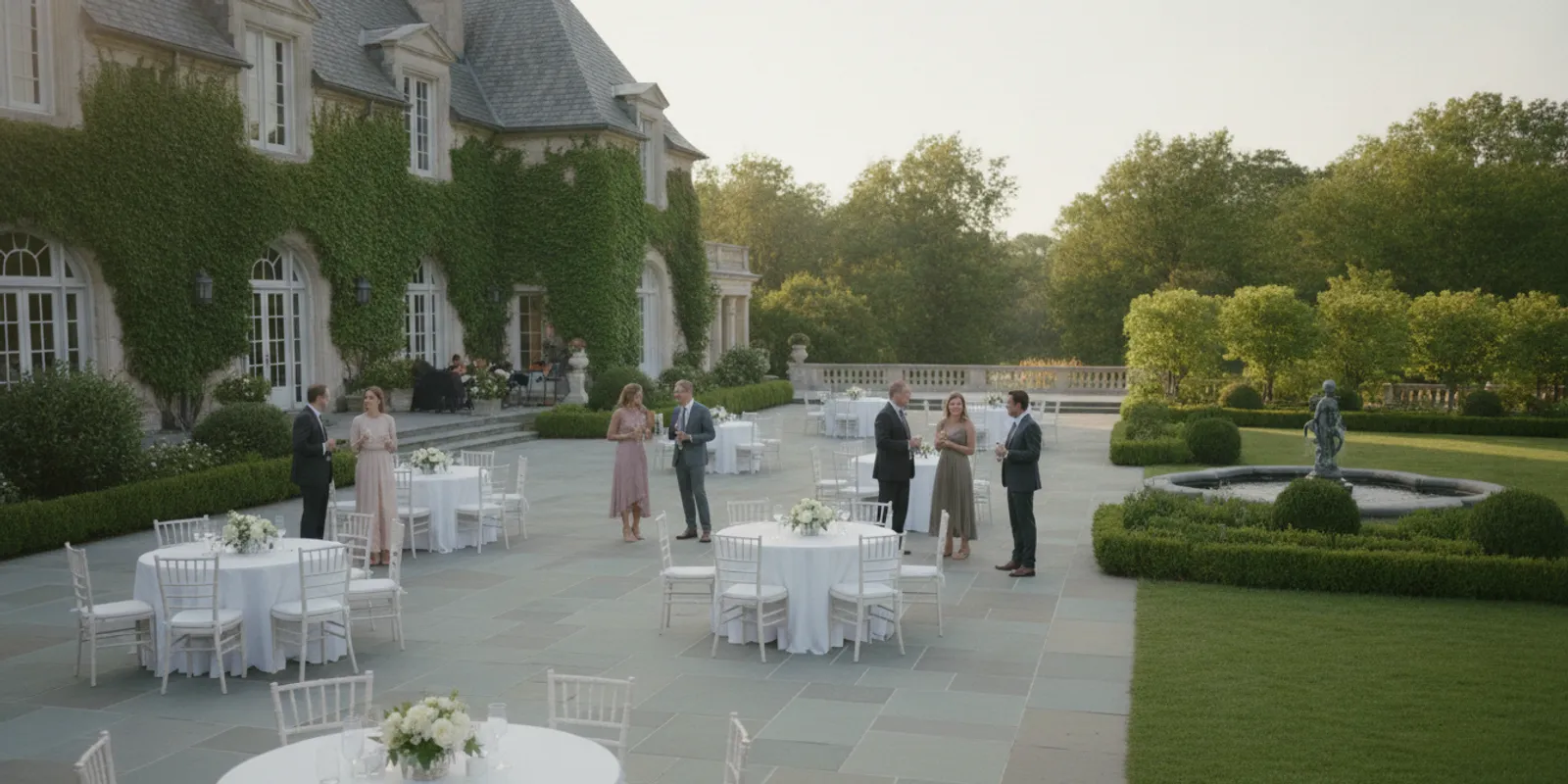
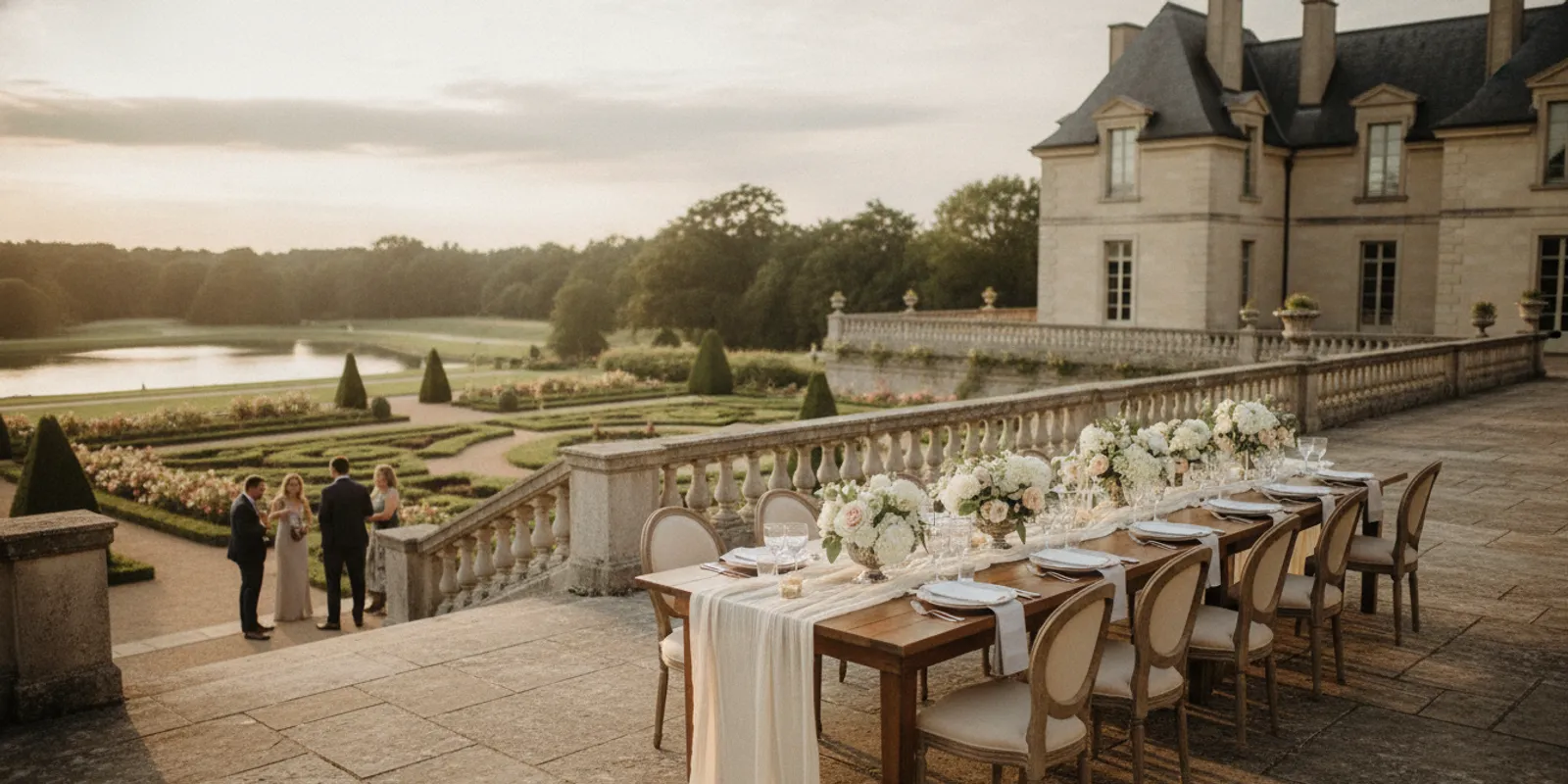
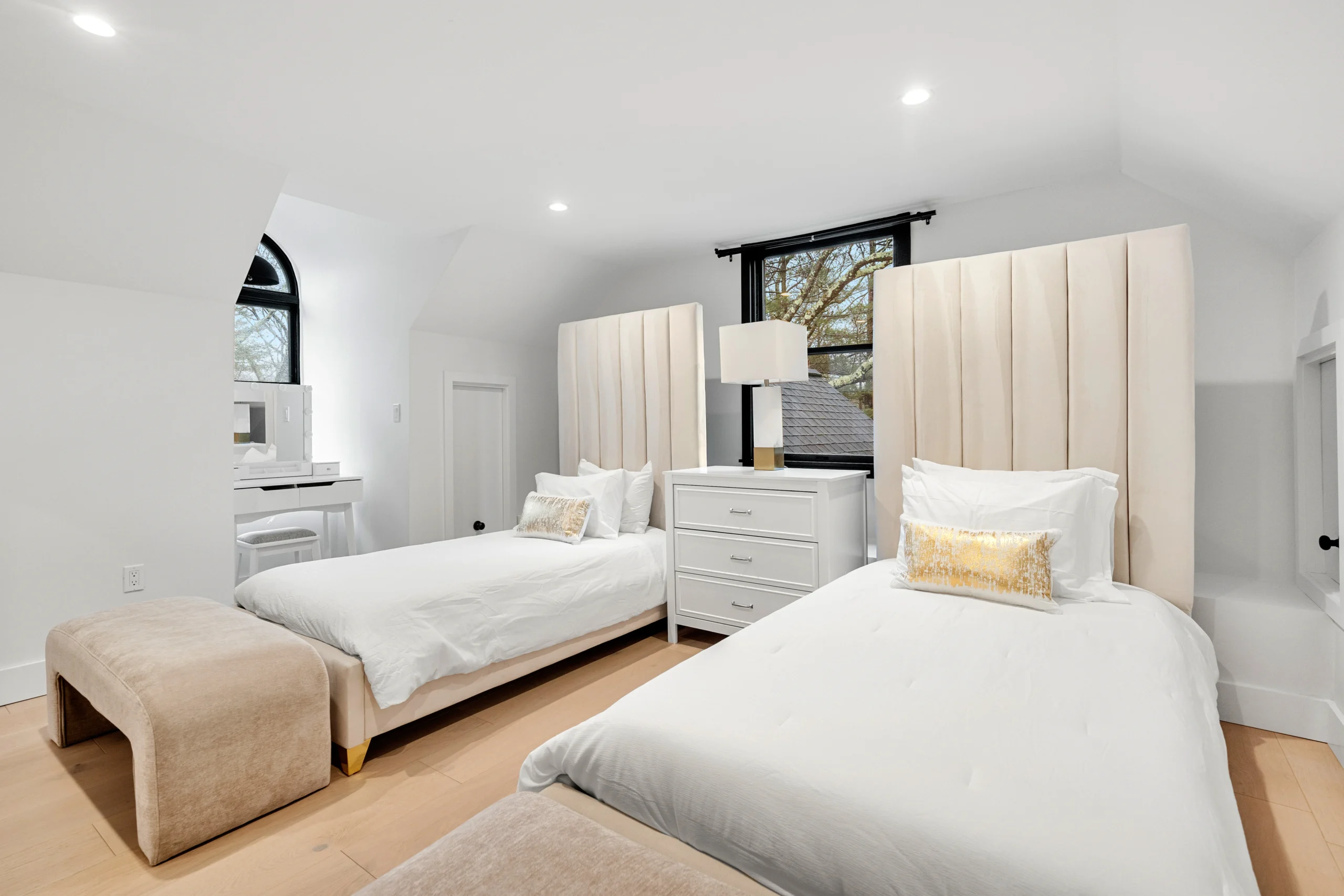
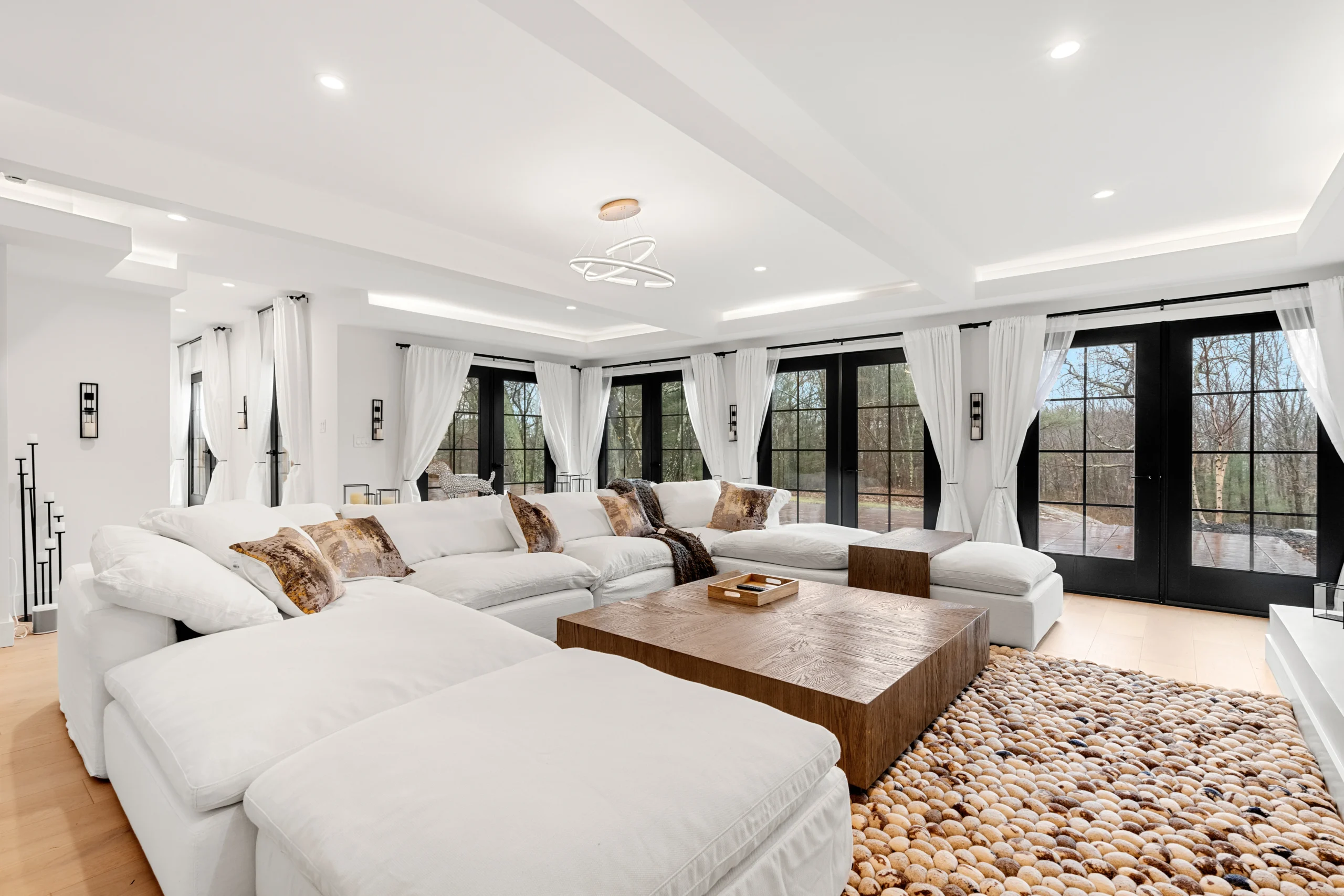
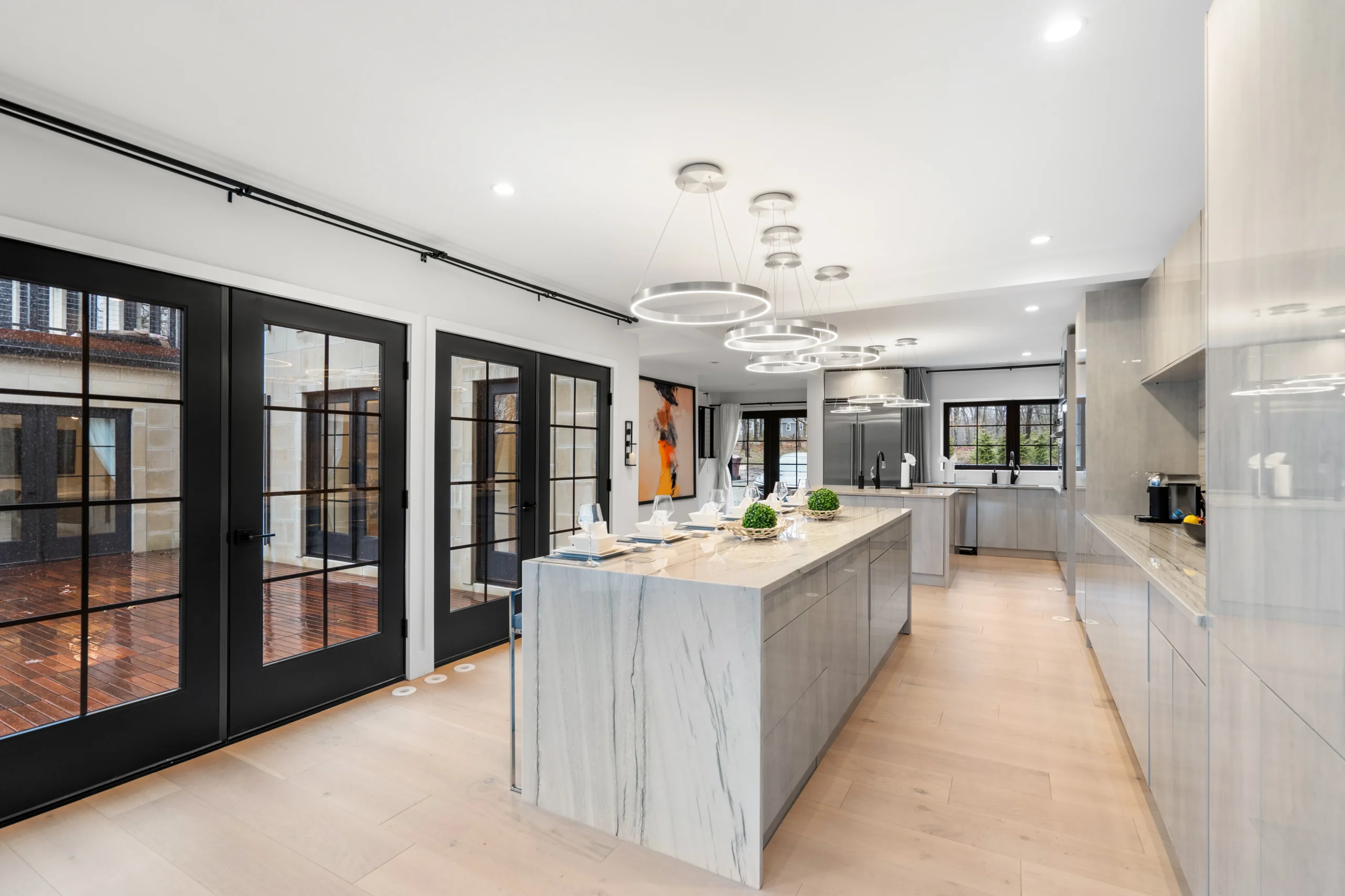
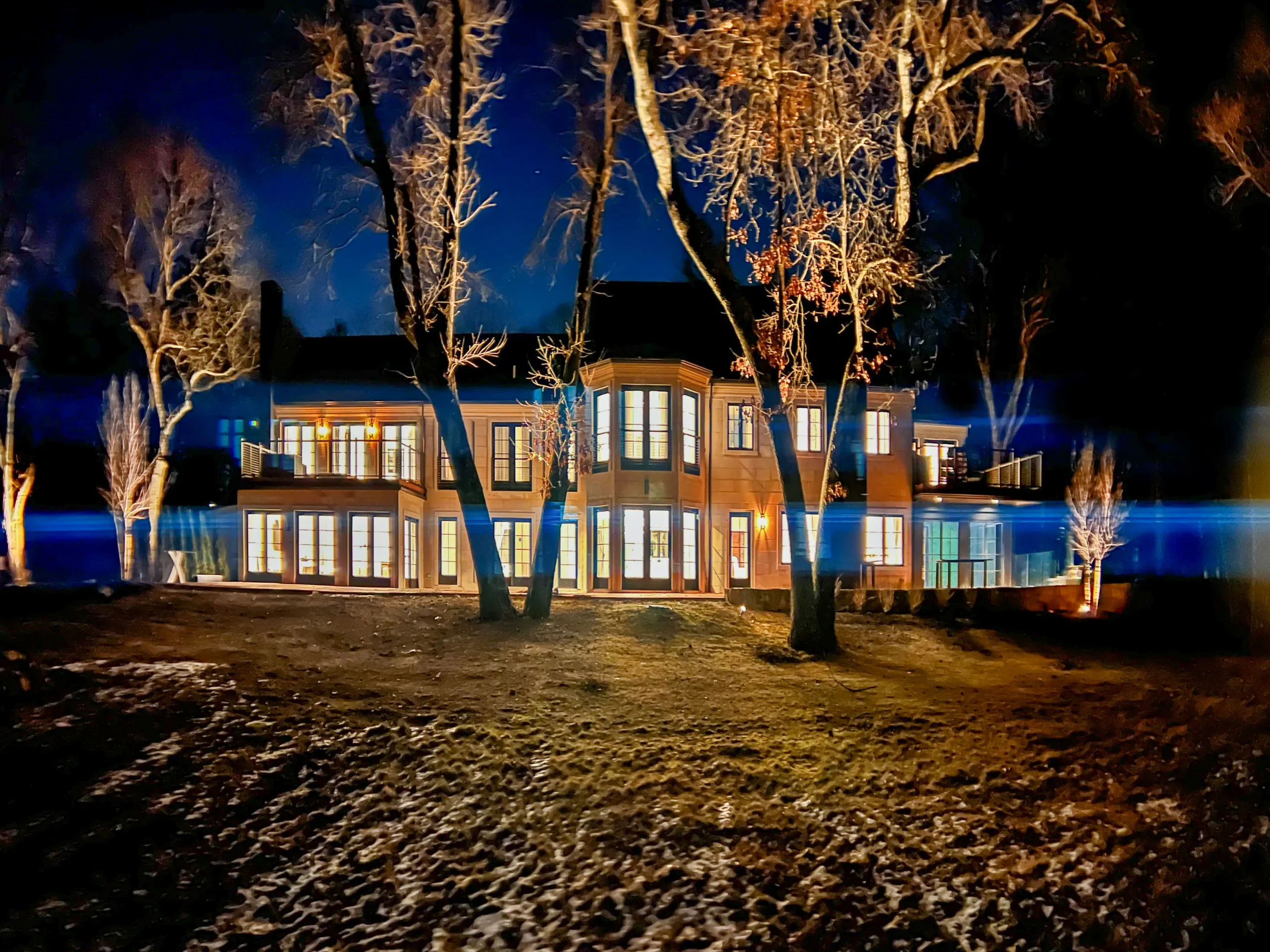
Think about the physical setting as part of the agenda. A whole-property private stay offers a different rhythm from moving between a meeting room and a hotel lobby. At The Charles Chateau, the estate is 8,000 square feet, with 8 bedrooms on 11 private acres in Dedham, approximately 20 minutes from downtown Boston. A group can plan focused time alongside quieter intervals without making a long trip away from the city. Review the interior spaces and estate grounds when considering how your gathering might flow.
Open time also needs a little structure. Tell participants whether an interval is intended for rest, informal conversation, or individual preparation for the next session. If the schedule is running late, do not automatically take the break away. Instead, shorten a lower-priority discussion or move an unresolved item into the follow-up list. Protecting the pause helps the group return with attention and gives the facilitator a chance to revise the plan.

What should the organizer confirm before the retreat?
Confirm the practical details that can affect participation before the agenda is final. The organizer should check dates, arrival plans, group size, dietary and accessibility needs, session materials, and the way decisions will be documented. Early coordination gives the concierge team a useful basis for discussing a stay shaped around the group. Confirming these points early keeps logistics from displacing the work.
- Confirm the occasion and dates. Identify the decision-maker, likely dates, length of stay, and whether the retreat includes a particular milestone or gathering.
- Confirm the group profile. Establish expected overnight attendance and whether any day guests will join. The estate accommodates up to 16+ overnight guests in 8 bedrooms and up to 30 day guests for gatherings; share the actual plan during inquiry.
- Clarify the working requirements. Describe the format of sessions, the materials participants need, and any requirements the organizer should discuss in advance. Do not assume a specific setup without confirming it.
- Plan arrivals and transitions. Collect arrival windows and note who needs to be present for each session. Leave room for travel and settling in.
- Assign facilitation and notes. Name the person leading each discussion and the person capturing decisions, actions, and unresolved questions.
- Confirm the follow-through. Put a review date on the calendar and decide who will circulate the final record of commitments.
For a more detailed venue discussion, the executive retreat venue overview explains the setting. The concierge team can discuss group needs during the inquiry process; arrangements are tailored rather than assumed from a generic template.
Before sending the agenda, do a final readiness check with the facilitator and note owner. Confirm that each session has an owner, a time limit, an output, and any materials required. Ask whether participants know what to read or prepare, and whether the decision-makers will be present for the decisions on the schedule. If an essential person can attend only part of the retreat, place their session accordingly rather than relying on a later recap.
For group size, distinguish overnight guests from people attending only a daytime gathering. That distinction affects arrival coordination and the flow of the schedule. The estate has parking for 10+ vehicles; planners can describe expected arrivals when discussing logistics. Share any accessibility, dietary, or rooming considerations early, and confirm what can be arranged rather than assuming details from an agenda template.
How can you make the agenda useful after everyone leaves?
An agenda has lasting value when it connects the retreat’s conversations to work that continues afterward. Before participants depart, read back the decisions, owners, and next actions. Within a few days, share a concise record that distinguishes final decisions from ideas or questions that still need attention. This creates a clear bridge from the gathering to the team’s regular work.
Use a simple action log with four fields: commitment, owner, first step, and check-in date. Avoid documenting every comment or turning the record into a transcript. The point is to preserve what the group agreed to do and make it easy to see where progress depends on another decision.
Close the loop at the next leadership meeting. Ask which commitments are complete, which need support, and whether any assumptions have changed. If a decision was deferred, name the information required and the person responsible for bringing it back. This modest follow-through helps participants experience the retreat as part of their work, rather than a separate event.
Make the action log specific enough that an absent colleague can understand it. Instead of recording only “review the proposal,” note who will review which question, what input they need, and when the group will consider the result. Mark each item as a decision, an action, or an open question. Those labels prevent exploratory ideas from being mistaken for agreed commitments.
When the agenda needs a more detailed working structure, adapt this strategic planning retreat agenda to your group’s decisions and timeline.
What should you know about planning a private estate retreat?
A private estate retreat is planned around a whole group’s stay, not just a meeting room reservation. The schedule, gathering size, overnight needs, and desired balance of work and social time all matter. The Charles Chateau is a members-only estate, so prospective guests request consideration for membership and discuss their plans through an inquiry. This format gives organizers a chance to describe the occasion and group needs in context.
For a group considering an overnight stay, the estate has 8 bedrooms and can accommodate 16+ overnight guests. Day gatherings can include up to 30 guests. Specific seating and dining arrangements are discussed according to group needs rather than treated as fixed capacities. Start with a clear description of your occasion, approximate group size, preferred dates, and intended schedule.
Read about private retreats and events near Boston for more context on the estate experience. You can also learn about the estate’s approach to membership before making an inquiry.
When you compare possible settings, consider how the group will move between work, rest, and shared meals over the full stay. The Charles Chateau is an 8,000-square-foot French Chateau-inspired private estate on 11 private acres in Dedham, approximately 20 minutes from downtown Boston. Its members-only, whole-property format is distinct from a public meeting venue; prospective guests request consideration for membership and discuss the occasion with the concierge team.
Request consideration for membership
Frequently asked questions
A useful retreat agenda is specific enough to guide decisions and flexible enough to suit the group. The answers below address schedule length, the two-day format, social time, and essential agenda details. Use them as practical checks while adjusting the plan to your group’s objectives, attendance, and pace.
How long should a corporate retreat agenda be?
Use a one-page overview for participants, then provide supporting materials only where needed. The agenda should show the purpose, session sequence, breaks, and expected outputs. Background reading can be shared separately so the schedule remains easy to scan.
Is a two-day agenda enough for a leadership retreat?
It can be, if the group has a focused objective and arrives prepared. A two-day format allows time for shared context, discussion, decisions, and follow-through planning. If the group must address several major topics, prioritize them rather than compressing every subject into consecutive sessions.
Should a retreat include social activities?
That depends on the purpose and the people attending. Shared meals and unstructured time can support connection without requiring a formal activity. If you include a planned experience, give it a clear place in the schedule and avoid letting it crowd out essential working sessions.
What should a retreat agenda include?
Include the purpose, session times, breaks, facilitators, preparation expectations, and the outcome expected from each working block. Also identify who will capture decisions and how the group will follow up. Leave room to adjust the plan if an important conversation needs more time.
With a clear purpose, considered pacing, and a practical follow-through plan, your group can use a retreat to make progress while still having room for meaningful time together.